Walmart’s Surprise Self-Checkout Change Is Shaking Up the Retail World
When Self-Checkout Kiosks Started Disappearing
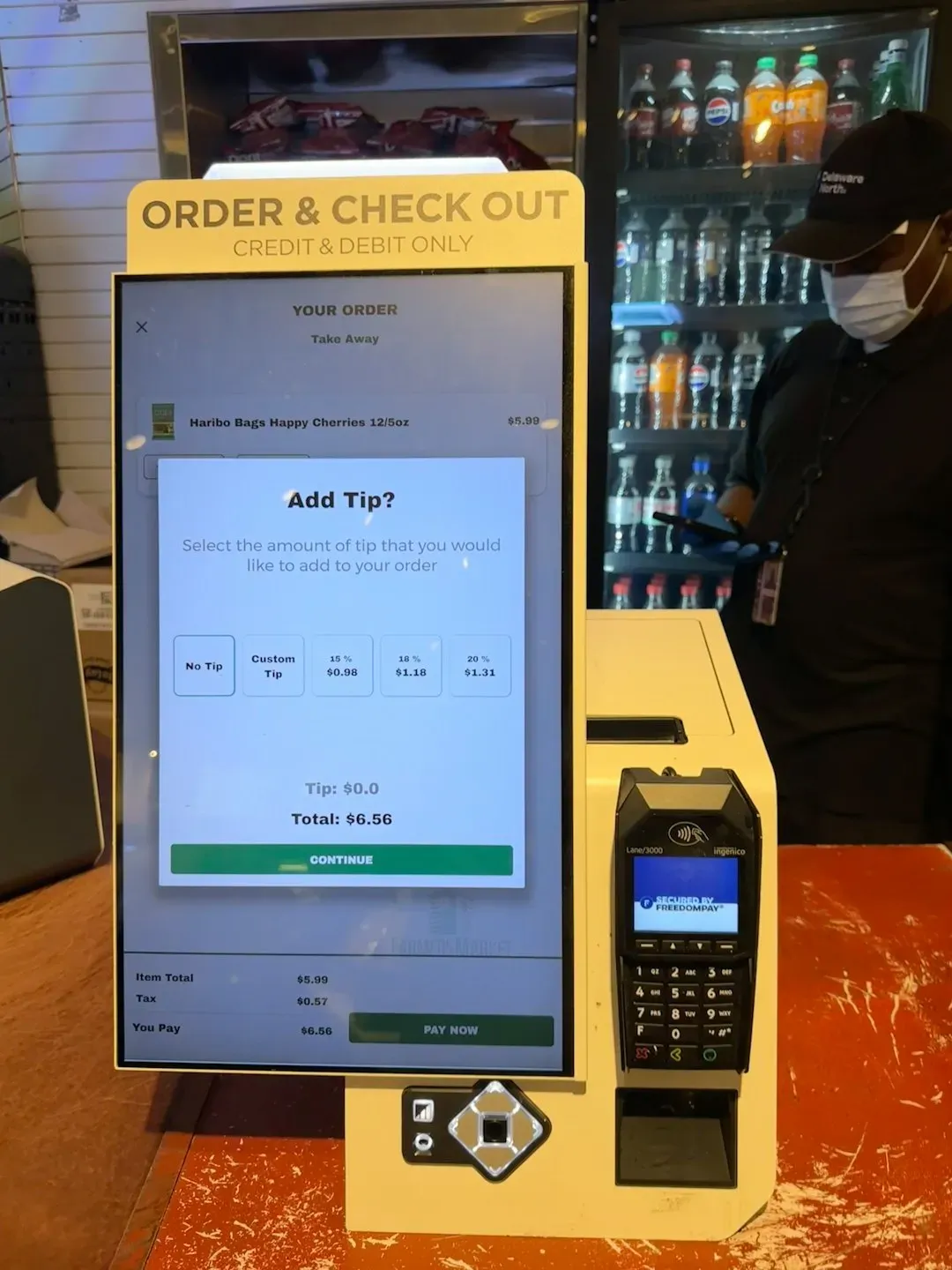
Something remarkable happened in Shrewsbury, Missouri. Between January and May of last year, police responded to 509 calls from a single Walmart location. During the same period this year, after self-checkout machines were removed, those calls plummeted to just 183 while arrests fell from 108 to 49. Think about that for a moment. The removal of those automated kiosks cut theft-related incidents by roughly two-thirds in one store alone.
The retail giant removed self-checkout kiosks at select locations, including stores in Shrewsbury, Missouri, and Cleveland, in favor of associate-staffed checkout lines. In New Mexico, some stores removed all self-checkout kiosks in 2023. While this might sound like a step backward in our technology-driven world, local law enforcement actually praised the decision. Shrewsbury Police Chief Lisa Vargas called it “a huge change” and said they “really appreciate Walmart taking initiative.”
The Billion-Dollar Theft Problem Nobody Wants to Talk About
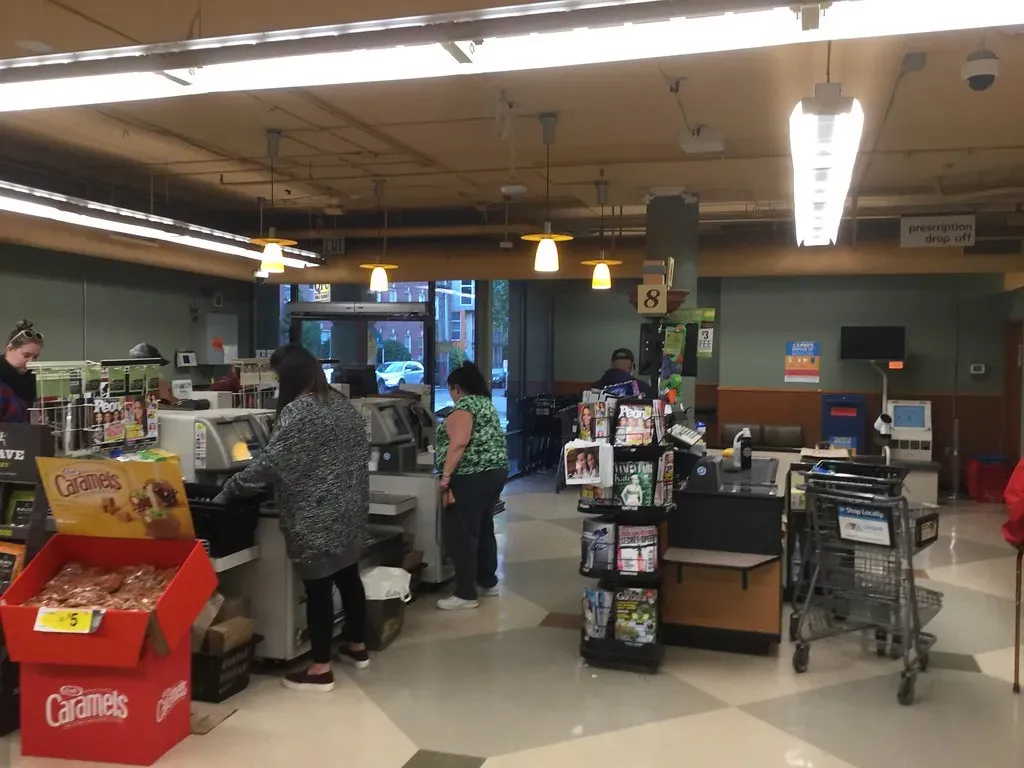
Let’s be real here. Self-checkout seemed like a win-win scenario when it first rolled out. Shoppers loved the speed and autonomy, retailers loved cutting labor costs. Walmart loses an estimated $3 billion annually due to theft, with the company implementing stricter security measures including receipt scanning at store exits. That number is staggering when you really think about it.
Theft increases by up to 65% at self-checkout compared to a traditional checker. A 2023 survey found that 15% of shoppers admitted to stealing items at self-checkout, and of those, only 33% were caught. Even more concerning? 44% of those who stole say they’ll likely do it again. The psychology behind this is fascinating. Some people rationalize it as “accidental,” while others see it as payback for being forced to do the cashier’s job themselves.
Retail theft in the U.S. now exceeds $112 billion each year, with over $41 billion linked to theft, and self-checkout theft alone costs stores about $3 billion every year.
Membership-Only Lanes Are Creating a Two-Tier Shopping Experience
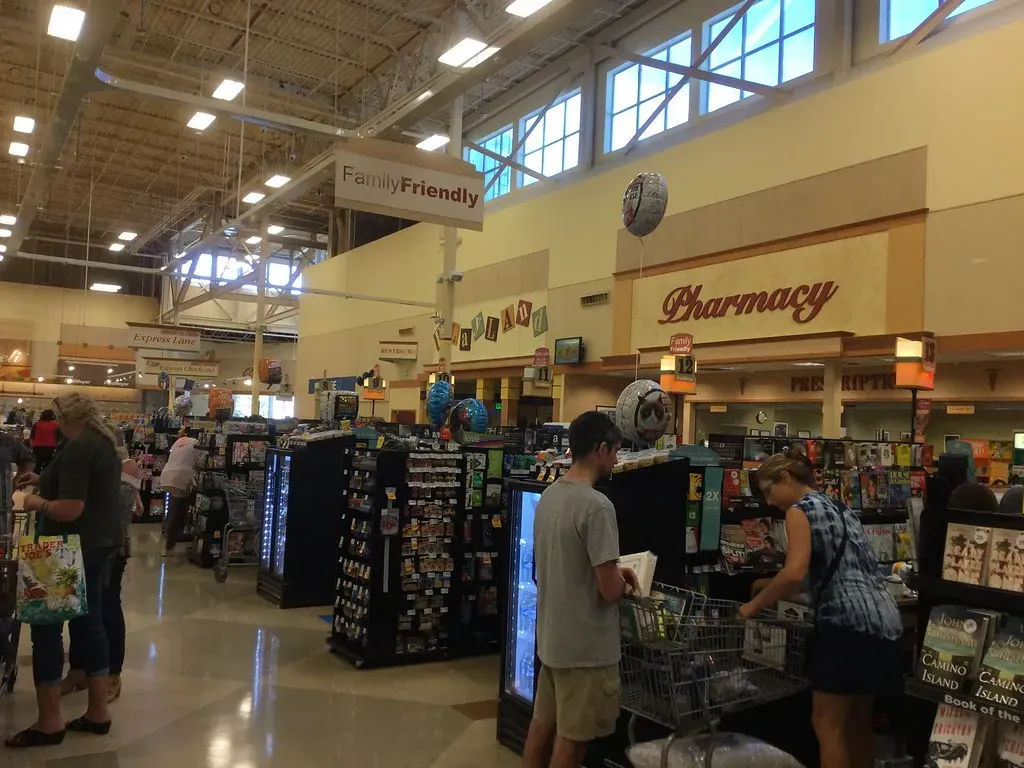
As of March 2024, member-only access to self-checkout lanes expanded to 2,000 locations in the United States, meaning only Walmart Plus subscribers and Spark Delivery drivers can use certain self-checkout kiosks. This represents a dramatic shift in how Americans shop. You either pay for the convenience or you wait in line with everyone else.
Honestly, the backlash has been mixed. TikTok and Reddit have been filled with posts from customers showing self-checkout lines cordoned off and cart pushers waiting in line for cashiers. Some shoppers appreciate the return to human interaction and potential job creation. Others feel penalized for not subscribing to a membership program. Store managers have autonomy to make decisions about what works best for their specific store, depending on customer traffic and associate staffing.
AI Surveillance and the Tech Fight Against Shoplifters
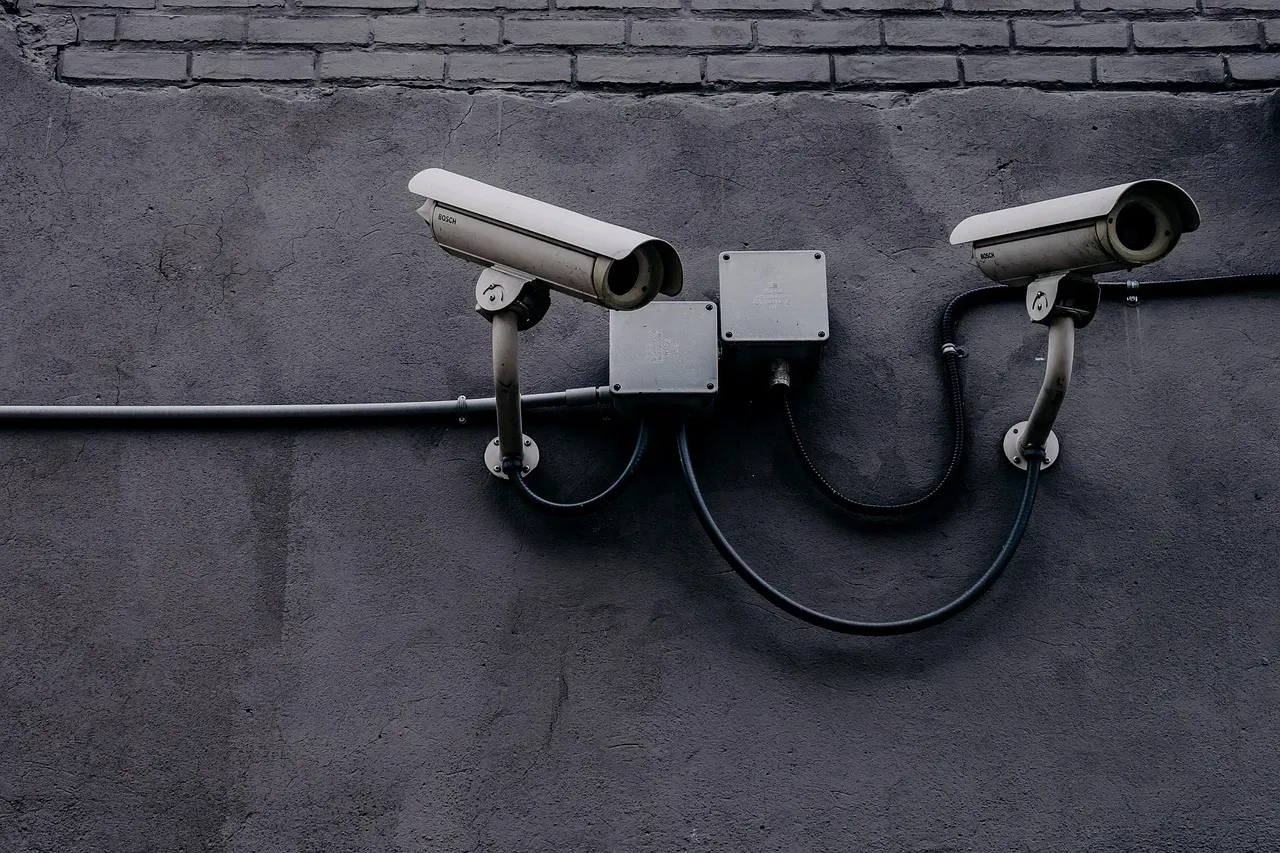
In 2025, Walmart sharply upgraded its theft prevention at self-checkout by combining technology and staff presence, using AI-powered cameras and software at self-checkout stations to detect missed scans, fraudulent behavior, and suspicious movements. If an item doesn’t scan properly, the AI instantly alerts staff, sometimes providing an overhead video replay.
Walmart has been using “Missed Scan Detection” since 2017, and recently introduced nearly invisible barcodes on store-branded products that allow for automatic scanning. Many products receive RFID tags and invisible barcodes that ensure items are properly scanned during checkout, making fraud more difficult and automating loss prevention. The technology is impressive, though it does raise questions about privacy and the extent of surveillance in our daily lives.
Walmart tested a different kind of self-checkout near its Bentonville headquarters using RFID to ensure shoppers had paid for all items in their carts, but the pilot ended in late January. Not every innovation sticks, apparently.
What This Means for the Future of Shopping
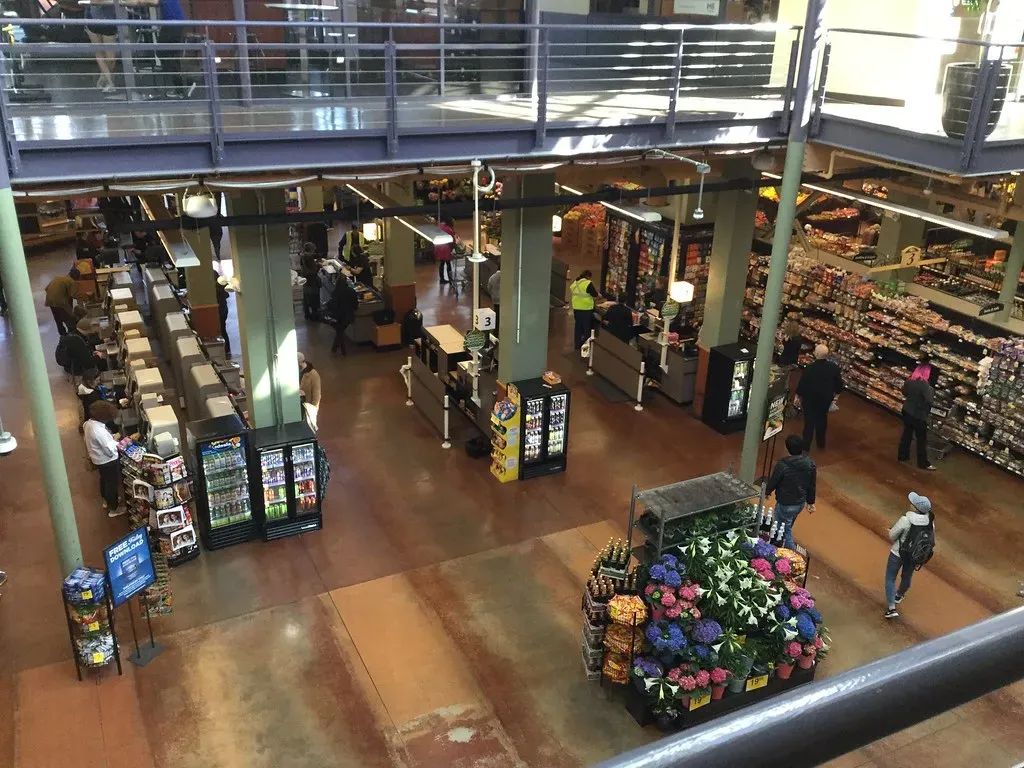
Walmart has expanded self-checkout to a majority of its U.S. stores, with over 3,800 stores featuring self-checkout options as of 2025, though despite scaling back in select locations, expansion and upgrades remain the dominant trend. Walmart is not eliminating self-checkout entirely in 2025, but is selectively reducing or reconfiguring traditional lanes in certain high-theft or high-friction stores, shifting toward location-specific checkout strategies.
Shoppers can scan items on their phones while moving through aisles, and a few stores test systems where payment happens without scanning at all, with behind-the-scenes changes including a mix of staffed registers, tech-enhanced kiosks using smart cameras, and phone-based scanning. The retail landscape is evolving faster than most of us realize. What worked in 2020 doesn’t necessarily work today.
Walmart joins Target, Dollar General, and other chains in recalibrating its reliance on self-service and rethinking the checkout experience. The entire industry is watching these experiments closely. Here’s the thing: retail has always been about balancing efficiency with customer experience, and that equation gets recalculated every few years as technology and consumer behavior shift.
The self-checkout revolution might not be over, but it’s certainly being rewritten. Store by store, Walmart is deciding whether human cashiers or automated kiosks make more sense for their bottom line and their customers. What do you think? Would you rather scan your own groceries or have someone do it for you?