Buffalo Nickels Could Be Worth Thousands – Here’s How to Spot One
You know how you sometimes find an old coin stuck in the back of a drawer or mixed in with loose change and wonder if it’s worth anything? Well, if you’ve got Buffalo nickels lying around, you might actually be sitting on something valuable. I’m talking about potentially thousands of dollars, not just pocket change.
These iconic American coins from the early twentieth century have been catching collectors’ eyes for decades. Some are common enough that they’re worth just a buck or two, while others can fetch jaw-dropping prices at auction. Let’s be real, the tricky part is knowing which ones are the hidden gems.
The Infamous 1937-D Three-Legged Buffalo
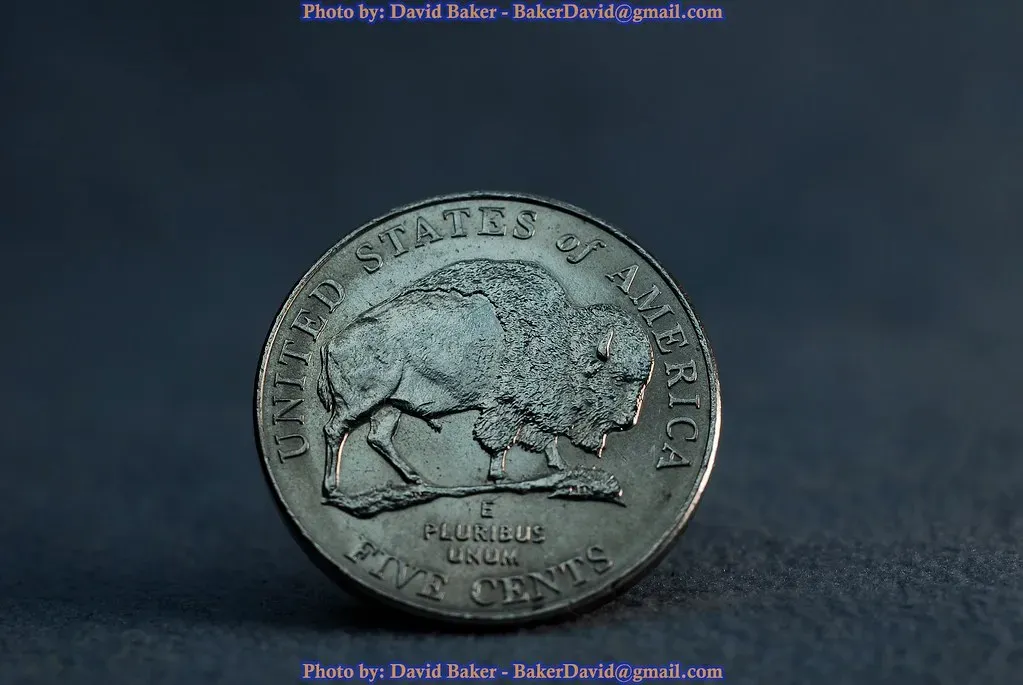
Here’s where things get fascinating. The 1937-D Three-Legged Buffalo nickel is probably the most famous error coin in the entire series, with examples selling for thousands of dollars even in lower grades. The buffalo appears to be missing its front right leg due to aggressive over-polishing of the die at the Denver Mint. It’s not like the Mint planned this, obviously.
Coins graded by PCGS and NGC have sold at auction for anywhere between seven hundred dollars and over seven thousand dollars, with a gem example fetching more than fifty-two hundred dollars in December 2024. Roughly fifteen percent of surviving examples remain in Mint State condition, while about a quarter exist in About Uncirculated grades. The missing leg isn’t subtle either – once you know what you’re looking for, it’s pretty obvious.
Overdate Varieties That Command Big Money
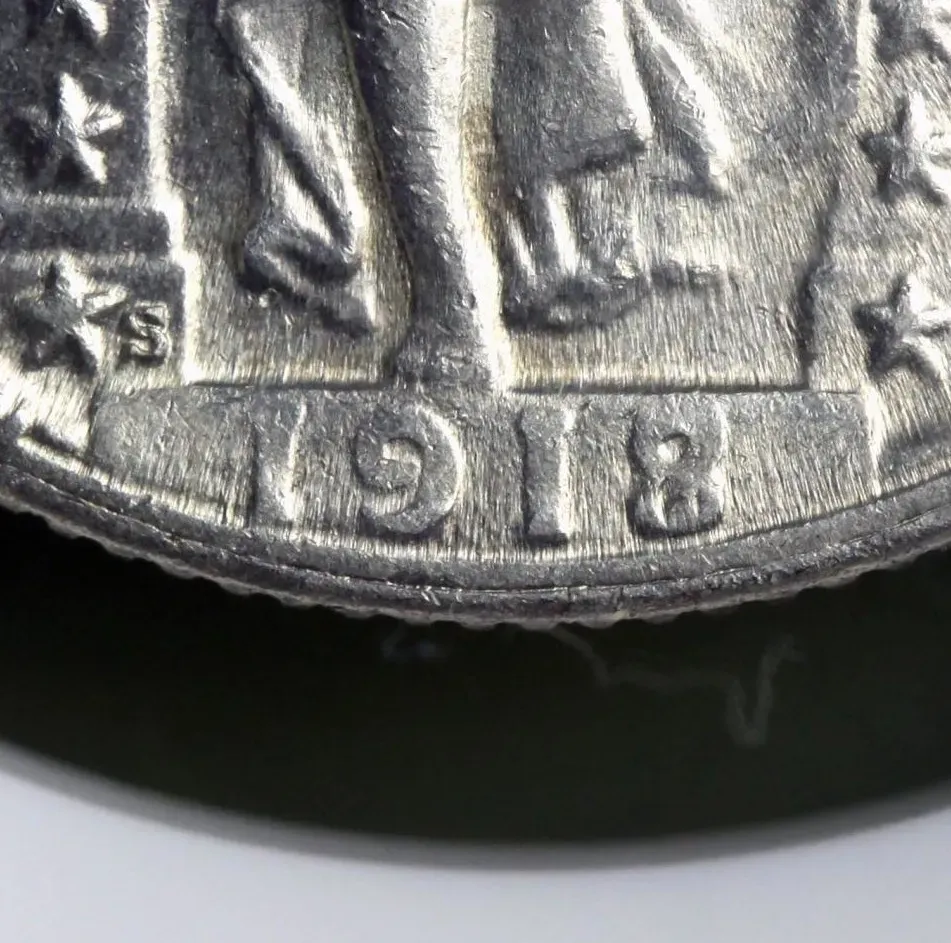
The 1918/17-D Overdate is one of the most dramatic overdates in U.S. coin history, showing a faint seven underneath the eight in the date, and it often sells for thousands of dollars. This happened because Denver Mint workers reused a 1917 die in 1918 rather than making fresh ones. I think it’s wild how a simple cost-saving measure created one of the rarest Buffalo nickels out there.
The 1918/7-D Overdate can be worth over three hundred and fifty thousand dollars in top condition, making it the most valuable Buffalo Nickel variety. The 1916 Doubled Die error shows doubling on both the date and the word LIBERTY and is extremely rare and valuable, especially in higher grades. These aren’t coins you’ll casually find, though. Most were pulled from circulation decades ago.
Key Dates Every Collector Should Know
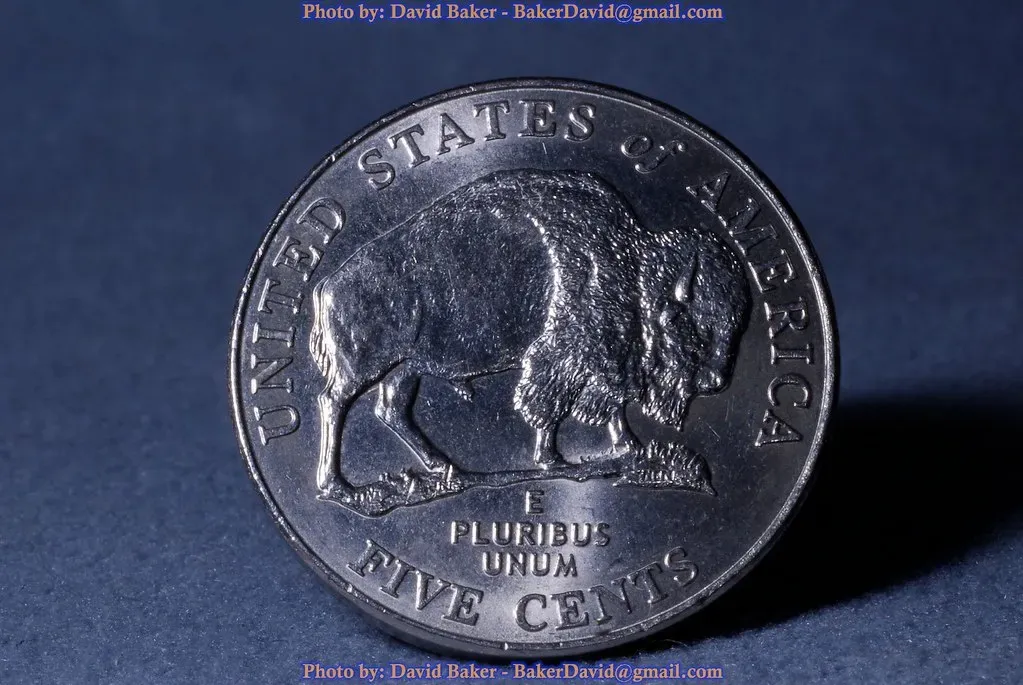
The 1926-S has the lowest mintage at just 970,000 pieces and was heavily circulated with no hoarding, making it extremely rare in all grades and worth twenty-five to forty dollars even in About Good condition. That’s honestly impressive when you think about it – even a beaten-up example holds significant value.
The 1926-S Buffalo Nickel is one of the scarcest dates in the series, and a well-preserved example can sell for over one hundred thousand dollars in high-grade condition. Meanwhile, the 1927-S Buffalo Nickel has sold for approximately two hundred and fifty thousand dollars at auction in exceptional condition such as MS-65 or higher. Not every Buffalo nickel is worth a fortune, sure. Yet certain years and mint marks create serious collector demand.
How Condition Dramatically Affects Value
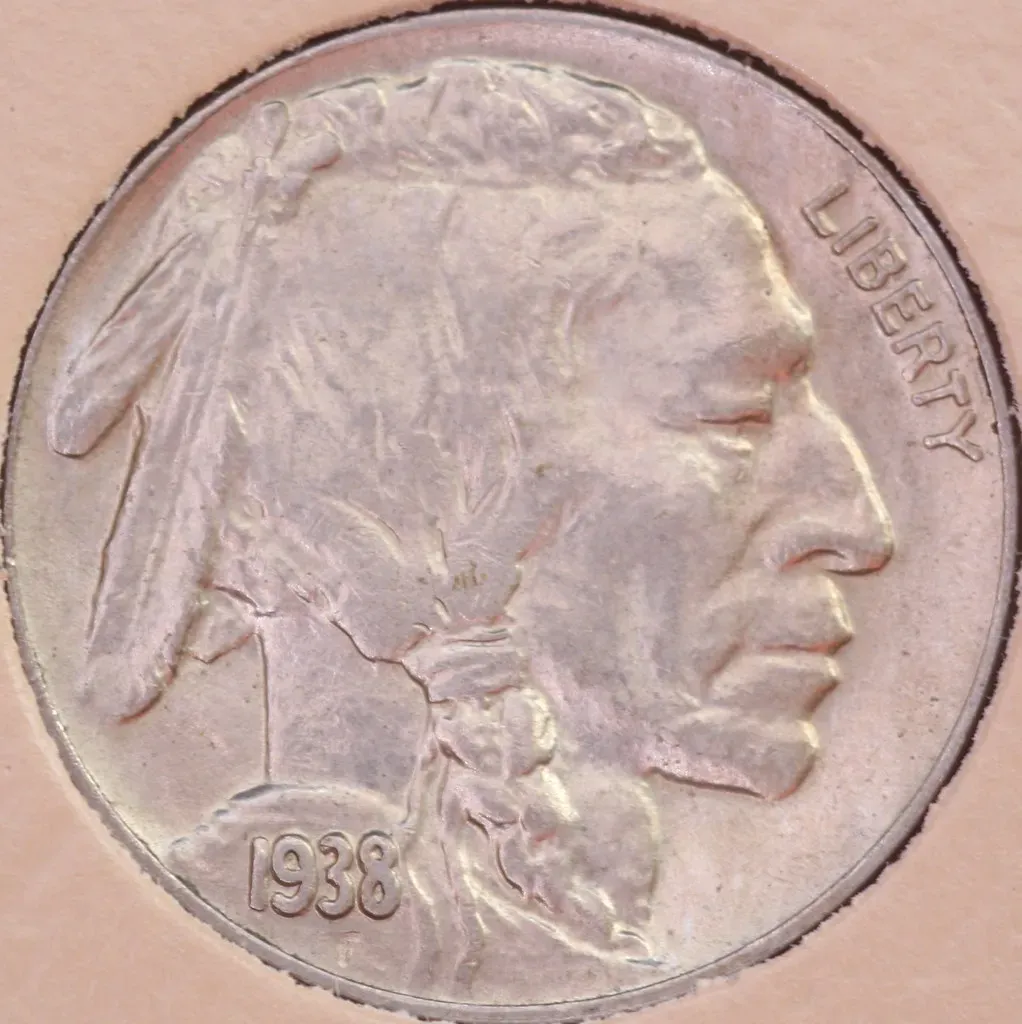
The condition of a Buffalo Nickel is vital in determining its value, with coins graded on a scale from Poor to Mint State, and better preserved coins commanding higher values. Many collectors prefer that the bison exhibits a full horn, an important detail usually seen at Very Fine-20 or higher grades that commands significant premiums.
Honestly, this full horn thing is kind of a big deal in the Buffalo nickel world. A bold date with all digits fully raised is a defining feature of the Extremely Fine grade, with all numerals clear and well raised. The date area sits high in relief on Buffalo nickels and wears quickly, so a bold visible date places your coin in the upper grade ranges. Wear patterns tell the whole story here.
Finding Mint Marks and Spotting Fakes
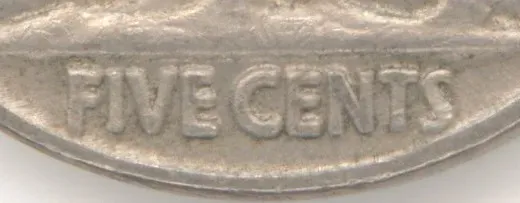
On the Buffalo Nickel, the mint mark is located on the coin’s reverse side, below the denomination FIVE CENTS. Each Buffalo Nickel has a date and sometimes a mint mark indicating where it was produced, with D for Denver, S for San Francisco, and no mint mark for Philadelphia. The little F you might see under the date? That’s not a mint mark at all but the surname initial of James Earle Fraser, the artist who designed the Buffalo Nickel.
While the three-legged buffalo looks authentic when genuinely minted, fakers sometimes retool coins or simply sand off the missing leg, creating too perfect an imperfection. Some people attempt to tamper with coins by creating fake errors like a missing leg, and coins listed online might not match their described grade, so always buy from reputable dealers. If something seems off about a supposedly rare coin being sold cheaply online, it probably is.