4 Vintage Household Items from Grandma’s House Now Worth a Fortune
Have you ever stopped to really look at those old things sitting in your grandmother’s kitchen cabinets or tucked away in her attic? Most of us walk past them without a second thought. Maybe they’re covered in dust, slightly chipped, or seem hopelessly outdated.
Here’s the thing though. Some of these ordinary household items have quietly transformed into serious collectibles worth hundreds or even thousands of dollars. While you might think of them as relics from a bygone era, collectors and vintage enthusiasts are hunting these pieces down with surprising intensity. Let’s be real, what looked like clutter yesterday could fund your next vacation today.
Vintage Pyrex Glassware
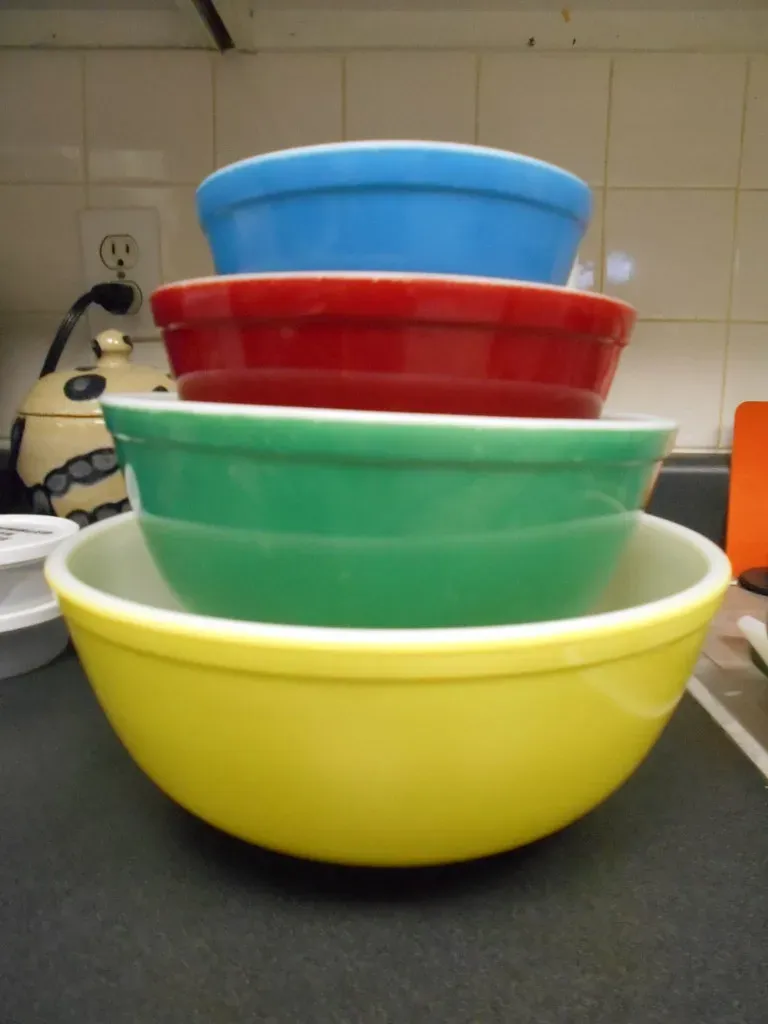
Remember those cheerful colored mixing bowls your grandma used for Sunday dinners? Those weren’t just kitchen workhorses. Vintage Pyrex from the mid-century era can be worth hundreds, with patterns like ‘Butterprint,’ ‘Gooseberry,’ and ‘Pink Daisy’ having a cult following, and complete nesting bowl sets in great condition going for $250 to $600. Some rare pieces have climbed even higher. The “Lucky in Love” pattern with hearts and clovers can fetch over $4,000, which honestly sounds crazy until you realize how scarce pristine examples have become.
The super rare Gypsy Caravan pattern in red on a white background sold for almost $4,700, proving that what seemed like simple kitchenware has evolved into serious investment territory. Condition matters tremendously with Pyrex. Pieces should be inspected for chips, cracks, or excessive wear, and dishwasher damage causes colors to fade and can significantly decrease value. If you’ve got turquoise, pink, or limited run colors sitting around, you might want to take a closer look before tossing anything out.
Cast Iron Cookware
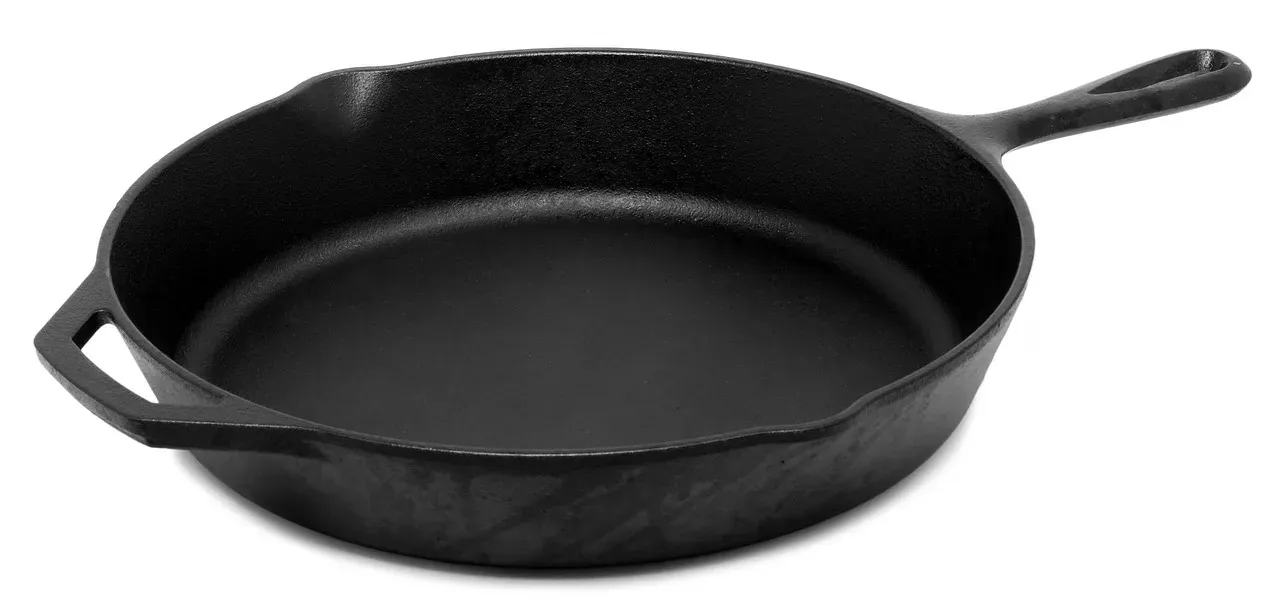
That heavy black skillet hanging in the back of the cabinet might be more valuable than you’d guess. Vintage cast iron pieces from companies like Griswold and Wagner can sell for hundreds, especially when you find pieces with clear markings and minimal damage. Collectors aren’t just looking for any old pan either.
Pieces with clear, readable markings on the bottom and minimal rust are most valuable, with older and rarer pieces becoming more valuable, and collectors particularly seeking out unusual shapes like gem pans or decorative molds. Meanwhile, vintage Le Creuset has developed its own passionate following. Vintage Le Creuset pieces can sell for $40 to $50 at the lower end, while sets on the higher end can go for over $1,000, with a 5-piece chocolate brown collection from the 1960s selling for $800. The colorful enameled cast iron that seemed so practical decades ago has become highly sought after by modern cooks who appreciate quality that lasts generations. The Raymond Loewy designed “Coquelle” Dutch oven features a distinctive rectangular shape, and original pieces in good condition are listed for over $500 because of their mid-century modern aesthetic.
Sterling Silver Flatware
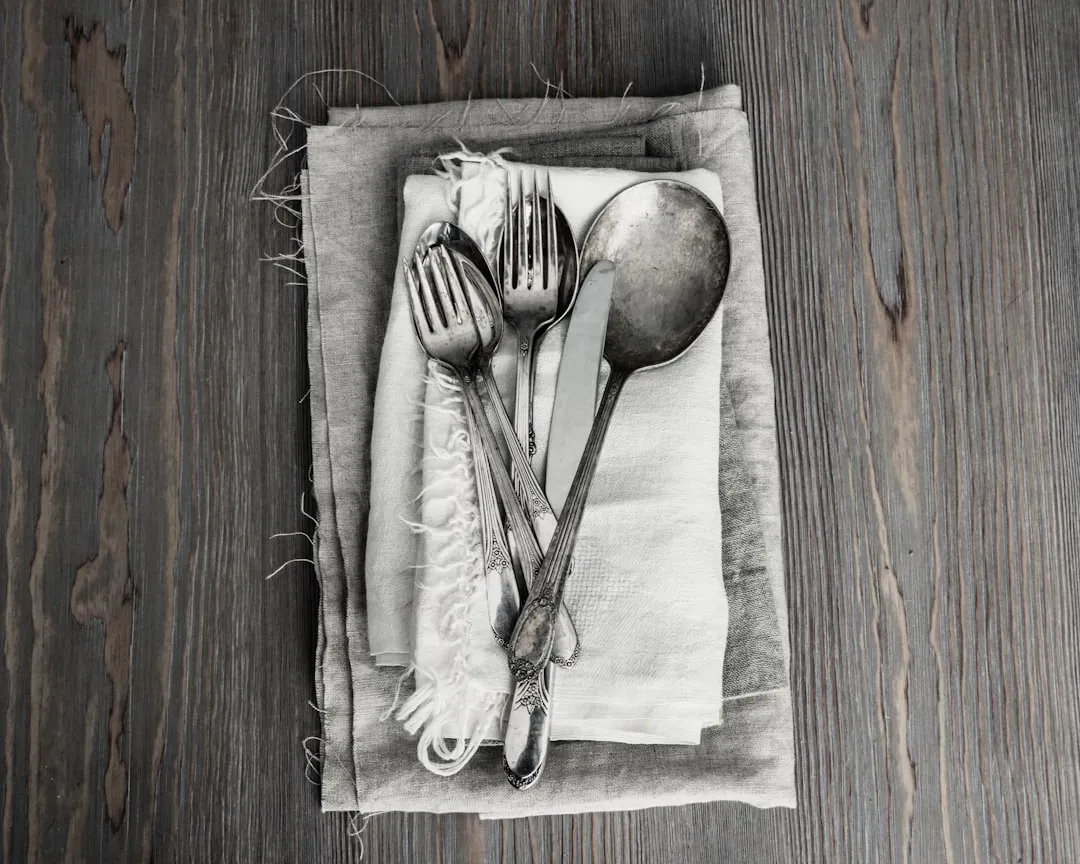
Those formal place settings gathering tarnish in the drawer aren’t just sentimental keepsakes. Sterling silver flatware marked with “Sterling” or “925” indicating 92.5% silver content can sell for more than $2,000 for a service for 12. The value equation here gets interesting because you’re dealing with both precious metal content and collectibility.
A single antique spoon or fork might be worth much more than its weight in silver, with some individual pieces fetching $30 or more, and an entire collection of well-preserved antique sterling silver could easily be worth hundreds or thousands of dollars. Names matter significantly in this category. Complete sets in good condition from prestigious makers like Tiffany, Georg Jensen, or Gorham are typically most valuable, commanding premiums that far exceed their melt value. Sterling flatware by Tiffany & Co. from the late 1800s has value far beyond silver content due to craftsmanship and desirability to collectors, with such sets worth several times melt value. Even if your grandmother’s set isn’t from a famous maker, it still has intrinsic worth based on weight and silver purity, typically ranging from a few dollars per ounce to much more for exceptional pieces.
Depression Glass
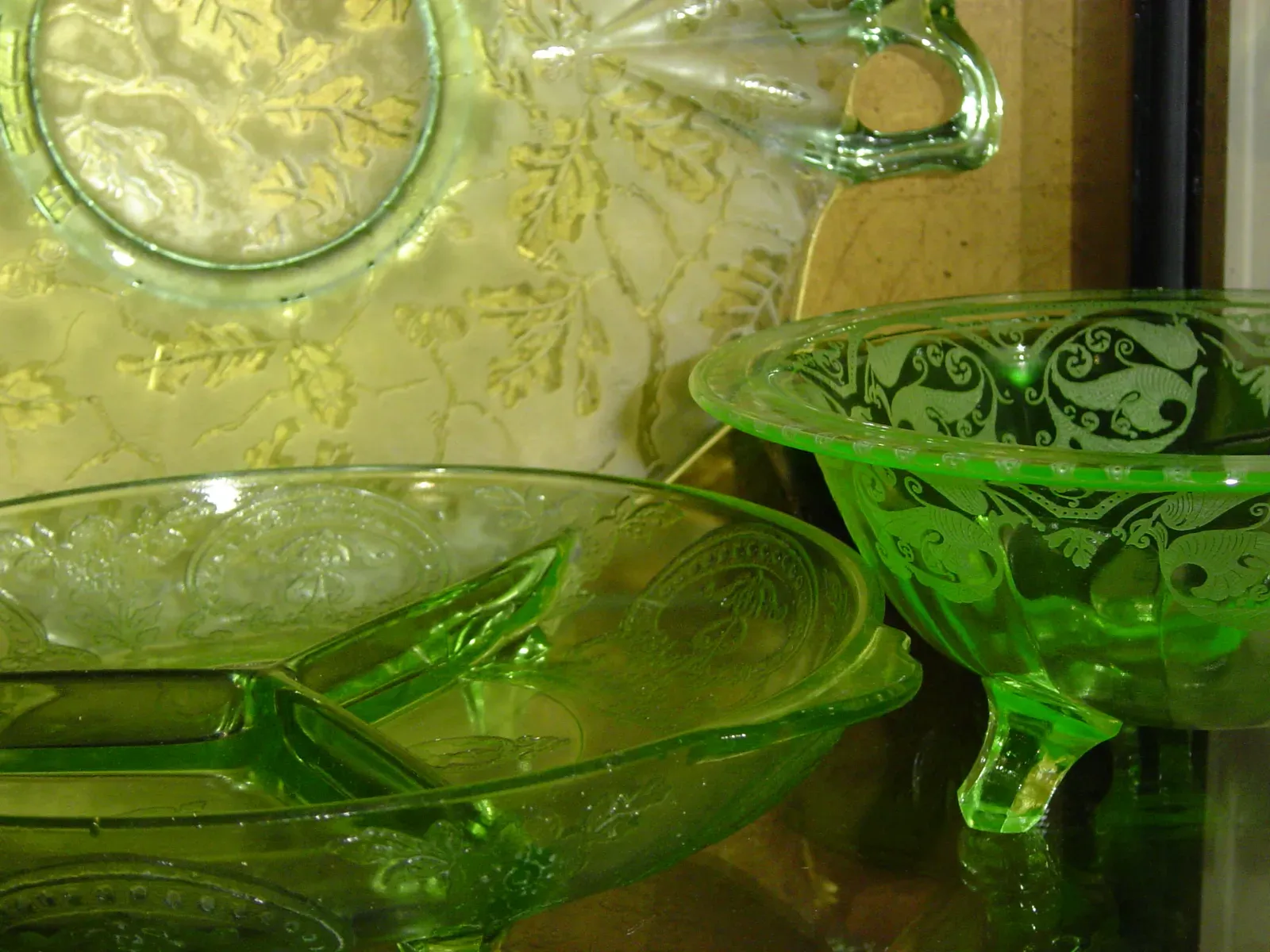
Those delicate pastel colored plates and bowls weren’t expensive when they were made. Depression glass was produced during the Great Depression and was often given away with purchases, which explains why so many families ended up with collections. Fast forward to today and certain patterns have become incredibly valuable.
Depression glass, also known as American Sweetheart, can be very valuable, with the American Sweetheart pattern especially valuable in ruby red or cobalt blue because these colors are significantly rarer than the typical pink, green, or amber. Patterns like Cameo, Parrot, or Peacock have been soaring in value, while even more common designs like American Sweetheart or Royal Lace can fetch hundreds if they’re flawless with no chips, cracks, or cloudy appearance. Pink, green and amber pieces are especially collectible today, with full sets or rare patterns fetching impressive prices from vintage glass enthusiasts. The key is condition. A single chip can dramatically reduce value, which makes pristine examples increasingly scarce and desirable.
Those items you thought were just part of the background at grandma’s house might deserve a second look. Between vintage Pyrex commanding thousands, cast iron cookware selling for hundreds, sterling silver flatware worth its weight and then some, and Depression glass treasured by collectors, there’s real money hiding in plain sight. Before you donate or discard, maybe take a moment to check those markings and patterns. What surprises are waiting in your family’s collection?