The No-Go List: 12 U.S. Destinations Travelers Say Aren’t Safe or Worth It
Memphis, Tennessee

Memphis tops the list with 2,501 violent crimes per 100,000 people, according to FBI data. The city’s reputation for elevated crime rates has concerned travelers for years, though recent improvements show promise. Total crime is down more than 13%, homicide is down 30%, and motor vehicle theft is down 39% as of 2024. Still, tourists frequently mention concerns about safety, particularly in certain neighborhoods after dark. Many visitors stick to well-patrolled areas like Graceland and Beale Street, yet theft remains a persistent issue throughout the city.
St. Louis, Missouri

St. Louis maintains one of the highest murder rates in America, with rates reportedly exceeding 80 per 100,000 residents. The Gateway Arch may attract history buffs, but the city’s struggle with violent crime has made many travelers rethink their itineraries. Despite being rich in cultural heritage, St. Louis faces ongoing challenges with gun violence and property crime. The city has shown remarkable progress recently, with robberies and auto thefts down compared to the previous year, while the homicide clearance rate has jumped from 40.3 percent in 2020 to 68.2 percent in 2024.
Detroit, Michigan

Detroit has long battled its image as one of America’s most dangerous cities. Detroit followed Memphis with 1,781 violent crimes per 100,000 residents in 2024. Economic recession and widespread unemployment have contributed to persistent crime issues throughout the Motor City. There were 203 homicides in 2024, the lowest number since 1965, marking a 19 percent decrease from 2023 and 34 percent from 2022. While certain areas show improvement, travelers often express hesitation about visiting due to concerns about both violent and property crimes.
Baltimore, Maryland

Baltimore’s crime challenges stem from decades of complex socioeconomic issues. Baltimore ranked second in murders while maintaining its position as the nation’s leader in robbery rates, with crime challenges stemming from decades of economic decline, the opioid crisis, and systemic issues. The city’s notorious reputation has been reinforced by high-profile incidents and media coverage over the years. Baltimore had 1,606 violent crimes and 34.8 homicides per 100,000 people in 2024. Visitors report feeling uneasy in certain neighborhoods, despite the city’s historic charm and waterfront attractions.
New Orleans, Louisiana

New Orleans presents a complicated picture for travelers. The city’s vibrant culture and famous French Quarter attract millions yearly, yet safety concerns persist. Overall crime decreased 29% in 2024 compared to 2023, with murders dropping from 192 in 2023 to 124 in 2024, a dramatic 35% reduction that continued into 2025. Tourist areas benefit from increased police presence, though property crimes like theft remain common. New Orleans has a crime index rating of 2 out of 100, with the community reporting 20,722 crimes to the FBI annually, and a crime rate of 54.97 per 1,000 residents.
Cleveland, Ohio

Cleveland’s crime rate is roughly three times greater than the national average, making it another destination travelers approach with caution. Aggravated assaults have been a particular concern in recent years, though the city has implemented various safety initiatives. Cleveland reported a 43% decrease in homicides compared to the previous year in 2024, as Mayor Justin Bibb made enhancing public safety a top priority. Poverty and joblessness continue to fuel crime in many neighborhoods. The city struggles to retain its police force, creating additional challenges for maintaining law enforcement effectiveness.
Kansas City, Missouri
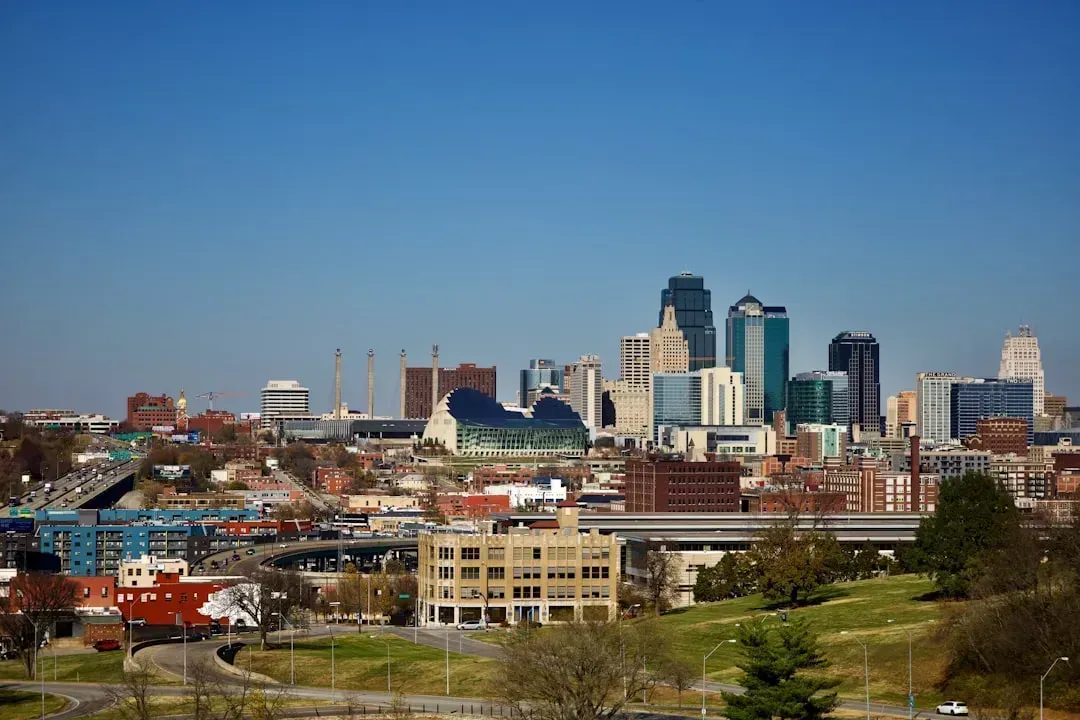
Kansas City saw 1,547 violent offenses per 100,000 people in 2024, with a 12 percent increase in nonfatal shootings and 144 homicide cases. Gun violence rose during 2020 pandemic and has been slow to decline, leaving both residents and visitors concerned about safety. Poverty and organized crime play significant roles in the city’s ongoing challenges. Republican Governor Mike Kehoe pledged to remove guns and invest $10 million in public safety training, stating that while you can’t legislate lower crime, you can give law enforcement the tools it takes.
Milwaukee, Wisconsin

Milwaukee’s largest city status in Wisconsin comes with considerable crime challenges. Milwaukee had 1,431 violent crimes per 100,000, with police recording 100 homicides and 293 raped cases in 2025, marking a 10 percent and 1 percent year-on-year increase. High poverty and unemployment rates limit economic opportunities across large portions of the city. Racial segregation has contributed to concentrated pockets of violence in specific neighborhoods. Milwaukee saw 132 homicides in 2024, a 23% drop from 2023, as Wisconsin Governor Tony Evers created a statewide violence prevention office and poured $66 million into support services for victims.
Albuquerque, New Mexico

The FBI reported that 1,182 violent crimes occurred per 100,000 residents in Albuquerque, with a total of 94 homicides reported in 2024. The state’s largest city has struggled with crime rates that concern both residents and potential visitors. Property crimes and violent offenses remain elevated compared to national averages. City police officers made 1,300 more arrests in 2024 than in 2023, a 28 percent increase. Travelers often mention feeling unsafe in certain areas, particularly after sunset, despite the city’s scenic desert surroundings and cultural attractions.
Little Rock, Arkansas

Little Rock has violent crime rates at an estimated 1,400 per 100,000, with aggravated assaults and robberies leading the statistics, along with widespread economic desperation and drug use, though community programs are being attempted with limited effectiveness. Arkansas’s capital has earned a reputation as one of the more dangerous mid-sized cities in America. Economic challenges and substance abuse issues fuel much of the criminal activity throughout the city. Tourists frequently report concerns about safety, particularly when venturing beyond heavily patrolled downtown areas. The combination of violent and property crimes has led many travelers to reconsider visiting Little Rock.
Oakland, California

Oakland led in property crime rates with 7,230 crimes per 100,000 people, followed by Memphis at 6,899. The Bay Area city struggles with both violent and property crimes that deter potential visitors. Oakland had 1,925 violent crimes per 100,000 residents in 2024, placing it second only to Memphis among cities with populations over 100,000. Car break-ins have become notoriously common, with travelers warned repeatedly not to leave valuables in vehicles. Despite its proximity to San Francisco and beautiful waterfront areas, Oakland’s crime reputation has significantly impacted tourism. Many visitors choose to stay elsewhere and avoid the city altogether.
Stockton, California

Stockton has crime rates over 1,300 violent incidents per 100,000 people, with many homicides and gang issues, while economic troubles and lack of police funding make it worse. California’s Central Valley city faces serious challenges with gang violence and property crimes. Poverty, unemployment, lack of educational opportunities, and social inequality are among the primary factors contributing to Stockton’s high crime rate, with elevated crime levels mostly due to an officer shortage. Travelers who venture to Stockton often do so out of necessity rather than choice, as the city lacks major tourist attractions and carries a reputation for being unsafe. Did you expect so many cities would make travelers think twice about their plans?