How Safe Is South America? The 2026 Ranking of Countries From Safest to Riskiest
Honestly, when people picture South America, two things usually come to mind. Stunning beaches and ancient ruins, yes, but also headlines about crime and instability. It’s hard to say for sure if that reputation is entirely fair anymore. The continent is far more diverse in safety than most people imagine. Some countries have become safer than the United States itself according to international rankings, while others still struggle with gang violence and political turmoil. What really matters is knowing where the risks lie and where travelers can wander with peace of mind.
1. Argentina (Rank 46 Globally)
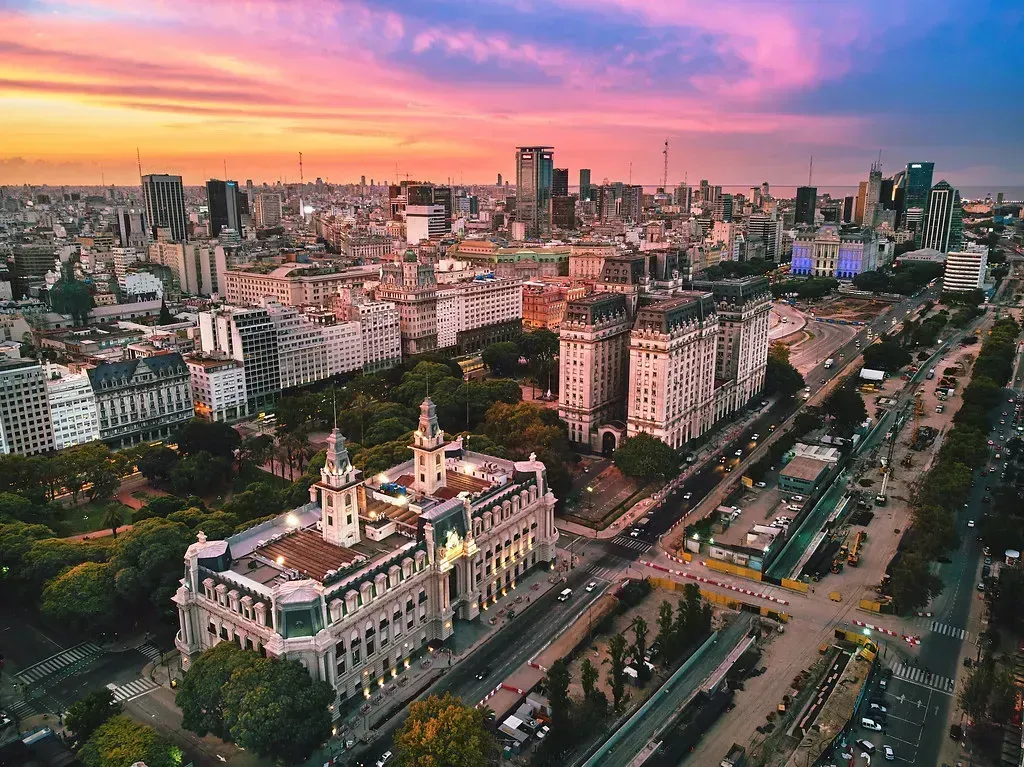
Argentina ranked 46th globally on the 2025 Global Peace Index and is officially the safest country in South America. Let’s be real, few people expected Argentina to top this list, especially with its ongoing economic crisis making international news almost weekly. The country’s homicide rate sits at around 4.7 per 100,000, which is lower than many places travelers assume are safe. Argentina enjoys a Level 1 travel rating from the U.S. State Department as of mid-2025, which is better than both Chile and Uruguay. Petty crime does happen in Buenos Aires, sure, but violent crime against tourists remains relatively uncommon. Despite austerity measures tied to its economic crisis, Argentina has avoided large-scale protests, with improving indicators like a sharp drop in inflation adding to stability.
2. Uruguay (Rank 48 Globally)
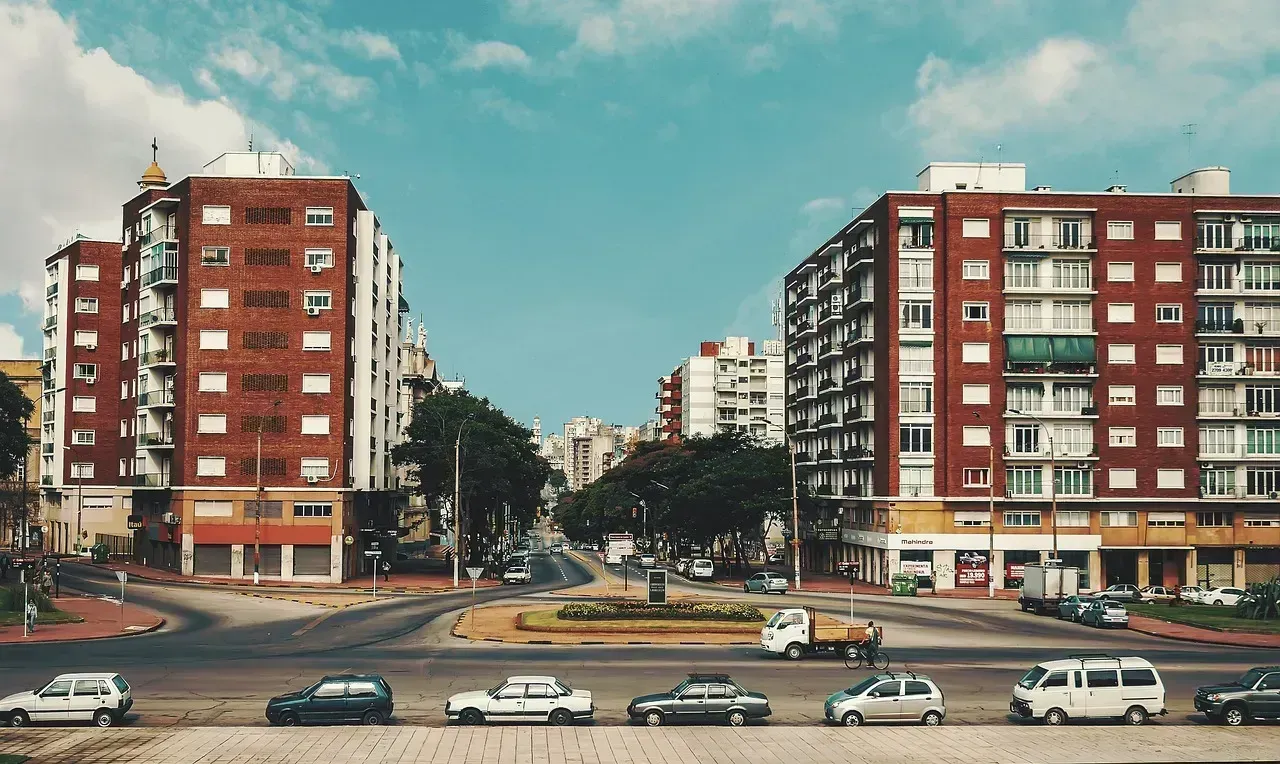
Uruguay sat at 46th in the world on the GPI 2025, reflecting its long-standing reputation as Latin America’s Switzerland. Here’s the thing about Uruguay: it’s been flying under the radar for decades. In 2024, Uruguay had the lowest homicide rate in the region at just 3.5 per 100,000, less than half the rate in the United States. Political stability, strong rule of law, and minimal violent crime have made it a model of peace, keeping drug cartels largely at bay unlike other Latin nations. Tourist hotspots like Colonia del Sacramento and Punta del Este are considered exceptionally safe. Even in Montevideo, only the outer neighborhoods need extra caution.
3. Chile (Rank 62 Globally)
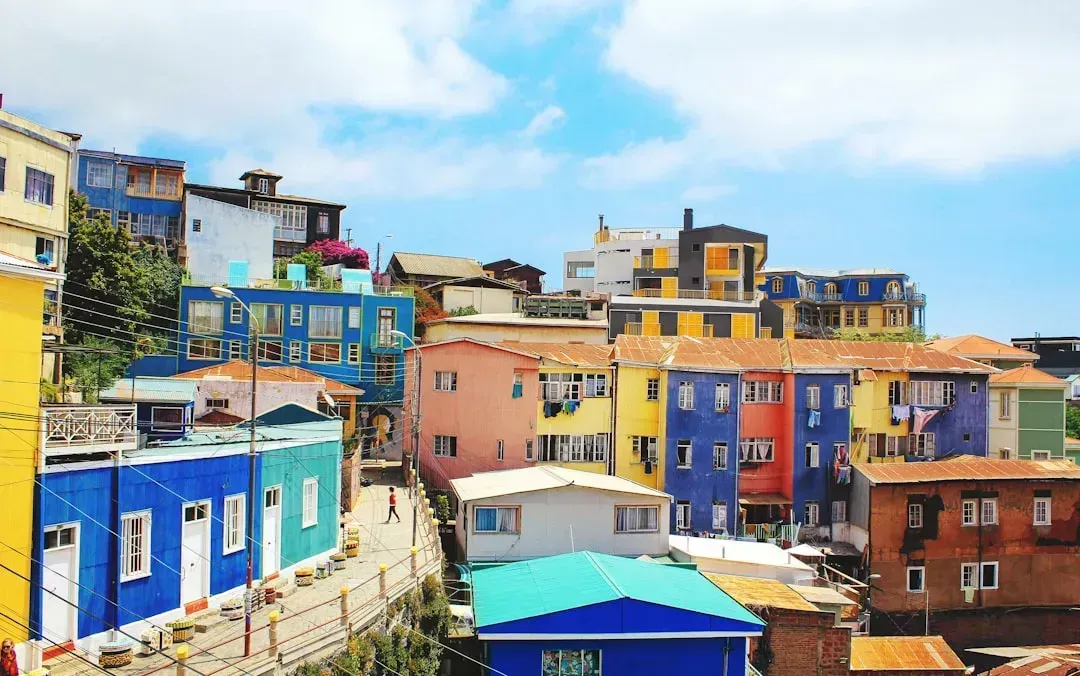
Chile is kind of the straight-A student of South America. According to the Global Peace Index 2024, Chile ranks second in South America for safety and 58th globally, with a homicide rate at 4.4 per 100,000, well below the Latin American average. Chile stands out for its economic stability in the region, which correlates with lower crime rates compared to neighbors. The country stretches from the Atacama Desert to the icy fjords of Tierra del Fuego, offering diverse landscapes with minimal safety concerns. Santiago has weekly riots involving far-left protestors clashing with police, with graffiti everywhere and damaged statues, making it less secure than other Chilean areas. Yet outside the capital, most regions remain peaceful.
4. Paraguay (Rank 75 Globally)
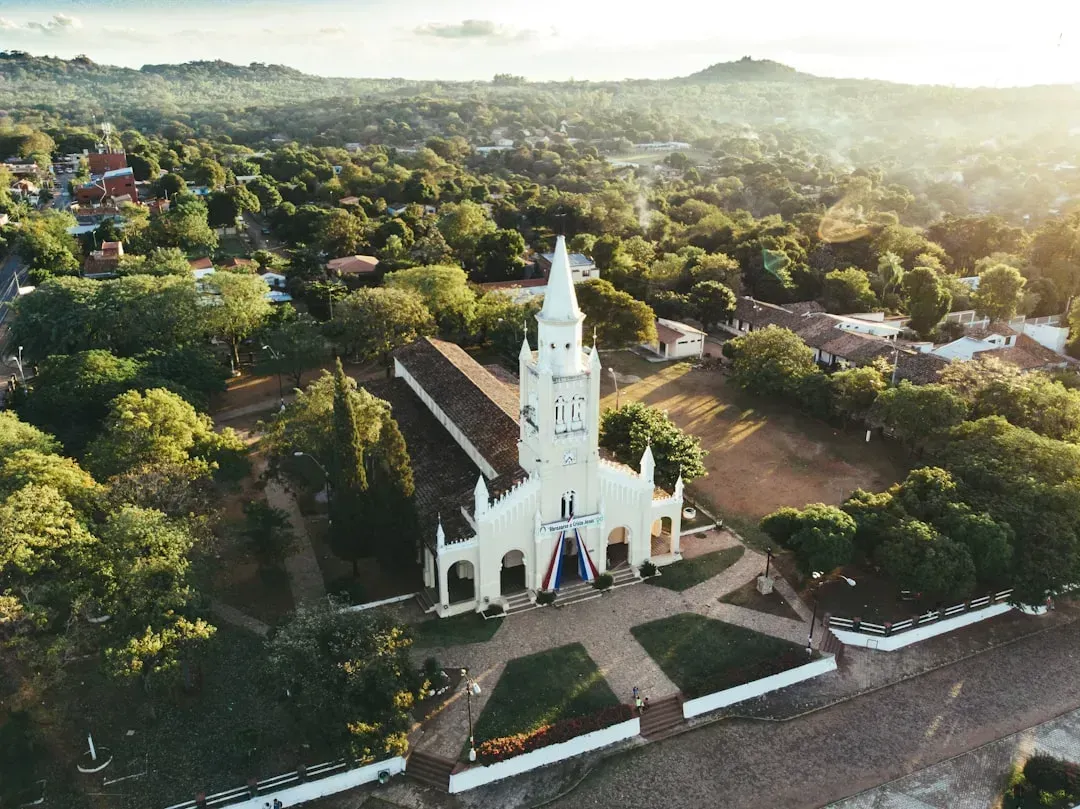
According to the Global Peace Index 2024, Paraguay ranks 4th in South America for safety, with a homicide rate around 5.7 per 100,000, well below the regional average. You probably haven’t heard anyone say they’re vacationing in Paraguay lately, which is kind of the point. Paraguay is one of the least-visited countries in South America but also one of the safest, with a Level 1 travel advisory as of mid-2025. Homicides dropped to 6.2 per 100,000 in 2023 under President Santiago Peña’s security push, one of the lowest in the region. Mass tourism hasn’t arrived yet, which helps keep the chaos at bay. Most crime reported by tourists falls into the annoying but survivable category like scams and minor theft.
5. Bolivia (Rank 83 Globally)
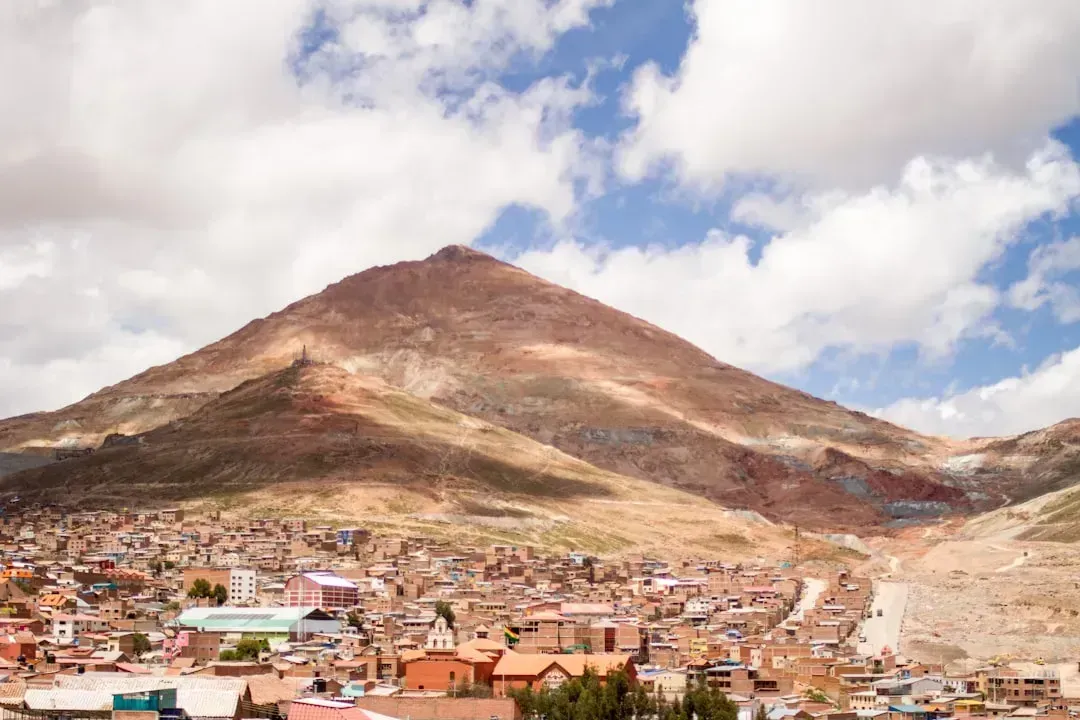
Bolivia ranked 83rd on the Global Peace Index 2025, placing it in the middle tier of South American safety. The country offers incredible sights like the Uyuni salt flats and Amazon jungle tours, but civil unrest remains a concern. As of mid-2025, Bolivia has a Level 2 travel advisory due to civil unrest and the possibility of demonstrations. Honestly, demonstrations can pop up unexpectedly, blocking roads and disrupting travel plans for days. Crime rates vary dramatically depending on location, with tourist areas generally safer than urban centers like La Paz. The government has made efforts to improve security, though progress has been uneven across different regions.
6. Peru (Rank 96 Globally)
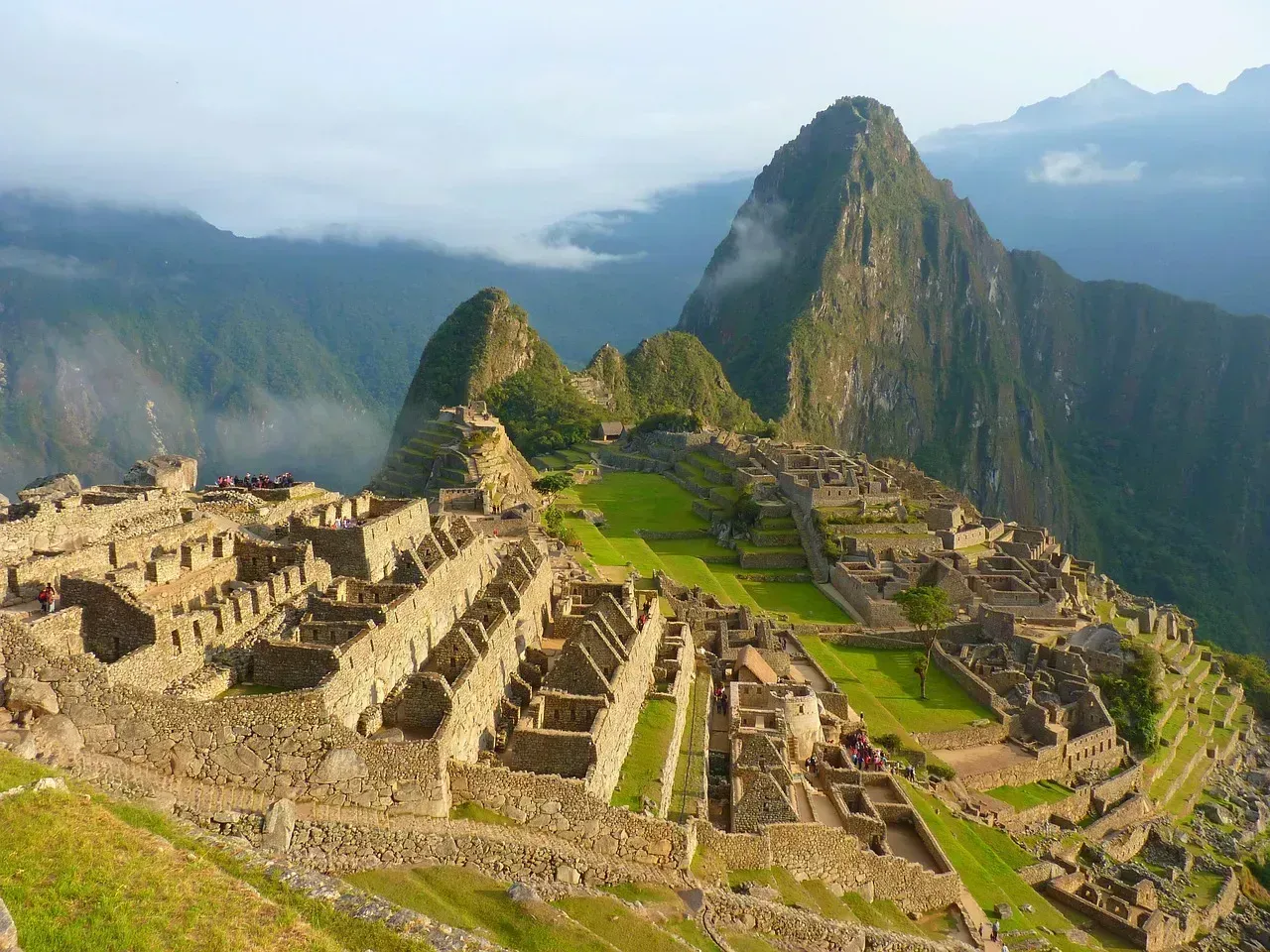
Peru sits at 96th globally according to the 2025 rankings, making it the sixth safest South American country. South America was the only region to record an overall improvement in peacefulness, largely driven by Peru, which saw a significant reduction in civil unrest. Major tourist destinations like Machu Picchu, Cusco, and the Sacred Valley benefit from enhanced security measures. Peru’s government has made significant investments in security and tourism infrastructure, including enhanced airports and road networks. Lima can be sketchy in certain neighborhoods, with petty crime common in crowded areas. Yet millions of visitors travel through Peru annually without incident.
7. Guyana (Rank 106 Globally)
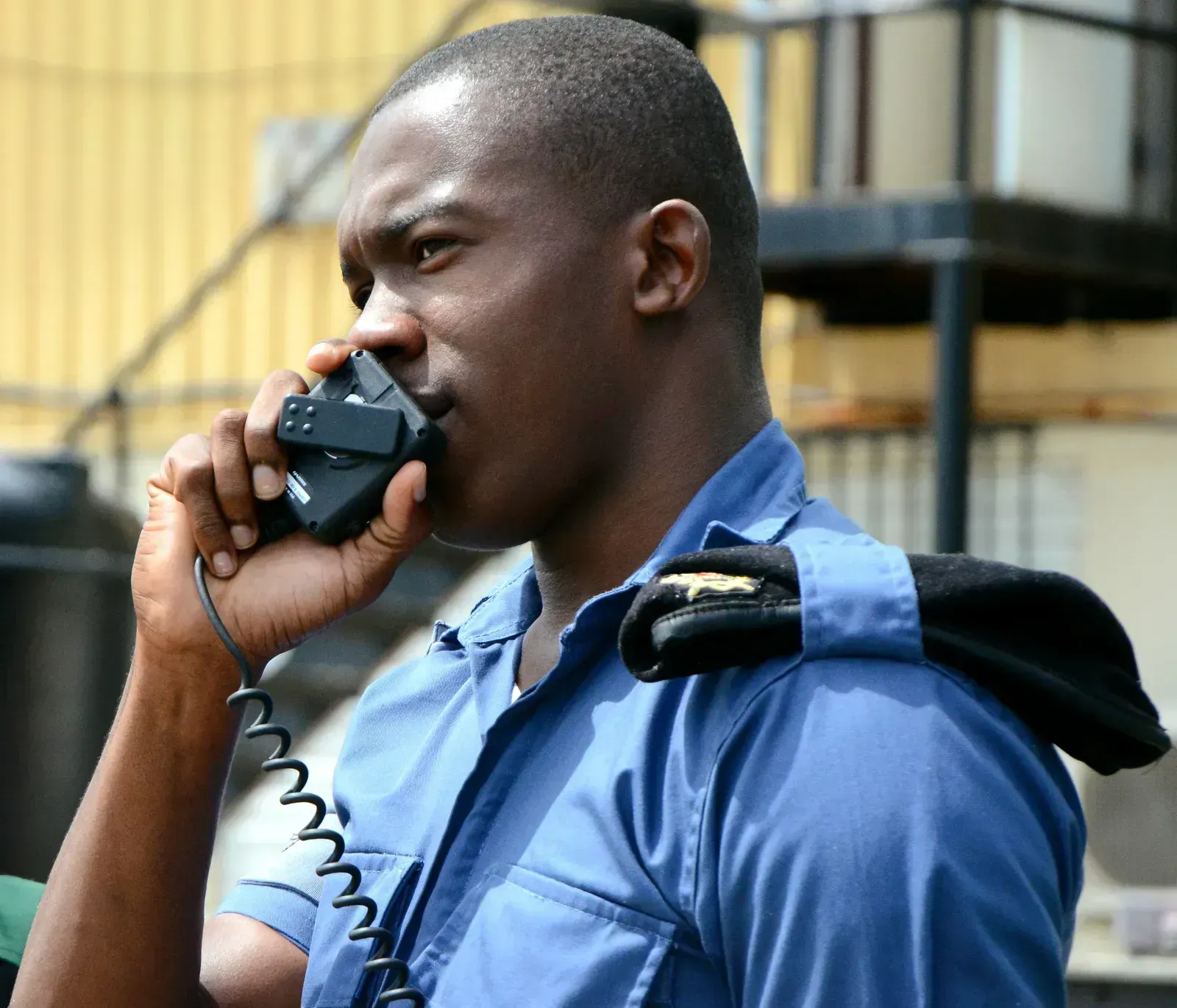
Guyana ranked 106th on the 2025 Global Peace Index, placing it in the lower half of the continent’s safety spectrum. Crime rates in Guyana remain relatively high compared to southern neighbors. The Guianas have to go down as some of the most dangerous places, far more so than even Afghanistan according to one traveler’s experience. Georgetown, the capital, experiences frequent robberies and assaults, particularly after dark. The country’s small population and lack of tourist infrastructure mean security resources are limited in many areas. Travelers who do visit should exercise extreme caution.
8. Brazil (Rank 130 Globally)
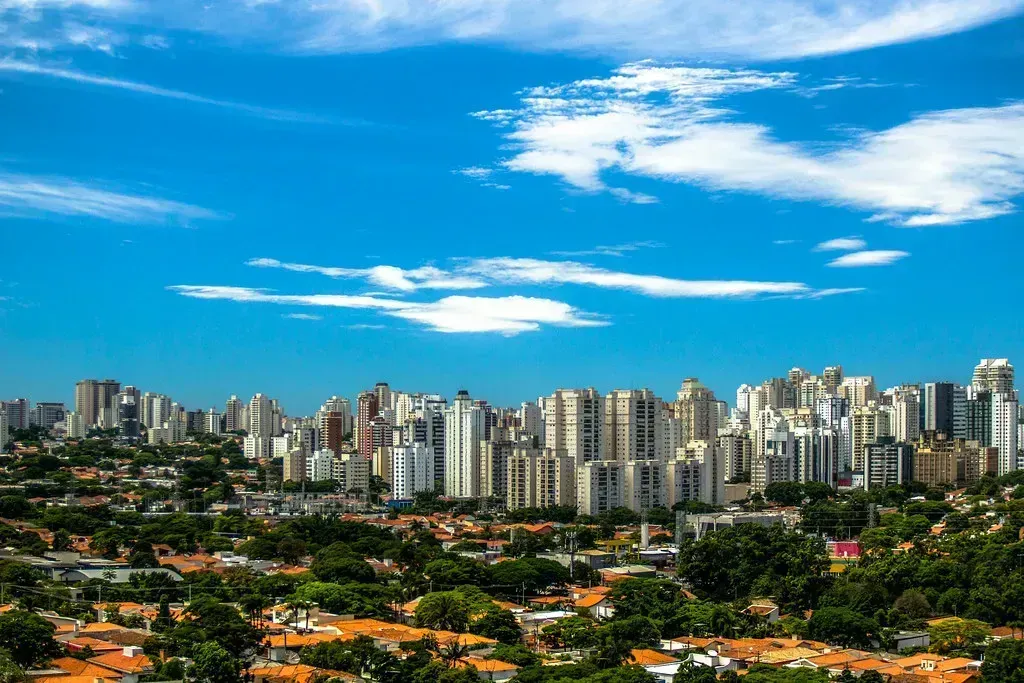
Brazil ranks 130th on the Global Peace Index 2025, facing higher violent crime rates and instability in certain regions. Here’s where things get tricky because Brazil is massive and safety varies wildly by location. The most dangerous cities in South America include Fortaleza, Recife, Salvador, Manaus, and Natal in Brazil. Cities like Florianópolis, Curitiba, and Brasília are among the safest in Brazil, while in Rio and São Paulo it’s best to stay in tourist areas like Copacabana and Ipanema. Favelas controlled by gangs see considerably higher crime levels than other neighborhoods. I think most travelers who stick to well-established tourist zones have trouble-free visits, but complacency can be costly.
9. Ecuador (Rank 129 Globally)

Ecuador ranked 129th on the 2025 Global Peace Index, reflecting a sharp deterioration in recent years. Ecuador’s national homicide rate surged from 5.7 per 100,000 in 2018 to about 45.1 in 2023, making it the most violent country in South America. In January 2024, Ecuador declared a state of emergency and declared war on drug gangs after attacks broke out, with that conflict still taking place today and cities like Guayaquil to be avoided. Tourist hotspots such as the Galápagos Islands remain relatively safe, but mainland cities have become increasingly risky. Safer spots like Cuenca and Baños exist, but tourists may take risks getting there, with several reported of safe visits in 2025 though it remains a gamble.
10. Colombia (Rank 140 Globally)
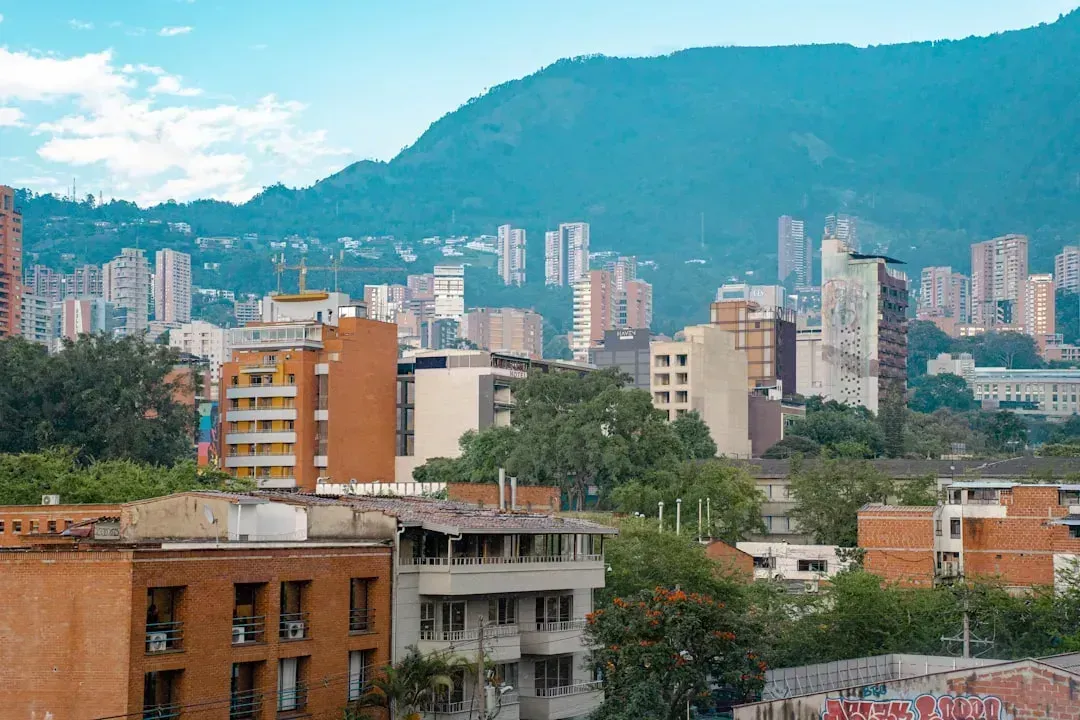
In 2025, Colombia ranks 140th on the Global Peace Index, one of the least peaceful countries in South America. Colombia remains the least peaceful country in South America despite eight of eleven countries in the region improving. The country has made huge strides since the dark days of Pablo Escobar, no question about it. Colombia has implemented special tourist police units in major cities like Bogotá and Cartagena, focusing on high tourist traffic areas to enhance safety. Thousands of travelers flock to Colombia annually, and most don’t encounter issues if they take basic precautions. Most visits to Colombia are trouble-free despite precautions being required, and Medellín has a bad safety reputation but most visits pass without incident. Still, drug trafficking and gang activity remain real concerns in certain regions.