The Supplement Scam: 6 Vitamins Doctors Say Are a Total Waste of Money if You’re Over 50
Americans spent close to fifty billion dollars on vitamins and dietary supplements in 2021, often in the hope of improving their health and preventing disease. For those over 50, the supplement aisle can seem particularly appealing, promising everything from stronger bones to sharper minds. However, mounting evidence from leading medical institutions suggests that many of these popular pills deliver little to no benefit, and in some cases, may even pose health risks.
The medical community has grown increasingly skeptical about routine supplementation for healthy adults. Northwestern Medicine scientists say for non-pregnant, otherwise healthy Americans, vitamins are a waste of money because there isn’t enough evidence they help prevent cardiovascular disease or cancer, with Dr. Jeffrey Linder noting that patients are “wasting money and focus thinking there has to be a magic set of pills that will keep them healthy when we should all be following the evidence-based practices of eating healthy and exercising.”
Multivitamins: The Daily Habit That Does Nothing
Half of all American adults, including 70 percent of those age 65 and older, take a multivitamin or another vitamin or mineral supplement regularly. Yet the science behind this widespread practice is remarkably weak. A large analysis of data from nearly 400,000 healthy U.S. adults followed for more than 20 years found no association between regular multivitamin use and lower risk of death, with the study published June 26, 2024, in JAMA Network Open.
The findings are even more concerning when you look closer. Researchers found no evidence that regular multivitamin use improved longevity among healthy adults, and in fact, in the pooled analysis, people who used multivitamin supplements daily had a 4% higher risk of death compared to those who didn’t use them. Johns Hopkins researchers reviewed evidence about supplements, finding that an analysis of research involving 450,000 people showed multivitamins did not reduce risk for heart disease or cancer, and that multivitamins don’t reduce the risk for heart disease, cancer, cognitive decline, or an early death.
Vitamin E: From Wonder Supplement to Health Hazard
Once touted as a powerful antioxidant that could prevent everything from heart disease to cancer, vitamin E supplements have fallen spectacularly from grace. Results from the large SELECT trial show that vitamin E supplements at 400 IU per day may harm adult men in the general population by increasing their risk of prostate cancer, with follow-up studies assessing whether the cancer risk was associated with baseline blood levels and genetic factors. The U.S. Preventive Services Task Force’s 2022 review of evidence from clinical trials found no conclusive benefit of vitamin E supplements for the prevention of cardiovascular disease.
Johns Hopkins researchers noted that in prior studies, vitamin E and beta-carotene supplements appear to be harmful, especially at high doses. Research shows that vitamin E and selenium supplements don’t prevent prostate cancer, and there is concern that vitamin E supplements might raise the risk of prostate cancer. For those over 50, particularly men, vitamin E supplements represent not just wasted money but a genuine health risk.
Vitamin C: The Cold Prevention Myth That Won’t Die
Despite decades of evidence showing otherwise, vitamin C supplements remain one of the most purchased products during cold and flu season. The research, however, tells a clear story. 29 studies involving more than 11,000 children and adults tested whether the regular use of supplements containing at least 200 mg of vitamin C prevented colds. The failure of vitamin C supplementation to reduce the incidence of colds in the general population indicates that routine vitamin C supplementation is not justified.
Although it is well known that a balanced diet which satisfies the daily intake of vitamin C positively affects the immune system and reduces susceptibility to infections, available data do not support the theory that oral vitamin C supplements boost immunity, and no current clinical recommendations support significantly decreasing the risk of respiratory infections by using high-dose supplements in a well-nourished general population. While vitamin C might slightly reduce the duration of cold symptoms if taken regularly before illness strikes, this modest benefit hardly justifies the expense for most people over 50.
Calcium Supplements: Brittle Bones and Broken Promises
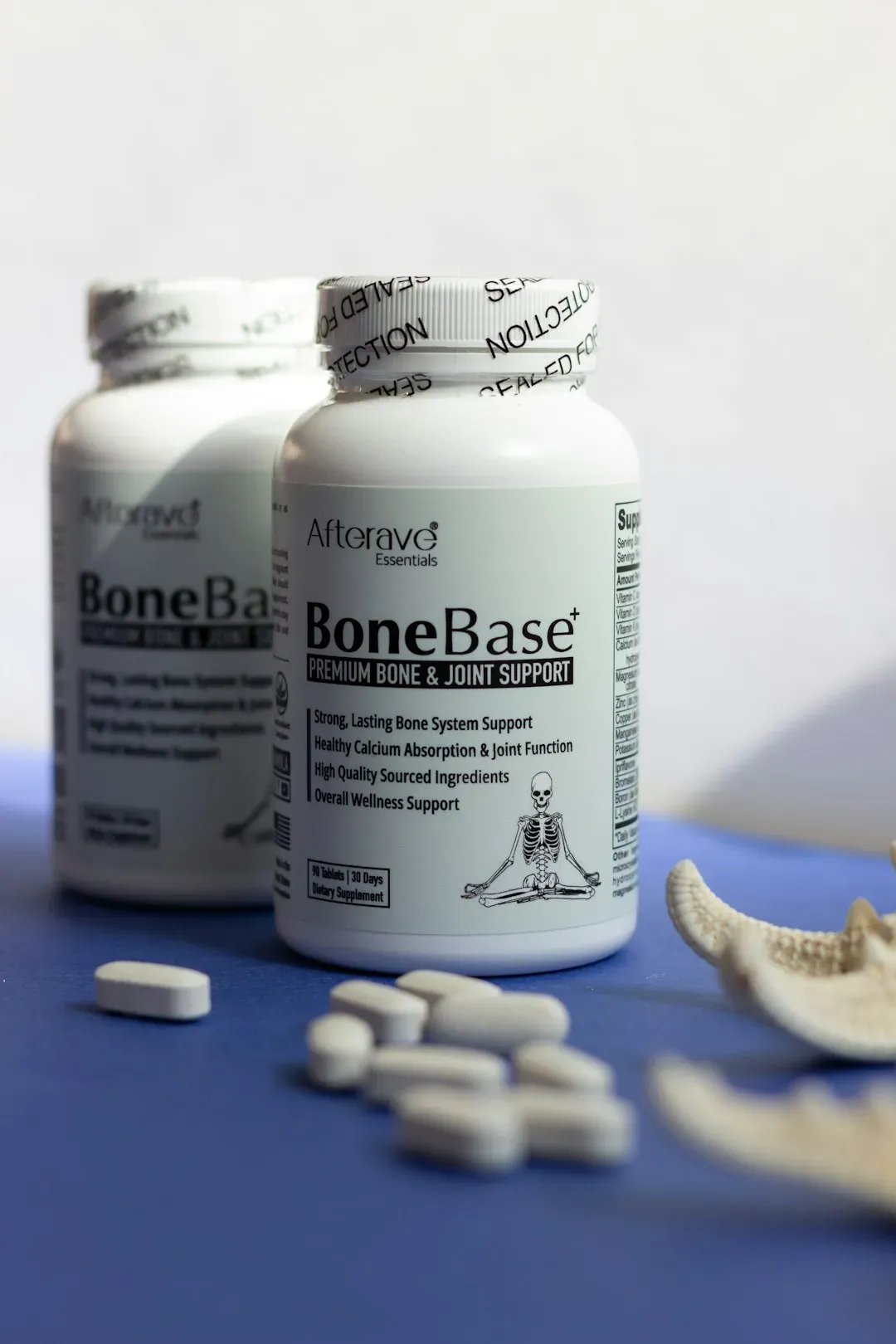
For decades, doctors advised older adults, especially postmenopausal women, to take calcium supplements to prevent osteoporosis and fractures. That guidance is now crumbling under scientific scrutiny. An intake of 1,000 mg from supplements has been associated with an increased risk of heart attack, stroke, kidney stones, and gastrointestinal symptoms, and an analysis concludes that consuming calcium at that level doesn’t even reduce fractures in people over 50, with a related analysis indicating that increasing calcium intake has only a modest effect on bone density.
Recent meta-analyses suggest calcium slows postmenopausal bone loss but shows no significant prevention of fractures, and there is little substantive evidence of benefit to bone health from the use of calcium supplements. The use of calcium supplements was associated with less bone mineral density loss over more than a decade, but was not related to the risk of incident bone fracture across the menopause transition. Researchers conclude that clinicians, advocacy organizations and health policymakers should not recommend increasing calcium intake for fracture prevention either with calcium supplements or through dietary sources.
Vitamin D Supplements: Sunshine in a Bottle That Doesn’t Deliver
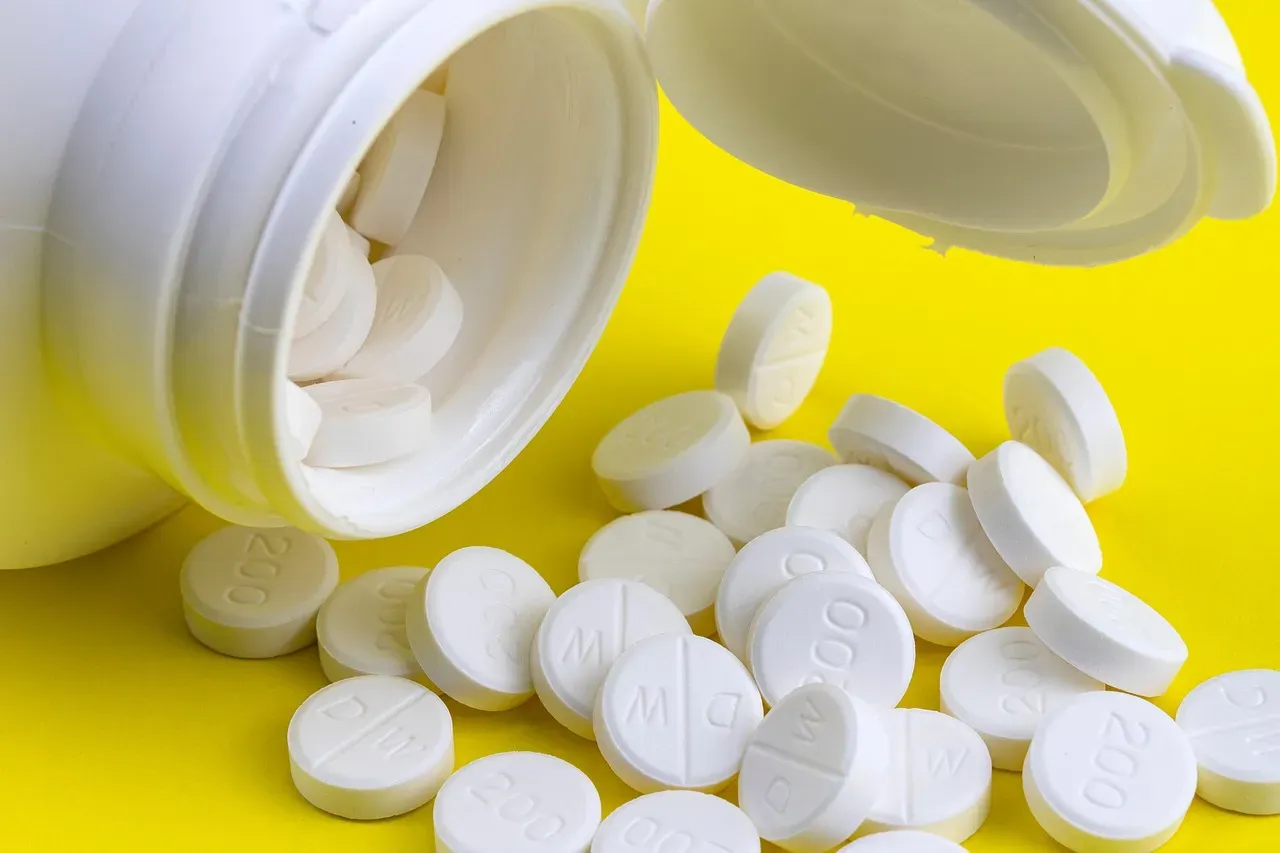
Vitamin D has been promoted as essential for bone health, immune function, and more. Yet when scientists examined the evidence for supplementation in people over 50, the results were disappointing. A review of research by health experts found no dose of vitamin D with or without calcium was useful in preventing falls and fractures. In December 2024, the U.S. Preventive Services Task Force updated its recommendations based on this evidence, advising against routine supplementation for fracture prevention in healthy older adults.
A 4-year study of 1,500 mg calcium and 2,000 IU vitamin D or placebo daily in 2,303 healthy women age 55 years and older showed that supplementation did not reduce the risk of all types of cancer, and the large WHI study found no effect of supplemental calcium and vitamin D on cancer incidence during the 7-year trial and over a long-term median follow-up of 22.3 years. While vitamin D deficiency is a real concern for some individuals, blanket supplementation for everyone over 50 lacks scientific support.
B Vitamins: The Brain Boost That Isn’t
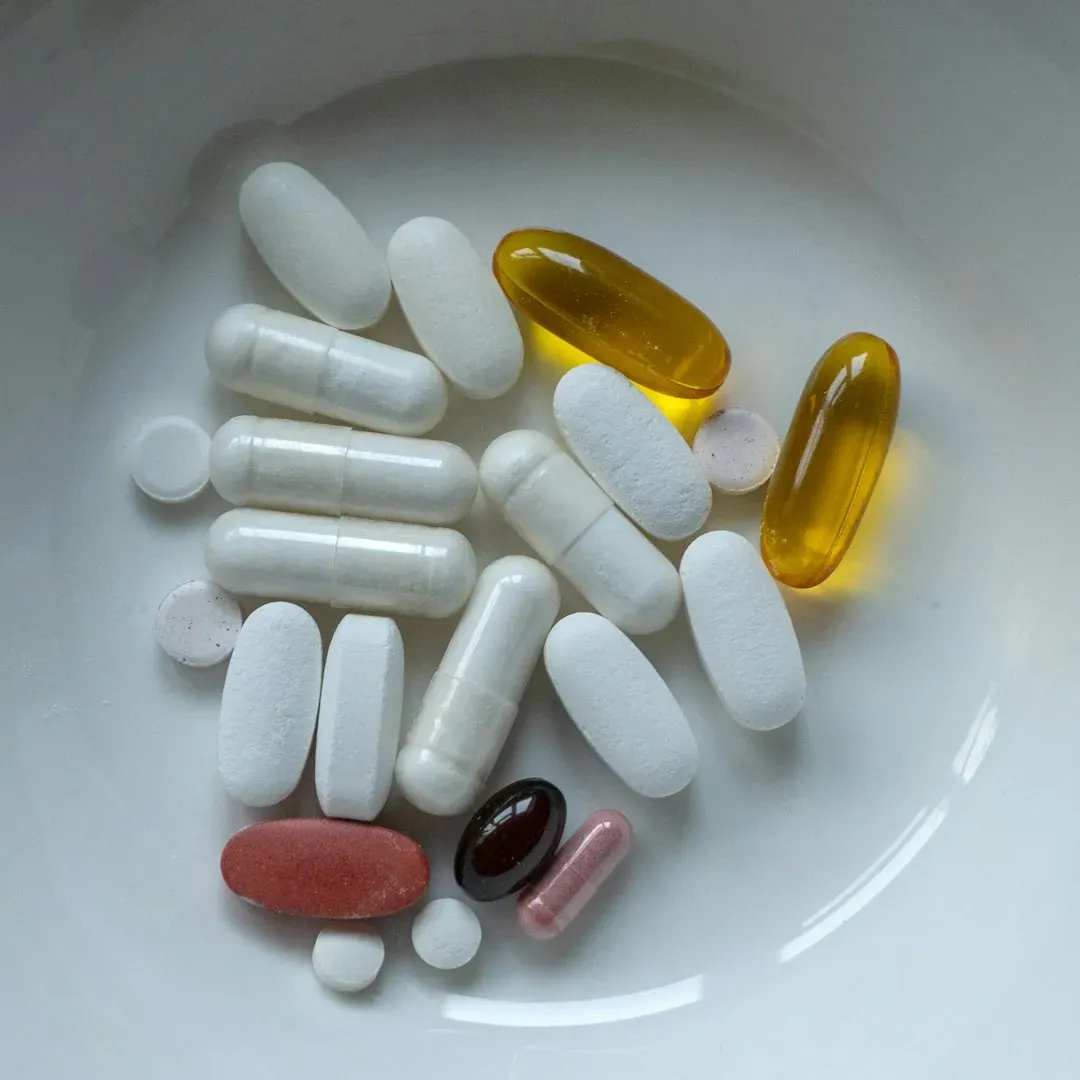
B vitamin supplements, particularly B6, B12, and folic acid, have been heavily marketed to older adults with promises of improved brain function and reduced dementia risk. The reality falls far short of these claims. A study that tracked the mental functioning and multivitamin use of 5,947 men for 12 years found that multivitamins did not reduce risk for mental declines such as memory loss or slowed-down thinking.
Studies have looked at vitamins such as B, C, E and whether they can prevent cancer, and they didn’t come up with any significant results, with some finding a higher risk of certain illnesses. While specific B vitamin deficiencies can cause serious health problems and require supplementation, routine use of B vitamin supplements by healthy adults over 50 provides no demonstrated benefit. Johns Hopkins researchers emphasize that pills are not a shortcut to better health and the prevention of chronic diseases, noting that other nutrition recommendations have much stronger evidence of benefits, including eating a healthy diet, maintaining a healthy weight, and reducing saturated fat, trans fat, sodium and sugar.
The supplement industry continues to thrive on hope rather than evidence. For adults over 50, the path to better health doesn’t run through the vitamin aisle. It runs through the produce section, regular physical activity, adequate sleep, and evidence-based medical care when needed. Your wallet and your health will both be better for it.