The Death of the All-Inclusive: 8 Reasons Travelers Are Abandoning Traditional Resorts This Year
Picture this: you’re sitting poolside at a resort, your third watered-down piña colada sweating in your hand, watching the same entertainment crew perform the same routine they’ve done for the past decade. Sound familiar? For years, all-inclusive resorts promised travelers a slice of paradise where everything was taken care of, where the only worry was whether to have another plate at the buffet. That promise still exists, sure. The glossy brochures haven’t changed. Yet something fundamental has shifted in how people want to experience the world in 2026.
The traditional all-inclusive model is facing its biggest challenge yet, not from economic downturns or natural disasters, but from travelers themselves. They’re voting with their feet and their wallets, choosing alternative forms of vacation that feel more authentic, more flexible, and frankly, more interesting. While major hotel chains continue expanding their all-inclusive portfolios, a growing segment of travelers are walking away from the formula entirely. Let’s dive in to understand why this shift is happening now.
The Rise of Authentic Experience Seekers

Travelers today crave something that can’t be packaged into a seven-night, all-meals-included deal. As travelers’ desire for meaningful experiences is on the rise, it is becoming increasingly popular to plan a vacation to attend concerts, sports tournaments, or even visit a movie location. 70% of American millennial and Gen Z travelers looking for unique adventures their friends haven’t considered, and that’s tough to deliver when you’re stuck inside resort walls.
The experience economy has fundamentally rewired how people value their vacation time. 72% of respondents care more about having the right travel experience than the cost of the trip, according to an American Express global survey. Traditional all-inclusive resorts, with their predictable schedules and walled-off compounds, simply can’t compete with the draw of exploring local markets, stumbling upon hidden restaurants, or having conversations with residents that lead to unexpected adventures. When was the last time a resort buffet gave you a story worth telling?
It’s hard to say for sure, but travelers seem to be gravitating toward what feels real rather than rehearsed. The demand for cultural immersion isn’t just a trend; it’s becoming the baseline expectation for modern travelers who want their trips to mean something beyond a tan and a few Instagram posts.
Vacation Rentals Offering Better Value and Space
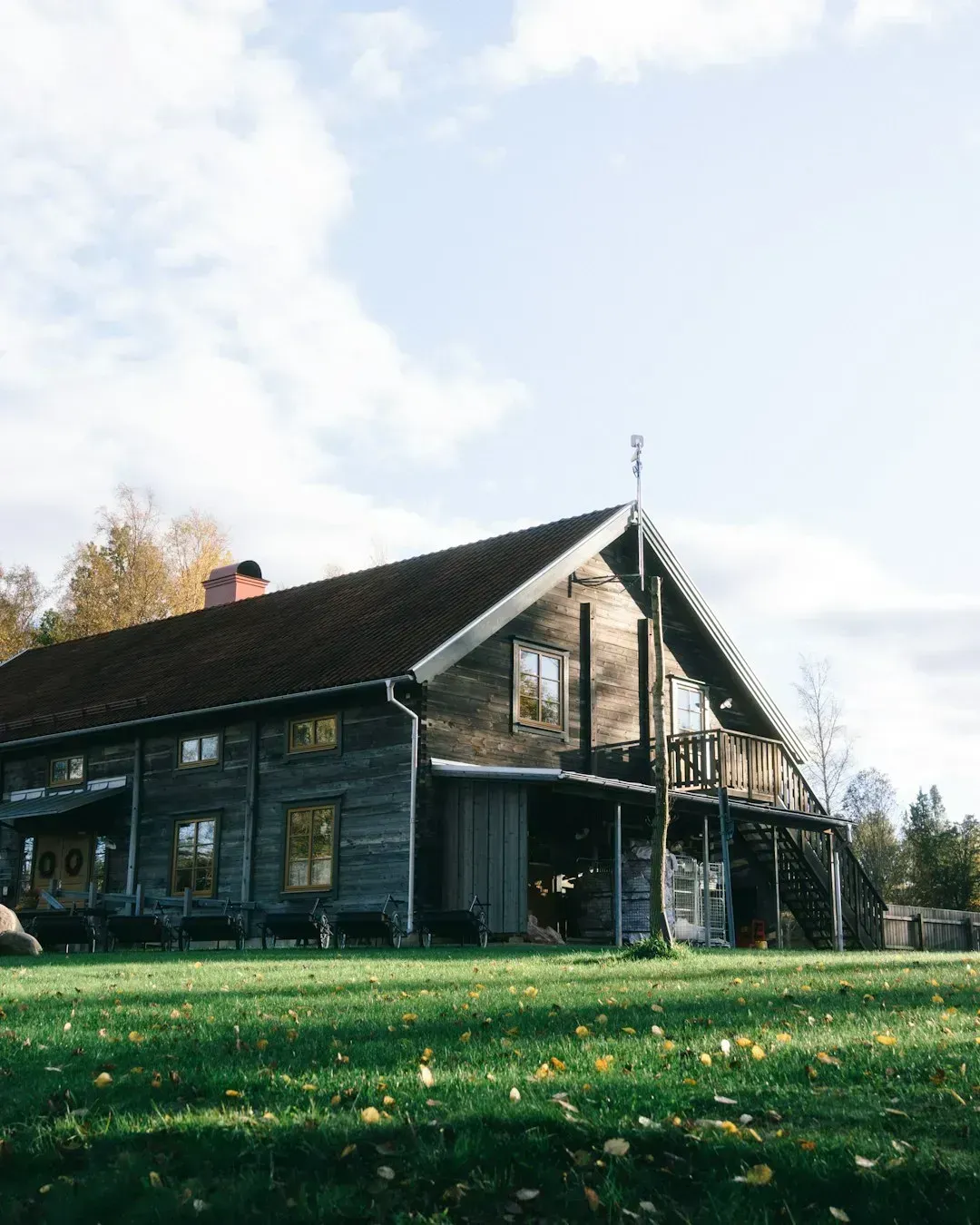
The global vacation rentals market size was valued at USD 174.84 billion in 2024 and grew from USD 195.45 billion in 2025 to USD 396.93 billion by 2032, exhibiting explosive growth that’s eating directly into the traditional resort market. Those numbers tell a story: families and groups are realizing they can rent entire homes with full kitchens, multiple bedrooms, and real living spaces for less than cramped hotel rooms.
The 2020 pandemic accelerated what was already happening. From December 2023 to December 2024, the global short-term rental market saw a 9% increase in listings and total guest capacity. Platforms like Airbnb and Vrbo have made it incredibly simple to book properties that feel like actual homes rather than sterile accommodations. You’re not just renting a place to sleep; you’re essentially becoming a temporary local, shopping at neighborhood grocery stores and cooking meals when you feel like it.
All-inclusive resorts can’t match this level of flexibility or the sense of independence that comes with it. When you’re staying in a vacation rental, you control your schedule, your meals, your entire experience. No set dining times, no wristbands, no feeling like you’re on a conveyor belt of programmed fun. The value proposition has shifted, and vacation rentals are winning.
The Digital Nomad Revolution Demands Flexibility

Here’s the thing: traditional resorts were designed for people on one or two-week vacations, not for the roughly 18 million Americans now working as digital nomads. Globally, over 40 million people are living a location-independent work-from-anywhere lifestyle as of 2024, including 18.1 million American workers who need reliable WiFi, quiet workspaces, and longer-term accommodations.
All-inclusive resorts rarely cater to this growing demographic. In 2025, the average digital nomad visited 6.2 locations, spending 6.4 weeks per stop, a pattern known as “slomading” or slow travel. These travelers want coworking spaces, fast internet, and the ability to blend work with exploration. They’re not interested in animation teams or poolside games; they need functional living arrangements where they can actually get things done.
Digital nomads represent a massive economic force that resorts are largely missing out on. Digital nomads contribute an estimated $787 billion annually to the global economy. Yet traditional all-inclusive properties, with their focus on short-term leisure guests, haven’t adapted their offerings to capture this lucrative market segment that’s only going to keep growing.
Sustainability Concerns Driving Conscious Choices
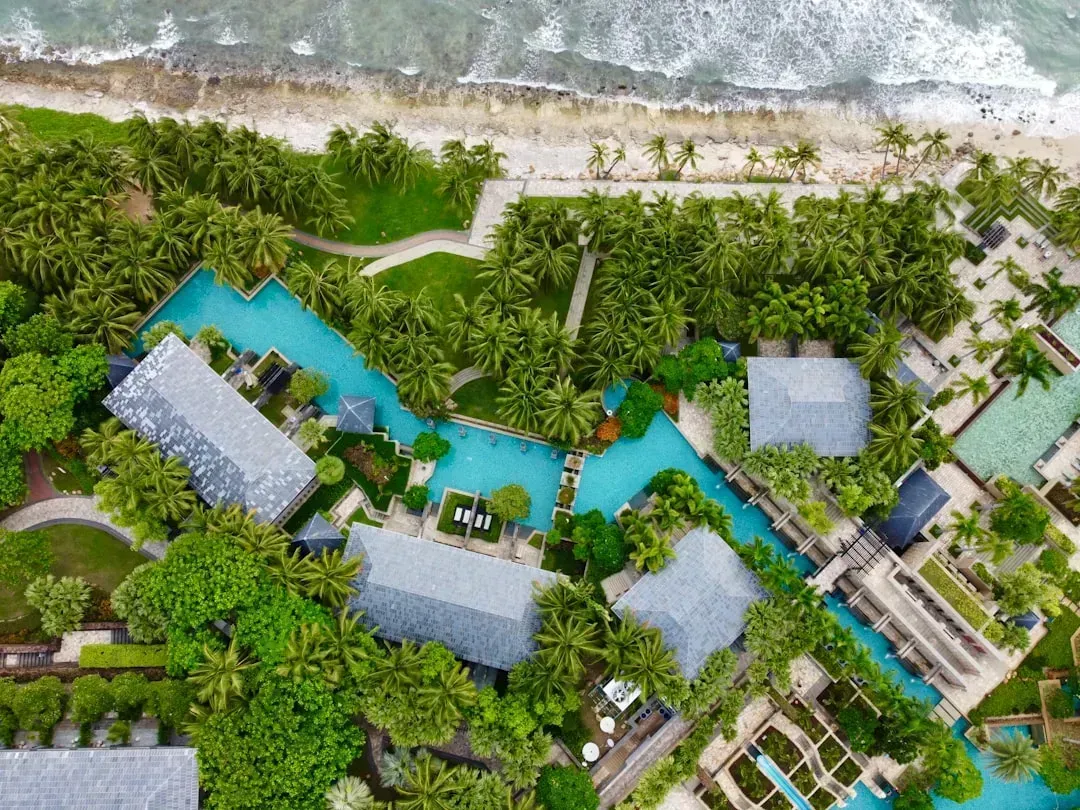
Let’s be real: all-inclusive resorts aren’t exactly known for their environmental credentials. A sizeable 84% of travelers said that traveling more sustainably is important to them, and when you look at how resorts operate, with massive buffets generating food waste and single-use plastics everywhere, it’s not a great look for the environmentally conscious traveler.
The global sustainable tourism market size was calculated at USD 3.56 trillion in 2025 and is predicted to increase to approximately USD 11.39 trillion by 2034, demonstrating just how seriously travelers are taking green credentials. Younger generations especially are willing to pay more or adjust their plans to minimize environmental impact. Four in 10 travelers, especially Millennials and Gen Zers, do at least one thing to reduce their environmental impact, whether that means choosing eco-rated hotels or avoiding air travel altogether.
Traditional resorts are trying to catch up, adding solar panels and promoting recycling programs. Yet the fundamental model of all-inclusive travel, encouraging unlimited consumption without thought to waste, runs counter to sustainable principles. Travelers are noticing this disconnect and increasingly choosing accommodations that align with their values rather than their appetites.
Hidden Costs Eroding the All-Inclusive Promise
Remember when all-inclusive actually meant all-inclusive? Those days are fading fast. Many resorts now charge extra for premium restaurants, certain activities, better alcohol brands, or even faster WiFi. The sticker shock comes when you realize that “all-inclusive” has developed an awful lot of asterisks and fine print.
Savvy travelers have started doing the math and discovering that the supposed value isn’t always there. When you factor in the quality of food and drinks at many all-inclusive properties, which let’s face it, can be pretty mediocre, suddenly paying as you go at local establishments starts looking more appealing. You’re getting better quality and often spending less overall, especially if you’re not the type to drink yourself silly every day.
The psychological shift matters too. Travelers are tired of feeling nickel-and-dimed after paying a hefty upfront cost. There’s something frustrating about being told everything’s included, then constantly being upsold on “premium” experiences that should have been part of the package. This erosion of trust is pushing people toward vacation models where the pricing feels more transparent, even if you’re paying per item.
Remote Work Breaking Down Traditional Vacation Patterns

The 2020 pandemic fundamentally changed how we think about work and leisure. With remote work becoming permanent for millions, the rigid structure of traditional vacations feels increasingly outdated. Why cram everything into a week at an all-inclusive when you can work from interesting places for months at a time?
They blurred the lines between business and leisure travel, finding ways to expand their horizons no matter the occasion. This blending of work and travel, often called “bleisure,” doesn’t fit the all-inclusive model at all. These travelers need proper work setups, not just beach loungers. They want longer stays with flexible arrangements, not packages designed around a Saturday-to-Saturday formula.
The economics make sense too. When choosing where to vacation in 2024, the factors that held the most importance were the destination itself (53%), cost (48%) and experiences or activities available (30%). In 2025, cost became the driving factor at 52%, showing how priorities have shifted. Remote workers can spread out their travel costs over months rather than concentrating spending into one expensive week at a resort.
Social Media Inspiring Off-the-Beaten-Path Adventures

Instagram and TikTok have completely transformed how people discover destinations. Social media, especially TikTok, wields huge influence in inspiring consumers, especially younger Gen Z ones, to travel, including guiding them to under-the-radar places to visit. Travelers want to post content that stands out, and frankly, resort pools all look pretty much the same.
The problem for traditional resorts is that travelers are actively seeking what’s called “destination dupes,” lesser-known alternatives to popular spots that offer similar experiences without the crowds or price tags. These places tend to be discovered through social media rather than resort brochures. When your feed is full of friends exploring ancient ruins, local food markets, or hidden beaches, the idea of spending a week at an all-inclusive compound starts feeling bland by comparison.
User-generated content carries more weight than professional marketing campaigns. Travelers trust recommendations from real people who’ve been somewhere, not polished advertisements from resort chains. This shift in how travel inspiration happens has made it harder for traditional resorts to capture the imagination of potential guests who are constantly being exposed to more adventurous alternatives.
Economic Uncertainty Demanding Flexible Booking Options
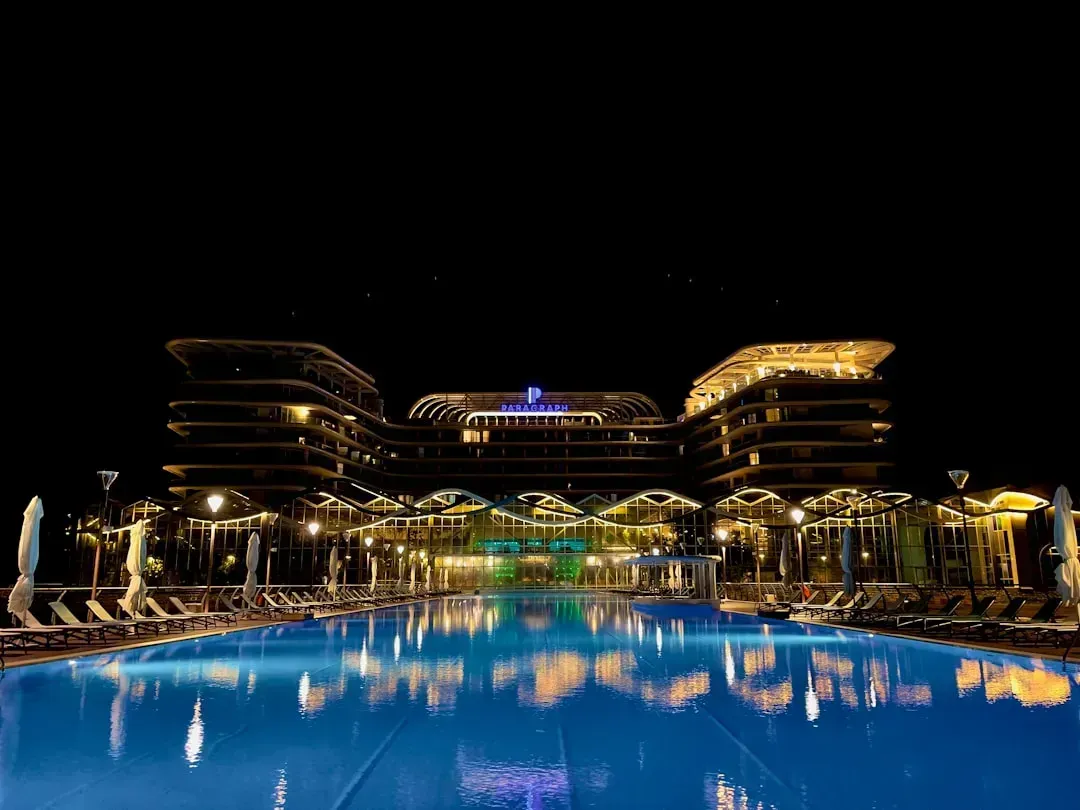
Here’s something interesting: while vacation rental and sustainable tourism markets are booming, amid a broader pullback in pent-up leisure demand, some all-inclusive market segments and brands may prove more competitive than others as economic headwinds affect travel spending. People want flexibility in uncertain times, and all-inclusive packages typically require significant upfront payments with strict cancellation policies.
89% of operators worry about a potential slowdown or decreased demand, according to industry research, and this uncertainty is making travelers hesitant to lock in expensive resort packages months in advance. The alternative accommodation models, offering more flexible booking and cancellation terms, feel safer when the economic outlook remains cloudy. You’re not committing thousands of dollars to something you might need to change or cancel.
The traditional all-inclusive model thrives when people feel confident and flush with cash. When uncertainty creeps in, whether from inflation, geopolitical tensions, or job market concerns, travelers shift toward options that feel less risky. Paying as you go, choosing shorter trips, or booking closer to departure dates all become more attractive. That’s a structural challenge for resorts built around advance bookings and fixed-week packages.