Lifestyle Creep: 10 Things “Broke” People Buy That the Truly Wealthy Avoid at All Costs
Ever notice how some people seem to make six figures yet constantly complain about being broke? It’s not always about how much you earn. Sometimes it’s about what you spend it on. Here’s the thing: truly wealthy people have figured out what’s actually worth their money and what’s just draining their bank accounts.
Nearly half of those earning over $100,000 per year are still living paycheck to paycheck, which sounds absolutely wild until you start digging into their spending habits. The difference between looking rich and being rich often comes down to ten key purchases that keep people stuck in what experts call lifestyle creep. Let’s be honest, it’s time to expose the spending traps that separate the wannabes from the genuinely wealthy.
Brand New Luxury Vehicles

A study of 10,000 U.S. millionaires found that most of them avoided driving expensive luxury brands, with nearly one-third driving Toyotas and Hondas. That’s right. The folks with actual millions in the bank are driving the same cars as your neighbor down the street.
Luxury sedans, trucks and SUVs lose an average of 48.1% in value after the first five years of ownership, compared to far less for non-luxury cars. When you drive that shiny new BMW off the lot, you’re basically watching thousands of dollars evaporate into thin air. Millionaires consciously avoid new and luxury vehicles because they know that vehicles are depreciating assets that lose value significantly as soon as you drive them off the lot.
The wealthy understand something crucial: a car gets you from point A to point B, regardless of whether it cost thirty grand or a hundred grand. A lot of millionaires pay for their car in cash and drive it until the wheels fall off. They’d rather invest that money difference where it can actually grow instead of parking it in their driveway where it loses value every single day.
Designer Clothing and Accessories

Top earners are still driving expensive cars, renting out massive apartments, and splurging on designer clothes to keep up appearances, but here’s what they’re not telling you: they’re cutting back on essentials behind the scenes to afford it. Recent trends show that designer companies actually target middle-class consumers, marketing the perception of wealth when actually they are responsible for keeping their consumers poor.
Think about it this way. That three-thousand-dollar handbag doesn’t make you wealthy. It makes you three thousand dollars poorer. Multi-millionaire Shang Saavedra and her husband share a 16-year-old secondhand vehicle and do their grocery shop at Aldi, even though they have a multi-million dollar net worth.
The truly wealthy know that designer logos are just expensive billboards you’re paying to wear. Billionaire Mark Zuckerberg has been seen repeatedly wearing plain T-shirts anyone can buy for around $14. When you have real wealth, you don’t need to prove anything to anyone walking past you on the street.
Luxury Watches as Investments
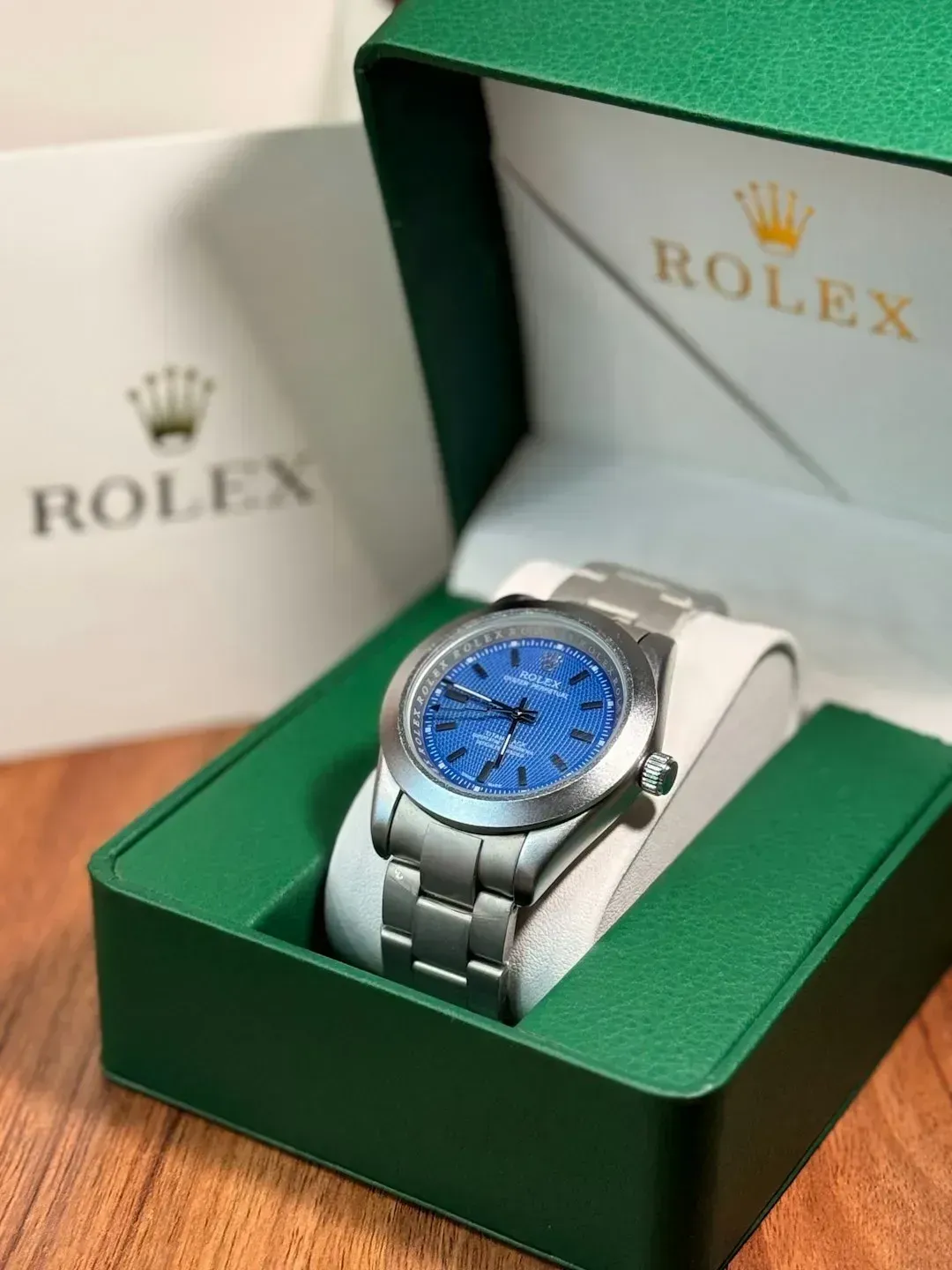
Most luxury watches, like Rolex, have been losing value since their 2022 peak in the secondary market. The whole narrative about watches being smart investments has turned out to be mostly hype for the average buyer.
By Q2 2025, prices had fallen for 13 consecutive quarters, and excluding Rolex, Patek, and AP, the average watch now trades at negative 31% or worse relative to retail. Let that sink in for a moment. You’re losing nearly a third of your money the moment you walk out of the store with most luxury timepieces.
During the first year of ownership watches lose 32.9% of their value on average, compared to cars which only lose 20-30% of purchase value. The wealthy avoid these unless they genuinely love watches for their craftsmanship, not as some misguided investment strategy. Your wrist isn’t a stock portfolio, no matter what the salesperson tells you.
Frequent Dining Out and Food Delivery
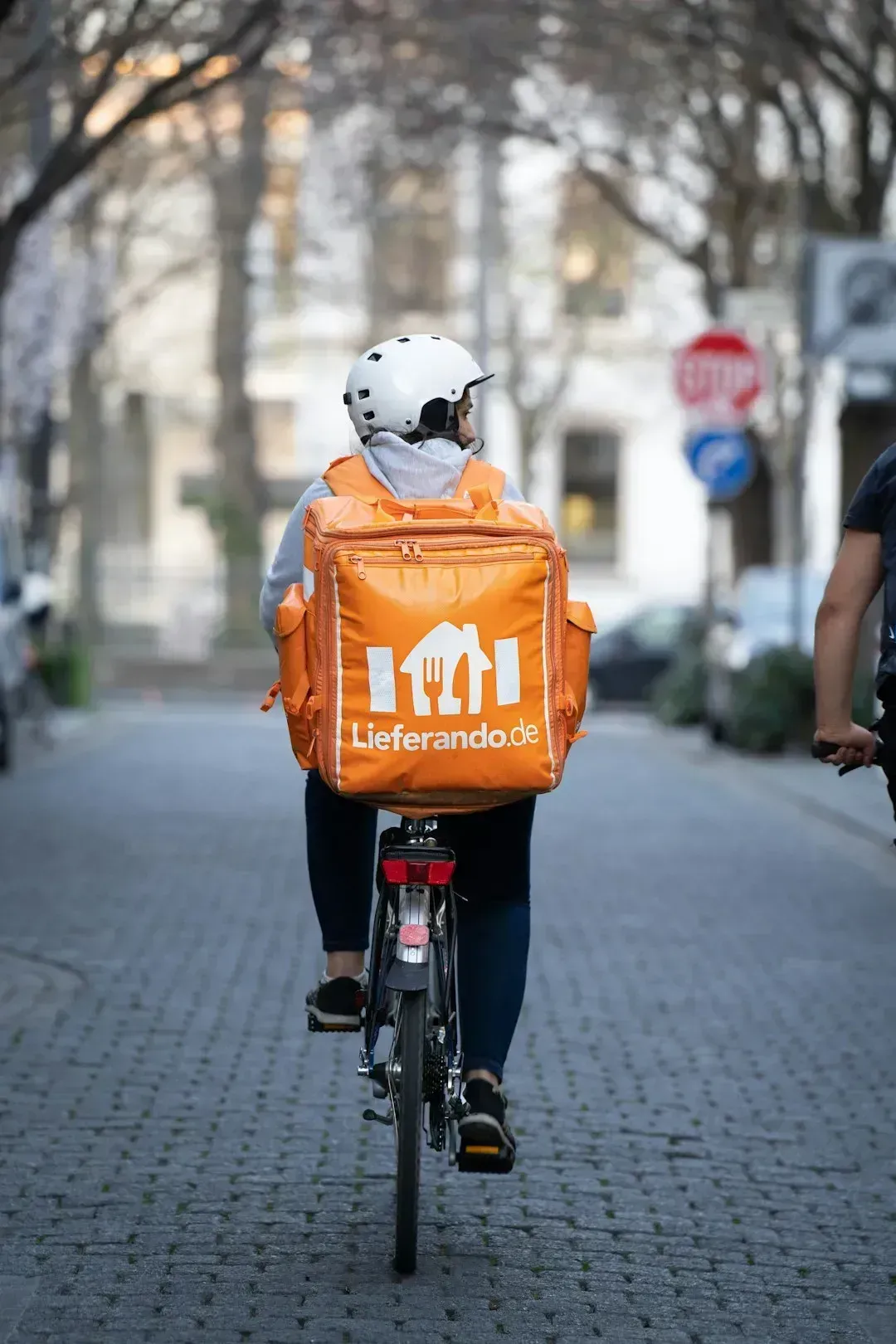
With take-out food prices shooting up over 25% since the 2020 pandemic, dining out is a luxury that most people should consider cutting out. Yet broke people continue ordering delivery three or four times a week without thinking twice about it.
High net worth individuals choose to cook for themselves and even buy frozen groceries because they’re cheaper than fresh. It might not sound glamorous, but that’s precisely the point. Wealthy people don’t confuse convenience with necessity.
Think about what you’re really paying for when you order delivery. You’re covering the meal, the markup, the delivery fee, the service fee, and the tip. That twenty-dollar burger just became a forty-dollar mistake. One millionaire earning six figures has trimmed her spending down to a little under $4,000 a month, batch cooks meals, and cuts her own hair. Small daily decisions compound into massive wealth over time.
Subscription Service Overload

The average American household now spends $273 per month on subscription services, up 435% from 2018. That’s over three thousand dollars a year disappearing into streaming services, apps, and memberships you probably forgot you even had.
Subscriptions can easily hit $200+ monthly when you add up Netflix, Hulu, Amazon Prime, Spotify Premium, Disney+, Apple iCloud, meditation apps, meal planning services, and specialized software, totaling $2,400 annually for services you might use sporadically. The wealthy audit these ruthlessly every few months.
Here’s where it gets sneaky. Each subscription feels small, almost insignificant. Five bucks here, fifteen bucks there. But they multiply like rabbits, and before you know it, you’re funding a small car payment worth of services you barely touch. Even wealthy individuals can lose track of multiple subscriptions and pay for the same thing more than once when they don’t have to.
Expensive Gym Memberships and Boutique Fitness

There’s really no need to get tied into a 12-month contract with your gym since there are tons of options out there for free workout classes online, and you can save money by purchasing training equipment for your home. Yet people continue shelling out hundreds monthly for fancy gyms they visit twice.
The wealthy are strategic about fitness spending. They know that a hundred-dollar monthly gym membership you don’t use is just throwing money away with extra guilt attached. Millionaires consistently invest in three areas: education, health and time-saving services, paying premium prices for executive health programs and personal trainers, but only when they actually use them.
There’s a massive difference between investing in your health and wasting money to feel like you’re investing in your health. That boutique spin class might make you feel fancy, but wealthy people would rather put that money toward a financial advisor who can actually multiply it. Priorities matter.
Keeping Up with Tech Trends

Large tech companies frequently introduce new versions of phones, watches, tables, and other devices to maximize profits, but if your current gadget still serves its purpose, there’s no need to spend money on upgrading it as the newer version will often have marginal improvements in features that aren’t worth the price tag. This one’s a real wealth killer.
The broke mentality says you need the latest iPhone the moment it drops. The wealthy mentality asks whether your current phone still works perfectly fine. Spoiler alert: it probably does. Millionaires avoid unnecessary expenses like trendy gadgets because they understand the difference between actual upgrades and marketing hype.
Think about how much money gets wasted chasing incremental improvements. Your phone camera went from ridiculously good to slightly more ridiculously good. Was that worth a thousand dollars? Probably not. Wealthy people use their devices until they genuinely need replacing, not until the commercials tell them it’s time.
Extended Warranties on Everything
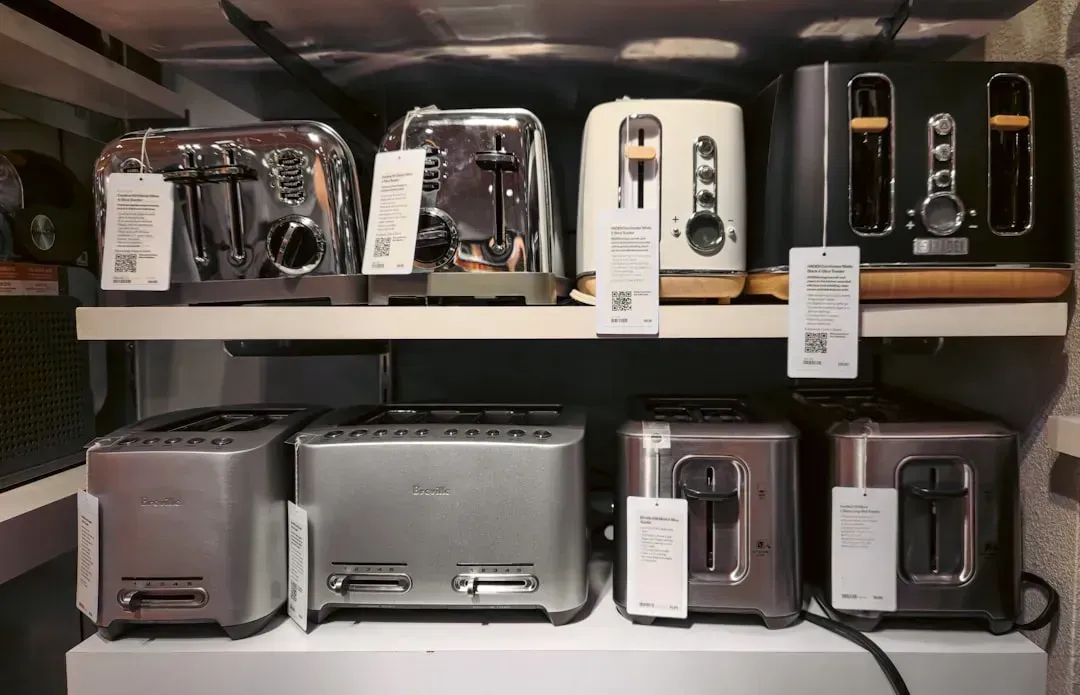
One thing millionaires never spend on is extended warranties on household appliances and electronics from big-box stores because you’re probably not going to use it and it’s just additional profit for the store. Stores push these hard because they’re basically printing money off your fear.
Instead of springing for the warranty, one millionaire puts a little cash into his emergency fund each month to cover repairs, and when an item breaks, he has the funds to cover it, or if it lasts forever, he can put the money toward other expenses. That’s smart financial planning, not magical thinking about what might break.
The math rarely works in your favor with extended warranties. Most electronics either break within the manufacturer’s warranty period or last way beyond any extended coverage you bought. You’re essentially betting against yourself, and the house always wins that game. Wealthy people self-insure through savings instead of paying premiums to retailers.
Expensive Housing Beyond Their Means

Spending an extra $800 per month on housing costs $576,000 in compound growth over 20 years assuming 7% returns. That’s the real cost of lifestyle creep in housing, and it’s absolutely staggering when you see it spelled out.
Most millionaires live in houses worth far less than they can afford, allowing them enough money to invest in cash-flowing assets, and Warren Buffett continues to live in the original five-bedroom house he purchased in 1958 for $31,500. The wealthiest investor of our time still lives in a modest house he bought decades ago.
People making good money convince themselves they deserve that luxury apartment or oversized house. What they actually deserve is financial freedom, which comes from living below your means, not at the absolute edge of them. When someone got promoted from $75,000 to $90,000, instead of banking that extra $15,000 annually, she increased her spending by $1,250 per month. That’s the trap.
Premium Coffee and Daily Treats

Your daily coffee consumption could cost you more than you realize when you tally up how much you’ve spent on your morning fix, and it’s great to treat yourself to a coffee and a pastry once in a while, but when it becomes a sort of reflexive habit, it’s often unnecessary. This is the classic wealth leak everyone talks about, yet few people actually fix.
Bringing some coffee from home and avoiding the temptation to spend extra on sugary food items you don’t need anyway sounds simple because it is simple. Wealthy people don’t confuse routine with necessity.
Let’s do the math everyone avoids doing. Five dollars per day for coffee is roughly $1,800 per year. Invested at reasonable returns over a decade, that’s approaching thirty thousand dollars. For coffee. That you could make at home for pennies. The wealthy think in compound interest, not instant gratification. When you see that five-dollar latte as a potential thousand-dollar future gain, suddenly the choice becomes crystal clear.