U.S. Warned Of A Possible Emerging Housing Crisis
The American dream of homeownership appears to be slipping further from reach for millions of families. Experts and economists across the nation are sounding alarms about what could become one of the most severe housing crises in recent history. From soaring prices and limited inventory to affordability levels not seen in decades, the housing market stands at a precarious crossroads in 2026.
What makes this situation particularly troubling is that it isn’t just affecting first-time buyers anymore. Middle-income households, including teachers, nurses, and skilled workers, are finding themselves priced out of markets they once called home. High home prices and interest rates have pushed sales to their lowest level in 30 years, according to Harvard’s Joint Center for Housing Studies. While some relief may be on the horizon with modest mortgage rate declines, the fundamental problems run deeper than interest rate fluctuations alone can fix.
Record-Breaking Affordability Challenges Squeeze American Families
Here’s the thing: housing affordability has deteriorated to levels that feel almost unprecedented. As of early 2025, home prices are up 60 percent nationwide since 2019 and still rising at a rate of 3.9 percent year over year. Let’s be real, that kind of price acceleration far outpaces wage growth for most Americans.
The monthly costs have become staggering for many households. Monthly mortgage payments on the median-priced home rose to $2,570, and a buyer would need an annual income of at least $126,700 to afford it and the associated taxes and insurance costs. Think about that for a moment – earning nearly $127,000 annually just to qualify for a typical home mortgage. For context, median household income in America sits well below that threshold.
By that standard, 31.3% of American households were cost burdened in 2023, including 27.1% of households with a mortgage and 49.7% of households that rent. Nearly half of all renters are spending beyond what housing experts consider affordable, limiting their ability to save for down payments or cover other essential expenses. The situation has created a vicious cycle where renters can’t afford to buy, and homeowners can’t afford to move.
Persistent Housing Shortage Creates Supply Bottleneck
The shortage of available homes remains one of the crisis’s most stubborn elements. The nation is short roughly 3.8 million homes, the largest supply gap since 2012. This isn’t a problem that appeared overnight, though. Years of underbuilding following the 2008 financial crisis created a deficit that has only grown worse.
Regional disparities paint an even more complex picture. In the South, the supply gap could close within three years, while it would take 6.5 years to fill the supply gap in the West, 41 years in the Midwest, and the Northeast’s inventory shortage would never actually close at current construction rates. Some parts of the country face generational challenges in addressing housing needs.
Inventory levels have shown modest improvement recently. Housing inventory is 19% higher than it was a year ago, according to recent data from Zillow. However, this uptick hasn’t translated into significantly more transactions or improved affordability. Sellers are finally listing homes as life events force moves despite the “lock-in effect,” but buyers remain hesitant to enter the market at current price levels.
Mortgage Rates Remain Stubbornly Elevated Despite Federal Reserve Actions

Mortgage rates have become a focal point for prospective buyers waiting on the sidelines. The 30-year fixed-rate mortgage averaged 6.09% as of February 12, 2026, down from last week when it averaged 6.11%. A year ago at this time, the 30-year FRM averaged 6.87%. While rates have declined from their peak, they remain roughly double what homeowners enjoyed during the pandemic years.
Most economists expect rates to hover in this range throughout 2026. The November Housing Forecast from Fannie Mae’s Economic and Strategic Research Group predicts that 30-year fixed mortgage rates will average 6.2% in the first quarter of 2026, down meaningfully from 6.8% earlier in 2025. The gradual descent provides some relief, though not the dramatic drops many buyers have been hoping for.
The challenge extends beyond just the rate itself. Morgan Stanley strategists see mortgage rates dropping to around 5.75% and home prices rising only modestly, although affordability remains a concern. Even with lower rates, the combination of elevated home prices and mortgage costs keeps monthly payments painfully high for average families. A small rate reduction can’t fully offset the massive price appreciation of recent years.
Middle-Income Buyers Face The Steepest Market Barriers
Perhaps no group has been hit harder than middle-income Americans. Households earning $75,000 a year can afford 21.2 percent of listings as of March 2025. In 2019, buyers in this income bracket could afford nearly half, 48.8 percent, of all active listings. That dramatic shift represents a fundamental change in market accessibility for teachers, healthcare workers, and skilled tradespeople who form the backbone of American communities.
The situation for lower-income households is even more dire. A household earning $50,000 can only afford 8.7% of listings today, down from 9.4% a year ago. These families have essentially been locked out of homeownership entirely in most markets. Meanwhile, higher-income households earning above $200,000 can access nearly the entire market, creating growing wealth inequality based on housing access.
A balanced market would offer them access to approximately 48.1 percent of listings, suggesting a shortage of nearly 416,000 listings priced at or below $255,000. The problem isn’t just that homes are expensive – it’s that affordable homes have largely disappeared from the market. Builders have focused on higher-end properties with better profit margins, leaving few options for entry-level buyers.
Soaring Insurance Premiums And Property Taxes Compound Cost Pressures
The sticker price of a home tells only part of the affordability story. Home insurance premiums jumped 57 percent from 2019 to 2024, with the sharpest increases in areas with the greatest risk of a climate-related disaster. Climate change has fundamentally altered the insurance landscape, with some carriers pulling out of high-risk markets entirely.
Property taxes have also surged across many markets. Property taxes also increased an average of 12 percent between 2021 and 2023. In some Sun Belt cities that experienced rapid pandemic-era growth, increases have been even more dramatic. Indianapolis, Atlanta, Jacksonville, Tampa, Miami, Orlando, Dallas, Denver, and Fort Worth saw around a 45–65 percent increase since 2019 in their median property tax bill.
Mortgage payments on their own are currently just about 30% of median household income. If insurance and property taxes are added, the share jumps closer to 40%, which is notably above its long-term average of around 27%. These hidden costs can add hundreds of dollars to monthly housing expenses, catching buyers off guard and straining household budgets beyond the breaking point.
Regional Markets Show Drastically Different Trajectories

Not all housing markets face the same challenges. While one in five new homes was discounted in Q4 2025, price reductions are generally concentrated in the South and West, where much of the nation’s new construction has been clustered in recent years. Markets that overheated during the 2020 pandemic are experiencing price corrections and inventory buildups.
House prices are falling the most along the West Coast and Sun Belt, where there remains a glut of new homes following the pandemic-era construction boom. Cities like Austin, Boise, and Phoenix that saw explosive growth during remote work shifts are now adjusting to new realities. However, these corrections have been modest compared to the massive run-ups that preceded them.
Meanwhile, coastal markets and the Northeast continue to see tight inventory and competition. As of the first quarter of 2025, homeownership was unaffordable in 17 states of the nation, reflecting how widespread affordability challenges have become compared to just a few years ago when California stood alone in this category. The geographic spread of the crisis signals deeper systemic issues rather than isolated market bubbles.
Homelessness Reaches Record Levels As Housing Costs Escalate

The housing crisis’s human toll extends beyond frustrated buyers and renters. In 2024, more than 770,000 people were experiencing homelessness, the highest number ever recorded. This represents a heartbreaking consequence of the affordability crisis that affects communities nationwide.
This was an increase of 18% since the previous year, and chronic homelessness, those experiencing long-term or repeated homelessness, has nearly doubled since 2016. The sharp acceleration suggests that the housing market’s dysfunction is pushing more vulnerable populations over the edge. What began as an affordability challenge for middle-class families has cascaded into a humanitarian crisis affecting society’s most vulnerable members.
The correlation between housing costs and homelessness isn’t coincidental. When rental burdens consume the majority of household income, any financial shock can trigger housing loss. Medical bills, job loss, or unexpected expenses can quickly spiral into eviction for families living paycheck to paycheck in overpriced housing markets.
New Construction Struggles To Keep Pace With Demand
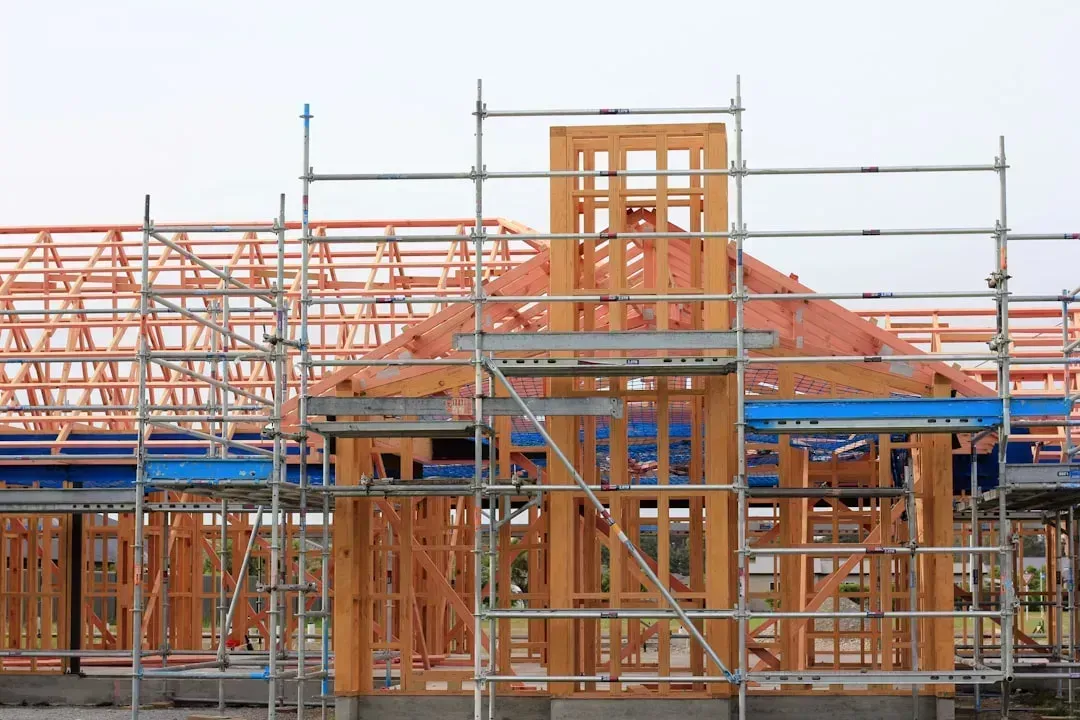
The construction industry faces its own set of obstacles in addressing the housing shortage. Building materials are up 38% since the 2020 pandemic, there’s a chronic shortage of skilled labor, struggles to pass federal tax legislation to decrease the cost of home building, and soaring costs of local impact fees and other upfront taxes. These factors make it economically challenging to build the affordable housing that’s most desperately needed.
NAHB expects single-family starts to grow just 0.2 percent this year to an annual rate of 1.01 million units. In 2026, it foresees single-family starts to increase by an additional 4 percent to 1.05 million. These modest growth projections fall short of what’s needed to meaningfully address the supply gap. At current construction rates, closing the housing deficit could take a decade or more in many regions.
Regulations account for nearly 25% of the cost of a single-family home and more than 40% of a typical apartment development. Zoning restrictions, environmental reviews, and permitting delays add months or years to construction timelines. While these regulations often serve important purposes, they contribute to the chronic undersupply that drives prices higher.
Lock-In Effect Keeps Existing Inventory Off The Market

A unique feature of this crisis is the “lock-in effect” that prevents market liquidity. About half of current U.S. mortgage borrowers are still enjoying sub-4% rates, and about 80% are paying under 6%, creating a “locked-in” effect – there’s little incentive to sell and take on a higher payment, keeping existing home inventory at historic lows. Homeowners effectively trapped by favorable financing terms reduce market turnover.
The financial math creates powerful disincentives to move. Someone with a 3% mortgage from 2021 would need to accept a rate above 6% to purchase a new home today, potentially doubling their monthly payment even on a similarly priced property. This reality forces families to stay put even when their housing no longer fits their needs.
Over time, life events will gradually erode this effect. The march of time still brings retirements, divorces, kids moving out, and other reasons to sell anyway. “Life-changing events means people have to sell their home, even if they have to give up their low interest rate”. However, this natural turnover happens slowly, meaning inventory constraints will persist for years.
The Crisis Could Persist Well Into The Next Decade

Looking ahead, the timeline for resolution appears frustratingly long. Even at this increased rate of construction, it will take 7.5 years to close the current housing supply gap in the U.S. market. “It is going to take many years to build out of this problem, given the size of the deficit”, according to economists at Realtor.com. That assumes construction maintains current elevated levels and faces no major disruptions.
Some estimates paint an even bleaker picture. We estimate the current housing shortage at approximately 2.8 million units and believe it could take around 10 years to resolve. This conservative estimate doesn’t even account for delayed household formation – young adults unable to move out of their parents’ homes or couples postponing having children due to housing costs.
At least 1.6 million expected Gen Z and millennial households did not form in 2024 because of factors which included a lack of affordable housing. In short, people are not settling down and becoming homeowners because they can’t afford to. This represents a fundamental shift in life patterns and economic opportunity that could reshape American society for generations.
What can be done to address this emerging crisis? Policymakers, industry leaders, and communities face difficult choices about zoning reforms, construction incentives, and affordable housing programs. The scale of the challenge demands coordinated action across multiple levels of government and the private sector. Without significant intervention, millions of American families will continue to find homeownership an impossible dream, and the ripple effects will touch every corner of the economy and society. The warning signs are clear – the question is whether the nation will respond with the urgency this crisis demands. What’s your take on the housing market situation? Are you experiencing these challenges in your area?