The 10 Most Famous Books Ever Written – By Authors You’ve Probably Never Heard Of
There’s something quietly humbling about the fact that some of the most read, most copied, and most translated books in human history were written by people you’d completely draw a blank on at a trivia night. We talk endlessly about Shakespeare, Dickens, Rowling. Yet tucked behind those famous names are authors whose words shaped entire civilizations, sold hundreds of millions of copies, and outlived empires.
Honestly, that’s the kind of thing that should shake you a little. So get ready – the books on this list you almost certainly know. The people behind them? Probably not. Let’s dive in.
1. Don Quixote – Miguel de Cervantes
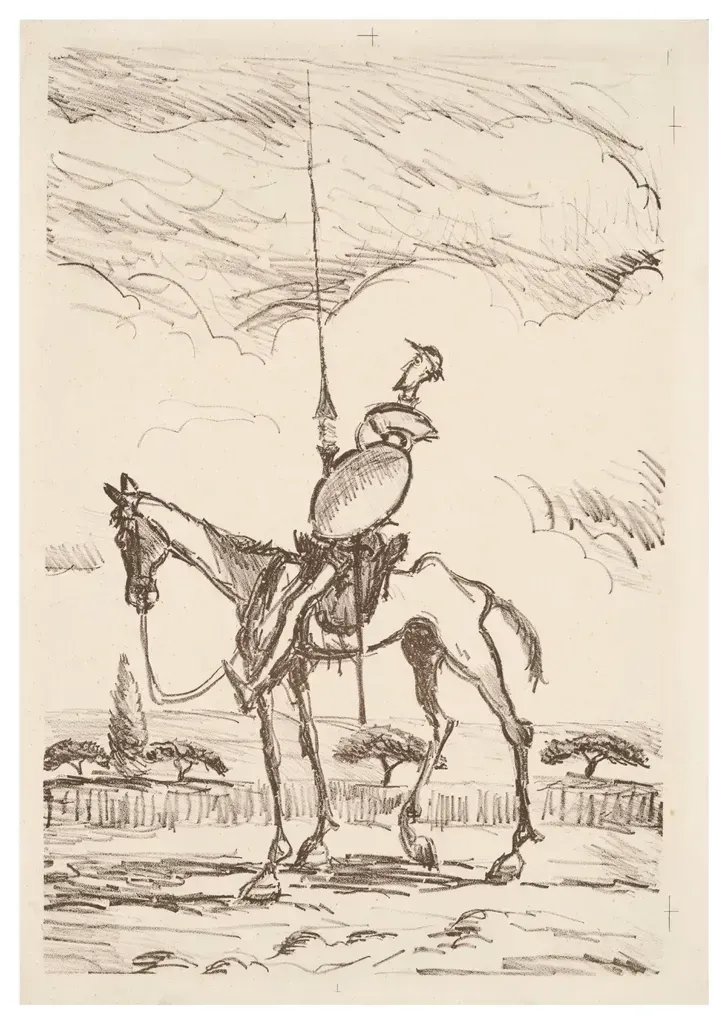
Here’s a name that might ring a faint bell, but let’s be real – most people couldn’t tell you a single thing about him. Regarded by many as the first modern novel, Don Quixote is most likely the bestselling novel of all time with an estimated 500 million copies sold. That number alone should stop you in your tracks.
Cervantes’ life was full of adventure: he was a student, a soldier, a captive, and a tax-collector for the king. He was able to see royalty close at hand, but he was relatively poor, and so he had a different perspective than most of the nobility in Early Modern Spain. Not exactly the polished literary celebrity you might picture behind the world’s most influential novel.
Miguel de Cervantes published the first part of Don Quixote in 1605, and it was such a success that its characters became well-known throughout Spain. As a result, when a sequel was published by someone else, he wanted to be sure that the characters remained true to his vision, so he wrote his own authorized sequel, published in 1615. A man fighting to protect his own story – there’s something poetic in that.
2. The Imitation of Christ – Thomas à Kempis
![2. The Imitation of Christ - Thomas à Kempis (Gedenkseite Thomas von Kempen [1], Public domain)](https://nvmwebsites-budwg5g9avh3epea.z03.azurefd.net/amagicalmess/aceef542b6169e2eea37c52c7516ea1b.webp)
You’ve almost certainly heard of the Bible. But have you heard of the book often described as the most widely read Christian text after the Bible itself? The Imitation of Christ, by Thomas à Kempis, is a Christian devotional book first composed in Medieval Latin as De Imitatione Christi around 1418 to 1427.
Thomas à Kempis was a German-Dutch Catholic canon regular of the Augustinians and the author of The Imitation of Christ, one of the best known Christian devotional books. When he was 19, he entered the monastery of Mount St. Agnes and spent the rest of his long life behind the walls of that monastery. He lived and died in near-total obscurity, by choice.
The Imitation is perhaps the most widely read Christian devotional work after the Bible, and is regarded as a devotional and religious classic. The Imitation was written anonymously in Latin in the Netherlands around 1418 to 1427. The number of counted editions exceeds 2,000, with 1,000 different editions preserved in the British Museum alone. That’s a staggering legacy for a monk nobody ever Googles.
3. Dream of the Red Chamber – Cao Xueqin
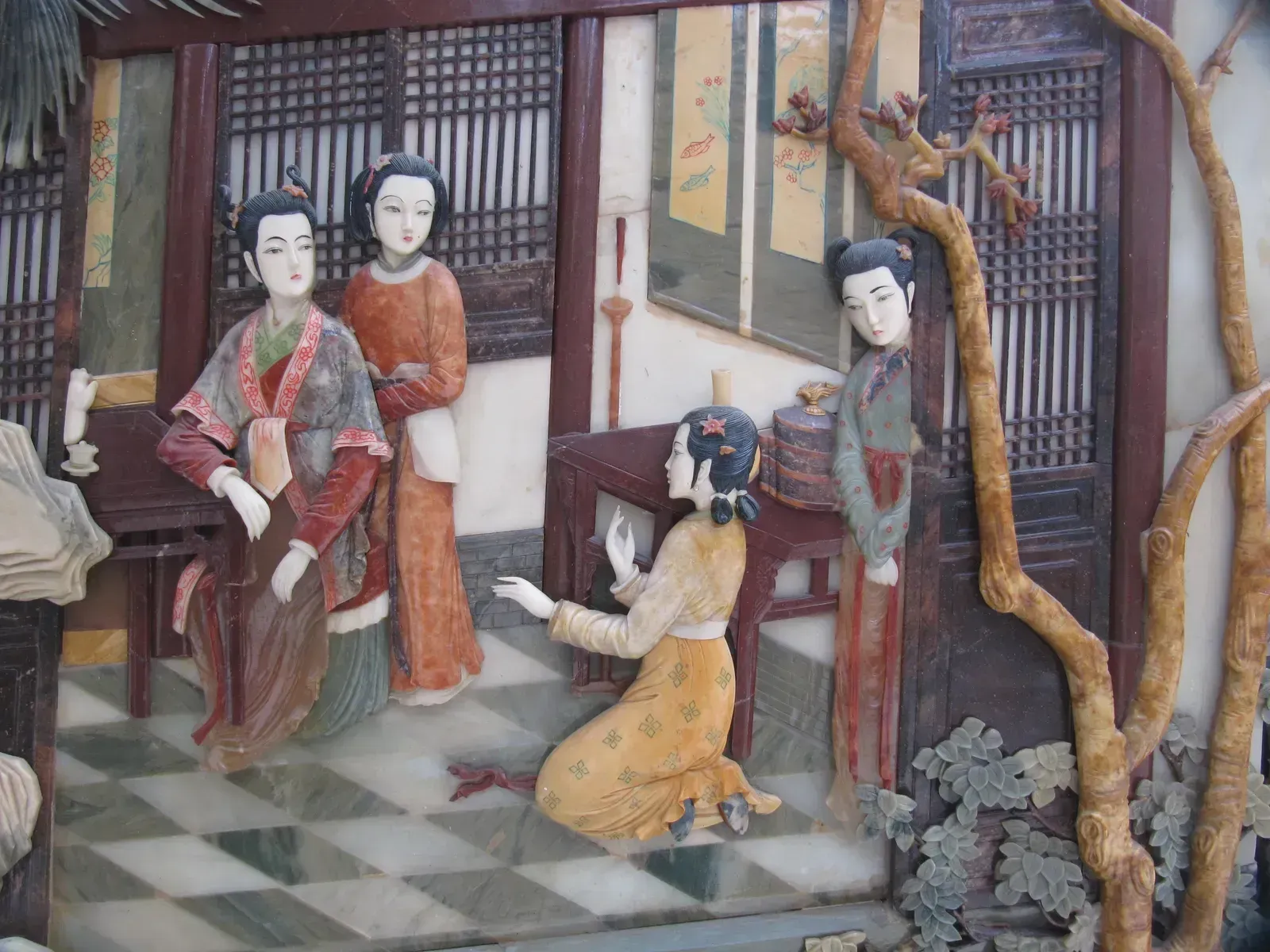
Outside of China, this name means almost nothing to most readers. Inside China, it’s treated with near-sacred reverence. Dream of the Red Chamber is an 18th-century Chinese novel authored by Cao Xueqin, considered to be one of the Four Great Classic Novels of Chinese literature. It is known for its psychological scope and its observation of the worldview, aesthetics, lifestyles, and social relations of High Qing China.
Cao Xueqin was born into a wealthy family whose status diminished, and whose fortune was confiscated when he was still a child. He spent the remainder of his life in poverty. The Dream of the Red Chamber, which he devoted ten years of his life to writing, was not published until thirty years after his death. Think about that – a decade of work, and he never saw it in print.
Cao died sometime in 1763 or 1764, leaving his novel in a very advanced stage of completion. At least the first draft had been completed, though some pages of the manuscript were lost after being borrowed by friends or relatives. Many modern scholars question the authorship of the last 40 chapters of the novel, whether it was actually completed by Cao Xueqin. Even his authorship is a mystery – a fitting end for a story about things slipping away.
4. She: A History of Adventure – H. Rider Haggard

If you’ve never heard of H. Rider Haggard, you are in very good company. Yet the numbers around this book are genuinely jaw-dropping. She: A History of Adventure is a tale that masterfully blends themes of mystery, menace, and romance into a striking adventure. Selling more than 83 million copies worldwide, this book by H. Rider Haggard tells the tale of Horace Holly and his ward, Leo Vincey, as they uncover the legend of an African tribe led by a white sorceress.
Haggard was a British colonial administrator turned novelist, writing in the 1880s and 1890s when adventure fiction was the closest thing to blockbuster cinema. His influence stretched far further than most people realize. Authors like Rudyard Kipling, C.S. Lewis, and even Henry Miller cited him as an inspiration.
It’s hard to say for sure why Haggard faded from popular memory while others endured, but the genre of grand colonial adventure has aged awkwardly. Still, the raw sales figures don’t lie – over 83 million copies of a single novel is not a footnote. That’s a cultural phenomenon that somehow got quietly filed away.
5. How the Steel Was Tempered – Nikolai Ostrovsky
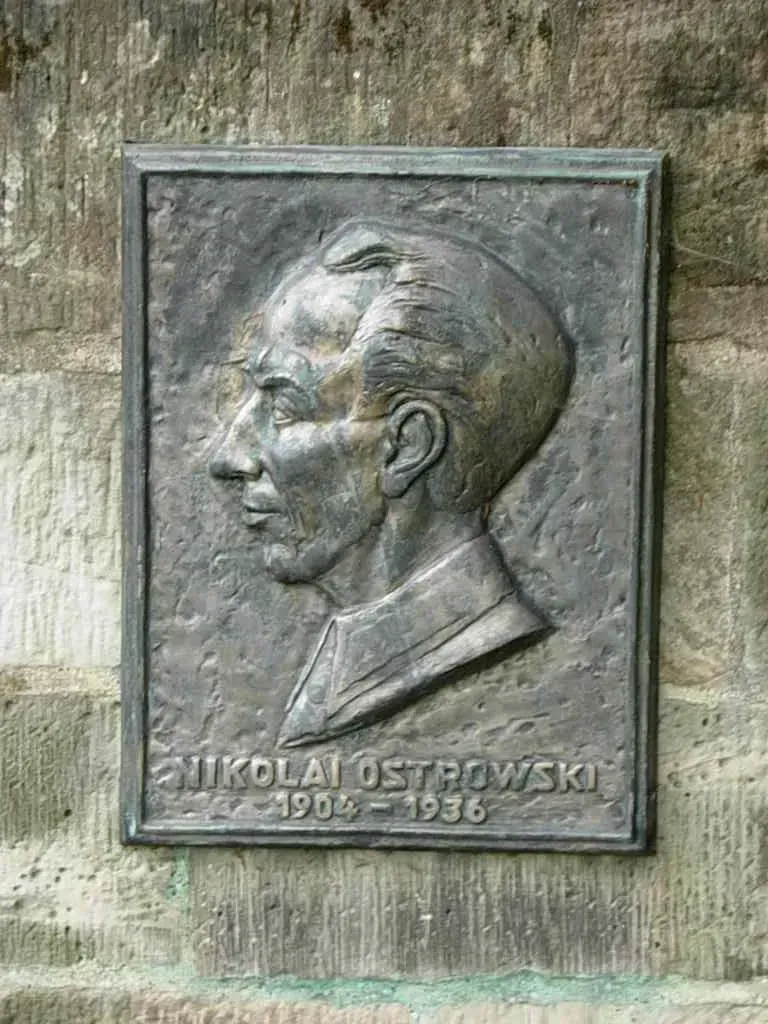
This is probably the most obscure entry on the list for Western readers, and yet the numbers are extraordinary. Published back in 1936, How the Steel Was Tempered follows the grueling life of Pavel Korchagin as he fights on the side of the Bolsheviks during the Russian Civil War and goes on to live with his injuries in the years following the war. According to figures, it is estimated that the book has sold at least 36.4 million copies worldwide, with most being purchased in the USSR.
Nikolai Ostrovsky wrote the entire novel while blind and almost completely paralyzed, dictating it piece by piece. He died of illness at just 32 years old in 1936, the same year the book was published. That story of personal endurance mirrored his protagonist’s journey so completely that it’s sometimes hard to tell where the biography ends and the fiction begins.
In China during the 1950s and 1960s, the book became required reading for an entire generation, meaning its real readership is likely far larger than the official sales figures suggest. Here’s the thing – a novel that shaped the worldview of hundreds of millions of people, written by a dying man who could not even hold a pen, deserves a lot more than obscurity in the West.
6. War and Peace – Leo Tolstoy

Wait, you say – everyone knows Tolstoy! Actually, most people know the name and the size of the book. Very few have read it, and even fewer could tell you much about the man himself beyond “Russian” and “long.” War and Peace is widely regarded as a masterpiece of Russian literature, racking up a massive 36 million sales. The story follows three individuals and their contrasting lives during the height of the Napoleonic War.
Tolstoy was born into Russian aristocracy in 1828, served in the military during the Crimean War, and later rejected his wealth and title to live as a peasant philosopher. He became so radical in his spiritual views that the Russian Orthodox Church actually excommunicated him in 1901. He’s far more fascinating – and far stranger – than the classroom version suggests.
What’s truly remarkable is that Tolstoy reportedly considered War and Peace not a novel at all, but something that defied easy categorization. He described it as a blend of history, philosophy, and personal essay barely wearing the clothing of fiction. The man behind the most famous long novel in literary history wasn’t even sure it was a novel. Somehow, that seems absolutely right.
7. The Adventures of Pinocchio – Carlo Collodi
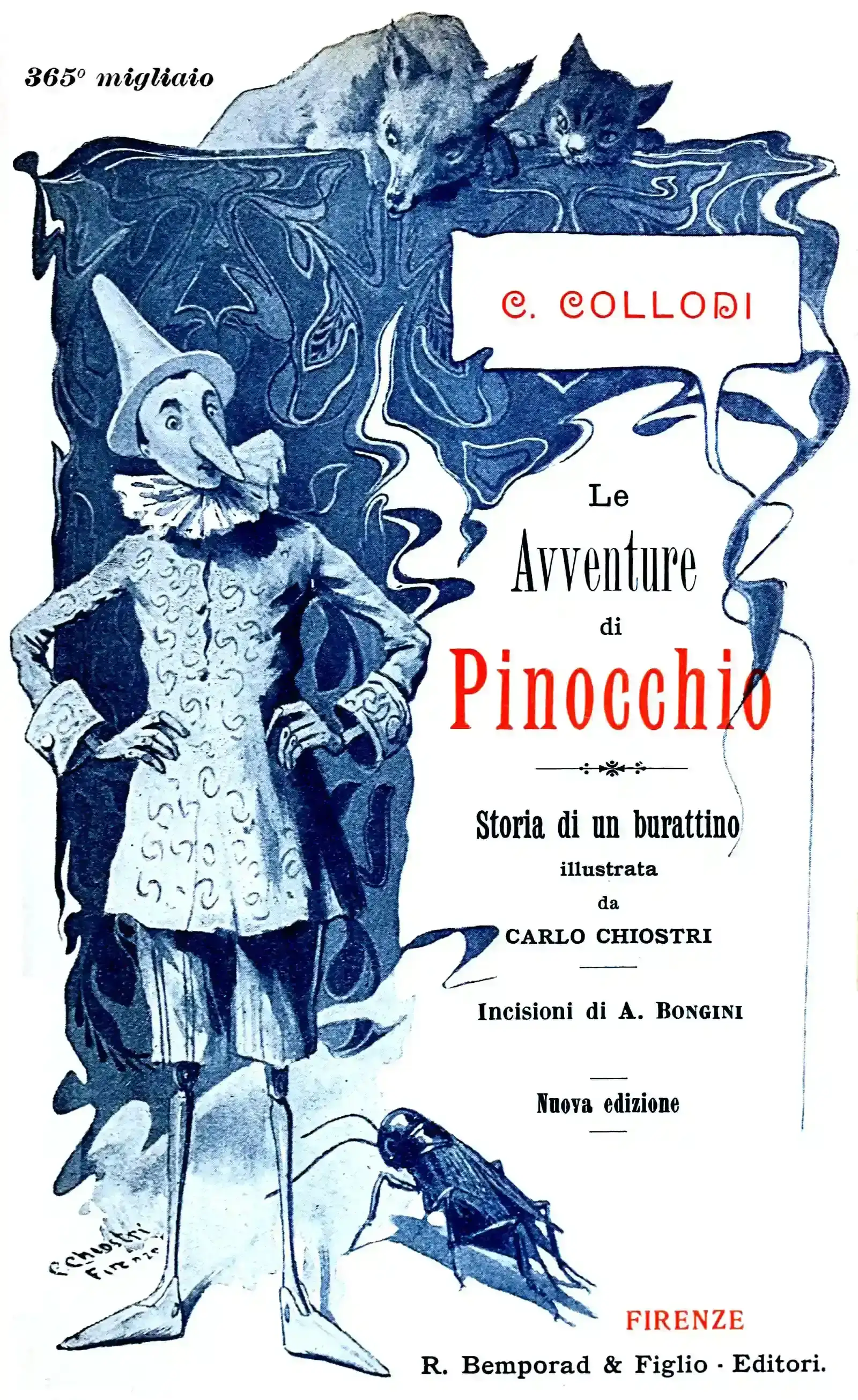
Everyone knows Pinocchio. Almost no one knows Carlo Collodi. This children’s storybook, written by Italian author Carlo Collodi, was originally published all the way back in 1883 and has since made the rounds across the globe selling an immense 35 million copies. The Disney adaptation has so thoroughly replaced the original that most readers don’t even realize they’re missing a much darker and stranger story.
Carlo Collodi, whose real name was Carlo Lorenzini, was a Florentine journalist and satirist who wrote the story partly as a serialized newspaper feature. He actually killed Pinocchio at the end of the original serial, hanging him from a tree. Reader demand brought the puppet back to life. The softened, innocent Pinocchio most people know is essentially a reader-requested revision.
Collodi spent most of his life as a political journalist and theatrical satirist, with Pinocchio being almost an afterthought in his career. He died in 1890, just seven years after the book’s publication, without any real sense of the global phenomenon he had created. Imagine writing the origin of one of the most recognized characters in all of children’s fiction and never knowing it.
8. The Little Prince – Antoine de Saint-Exupéry
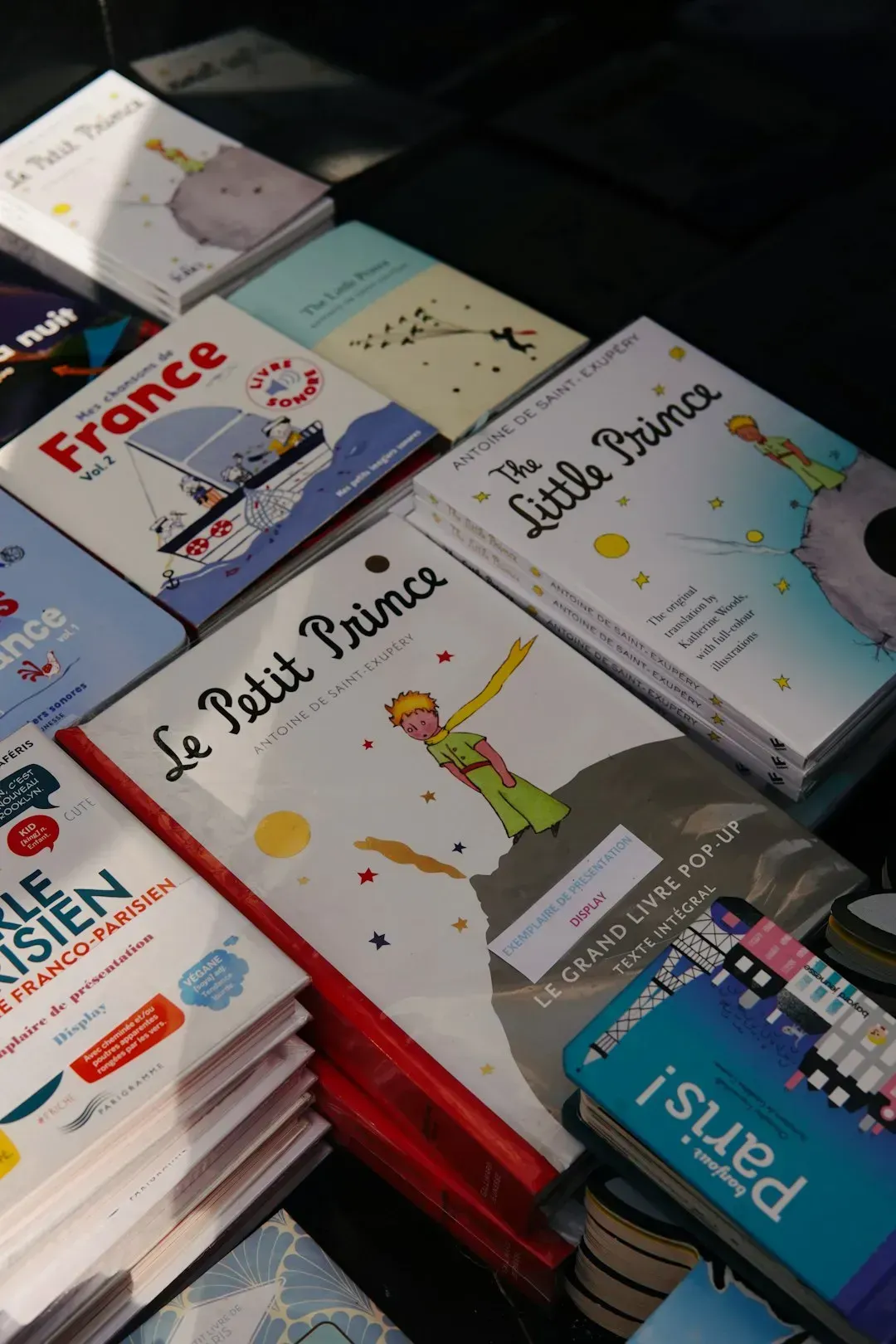
The Little Prince is one of the most translated books in the world. Its author, however, is someone most readers would struggle to name without a hint. Antoine de Saint-Exupéry was a French aviator and writer who disappeared over the Mediterranean in 1944 during a wartime reconnaissance mission. His body and plane were not found for decades.
The book was published in 1943, just a year before his disappearance, and was written while Saint-Exupéry was living in exile in New York, deeply depressed about the German occupation of France. The melancholy at the heart of the story is not invented. It is real, personal, and almost unbearably close to the surface if you read it as an adult.
Today The Little Prince has sold well over 200 million copies and has been translated into more than 300 languages and dialects, making it one of the most translated books in history. Saint-Exupéry himself was not a children’s author by training or by identity. He was a pilot, a war correspondent, and an adventurer who wrote something timeless almost as a side effect of heartbreak. I think that’s one of the most beautiful origin stories in all of literature.
9. Grande Sertão: Veredas – João Guimarães Rosa

This one is a genuine deep cut, and honestly I think it deserves far wider attention. Grande Sertão: Veredas, translated as The Devil to Pay in the Backlands, is considered by many to be Brazil’s equivalent to Ulysses and is included on a list of the Top 100 Books of All Time, as voted on by 100 international writers.
Despite the acclaim, the book has fallen into prolonged obscurity after the English translation, published by Knopf in the early 1960s, fell out of print. This may partly be due to the imperfect translation of that edition and the stylistically challenging original, which works in several registers to capture a tumultuous period of Brazilian history.
Guimarães Rosa was a Brazilian diplomat and physician who wrote in a style so dense and inventive that translators still wrestle with it. He essentially invented a new kind of Portuguese, weaving regional slang with ancient words and invented constructions. The story – part Western, part philosophical meditation, part epic poem – follows a bandit questioning whether he made a deal with the devil. It is extraordinary. The fact that so few outside Brazil have heard of it feels like a genuine injustice.
10. The Ginger Man – J.P. Donleavy

Initially banned in America, The Ginger Man has since been recognized across the globe as a true masterpiece of modern literature. Set during the years following the Second World War, The Ginger Man is about the exploits of Sebastian Dangerfield, an endlessly charming American student with a distinct appetite for women and alcohol, studying at Trinity College Dublin.
J.P. Donleavy was an American-born Irish writer who wrote the novel in the early 1950s. It was first published in Paris by the Olympia Press in 1955 – a publisher known for taking on controversial work that no one else would touch. The book spent years being banned, confiscated, and denounced before eventually being recognized as a landmark of 20th-century fiction.
Donleavy later bought the Olympia Press itself in one of publishing history’s great revenge arcs, after a dispute over royalties. He lived to 91, outlasting nearly all his critics, and produced a body of work that never quite got the mainstream recognition it deserved. The Ginger Man remains his masterpiece – raucous, poetic, and alive in a way that genuinely startles readers who come to it fresh.