5 U.S. Cities Tourists Say Feel Unsafe After Dark – And Why
Every year, millions of visitors pack their bags, book their flights, and set off to discover the most iconic corners of America. Most come back with great stories. Some, though, come back with something else entirely – a lingering unease, a memory of a wrong turn after midnight, or a close call they’d rather forget.
The truth is, not every U.S. city feels the same after the sun goes down. A handful of destinations that are genuinely exciting during the day take on a completely different character once darkness falls. We’re talking real data, documented patterns, and the kind of firsthand tourist accounts that travel brochures conveniently leave out. Let’s dive in.
1. Memphis, Tennessee – America’s Crime Capital That Still Draws Millions
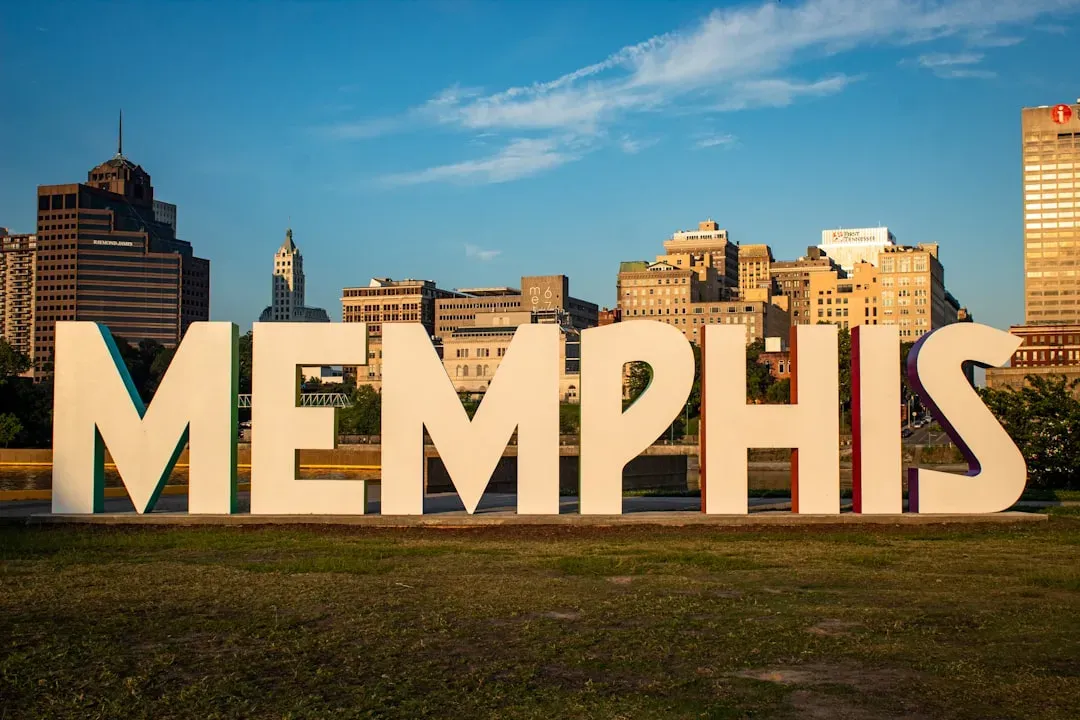
Let’s be real: no U.S. city makes this list with more statistical force than Memphis. According to FBI 2024 data, Memphis recorded 2,501 violent crimes per 100,000 residents – nearly six times the national average of 359.1. That is not a rounding error. That is an almost incomprehensible gap between one city and the rest of the country.
Aggravated assault accounts for roughly three-quarters of all violent offenses in Memphis, with gun involvement in assaults rising to nearly three-quarters of cases. The total number of daily crimes in Memphis runs more than four times the national average, and violent daily crime statistics are nearly seven times the national average.
Memphis still posts a crime index of 74.8 and a safety index of just 25.2, making it a statistical outlier among major U.S. metros. Hotspot neighborhoods, including Downtown, Frayser, and Whitehaven, drive most of the city’s crime incidents, while suburbs like Germantown and Collierville consistently rank among Tennessee’s safest.
The FBI’s data does show some improvement – homicides fell from 156 in 2023 to 129 in 2024, and robberies dropped nearly 30% from 1,420 to 1,028. There is cautious hope there. Still, for a tourist wandering away from well-lit zones after dark, the numbers remain sobering. Some neighborhoods are safer than others, and travelers who stick to well-lit areas in groups can still enjoy this culturally rich city.
2. St. Louis, Missouri – Sky-High Crime in the Heartland
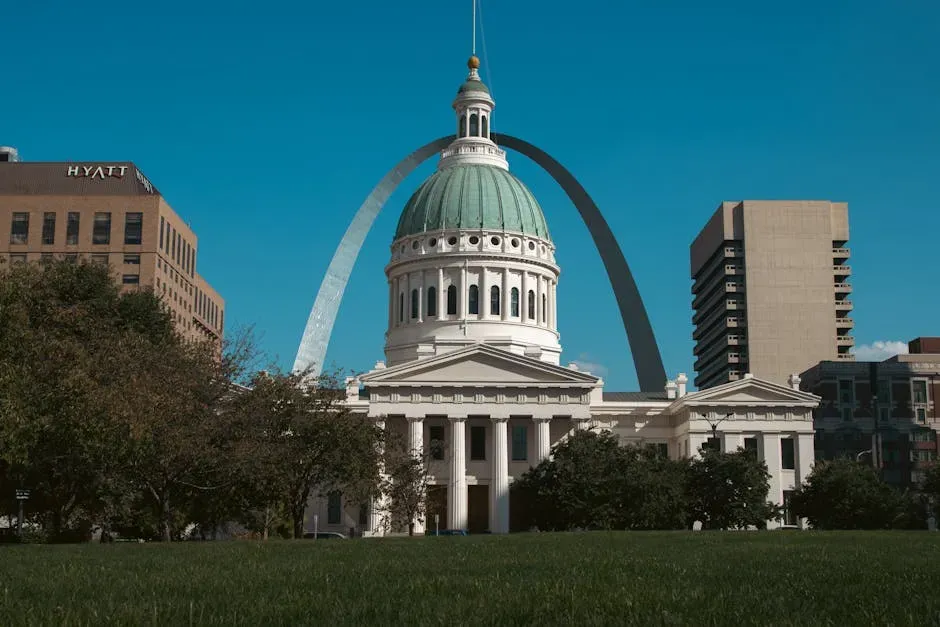
Honestly, St. Louis surprises many first-time visitors. It’s a city of beautiful architecture, world-class museums, and that iconic Gateway Arch reflected in the Mississippi. Then night falls – and for tourists who don’t know the city, things can get uncomfortable fast. St. Louis has crime rates 234% above the national average, with 7,847 crimes per 100,000 residents.
St. Louis has long been shorthand for “America’s murder capital,” and for years the city has posted one of the highest homicide rates per capita in the nation, often more than 60 per 100,000 residents, dwarfing national averages. According to Neighborhood Scout data, a visitor has a one in 70 chance of falling victim to a violent crime in St. Louis, compared to one in 218 throughout the rest of the state.
The good news is that 2024 saw the lowest number of homicides in St. Louis in 11 years. In the first half of 2025, the homicide rate dropped by about 22% compared to the first half of 2024, according to Spectrum Local News. Progress is real, but the baseline remains high enough that tourists – especially those venturing beyond the tourist-heavy zones at night – are right to stay alert.
Most crime occurs in particular neighborhoods, and new initiatives are underway to reduce it, from more street lighting to license plate-recognizing cameras to deter dangerous driving. Think of it like this: visiting St. Louis without knowing the map is like hiking without knowing which trails have fallen bridges. Beautiful terrain. Just know where you’re walking.
3. Baltimore, Maryland – Charm City With a Dark Side After Dark
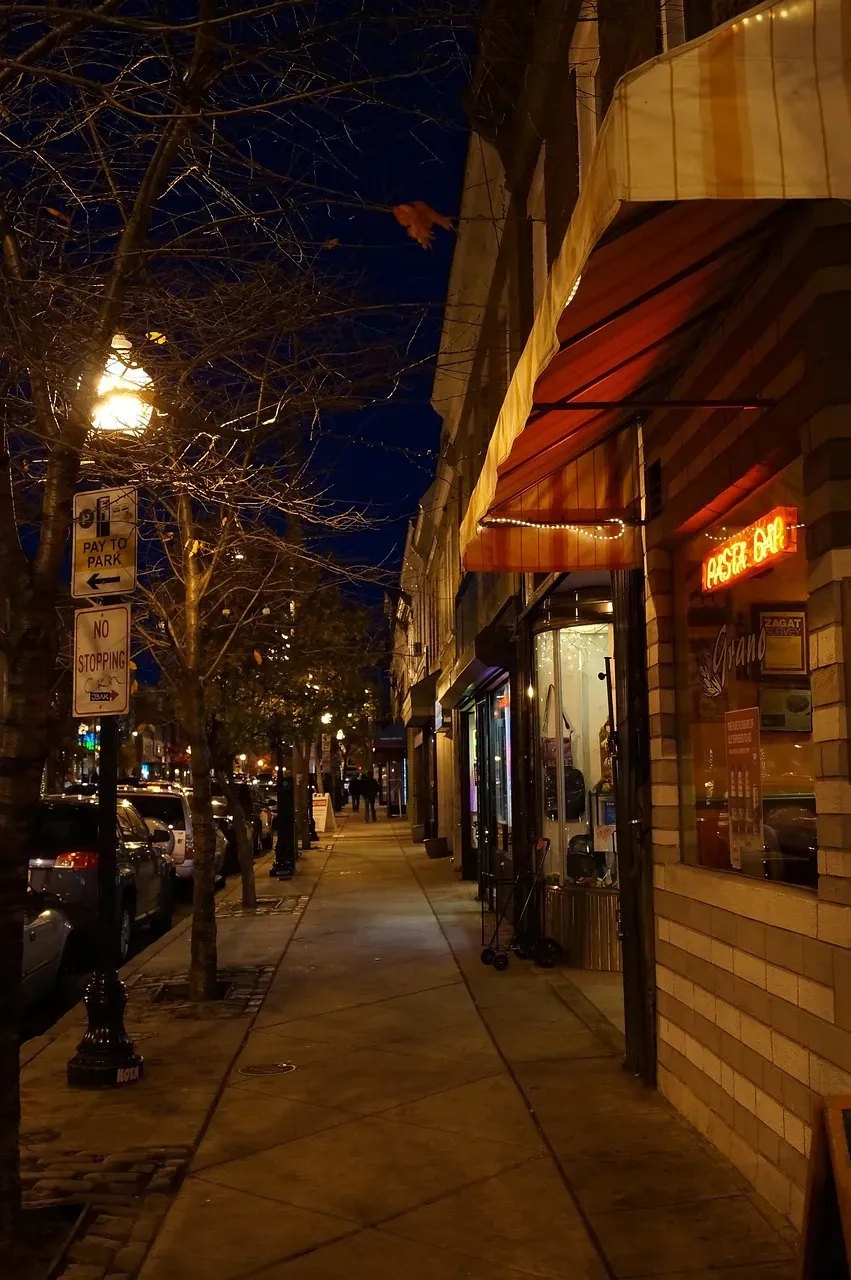
Baltimore carries one of the most contradictory reputations in American travel. It’s genuinely beautiful in places – the Inner Harbor, Fells Point, Federal Hill. The New York Times ranked it among the top 52 places to visit around the world in 2024. Yet the crime data tells a different story once the restaurants close and the foot traffic thins out.
Baltimore presents a total crime rate that is 108% higher than the national average per 100,000 residents, experiencing an average of 75.51 daily crimes, comprising about 24 violent incidents and over 51 property-related offenses per day. In a survey of 432 respondents by AreaVibes, only 17% expressed a strong sense of security and felt comfortable walking alone at night, while 83% felt uncomfortable walking alone during nighttime hours.
Traveling solo at night is widely warned against, since crimes increase and even downtown Baltimore is considered unsafe after dark – with muggings, thefts, and pickpockets reported commonly at night. Crimes such as theft, drug dealing, and muggings are frequent in the downtown area, particularly in East Baltimore, and spots like the Lexington Market are best avoided after dark.
Once the deadliest big city, recording 344 murders in 2015, Baltimore logged a 36% decline in homicides and 30% fewer non-fatal shootings in 2023–24. The improvement is real and measurable. Yet persistent car theft, entrenched poverty, and nighttime risk in certain districts keep it high on “dangerous city” lists. The two Baltimores – tourist gem and troubled city – exist side by side, sometimes just a few blocks apart.
4. New Orleans, Louisiana – The Party That Comes With a Warning Label
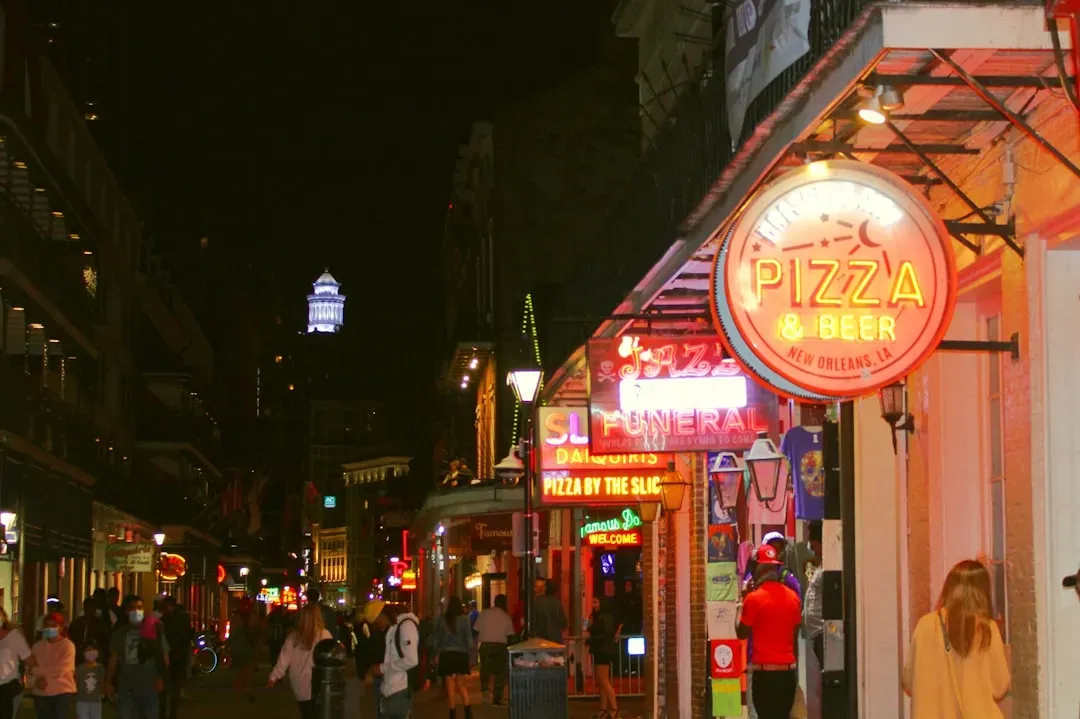
New Orleans is magic. There’s genuinely no city in America quite like it – the food, the music, the culture layered over centuries of French, Spanish, and African influence. Tourists flood in year-round and most have an incredible time. The problem is that the city’s festive energy can create a false sense of security, especially late at night when the crowds thin out and judgment gets blurry.
With Louisiana’s population at nearly five million, New Orleans is both a cultural gem and one of the nation’s most crime-prone cities. While the French Quarter draws millions of visitors annually, neighborhoods beyond the tourist center struggle with high violent crime rates and limited access to community resources. The crime rate for the city remains above the national average rate, and travelers are advised to exercise caution when visiting.
Some parts of New Orleans, including Bourbon Street at night, Central City, and the Marigny district, have more concentrated crime. The most common crimes in tourist areas are pickpocketing, purse snatching, and other minor property offenses – and staying in well-lit areas is the most reliable way to avoid becoming a victim.
Here’s the thing though – the trend is genuinely encouraging. A remarkable 29% decrease in overall crime in 2024 compared to 2023 represents the most significant public safety improvement in New Orleans’ modern history, with murders dropping from 192 in 2023 to 124 in 2024. By the end of 2025, New Orleans reached its lowest homicide levels since the 1970s. Progress is happening. Yet the reputation has been earned over decades, and nighttime caution remains the smartest travel companion in this city.
5. Detroit, Michigan – A City Rising, But the Night Still Carries Risk

Detroit’s story is one of the most dramatic urban narratives in modern American history – collapse, then painstaking revival. In 2024, Detroit had its lowest number of homicides in over 50 years. That is genuinely remarkable for a city that was once considered the most dangerous in the country. Travel guides are taking note: travel guides now rank Detroit among the top U.S. destinations.
Detroit still has one of the highest violent crime rates in the nation, with rates of violent crimes per capita, including assaults and robberies, making it a risky place for visitors and contributing to ongoing urban decay and population decline in some areas. Detroit is still a high-crime city by the numbers, but it is not uniformly dangerous – safety depends heavily on where you are, when you’re there, and whether you take precautions.
Tourist areas like Downtown Detroit, the Riverwalk, Corktown, and the Detroit Institute of Arts are well-patrolled and generally safe, with standard precautions in place. Step outside those zones after dark, though, and the risk profile changes significantly. The West Side neighborhood has a particularly bad reputation, but is easy to avoid when exploring the more touristed areas of the city.
The broader trend in Detroit is improvement: fewer homicides, stronger neighborhood renewal, and programs that reward absolute violence reduction. I think Detroit deserves real credit for how far it has come. Locals report a mixed experience – some neighborhoods feel stable and thriving, while others struggle with blight and crime, though long-time residents often highlight strong community ties and improved infrastructure as signs the city is moving forward. The key for tourists is simply knowing which version of the city they’re walking into.