4 Self-Care Ideas That Go Beyond the Usual Advice
Self-care has a branding problem. Somewhere along the way, it got reduced to face masks, scented candles, and the occasional bath bomb – products you buy rather than practices you actually build. That version of self-care isn’t wrong exactly, but it’s incomplete in a way that matters. Self-care is far more than bubble baths or indulgence – it is a critical, science-backed practice that protects mental, emotional, and physical well-being.
What’s worth paying attention to now is the quieter, less photogenic stuff. The kind of care that doesn’t make for a great Instagram caption but genuinely shifts how you feel week to week. These four ideas won’t necessarily look like self-care at first glance – that’s kind of the point.
Treating Social Connection as a Health Practice, Not a Social Obligation

Most people understand, in a general way, that being isolated isn’t good for them. Fewer people treat their social life with the same intentionality they bring to, say, sleep or nutrition. The research, though, is hard to dismiss. There is significant evidence that social support and feeling connected can help people maintain a healthy body mass index, control blood sugars, improve cancer survival, decrease cardiovascular mortality, decrease depressive symptoms, mitigate posttraumatic stress disorder symptoms, and improve overall mental health.
A 2025 report from the World Health Organization made the stakes even plainer. The WHO Commission on Social Connection revealed that roughly one in six people worldwide is affected by loneliness, and loneliness is linked to an estimated 100 deaths every hour. Loneliness and social isolation increase the risk of stroke, heart disease, diabetes, cognitive decline, and premature death – and people who are lonely are twice as likely to get depressed. The practical reframe here is straightforward: scheduling time with people who genuinely energize you isn’t a luxury item on your calendar. It’s a health behavior, full stop.
Setting Boundaries as an Active Form of Self-Preservation
Boundaries get plenty of lip service in wellness spaces, but they’re still underused as an actual daily practice. When we are energetically drained, the problem is often poor boundaries, not the need for expensive splurges. Setting and holding boundaries is the best way to create a life we don’t need to escape from. That’s a reframe worth sitting with. A lot of the exhaustion people try to treat with spa days is better addressed at the source.
Setting boundaries helps individuals prioritize their mental health by reducing external pressures and fostering a sense of control. Boundaries are key to emotional self-care. When we set limits around how we engage with others, we’re less likely to internalize negative emotions, be manipulated, or feel emotionally drained. On a practical level, this can look like stating your working hours clearly, declining a commitment when you’re already overextended, or simply not responding to messages outside the time you’ve set aside for them. Boundaries serve as protective measures, helping individuals preserve their psychological stability while remaining aligned with their values.
Intentional Disconnection from the Digital World
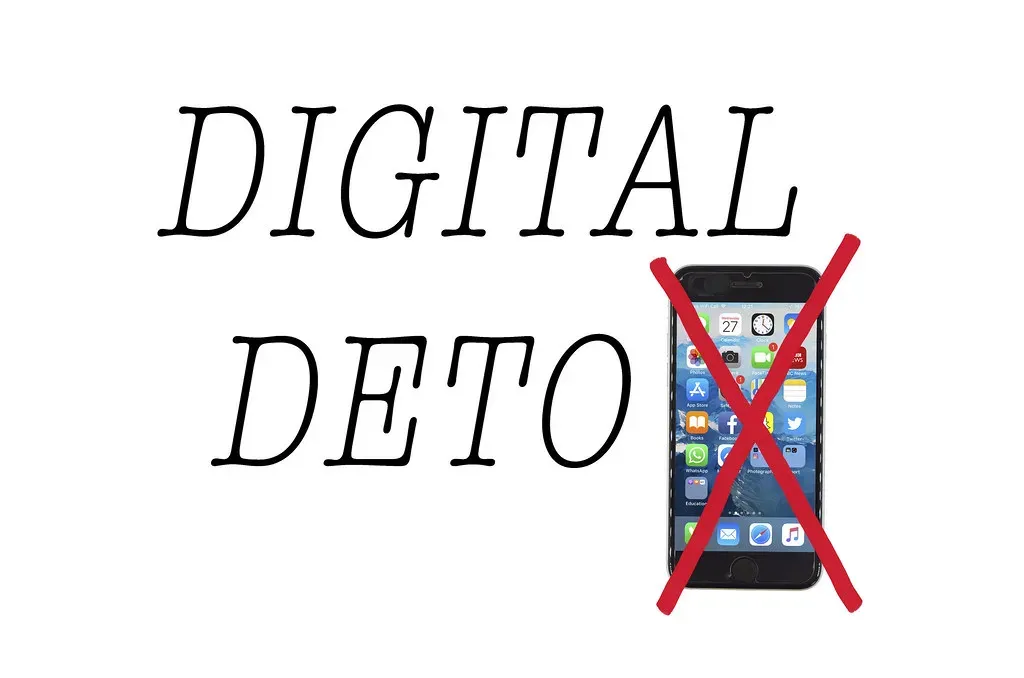
Disconnecting from screens and social media is advice that’s been around long enough to feel clichéd – but the reason it keeps resurfacing is that almost nobody actually does it with any consistency. In this digital age, we are surrounded by technology, especially cell phones that bombard us with information every second. Excessive screen time and constant digital stimulation can take a toll on mental health. So it’s vital to disconnect from our devices often and reconnect with ourselves, our loved ones, and the physical world around us.
What makes this worth revisiting is how it’s being framed now. One of the biggest ideas behind the trillion-dollar wellness tourism industry is “intentional disconnection,” with searches for “quiet places” and “calm places” increasing by roughly half in 2024. The emphasis on the word “intentional” matters – a passive drift away from your phone is different from deliberately carving out time with no screen, no notifications, no half-attention. It’s about disconnecting from your phone, your to-do lists, and your everyday stressors, and reconnecting with your surroundings, your social circles, and yourself. Even short, regular gaps tend to compound into something meaningful over time.
Acting in Alignment with Your Personal Values

This one is the least tangible of the four, which is probably why it gets skipped over. Yet it may be the most foundational. When we act in alignment with our true selves and our true values, we build self-worth and self-esteem, and we feel more energized in our lives. Intentionally taking time to notice these moments can allow us to identify ways we can bring more authenticity and alignment into our lives. The question isn’t just what relaxes you, but what actually feels like you.
Practices like mindful meditation or journaling about your core beliefs promote introspection, helping you unearth profound insights into your motivations and emotional patterns. This doesn’t require a structured retreat or an hour of journaling every morning. It can be as simple as pausing before saying yes to something and asking whether it fits the life you’re actually trying to build. Self-care is not about conforming to society’s standards. Self-care requires honoring your own needs and values, even if it doesn’t reflect others’ own self-care practices, whatever they may be. That level of self-awareness, practiced regularly, tends to generate more sustained well-being than any product or routine could.
The common thread across all four of these ideas is that they require something from you – not money, but attention and follow-through. That’s what separates them from the usual advice. They’re harder to sustain, which is also why they work.