Easy Scrapbooking Ideas to Preserve Family Memories
Start with a theme instead of a timeline
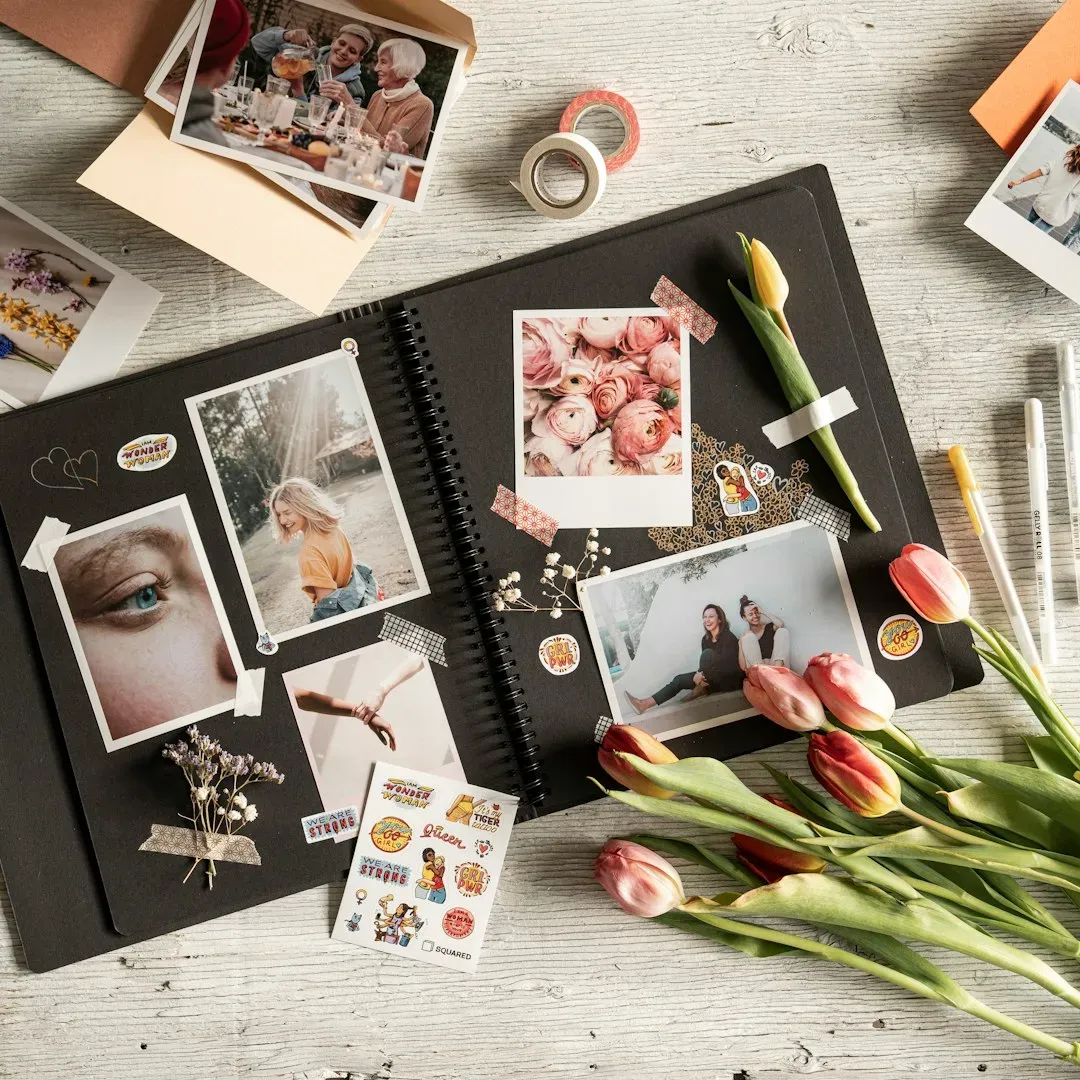
Many people assume scrapbooks have to move chronologically from January to December, but that approach can feel overwhelming before you even begin. Instead, try picking a single theme, like summer vacations, holiday traditions, or a child’s first year, and build a small album around just that.
Themed scrapbooks are easier to finish because they have a natural boundary. They also make browsing more enjoyable later, since you can pull out “the beach trips book” or “grandma’s recipes book” without sifting through unrelated pages.
Use a shoebox method for loose photos
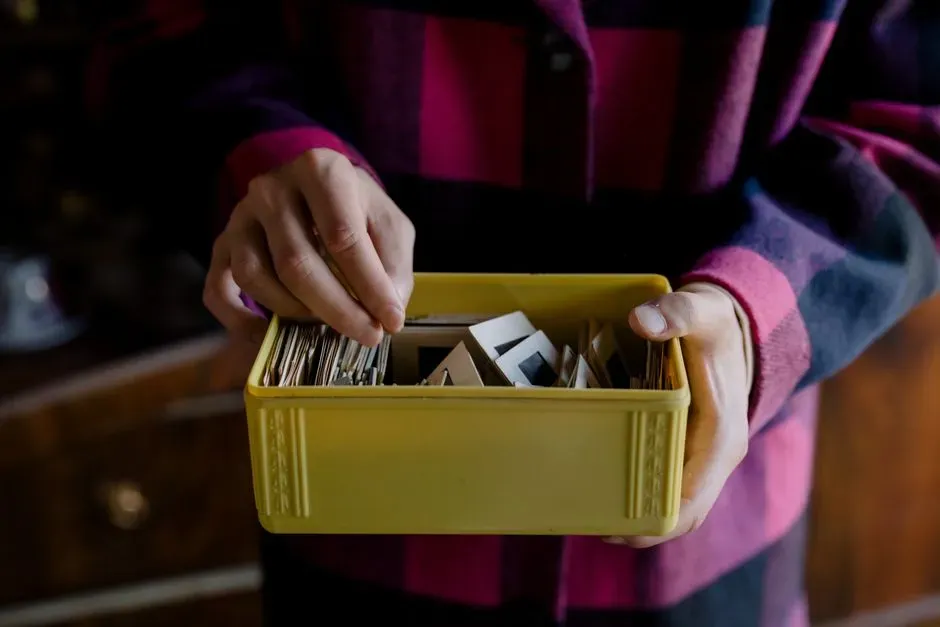
If you have stacks of unsorted photos, a shoebox approach can be a practical first step before committing to a full album. Simply sort images into labeled envelopes or small boxes by year or event, jotting a quick note on each envelope about who or what is pictured.
This method isn’t a finished scrapbook, but it’s an essential bridge. It turns a chaotic pile into an organized starting point, which makes future scrapbooking sessions faster and far less stressful.
Let handwriting tell part of the story
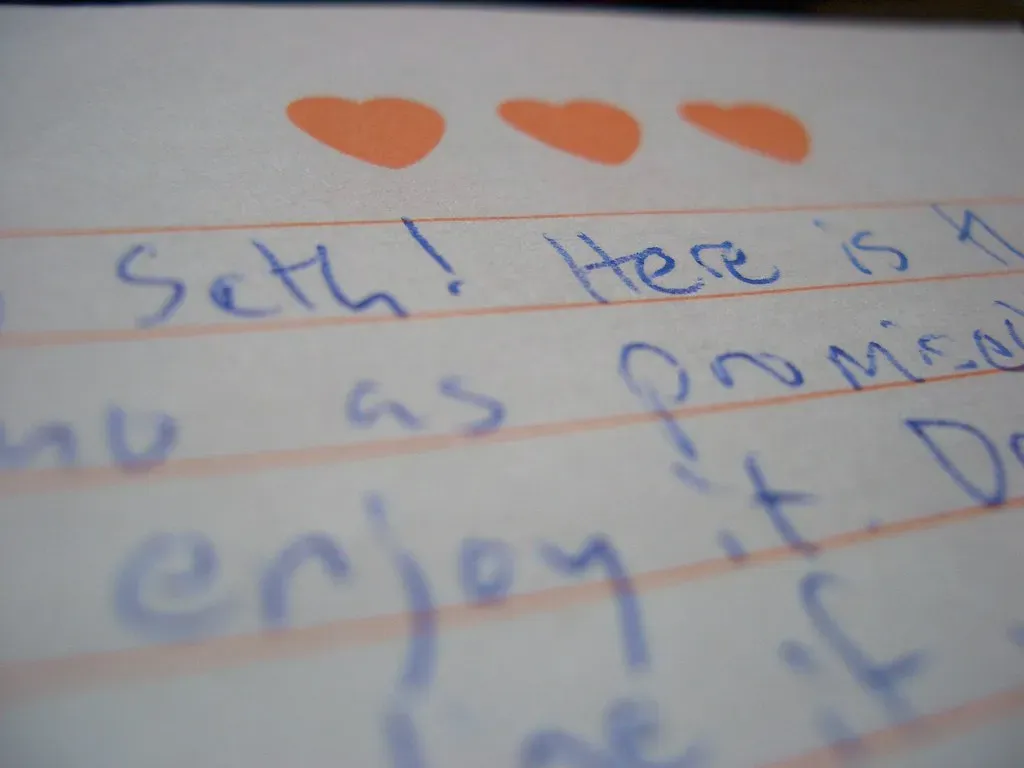
Typed captions are convenient, but handwritten notes carry a warmth that’s hard to replicate. Jotting a short sentence next to a photo, even something as simple as noting who was there or what someone said that day, adds personality that future generations will appreciate.
You don’t need beautiful penmanship for this to work. A quick, honest note often means more than a polished caption ever could.
Incorporate everyday ephemera, not just photos
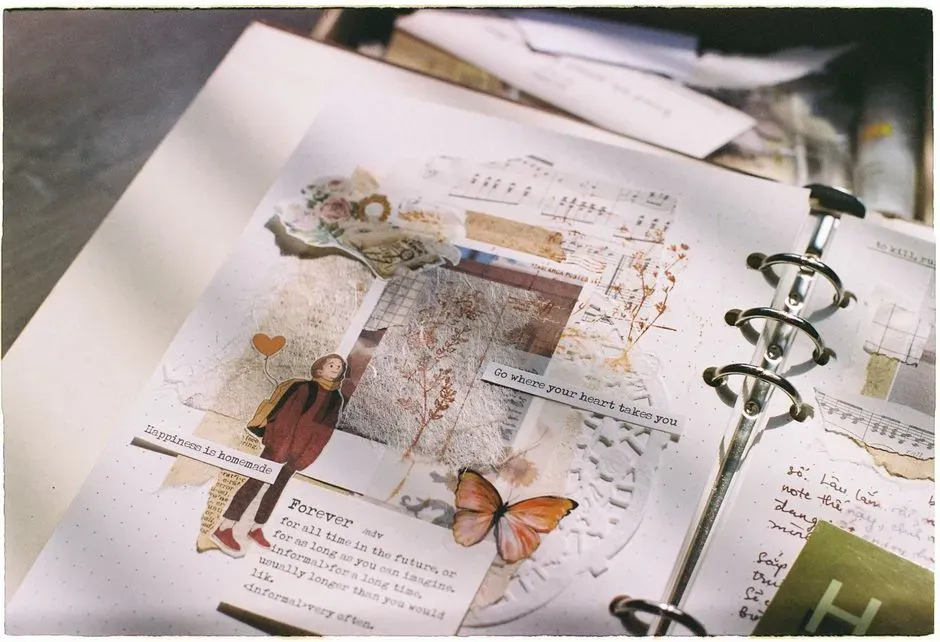
Ticket stubs, postcards, a child’s drawing, or a pressed flower from a garden can all find a place in a scrapbook. These small physical objects often trigger memories more vividly than photographs alone.
Keeping a small envelope or pocket page dedicated to these items gives them a proper home instead of letting them get lost in junk drawers. Over time, these little artifacts become some of the most cherished parts of a family album.
Try a rotating “memory jar” system
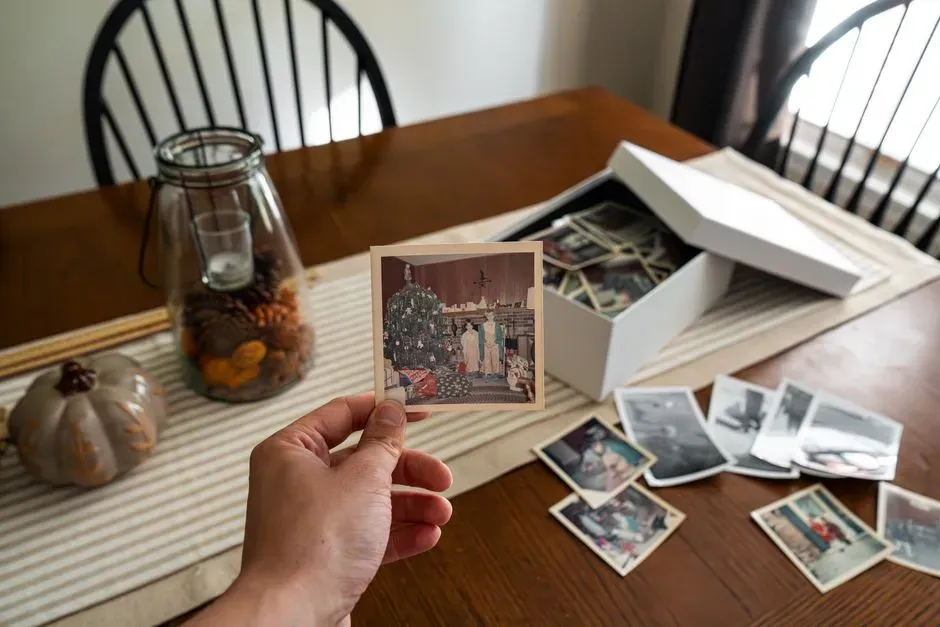
Instead of trying to scrapbook everything at once, some families keep a jar or small box where they drop in photos, notes, and mementos throughout the month. At the end of each month or season, that collection becomes the basis for a new scrapbook page.
This approach spreads the work out naturally, making scrapbooking feel like an ongoing habit rather than an occasional overwhelming project. It also means nothing gets forgotten before it can be preserved.
Keep layouts simple with grid-based pages

Elaborate layouts can be intimidating, especially for beginners. A simple grid, dividing a page into two, four, or six even sections for photos, is an easy way to create a clean, organized look without needing advanced design skills.
Grid layouts also photograph and scan well if you ever want to digitize your scrapbook, since the structure stays consistent from page to page. Consistency, more than decoration, is often what makes a scrapbook feel cohesive.
Involve kids in the process
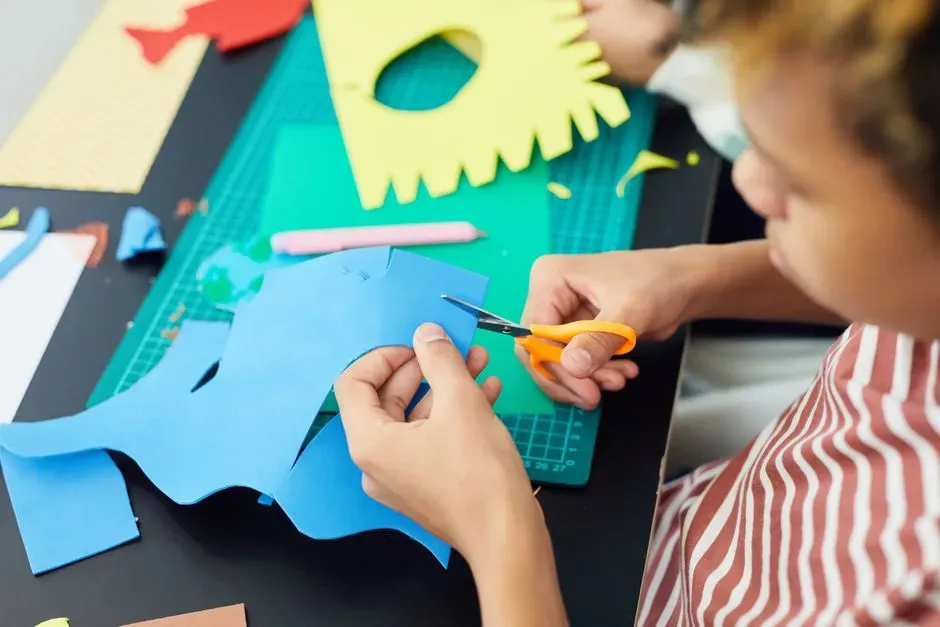
Scrapbooking doesn’t have to be a solo activity. Letting children choose photos, draw small illustrations, or add their own captions turns the process into a shared family memory in itself.
Kids often remember details adults overlook, like the name of a friend at a birthday party or what a certain trip smelled like. Their contributions can make a scrapbook feel more layered and authentic.
Use digital tools as a starting point
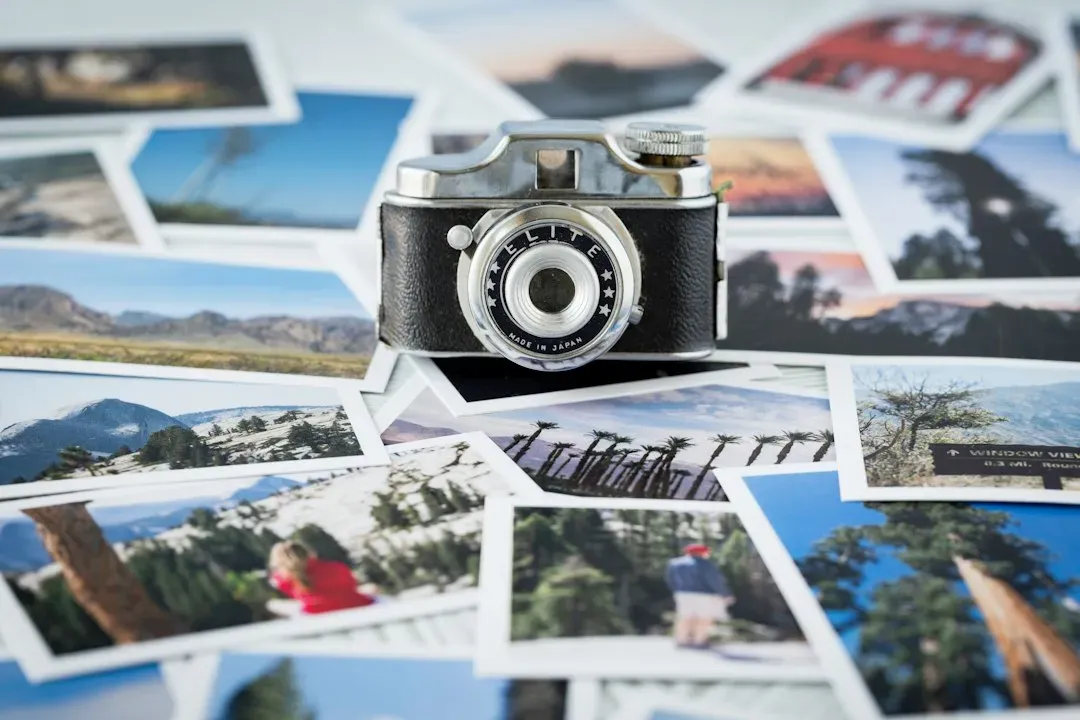
Not every scrapbook needs to be entirely handmade. Digital photo book platforms and printing apps allow families to design layouts on a phone or computer before ordering a printed, bound book.
This hybrid approach works well for people who want the permanence of a physical scrapbook without the time investment of cutting and pasting everything by hand. It can also be a helpful transition before moving into fully handmade projects.
Set aside a small dedicated time, not a big project day
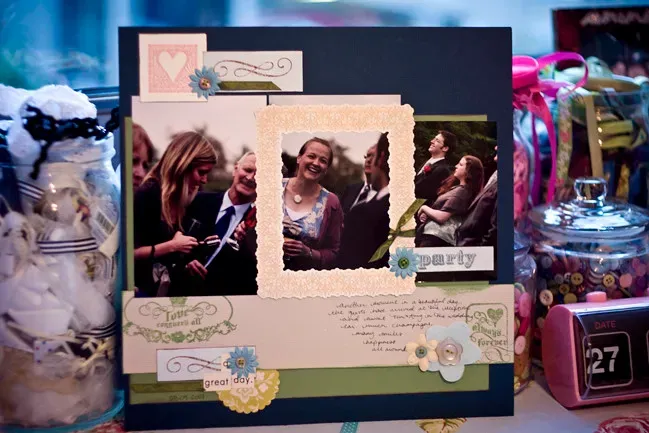
One of the biggest reasons scrapbooking projects stall is the expectation that they require a full afternoon of uninterrupted focus. In reality, working in short, regular sessions, even fifteen minutes a week, tends to produce more consistent progress.
Treating scrapbooking as a small recurring habit rather than a major event removes a lot of the pressure. Pages get finished slowly but steadily, which is often more sustainable for busy families.
Create a “one photo per day” mini album
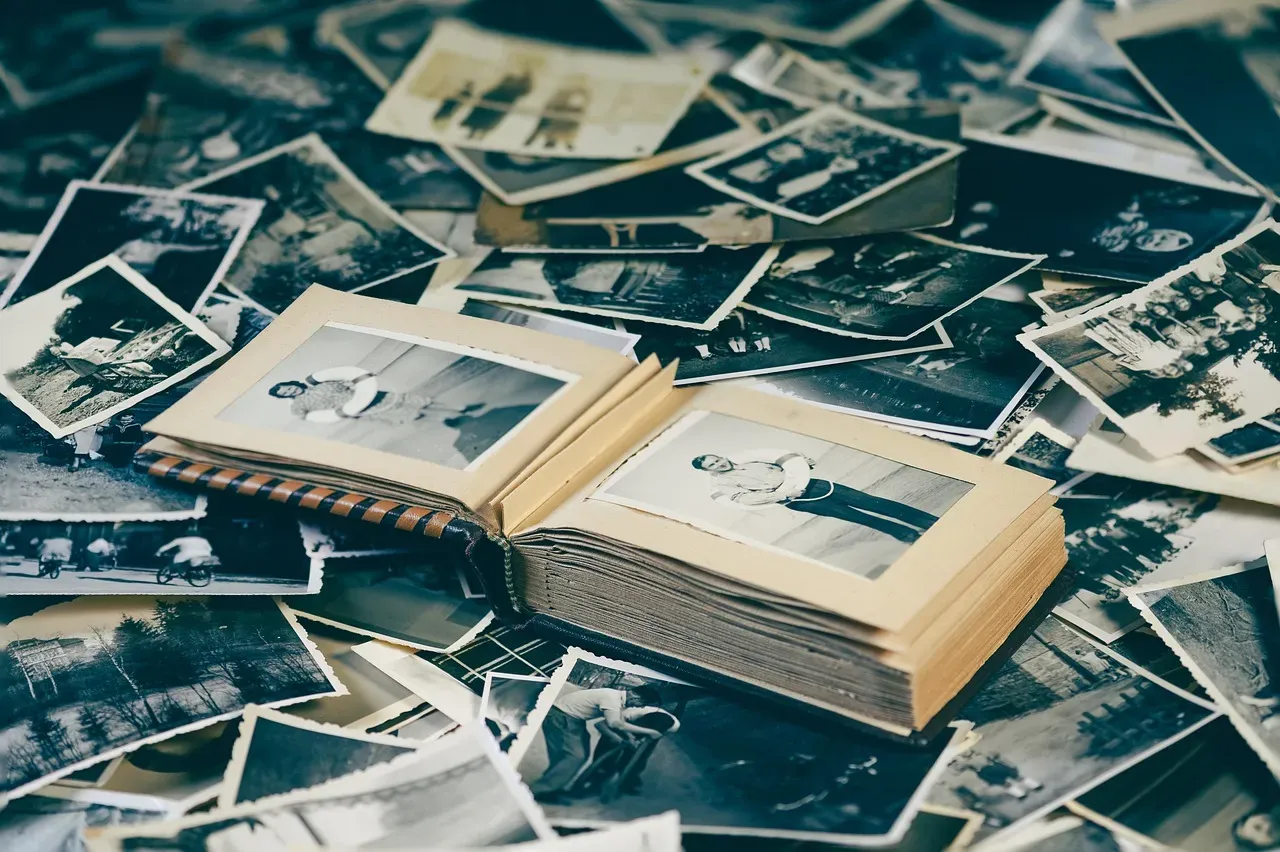
For those who want a lighter entry point, choosing just one photo per day for a month and placing it in a small notebook or mini album can be a manageable challenge. Adding a single line describing the day keeps the commitment low while still capturing a meaningful slice of time.
These smaller albums often end up being surprisingly powerful later, since they document ordinary days that might otherwise be forgotten entirely. It’s proof that memory keeping doesn’t always require big moments to be meaningful.
Final thoughts
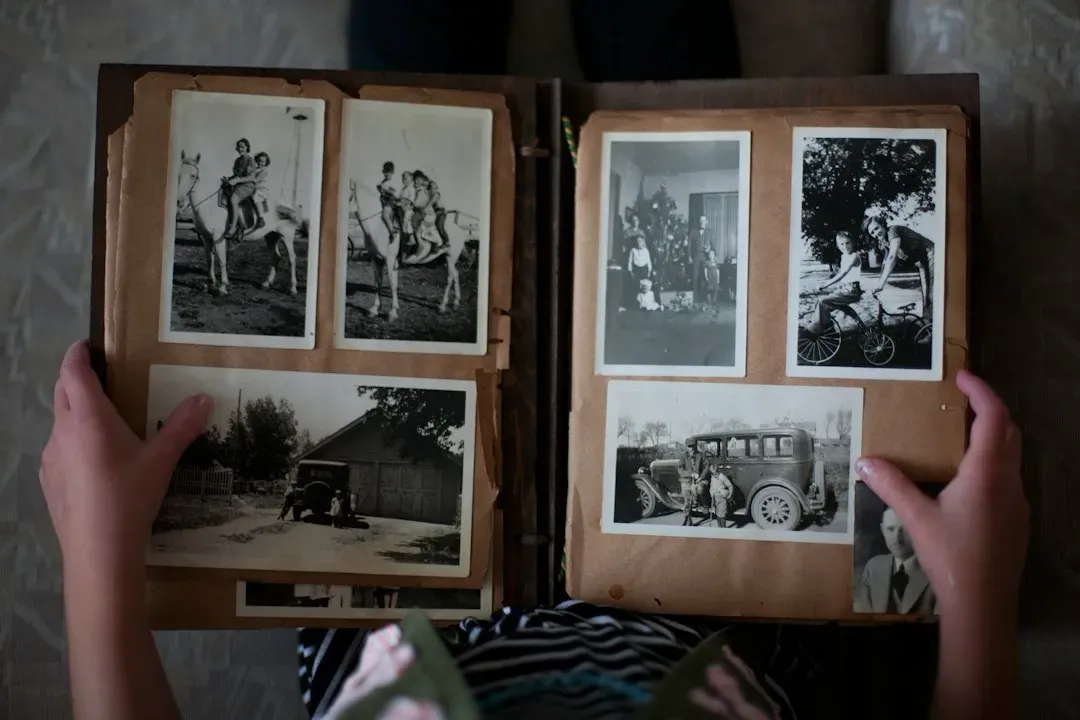
Scrapbooking doesn’t need to be perfect or elaborate to matter. What counts is the intention behind it, the decision to slow down and hold onto small pieces of family life before they fade.
Whether it’s a shoebox of sorted photos or a fully designed digital album, every small effort adds up. Years from now, even the simplest scrapbook can become one of the most valuable things a family owns.