Everyday Habits That Are Secretly Wasting You Money
Letting subscriptions renew without a second look

Streaming services, apps, meal kits, and software trials have a way of multiplying quietly in the background. Many of these start as free trials or low introductory rates, then jump to full price once the promotional period ends, often without much notice.
The problem isn’t necessarily having subscriptions. It’s having ones nobody actively uses anymore but never got around to canceling. A quick scan of a bank statement every few months tends to turn up at least one surprise.
Buying coffee and lunch out of habit rather than need
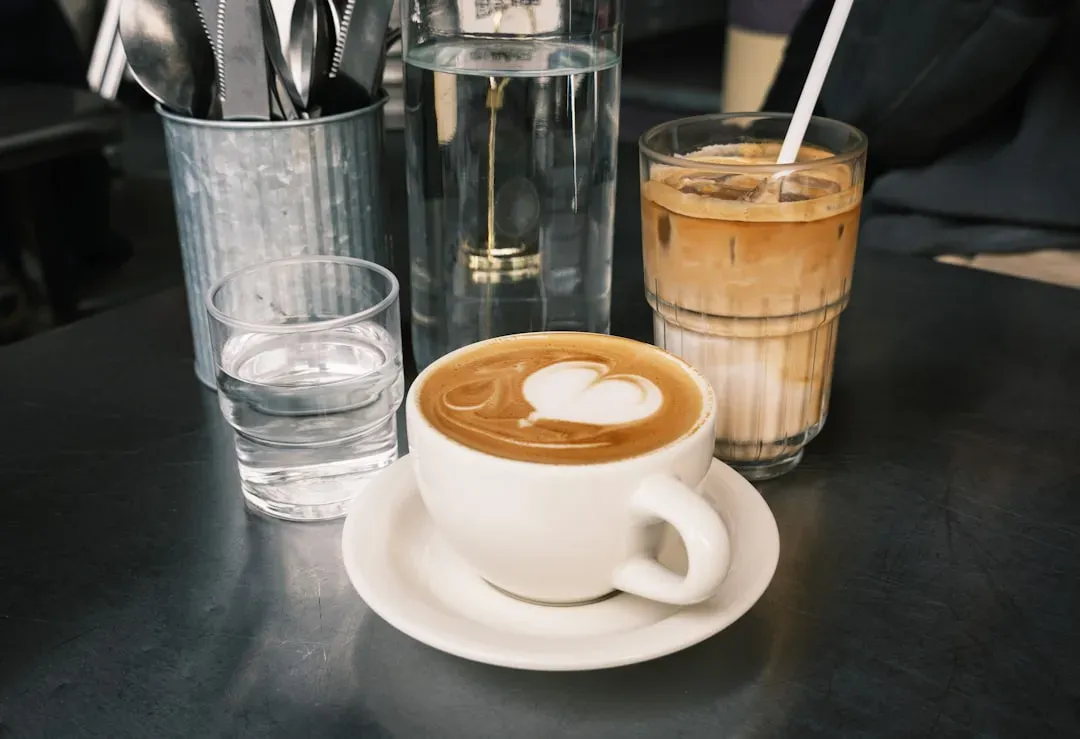
Grabbing coffee on the way to work or ordering lunch instead of packing one isn’t inherently reckless. The issue is when it becomes automatic rather than a deliberate choice.
Over a five day work week, those small purchases stack into a real number by the end of the month. It’s less about cutting out every coffee run and more about noticing how often it happens without any real thought behind it.
Paying for extended warranties on things that rarely break

Retailers push extended warranties at checkout because the profit margins on them are typically high. Many electronics and appliances already come with manufacturer warranties that cover the most common failure period, which is usually early in a product’s life.
Paying extra for protection against a breakdown that statistically probably won’t happen is a habit that feels responsible but often isn’t. It’s worth checking what’s already covered before adding another layer of cost.
Ignoring bank fees and minimum balance penalties
Overdraft fees, monthly maintenance charges, and ATM fees from out of network machines are the kind of costs that feel small individually but repeat often. Many banks waive these fees if certain conditions are met, like maintaining a minimum balance or setting up direct deposit.
The habit here isn’t spending money exactly. It’s tolerating avoidable fees simply because switching banks or adjusting account settings feels like more effort than it’s worth.
Buying in bulk without a plan to use it
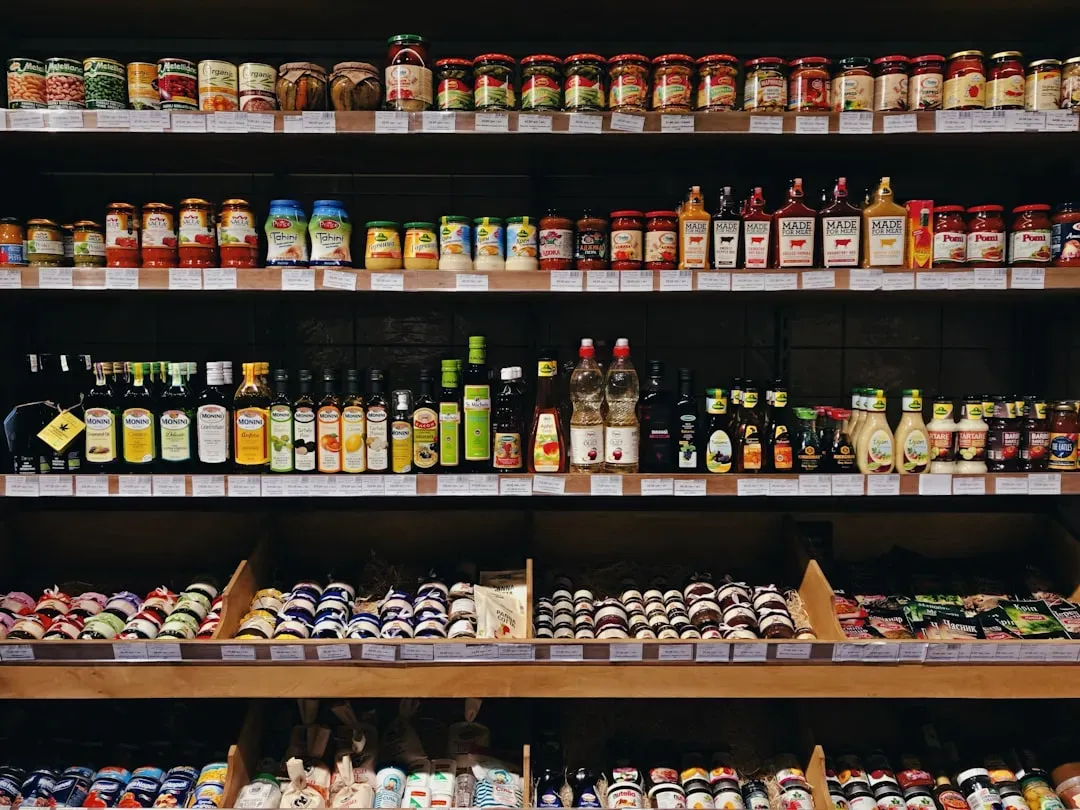
Bulk buying has a reputation for saving money, and often it does, but only if the extra product actually gets used before it spoils or becomes irrelevant. Perishable food bought in bulk is a common culprit, especially for smaller households.
The savings on paper can quietly disappear once a chunk of that bulk purchase ends up in the trash. Bulk deals work best on things with a long shelf life or a guaranteed use, not just because the unit price looks good.
Sticking with the same insurance policy year after year
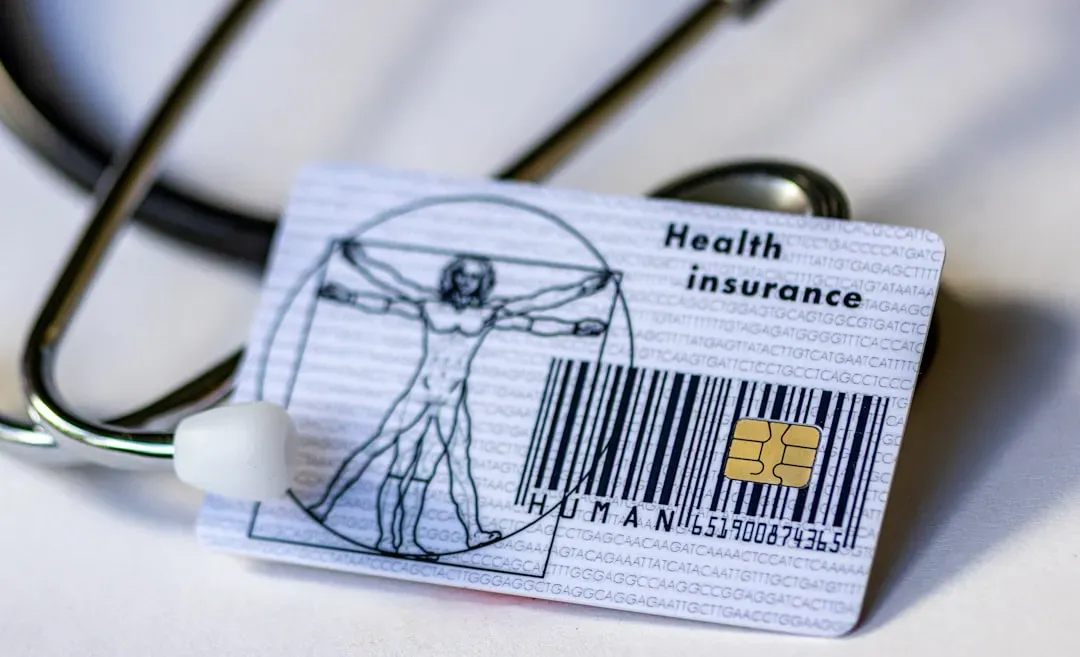
Auto and home insurance rates shift over time, and loyalty to one provider doesn’t always come with a reward. Comparing rates every year or two can reveal meaningful savings, since insurers frequently adjust pricing for new customers more aggressively than for existing ones.
The habit of simply renewing without checking the market is understandable. Nobody enjoys shopping for insurance, but the inertia can be expensive.
Letting food go to waste at home
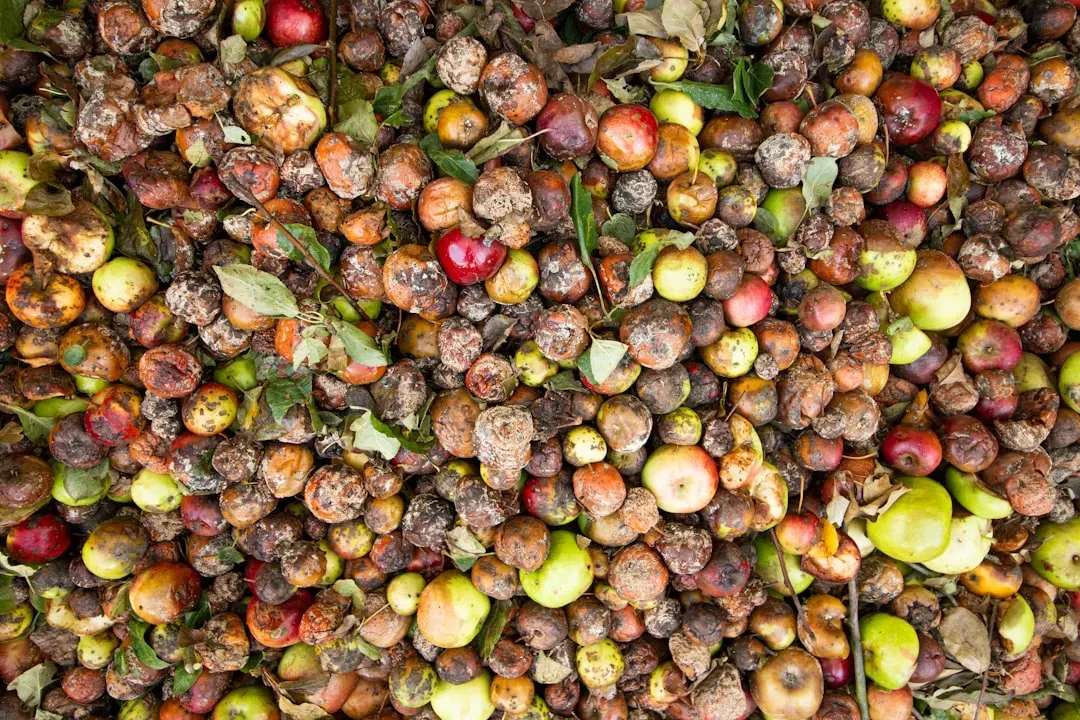
Food waste is one of the most underestimated leaks in a household budget. Produce that wilts before it’s used, leftovers that get pushed to the back of the fridge, and pantry items that expire unnoticed all represent money that was spent and then simply discarded.
This habit tends to creep in through poor planning rather than carelessness. A little more attention to what’s already in the kitchen before another grocery run can go a long way.
Financing everyday purchases through buy now, pay later services

Buy now, pay later options have become common at checkout for everything from clothing to electronics to takeout. Splitting a purchase into smaller payments can make spending feel lighter than it actually is, which encourages buying things that might otherwise be skipped.
Missed payments on these plans can also trigger fees or interest, depending on the provider and terms. Using them occasionally for planned purchases is different from relying on them as a routine way to afford everyday spending.
Driving habits that quietly increase fuel and maintenance costs

Aggressive acceleration, underinflated tires, and delayed maintenance all chip away at fuel efficiency over time. None of these feel like financial decisions in the moment, but they compound into higher costs at the pump and more frequent repairs.
Something as simple as checking tire pressure monthly or keeping up with oil changes on schedule tends to pay for itself. It’s maintenance that’s easy to postpone precisely because the cost of skipping it isn’t immediate.
Impulse buying triggered by sales and discounts

Discounts are designed to create urgency, and that urgency often overrides the question of whether something was actually needed in the first place. Buying an item because it’s marked down, rather than because it was already on a list, is a habit that feels like saving money while actually just spending it differently.
The savings only count if the purchase would have happened anyway at full price. Otherwise, it’s simply money spent on something that wasn’t part of the plan.
Final Thoughts
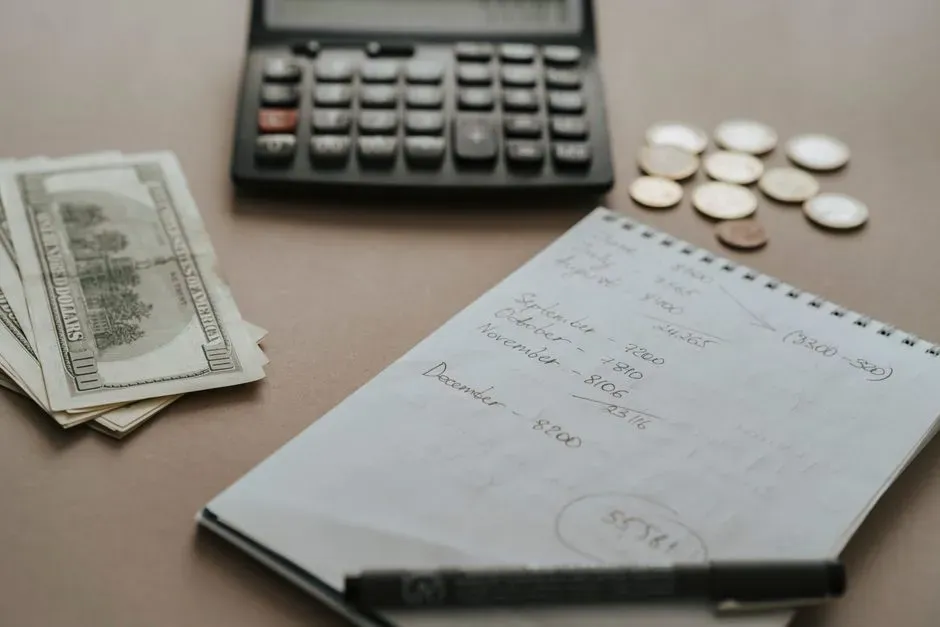
None of these habits are dramatic on their own. That’s exactly why they’re easy to overlook and hard to fully quit, since each one only costs a little at a time. Taken together over months and years, though, they explain a fair amount of the gap between what people earn and what they actually manage to save.
Paying attention to a few of these patterns, rather than trying to overhaul every spending habit at once, tends to be the more realistic starting point. Small adjustments, applied consistently, are usually where the real savings show up.