I’ve Visited 30 Tropical Islands – Here Are the 5 I’d Return To
Bora Bora, French Polynesia
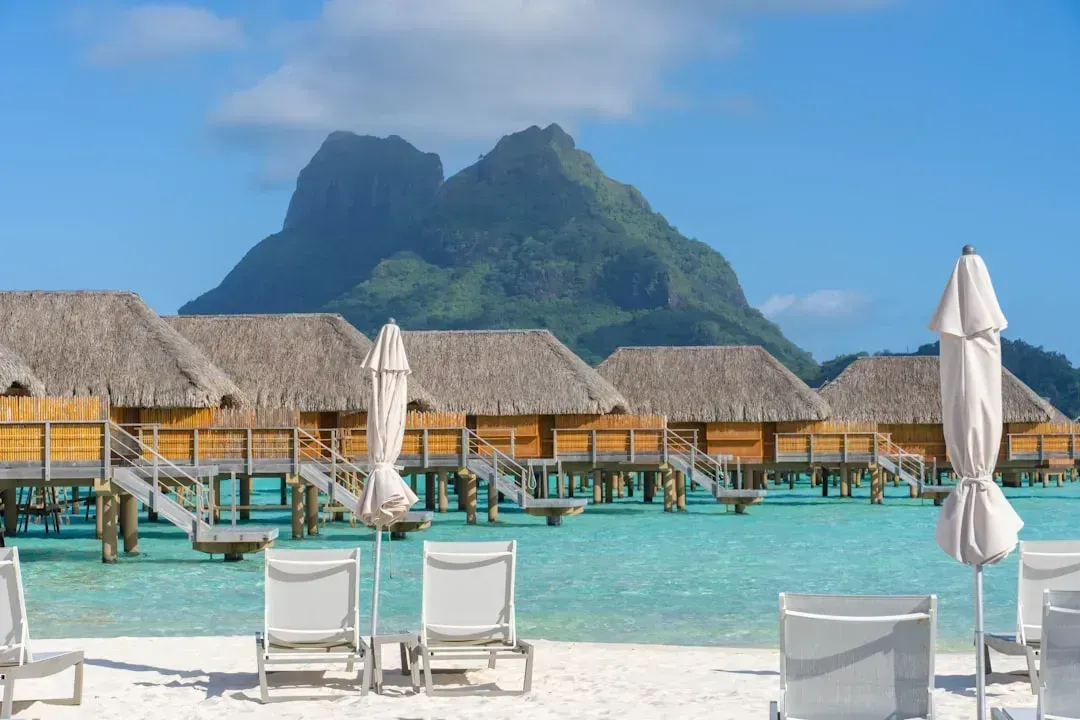
Bora Bora is one of those places that almost feels fake when you first see it – the lagoon really does glow in layers of turquoise, mint, and deep blue. Tourism officials in French Polynesia reported a strong post‑pandemic rebound by 2023, with Bora Bora among the most in‑demand islands for high‑end travelers, and average hotel occupancy climbing back near pre‑2020 levels. What surprised me most wasn’t the overwater bungalows, but how quiet it gets once you move away from the main resorts; on a morning snorkel, I floated over coral gardens with reef sharks and rays and saw maybe two other boats in an hour. That mix of wild feeling and polished comfort, plus the fact that local regulations cap large ship traffic and restrict coastal construction, makes it one of the few famous islands that still feels protected rather than overrun.
Maui, Hawaii, United States
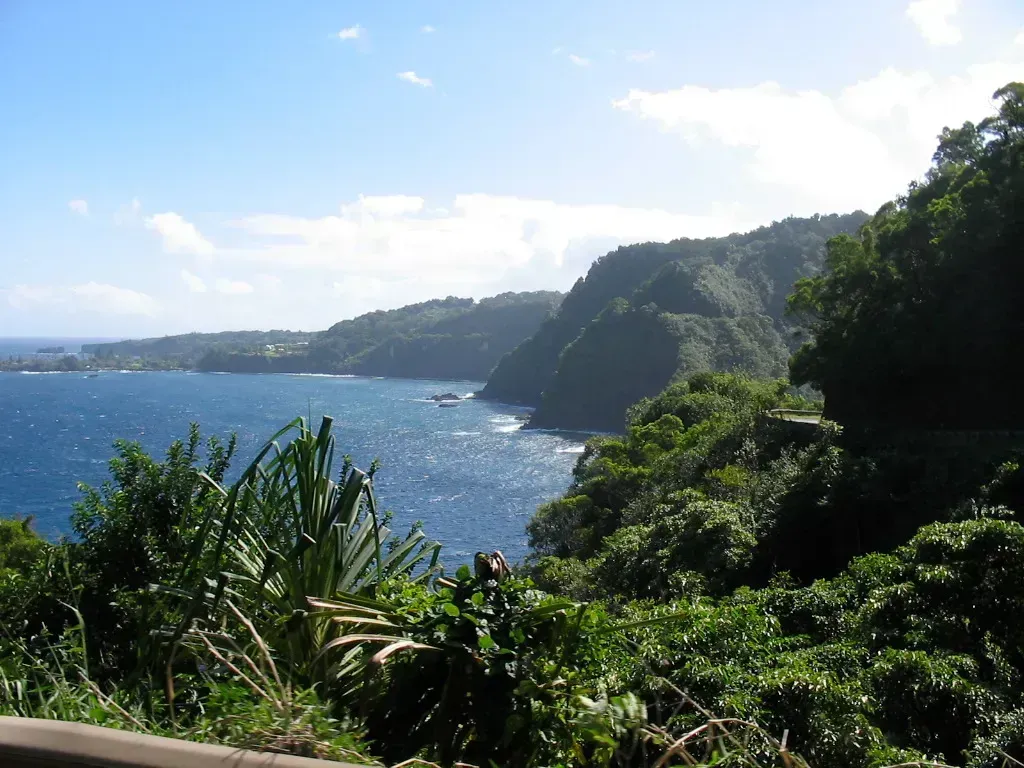
Maui is the place I’d choose if I had to recommend one island to almost anyone, because it packs so much into a relatively small space: volcanic landscapes, waterfalls, surf beaches, and small towns that still feel local. Visitor numbers dropped sharply after the August 2023 Lahaina wildfire, and Hawaii’s tourism authority has been openly asking travelers to return in a respectful way as the island rebuilds and shifts toward more sustainable tourism. Walking the Kapalua Coastal Trail early in the morning, with waves slamming the lava rocks and sea birds gliding just above the water, felt worlds away from the highway traffic near Kahului, even though it was only a short drive. Between community‑run farm tours in upcountry, new limits on commercial activities in popular marine areas, and expanded reef protection rules around West Maui, you can feel the island trying to balance visitors with the realities of living there, and that honesty is a big part of why I’d go back.
Palawan, Philippines
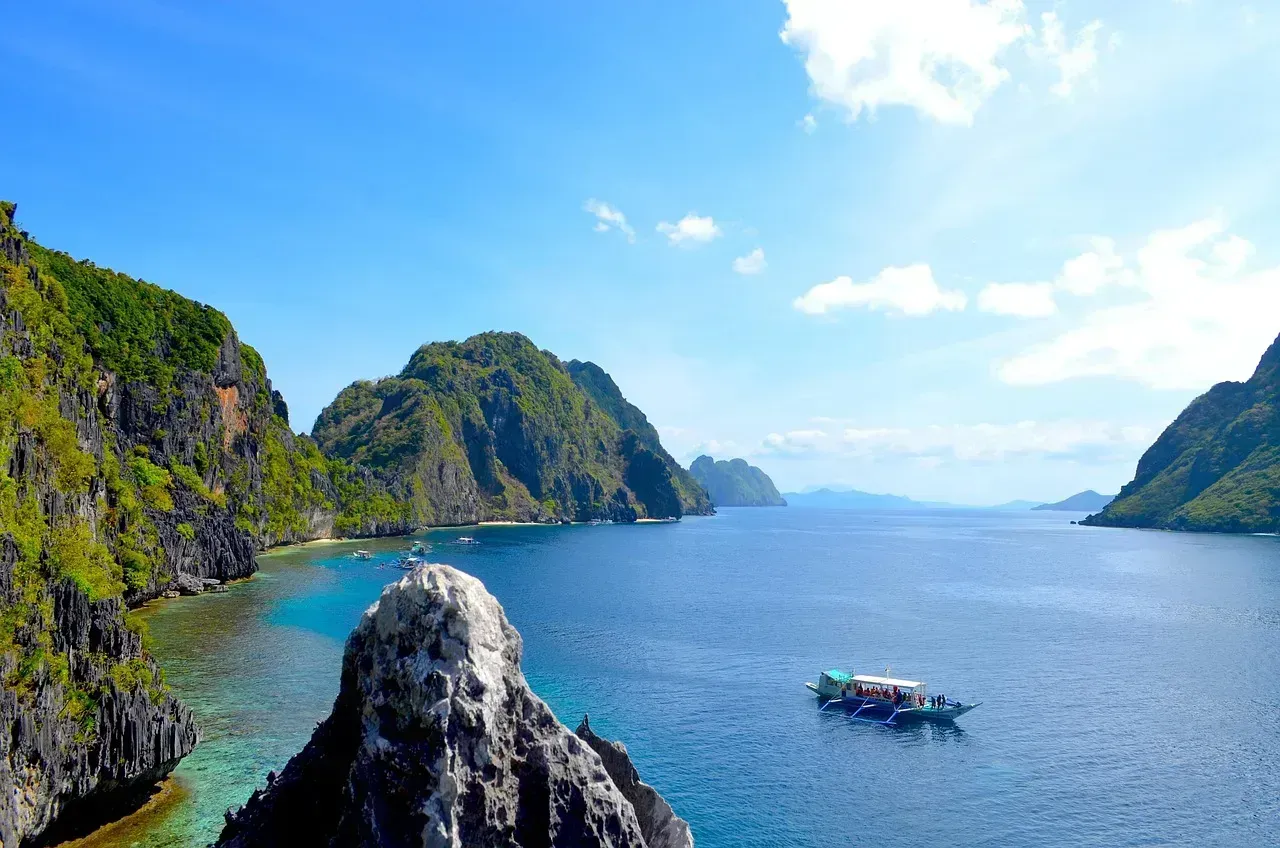
Palawan keeps appearing in travel rankings for a reason: its limestone cliffs and clear water look almost unreal, but there’s also a sense that the island still belongs more to locals than to tourists. El Nido and Coron saw rapid growth. Philippine tourism data from 2023 and 2024 showed Palawan among the country’s top destinations, but many of the best spots are reached only by small boats or rough roads, which naturally limits crowds once you leave town. One afternoon near Coron, I swam over a reef where giant clams sat as open stone bathtubs and schools of small fish wove through them, and the only sounds were water and the boat anchor tapping softly against the hull. Combined with marine protected areas, community‑run conservation projects, and strict rules about where boats can anchor, it feels like an island that knows its natural assets are its future and is trying, imperfectly but seriously, to hang on to them.
Mahé & Praslin, Seychelles
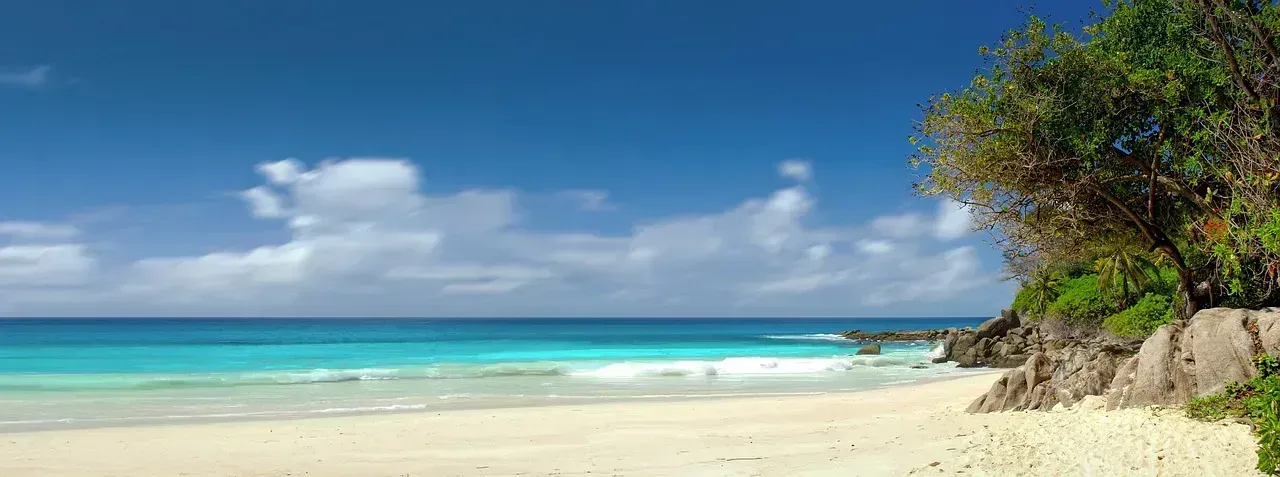
The inner islands of Seychelles, especially Mahé and Praslin, feel like someone blended elements of the Caribbean and Indian Ocean into a single place – granite boulders, white sand, and water so clear you can count the grains under your feet. Seychelles has consistently ranked among the world leaders in marine conservation; by 2024 the country had legally protected roughly about one third of its waters, tying debt relief to conservation and placing strict limits on fishing and development in sensitive areas. On Mahé, I could hike through dense, spice‑scented forest in the morning and be ankle‑deep on a nearly empty beach by lunchtime, while on Praslin, Anse Lazio and its surrounding coves felt like a natural swimming pool framed by polished boulders. The combination of strong environmental rules, a relatively small population, and a deliberate focus on lower‑volume, higher‑value tourism means the islands stay calmer than many tropical hotspots, which is exactly why I’d return in a heartbeat.
Kauai, Hawaii, United States
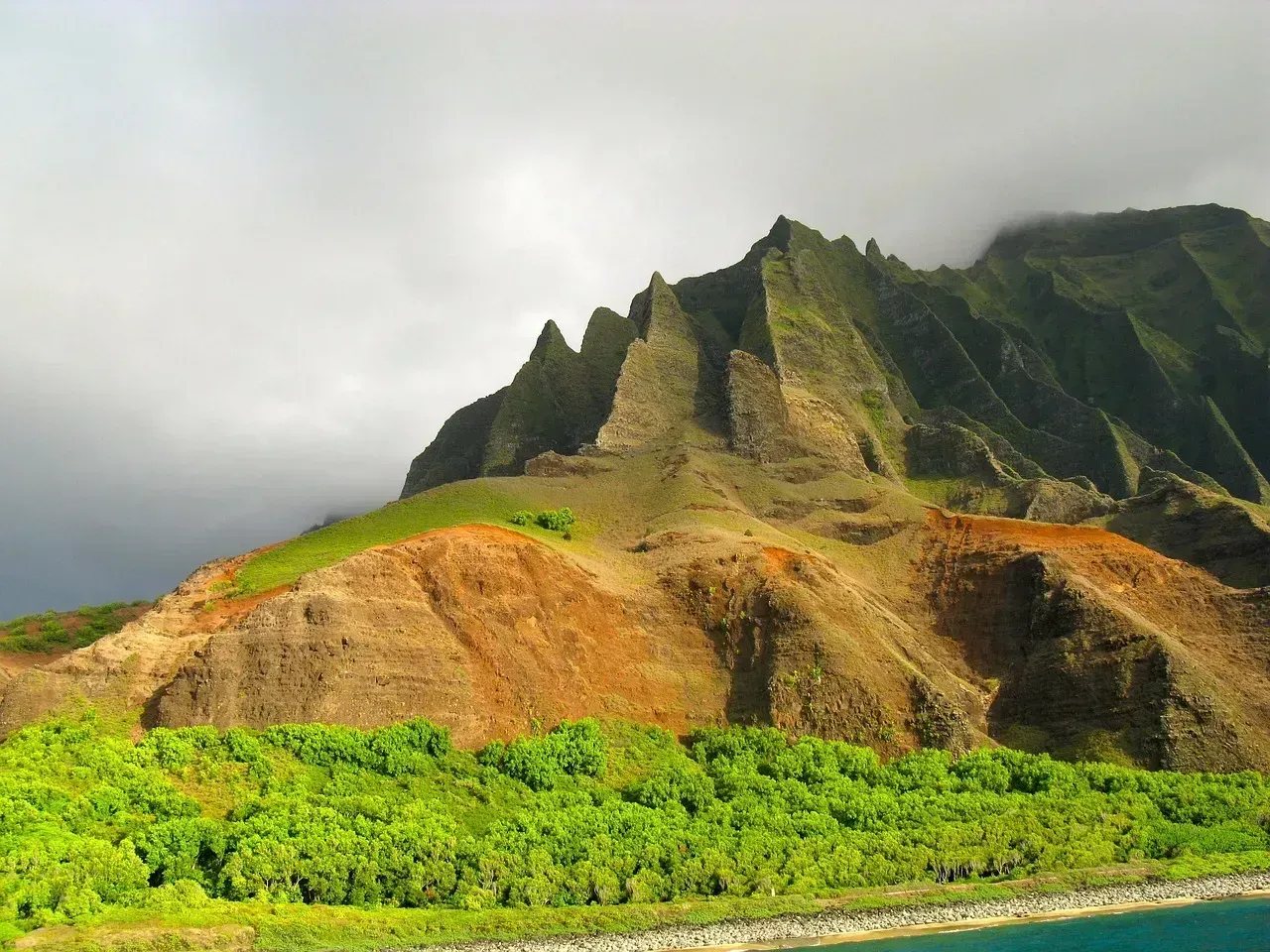
Kauai feels like the moody, dramatic cousin in the Hawaiian family – less polished than Oahu or Maui, but in the best possible way, with cliffs and valleys that look like they were carved yesterday. The island has kept a firm lid on development, with building height limits and, more recently, daily visitor caps in places like Hāʻena State Park and permit systems for the Kalalau Trail, which state officials expanded and refined between 2023 and 2025 to protect fragile areas. I still remember driving up to Waimea Canyon and feeling like I’d left the coast entirely behind, standing at the overlook while a rain shower moved across the red and green ridges like a slow curtain. Because Kauai’s tourism numbers remain lower than those of Oahu or Maui, and because access to the most delicate areas is now tightly controlled, the island retains a raw, jungle‑covered feel that makes you want to come back before too many people realize just how special it is.