Simple Life Hacks That Will Change the Way You Clean
Most of us don’t hate cleaning itself. What wears us down is the feeling that it never ends, and that we’re doing it in the least efficient order possible. A few small changes in how you approach a room can save more time than any fancy gadget.
The ideas below are practical and mostly free. None of them require special products, and all of them rely on basic principles of how dirt, moisture and surfaces behave.
Clean from the Top Down

Dust and crumbs fall. If you wipe the coffee table first and then dust the shelf above it, you’ve just done the table twice. Start with ceiling corners, shelves and light fixtures, then move down to counters and finally the floor.
It sounds almost too obvious to mention. Still, it’s the habit that most reliably cuts repeat work, especially in rooms with lots of surfaces.
Let Cleaning Products Sit for a Few Minutes
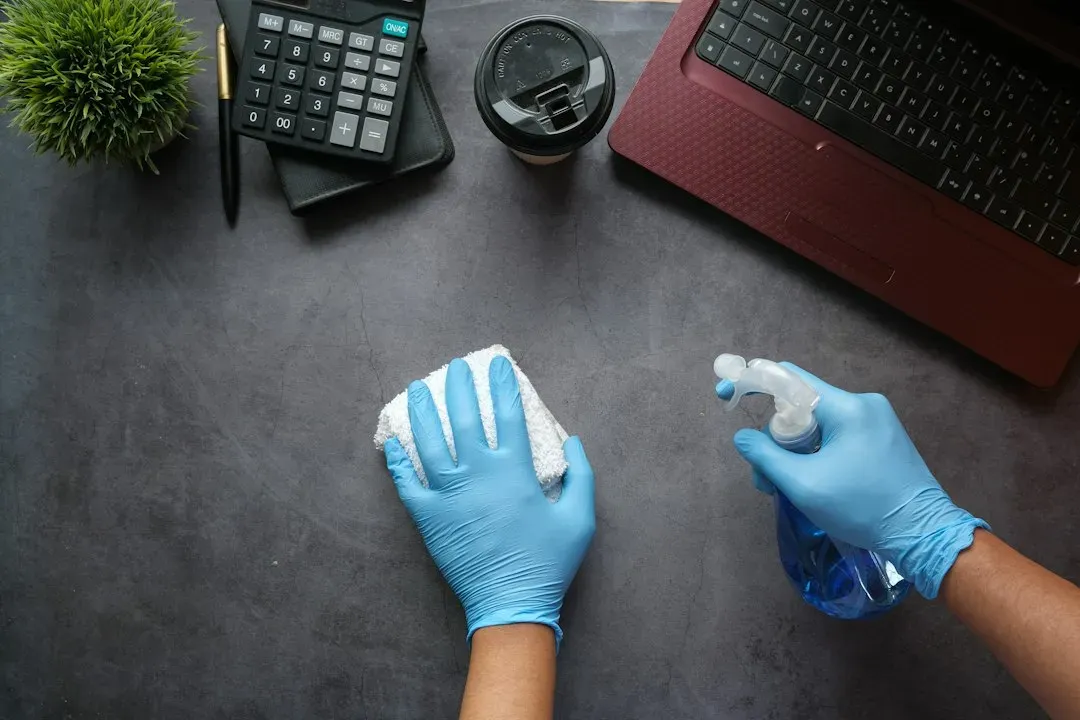
Many cleaners and disinfectants need contact time to work. Spraying and wiping straight away often means the product never gets a chance to loosen grime or do its job. Check the label, because disinfectant instructions usually list how long a surface should stay wet.
For ordinary grime, a few minutes of soaking can replace a lot of scrubbing. Spray the shower or sink first, then do something else in the room before coming back to wipe.
Use a Damp Microfiber Cloth for Dust
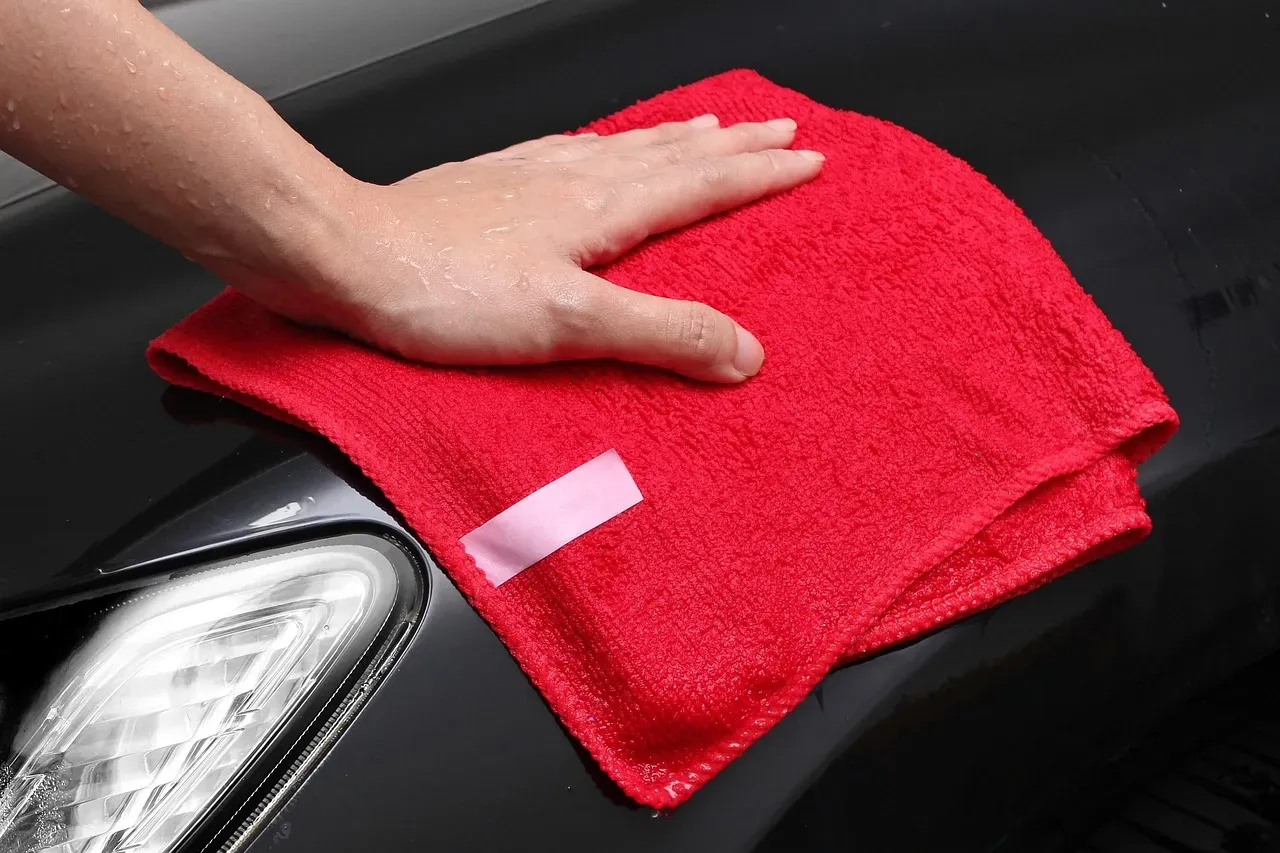
A dry rag or feather duster mostly pushes dust into the air, where it settles again. A slightly damp microfiber cloth tends to hold onto particles instead. Fold it into quarters and switch to a clean side as each one gets dirty.
Wring it out well, particularly on wood furniture and electronics, where too much water causes damage. Wash the cloths regularly and skip fabric softener, which can reduce how well they grab dirt.
Tackle Messes While They’re Fresh
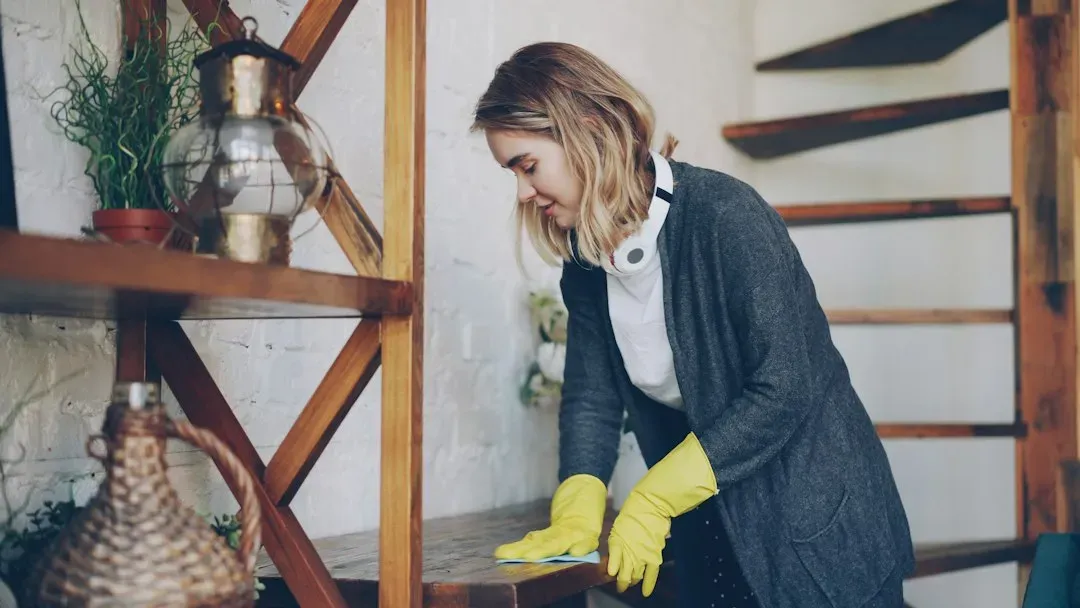
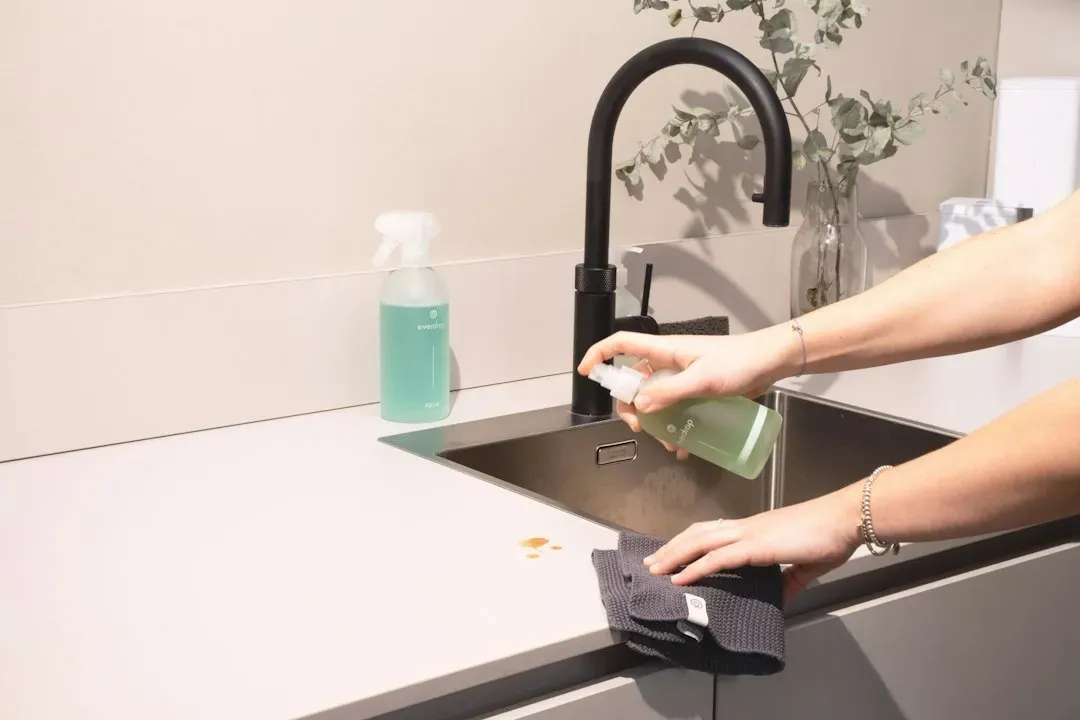
A spill wiped up in seconds is a very different job from the same spill dried overnight. Keeping a cloth or a small spray bottle within reach in the kitchen makes quick wipes far more likely. Two minutes after cooking often saves twenty later.
The same goes for the stove, the bathroom sink and the mirror. Small, frequent touch-ups keep the heavy scrubbing from piling up.
Steam the Microwave Clean
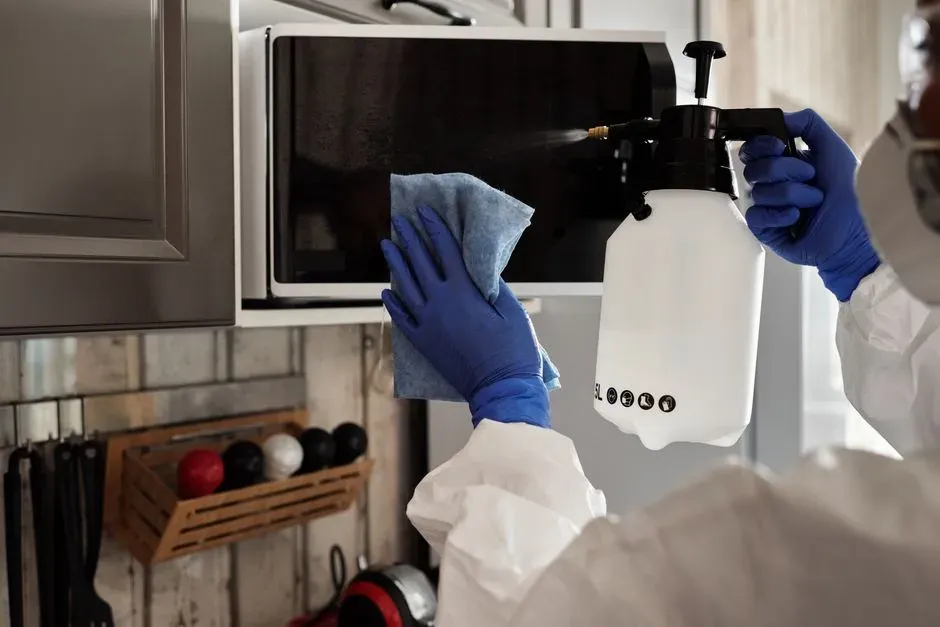
Baked-on splatter inside a microwave comes off far more easily once it’s softened. Heat a bowl of water, with a splash of vinegar or a few lemon slices if you like, for a few minutes. Let it stand briefly with the door closed, then carefully remove the bowl, since it will be hot.
After that, a sponge or cloth wipes away most of the residue. It’s a good example of letting heat and moisture do the heavy lifting.
Know Which Products Should Never Be Mixed
This one is about safety more than speed. Bleach should never be combined with ammonia or with acidic products such as vinegar, because the mixtures can release harmful gases. Use one product at a time, rinse surfaces between products, and keep the room ventilated.
Also read labels before using a cleaner on stone, such as granite or marble, since acids can dull or etch those surfaces. When in doubt, mild dish soap and water is the safer starting point.
Keep a Cleaning Caddy
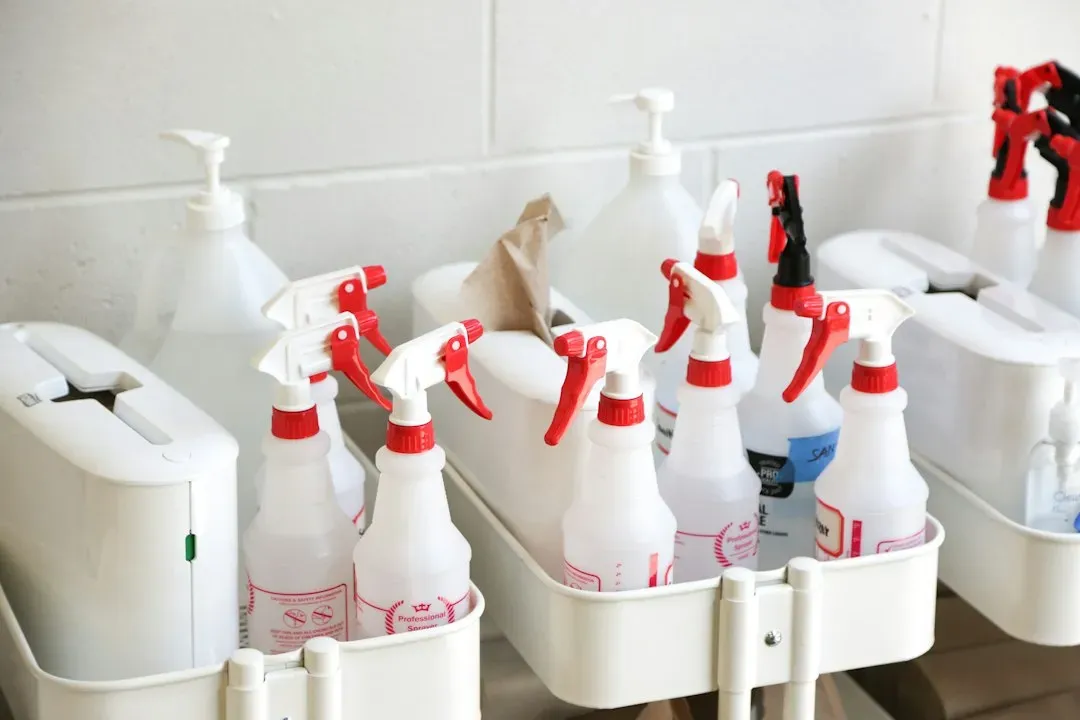
Walking back and forth for supplies eats up time and motivation. A simple caddy or bucket holding a spray cleaner, a few cloths, a scrub brush and gloves lets you carry everything room to room. Some people keep a second small set in the bathroom so quick jobs actually happen.
It doesn’t need to be fancy. The goal is simply that nothing stands between you and starting.
Break the Job into Short Bursts
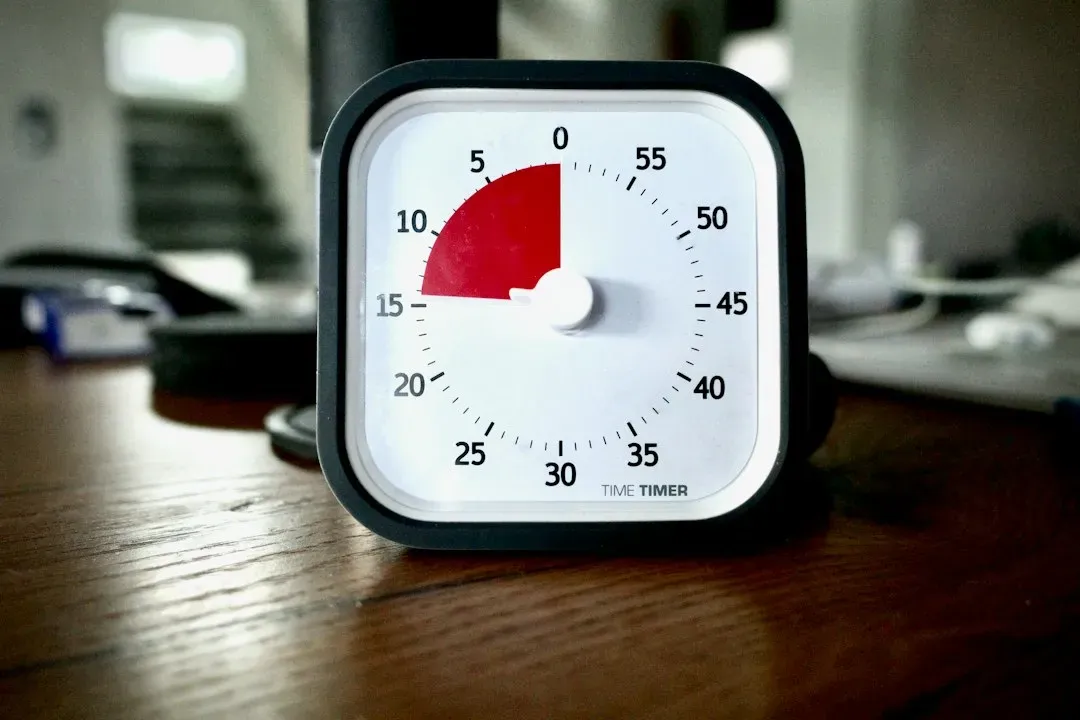
A full house clean on Saturday can feel like a punishment. Spreading tasks across the week, such as one room or one chore per day, makes the load feel lighter. Even a ten minute timer can get you surprisingly far, and stopping when it rings is perfectly fine.
Doing a quick tidy before you clean also helps. Clearing clutter first means you can wipe and vacuum in one clean sweep instead of working around piles.
Final Thoughts
Better cleaning rarely comes from working harder. It comes from working in a smarter order, giving products time, using the right tool and staying safe with what you mix.
Pick one or two of these habits and try them for a couple of weeks. If they stick, add another, and the chore list may start to feel a little more manageable.