Surprising Uses for Everyday Household Items
Most of us walk past the same kitchen shelves and bathroom cabinets every day without a second thought. Yet a lot of what’s sitting in there can do more than the label suggests. Some of these tricks are old household wisdom, and others are just practical quirks of how simple materials behave.
Not every hack on the internet holds up, of course. The ones below are grounded in basic chemistry or common sense, and I’ve flagged where a little caution makes sense.
Baking Soda as a Gentle Deodorizer
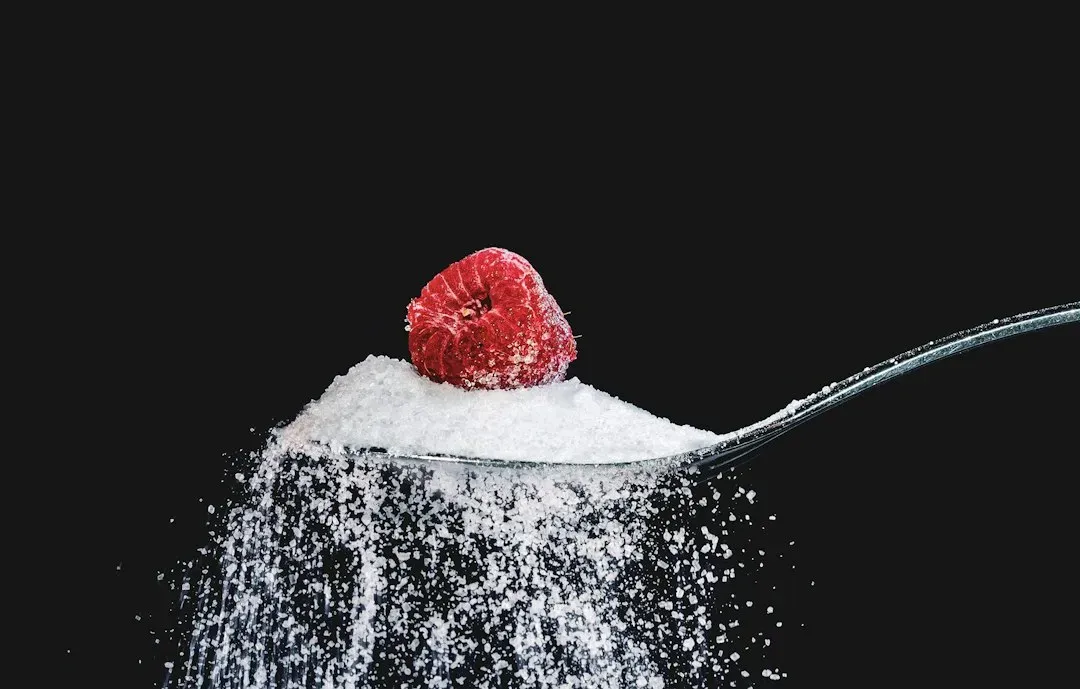
Baking soda is best known for baking, though it earns its keep in other places too. An open box in the fridge or a light sprinkle in a smelly shoe can help absorb odors rather than just cover them up. It’s mildly alkaline, which is why it tends to neutralize acidic smells.
Because it’s a fine, soft powder, it also works as a mild scrub for sinks and tubs. Test it on a hidden spot first if the surface is delicate.
White Vinegar for Mineral Buildup

The acidity in white vinegar dissolves limescale, which is why it works on cloudy glassware and crusty faucets. Soaking a showerhead in it, for instance, can loosen mineral deposits that clog the spray holes. A cloth dampened with it can also bring back some shine to glass.
Don’t use it on natural stone like marble or granite, since the acid can etch the surface. Never mix it with bleach either, as that combination releases toxic gas.
Toothpaste on Scuffs and Cloudy Surfaces
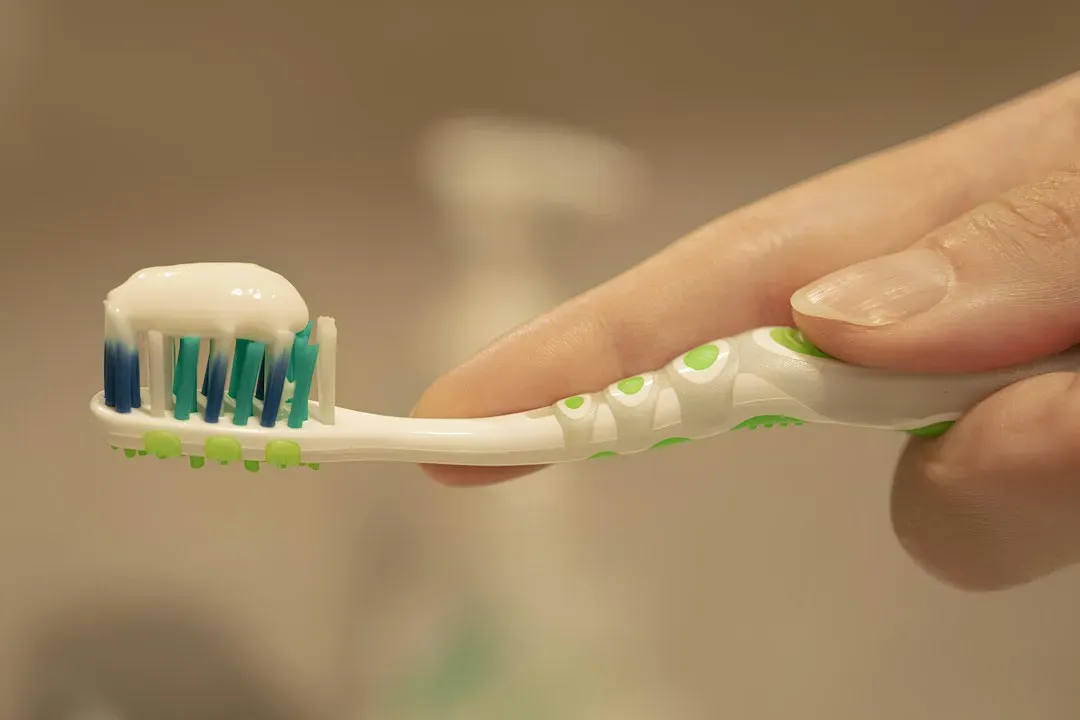
Plain white toothpaste contains mild abrasives, so it can polish certain things. People use it to buff scuffs off white sneaker soles or to rub light marks from some hard surfaces. It’s also a common trick for clearing hazy, scratched headlight lenses or old CDs, though results vary.
Skip gel and whitening formulas for this. And treat it as a quick fix, not a lasting repair.
Aluminum Foil Beyond the Oven
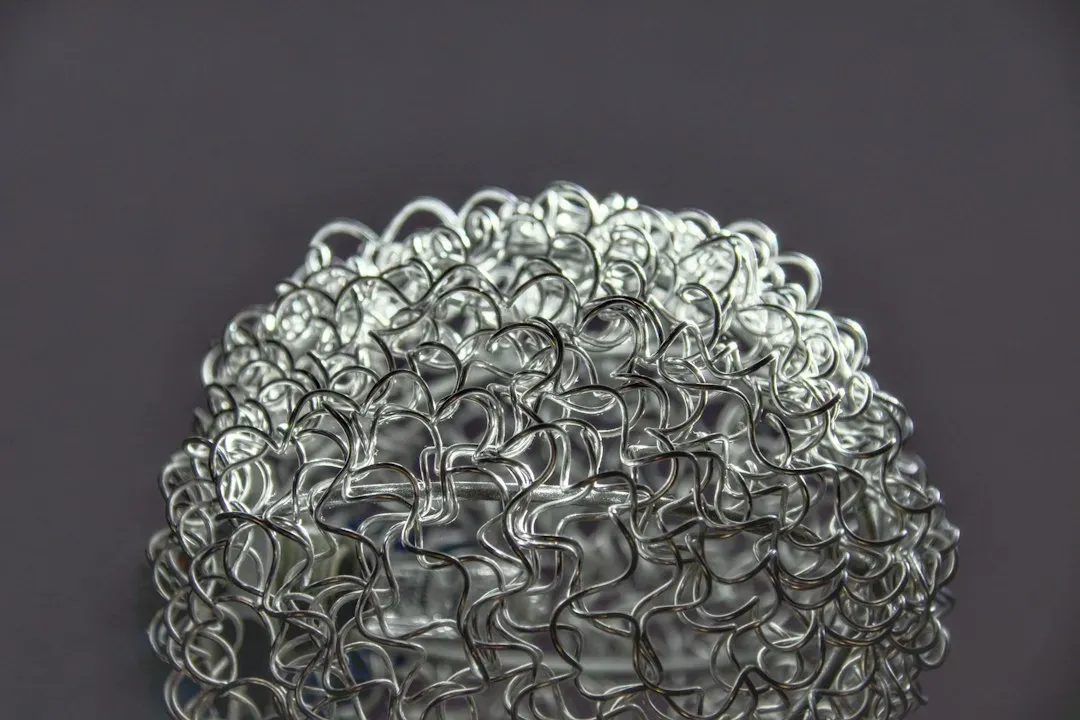
Crumpled foil makes a decent scrubber for baked-on residue on metal grill grates and some cookware. Because it’s soft, it can clean without cutting deep scratches into sturdy surfaces, though you should avoid it on nonstick pans.
Some people also fold a sheet into a pad to sharpen the look of tarnished silver using a baking soda and hot water soak. It’s a simple reaction that moves the tarnish onto the foil.
Rubber Bands for Stuck Screws and Slippery Lids
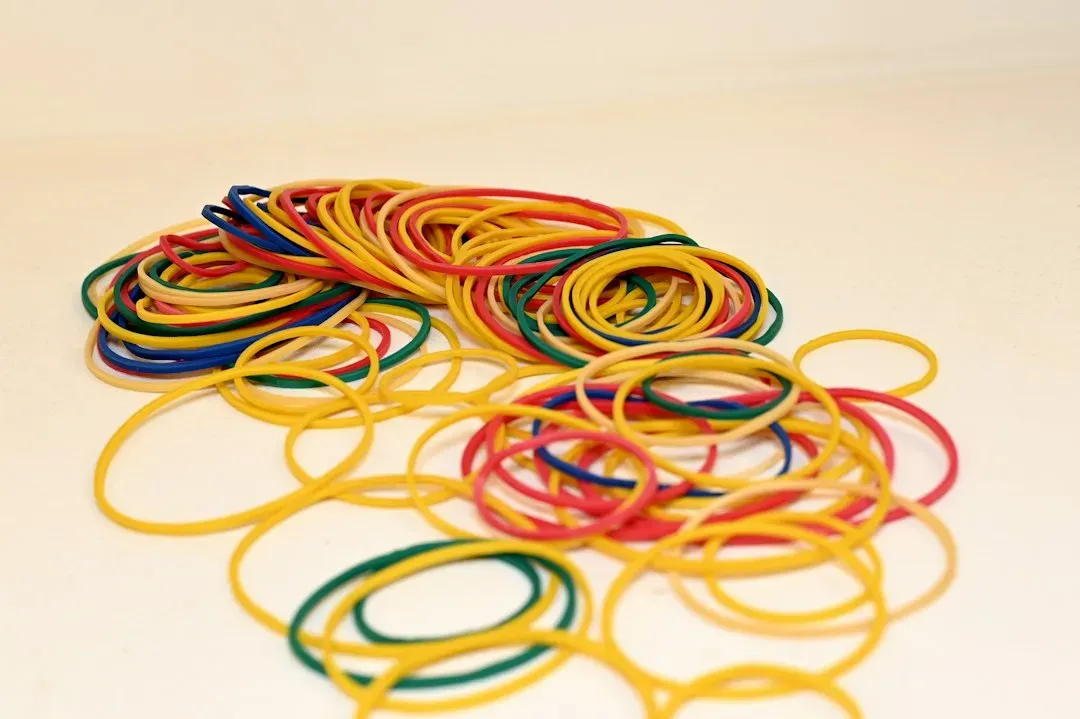
A wide rubber band can add grip where bare metal slips. Pressed between a screwdriver and a stripped screw head, it can fill the gap enough to turn the screw. Wrapped around a stubborn jar lid, it gives your hand something to hold.
It’s a humble fix, and it works because friction is often the only thing missing.
Coffee Filters as All Purpose Helpers
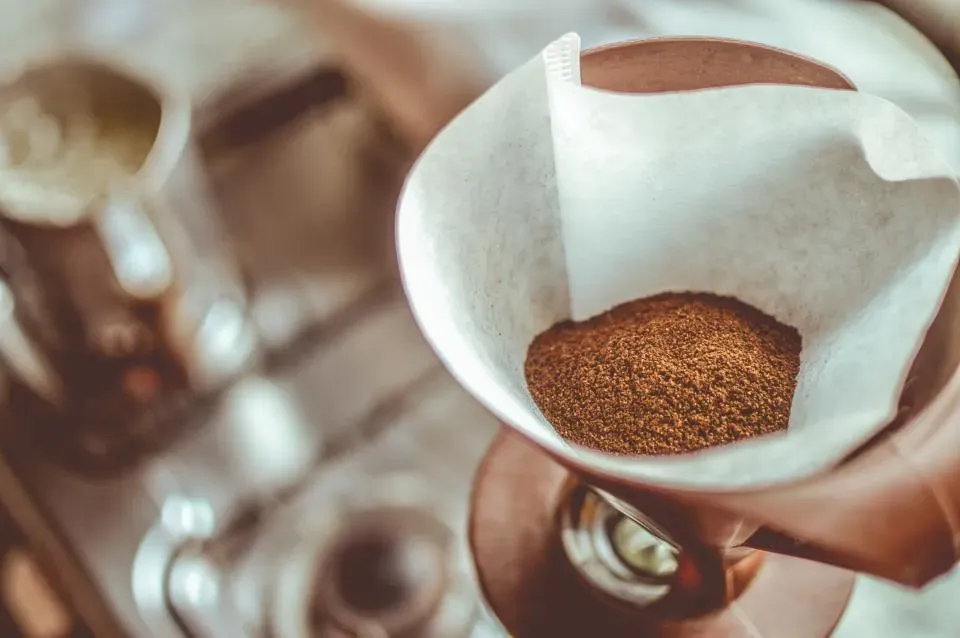
Paper coffee filters are lint free, which makes them useful for wiping glass, mirrors and screens without leaving fuzz behind. They can also line a plant pot so soil stays put while water drains out. Stacked between plates or bowls, they protect fragile dishes from scratches in storage.
In a pinch, one can even strain broth or cover a bowl in the microwave to limit splatters.
Dryer Sheets and Dusty Surfaces
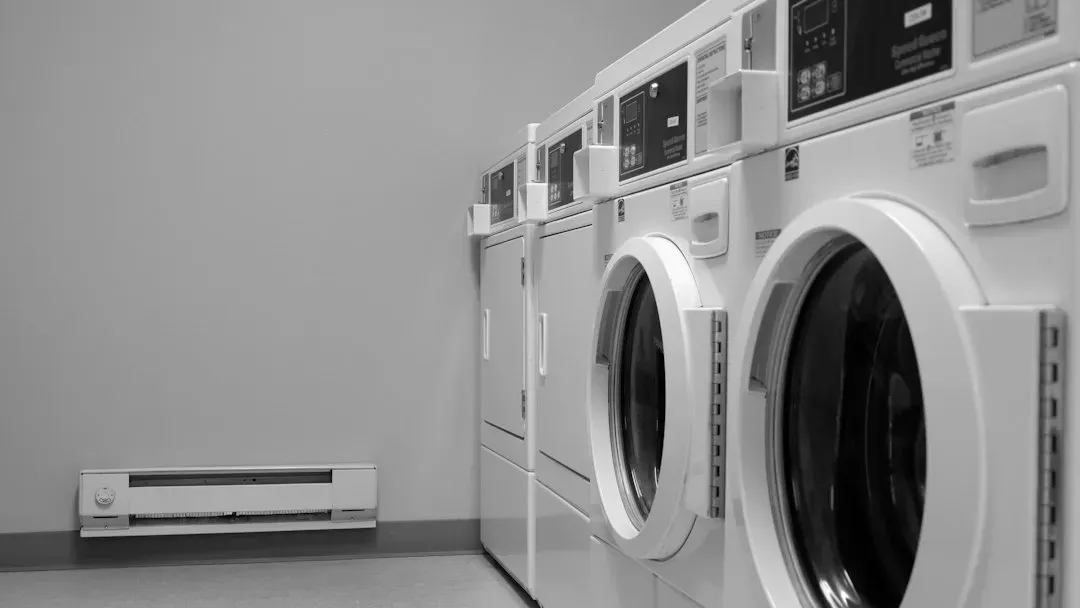
Used dryer sheets still have some life left. Wiped across baseboards or blinds, they can pick up dust, and the anti static quality tends to slow its return. Some people also tuck one into a gym bag to freshen it.
Evidence beyond that is mostly anecdotal. Claims that they repel pests, for example, aren’t reliably supported, so I’d treat those with skepticism.
Salt for Cleaning and Stain Help
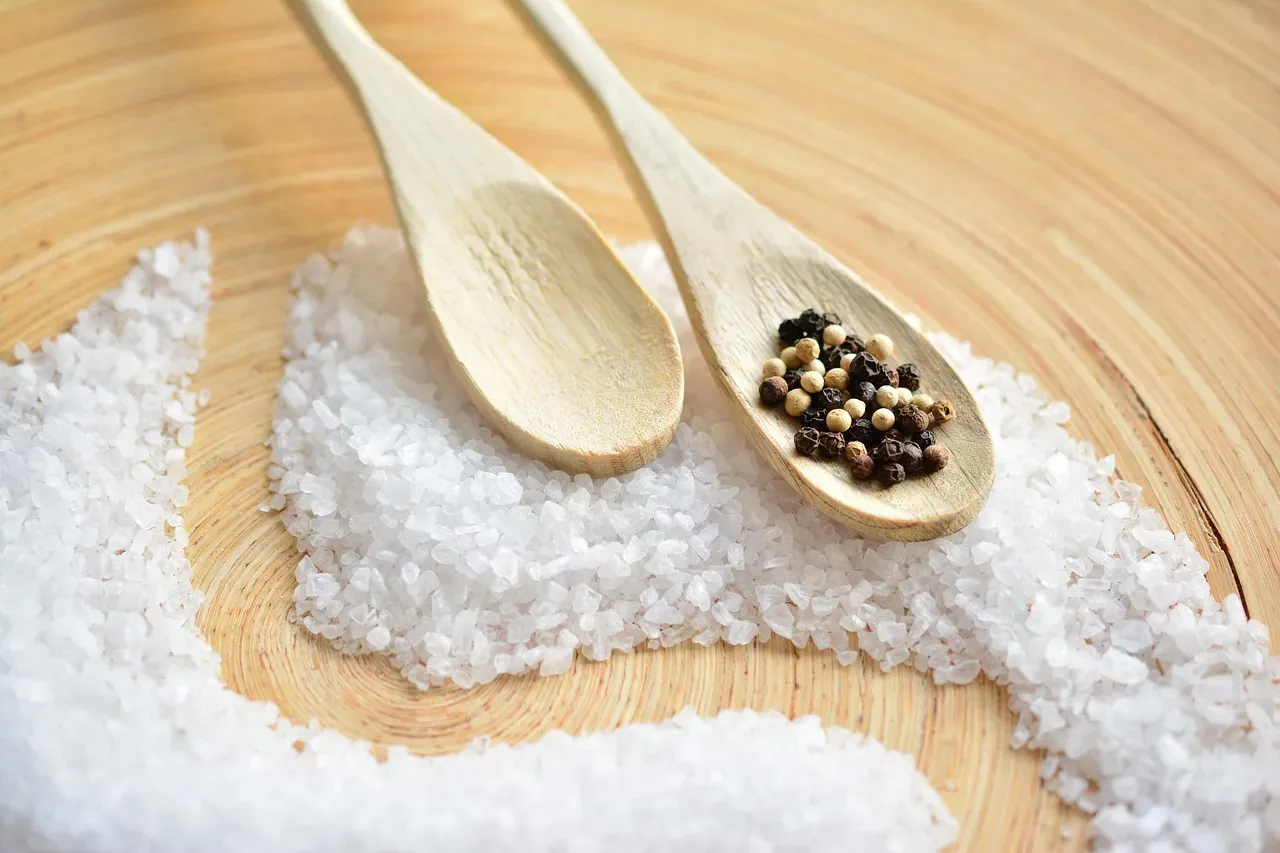
Coarse salt is abrasive enough to scrub a cast iron skillet without stripping the seasoning the way soap and steel wool might. Mixed with a little lemon juice, it can help lift stains from cutting boards or copper. It also soaks up fresh red wine spills on fabric when sprinkled on quickly.
Blot first, then salt, and rinse afterward. It won’t rescue every stain, but it improves your odds.
Final Thoughts

None of these tricks are miracles. They work because common materials have useful properties, such as acidity, abrasion, grip or absorbency, that we rarely think about. Before you try one, check the surface and avoid mixing chemicals. After that, a bit of curiosity at the pantry door can save you a trip to the store.