The 10 Most Dangerous U.S. Cities Based on the Latest 2025 Crime Statistics
Memphis, Tennessee

Memphis tops the national list with 2,501 violent crimes per 100,000 people, according to FBI data from 2024. The violent crime rate is nearly six times the national figure, making it a standout for all the wrong reasons. With aggravated assault leading the list, the city’s crime rate of 24.37 per 1,000 people reflects deep-rooted issues that go beyond policing. Still, there’s a glimmer of hope. Memphis saw a 30 percent decrease in homicides by the end of 2024, with overall crime dropping to a 25-year low. Whether this trend holds in 2025 remains the question on everyone’s mind.
Detroit, Michigan

Detroit ranks near the top in murder rates among cities of similar size and remained near the top across several violent crime categories. Let’s be real, this isn’t new. Detroit continues to rank among the top three most dangerous cities, struggling with the loss of key industries and jobs since 2008. Decades of economic decline following the city’s 2013 bankruptcy left scars that show up in crime data every year. Detroit has rates more than triple the U.S. average, particularly for violent offenses like assault and robbery.
Baltimore, Maryland

Baltimore ranked high in murders and robbery rates. Yet there’s something happening here. In 2023, the city experienced a historic drop in homicides, around 21 percent fewer killings than the year before. As of mid-2025, robberies and auto thefts are down compared to the previous year, while the homicide clearance rate reportedly improved from around 40 percent in 2020. Baltimore’s crime challenges stem from decades of economic decline, the opioid crisis, and systemic issues that won’t disappear overnight.
St. Louis, Missouri

St. Louis ranks among the highest in the U.S., with a violent crime rate of 14.70 per 1,000 residents. With a violent crime rate of 14.70 per 1,000 residents, St. Louis experiences a high volume of aggravated assaults. Here’s the thing though, change is actually happening. Homicide rates in St. Louis have fallen approximately 22 percent in the first half of 2025, the lowest mid-year murder numbers in more than a decade. By 2023 to 2024, St. Louis recorded a significant drop in homicides, 33 percent lower in 2024 than in 2019. Whether the city can sustain this momentum is the real test.
Little Rock, Arkansas

The violent crime rate of Little Rock is 18.25 per 1,000 residents, according to recent statistics. Little Rock’s crime landscape is heavily marked by violent crime, particularly aggravated assault, which shapes how residents think about their daily safety. Despite its modest population size, the city’s crime rate rivals much larger cities, with a 65 percent rental occupancy rate in high-crime neighborhoods contributing to transient populations. Honestly, community cohesion matters more than most people realize.
Birmingham, Alabama

Birmingham stands out for its high rates of violent crime at 16.94 per 1,000 people, particularly aggravated assault. Despite its mid-sized population of roughly 197,000, Birmingham regularly ranks among the highest-crime cities in the country, with a violent crime rate about 4.7 times the national average. Birmingham has long struggled with violence tied to poverty and gun access, but homicides have declined since 2024, even as aggravated assault rose nearly 10 percent in the first half of 2025. The estimated per capita crime cost of $11,392 underscores the economic impact on everyone living there.
Milwaukee, Wisconsin

At a violent crime rate of 15.18 per 1,000 residents, Milwaukee ranks among the most dangerous cities in the United States. Milwaukee has emerged as one of the nation’s most violent large cities in recent years, with a violent crime rate approximately four times the national average. Milwaukee faces ongoing challenges with violent crime, with aggravated assault being the most prevalent. I know it sounds crazy, but progress is happening. Milwaukee saw 132 homicides in 2024, a 23 percent drop from 2023, proving that targeted crime prevention strategies can actually work.
Oakland, California

Oakland topped the list in multiple property and violent crime categories, leading all medium-sized cities in aggravated assault, robbery, and larceny-theft. The Bay Area city has become notorious for both its violent and property crime issues. St. Louis, Cleveland, and Oakland dominated the lists for mid-sized cities, appearing across violent and property crime categories. It’s hard to say for sure, but the concentration of both types of crime makes Oakland particularly challenging for residents trying to protect their homes and businesses.
Kansas City, Missouri
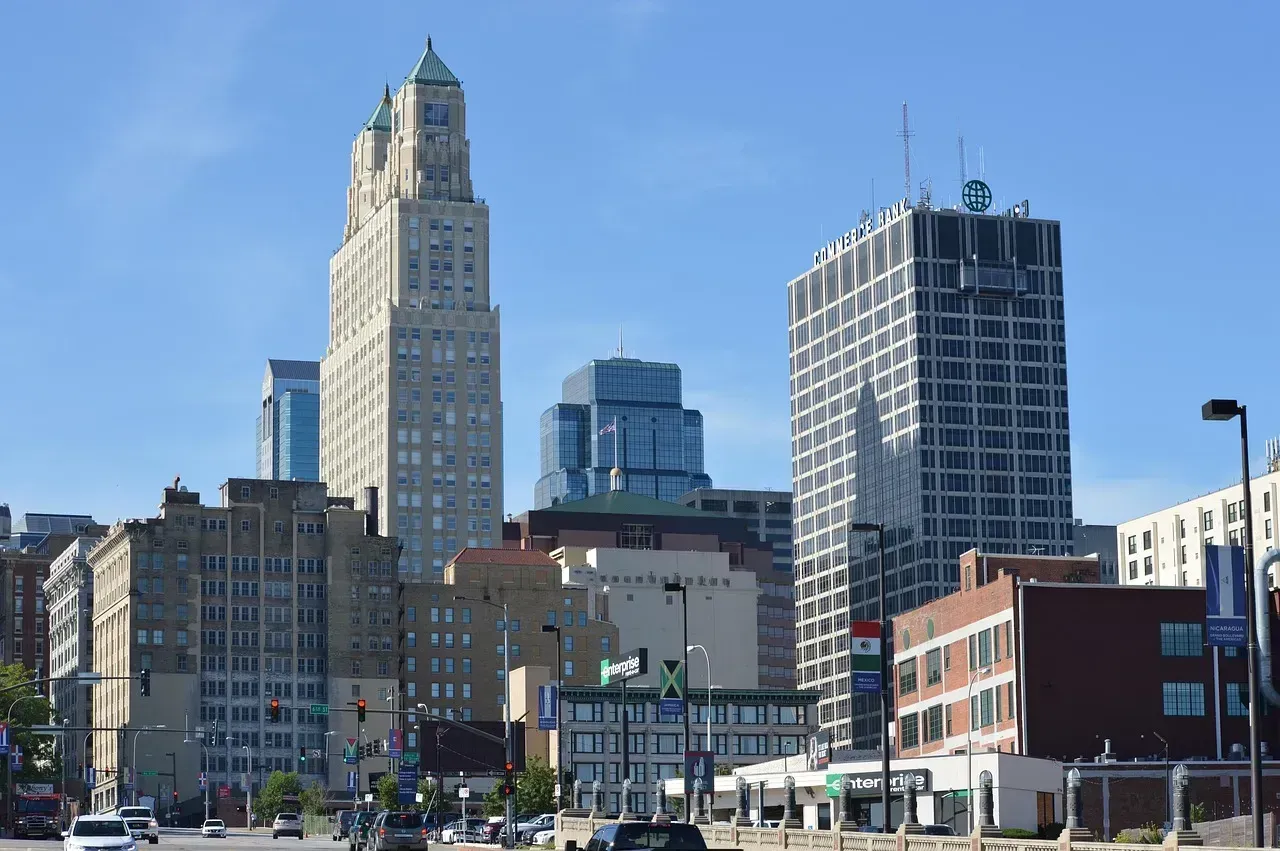
Kansas City had high violent crime rates in 2024, with a 12 percent increase in nonfatal shootings and 144 homicide cases tallied. The overall crime rate is about 167 percent higher than the U.S. average, though many neighborhoods, especially in the Northland and peripheral areas, are quite safe. By early 2024, Kansas City saw a small dip in homicides compared to the prior year, though the city’s national image remains defined by crime in its most troubled areas.
Cleveland, Ohio

Cleveland has a high rate of violent crime, including assault and robbery, with the city’s crime rate per capita above the average. Overall violent crime reports were down in 2024, as the Cleveland Division of Police expanded neighborhood policing and partnered with federal task forces to target repeat violent offenders. Despite recent improvements, Cleveland’s crime rate remains about 155 percent higher than the U.S. average overall. The city is focusing on improving economic conditions, bringing jobs and redevelopment to blighted areas in hopes of sustaining better public safety numbers.
Crime isn’t just numbers on a spreadsheet. Behind every statistic sits a family changed forever, a neighborhood struggling to rebuild trust, a business owner deciding whether to stay or leave. These ten cities face enormous challenges rooted in economic decline, systemic inequality, and social fragmentation that decades of policy haven’t fully addressed. Yet the data from 2024 and early 2025 shows something unexpected: many of these cities are actually improving. Homicide rates are dropping, clearance rates are rising, and targeted intervention programs are showing results. What would you have guessed, looking at headlines alone? Did any of these trends surprise you?