The Best Journaling Prompts for Self-Reflection
What am I avoiding right now?

Avoidance rarely feels like avoidance while it’s happening. It disguises itself as being busy, tired, or simply not in the mood. This prompt works because it forces a direct confrontation with whatever task, conversation, or feeling has been quietly pushed to the side.
Writing about it doesn’t require solving it immediately. Sometimes naming the thing is enough to loosen its grip. Over time, this question tends to reveal patterns, like a recurring type of conversation or decision that keeps getting postponed.
What emotion have I felt most often this week?

Most people move through a week without tracking their emotional weather. This prompt asks for a kind of retrospective check in, scanning back through recent days to notice which feeling kept showing up.
It could be frustration, calm, boredom, or something harder to name. The value isn’t in judging the emotion but in noticing it without flinching. Patterns spotted this way often point to something in daily life that needs attention, whether that’s a stressful routine or an unmet need.
What would I tell a friend in my exact situation?

People are often far more compassionate and clear headed when advising others than when facing their own problems. This prompt borrows that outside perspective and turns it inward.
Imagining a friend in your shoes creates just enough distance to see the situation more objectively. It also tends to soften the harsh self talk that creeps in when reflecting directly on personal struggles. The advice that comes out is often surprisingly practical.
What did I learn about myself today?

This one works best as a nightly habit rather than a one time exercise. Even small, mundane days carry information, like noticing you get irritable when hungry or that a certain task drains you more than expected.
The daily repetition builds a kind of personal archive over weeks and months. Looking back through old entries later often shows growth that would have been invisible day by day.
What am I proud of that no one else noticed?

Not every accomplishment gets applause. Sometimes the real wins are quiet, like staying calm during a stressful moment or following through on something only you knew about.
This prompt gives space to acknowledge those private victories. It also counters the habit of measuring self worth only through external recognition, which can leave a lot of genuine effort feeling invisible.
What pattern keeps repeating in my relationships?

Relationships, whether romantic, familial, or professional, tend to follow certain scripts that repeat without much conscious thought. This prompt encourages looking for the common thread across different people and situations.
Maybe it’s a tendency to overcommit, or difficulty asking for help, or a habit of pulling away when things get serious. Recognizing the pattern is the first step toward deciding whether it’s worth keeping or changing.
What does my ideal ordinary day look like?

Big dreams get plenty of attention, but ordinary days make up the vast majority of a life. This prompt asks for specifics: what time you’d wake up, how you’d spend the morning, what kind of work or rest would fill the hours.
The answer often reveals a gap between how someone imagines they want to live and how they’re actually spending their time. That gap is worth sitting with rather than rushing to fix.
What have I forgiven myself for, and what haven’t I?
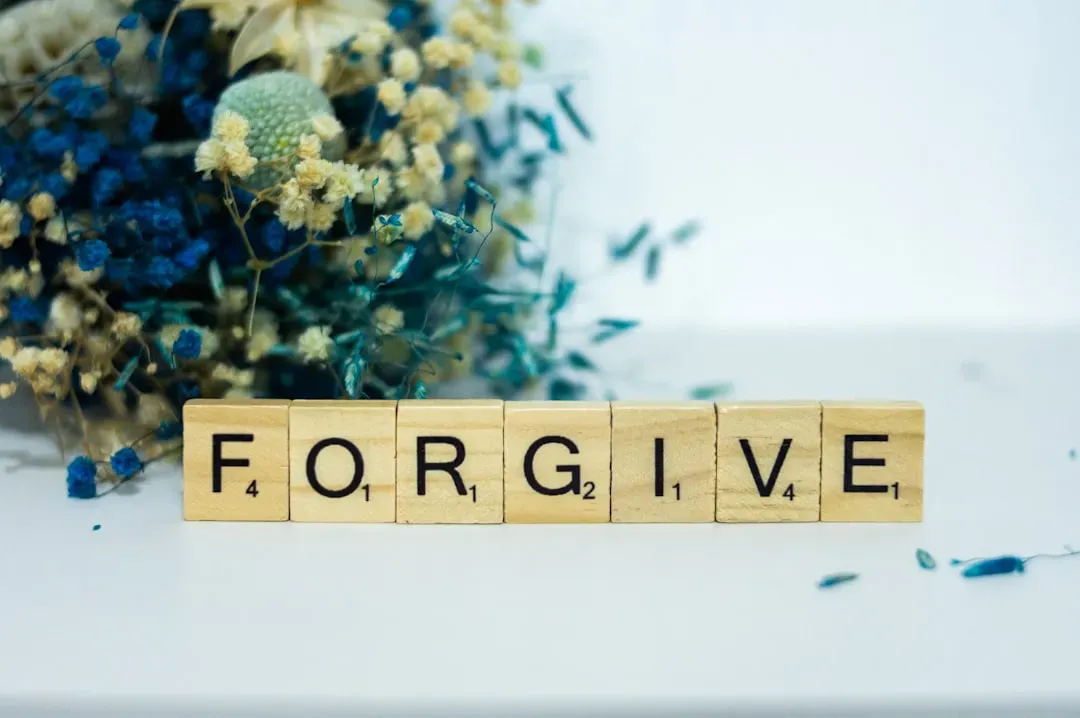
Self forgiveness rarely arrives all at once. It tends to happen unevenly, with some mistakes fully processed and others still carrying weight years later.
This prompt invites an honest inventory of both categories. Writing down what’s still unresolved doesn’t fix it instantly, but it makes the lingering guilt or shame easier to examine rather than just carry around silently.
What would I do differently if fear wasn’t a factor?

Fear shapes far more decisions than most people realize, often disguised as practicality or caution. This prompt strips that layer away and asks for the unfiltered answer.
The response doesn’t have to lead to immediate action. Simply naming what fear has been blocking can clarify whether that fear is protecting you from something real or just keeping you comfortable.
What conversation do I need to have but keep putting off?

Unspoken things tend to take up more mental space than spoken ones. This prompt zeroes in on a specific conversation, whether it’s asking for a raise, addressing a conflict, or simply checking in with someone who’s been on your mind.
Writing out what you’d want to say, even roughly, often makes the real conversation feel less intimidating. It turns a vague dread into something more concrete and manageable.
How has my definition of success changed over the years?

Success at twenty rarely looks the same as success at forty. This prompt traces that evolution, asking what used to matter and what matters now.
The shift is often more interesting than expected, revealing how much external pressure shaped earlier definitions versus how much personal values shape current ones. It’s a useful check against chasing goals that no longer fit.
What am I holding onto that I should let go of?
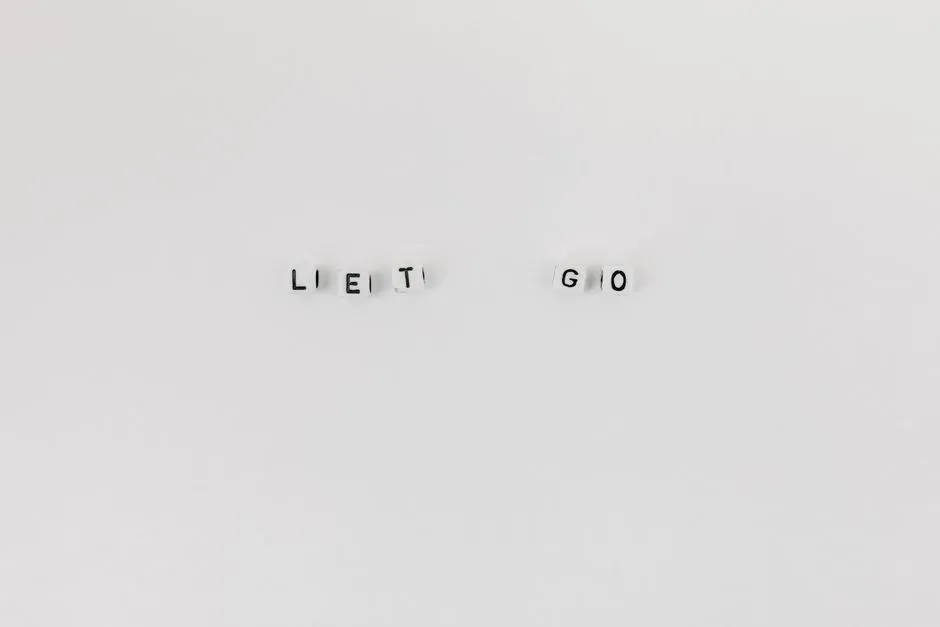
This could mean a grudge, a possession, a belief about yourself, or an old identity that no longer applies. The prompt asks for a scan across all of these categories rather than settling on the first obvious answer.
Letting go rarely happens the moment it’s written down. Still, naming what’s being held onto is often the necessary first step before any real release can happen.
Final thoughts
None of these prompts require perfect answers or polished writing. The point isn’t to produce something impressive, it’s to create a space where honesty comes a little easier than it does in daily conversation.
Some prompts will land harder on certain days than others, and that’s fine. The habit of returning to the page, even briefly, tends to matter more than any single entry ever will.