The Best US Scenic Drives for a Fall Weekend
Blue Ridge Parkway, Virginia and North Carolina
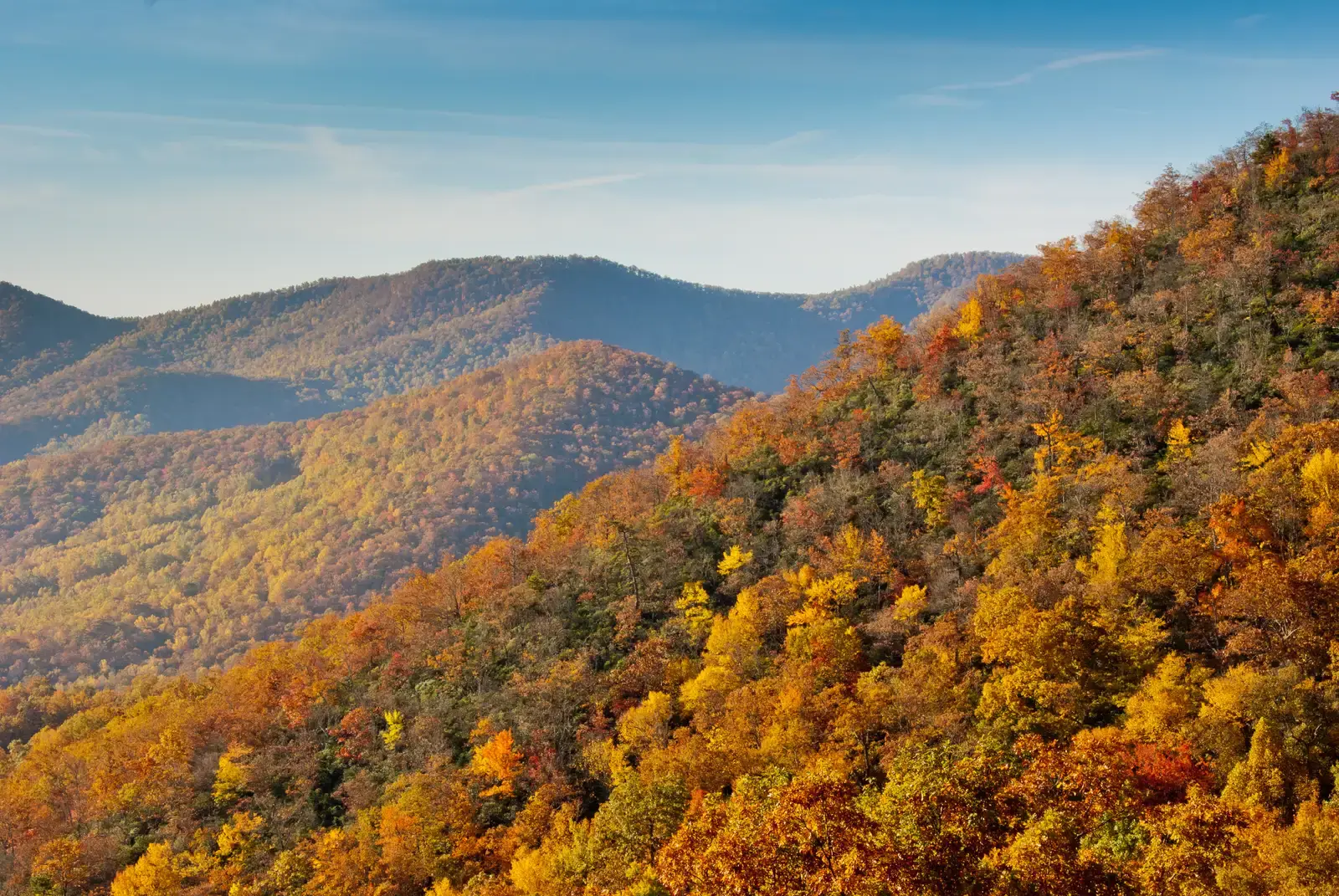
Few roads in America carry the kind of reputation the Blue Ridge Parkway has built. It’s consistently cited as the most spectacular fall foliage drive, offering 469 miles of mountain ridgeline with uninterrupted fall color and over 200 overlooks. The parkway isn’t a quick errand either; it’s often described as the longest linear park in the country, stretching between two major national parks.
The Blue Ridge Parkway connects Shenandoah National Park in Virginia to Great Smoky Mountains National Park in North Carolina. Because the route climbs and drops through such a wide range of elevations, it winds through North Carolina’s High Country, passing through elevations from 650 to over 6,000 feet, meaning you’ll drive through multiple color zones in a single day. That’s a genuine advantage for a weekend trip: even if you miss peak color in one section, another stretch further along might be right on schedule.
Skyline Drive, Virginia
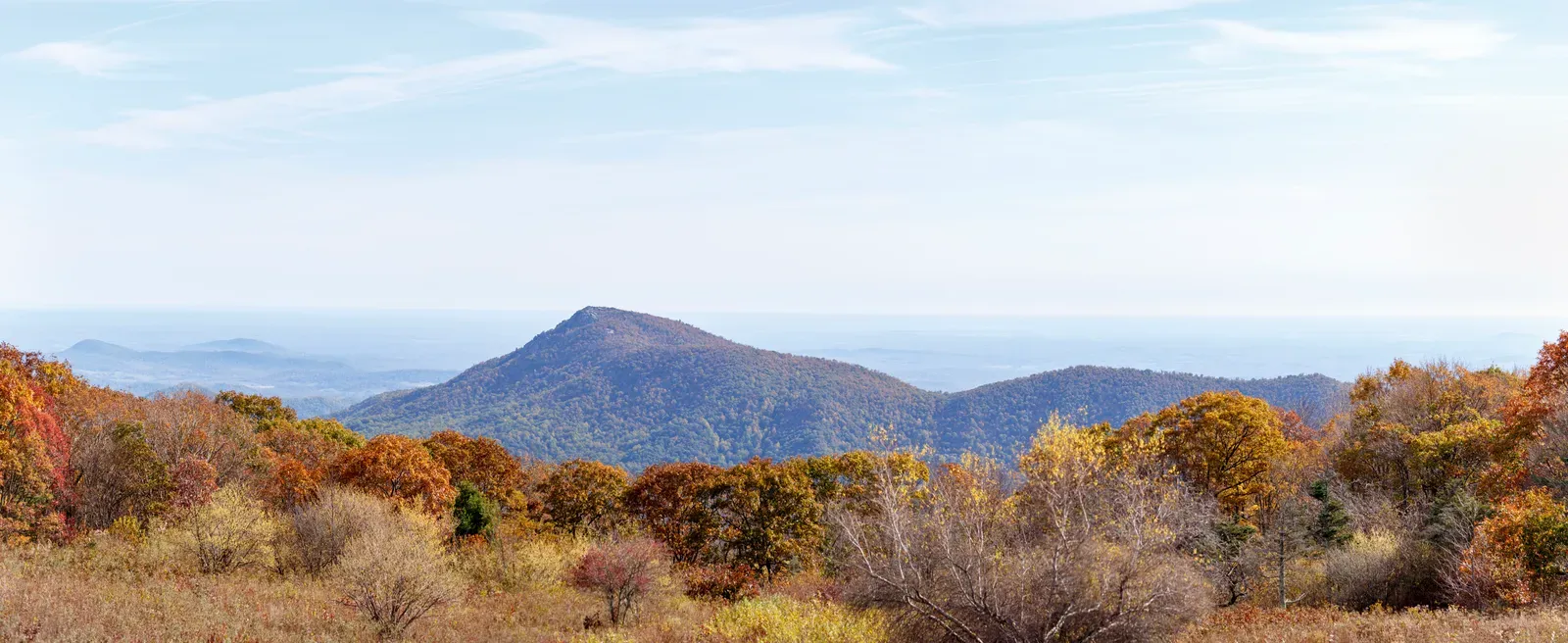
Skyline Drive sits inside Shenandoah National Park and works well as a shorter alternative if a full parkway trip feels like too much for two days. The Skyline Drive in Virginia features 105 miles through Shenandoah National Park, offering an elevated view of Virginia’s colorful forests, especially during peak fall season. It’s compact enough to drive in a day but scenic enough to fill an entire weekend if you stop often.
The overlooks here are part of the appeal, not an afterthought. There are over 70 scenic overlook options, plus opportunities to hike the Stony Man Trail and visit Luray Caverns from mid to late October. Pair that with waterfalls and hawk sightings along the ridge, and you have a drive that rewards patience over speed.
Kancamagus Highway, New Hampshire
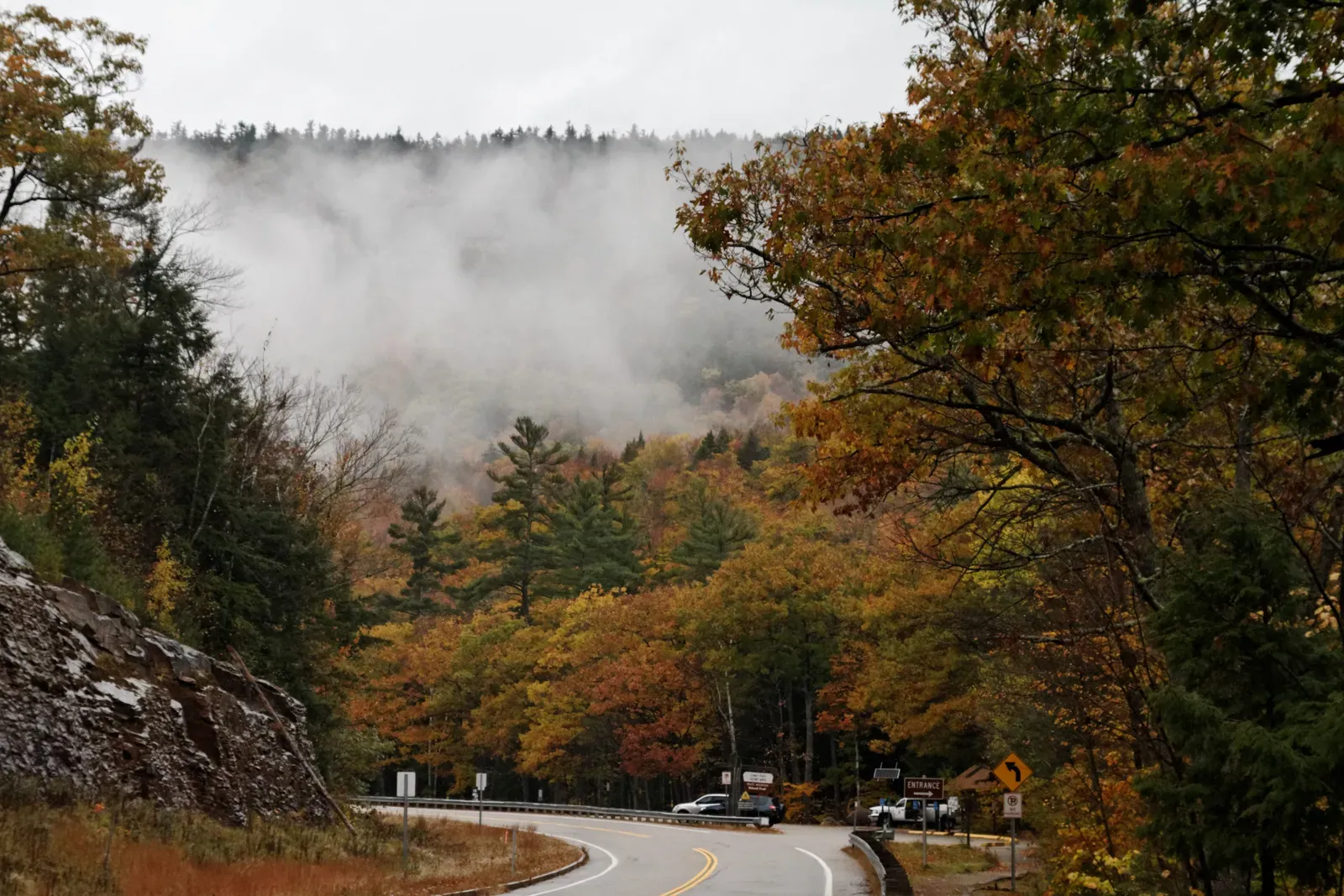
New Hampshire’s Kancamagus Highway, known locally as “the Kanc,” is proof that a scenic drive doesn’t need to be long to be memorable. This 34.5-mile scenic byway traverses the White Mountain National Forest, offering numerous overlooks, hiking trails, and picnic areas, with the vibrant reds of sugar maples particularly striking here. Because it’s short, it fits neatly into a single day, leaving the rest of a weekend open for exploring nearby towns.
Popular stops break the drive into manageable pieces rather than one long haul behind the wheel. Popular stops include Albany Covered Bridge, Lower Falls, Sabbaday Falls, Rocky Gorge Scenic Area, Kancamagus Pass Overlook, and Pemigewasset Overlook. One practical note worth remembering: there are no gas stations along the route itself, so filling up before you start saves an unwanted detour later.
Vermont Route 100
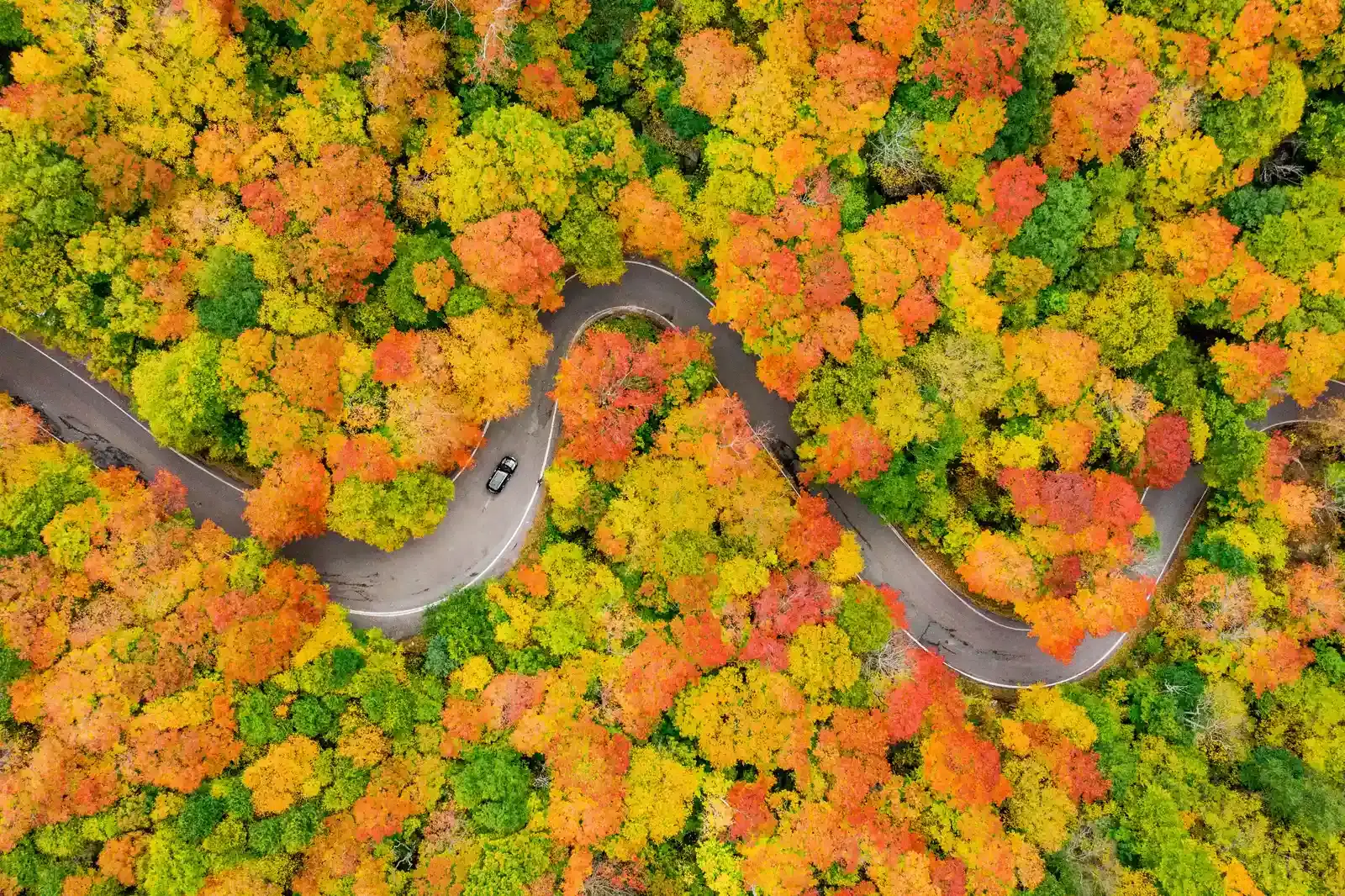
Vermont’s reputation for fall color isn’t just marketing. It’s the most famous US state for fall color, known for its sugar maples and quintessential New England scenery. Route 100 runs nearly the full length of the state and threads through the kind of small towns that seem built for a slow October drive.
Route 100 runs north-south through the central state, winding through charming villages, ski towns, and endless rows of sugar maples, with towns like Stowe and Woodstock, covered bridges, and local maple syrup and cider along the way. The best time to visit is late September to mid-October, which lines up nicely with a typical weekend getaway if you can plan around it.
Historic Columbia River Highway, Oregon
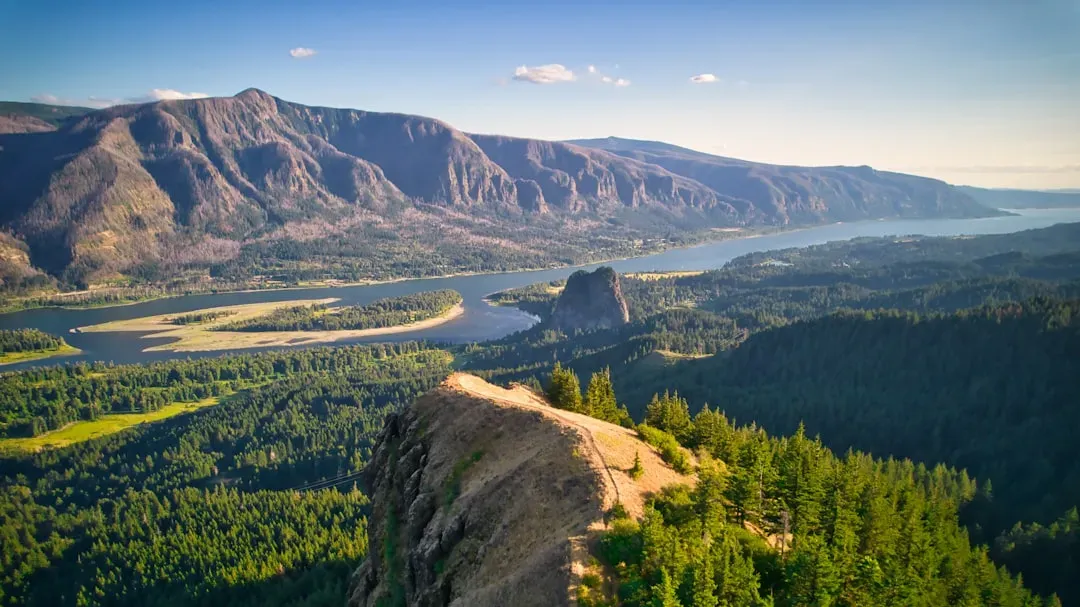
On the other side of the country, the Pacific Northwest offers a completely different kind of fall drive, one built around waterfalls and river gorge views rather than maple-lined hillsides. It’s the first major paved road in the Pacific Northwest and was also the first designated scenic highway in the United States, beginning east of Portland and meandering through the Columbia River Gorge. The mix of trees here is unusual for a fall drive, and that variety is part of what makes it worth the trip.
Alder, cottonwood, maple, ash, birch, and various species of oak make it a spectacular scene to drive through, with the viewing window typically running from late September to mid-October. Along the way, waterfalls interrupt the drive at regular intervals rather than requiring long detours. Oregon’s tallest waterfall, at 620 feet, is complete with an iconic stone bridge, one of the most photographed spots in the Pacific Northwest.
Mohawk Trail, Massachusetts
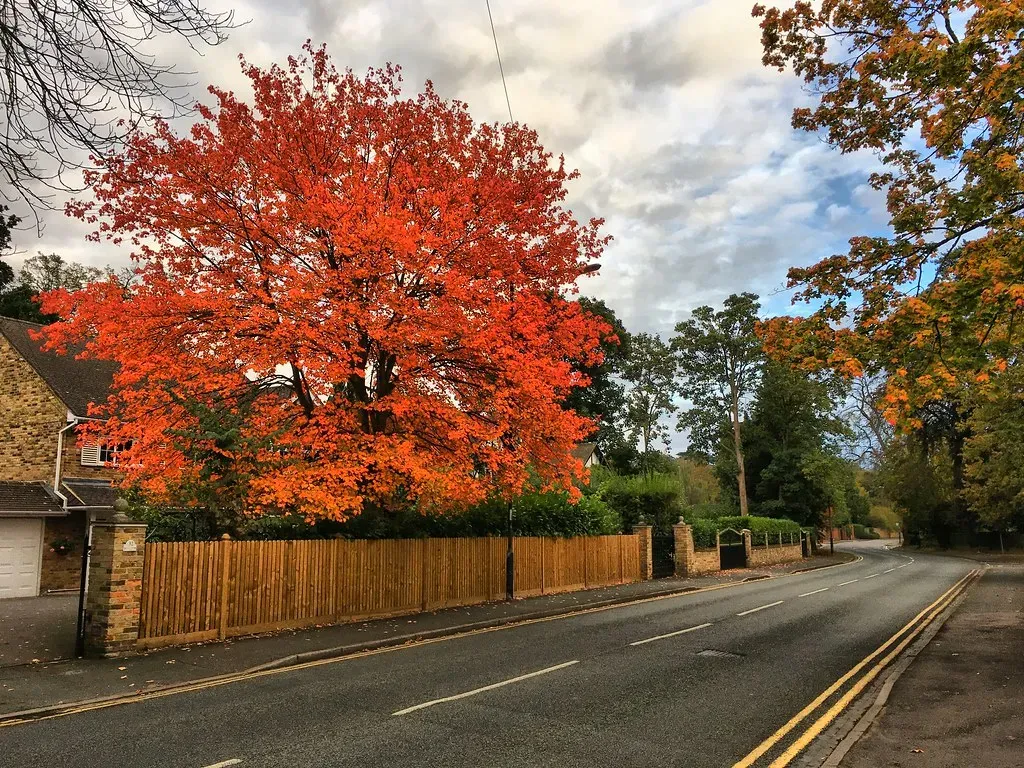
The Mohawk Trail doesn’t get quite the same national attention as its New England neighbors, but it holds a genuine claim to history. One of the country’s first scenic roads, the Mohawk Trail offers stunning vistas, especially from the hairpin turn, and access to historical sites. It runs through the Berkshires, an area known for rolling hills that turn deep red and orange as the season progresses.
What sets this route apart for a weekend trip is its manageable length combined with genuine historical texture. Small museums, old inns, and scenic pullouts break up the drive without turning it into a marathon. For travelers who want fall color paired with a sense of place rather than just scenery, the Mohawk Trail delivers both without the crowds that gather on more famous roads.
Adirondack Seaway Trail, New York
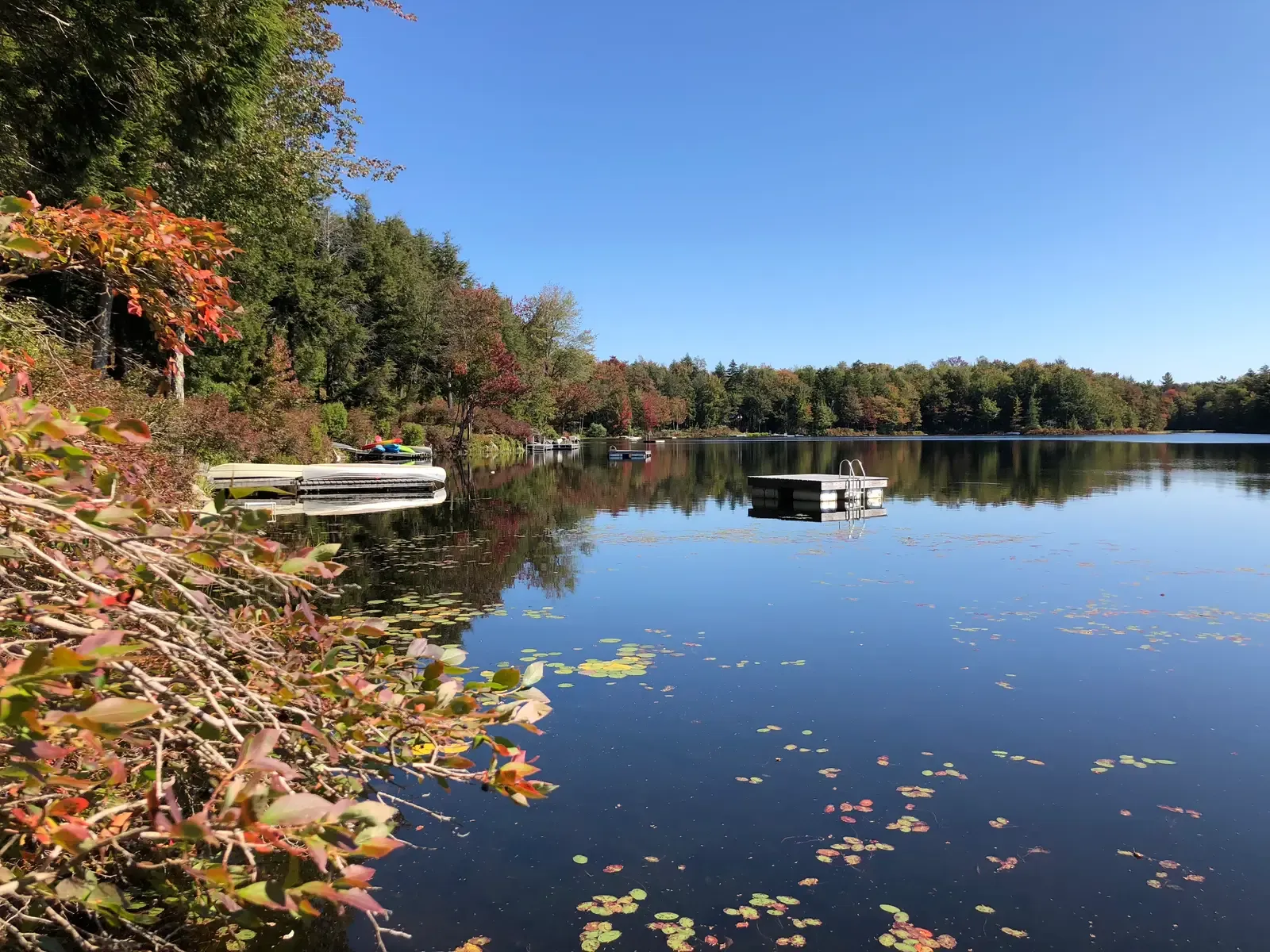
For travelers who want fall foliage paired with water views rather than mountain switchbacks, the Adirondack Seaway Trail offers a genuinely different pace. It follows more than 100 miles along Lake Ontario and the St. Lawrence River, linking small communities and waterfront stops, with Alexandria Bay, Clayton, Cape Vincent, and Henderson Harbor serving as useful autumn destinations. This isn’t a route built for dramatic mountain passes.
Instead, the Seaway Trail trades a continuous mountain-pass experience for contrast: colorful forests beside broad northern waterways, historic communities, lighthouses, and possible boat excursions, working well as a weekend route with overnight stops rather than a single uninterrupted drive. That structure actually suits a weekend better than a single long haul would, since it naturally breaks into segments with places to stop overnight.
Final Thoughts
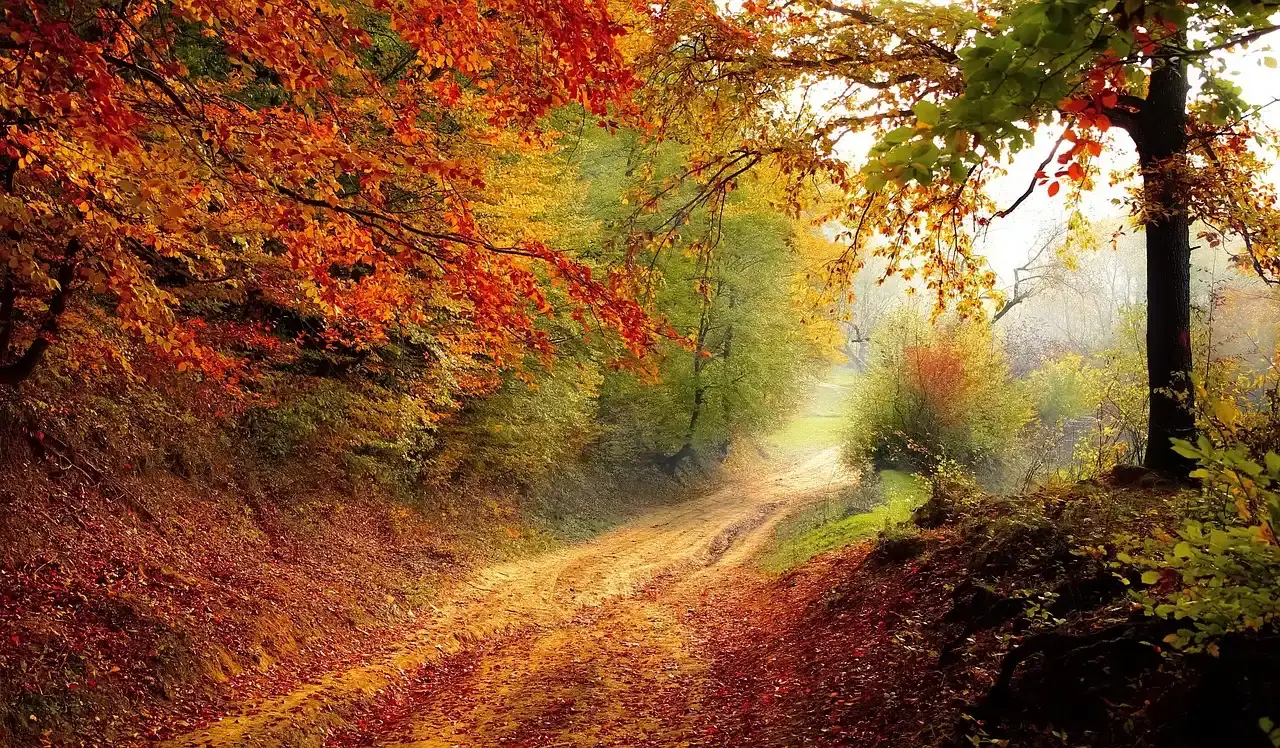
What ties these routes together isn’t a shared landscape, since a Vermont maple forest and a Utah aspen grove have almost nothing visually in common. It’s the shared idea that a good scenic drive slows you down on purpose. None of these roads exist to get you somewhere quickly; they exist because the getting there is the whole point.
Fall color moves through the country over roughly two months, starting in high-elevation western spots in September and finishing in the southern Appalachians well into late October or November. That spread means there’s rarely a single “best” weekend to chase leaves nationally, only a best weekend for wherever you happen to be headed. Check local foliage reports close to your trip date, fill the tank before you start, and leave a little room in the schedule for the overlook you didn’t know you needed to stop at.