The Buffalo Nickel: How One Rare Coin Transformed a Man’s Finances
Coin collecting has always carried a certain mystique, but few stories capture the imagination quite like discovering a fortune hiding in plain sight. Recently, one of the most talked-about finds involved a Buffalo Nickel hidden away in a piggy bank for nearly 30 years, forgotten with loose change until its true value emerged. The Buffalo Nickel was minted between 1913 and 1938, and while many examples are modestly priced, select specimens can be worth hundreds or even thousands of dollars, with some forgotten coins rediscovered years later revealing surprising value. What makes these coins particularly fascinating is how an ordinary five-cent piece can dramatically alter someone’s financial situation when the right specimen surfaces at the right time.
The Origin of an American Icon
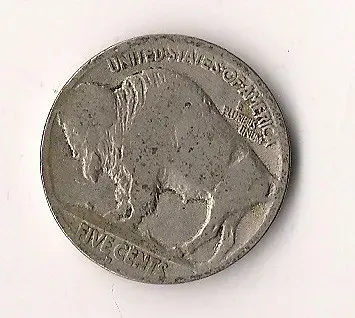
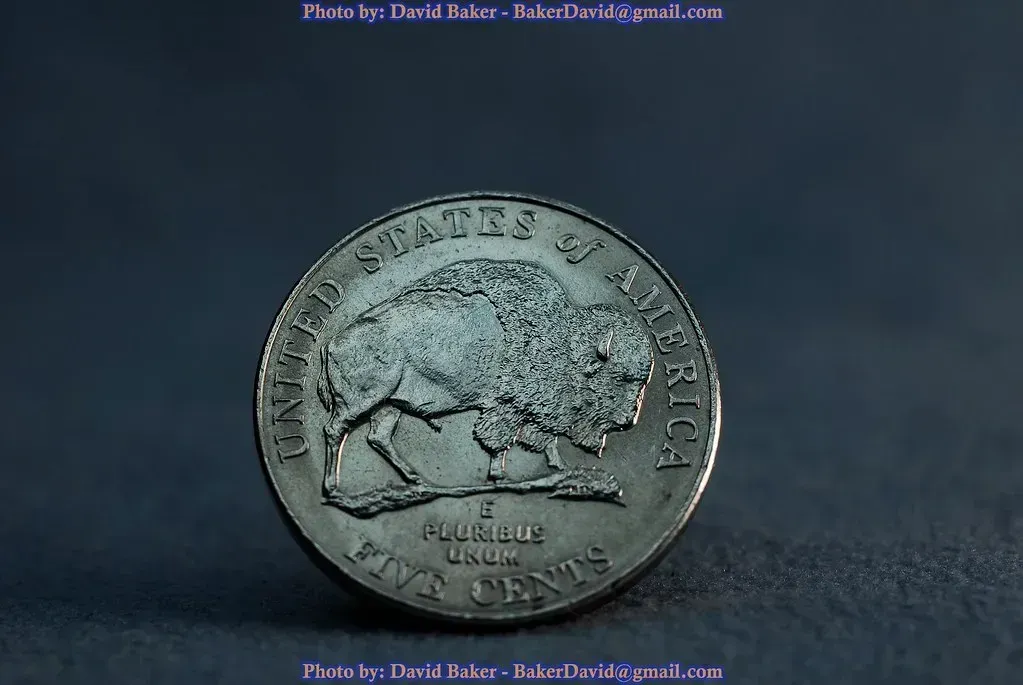
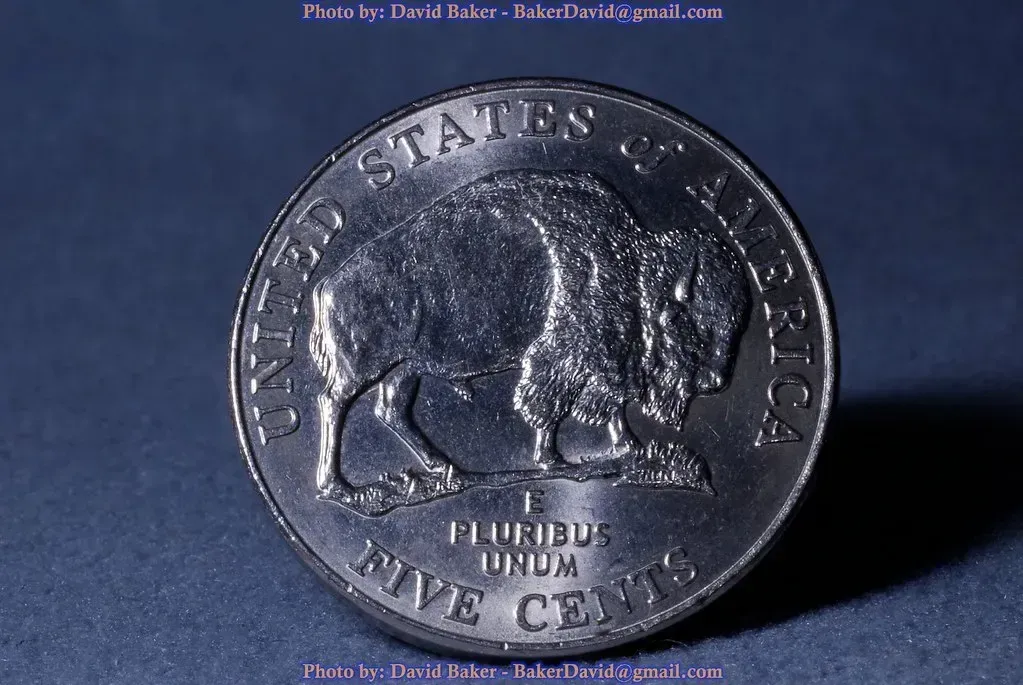
The Buffalo nickel was designed by James Earle Fraser, and first released in 1913, representing a bold departure from previous American coinage. Three Native American Chiefs modeled for Fraser sometime in the early 1900s – Chief Iron Tail, Chief Big Tree, and Chief Two Moons – and all three men at the time were performers in Wild West Shows in New York City. The buffalo was modeled after Black Diamond, a bison from the Central Park Zoo in New York, cementing the coin’s distinctly American character. Buffalo nickels were made from 1913 through 1938 inclusive, and in contrast to earlier designs, they are more like a medal than a coin with very little flat area on either the obverse or reverse, appearing almost sculpted.
The Rarest Specimens Command Astronomical Prices
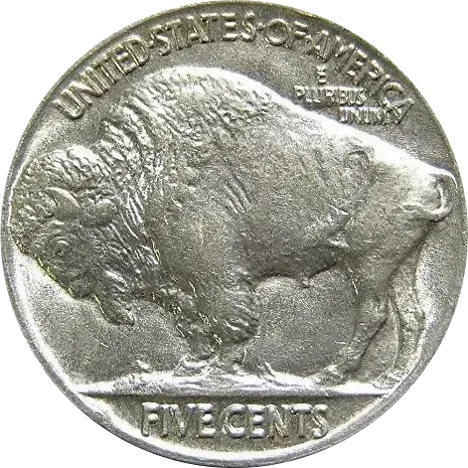
The 1918/7-D nickel is undoubtedly the rarest in the Buffalo nickel series and one of the most important coins of the 20th century, setting an auction record when it sold for $350,750 in 2006. The legendary overdate variety was created when a 1917 working die was repunched with 1918, and the underlying “7” is clearly visible beneath the “8,” with Mint State survivors being rare because it circulated heavily before being discovered. The 1926-S Buffalo Nickel had the lowest mintage with only 970,000 pieces struck, making it extremely difficult to find in high grades. An MS66-grade 1926-S nickel sold for $322,000 in 2008, with the San Francisco Mint producing only 970,000 pieces compared to Philadelphia’s production of over 44.693 million coins that same year, creating significant rarity.
The Famous Three-Legged Error That Changed Everything
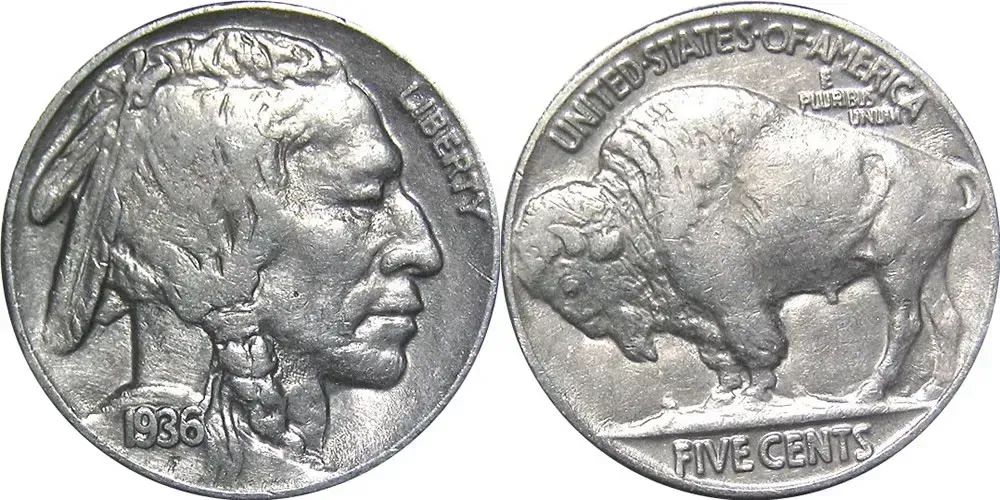
The most legendary variety of the 1937 Buffalo nickel is the 1937-D Three-Legged Buffalo, which occurred when a mint worker excessively polished a reverse die to remove damage, accidentally erasing the buffalo’s front right leg. Montana coin dealer C.L. “Cowboy” Franzen discovered the first examples in late 1937 and subsequently marketed them, and by 1965, dealer Ken Nichols was selling examples ranging from Fine to About Uncirculated for $40 to $95. Numismatic experts believe approximately 10,000 of the 1937-D 3-Legged Buffalo nickels survive, with the vast majority in circulated grades. In 2021, a three-legged nickel graded MS66 was sold for $99,875.00 at Legend Rare Coin Auctions, demonstrating the enduring appeal of this dramatic minting error.
Real Stories of Financial Transformation
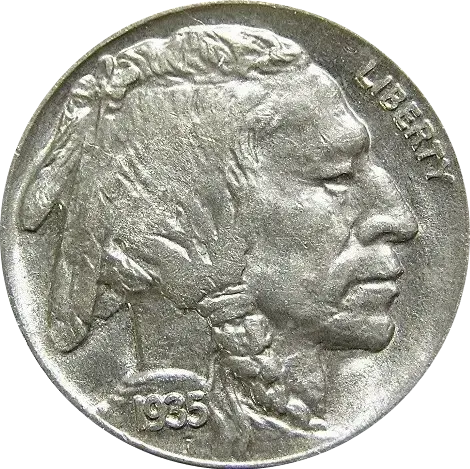
In some cases, entire rolls of nickels stored decades ago have resurfaced, revealing rare dates in exceptional condition, with one well-known case involving a 1937-D Three-Legged Buffalo Nickel found among inherited coins, later selling for tens of thousands of dollars, reinforcing why collectors never stop searching. The financial impact extends beyond individual discoveries. The 1937-D Three-Legged Buffalo in circulated grades commands $500 to $1,500, while Mint State examples reach $10,000 to $50,000 or more, with these premium prices reflecting documented auction results and dealer listings as of December 2025. These valuations show how a single coin can represent a life-changing windfall for someone who inherited a collection or stumbled upon forgotten family treasures.
How Condition Determines Value
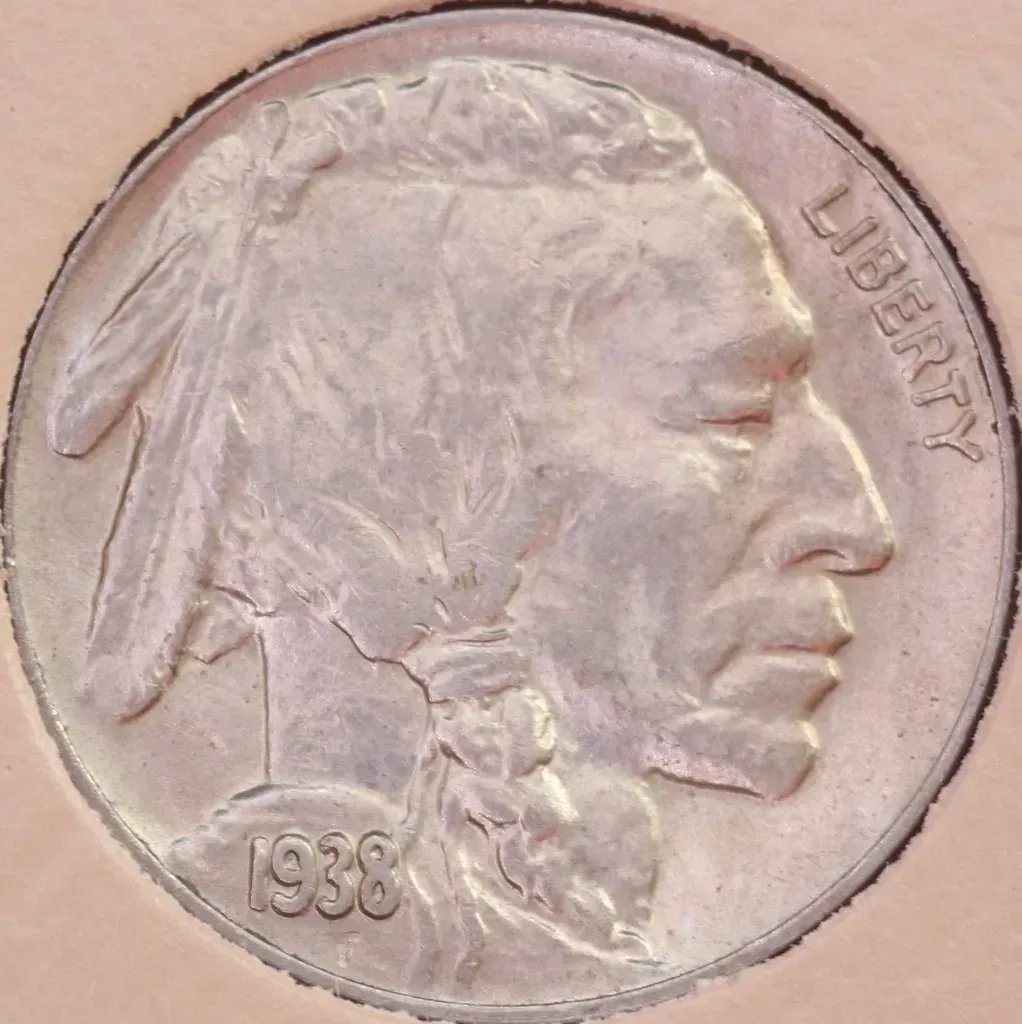
The high relief of the Buffalo nickel design created inherent weakness, as the high points – notably the cheek, feathers, and hair on the obverse and the buffalo’s back on the reverse – wore away easily, making high-grade examples extremely scarce, and the combination of sustained collector interest and limited supply of well-preserved examples has driven Buffalo nickel values consistently higher over decades. The highest grade PCGS has received for the 1928-S is MS 67, with only one submitted, which they estimate at $30,000 in May 2025, and MS 66 examples with almost seventy submissions are valued at $5,000 in 2025. Professional grading makes a substantial difference in marketability and final sale price, particularly for coins in exceptional preservation.
Semi-Key Dates Offer Accessible Entry Points
Beyond the famous rarities, several semi-key dates offer excellent entry points for collectors building Buffalo nickel portfolios, including the 1913-D Type 2, 1914-D, 1915-S, 1921-S, 1924-S, 1926-S, and 1927-S, which command premiums above common dates, ranging from $8 to $75 in circulated condition depending on grade, while Mint State examples bring $100 to $1,000 or more. The 1920-D, although over 9 million were minted, is notoriously difficult to find with sharp strikes, making fully detailed examples condition rarities among the toughest in the series, with collectors advised to look for strong detail in the bison’s hind legs and tail since most coins are weakly struck. These semi-key dates provide realistic opportunities for collectors to build wealth gradually through strategic acquisitions.
Modern Market Dynamics in 2024 and 2025
Coins graded by respected outfits like NGC and PCGS have sold for anywhere between $705 and $2,640 at auction, and on eBay, a “gem” status of the error coin sold for $5,200.64 in December 2024, while in November 2024, a “near-gem” coin sold for $7,522. Market conditions fluctuate based on collector demand, economic factors, and available supply, making timing an important consideration for both buyers and sellers. According to APMEX pricing data, MS-67 grade 1937-D Three-Legged specimens are valued at $121,750, MS-66 at $50,995, and MS-65 at $24,995, reflecting the steep premium that top-grade examples command in today’s market.
Authentication Challenges and Counterfeit Concerns
Fraudsters file down regular 1937-D nickels to simulate the missing leg, creating worthless fakes that fool inexperienced collectors, and according to numismatic experts, professional authentication is essential before paying premium prices for any high-value variety. Due to high demand for authentic Three-Legged varieties, counterfeit and altered coins exist, making professional authentication extremely important. Buffalo nickels worth $100 or more in raw condition benefit significantly from third-party grading by PCGS or NGC, as a coin believed to be MS-64 might grade MS-65, increasing value by 50 to 200 percent, while discovering environmental damage or cleaning before purchasing saves money, with grading fees ranging from $20 to $75 depending on service level and declared value.
The Cultural Impact Beyond Monetary Value
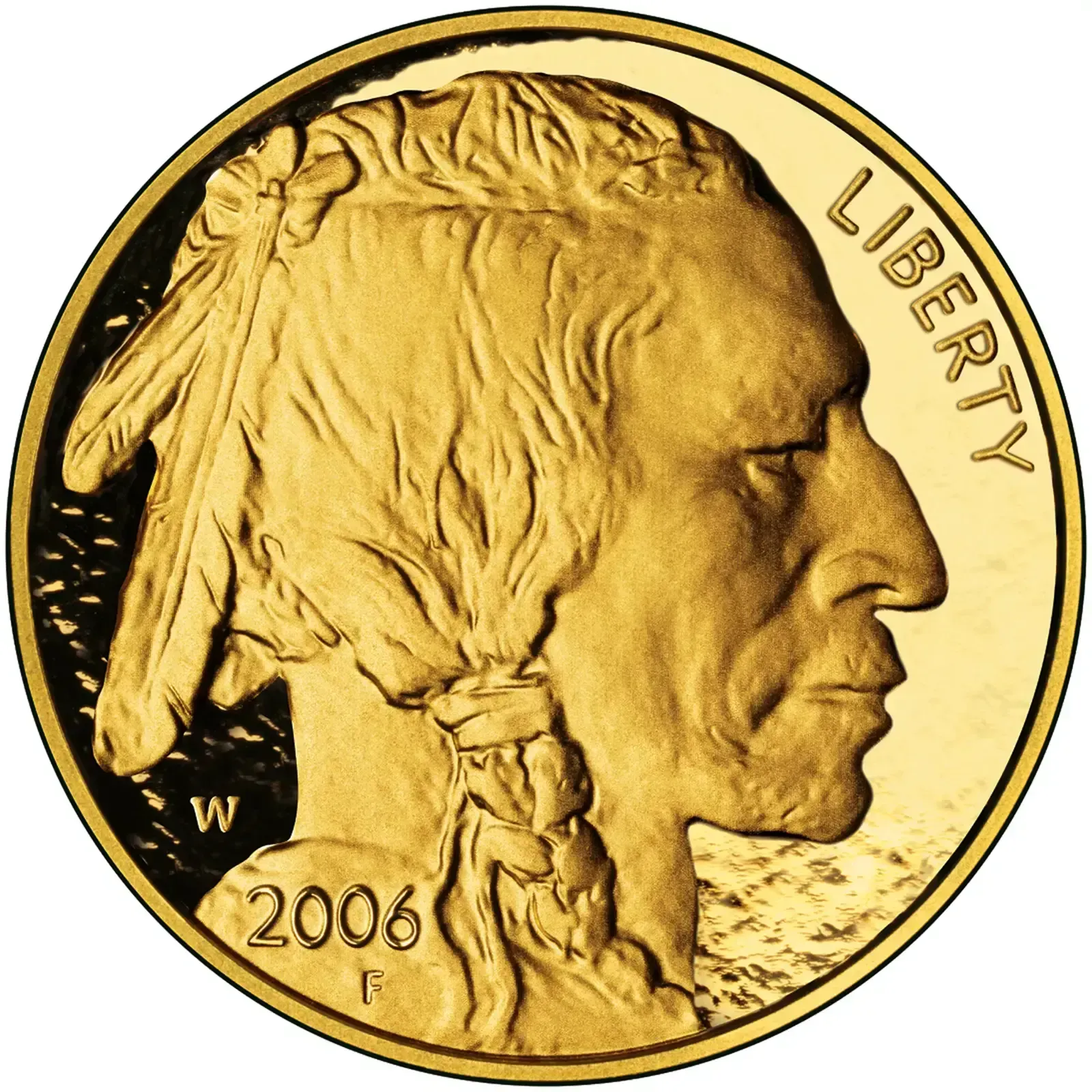
The appeal of the Buffalo Nickel goes beyond money, as its design and symbolism connect collectors to a period when America was redefining itself, making every surviving coin a small historical artifact representing a time when American coinage embraced bold artistic expression, and as fewer high-quality examples remain, interest continues to grow, especially among new collectors drawn to iconic designs. In 2001, the design was selected for a commemorative silver dollar coin with 500,000 pieces minted that sold out in just a few weeks, and in 2006, a modified version of Fraser’s design was used for American Buffalo gold bullion coins, marking the first time the United States Government minted pure .9999 24-karat gold coins for the public, all currently struck at the West Point Mint.
From Five Cents to Financial Freedom
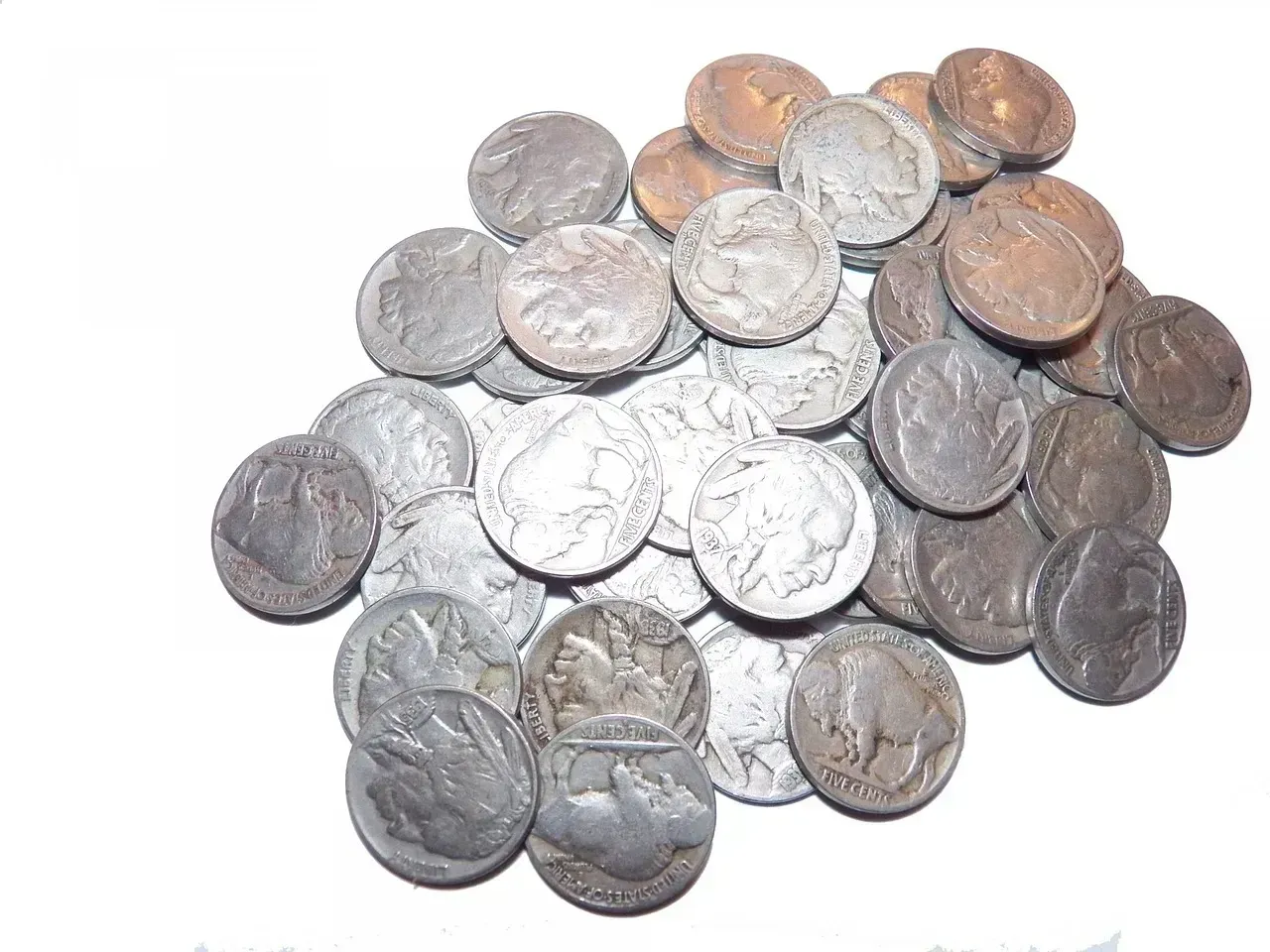
While many Buffalo Nickels trade for only a few dollars in circulated grades, the rarest examples have shattered records at auction – some bringing well over $300,000 – covering the 10 most valuable Buffalo Nickels, complete with collector values in circulated and uncirculated grades, plus auction records that show just how high demand can go. These coins achieve six-figure prices due to mint errors, extremely low mintages, poor typical strike quality making pristine examples exceptionally rare, and superior preservation grades, demonstrating how manufacturing mistakes, scarcity, and condition can transform five-cent coins into museum-quality treasures worth more than houses. For individuals who discover these rarities unexpectedly, the financial transformation can be profound. The data clearly shows that even modest five-cent denominations can grow into tens of thousands of dollars, turning forgotten change into genuine wealth.