Why Expats Are Moving to These 3 South American Cities – It’s Not Just the Weather
South America has quietly become one of the most attractive destinations for expats looking to stretch their savings while still enjoying a comfortable, vibrant lifestyle. It’s not just about eternal spring temperatures or palm trees swaying in the breeze. Something deeper is drawing digital nomads, retirees, and professionals to three specific cities.
These destinations offer something rare in today’s economy: a high quality of life at an accessible price. Think modern infrastructure, growing expat communities, and real opportunities to live well without constantly checking your bank balance. While each city has its own unique flavor, they share a common thread of affordability paired with surprising sophistication.
Medellín, Colombia: The City of Transformation
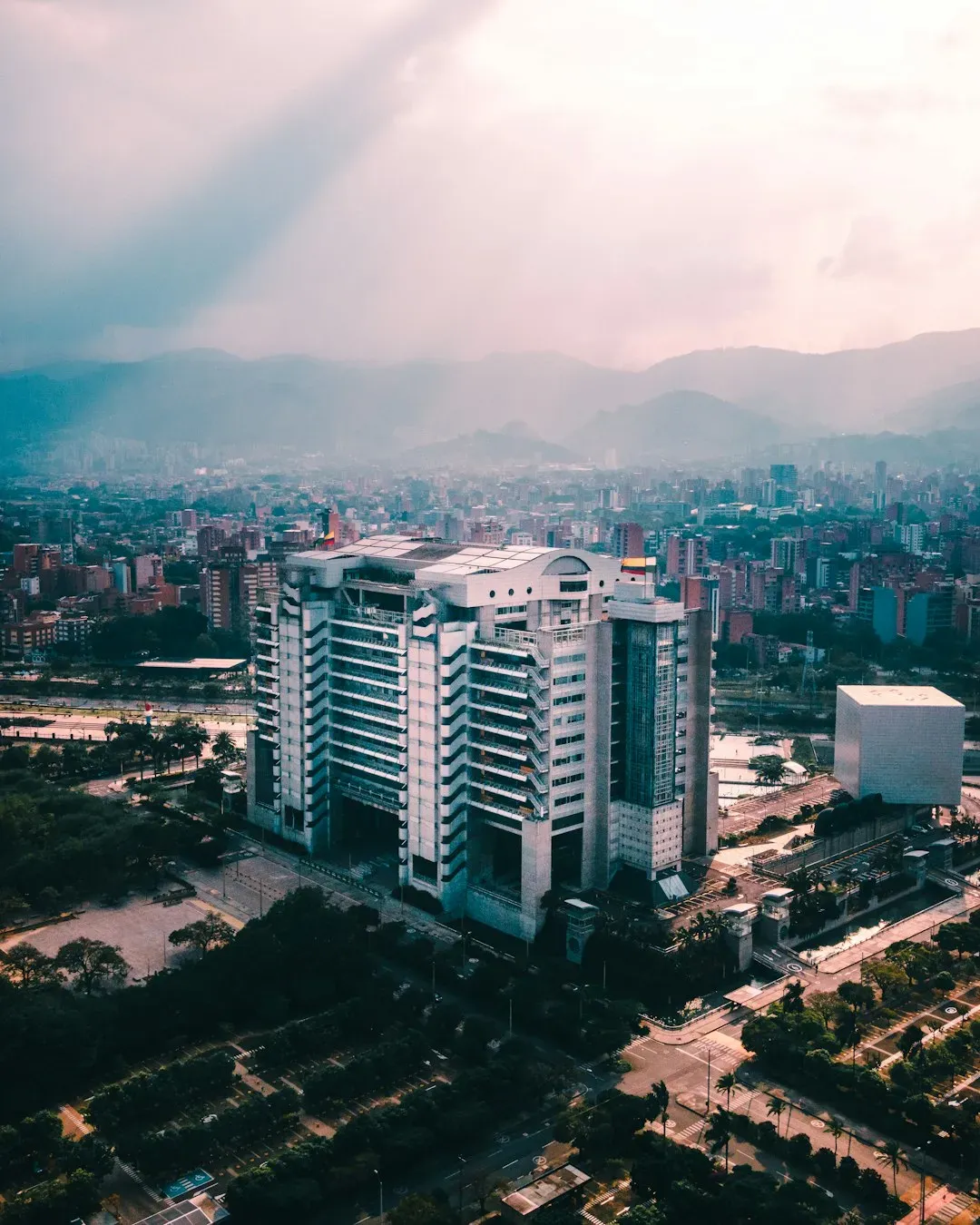
Medellín has transformed from its notorious past into a thriving metropolis nicknamed “The City of Eternal Spring” for its perfect year-round climate, averaging around 72 degrees Fahrenheit. Yet the weather is just the beginning of what makes this Colombian city magnetic to expats. The city has experienced a remarkable transformation in recent years, shedding its historical reputation for insecurity, and the change is palpable when you walk through neighborhoods like El Poblado or Laureles.
Recent data from October 2024 estimates that a monthly budget of around 8,085,000 Colombian pesos (approximately $1,925) allows a modest lifestyle in Medellín, while living well ranges between roughly $2,000 and $2,400 USD per month. The cost of living is roughly 50% lower than most U.S. cities, meaning your dollar genuinely stretches further here. That’s not just theoretical savings; expats report that their monthly costs are about a third of what they were paying at home.
The infrastructure tells a different story than you might expect from a South American city. WiFi reliability is rarely an issue in the city center, with speeds around 30 Mbps at home, and coworking hubs throughout the city make remote work seamless. The metro system is clean and efficient, a rarity in Latin America, and public transport is budget-friendly and reliable. Healthcare quality rivals many developed nations, with private doctor visits ranging from around $20 to $50 compared to hundreds in North America.
What truly sets Medellín apart is its thriving expat community. In 2023, Buenos Aires accepted more than 72,000 digital nomads, showing how Latin America has become a hub for remote workers, and Medellín features prominently in that trend. The community aspect matters when you’re building a life somewhere new; you’re not isolated but surrounded by others navigating the same transition.
Buenos Aires, Argentina: European Elegance at South American Prices
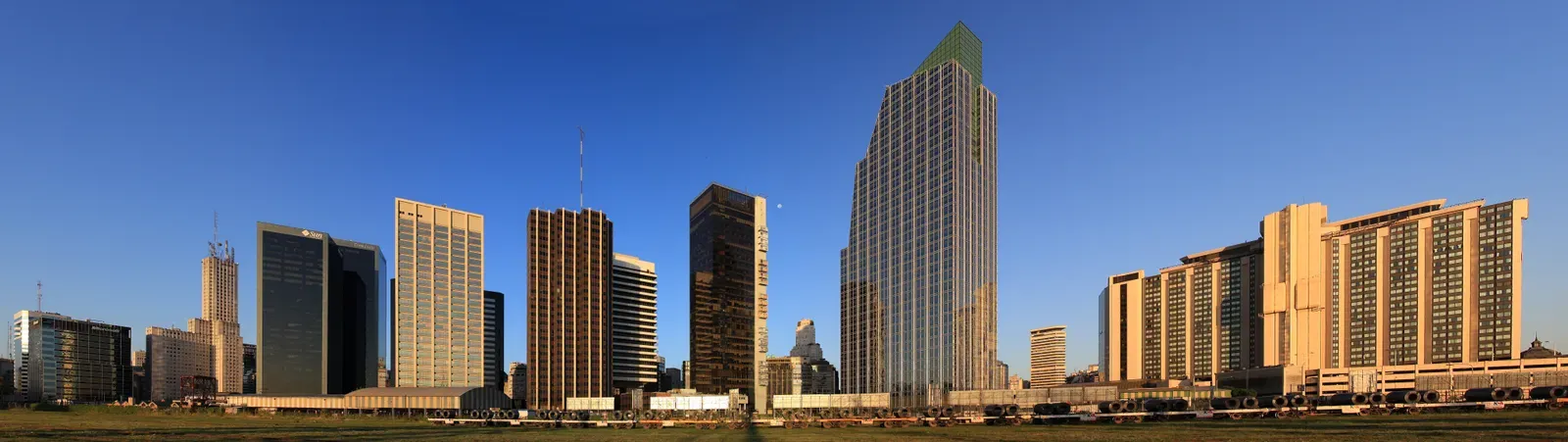
Buenos Aires is often dubbed the “Paris of South America” for its grand architecture and vibrant arts scene, and honestly, the comparison isn’t far off. Walking through neighborhoods like Recoleta or San Telmo feels like stepping into a European capital, except everything costs significantly less. Buenos Aires feels like a European capital located in Latin America at roughly half the cost.
The financial appeal here is undeniable, particularly for those earning in stronger currencies. Argentina is renowned for being one of the world’s cheapest countries for digital nomads, with a single person’s estimated monthly costs around $441.90 without rent. Baseline monthly costs are estimated between $1,000 and $1,500 in 2024, with average rent for a one-bedroom apartment in the city center approximately $280 per month. Let’s be real: you’re not finding that anywhere in North America or Europe anymore.
Argentina is now in the top 3 most attractive countries for digital nomads worldwide because of its low cost of living, according to rankings from platforms tracking remote work destinations. In 2023, the City of Buenos Aires accepted more than 72,000 digital nomads, a number that speaks to how word has spread about this gem. The city launched a digital nomad visa in 2022, allowing remote workers to stay and work in the country for 1 up to 3 years, making the bureaucratic side surprisingly manageable.
Beyond affordability, Buenos Aires offers cultural richness that rivals any global city. The city boasts world-class dining, theater, architecture, cafes, restaurants, bars, clubs, and shops. The tango scene pulses through the streets at night, bookstores line historic avenues, and the language exchange events here are considered among the best for those trying to learn languages or network with locals and internationals. You’re not sacrificing culture for cost; you’re getting both.
Montevideo, Uruguay: The Safe Haven
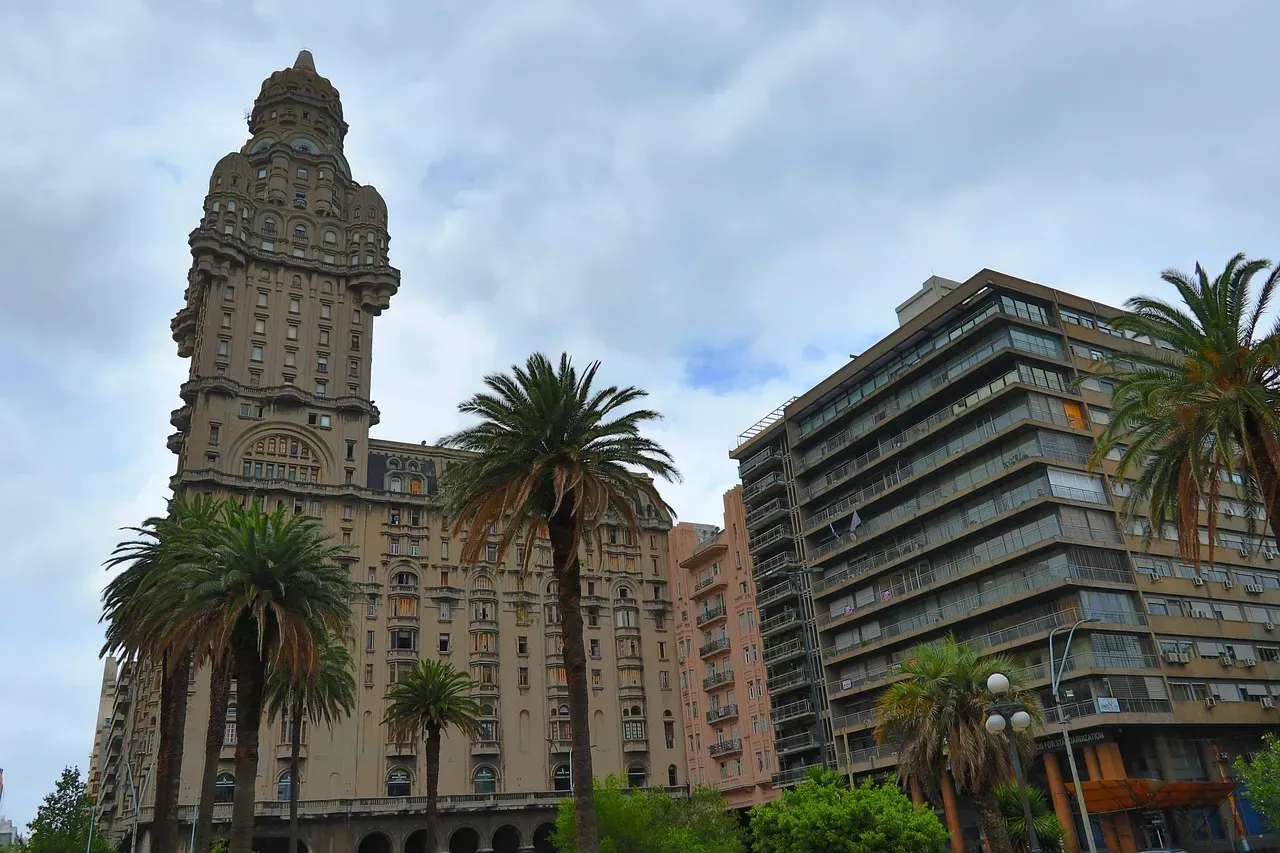
Uruguay is consistently ranked as the most stable and safe country in South America, and its capital Montevideo embodies that reputation perfectly. While it might not have the flashy reputation of Medellín or Buenos Aires, this coastal city offers something increasingly valuable: peace of mind. Uruguay is often ranked as South America’s safest country, with low crime rates in Montevideo.
The cost of living is affordable at $700 to $1,200 per month for a single expat, with a one-bedroom apartment in Montevideo costing $400 to $700. It’s not the absolute cheapest on the continent, yet the value proposition becomes clear when you factor in quality of life. Uruguay is a modern country noted for its high standard of living, top healthcare, and strong economy. You’re paying slightly more for stability, security, and progressive policies that make everyday life smoother.
The healthcare system deserves particular mention. Montevideo’s private clinics, such as Hospital Británico, are expat-friendly, while public healthcare is free but slower. Uruguay ranks highly for political stability, low crime rates, and Colombia’s healthcare ranks among the best globally in the region. The infrastructure is reliable, the beaches are accessible, and Montevideo provides a laid-back coastal lifestyle without the chaos of larger metropolitan areas.
What Montevideo lacks in size, it makes up for in livability. The residency process is easy, the lifestyle is eco-friendly, and locals are welcoming, though there are limited job opportunities for non-remote workers. Growing expat communities exist in Montevideo and Punta del Este, with retiree-focused groups and coworking spaces for digital nomads. You won’t find the massive expat networks of Medellín here, yet the smaller community creates tighter bonds and easier integration into local life.