The Most Dangerous Countries to Live in 2025, Based on Crime Rates
Violent crime remains one of the most pressing challenges facing nations across the globe. From organized gang activity to systemic corruption, certain countries struggle more than others to provide basic safety for their residents. Let’s be real, when researchers compile crime statistics, they’re measuring something that goes far beyond just numbers. They’re quantifying fear, instability, and the breakdown of social order in places where people are simply trying to live their lives.
Multiple data sources track these trends, though comparing them can be tricky. According to Numbeo’s Crime Index compiled mid-year 2025, Haiti leads with a crime index of 81.0, followed by Papua New Guinea at 80.7 and Venezuela at 80.5. These figures represent perception-based metrics combined with reported crime data, painting a grim picture of daily existence in these nations. What really stands out is how consistent these rankings remain across different measurement systems.
Haiti: Where Gang Violence Has Spiraled Out of Control
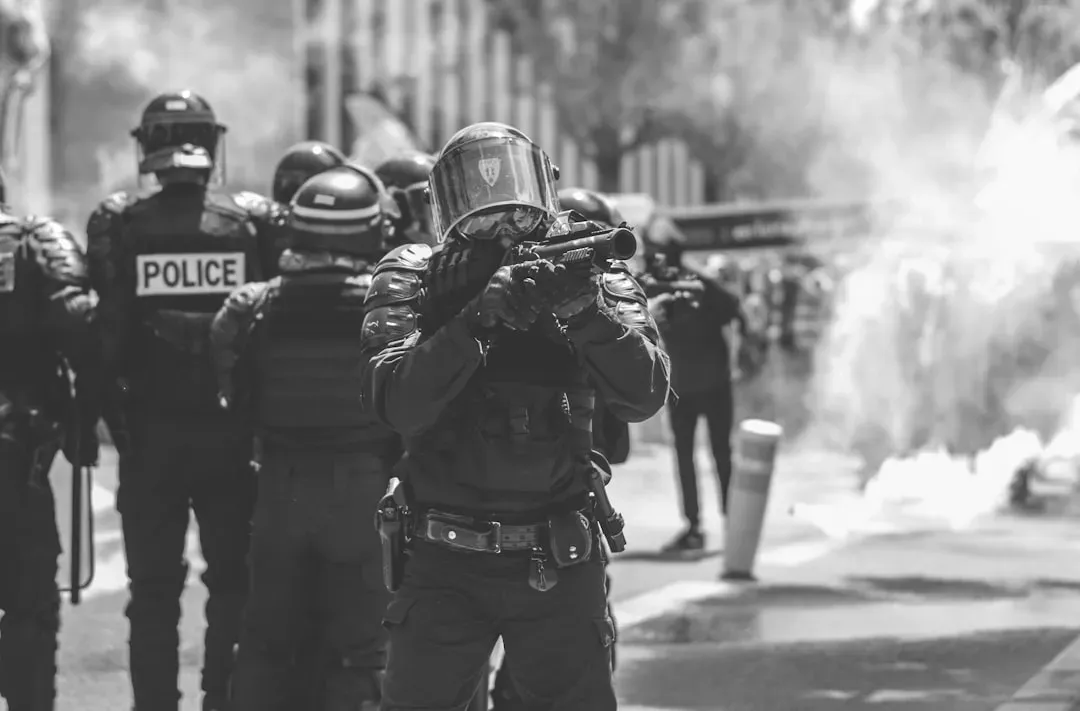
It’s hard to comprehend just how dire the situation has become in Haiti. Haiti recorded over 5,600 deaths from gang violence in 2024, with homicide rates reaching 40.85 per 100,000 inhabitants in 2023. To put that into perspective, that’s roughly eight times higher than what the World Health Organization considers an epidemic level of violence.
Haiti’s ongoing political instability has allowed gang violence to flourish, with an estimated 150 to 200 gangs controlling as much as 60 to 100 percent of the capital, Port-au-Prince, and in 2023 the country saw 4,789 murders and 2,490 kidnappings, nearly double the previous year’s figures. Gangs have essentially become parallel governments in many neighborhoods, extracting protection money and controlling essential services. Firearms and drug trafficking, particularly from the United States and the Dominican Republic, fuel much of the violence, while gangs have taken control of key infrastructure including ports and fuel terminals.
Papua New Guinea: A Nation Gripped by Criminal Gangs

Papua New Guinea presents a different but equally troubling picture. Papua New Guinea has a crime index of 80.7, making it consistently rank among the top three most dangerous countries globally. Here’s the thing: unlike countries torn apart by civil war or narcotics trafficking, Papua New Guinea has maintained relatively high crime rates for decades without those specific catalysts.
In Papua New Guinea, crime, especially violent crime, is primarily fueled by rapid social, economic, and political changes, while Raskol gangs engage in small and large-scale criminal activity and consist mainly of members with little education and few employment opportunities. The major cities of Port Moresby, Mount Hagen and Lae have become hotspots for many forms of violent criminal behaviour including theft, carjacking, breaking and entering, domestic violence, sexual assault, and murder. Organized crime in the form of corruption is also common in major cities and largely contributes to the high crime rate, while the geography of Papua New Guinea makes it appealing for drug and human trafficking.
Venezuela: Political Turmoil Meets Economic Collapse
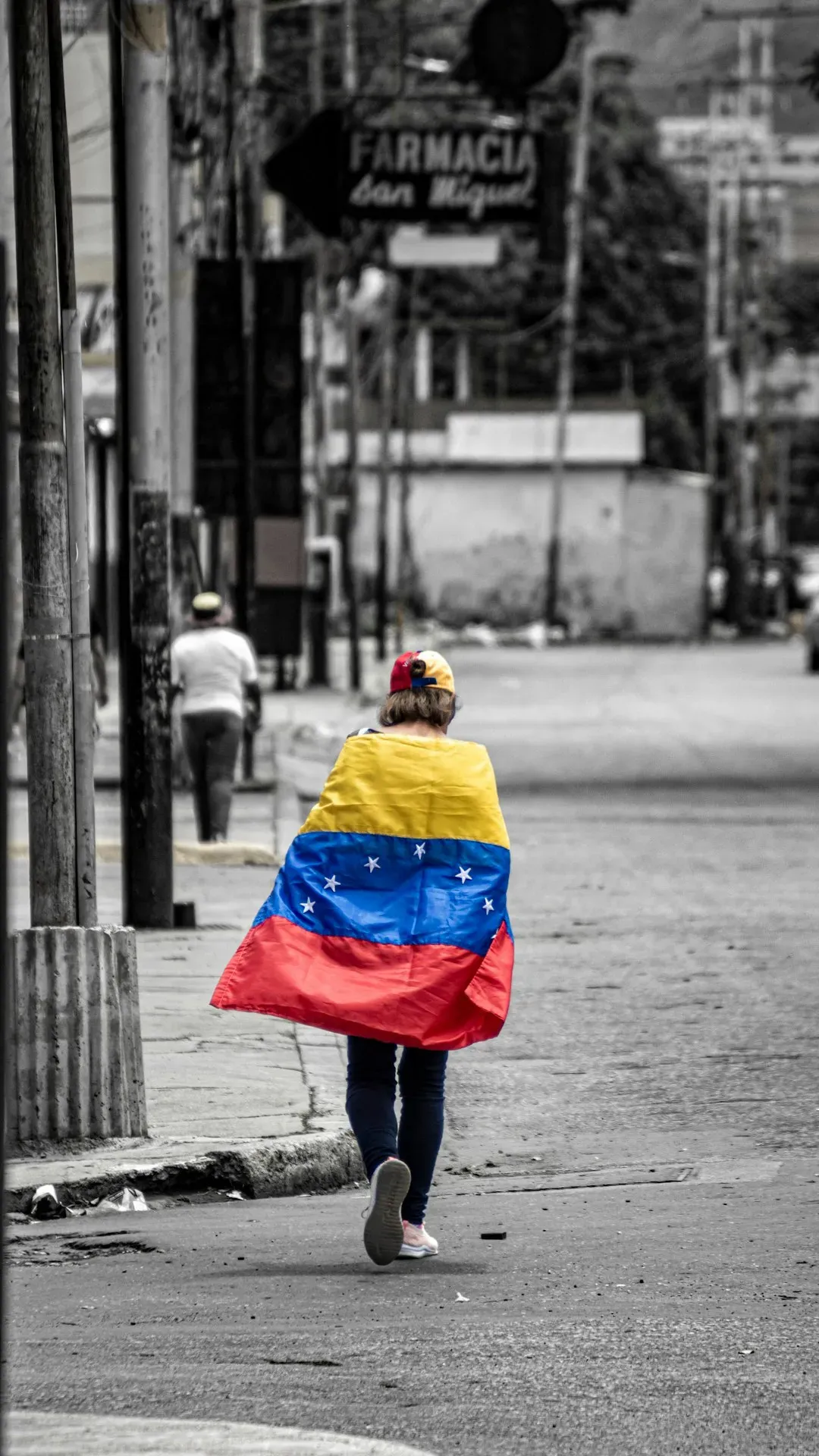
Venezuela is not just risky by the standards of Latin America, it has one of the highest rates of violent crime, corruption, and unrest in the world, with the capital city of Caracas being a focal point for violent demonstrations, organized crime, robbery, kidnapping, and homicide. What’s fascinating about Venezuela is that recent data shows crime rates have actually declined, though not for reasons anyone would celebrate.
Venezuela’s ongoing economic crisis has squeezed both ordinary citizens and the country’s criminal groups, with economic decline in the labor and commercial sectors leaving businesses and citizens unable to pay criminal groups, reducing opportunities for extortion and ransom kidnappings. Essentially, the country’s economy collapsed so thoroughly that there’s less to steal. The country held the sixth position for the highest homicide rate in Latin America, recording 26.8 homicides per 100,000 inhabitants in 2023, even after experiencing a steady decrease in the rate over the years. The U.S. Department of State has issued a Level 4 travel advisory for Venezuela, indicating that it is unsafe to travel to the country, with Venezuela’s high crime rates attributed to reasons including government corruption, a flawed judiciary system, and the breakdown of the Rule of Law.
Afghanistan: Crime Amid Ongoing Conflict
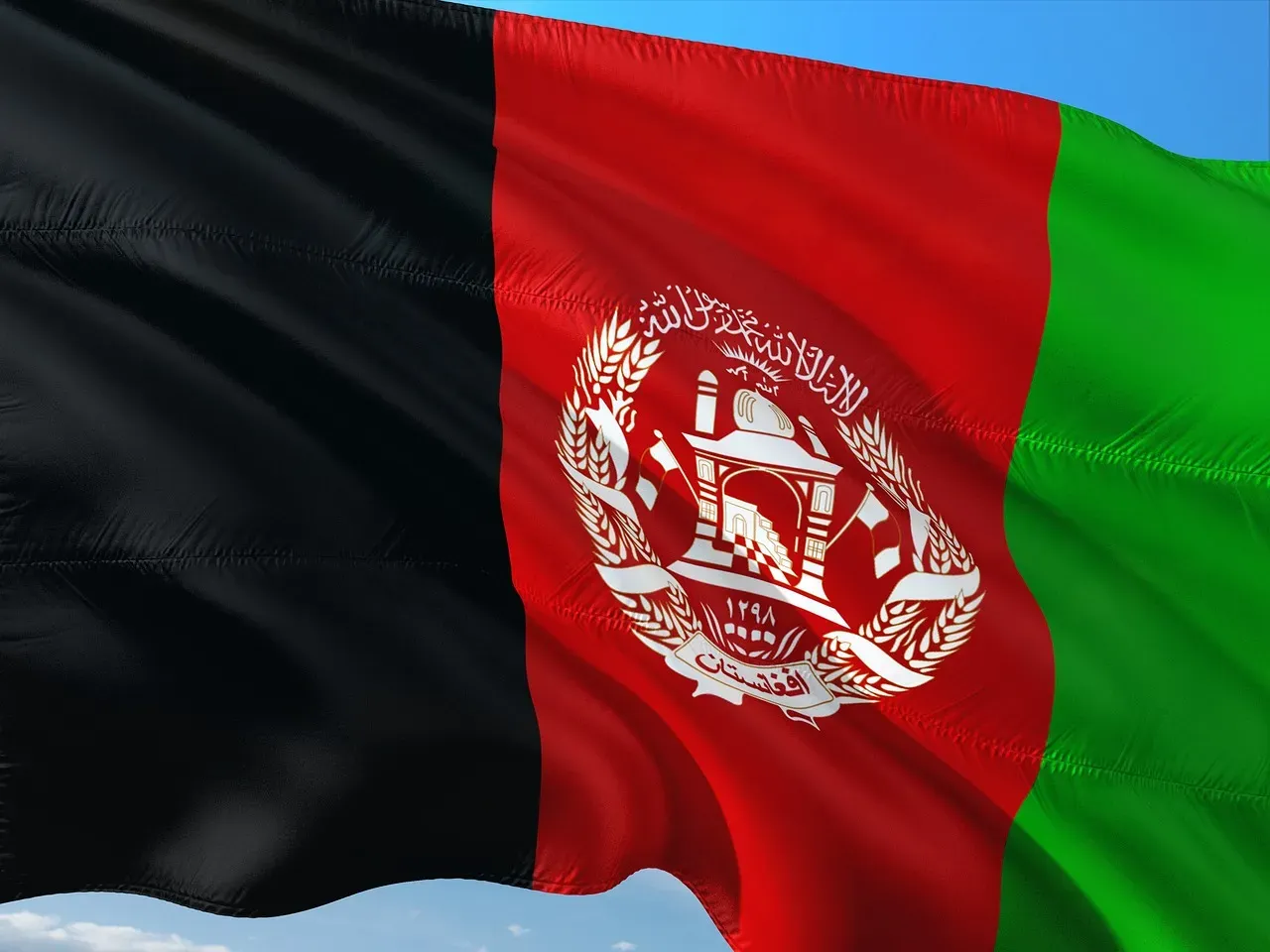
Afghanistan has the fourth highest crime rate, with crime present in various forms including corruption, assassinations, contract killings, drug trafficking, kidnapping, and money laundering. The country’s situation differs from others on this list because much of its violence stems from ongoing conflict and the collapse of traditional governance structures.
Afghanistan supplied 85 percent of the world’s illicit opium in 2020, and while the Taliban, which regained control of the country in 2021, has pledged to stamp out the opium industry, it is such a vital part of the country’s struggling economy that it will be difficult to eliminate. The drug trade essentially became woven into the economic fabric during decades of instability. Widespread unemployment adds additional fuel for many of the country’s crimes, such as robbery and assault. Honestly, when basic economic opportunities disappear completely, desperate people often turn to desperate measures.
South Africa: Violence Despite Development

South Africa presents perhaps the most paradoxical case among these five nations. Unlike the others, it has relatively developed infrastructure and democratic institutions, yet struggles with staggering crime rates. South Africa has a crime index of 74.6, which is to be considered high.
South Africa has a notably high rate of assaults, rape, homicides, and other violent crimes, which has been attributed to several factors including high levels of poverty, inequality, unemployment, social exclusion, and the normalization of violence. South Africa has one of the highest rape rates in the world, with more than one in four men surveyed by the South African Medical Research Council admitting to committing rape. Recent quarterly data offers some hope though. The latest police statistics show notable drops in major violent crimes when comparing January through March 2025 with the same quarter in 2024, with murder levels decreasing by 12.4 percent to 5,727 murders, or an average of 64 per day. Whether this represents a genuine turning point or temporary fluctuation remains to be seen.
These five countries share troubling commonalities: weak institutions, economic instability, and cycles of violence that prove incredibly difficult to break. The human cost behind these statistics is immeasurable. What patterns do you see in your own community’s safety trends?