11 Leftovers Scientists Warn Can Become Unsafe in Just One Night
Most of us have been there. You cook a big meal, eat until you’re full, and toss the rest in the fridge for tomorrow’s lunch. It seems harmless enough. Yet what many people don’t realize is that some foods transform from perfectly safe to potentially dangerous in mere hours, even when refrigerated.
The truth is, not all leftovers are created equal. Perishable foods should never be kept at room temperature for longer than two hours, and some items require even more careful handling. Here’s what you absolutely need to know about the leftovers lurking in your refrigerator.
Cooked Rice Can Harbor Heat-Resistant Toxins
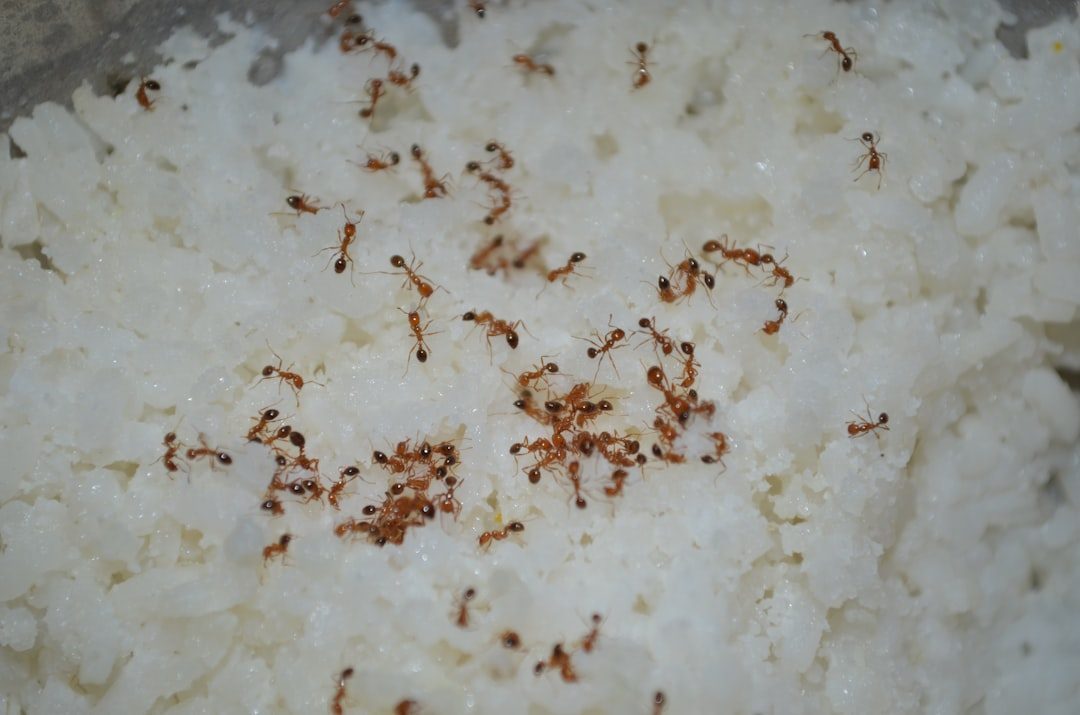
Bacillus cereus is a toxin-producing bacteria that is one of the most common causes of food poisoning, also called “fried rice syndrome”. What makes this particularly scary is that the bacteria naturally live on uncooked rice grains. B. cereus is frequently present in uncooked rice, and heat-resistant spores may survive cooking. When cooked rice sits at room temperature, these spores germinate and produce toxins.
Food poisoning cases account for After the rice is cooked, it is often left at room temperature for more than two hours to cool before frying it with other ingredients, which creates the perfect conditions for bacterial growth. Reheating it doesn’t get rid of the toxins the bacteria have already produced, making this one of the most dangerous leftover situations.
Chicken and Other Poultry Create Perfect Conditions for Salmonella
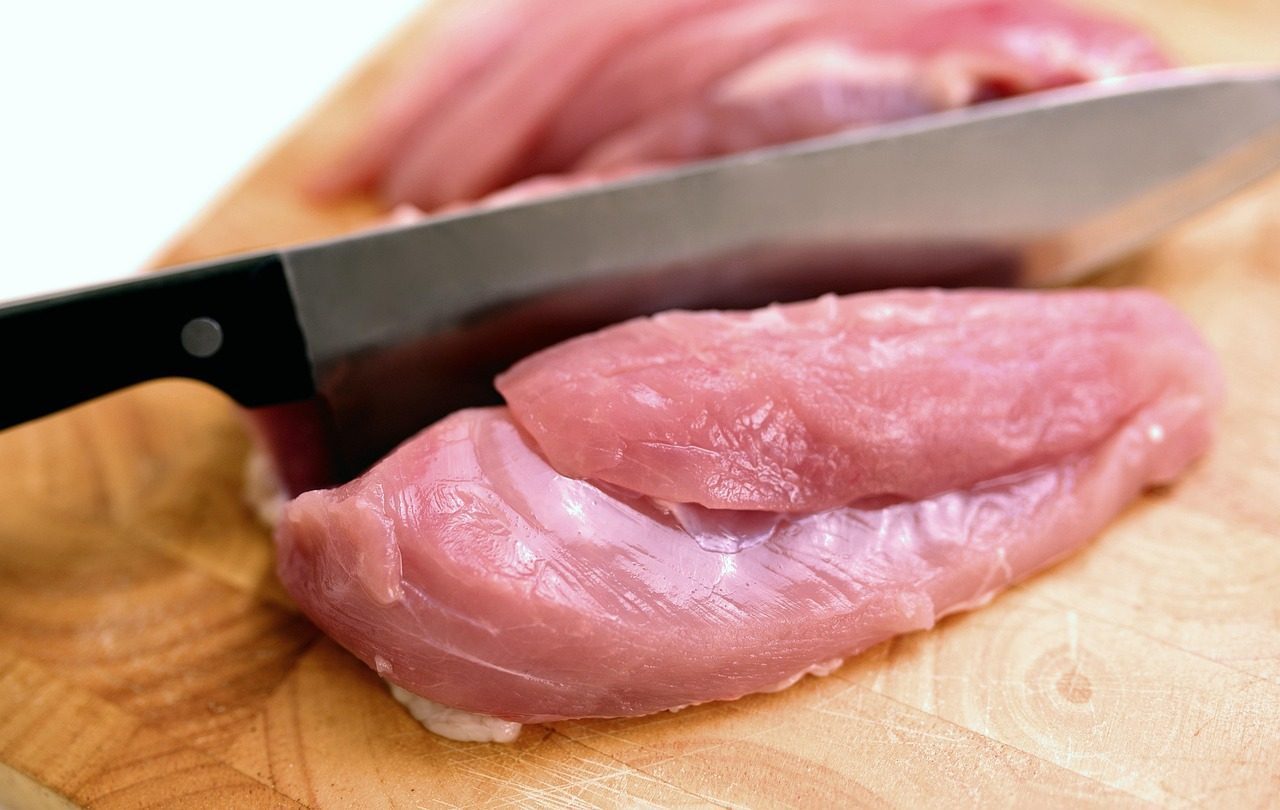
CDC estimates that Salmonella causes more foodborne illnesses than any other bacteria, chicken is a major source of these illnesses Even properly cooked chicken can become contaminated again through improper storage. Cooked chicken can become contaminated with Salmonella if it is not handled or stored properly after cooking, and improper handling afterward, such as not refrigerating leftovers promptly or cross-contaminating with raw meat, can introduce Salmonella back onto the cooked chicken.
The danger zone matters here. Refrigerate or freeze leftover chicken within 2 hours (or within 1 hour if the food is exposed to temperatures above 90°F, like in a hot car or at a picnic). What’s unsettling is that contaminated food often shows no signs of spoilage. Food that is contaminated with Salmonella or other harmful germs usually looks, tastes, and smells normal.
Seafood and Fish Build Up Histamine at Alarming Rates
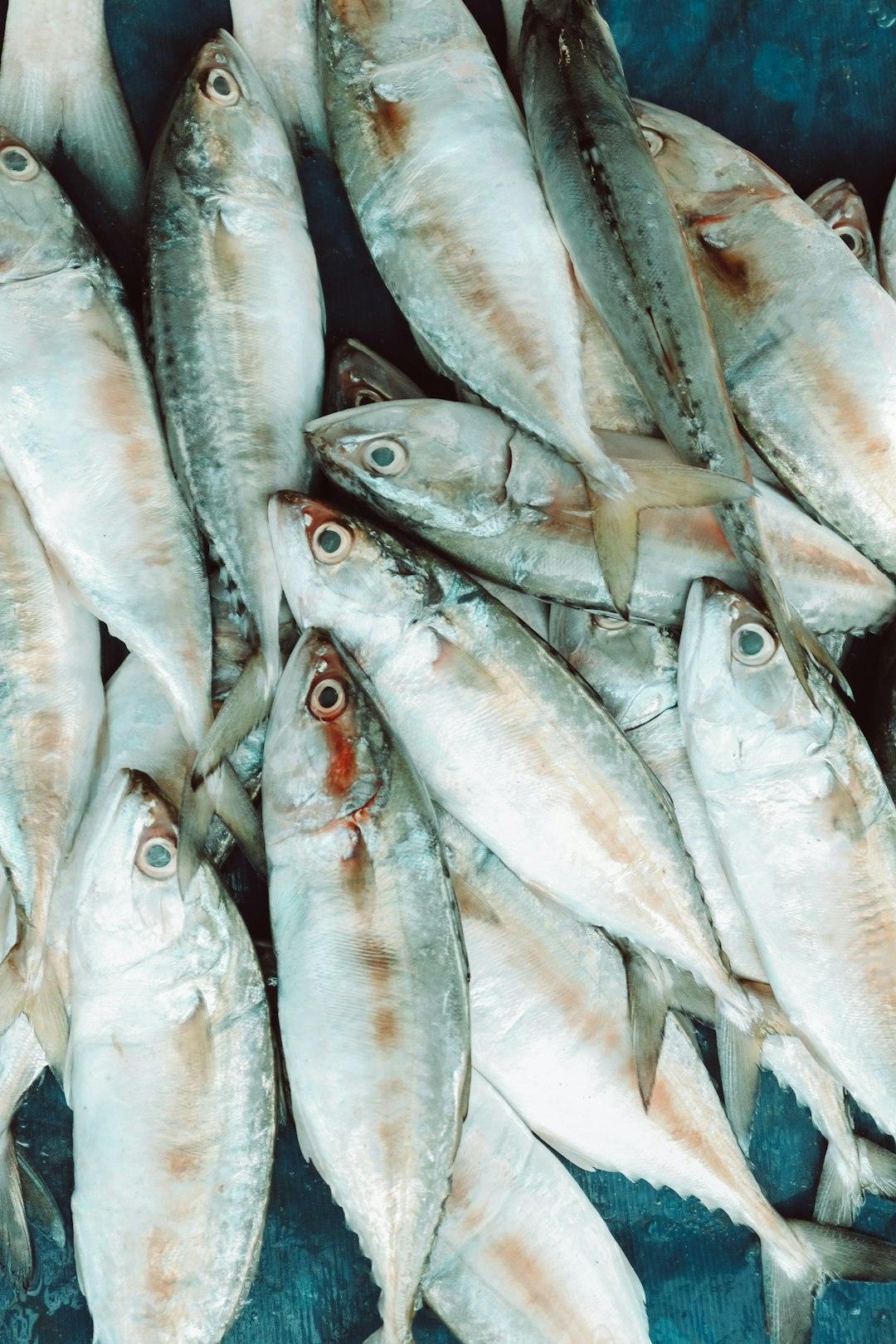
Histamine poisoning is one of the main causes of foodborne illness related to fish consumption. Unlike bacterial contamination, histamine poisoning is a chemical reaction. The primary toxic agent implicated in scombroid toxicity is histidine, which is normally found in the dark meat of fish, and breaks down to histamine in temperatures warmer than 4 degrees Celsius. Fish like tuna, mackerel, and mahi-mahi are particularly susceptible.
Here’s where it gets tricky. Histamine is not degraded by cooking, freezing or canning, so once it forms, there’s no fixing it. Fish and other seafood products can easily be contaminated by HPB, and histamine production and accumulation normally rapidly begins at room temperature (such as 25°C). In general, the first symptoms appear 30 minutes after the meal, which can include flushing, headaches, and nausea.
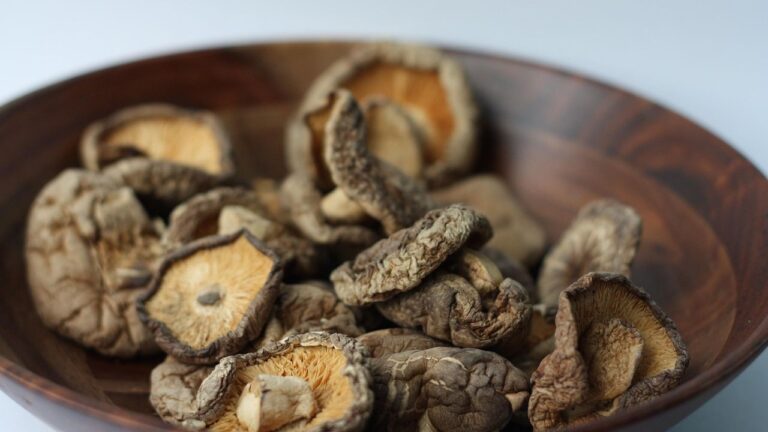
Cooked Mushrooms Experience Rapid Protein Breakdown
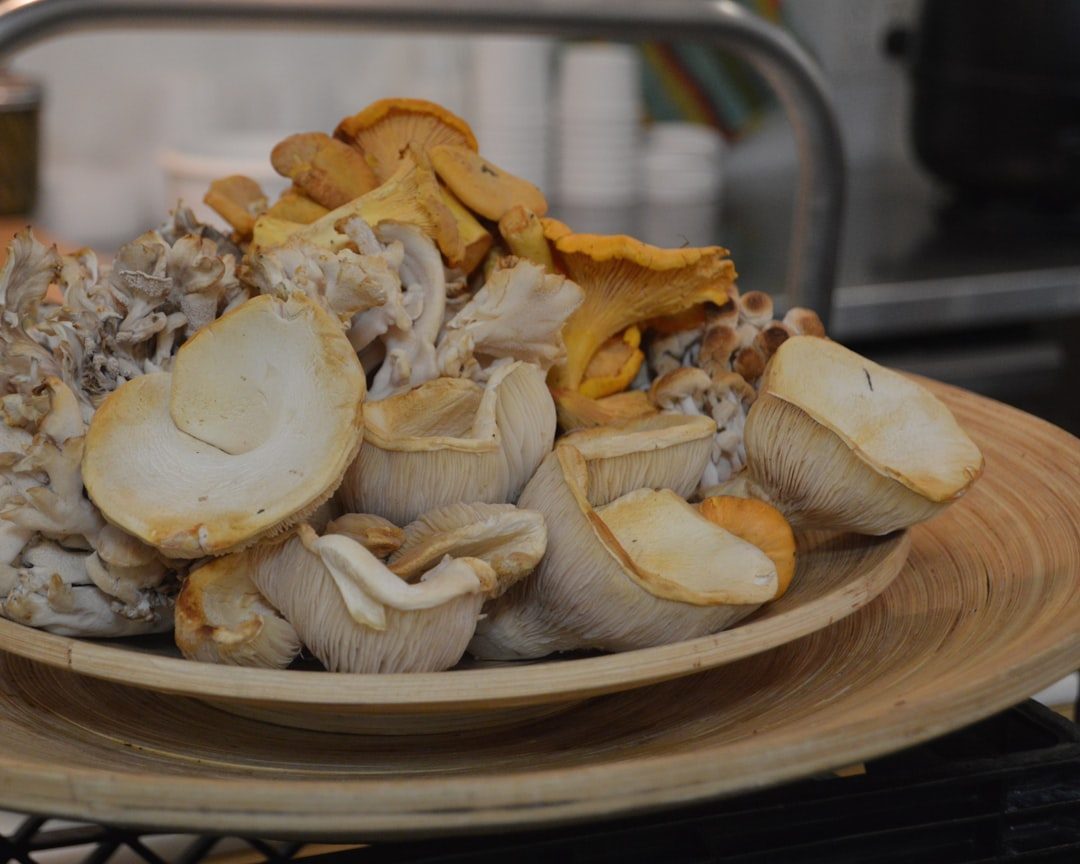
If mushrooms are not refrigerated quickly after being cooked, their complex enzymes and proteins will begin to break down, making them susceptible to dangerous bacteria, which can be worsened by the reheating process. It’s not that mushrooms themselves are inherently dangerous, but their protein structure makes them vulnerable. Think of it this way: mushrooms are like tiny sponges that absorb bacteria when conditions aren’t right.
If cooked mushrooms are kept in the fridge for no longer than 24 hours, they can safely be reheated The key is acting fast. According to the USDA, perishable food such as cooked mushrooms should not be left out at room temperature for more than two hours. So that mushroom risotto from dinner? Get it in the fridge immediately.
Leafy Greens and Pre-Cut Vegetables Harbor Bacteria
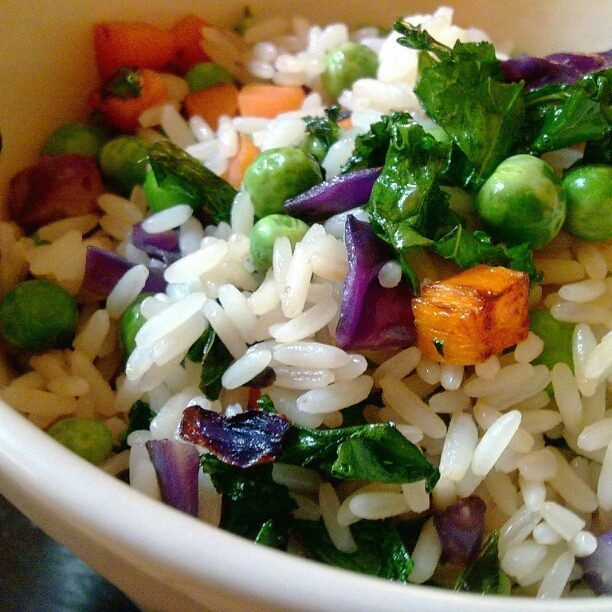
Cut melon left out for more than 2 hours (1 hour if outdoors in temperatures hotter than 90°F) presents serious risks, and the same principle applies to other pre-cut produce. When you slice fruits or vegetables, you’re breaking their protective outer layer and exposing the interior to potential contamination. The moisture and nutrients inside create an ideal breeding ground for bacteria.
Raw or processed vegetables and raw or processed fruit were among the foods commonly associated with foodborne illness outbreaks. The issue intensifies when these items are prepared in advance and stored improperly. Pre-made salads that sit too long at room temperature, even briefly, allow bacteria to multiply exponentially. What looked fresh at dinner can harbor millions of bacterial cells by breakfast.
Egg-Based Dishes Become Bacterial Breeding Grounds
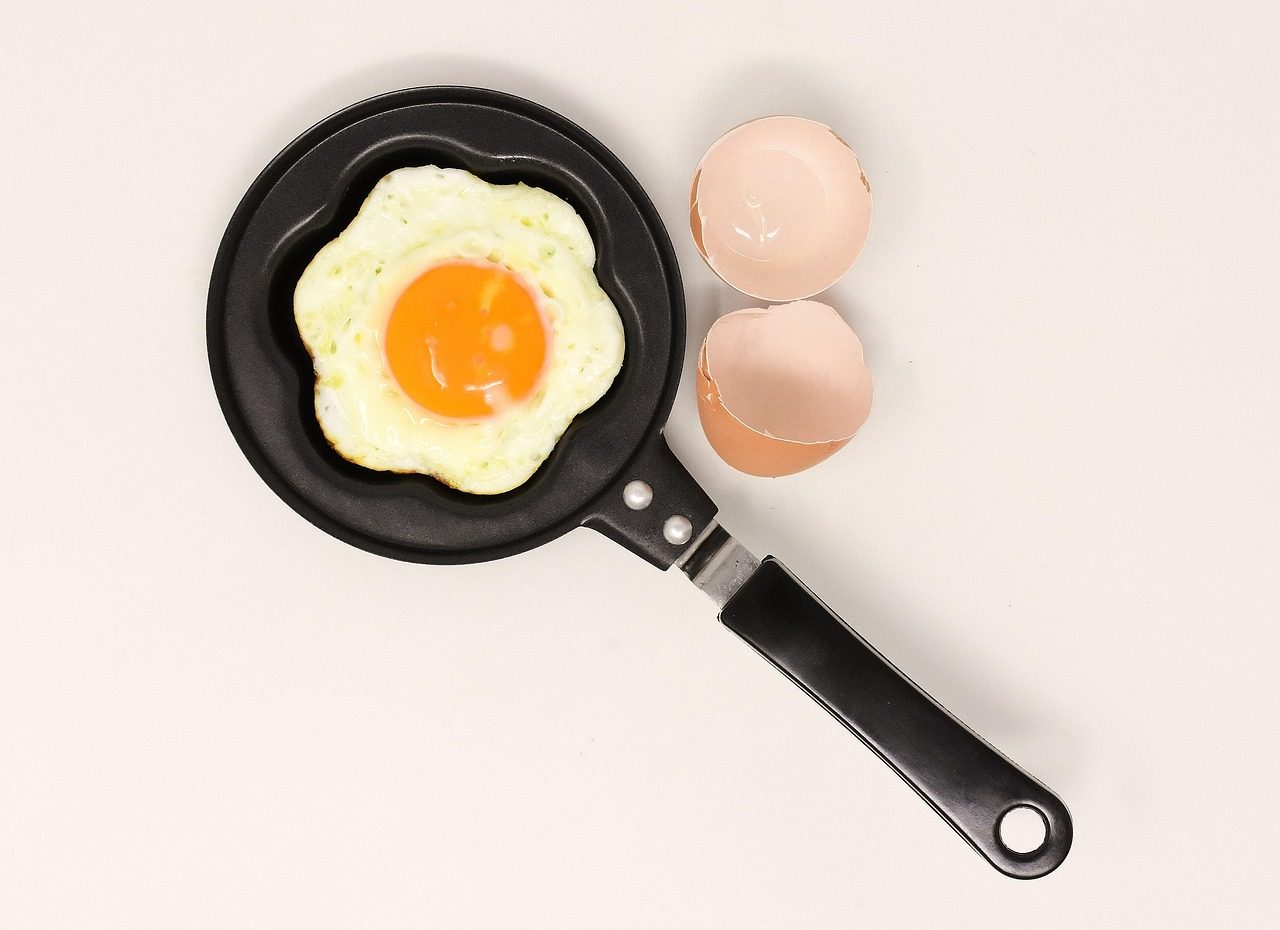
Eggs are incredibly versatile, but they’re also incredibly risky when it comes to leftovers. Keep raw meat, poultry, seafood, and eggs separate from other foods in your grocery cart and in your refrigerator, and keep eggs in the original carton and store them in the main part of the refrigerator, not in the door. This advice applies doubly to cooked egg dishes. Quiches, frittatas, and egg salads all require immediate refrigeration.
Any raw food of animal origin, such as meat, poultry, milk and dairy products, eggs, seafood, and some fruits and vegetables may carry Salmonella bacteria, and the bacteria can survive to cause illness if meat, poultry, and egg products are not cooked to a safe minimum internal temperature. Once cooked, eggs need to be refrigerated within two hours to prevent bacterial growth. The temperature danger zone matters immensely here.
Soft Cheeses and Dairy Products Attract Listeria
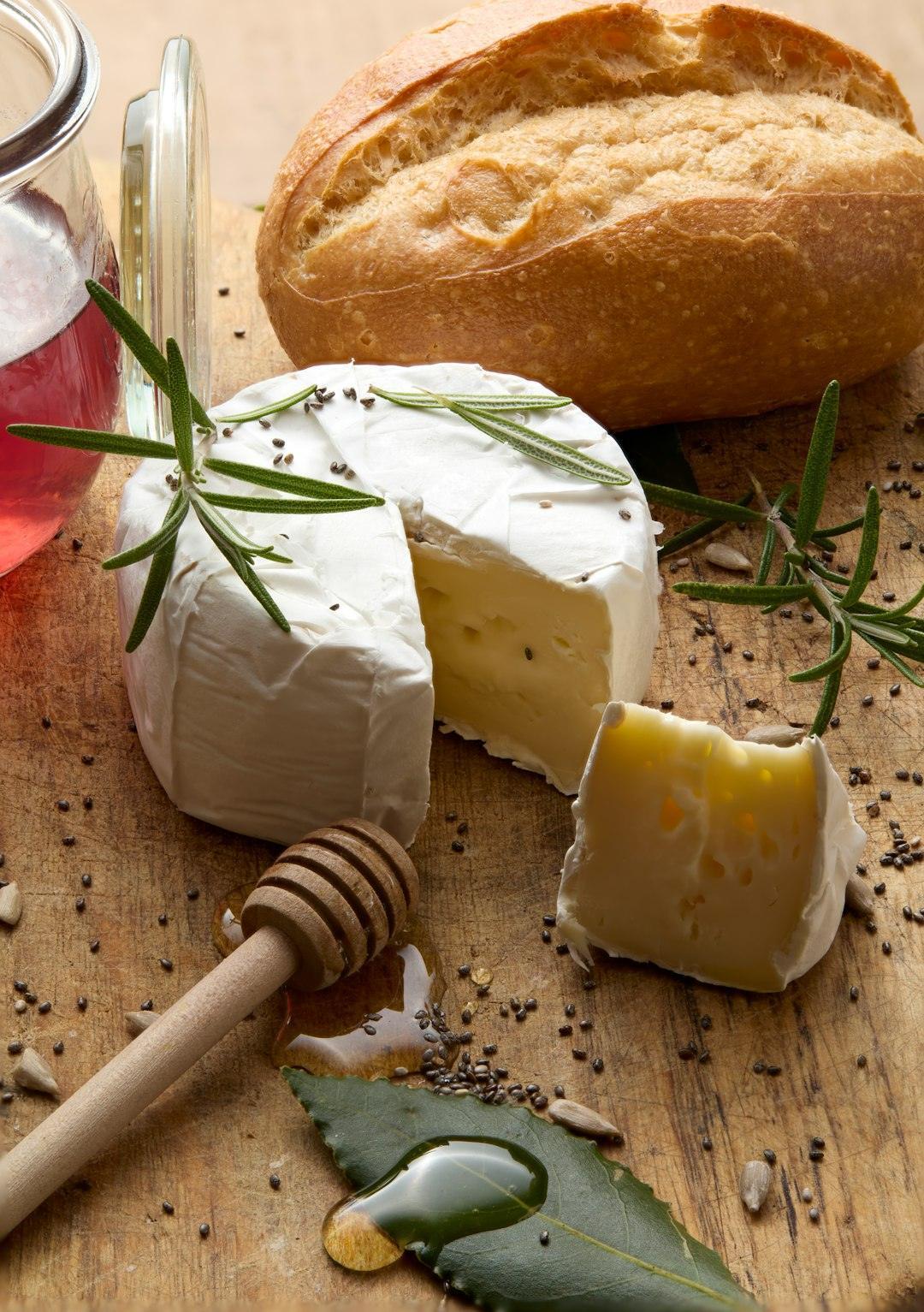
Consuming food contaminated by Listeria monocytogenes bacteria can cause Listeriosis, which can be a serious infection; the CDC estimates that about 1,600 people get Listeriosis every year, and about 260 die. Soft cheeses are particularly vulnerable. Unpasteurized milk, yogurt and soft cheeses pose significant risks, but even pasteurized soft cheeses can become problematic when stored improperly.
Perishable foods should be refrigerated within two hours of cooking – or within one hour if the air temperature is above 90 F, and leftovers should be stored in shallow containers so they cool quickly. Food left out too long provides ideal conditions for bacteria such as listeria and staphylococcus to multiply rapidly. That cheese plate from your party? Don’t let it linger.
Pasta Becomes a Carbohydrate Risk Similar to Rice
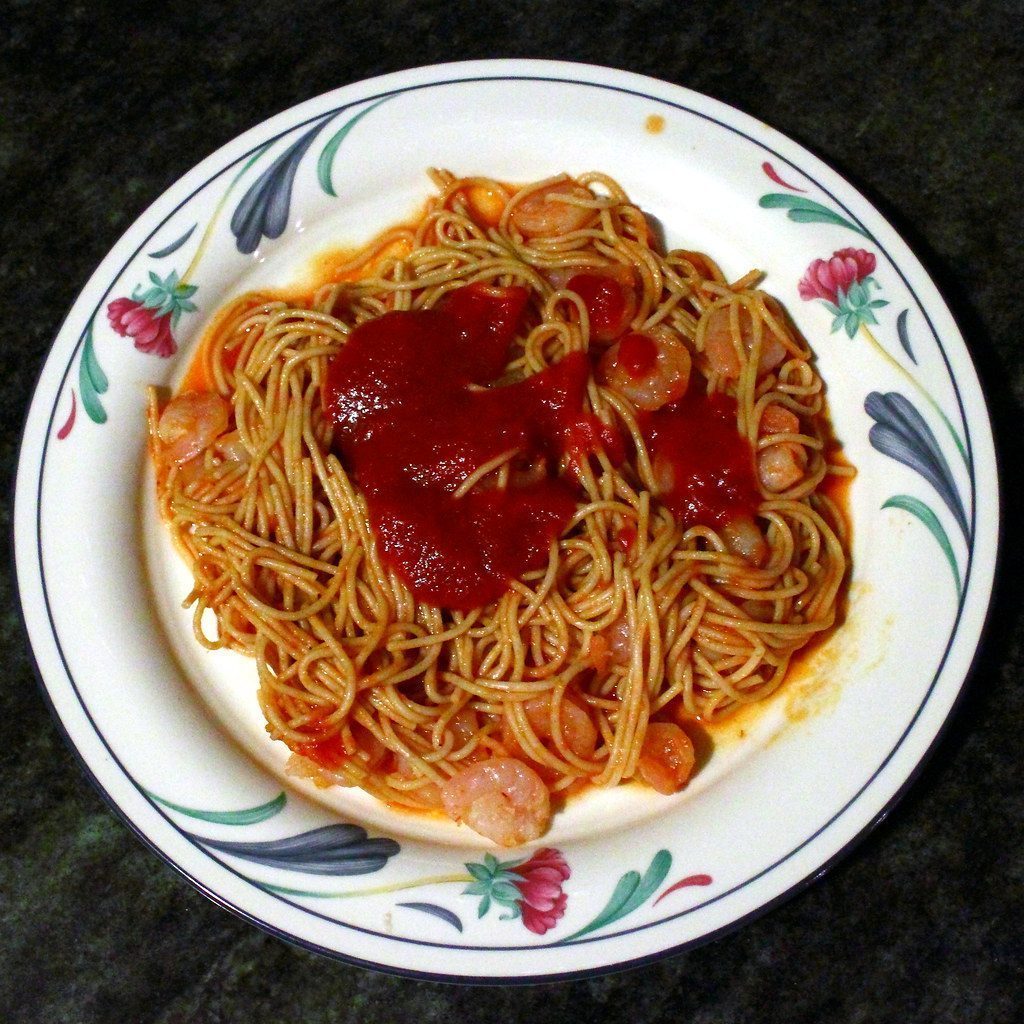
Most people don’t think twice about leftover pasta, but it shares similar risks with rice. Bacillus cereus is also found on other starches like pasta and potatoes. The starchy nature of pasta makes it an excellent environment for bacterial growth when left in the temperature danger zone. Plain cooked pasta, especially when tossed with a bit of oil, can develop harmful bacteria overnight if not properly stored.
It’s often found as a contaminant in various large-batch cooked foods including cooked vegetables and starchy foods, like rice and pasta, and these foods become contaminated with B. cereus before being cooked and after being left at room temperature for prolonged periods. The key is cooling pasta quickly in shallow containers and refrigerating within two hours of cooking. Bacteria multiply fastest between 40°F and 140°F, the infamous danger zone.
Leftover Gravy and Meat Sauces Host Clostridium Perfringens
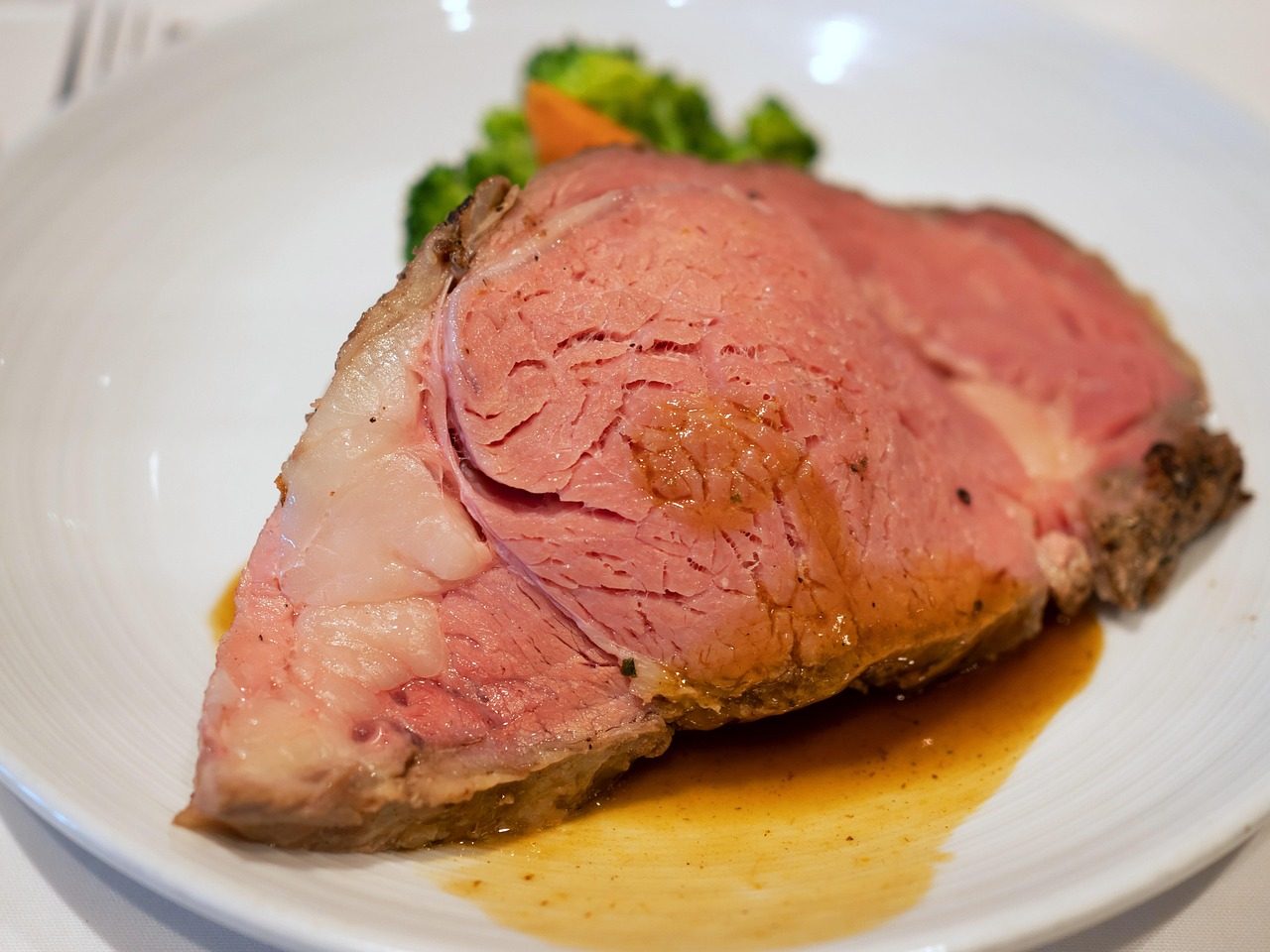
Another spore-forming bacteria called Clostridium perfringens grows on gravy and meats and also produces toxins resistant to cooking and reheating. This bacterium thrives in thick, dense foods that cool slowly. It’s responsible for about 15 times the number of foodborne illnesses as Bacillus cereus and is especially prevalent around the holidays. Think Thanksgiving dinner leftovers.
The problem with gravy is volume and density. A large pot of gravy takes hours to cool properly, and during that time, bacteria flourish. To prevent bacterial growth, divide large amounts of food into shallow containers; a big pot of soup, for example, will take a long time to cool, inviting bacteria to multiply, so divide the pot into smaller containers so it will cool quickly. The same rule applies to any thick sauce or stew.
Deli Meats and Cold Cuts Even When Refrigerated
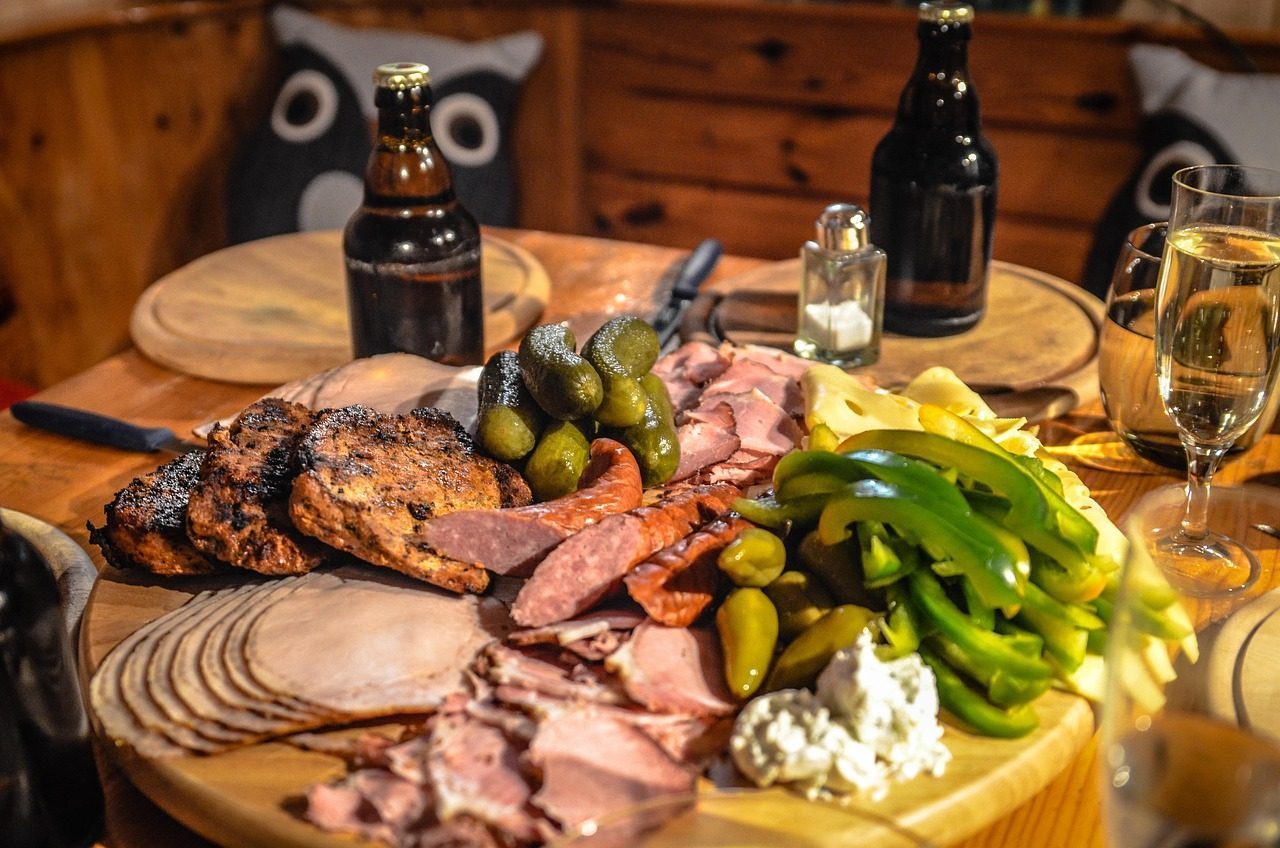
Unheated deli meat, hot dogs and fermented or dry sausage, and premade deli salads, such as coleslaw and potato, tuna, or chicken salad are common sources of Listeria contamination. What makes this particularly insidious is that Listeria can grow even at refrigeration temperatures. B. cereus can multiply under temperature conditions as low as 4°C in foods that contain rice and have been cooked or subjected to treatments that do not produce commercial sterility.
Cold perishable food, such as chicken salad or a platter of deli meats, should be kept at 40°F or below. The reality is that once you open a package of deli meat, the clock starts ticking. Cross-contamination from cutting boards, utensils, or other foods can introduce dangerous bacteria. Those leftover sandwich fixings need extra vigilance.
Cooked Potatoes Left at Room Temperature
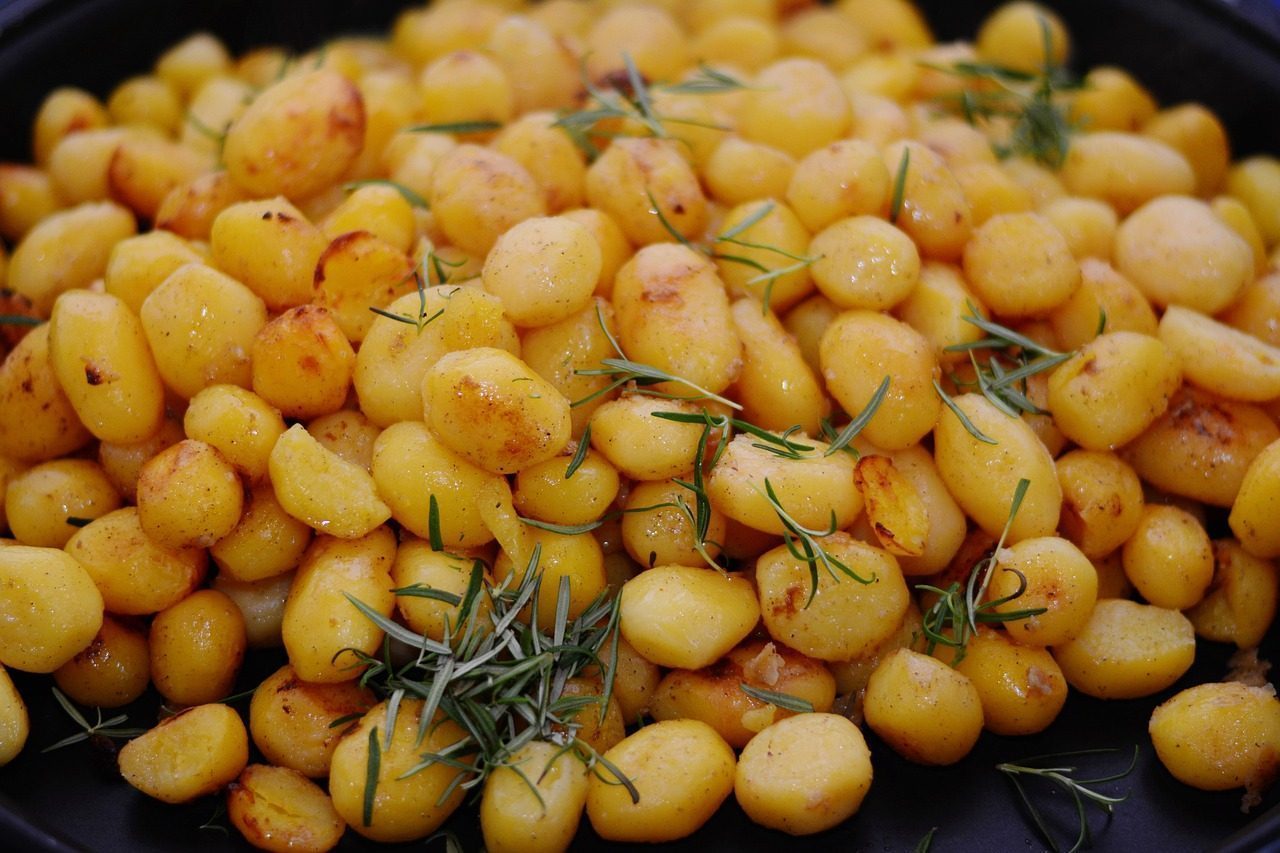
Potatoes seem innocent enough, but they harbor hidden dangers. B. cereus is often found as a contaminant in a variety of large batch cooked foods including cooked vegetables and starchy foods, like rice and pasta, and these foods become contaminated with B. cereus before being cooked and when left at room temperature. Baked potatoes wrapped in foil are particularly risky because the foil creates an oxygen-free environment where certain bacteria thrive.
Potato salad is another notorious culprit. Premade deli salads, such as coleslaw and potato, tuna, or chicken salad are frequent sources of foodborne illness. The combination of starch, moisture, and often mayonnaise-based dressings creates perfect conditions for bacterial multiplication. The “Danger Zone” is the temperature range where bacteria multiply rapidly between 40 F and 140 F, and potato dishes hit this zone quickly when left out.
The Bottom Line on Leftover Safety
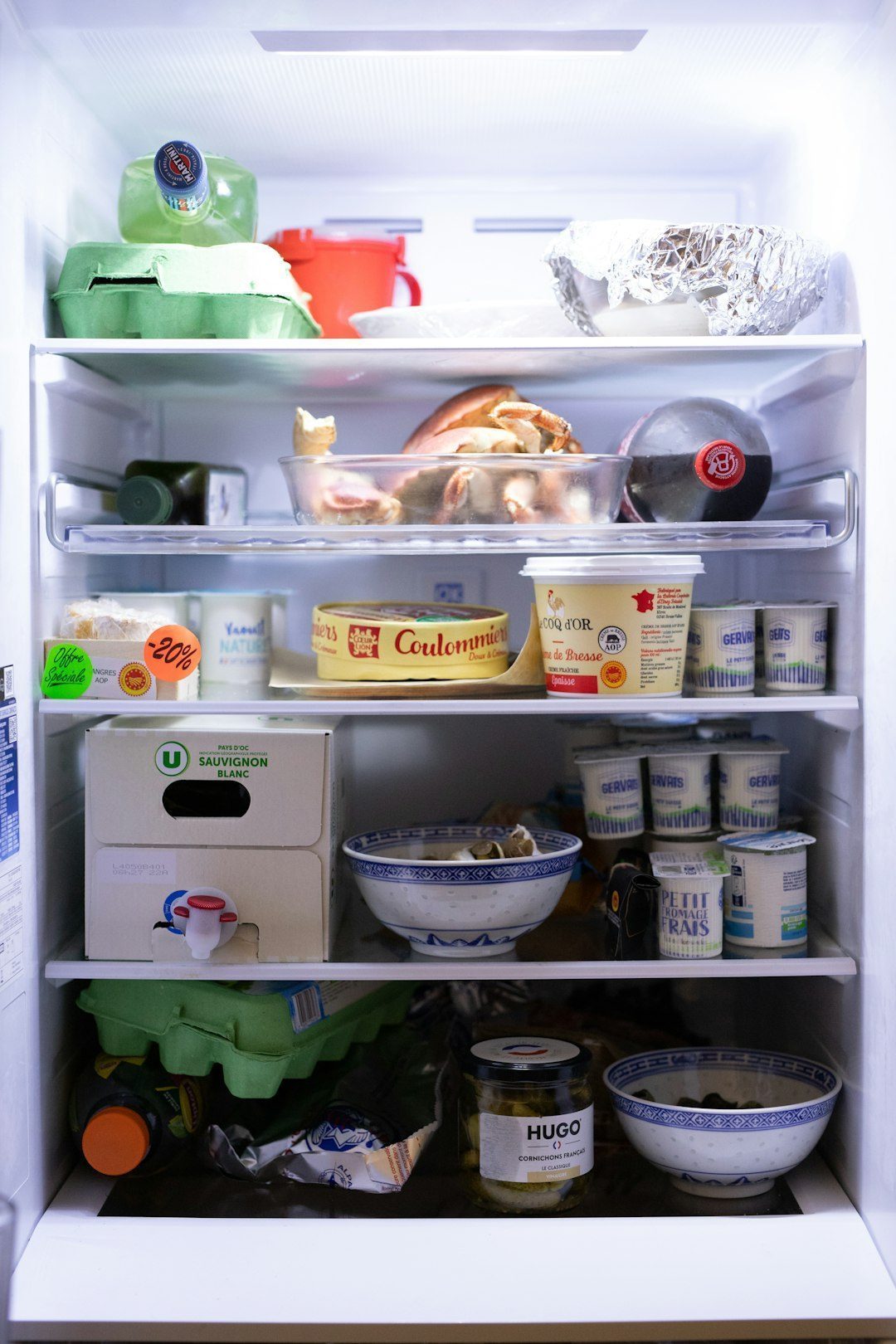
Food safety isn’t just about what you eat but how you store it. The types of bacteria that do cause illness don’t affect the taste, smell, or appearance of food, which is why it’s important to freeze or toss refrigerated leftovers within 3-4 days. The two-hour rule exists for good reason. Within 2 hours of cooking food or after it is removed from an appliance keeping it warm, leftovers must be refrigerated.
Honestly, I know it sounds crazy, but those seemingly harmless leftovers could be harboring millions of bacteria. The science is clear: proper storage isn’t optional, it’s essential. So next time you’re tempted to leave that rice or chicken sitting out while you finish watching TV, remember that bacteria don’t take breaks. What surprised you most on this list? Share your thoughts in the comments below.