11 Popular Cheeses Ranked From Least to Most Healthy
Cheese looks like a free-for-all until you line it up by the ounce. One ounce is about one slice or a quarter cup shredded, and across cheddar, mozzarella, Parmesan, Swiss, feta and goat it carries roughly 75 to 115 calories. The sodium in that same ounce runs from about 53 milligrams in Swiss to 468 in processed American.
This ranking weighs protein, sodium and saturated fat per ounce, using USDA-based figures that shift a little by brand and style. At the bottom sits the spread most of us put on a bagel. At the top is a cheese that does not come in a block, and its sodium changes sharply from one tub to the next.
#11 – Cream Cheese, Two Grams of Protein an Ounce
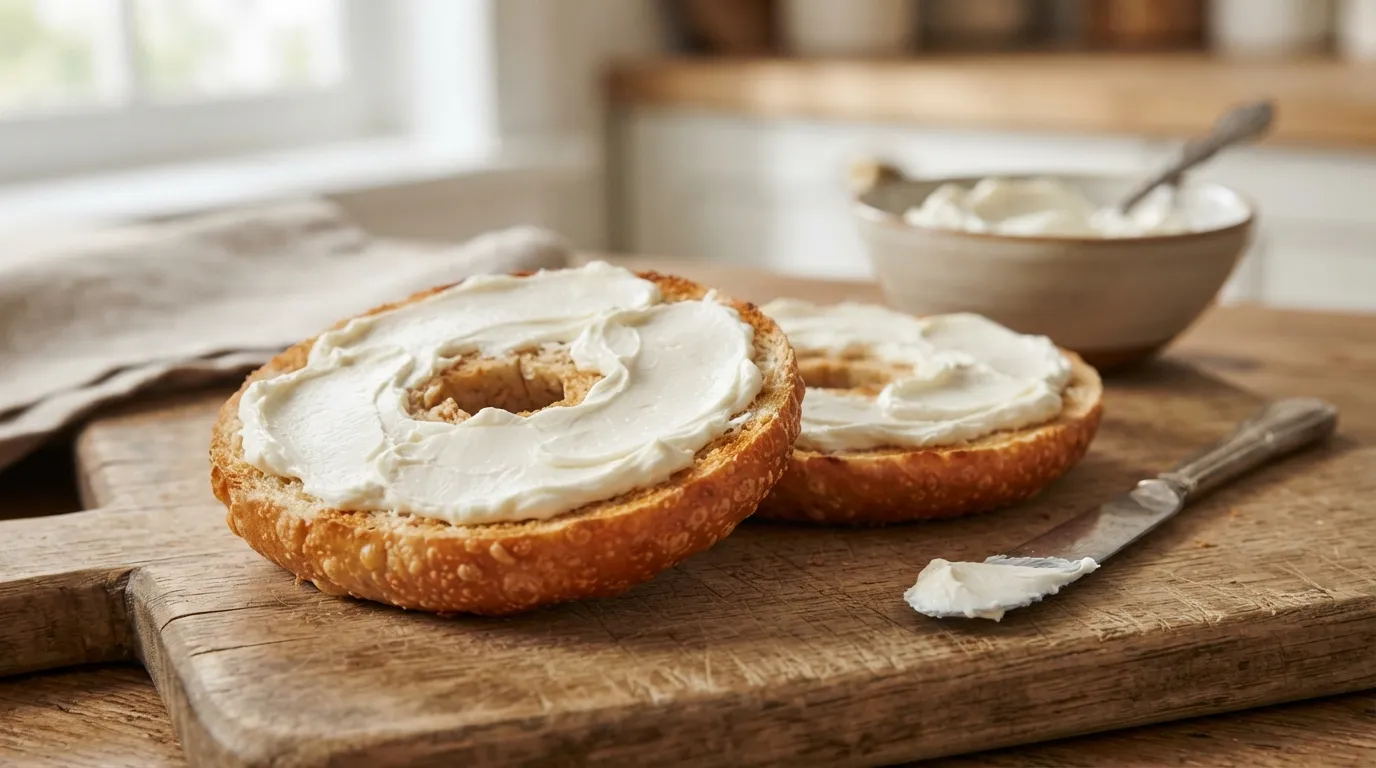
Penn State Extension’s cheese chart puts cream cheese at about 2 grams of protein per ounce, the thin end of the range.1 Parmesan, by comparison, carries about 10.
That same ounce brings roughly 99 calories and 5.7 grams of saturated fat, plus about 10 grams of total fat. You pay the full price in fat and get very little protein back.
Salt is not the issue here, since an ounce has about 89 milligrams of sodium, far under what a processed slice carries. Two tablespoons, roughly what goes on a bagel, come to about an ounce.
Cream cheese keeps its sodium modest. The processed slice that melts over a burger does not.
#10 – Processed American Slices at 468 Milligrams an Ounce
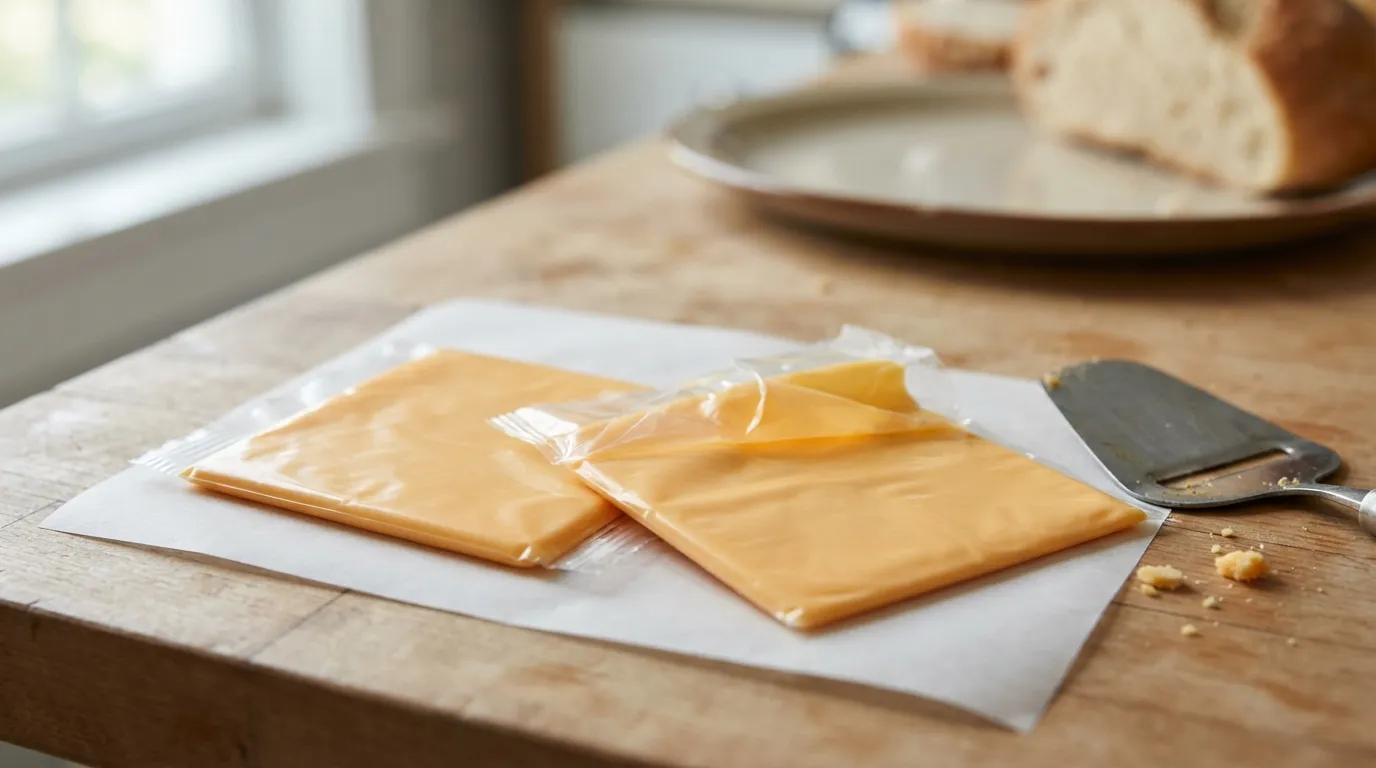
Penn State’s chart lists processed American cheese at 468 milligrams of sodium per ounce.1 Cheddar, at 185, has less than half of that.
The FDA treats 20 percent of the Daily Value, or 460 milligrams, as high for a single serving, and processed American reaches that in one ounce.2 Two ounce-sized slices on a sandwich would come to nearly 940 milligrams before you add anything else.
Its other numbers are ordinary for a cheese, with about 102 calories, 5 grams of saturated fat and 293 milligrams of calcium per ounce. The calcium is respectable, but I would still pick a different slice for the sandwich, because salt is where American cheese gives up the most.
Blue cheese also lands high on sodium, though it is usually crumbled by the spoonful instead of laid on in slices.
#9 – Blue Cheese Crumbled Over the Salad
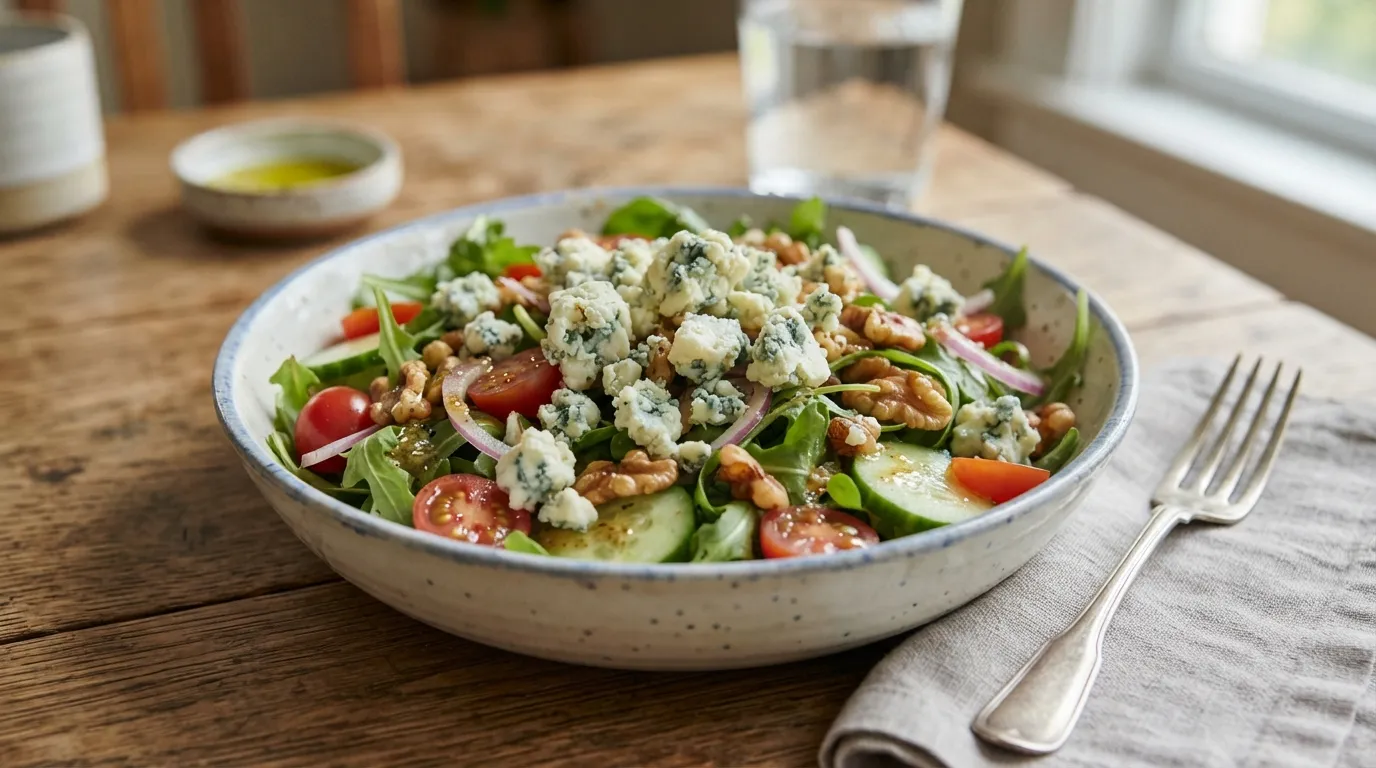
An ounce of blue cheese carries about 325 milligrams of sodium, 100 calories, 5 grams of saturated fat and 6 grams of protein. That puts its salt well below American cheese but above most of the others here.
Harvard Health groups blue cheese with feta and Parmesan as higher in sodium than other cheeses. It also notes that their strong flavor means they are often used sparingly and can replace some of the salt you would add to a dish.3
A tablespoon over greens is a reasonable use, and I would not fuss over it. A full ounce is another matter, since 325 milligrams is about 14 percent of the 2,300 milligrams a day the American Heart Association recommends as a ceiling.4
Calcium is decent for a soft cheese, at about 150 milligrams per ounce. Sodium is what holds blue cheese back in this comparison.
#8 – Brie on the Holiday Cheese Board
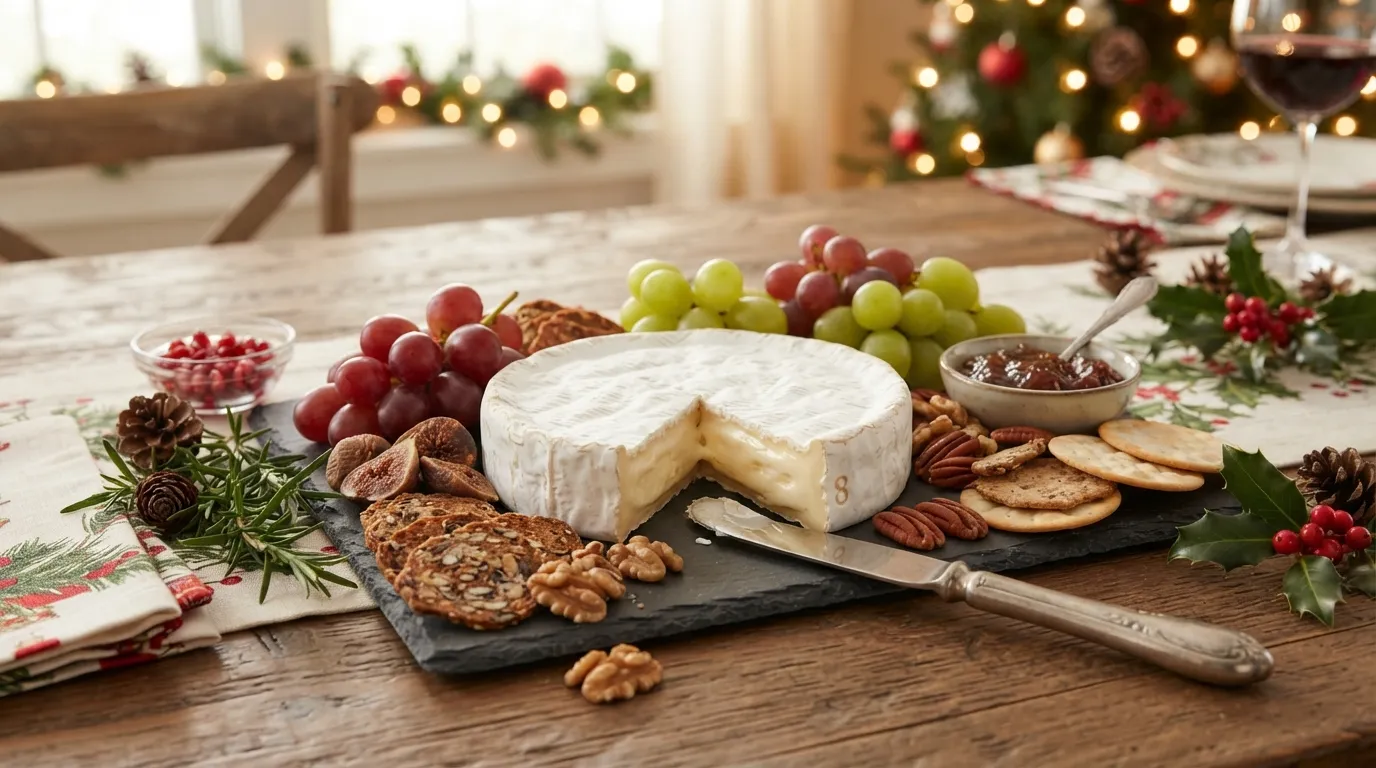
An ounce of Brie has about 95 calories, 7.9 grams of fat and 5.9 grams of protein. That is lighter than cheddar, which has 114 calories and 9.4 grams of fat.
Its saturated fat is 4.9 grams per ounce, about 25 percent of the FDA’s 20 gram Daily Value. Sodium is 178 milligrams, roughly half of blue cheese’s.
Fast Facts
- Calories per ounce: about 95
- Protein: about 5.9 grams
- Saturated fat: 4.9 grams, close to cheddar’s
- Sodium: 178 milligrams
- Calcium: about 52 milligrams, the weak spot
Softness is not a sign of extra fat, because Brie and blue cheese land at about the same 5 grams of saturated fat per ounce as cheddar. Where Brie falls short is calcium, at about 52 milligrams an ounce against 252 in Swiss.
Cheddar carries the same saturated fat with nearly four times the calcium, which is why Brie sits below it.
#7 – Cheddar in the Sandwich Drawer
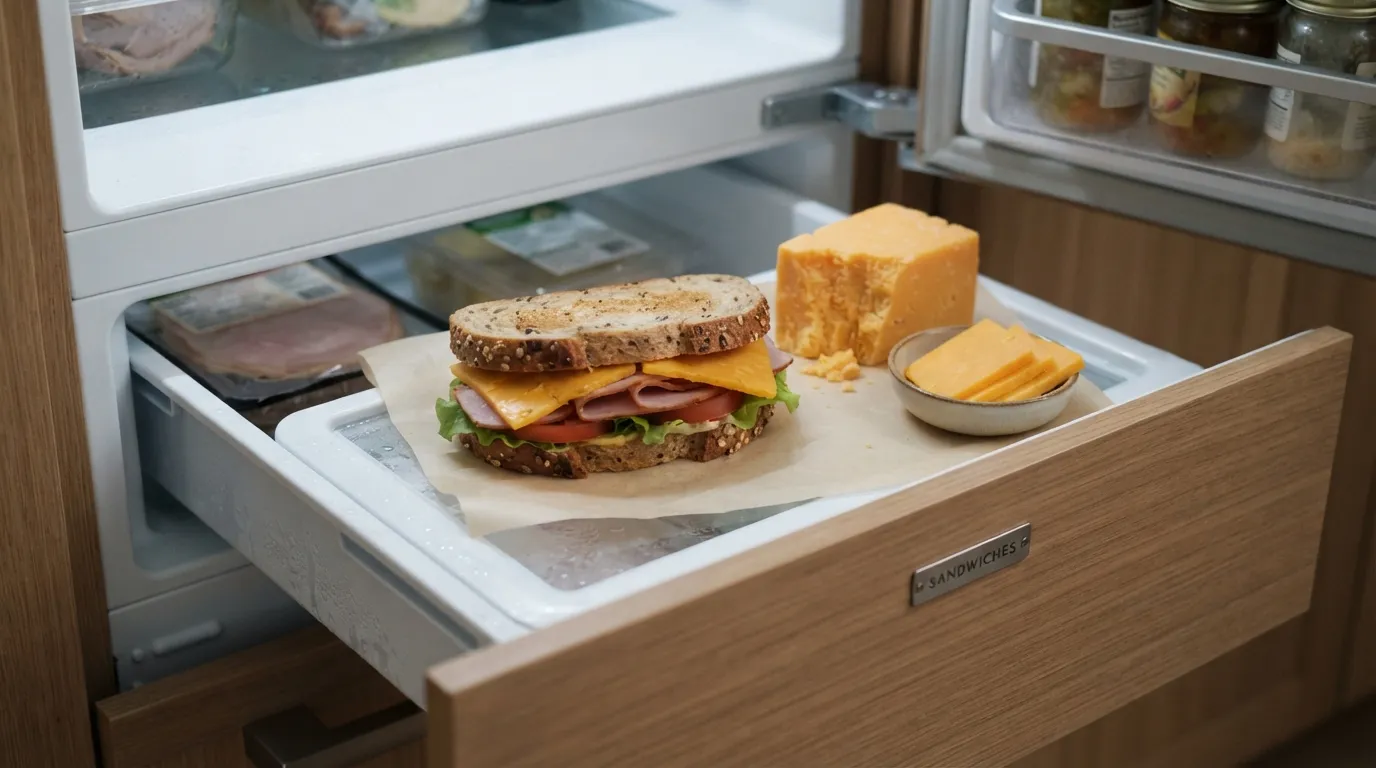
Penn State’s chart lists an ounce of cheddar at 115 calories, 9 grams of fat, 5 grams of saturated fat, 185 milligrams of sodium, 6 grams of protein and 201 milligrams of calcium. That is a solid middle-of-the-road profile.
The FDA’s Daily Value for saturated fat is 20 grams, so one ounce of cheddar uses about a quarter of it. A thick sandwich stack can run well past one ounce.
- Regular cheddar, per ounce: about 114 calories, 6.5 grams of protein and 5.3 grams of saturated fat
- Reduced-fat cheddar, per ounce: about 90 calories, 7.8 grams of protein and 3.6 grams of saturated fat
For sandwiches and snacks the reduced-fat swap is worth making, since it cuts about a fifth of the calories and adds protein. Even regular cheddar has less than half the sodium of a processed slice.
On sodium, cheddar’s 185 milligrams looks modest beside a cheese that is usually grated by the tablespoon.
#6 – A Spoonful of Grated Parmesan on Pasta
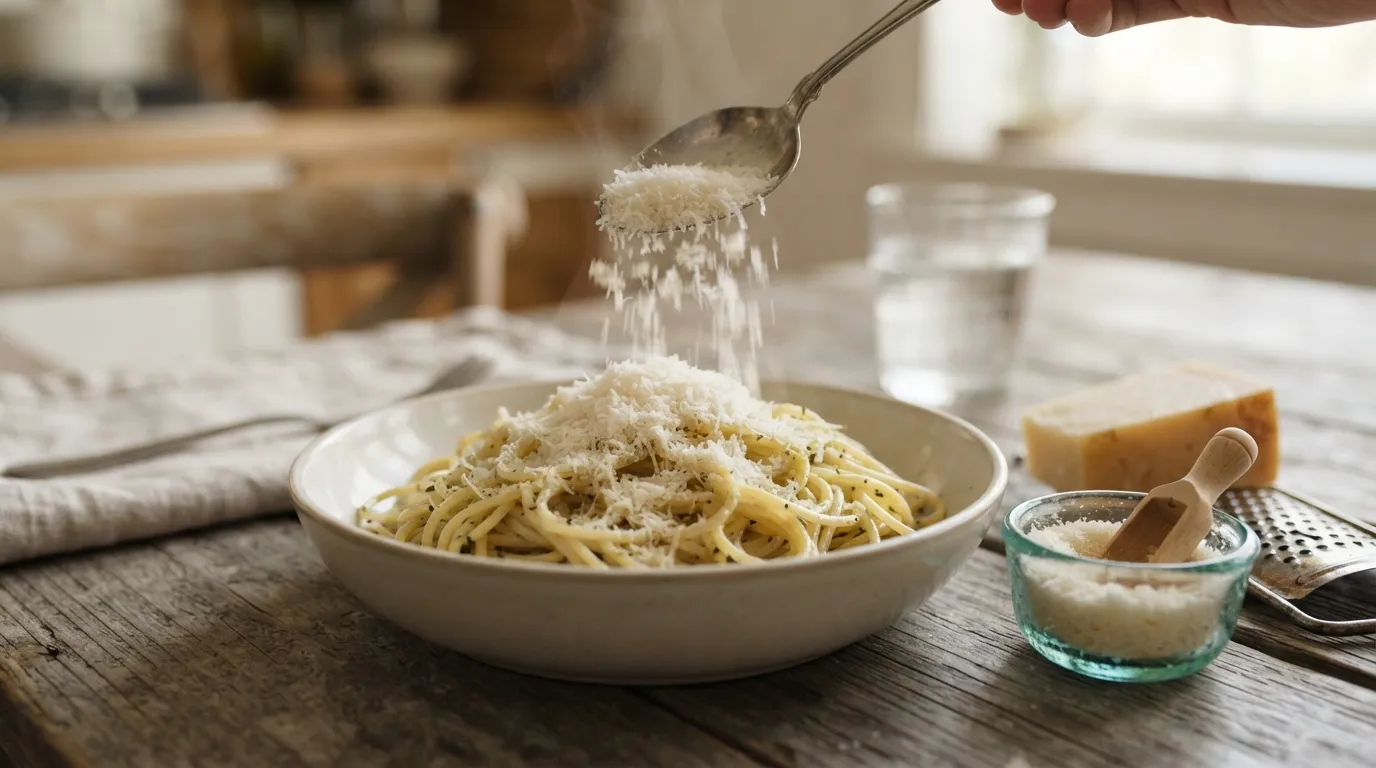
An ounce of hard Parmesan has 10.1 grams of protein, ahead of Romano, hard goat cheese and Gruyère. It also brings 336 milligrams of calcium, the most in Penn State’s chart.
The cost is sodium, listed at 333 milligrams per ounce in USDA figures and 390 in Penn State’s table. The grated kind runs higher, with USDA listing it at 511.
In practice you rarely use a full ounce. Two tablespoons of grated Parmesan weigh only about 10 grams and carry under 2 grams of saturated fat, so the numbers shrink to a seasoning’s worth.
Feta is salty too, though at 75 calories an ounce it is much lighter than Parmesan’s 111.
#5 – Feta Crumbled Over a Salad
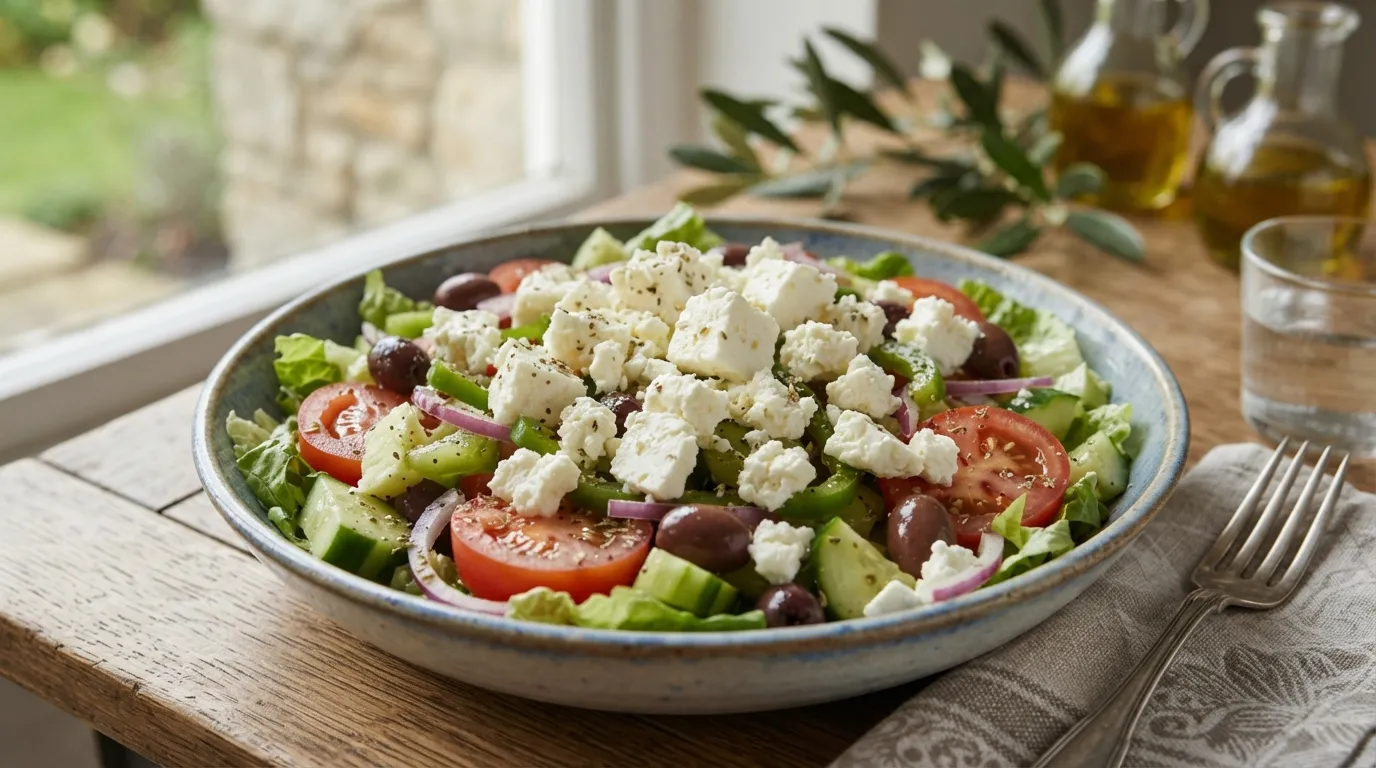
Feta is among the lighter cheeses here, at about 75 calories, 6 grams of fat and 4 grams of saturated fat per ounce. Protein is modest, at about 4 grams.
Sodium is the catch. It is listed at 260 milligrams per ounce in Penn State’s table and 323 in USDA figures, so the number depends on the source and the brand.
Quick Compare
- Calories per ounce: about 75 for feta, 111 for Parmesan
- Protein: about 4 grams against 10.1
- Calcium: about 140 milligrams against 336
- Sodium: 260 to 323 milligrams against 333 to 390, depending on the source
Calcium is 140 milligrams an ounce, well behind Swiss. A quarter cup crumbled, about 37.5 grams, comes to roughly 99 calories and 5.3 grams of protein.
Feta is a good salad cheese because a little goes a long way, but if you watch salt, I would treat it as a seasoning rather than a snack. Reduced-fat feta is sold in many stores, so compare labels before you buy.
#4 – Soft Goat Cheese as a Cream Cheese Swap
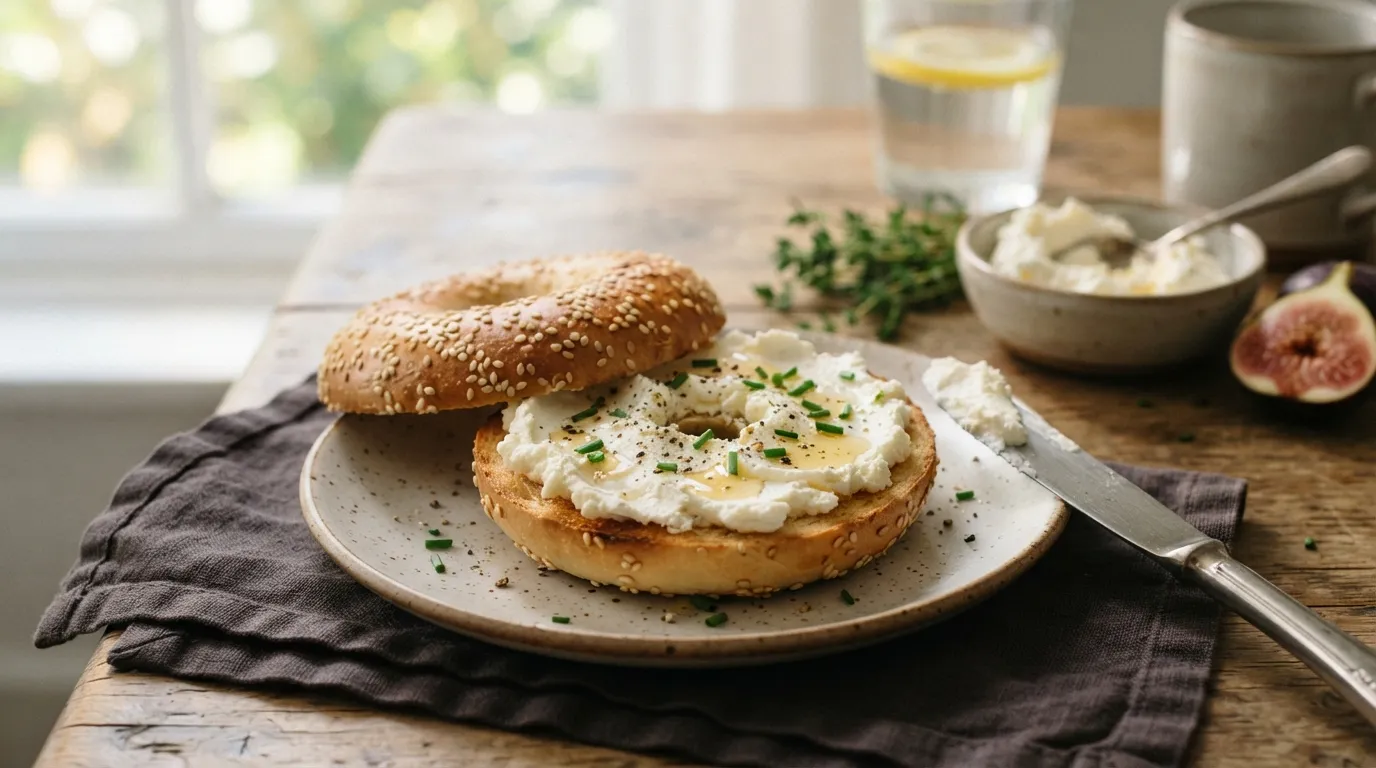
Soft goat cheese runs about 75 calories, 6 grams of fat, 4 grams of saturated fat and 5 grams of protein per ounce. Sodium is about 130 milligrams, roughly half or less of what feta carries.
Calcium is the weak spot, at about 40 milligrams an ounce, far under Swiss. It is a lighter cheese, not a calcium-rich one.1
- Calories per ounce: about 75 for soft goat cheese, 99 for cream cheese
- Protein: about 5 grams against 2
- Sodium: about 130 milligrams against 89, so cream cheese is lower
For a cracker or a bagel, goat cheese is the easier swap, since it trims calories and more than doubles the protein. Cream cheese keeps one edge, which is lower sodium.
Goat cheese shares its saturated fat range with mozzarella, which brings more protein for similar calories.
#3 – Part-Skim Mozzarella, the Lighter Pizza Cheese
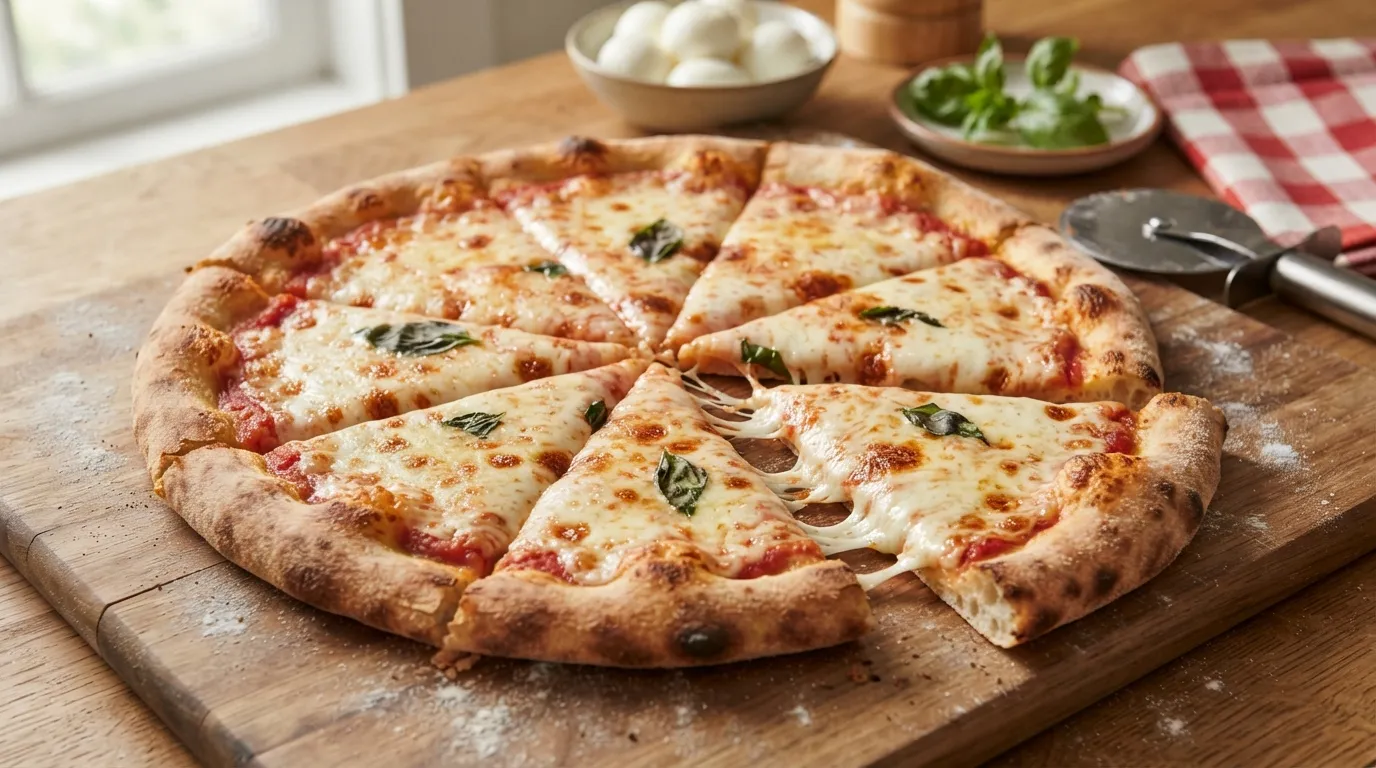
Part-skim mozzarella comes in at 72 calories and 7 grams of protein per ounce. That is a strong calorie-to-protein ratio for a cheese you can slice, shred or melt.
Whole-milk mozzarella has 85 calories and 6.3 grams of fat per ounce, with saturated fat near 4 grams, a little under cheddar’s 5. Its sodium is about 178 milligrams, close to cheddar’s.
Worth Knowing
- Part-skim: 72 calories, 7 grams of protein and 176 milligrams of sodium per ounce
- Whole-milk: 85 calories and about 178 milligrams of sodium per ounce
- Fat-free: 40 calories and 9 grams of protein per ounce, but 211 milligrams of sodium
Fat-free mozzarella has 9 grams of protein and 40 calories per ounce, yet USDA lists it at 211 milligrams of sodium against 176 for part-skim. For anyone watching salt, part-skim is the better buy.
Mozzarella’s sodium sits in the same 170s as cheddar’s, a figure Swiss cuts by about 70 percent.
#2 – Swiss Cheese With Only 53 Milligrams of Sodium
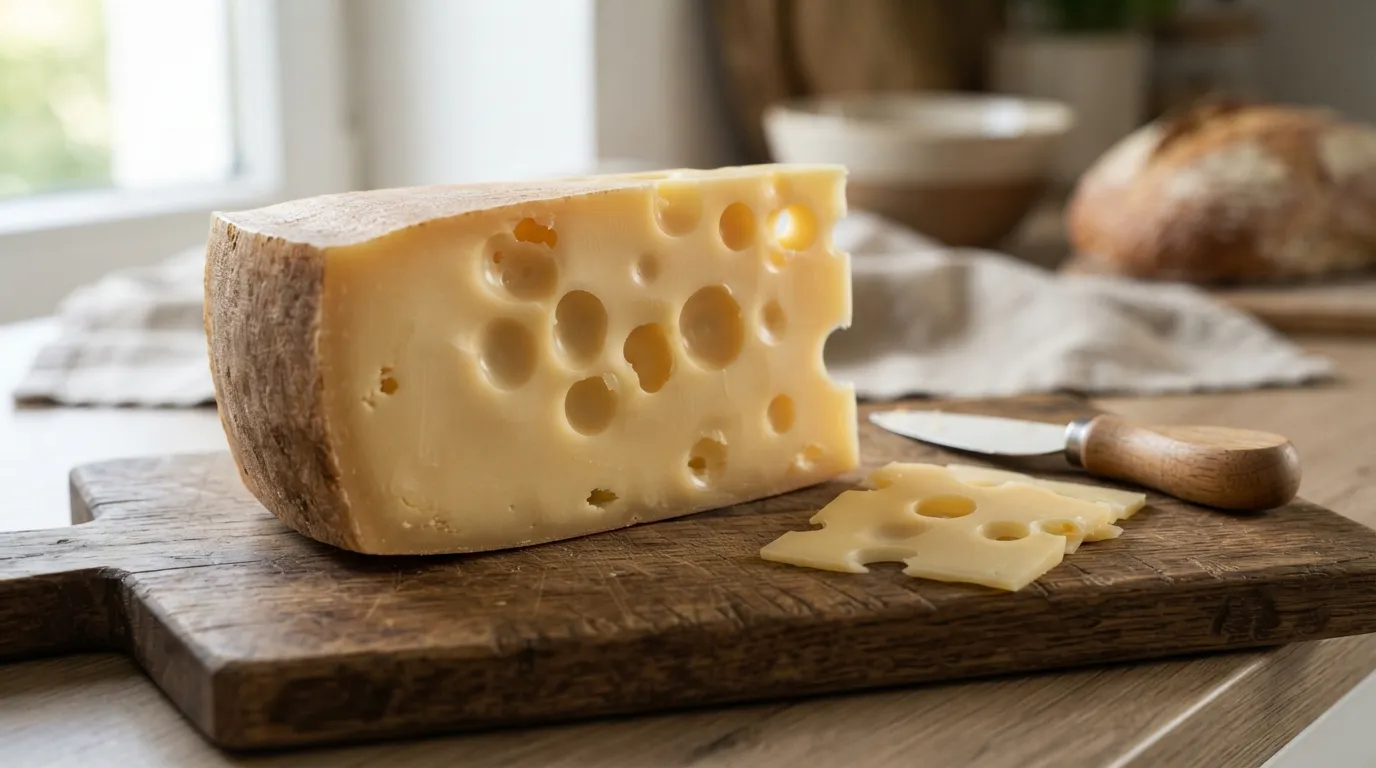
Swiss is among the lowest-sodium natural cheeses in USDA’s data, at 53 milligrams per ounce against 185 for cheddar. It also brings protein and calcium to the plate.
- Sodium per ounce: about 53 milligrams for Swiss, 185 for cheddar
- Protein: about 7.6 grams against 6.5
- Calcium: 252 milligrams against 201
- Saturated fat: about 5.2 grams against 5.3
Four ounces of Swiss would add about 212 milligrams of sodium, roughly 9 percent of the 2,300 milligram daily limit the American Heart Association cites.4 That is less than one ounce of processed American.
The cost is calories and saturated fat, 111 and 5.2 grams per ounce, close to cheddar. That tie is why Swiss stops short of first place.
#1 – Cottage Cheese, the Tub That Beats the Blocks
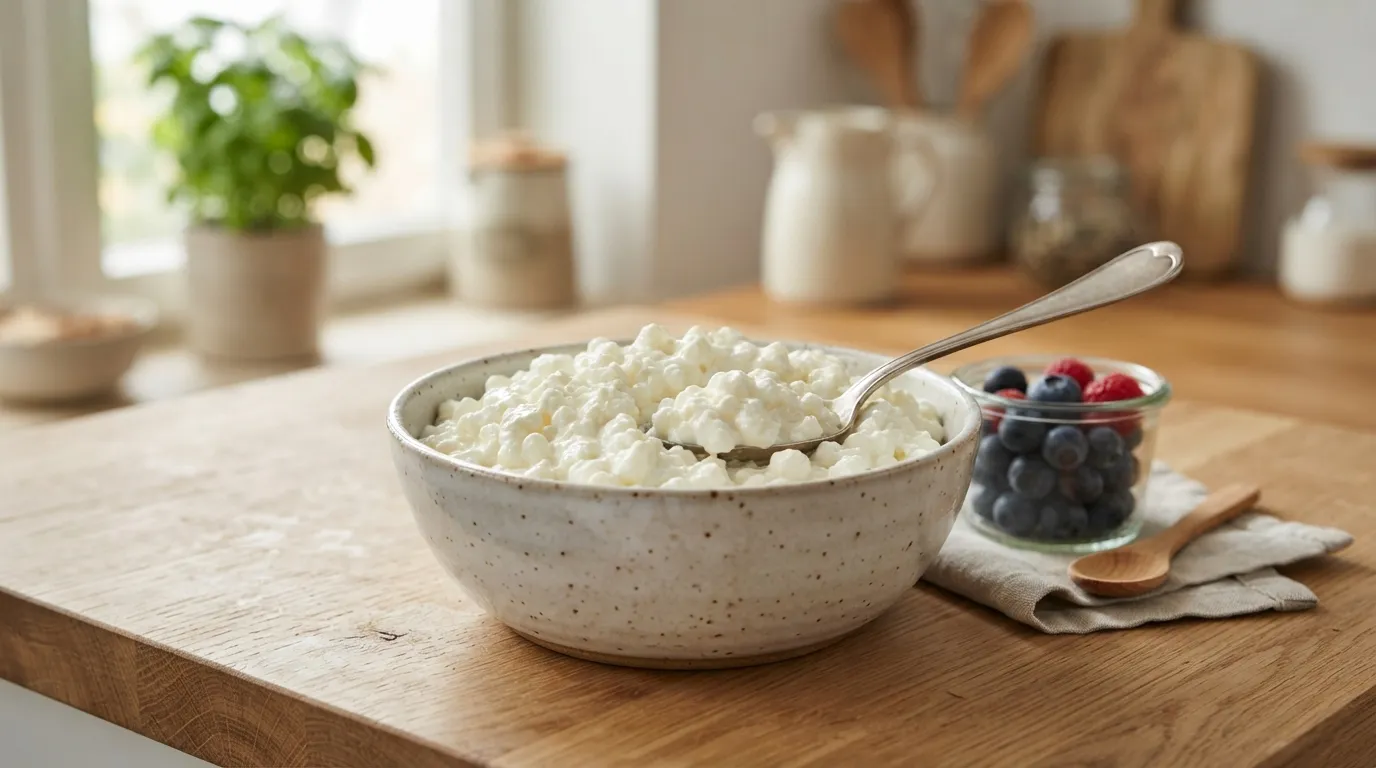
The winner is the one cheese on this list you eat with a spoon. USDA lists low-fat (1%) cottage cheese at about 72 calories and 12 grams of protein per 100 grams, a little under 4 ounces, with well under 1 gram of saturated fat.
Do the math and that is roughly 17 grams of protein per 100 calories. Part-skim mozzarella lands near 10, and cheddar comes in under 6.5
Creamed cottage cheese has more fat, around 4 grams per 100 grams in USDA data, yet its saturated fat per ounce still sits far below every block above it. Calcium is the trade-off, since the tub carries much less than Swiss.
Here is the catch, and it is why the tub matters. USDA data puts sodium near 400 milligrams per 100 grams, but brand labels swing widely, so a half-cup scoop can land anywhere in the hundreds.6 Some brands sell lower-sodium or no-salt-added tubs, so flip the container over and compare before you buy.
That is how cottage cheese takes first place without winning every column. Swiss beats it on sodium and calcium, but nothing else here gives you this much protein for so few calories and so little saturated fat.
Why It Stands Out
- Protein per calorie: the best on this list, by a wide margin
- Saturated fat: far below every block, even in the creamed style
- Sodium: varies by brand, so the label is worth a look
- Calcium: the trade-off, since Swiss carries much more
Line all eleven up and the pattern is plain. The cheeses that look fanciest or melt best are rarely the ones that do the most for you per ounce, and portion size changes the picture as much as the cheese does.
This is a general nutrition comparison built on USDA-based numbers that vary by brand, not medical advice. The next time you stand in the dairy aisle, though, look past the shiny wedges and give the humble tub a second glance.
- Penn State Selecting Cheese: https://extension.psu.edu/selecting-cheese-for-health
- Nutrition Label Daily Values: https://nutritionfactlabel.com/blog/nutrition-facts-daily-values/
- Harvard Health Cheese Article: https://www.health.harvard.edu/heart-health/eat-cheese-if-you-please
- AHA Daily Sodium Guidance: https://www.heart.org/en/healthy-living/healthy-eating/eat-smart/sodium/how-much-sodium-should-i-eat-per-day
- Cottage Cheese USDA Data: https://www.proteinpalapp.com/articles/how-much-protein-in-cheese-yogurt-cottage-cheese
- USDA Cottage Cheese Entry: https://foodstruct.com/food/cheese-cottage-lowfat-1percentmilkfat&gsessionid=eayNuBavs3-NWB6aLJq2iL5pIOJQr8dVmcGxguz7dZNbOLd77eS2fw