12 Restaurant Meals That Often Cost Less Than Preparing Them at Home
The conventional wisdom that eating at home is always cheaper than dining out has recently been challenged, as restaurant prices climb much higher and faster than groceries at an average of 5.1% annually versus 1.2%. Yet there are surprising exceptions. Some restaurant meals, particularly certain fast food items and promotional deals, can actually cost less than making them from scratch.
Let’s be honest, the idea sounds counterintuitive. After all, you’re paying for labor, overhead, and profit margins when you order out. Still, certain meals defy the math, especially when you factor in ingredient waste, specialized equipment, and the actual portion sizes you’d need to buy at the grocery store.
1. Rotisserie Chicken
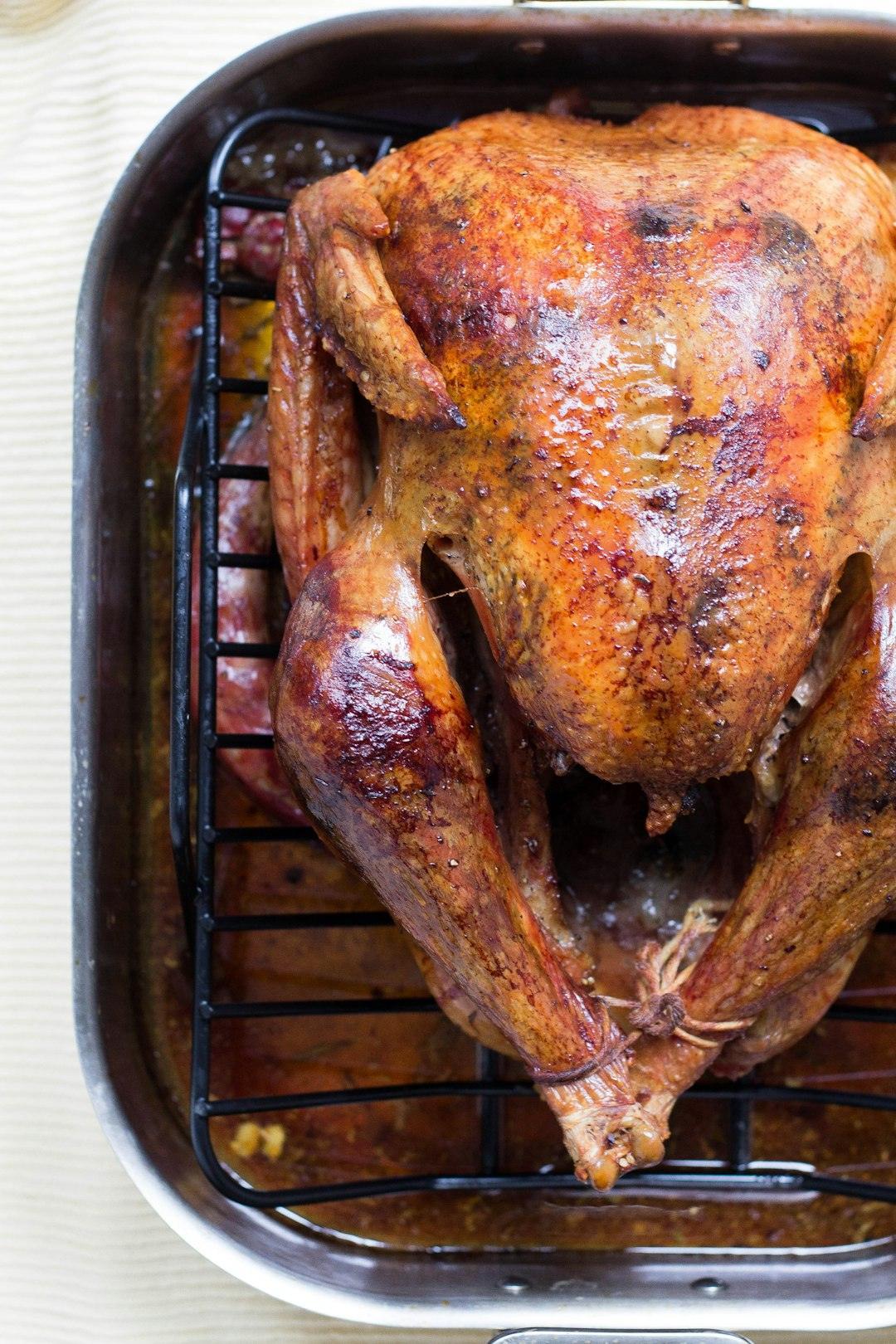
Here’s a wild fact that catches most people off guard. Grocery store rotisserie chickens can sometimes cost less than comparable raw whole chickens, as seen at stores like Safeway in places such as Portland, Oregon. How does that make sense when someone cooked it for you? The answer is surprisingly strategic.
The price difference in most stores has to do with how close the birds may be to their expiration dates. Produce past its prime is chopped up for the salad bar; meat that’s overdue for sale is cooked up and sold hot, and employees report that standard supermarkets routinely pop unsold chickens from the butcher into the rotisserie oven. For many companies, including Costco, which loses money on the birds as a loss leader (reportedly tens of millions annually), rotisserie chickens are what is known as a loss leader, meaning the company expects to lose money producing them but does so anyway because it provides other benefits. That perfectly golden bird is basically a marketing tool that gets you in the door.
2. Dollar Menu Burgers
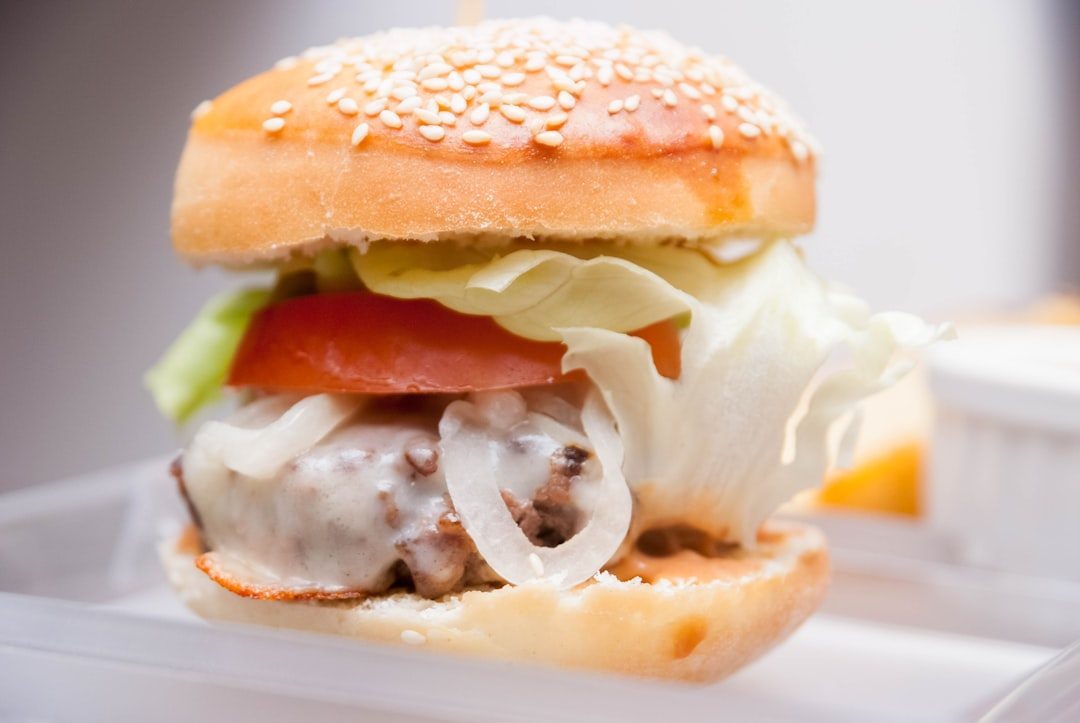
The high cost of groceries and the surge in value menu items such as $1 fast food burgers support the notion that dining out and cooking in prices are converging, and you certainly can’t make a burger at home for $1. When you break down the costs, buying a single burger bun, a quarter pound of ground beef, and condiments from the grocery store easily surpasses that dollar mark.
Making a chicken sandwich at home to rival a budget chicken sandwich you’d get at a chain like McDonald’s or Wendy’s could be difficult, as you’ll likely have to buy ingredients from the grocery store in larger amounts, since items like chicken breast, buns, veggies and sauces rarely come in single serving sizes, and in most cases, there’s no way to come in at the $2 to $4 price range for a single sandwich in a single sitting. The economy of scale works in favor of fast food chains, not home cooks making one meal.
3. Coffee Shop Drip Coffee
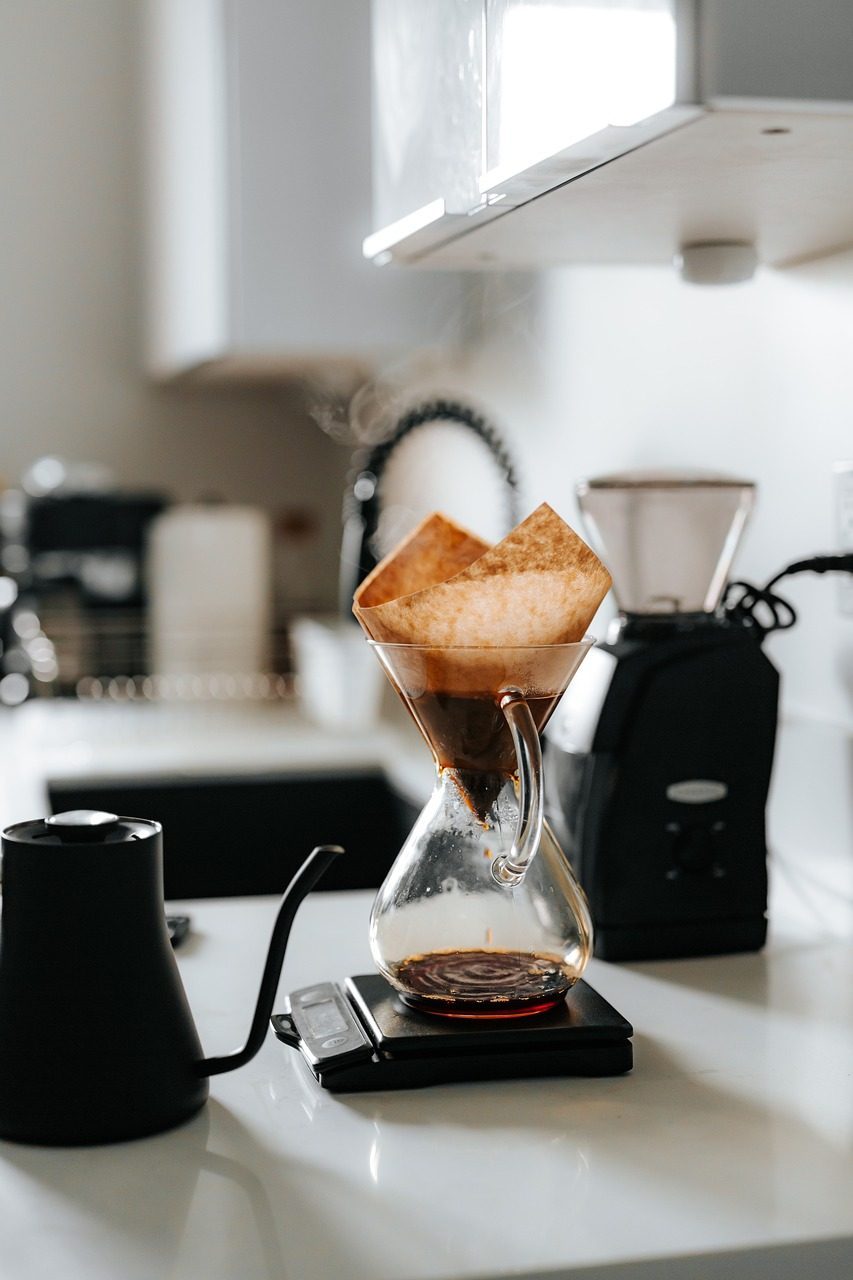
A basic cup of black coffee at many fast food restaurants costs around one dollar. Brewing a single cup at home seems cheaper at first glance, right? Thing is, most people don’t brew single cups. They brew full pots, and much of it goes to waste if you live alone or only one person drinks coffee in your household.
When you factor in the cost of coffee grounds, filters, electricity for the coffee maker, and the inevitable waste from brewing more than you need, that restaurant cup suddenly doesn’t look so overpriced. The real savings at home only materialize if you’re actually consuming everything you brew and buying coffee in bulk quantities.
4. Value Pizza Deals
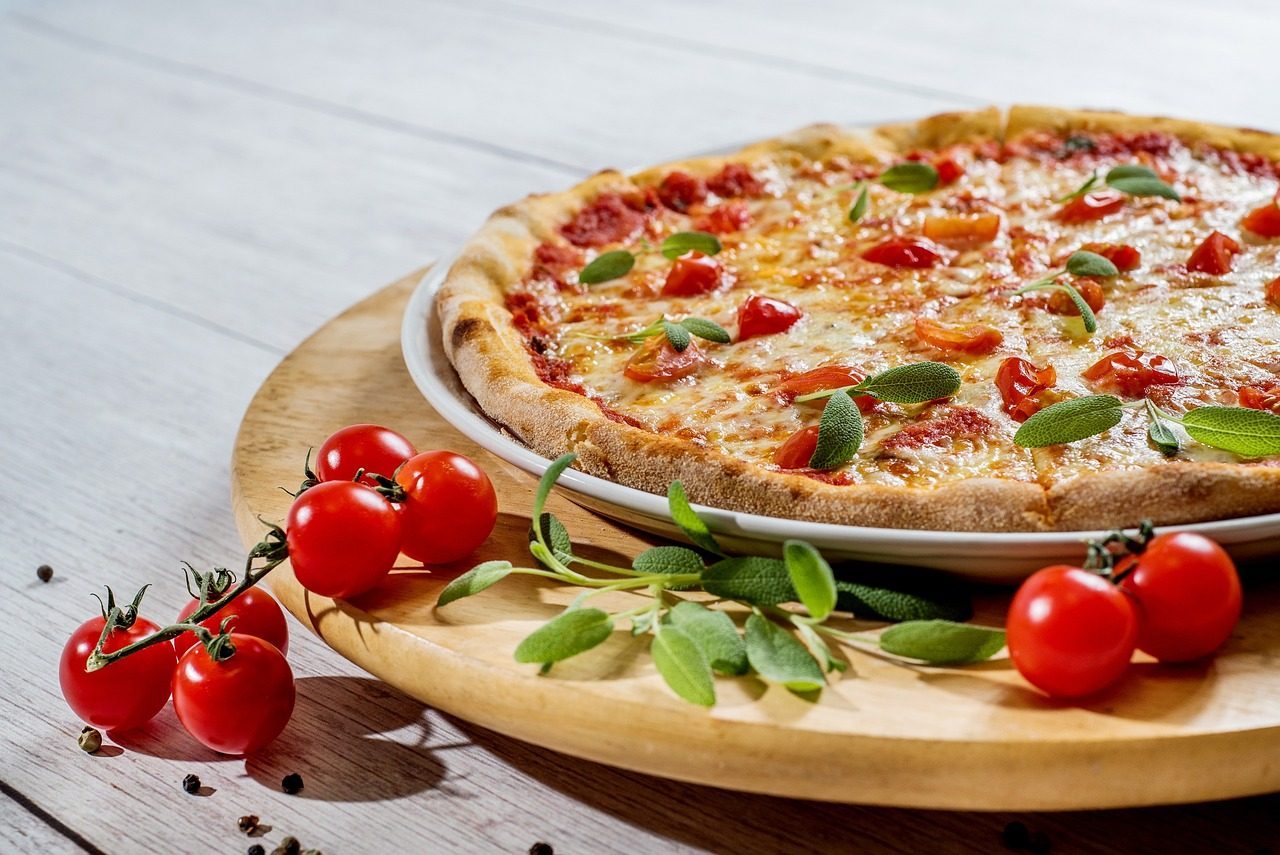
Many consumers report saving money by switching to frozen grocery store pizza versus restaurant pizza. Yet even that comparison misses an important nuance. Pizza orders from restaurants can easily reach $20 to $25 for two people, while the cost of ingredients like oil, flour, yeast, cheese and tomato sauce can come in at under $6 for a basic homemade pizza, but that assumes you already own those ingredients or will use the leftovers.
A slice of cheese pizza now costs substantially more than it did in 2016, with some spots topping the chart at $6.50 a slice, with overall restaurant prices rising faster than groceries (recently around 5% annually compared to 1%). However, chains like Little Caesars still offer large pizzas for around six dollars through promotional deals. Unless you’re cooking for a family regularly and buying ingredients in bulk, these promotional pizzas can undercut homemade costs when you factor in time and ingredient waste.
5. Breakfast Value Meals
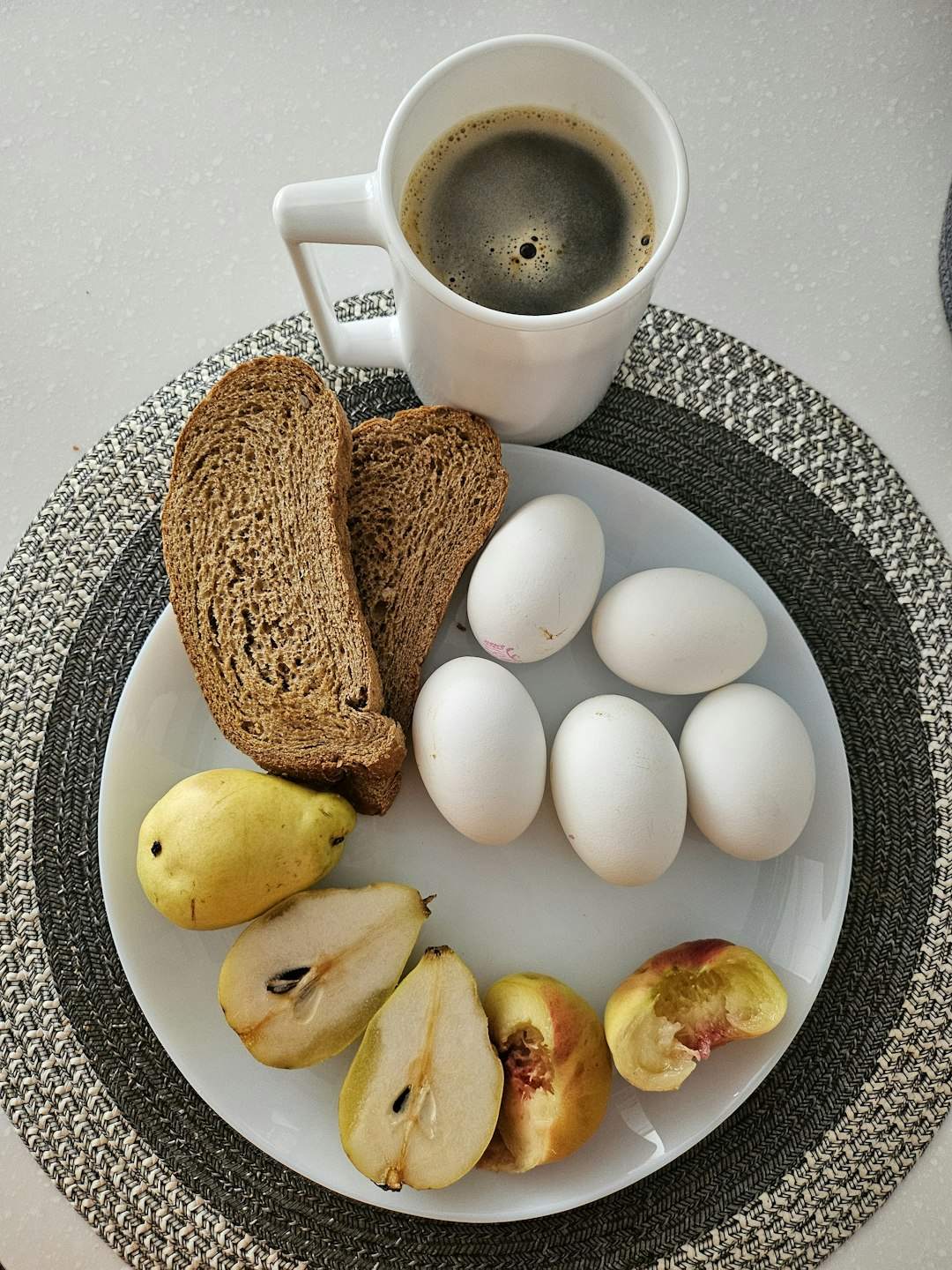
Fast food breakfast combos, especially during promotional periods, can be shockingly economical. A breakfast sandwich, hash browns, and coffee for three or four dollars seems impossible to replicate at home when you price out eggs, English muffins, cheese, sausage, potatoes, and coffee individually for a single serving.
The problem is portion control and ingredient packaging. You can’t buy one egg, one English muffin, or one slice of cheese. You’re forced to purchase quantities designed for multiple meals, which only saves money if you actually eat breakfast at home consistently. For someone who grabs breakfast once or twice a week, the restaurant deal often wins.
6. Basic Tacos from Chains
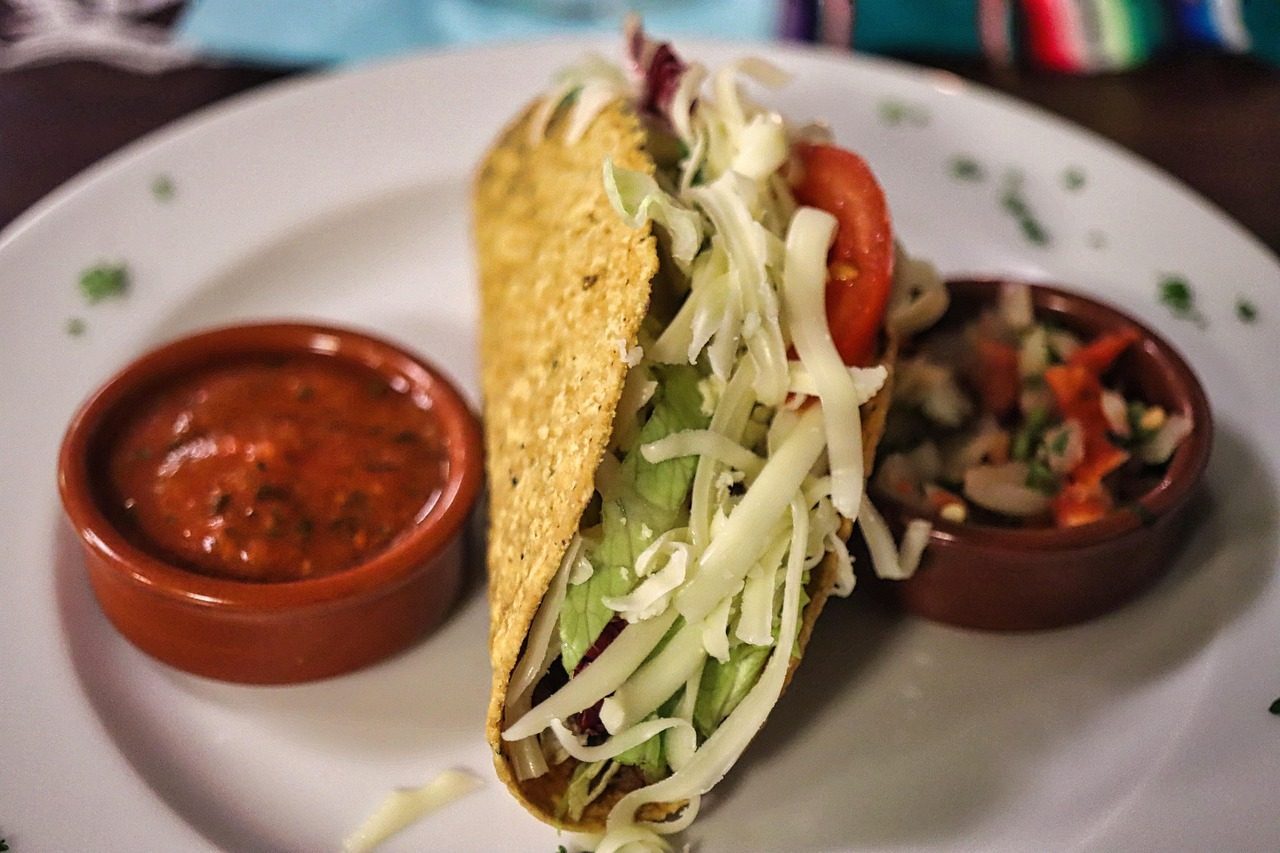
Taco chains frequently run promotions where tacos cost less than a dollar each. Making tacos at home requires buying tortillas, seasoning packets, ground beef, lettuce, cheese, and salsa. For one or two people eating a couple of tacos each, the grocery store trip costs far more than the restaurant tab.
Even when ingredient prices are comparable, there’s the waste factor. That package of tortillas you bought? Half of them will probably go stale before you use them. The head of lettuce? You’ll use a quarter of it. The block of cheese will sit in your fridge for weeks. Restaurant tacos eliminate waste entirely and deliver consistent portions.
7. Simple Sandwiches and Subs
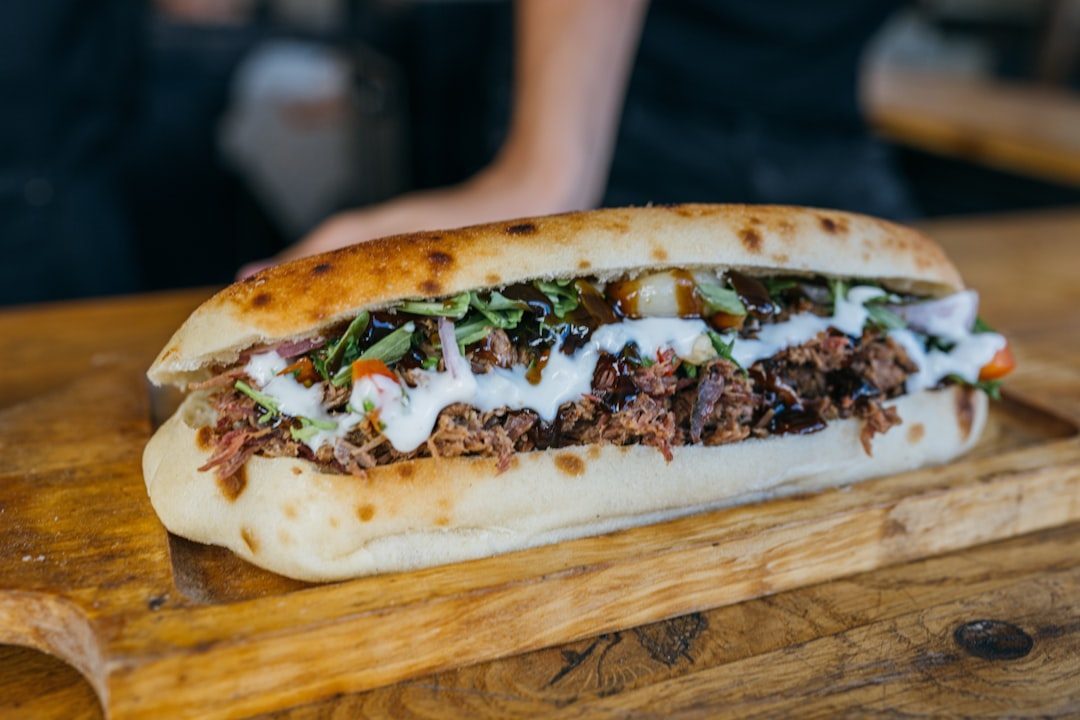
Sandwich shop promotional deals can be surprisingly competitive with homemade versions. When a chain offers a six inch sub for five dollars, consider what you’d spend assembling the same thing at home. Bread, deli meat, cheese, lettuce, tomatoes, onions, and condiments add up quickly.
Deli meat is particularly expensive when purchased in small quantities. A pound of turkey breast from the deli counter can cost eight to ten dollars, and you’d use a fraction of that for one sandwich. Unless you’re making sandwiches for the entire family or meal prepping for the week, the restaurant version often pencils out cheaper, especially during promotional periods.
8. Basic Salads
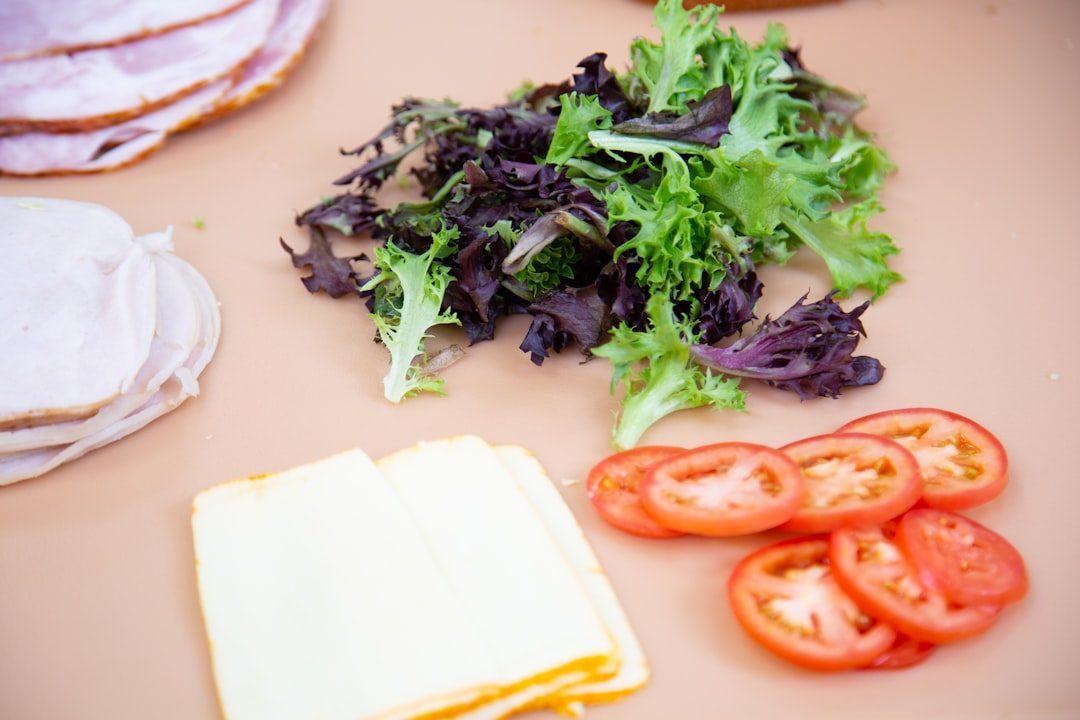
Pre made salads from grocery store delis or fast food restaurants during lunch specials can actually beat homemade salad costs for single servings. Building a salad at home means buying a head of lettuce, tomatoes, cucumbers, carrots, dressing, and potentially protein like grilled chicken.
Here’s the catch. Most of those vegetables come in quantities far exceeding what one person needs for one salad. That head of romaine lettuce? You’ll use maybe a quarter of it. The cucumber? Half at most. The tomatoes will sit until they get soft. Unless you’re committed to eating salads multiple times per week, ingredient spoilage makes restaurant salads surprisingly competitive on price.
9. Hot Dogs

Warehouse clubs and convenience stores often sell hot dogs for incredibly low prices, sometimes just one or two dollars fully dressed. Making a hot dog at home seems simple, yet buying a package of buns, hot dogs, and condiments for one meal costs substantially more per serving.
The economics work if you’re feeding a crowd at a backyard barbecue. They completely fall apart if you’re one person wanting a quick hot dog for lunch. That eight pack of buns and hot dogs represents eight meals you’ll need to consume before things go bad. For casual, occasional consumption, the restaurant hot dog wins on pure economics.
10. Fountain Drinks and Sodas

This might surprise you, but large fountain drinks from fast food restaurants, particularly during promotional periods or with meal combos, can cost less per ounce than buying two liter bottles at the grocery store. A large fountain drink might cost a dollar and contain 30 ounces of soda.
A two liter bottle costs roughly the same amount but represents about 67 ounces. That seems like better value until you realize that once opened, soda goes flat within days. If you’re not consuming that entire two liter bottle while it’s still fizzy, you’re pouring money down the drain. The fountain drink delivers guaranteed freshness without waste.
11. Lunch Specials at Asian Restaurants
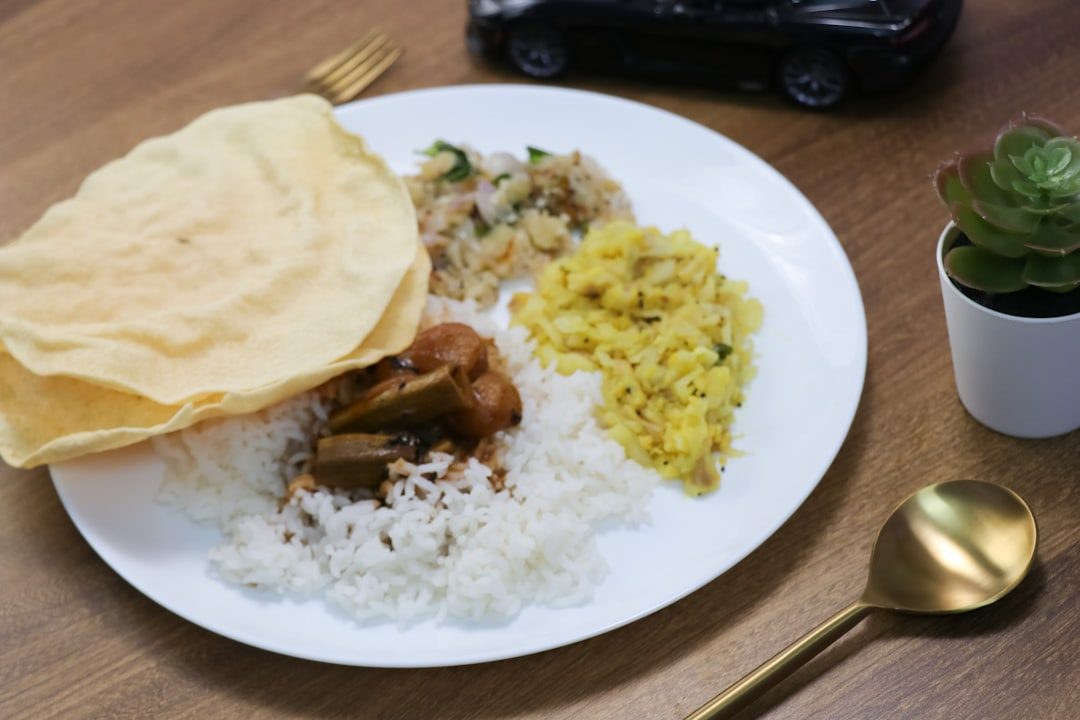
Many Chinese, Thai, and other Asian restaurants offer lunch specials that include an entrée, rice, and sometimes soup or a spring roll for six to eight dollars. Replicating these dishes at home requires buying specialty sauces, vegetables, proteins, and often ingredients you’ll never use again.
Oyster sauce, fish sauce, sesame oil, rice wine vinegar these items cost several dollars each and might sit in your pantry for months after making one stir fry. For someone who occasionally craves Asian food but doesn’t cook it regularly, restaurant lunch specials offer better value than stocking an entire Asian pantry and potentially wasting ingredients.
12. Senior and Kids Meal Discounts
Restaurants targeting specific demographics with heavily discounted meals create situations where eating out genuinely costs less than cooking at home. Kids meals at many chains cost three to four dollars and include a main item, side, and drink. Senior portions at diners often run five to six dollars for complete meals.
Cooking equivalent portions at home, especially for just one child or one senior, means either buying full size ingredients that create waste or meal prepping multiple servings. For families with young children or seniors living alone, these targeted restaurant deals can actually save money compared to the grocery store, particularly when you factor in time and the reality that smaller households struggle to use ingredients efficiently before spoilage.
Let’s be real, though. These exceptions don’t mean restaurant food is suddenly the frugal choice across the board. They’re specific situations where promotional pricing, loss leaders, and the challenges of buying ingredients in single serving sizes tip the scales. For most meals, especially when cooking for multiple people or using ingredients you already have on hand, home cooking still wins on cost. What did you think about these surprising exceptions?