4 Things Grandparents Say That Stay With You for Life
Ever notice how certain words from your grandparents never really leave you? They echo in quiet moments, during tough decisions, even decades later. There’s something about the way grandparents deliver life lessons that makes them stick. Maybe it’s the timing, maybe it’s the tone, or maybe it’s just the fact that they’ve earned the right to be heard through years of living. Whatever the reason, research is now backing up what many of us already knew deep down: what grandparents tell us can shape who we become.
Data indicate that roughly seventy percent of grandparents contribute to grandchild rearing according to a 2025 study examining intergenerational childcare models in China. In the United States, over eighty percent of grandparents report a significant role in their grandchildren’s lives, with long-term caregiving responsibilities increasing from thirty-nine percent in 2012 to forty-nine percent in 2021. Those aren’t just numbers. They represent real relationships, real moments, and real words that leave lasting impressions.
Here’s the thing: grandparents don’t just babysit or hand out candy. Developmental research links grandparent involvement to better wellbeing outcomes for grandchildren, and children with more involved grandparents tend to exhibit fewer externalizing behaviors. A 2009 study published in The Journal of Family Psychology found that adolescent grandchildren who felt close to their grandparents had fewer negative mental health symptoms, with greater grandparent involvement associated with fewer emotional problems among more than 1,500 adolescents ages eleven to sixteen. Let’s take a closer look at the specific things grandparents say that never quite fade.
When They Tell You to Slow Down and Notice the Small Things
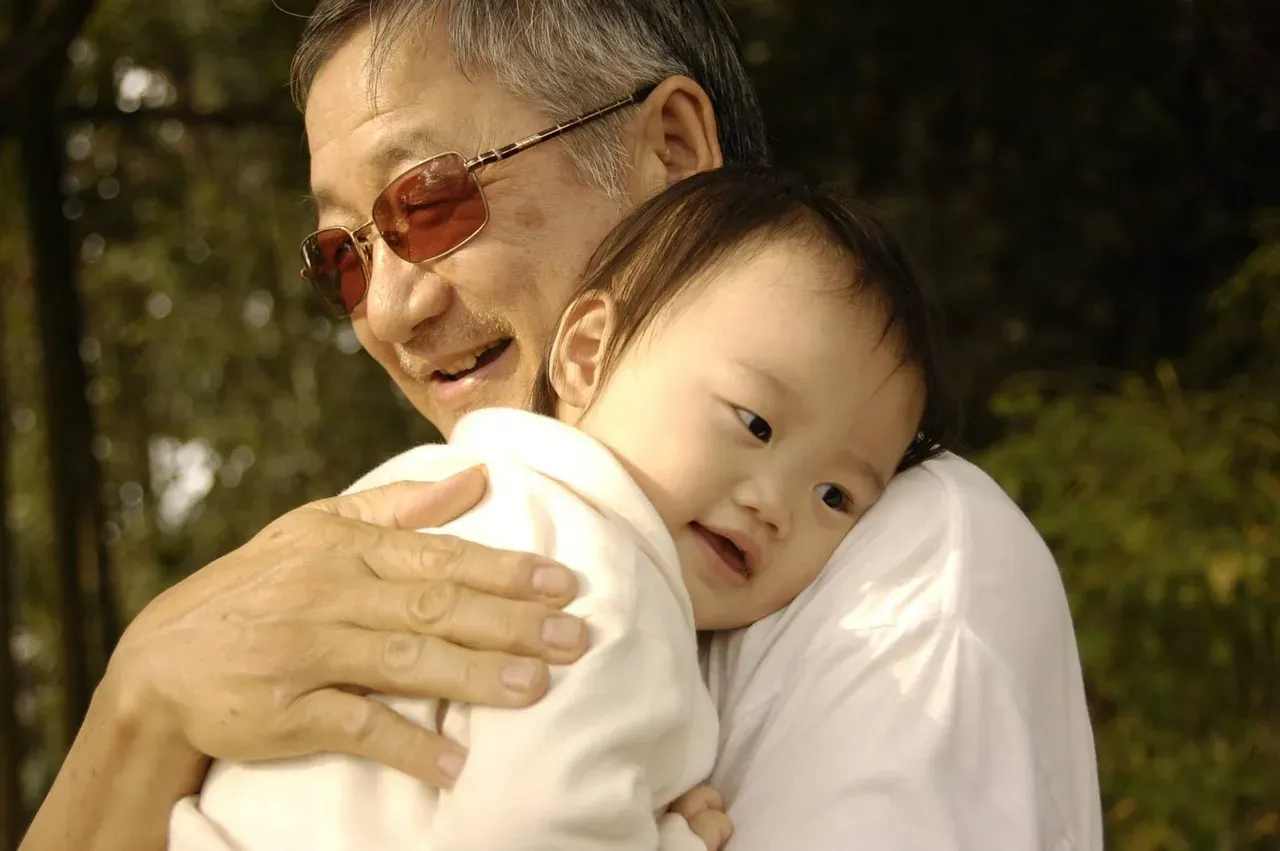
You’re rushing through life, juggling work deadlines and social commitments, and then your grandmother says something like, “Stop and smell the roses.” It sounds cliché until you realize she’s lived through enough chaos to know what actually matters. Grandparents grew up in different times. They remember when dinner meant sitting together without phones, when boredom was acceptable, when connection didn’t require WiFi.
Research examining intergenerational wisdom-sharing programs found significant positive effects regarding participants’ sense of purpose in life, attitudes toward older people, and comfort interacting with older people according to a study involving middle and high school youth. The wisdom conveyed through family stories took the form of advice, encouragement, warning and reprimand, and was usually expressed indirectly, requiring effort to read the hidden message and give it meaning in a 2024 qualitative study of emerging adults in Poland. When your grandparent gently reminds you to appreciate simple moments, they’re handing you a shield against burnout. That message tends to resurface right when you need it most.
I think what makes this stick is the authenticity. Grandparents aren’t reading from self-help books or Instagram quotes. They’re sharing what kept them sane through decades of ups and downs. Research shows that intergenerational transmission of values is based not only on presenting universal values, but also on comparing what was valued in the past and what is valued now, noting that close relationships, family, time spent together, care for others and independence were important in the past. When life feels overwhelming, you remember their words. You take that walk. You put down the phone. You notice.
When They Remind You That Mistakes Are Just Part of Learning
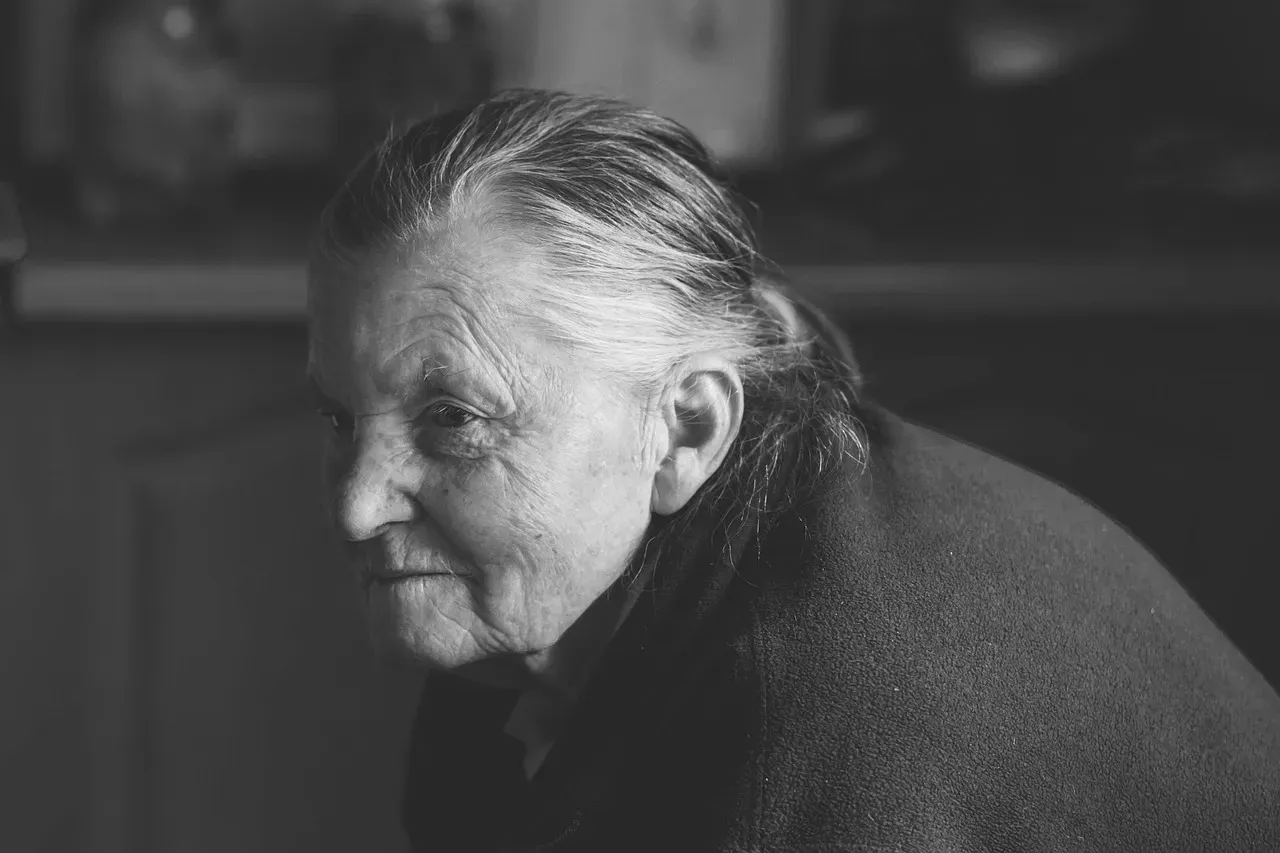
Messed up at work? Failed a test? Made a bad call? Your grandparent has probably been there, done that, and survived to tell the tale. Unlike parents who might panic about your future, grandparents often have the emotional distance to say, “You’ll figure it out. I did worse and turned out fine.” That reassurance carries weight because they’re living proof.
Research suggests that the effect of adverse events in childhood lasts for many years, so may a grandmother’s buffering, with maternal grandmothers’ investment in their grandchildren producing a long-lasting impact on development and wellbeing by protecting them from the full impact of adverse life events. Grandparents can play a critical role in helping their grandchildren develop emotional regulation skills by modeling healthy emotional expression and providing guidance on coping with strong emotions, with research showing that children with close relationships with their grandparents tend to have better emotional regulation skills. Honestly, there’s something comforting about knowing someone older and wiser thinks you’re going to be okay.
Their stories about their own failures become your safety net. Findings indicate that wisdom-sharing programs had positive effects for youth participants, supporting the development and promotion of programs that focus on the transfer of wisdom from older to younger persons according to a randomized controlled study. When they tell you about the time they got fired, lost money, or embarrassed themselves, it normalizes struggle. You start to understand that perfection isn’t the goal. Growth is. Years later, when you’re facing your own setbacks, you hear their voice: “This too shall pass.” And somehow, it does.
When They Teach You About Resilience Through Their Own Stories
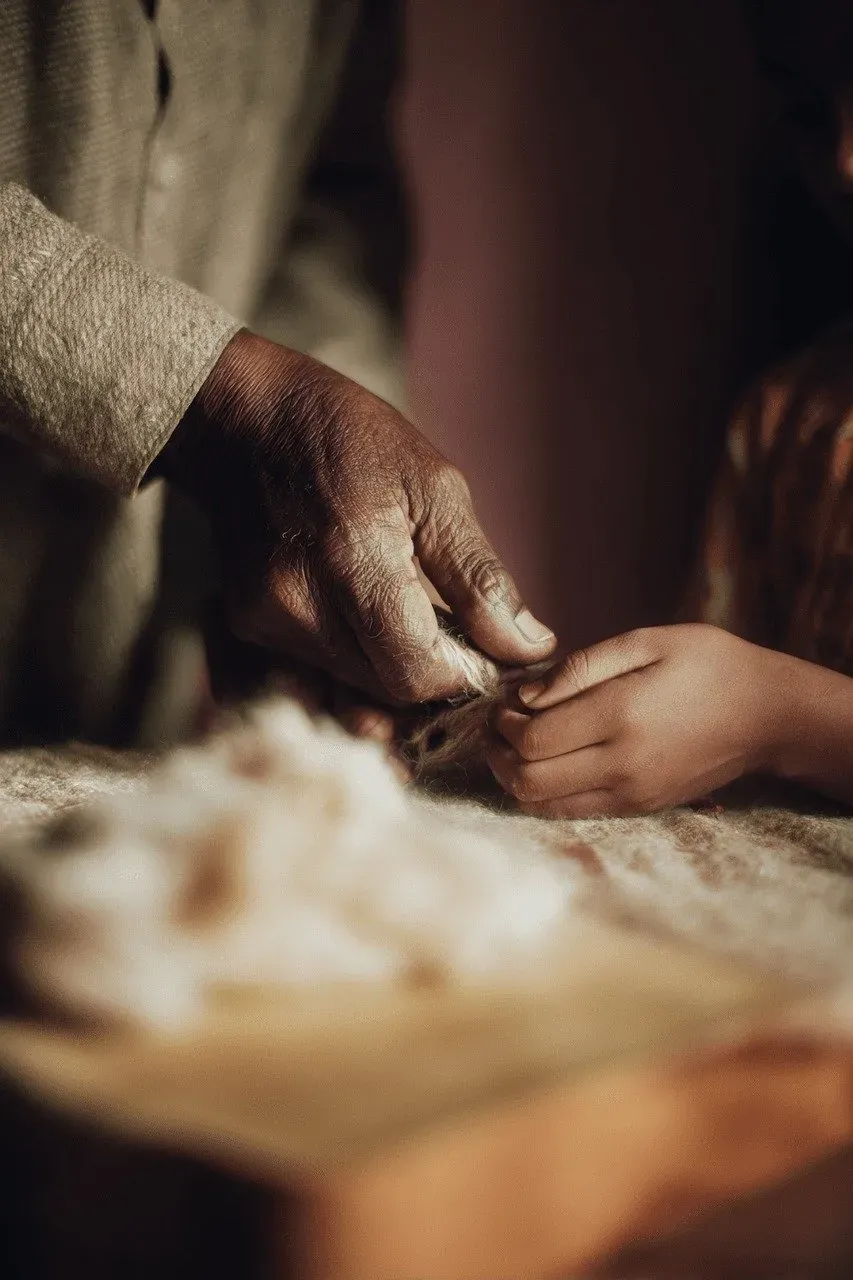
Grandparents lived through things we only read about in history books. Wars, recessions, social upheaval. They didn’t have therapy apps or wellness podcasts. They just kept going. When they share those stories, they’re not trying to one-up your problems. They’re showing you that humans are tougher than we think.
The nurturing bond between grandparents and grandchildren is likely to influence determinants of child health, potentially reducing risky behavior including smoking and drug use among teenagers, improving nutritional outcomes, reducing the likelihood of childhood obesity, and being associated with better mental health in grandchildren according to a 2023 review in the International Journal of Public Health. Research shows positive trends in mental health and social outcomes such as positive changes in attitudes towards older people, better mutual understanding, decreased stereotyping, reduced anxiety and an improved sense of self-worth from intergenerational programs. Let’s be real: sometimes you need to hear that your great-grandfather survived the Depression before you can face your own financial stress.
What stays with you isn’t just the story itself. It’s the subtext: you come from people who endured. Grandparents may directly influence the mental wellbeing of their grandchild, supported by studies demonstrating a grandparent-grandchild mental health association even across complex family situations. Their resilience becomes part of your identity. When life gets hard, you think about what they survived with far fewer resources. You find strength you didn’t know you had. Their past becomes your present courage.
When They Tell You to Be Kind Because You Never Know Someone’s Story
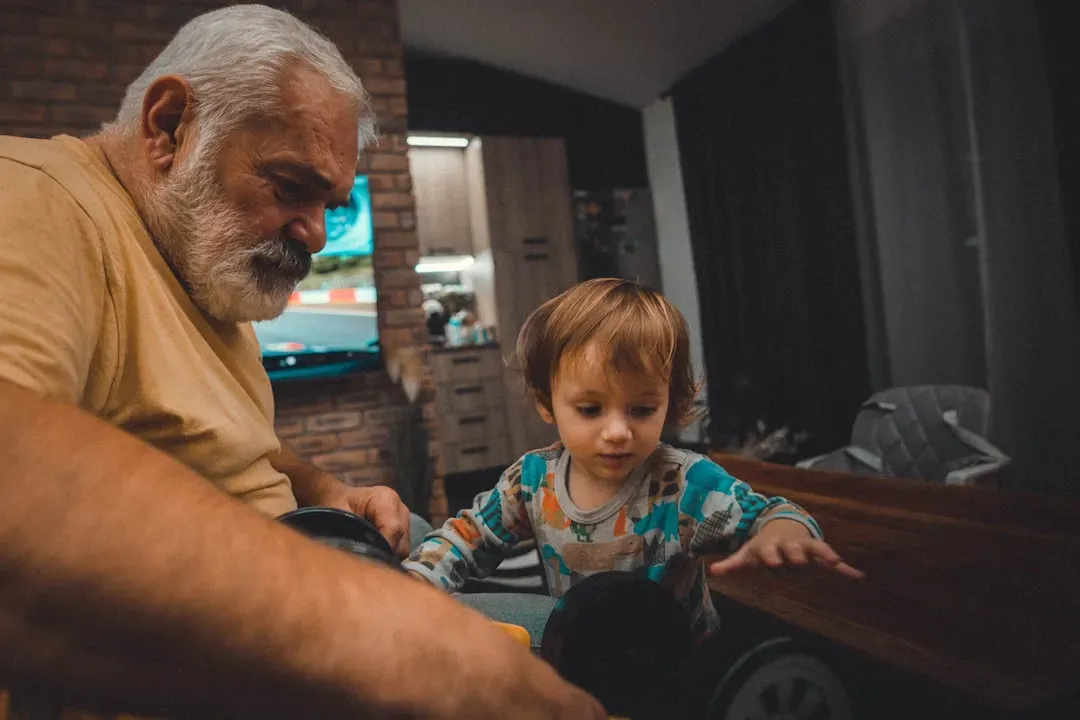
Grandparents have met enough people and lived through enough situations to understand complexity. They’re less likely to judge harshly because they’ve seen how quickly circumstances can change. When they tell you to be kind, to give people the benefit of the doubt, to help when you can, it’s not naïve optimism. It’s hard-earned wisdom.
Research suggests interventions to improve the mental health of grandmothers as well as parents may be important to child mental health, noting that current strategies often focus on mother-infant dyads while the role of other family members and the key influence of grandparents in non-Western cultures is given little attention according to a 2019 three-generation study in Brazil. Evidence shows that protective factors including social and emotional skills learned in early childhood and ongoing family support bolster emotional wellbeing, with social support, particularly family support, positively associated with emotional wellbeing in research examining emerging adulthood challenges. Their lessons about compassion shape how you treat others long after they’re gone.
This message sticks because it’s proven itself true over and over. You see the person struggling at the grocery store and remember your grandmother saying everyone’s fighting their own battles. You show patience with a difficult coworker because your grandfather taught you that anger only hurts you. Having grandchildren and seeing them regularly may have a link to older adults’ mental health and risk of loneliness, with findings suggesting a need to study the role of grandparenting in older adults’ lives as part of addressing social isolation according to the National Poll on Healthy Aging. Kindness becomes second nature, not because you’re trying to be good, but because their words rewired how you see the world. That’s the gift that keeps on giving.
The words grandparents leave behind aren’t just advice. They’re lifelines. Research reviews discuss the profound effect of grandparents on key aspects of their grandchildren’s development, including cognitive and verbal abilities, mental health, and overall wellbeing, examining grandparents’ altruism from perspectives ranging from evolutionary theory and sociology to economics. Long after they’re gone, you’ll find yourself making decisions based on what they taught you. You’ll repeat their phrases to your own kids. You’ll finally understand what they meant when you’re old enough to appreciate it. Those moments of connection, those simple statements delivered with love and experience, they don’t just stay with you. They become you. What’s the wisdom you carry from your grandparents that still guides you today?