5 Canadian Cities Locals Say Are Cracking Under Tourist Crowds
Canada’s postcard-perfect destinations have become victims of their own success. Canada’s charming small towns have become a double-edged sword, with places once offering peaceful mountain retreats now struggling under the weight of millions of visitors. Social media has put many hidden gems on the map, turning quiet streets into tourist hotspots almost overnight.
Banff: Canada’s Crown Jewel Cracks Under Pressure
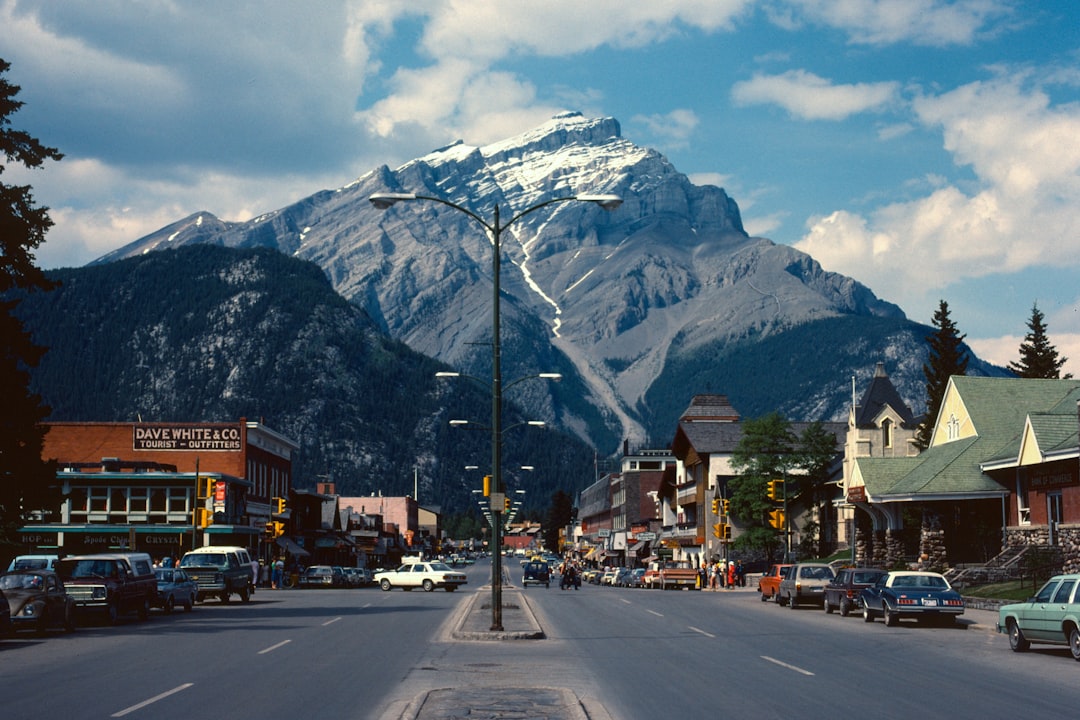
Nearly four million people visited Banff in 2024 alone, and overtourism is a growing concern for Parks Canada. This isn’t just another busy vacation spot anymore. Total vehicles counted at town entrances at Mount Norquay Road and Banff Avenue may exceed the 2024 record vehicle count of 6.8 million vehicles. Honestly, when you need traffic counters at the entrance to a mountain town, something has gone seriously wrong.
Banff has an estimated housing shortfall of 750 to 1,000 units, while the waitlist for daycare is about two years. 46 per cent of residents identifying housing as the most important issue, while 58 per cent of residents find housing in Banff unaffordable. Local workers are being priced out of their own community, forced to commute from distant towns just to serve the endless stream of tourists.
Canmore: The “Affordable” Alternative That Isn’t Anymore
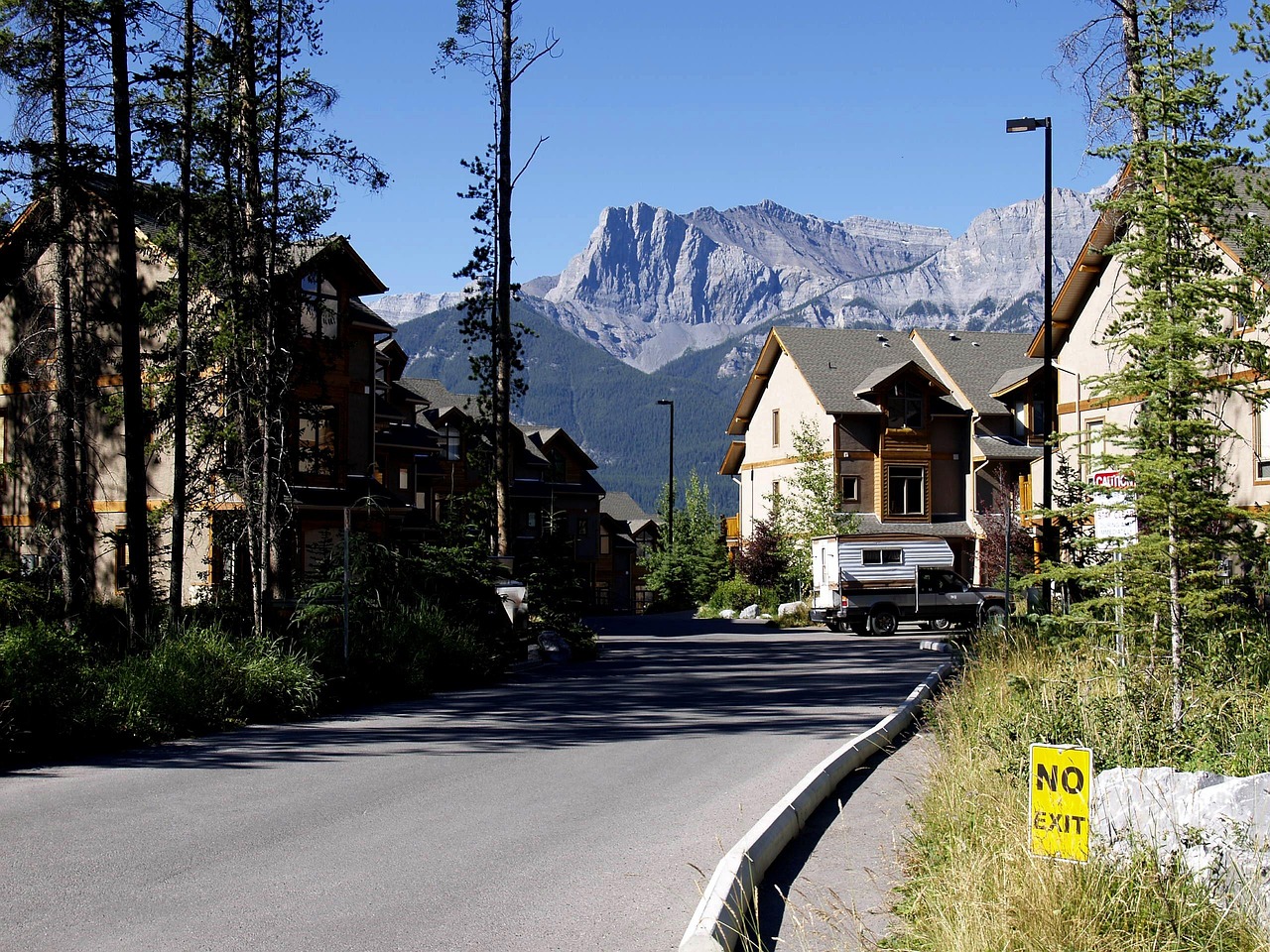
Just outside Banff National Park, Canmore has grown rapidly as a more affordable alternative for mountain tourists. Yet property prices hitting a median of approximately $1.5 million for single-family detached homes in 2024, Canmore’s housing market remains one of the most expensive in Alberta. The irony is painful – the “budget option” has become a millionaire’s playground.
A Statistics Canada study shows short-term rentals make up at least 15 per cent of Canmore’s housing market, which is one of the highest in the country. The municipality estimates that about 26 per cent of homes are owned by second homeowners. The town has implemented some of the most aggressive measures in Canada to address overtourism effects, including a controversial vacancy tax that charges second homeowners roughly three times what full-time residents pay.
Tofino: Paradise Lost to Instagram Fame
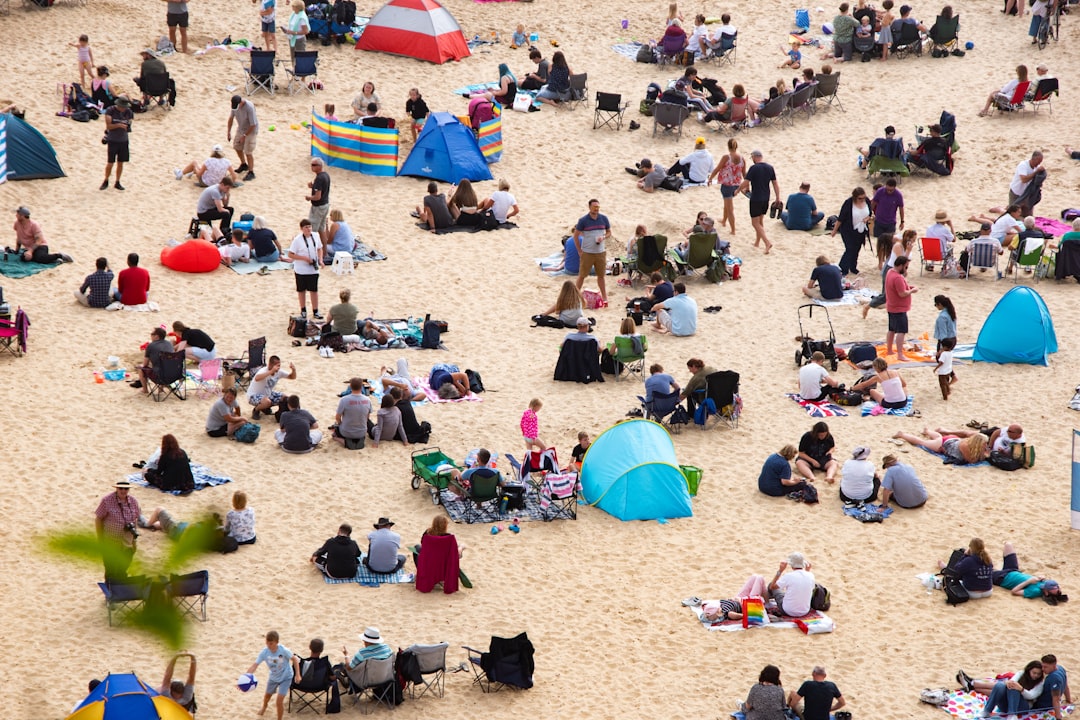
Tofino’s stunning beaches and relaxed vibe have gone viral, drawing far more tourists than its size can handle. Picture this: The town of about 2,000 residents hosts hundreds of thousands of visitors each summer. That’s like trying to fit a major city’s worth of people into your neighborhood every year.
The West Coast currently has the second-highest living wage in B.C. after Whistler with $28.85 being the “bare bones” hourly wage necessary to lift someone out of poverty and into an adequate quality of life according to a 2024 report by the Clayoquot Biosphere Trust. Meanwhile, roads get backed up, beaches become crowded, and small-town services feel the strain. The magic that drew people here is slowly disappearing under the weight of its own popularity.
Whistler: Olympic Glory Becomes a Burden
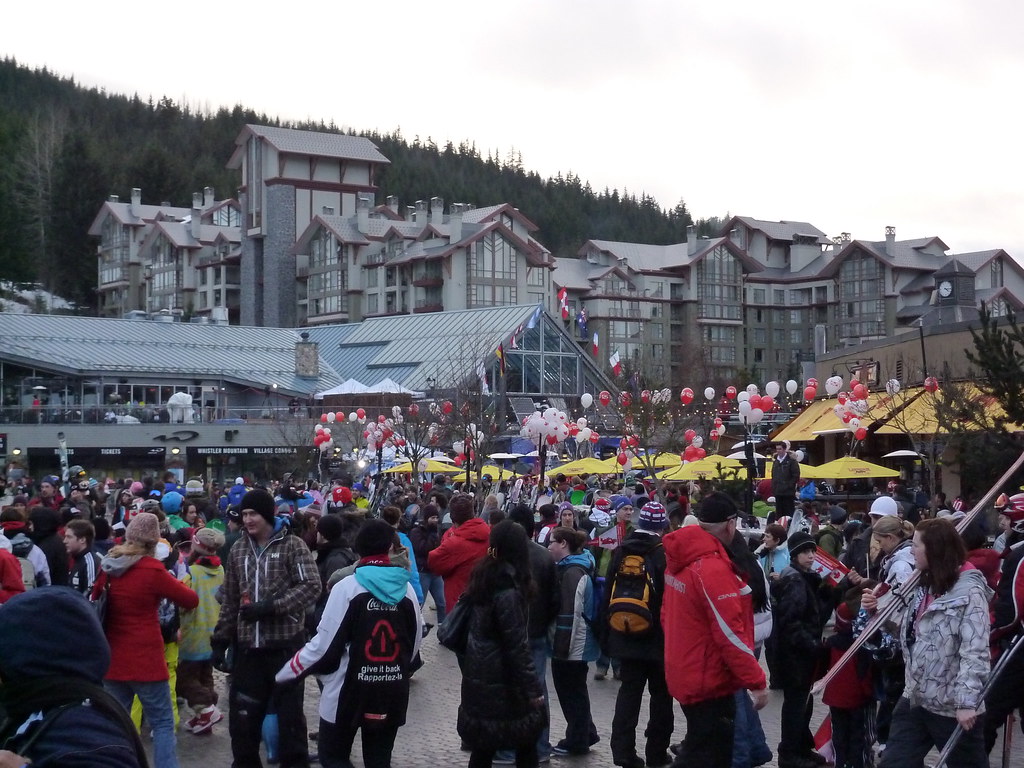
Whistler became a global name after the 2010 Olympics, but its popularity now strains the community. Winter brings crowds of skiers, while summer sees mountain bikers and hikers fill the trails. The Olympic dream has turned into a year-round nightmare for locals trying to live normal lives.
Soaring housing prices have forced many local workers to live far outside the town. By comparison, the Whistler Resort Area saw a 6.3 per cent increase in the average daily rate for a hotel in April, jumping from $295.35 to $314.04. Traffic on the Sea-to-Sky Highway is frequently backed up, especially during weekends and holidays. The workers who keep this resort running can barely afford to live within an hour’s drive of their jobs.
Jasper: Rebuilding While Managing the Masses
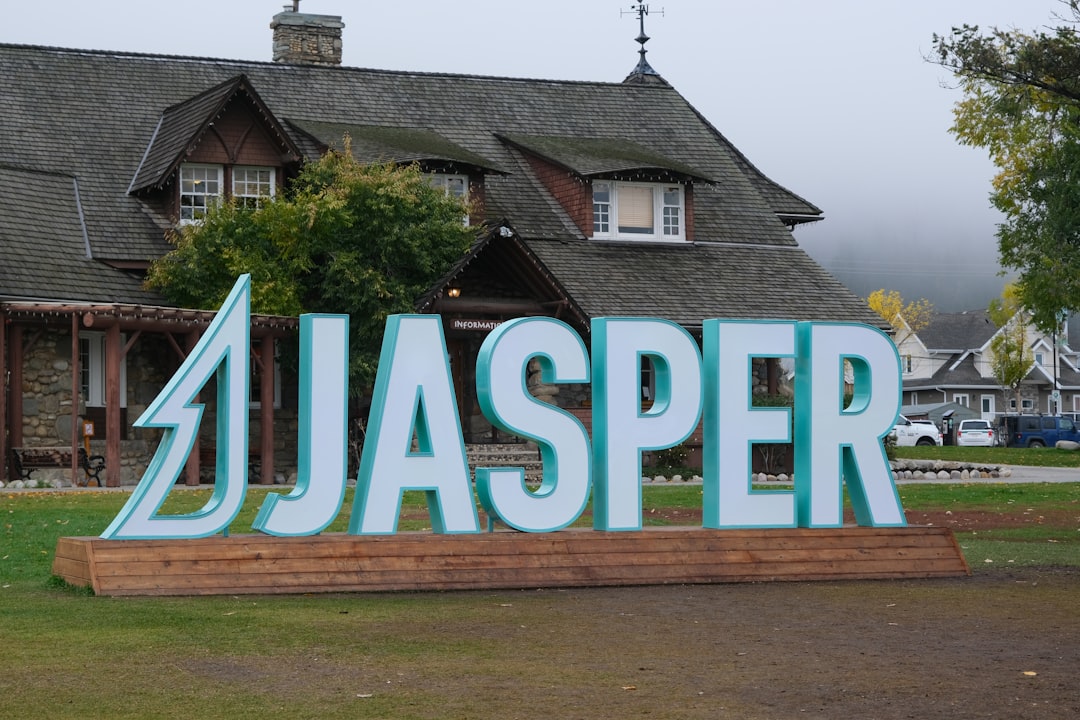
Jasper, once seen as a quieter alternative to Banff, is now experiencing similar pressures. Summer brings a flood of tourists eager to explore Jasper National Park, causing parking shortages and restaurant supply issues. What makes Jasper’s situation particularly heartbreaking is the additional challenge they face.
Recent wildfires have added new challenges as the community juggles recovery and ongoing visitor demand. The town faces the unique challenge of rebuilding while managing the same tourism pressures that existed before the disaster. Think about that for a moment – they’re trying to rebuild their community while still dealing with overwhelming crowds of tourists who expect everything to be perfect.
The pattern across these five cities tells a troubling story. What started as economic opportunities have become existential threats to the communities that locals once called home. These aren’t just numbers on a tourism board’s spreadsheet – they’re real people being displaced from places their families have lived for generations. What will be left of these authentic Canadian communities if this continues unchecked?