5 U.S. Cities Ranked by Their Most Dangerous Neighborhoods Using Recent Data
The battle against crime continues across American cities, with certain neighborhoods bearing a disproportionate burden of violence and criminal activity. Recent FBI crime statistics reveal a complex picture where overall national crime rates have declined, yet specific neighborhoods within major cities remain troubling hot spots. These areas serve as stark reminders that progress remains uneven across urban America.
Memphis, Tennessee: Neighborhoods Where Violence Dominates

Memphis once again tops the list as the most dangerous city in America, with a violent crime rate nearly six times the national figure. The city recorded over 300 homicides in 2024, an extraordinary number for a metropolitan area of its size. Aggravated assaults, armed robberies, and carjackings plague the city, with experts attributing Memphis’ crime surge to socioeconomic disparities, rampant gang violence, and a shortage of police officers. Despite these challenges, Memphis saw a 30 percent decrease in homicides by the end of 2024, with overall crime dropping to a 25-year low across major categories, though President Trump has placed Memphis “early on the list” of cities for potential federal intervention.
St. Louis, Missouri: Wells-Goodfellow and the Crime Crisis

St. Louis maintains a crime rate that is 275.5% higher than the national average, with 4,212 reported violent crimes equivalent to 1,472 per 100,000 individuals. The most dangerous neighborhoods include Wells-Goodfellow, where the property crime rate is 380% higher than the rest of the country, with residents facing a 1 in 9 chance of becoming a crime victim. Other high-crime areas include Peabody-Darst-Webbe and Old North Saint Louis, particularly in the northern section around neighborhoods like JeffVanderLou and Central West End. However, recent data shows promise with St. Louis experiencing historic crime decreases in recent periods, including a 36% decrease in burglaries, 42% decrease in auto thefts, and 53% decrease in shooting incidents.
Detroit, Michigan: East Side Struggles Despite Overall Progress
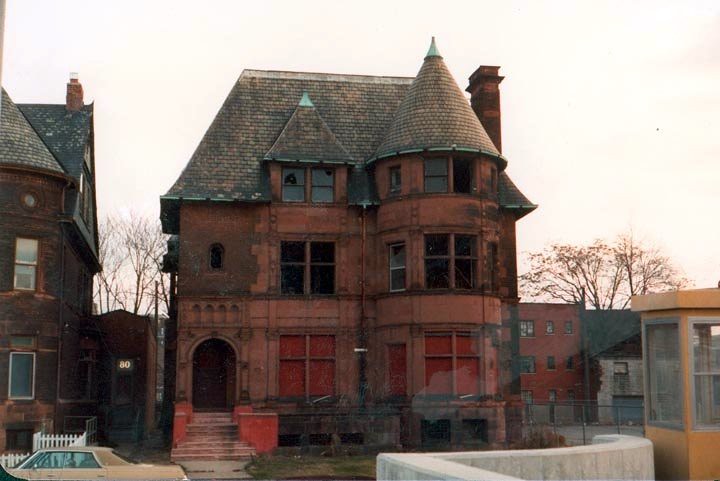
Detroit maintains a violent crime rate of 2,028 crimes per 100,000 people, falling within the lowest 10% among cities reporting violent crimes and resulting in a 1 in 50 likelihood of experiencing a violent crime. The most dangerous neighborhoods include Brightmoor, Oakwood Heights, and East English Village on the east side, along with areas like Fishkorn, Carbon Works, and Van Steuban which exhibit crime rates above the city average. Despite these challenges, Detroit’s East Side has seen encouraging trends with homicides dropping to 203 in 2024 from 309 in 2022, while carjackings and robberies declined significantly. Community violence intervention groups like Detroit Friends & Family have posted an 83% drop in violent crime in neighborhoods on the city’s east side.
Baltimore, Maryland: Persistent Violence Despite Reform Efforts
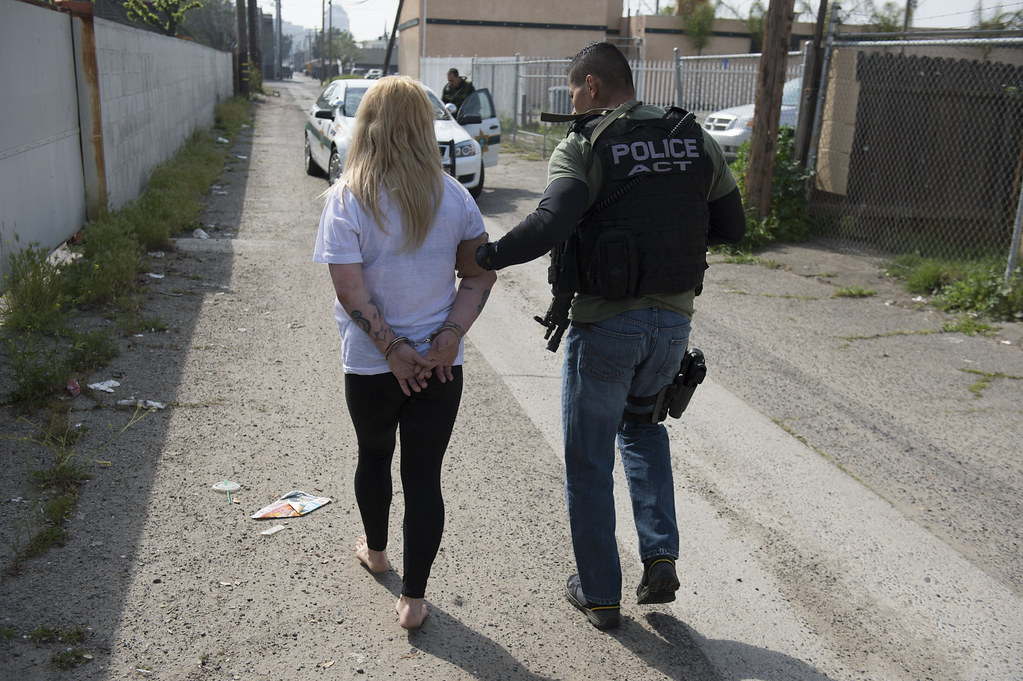
Baltimore ranked second in murders nationally while maintaining its position as the nation’s leader in robbery rates, with the city’s crime challenges stemming from decades of economic decline, the opioid crisis, and systemic issues. The city continues to struggle with concentrated violence in specific neighborhoods where poverty and drug-related crime intersect. However, Baltimore has shown progress with robberies and auto thefts down compared to the previous year, while the homicide clearance rate has jumped from 40.3 percent in 2020 to 68.2 percent in 2024. Baltimore maintains approximately 1,555 violent incidents per 100,000 residents, with both the city and St. Louis suffering from concentrated urban poverty, underfunded policing, and overstretched courts.
Birmingham, Alabama: Small City with Outsized Violence
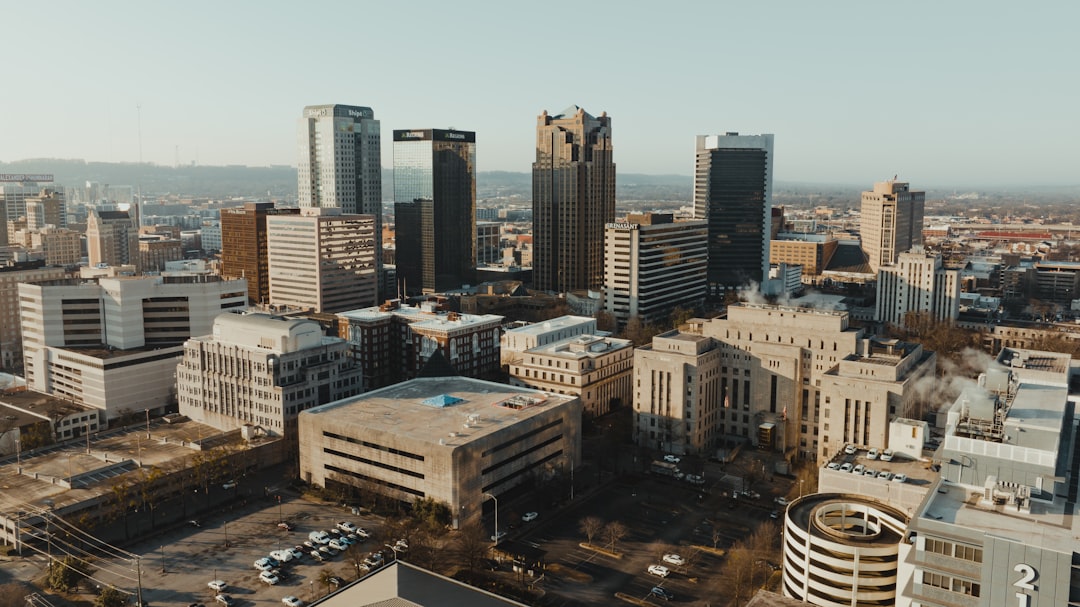
Birmingham stands out for having one of the highest violent crime rates in the southern United States. With a population of just over 200,000, the city recorded 151 homicides in 2024, setting a new record. Much of the violence is linked to gang activity, drug trafficking, and deeply entrenched poverty, with violent crime overall increasing as aggravated assault rose nearly 10 percent in the recent months. To address the high rates of violent crime, particularly those involving firearms, Mayor Randall Woodfin put together a blueprint recently for deterrence and intervention. The city’s crime challenges highlight how dangerous neighborhoods aren’t limited to major metropolitan areas but can emerge in smaller cities facing economic hardship.
The data reveals that America’s most dangerous neighborhoods continue to face deep-rooted challenges involving poverty, unemployment, and social instability. While some cities show encouraging trends toward reduced violence, the concentration of crime in specific neighborhoods remains a persistent challenge requiring targeted intervention and sustained community investment. What do you think about these neighborhood-specific crime patterns? Tell us in the comments.