Countries Considered Risky to Visit in 2025, According to New Studies
Travel risks are intensifying worldwide, with new research revealing troubling patterns across the globe. In a report released by Europe-based risk analysis companies Safeture and Riskline, researchers concluded that the “security situation has deteriorated in 77 countries” around the globe. These findings paint a sobering picture for travelers planning international trips this year.
Similarly, the annual outlook from International SOS, another security and health risk services firm, didn’t lower the security risk rating for a single country in 2025 and intensified warnings for quite a few, citing “geopolitical tensions” as the most “prominent trigger.” What makes these revelations particularly striking is that even traditionally stable regions are experiencing unprecedented challenges.
Somalia: Africa’s Most Dangerous Destination
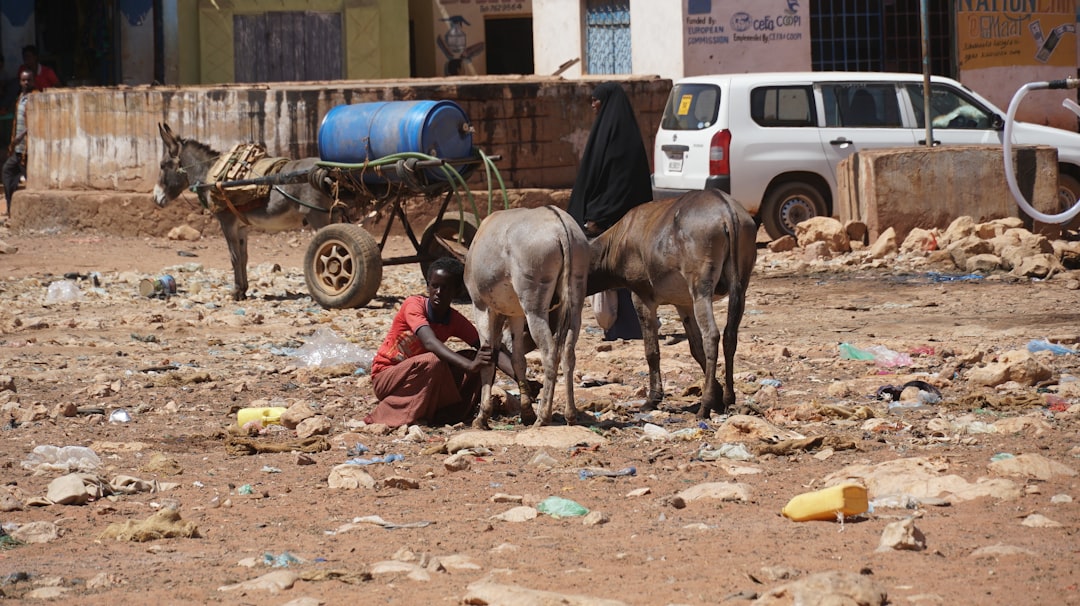
Crime, terrorism, civil unrest, health issues, kidnapping, piracy, and a lack of availability of routine consular services are among the reasons Americans are warned not to travel to Somalia. Violent crime, such as kidnapping and murder, is common throughout Somalia. The East African nation faces a complex web of security challenges that make it virtually impossible for tourists to navigate safely. Local authorities have limited control over large areas of the country, creating an environment where criminal groups and terrorist organizations operate with relative impunity.
Venezuela: Economic Collapse Creates Extreme Risks

At the other end of the spectrum, Venezuela was rated among the world’s most dangerous countries, with a safety score of 19.3. The U.S. State Department has issued a Level 4 “Do Not Travel” advisory for Venezuela, citing risks including homicide, armed robbery, kidnapping, and civil unrest. Venezuela has been in the grip of a severe political and economic crisis, leading to hyperinflation, widespread poverty, and a breakdown in public services. The country’s government has been accused of human rights abuses, and political instability has fueled widespread protests. The combination of economic devastation and political chaos makes Venezuela one of the most unpredictable destinations for travelers.
Sudan: War-Torn Nation Spiraling Out of Control

Sudan has faced prolonged unrest, and safety is put at risk due to ongoing violence. There are political protests that occur where it can turn into an armed clash. An advisory against travel to Sudan warns that travelers face the risk of armed conflict and crime, including kidnapping, armed robbery, home invasions, and carjackings. The U.S. Embassy in Khartoum suspended its operations back in April 2023, which means if you get into trouble, the U.S. government cannot provide emergency services. Armed conflict, including heavy fighting, continues across the country, especially in Khartoum and the Darfur region. The complete breakdown of diplomatic services leaves travelers without any lifeline in emergencies.
Central African Republic: Rebel Forces Control Territory
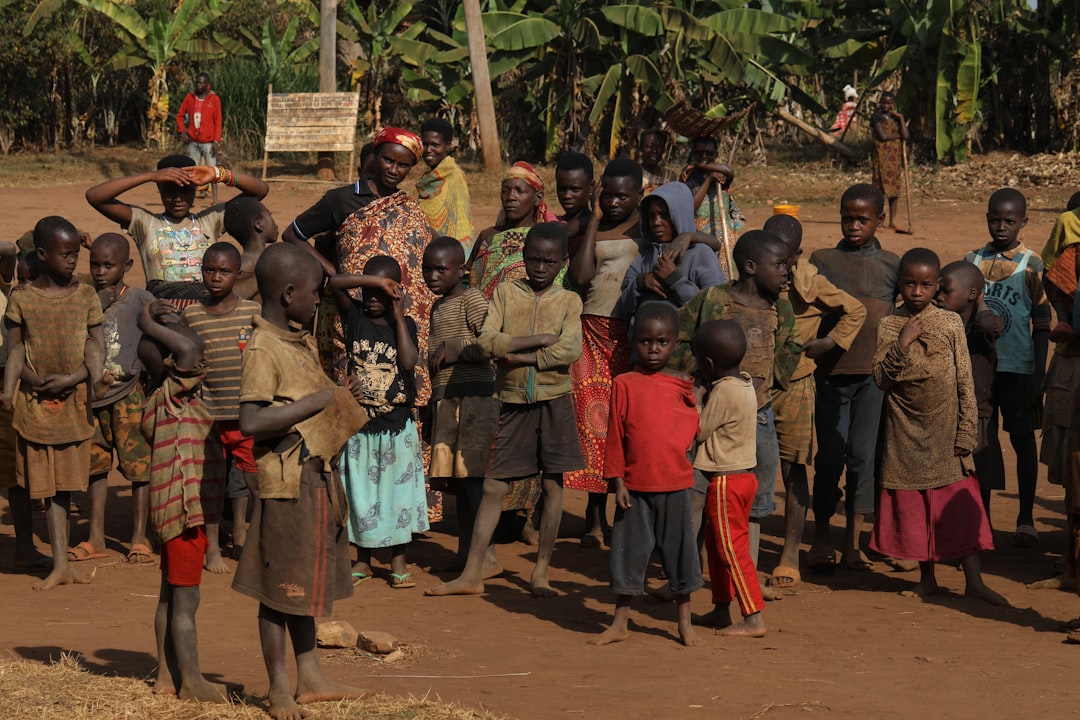
In 2013, CAR also received international warnings of genocide from the United Nations Security Council. Its health risk is also very high, with only one physician available for every 20,000 people as of 2009. The country’s borders remain largely under the control of various armed groups, making safe passage extremely difficult. Despite a unilateral ceasefire declaration by President Faustin-Archange Touadéra in October 2021, conflicts have severely impacted civilians between 2022 and 2023. Heavy clashes between the national army, Russian mercenaries, Rwandan forces, and the Coalition of Patriots for Change (CPC) have resulted in widespread violence and civilian casualties.
Iran: Multiple Risk Factors Create Unique Dangers
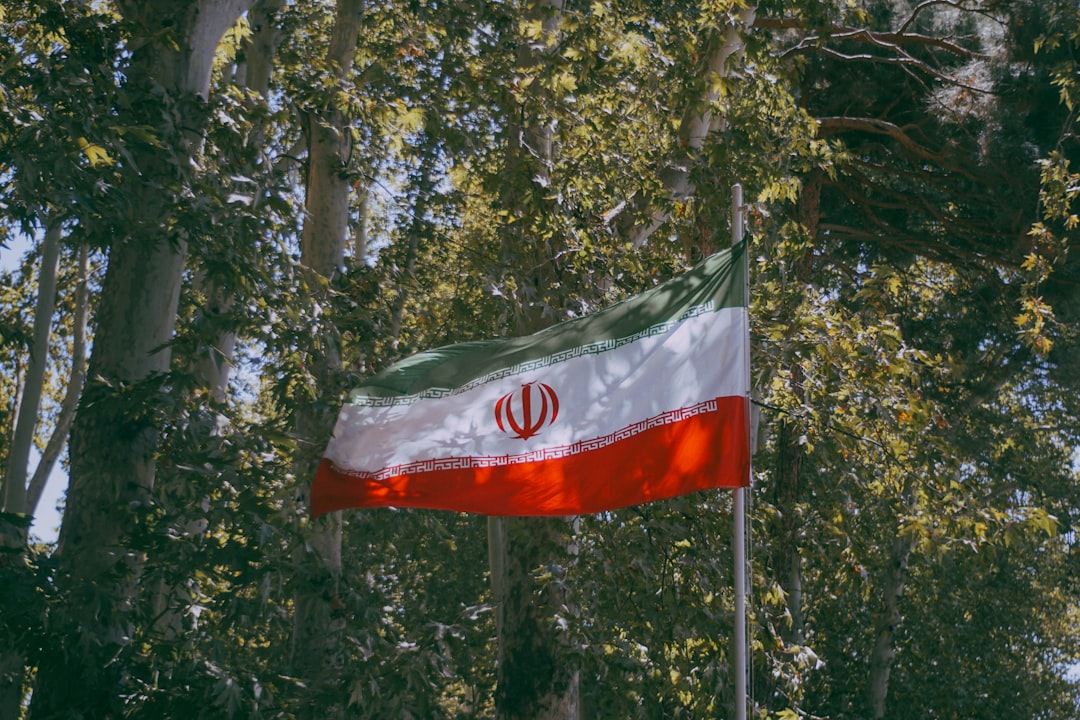
Iran is considered among the most dangerous destinations according to various risk assessments. While sexual assault data was unavailable, the country’s poor healthcare system (healthcare index of 28.2) and high human trafficking score (7.5) contribute significantly to its dangerous ranking. Travelers to Iran face unique challenges, with a crime index of 49.5 and 20.6 traffic deaths per 100,000 people, further amplifying the risks. Iran: Travelers may face threats from terrorism, political tensions, and arbitrary detention, particularly of foreign nationals.
Afghanistan: Taliban-Controlled Territory Remains Hostile
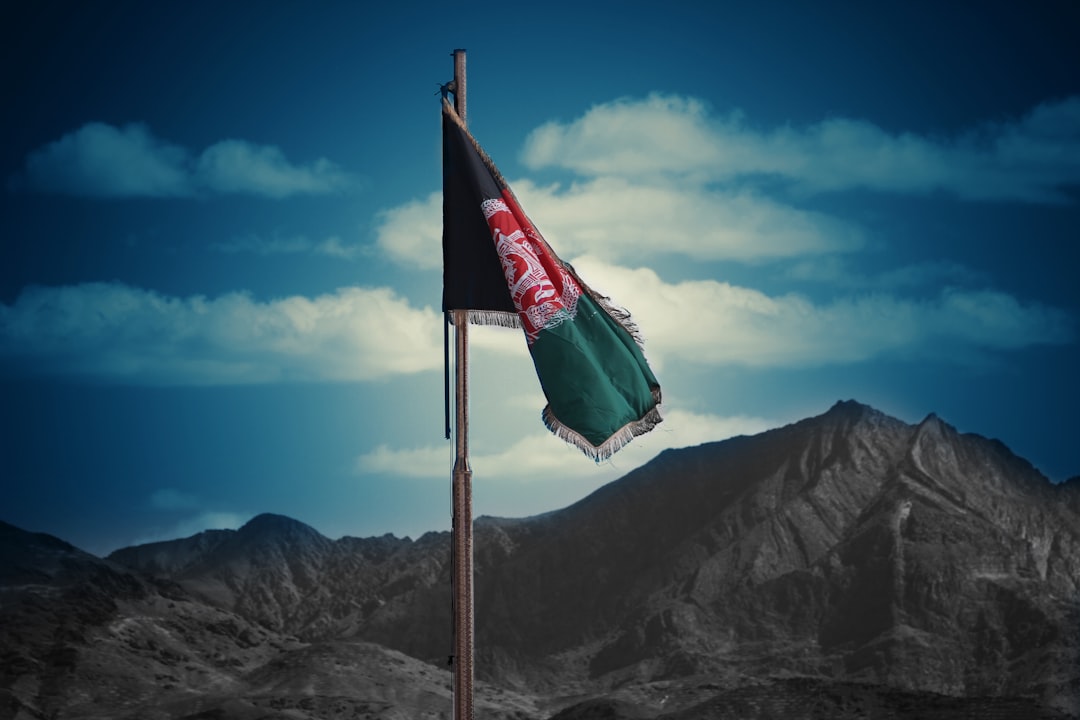
A conflict-ravaged nation, Afghanistan is currently led by the Taliban, and despite its invitations for tourists to visit the country, it remains one of the most dangerous countries to visit in 2025 due to its security threats, stemming from its insurgencies, weak socio-political framework, and instability. The country is also plagued by frequent kidnappings, wrongful detentions, and violence against foreign nationals. The U.S. Embassy in Kabul ceased operations in 2021, and the U.S. government says it cannot provide routine or emergency consular services to American citizens in Afghanistan. Security conditions remain volatile, and there is an elevated risk of being caught in armed conflict or facing unjust imprisonment.
Ukraine: Active War Zone Threatens All Visitors

Do not travel to Ukraine due to Russia’s war against Ukraine. Ukraine remains in an active war zone, resulting in ongoing military actions, economic instability, and infrastructural damage. Many areas pose significant risks for travelers due to missile strikes, land mines, and destroyed roads. The ongoing conflict has transformed what was once a developing tourism destination into one of the world’s most dangerous places for civilians.
Haiti: Gang Violence and Political Chaos Destroy Safety
Haiti continues to experience political instability, gang violence, and economic turmoil. Gangs control large areas of the country, particularly in and around the capital, Port-au-Prince. Kidnapping for ransom is widespread, and U.S. citizens are often targeted. The lack of effective law enforcement and healthcare infrastructure further compounds the safety risks for travelers. These include Banjul, Central African Republic; Beirut, Lebanon; Gaza City, Palestine; Karachi, Pakistan; Khartoum, Sudan; Mogadishu, Somalia; Port Moresby, Papua New Guinea; Port-au-Prince, Haiti; Sana’a, Yemen, and Yangon in Myanmar.
Lebanon: Middle East Conflicts Spread Instability

On June 24, 2024, the State Department told Americans not to travel to Lebanon, issuing the country a Level 4 travel advisory, due to “crime, terrorism, civil unrest, kidnapping, unexploded landmines, and the risk of armed conflict.” Sudan, Lebanon, Israel, Iraq, and Myanmar have all undergone multiple risk rating reviews and expansions of high or extreme-risk zones throughout 2024 as a result of conflict. The escalating regional tensions have transformed Lebanon from a regional cultural hub into a dangerous conflict zone.
Maldives: Paradise Lost to Political Instability

There is currently a noticeable change in the Maldives. The popular luxury holiday destination, which was recently rated as extremely safe, is now classified as a `medium risk’ in the Risk Map 2025. The reason is increasing political instability in the country, combined with an increase in social tensions and religious extremism. The increasing consequences of climate change, such as flooding and coastal erosion, also exacerbate the situation. This dramatic shift demonstrates how quickly political situations can deteriorate, catching travelers off guard.
The comprehensive data from multiple international security organizations reveals an unprecedented global deterioration in travel safety. From war-torn nations to countries experiencing political upheaval, the risks facing international travelers have never been more complex or widespread. These findings underscore the critical importance of thorough research and professional security assessments before planning any international travel in 2025.