6 Classic American Dishes That Are Now Nearly Impossible to Find
In America’s golden age of dining, elaborate presentation and theatrical preparation weren’t just restaurant trends – they were grand traditions. Yet somewhere between the rise of fast-casual dining and the pursuit of Instagram-worthy simplicity, many iconic dishes quietly vanished from menus across the nation. These aren’t just recipes that fell out of fashion; they’re culinary treasures that defined an entire era of American hospitality.
Today’s restaurant scene tells a sobering story. The restaurant scene of 2024 and 2025 reveals a story not just of changing tastes, but of financial reckonings long postponed. As iconic brands that defined casual dining for generations now face existential threats, their struggles reveal deeper truths about American consumption patterns, post-pandemic economics, and the fragility of nostalgia as a business model. What follows are six classic American dishes that have nearly disappeared from restaurant menus, taking with them the artistry and showmanship that once made dining out truly special.
Baked Alaska
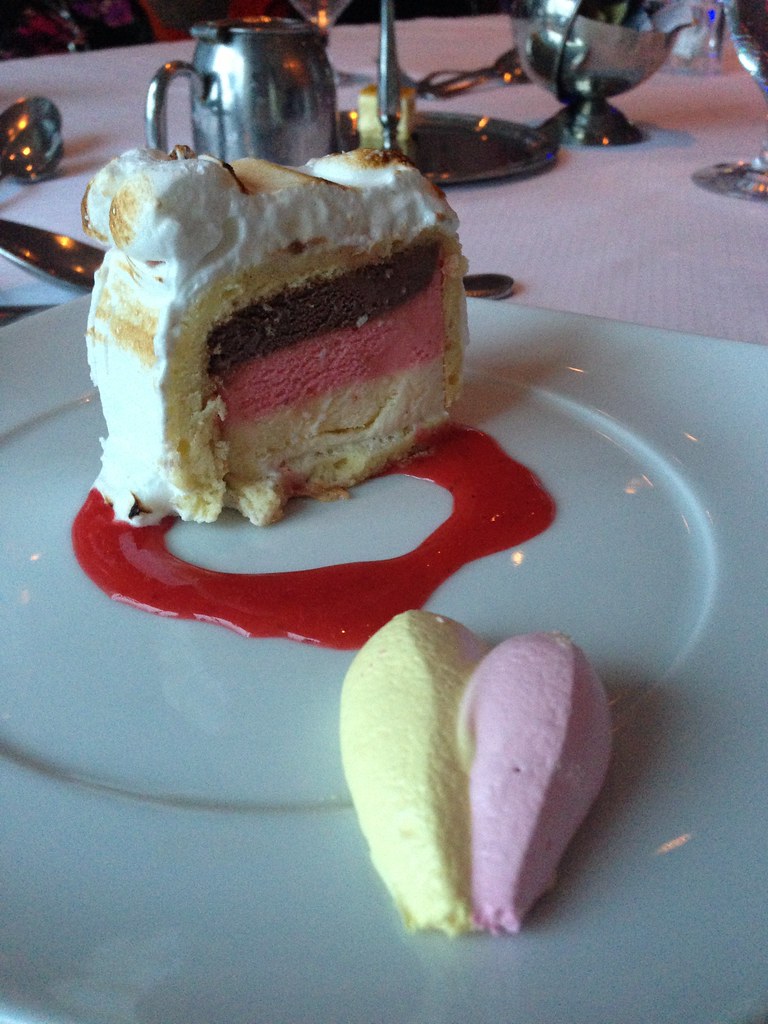
Once the crown jewel of fine dining desserts, Baked Alaska didn’t come from the icy north, but its name was inspired by the land deal. In fact, the treat’s true roots date back to the late 18th century when American-born scientist Sir Benjamin Thompson discovered the insulating properties of meringue. Fausz, a longtime pastry chef who once taught at Le Cordon Bleu, said that even in the Lower 48, baked Alaskas are a rare find. “Outside of a cruise ship environment, I’ve never seen one on a restaurant menu,” Fausz said.
The dish reached its pinnacle during the Gilded Age at establishments like Delmonico’s in New York City. The price tag reflected its grandeur – the cost of the dessert then would equal about $40 today. And Delmonico’s, established in 1837 and still in business today, was a who’s who of the dining scene, drawing personalities like the Rockefellers and Charles Dickens. What made this dessert so remarkable was its scientific impossibility made possible: ice cream that could survive the oven’s heat, protected by a fortress of torched meringue.
About 36,000 diners per year, actually. That averages out to about 100 a day – most of whom probably know little of the history behind this elaborate dessert. While Delmonico’s continues serving their version, most restaurants abandoned the labor-intensive preparation. While making Baked Alaska today is much easier because of modern conveniences such as electric mixers and blowtorches, it was once an incredibly opulent dish, requiring a full kitchen staff and a significant amount of time. And it was also exotic, because it contained expensive bananas from Central America.
Chicken Tetrazzini
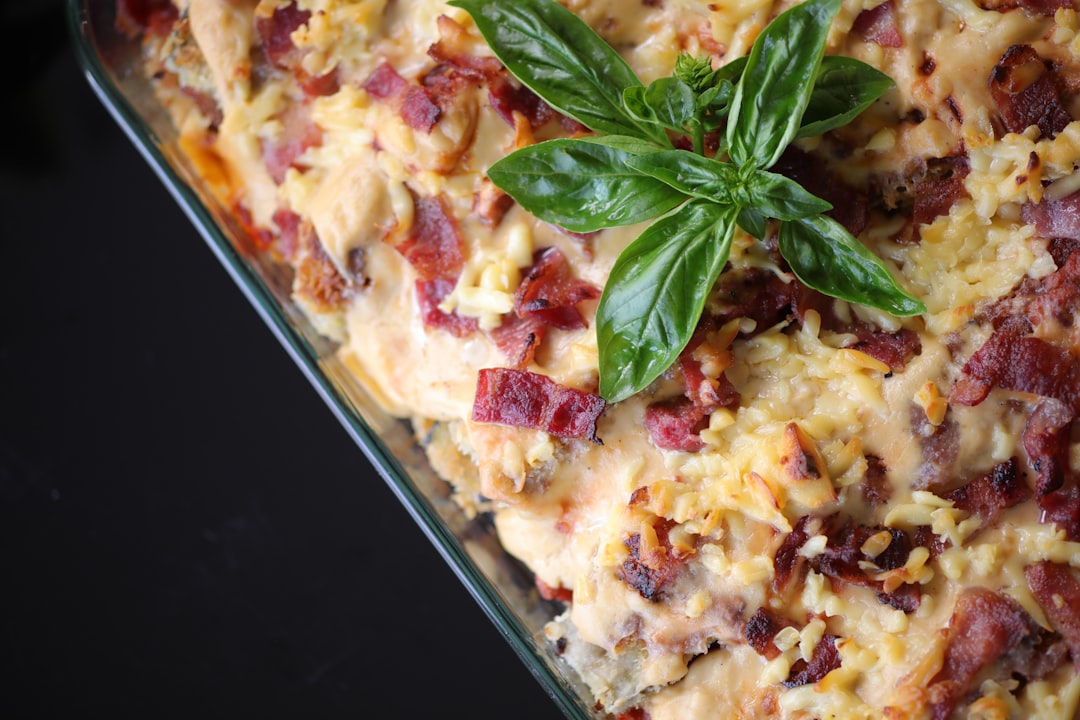
A relative of chicken à la king, turkey Tetrazzini was invented in the early years of the 20th century in San Francisco and named in honor of the Italian soprano Luisa Tetrazzini, who made her American debut in the city in 1905. It consists of diced turkey (sometimes chicken is substituted) and mushrooms in a sauce of butter, cream, and cheese, served over spaghetti, egg noodles, or some other form of pasta. This rich, creamy casserole became a staple of mid-century American dining.
In 1950s through the 1980s, upscale New York City restaurants including Mamma Leone’s and Sardi’s featured tetrazzini on the menu. Sardi’s tetrazzini recipe was featured in Vincent Price’s cookbook A Treasury of Great Recipes, and mentioned in the Sue Kaufman novel Diary of a Mad Housewife. The dish represented everything Americans loved about Continental cuisine: sophisticated yet comforting, European-inspired but distinctly American in its generous portions.
However, In the last decades «Chicken Tetrazzini» has been out of fashion in the restaurants, but it is still a popular preparation with many American families after Thanksgiving when leftover turkey is often substituted for chicken. While home cooks still prepare versions for family gatherings, the restaurant industry largely abandoned this classic. The labor-intensive preparation and changing dining preferences pushed tetrazzini from elegant restaurants to the realm of nostalgic home cooking.
Steak Diane
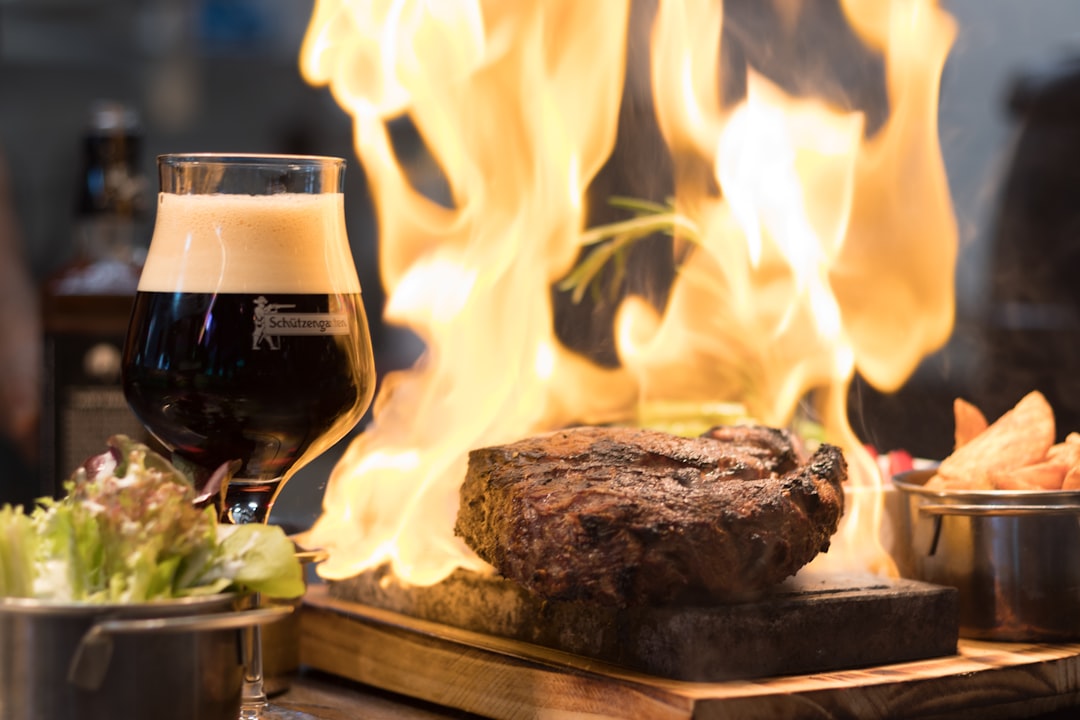
According to the Food Timeline, Steak Diane “is an American invention of the late 1950s/early1960s, when French cooking (think Julia Child & the Kennedy White House menus) was all the rage. Rich wine sauces and flamboyant presentation were the norm for many top restaurants.” This theatrical dish embodied the sophisticated dining culture of post-war America, where meals were performances as much as sustenance.
The preparation was nothing short of spectacular: tender beef medallions cooked tableside in a blazing cognac sauce, creating drama and excitement that modern diners rarely experience. Gordon Ramsey makes Baked Alaska, too. Go figure! The show was half the appeal, as skilled waiters and chefs performed culinary theater beside each table, flames dancing and aromas filling the air.
There are a handful of restaurants in Houston that still serve Steak Diane, places such as Brennan’s and Rudi Lechner’s. I like Brennan’s, but I don’t need to point out the one thing that these three restaurants have in common: a certain age demographic, which still wants its steak with a bucketload of butter on top and the theatricality of a flaming dose of cognac. The few remaining establishments serving authentic Steak Diane cater to diners who remember when eating out meant more than just getting fed.
Frogs’ Legs French Style
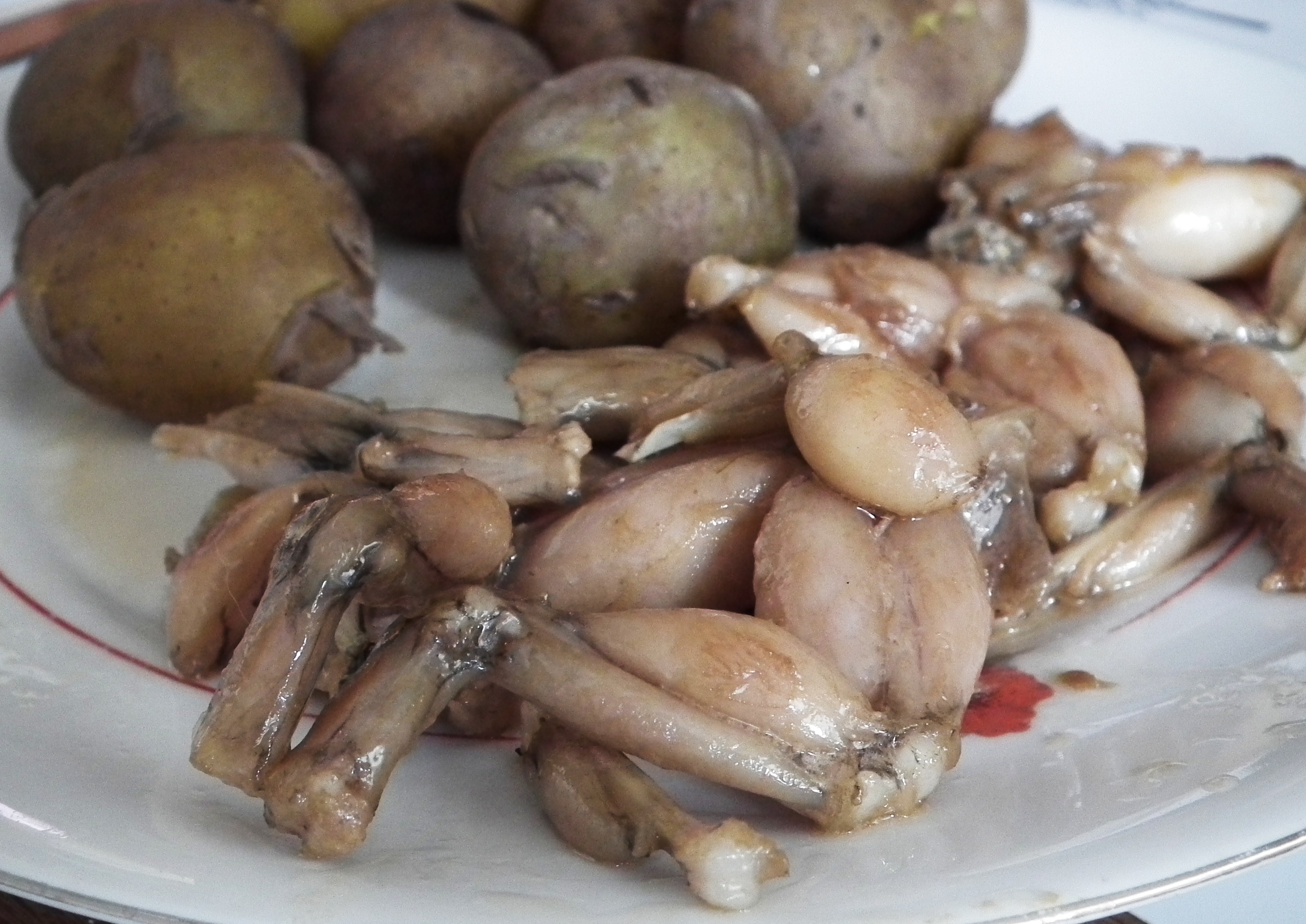
Though deep-fried frogs’ legs have long been a popular dish in the American South, where they aren’t considered particularly fancy, the French version became emblematic of fine dining in the 20th century around the country. These weren’t the casual Southern preparation but an elegant French technique that elevated humble ingredients into sophisticated fare.
The French-style preparation involved delicate sautéing in butter, herbs, and often a light wine sauce, transforming what many considered exotic into an accessible luxury. Fine dining establishments from coast to coast featured this dish as a symbol of culinary sophistication, introducing American palates to European refinement. The presentation was as important as the preparation, often arriving at the table with ceremonial flourishes.
Restaurant liability concerns and changing consumer attitudes toward exotic proteins gradually pushed frogs’ legs off mainstream menus. Today, finding authentic French-style frogs’ legs requires seeking out specialized establishments, often in Louisiana or other regions with strong French culinary traditions. The dish remains a casualty of America’s move toward familiar, predictable dining experiences.
Trout Amandine
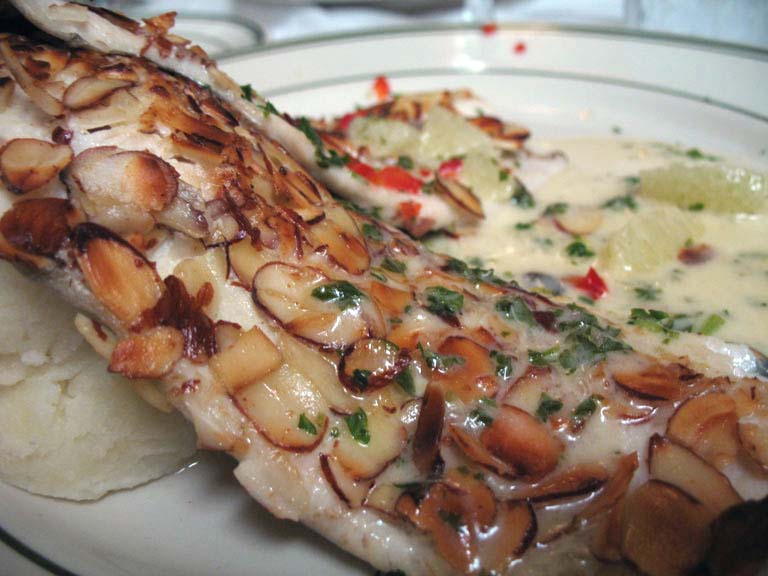
Trout amandine, cooked in butter with flakes of toasted almond (“amande” in French), was the other “fancy” fish dish, along with sole Véronique, once found on menus all over America. This elegant preparation represented the height of American fine dining’s love affair with French technique, bringing Continental sophistication to local ingredients.
The dish required considerable skill: perfectly cooked trout, delicately browned almonds, and a butter sauce that balanced richness with elegance. But when was the last time you saw consommé madrilène, brook trout amandine, or baked Alaska on a menu? To be sure, there are still places serving such retro dishes, ironically or not, but they are undeniably an endangered species. The preparation demanded both technical expertise and quality ingredients that many modern establishments can’t or won’t provide.
Trout amandine’s decline reflects broader changes in American dining: the move away from tableside service, the cost of skilled kitchen staff, and diners’ preference for simpler preparations. What once symbolized culinary sophistication now seems fussy and outdated to many restaurant operators focused on efficiency and familiar flavors.
Apple Pie à la Mode
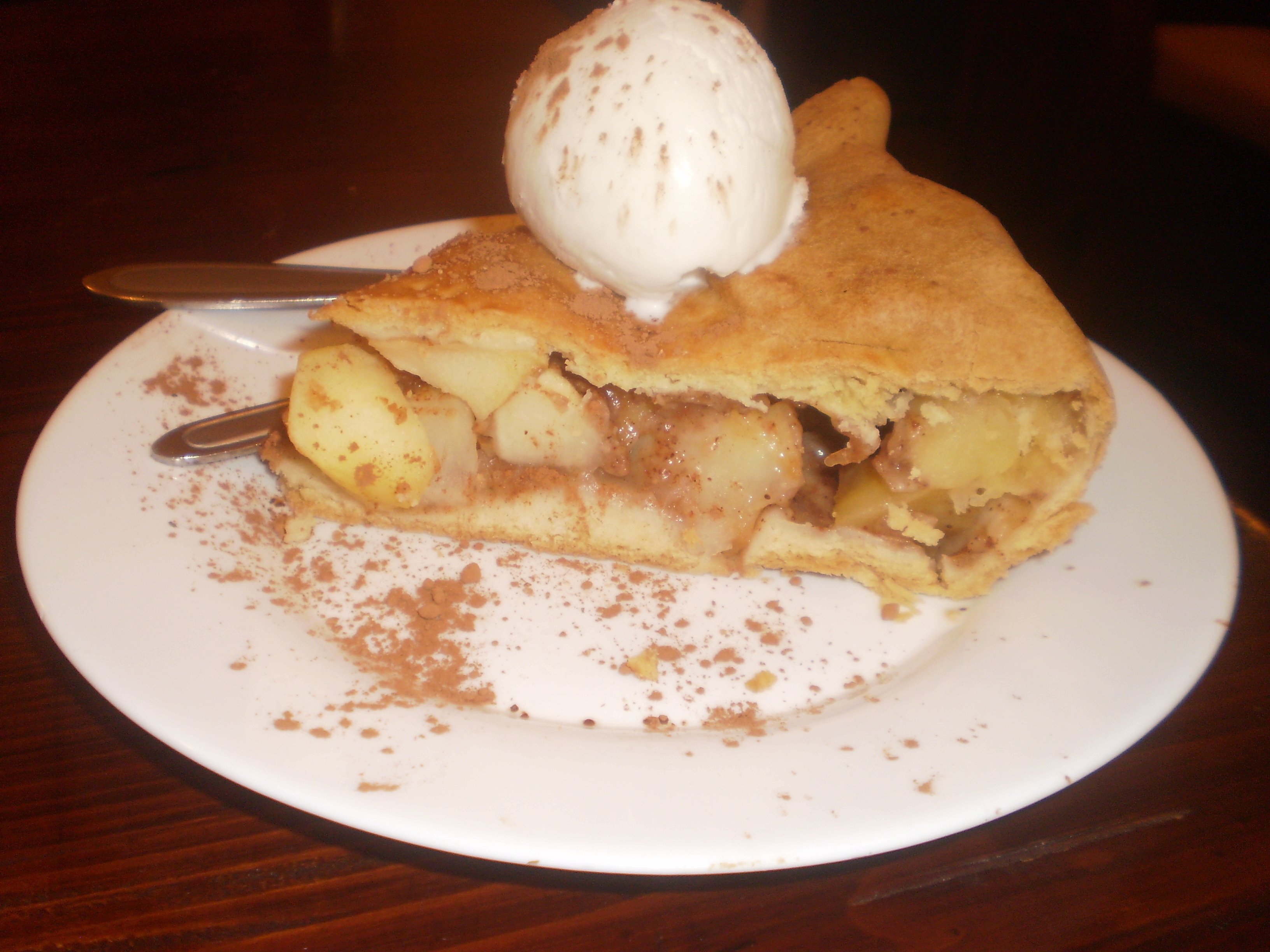
Nothing’s more American than apple pie, of course, and this classic hasn’t gone away – but outside of diners, it’s rare to find it on a restaurant menu anymore. At one time, however, this simple serving of a generous slice of pie topped with or accompanied by a scoop of (usually) vanilla ice cream was a standard dessert even in more formal places. This quintessentially American dessert once concluded meals at establishments ranging from neighborhood cafes to upscale dining rooms.
An alternative was a slice of the pie warmed up and topped with a thick slice of cheddar cheese. The beauty lay in its simplicity and the comfort it provided, representing American hospitality at its most genuine. Quality mattered: homemade crusts, seasonal apples, and premium vanilla ice cream that complemented rather than overwhelmed the pie’s flavors.
Today’s restaurants have largely abandoned house-made desserts in favor of pre-manufactured options or eliminated dessert programs entirely due to cost and labor concerns. The few establishments still serving authentic apple pie à la mode are often local diners or family-owned restaurants that prioritize tradition over profit margins. The disappearance of this American classic from restaurant menus signals a broader shift away from the homestyle hospitality that once defined American dining.