6 Cooking Oils Ranked for Heart-Health Benefits, Cardiologists Explain
Extra Virgin Olive Oil: The Gold Standard

Higher olive oil intake was associated with lower risk of coronary heart disease and total cardiovascular disease in two large prospective cohorts of U.S. men and women, according to research published in the Journal of the American College of Cardiology. Higher olive oil intake was associated with 19% lower risk of cardiovascular disease mortality in a follow-up study tracking over 90,000 adults for nearly three decades. Extra virgin olive oil packs roughly around 75% monounsaturated fats, predominantly oleic acid, which helps reduce LDL or bad cholesterol while maintaining HDL levels. Extra-virgin olive oil is also high in antioxidants called polyphenols that have been linked to heart health, giving this oil a double advantage over refined varieties.
What makes this oil particularly impressive is how it performs in real-world settings. For each 10 g/d increase in extra-virgin olive oil consumption, cardiovascular disease and mortality risk decreased by 10% and 7%, respectively, findings from the PREDIMED study revealed. That’s about one tablespoon daily making a measurable difference. Honestly, those numbers tell you everything about why cardiologists consistently recommend EVOO as a dietary staple. The Mediterranean diet, which centers heavily on olive oil, continues to dominate heart-health research for good reason.
Avocado Oil: The Rising Star
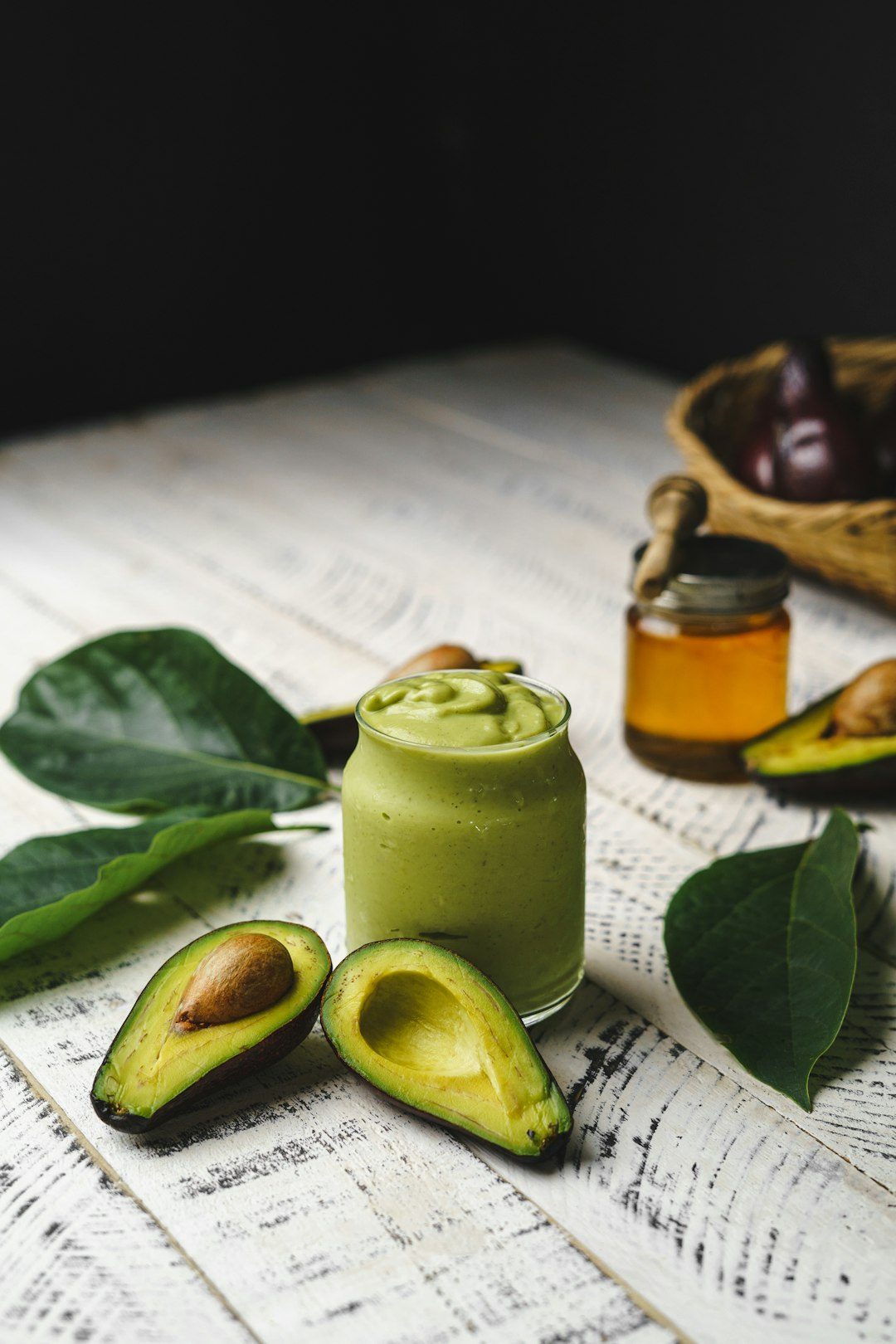
Compared with nonconsumers, those with higher consumption of avocados had 16% lower risk of CVD and 21% lower risk of CHD, researchers found after tracking more than 110,000 health professionals for 30 years. Avocado oil mirrors many benefits of its fruit source, offering roughly about 70% monounsaturated fats with a similar fatty acid profile to olive oil. About 60% of avocado oil consists of heart-healthy oleic acid, a monounsaturated omega-9 fatty acid. This fatty acid is also the main component of olive oil.
Where avocado oil really shines is versatility. It’s rich in good fats and has a higher smoke point than most plant-based cooking oils, which makes it perfect for sauteing, according to cardiologists interviewed by Prevention magazine. Avocados are rich in monounsaturated fatty acids, fiber, and plant sterols, which have cholesterol-lowering effects. Studies from 2023 showed that avocado consumption led to reduced total cholesterol and LDL cholesterol levels compared to control groups. The oil extraction process preserves many of the fruit’s beneficial compounds, including lutein for eye health.
Canola Oil: The Underrated Champion
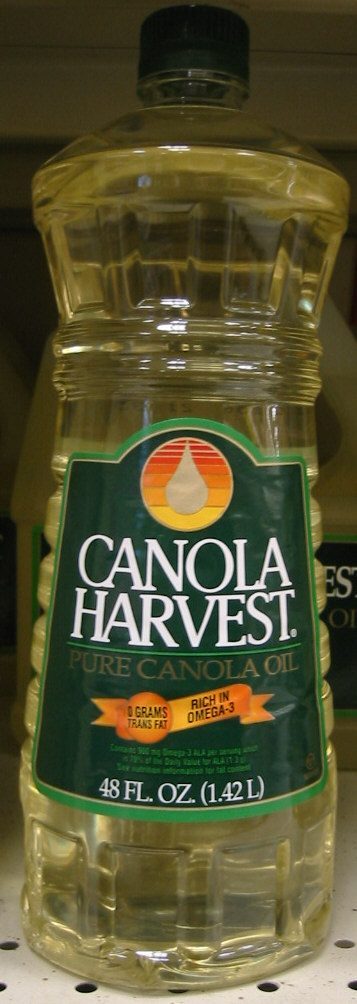
Let’s be real, canola oil gets unfairly criticized on social media despite solid scientific backing. Canola oil significantly reduced total cholesterol, low-density lipoprotein cholesterol, LDL-C to high-density lipoprotein cholesterol ratio, and apolipoprotein B compared to other edible oils, according to a 2020 systematic review analyzing 42 controlled trials. Canola oil has less saturated fat than any other oil commonly used in the U.S. Cutting down on saturated fats helps cut your cholesterol levels.
It’s higher in the omega-3 fatty acid alpha-linolenic acid than any other oil except flaxseed oil. Studies show that ALA may help protect the heart through its effects on blood pressure, cholesterol, and inflammation. Research from 2020 found that replacing roughly 15% of total energy intake with canola oil showed the greatest cardiovascular benefits. Replacing butter and margarine with canola oil, corn oil, or olive oil was related to lower total and cardiometabolic mortality in a large prospective analysis. The neutral flavor makes it practical for everyday cooking without overpowering dishes.
Sunflower and Safflower Oils: The Polyunsaturated Pair

These seed oils contain predominantly polyunsaturated fats, particularly linoleic acid, an omega-6 fatty acid. The fatty acids typical in seed oils – like linoleic acid – are associated with lower risk of chronic diseases like cardiovascular disease, heart attack, strokes and diabetes, explains research from Johns Hopkins Bloomberg School of Public Health. People with the highest levels of linoleic acid in their blood had a lower risk of developing cardiovascular diseases. The association of higher linoleic acid levels and lower risk was especially strong for cardiovascular mortality and incident stroke.
Here’s the thing though: context matters enormously. Monounsaturated and polyunsaturated fats are considered healthy fats as they can help lower bad cholesterol levels in the blood. Polyunsaturated fats help the body reduce bad cholesterol, lowering the risk for heart disease and stroke, and the American Heart Association supports their inclusion. These oils work best when they replace saturated fats rather than being added on top of existing fat intake. The discourse around omega-6 to omega-3 ratios has been overblown; research suggests both are necessary nutrients.
Flaxseed Oil: The Omega-3 Specialist
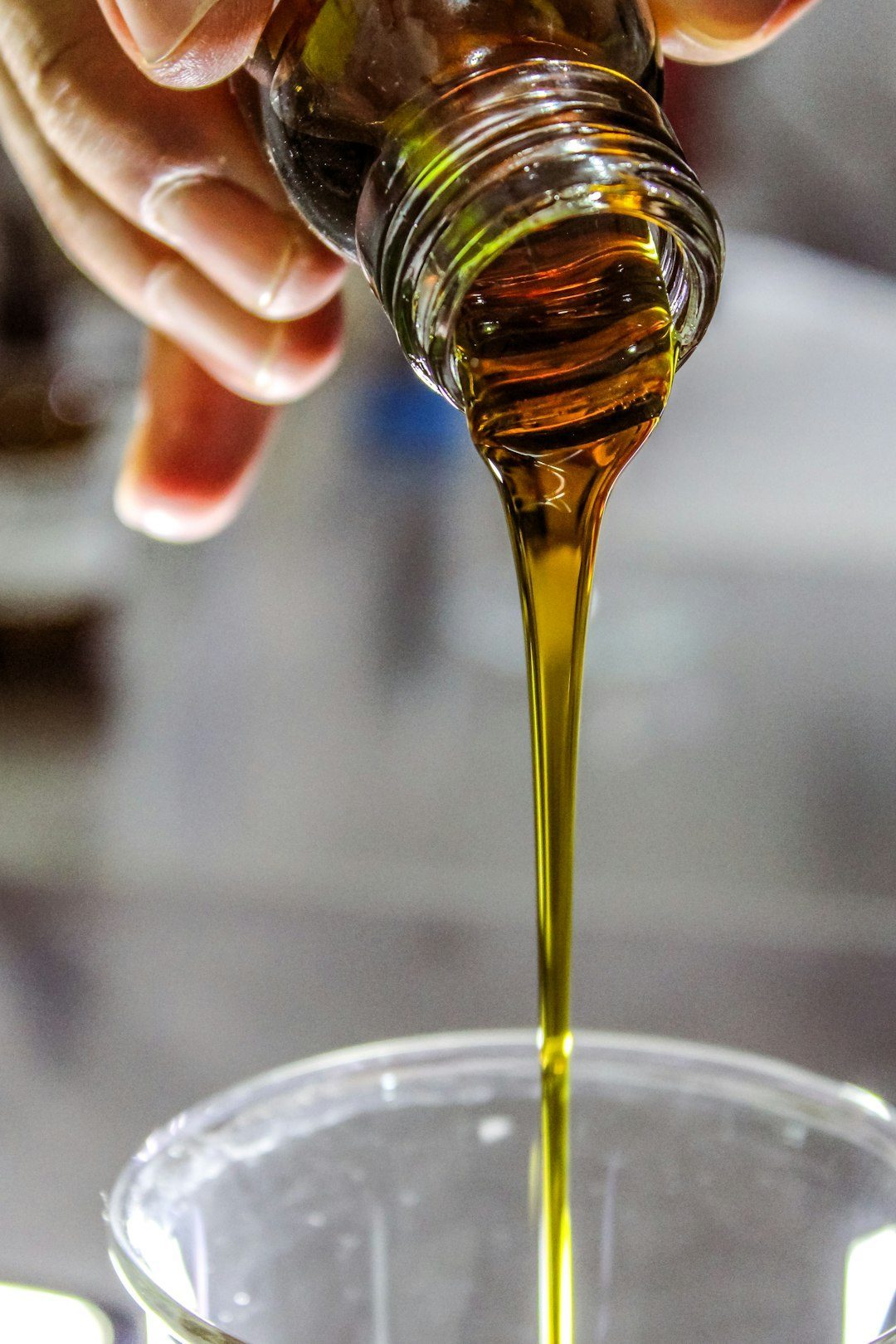
Flaxseed oil deserves mention primarily for its exceptional omega-3 content, though it’s less commonly used for cooking. This oil contains the highest concentration of alpha-linolenic acid among common cooking oils, making it valuable for those following plant-based diets who need omega-3 sources. The challenge with flaxseed oil lies in its instability; it has a very low smoke point and oxidizes quickly when exposed to heat or light.
Cardiologists typically recommend using flaxseed oil cold, drizzled over salads or mixed into smoothies rather than for cooking. You’ll find them in oily fish, like salmon, herring, tuna and mackerel, as well as walnuts, chia seeds and flaxseeds. The conversion rate of ALA to the longer-chain omega-3s EPA and DHA that your body needs is relatively inefficient, somewhere around 5-10%, but every bit helps. Store this oil in the refrigerator in a dark bottle and use it within a few months of opening.
Coconut Oil: The Controversial One
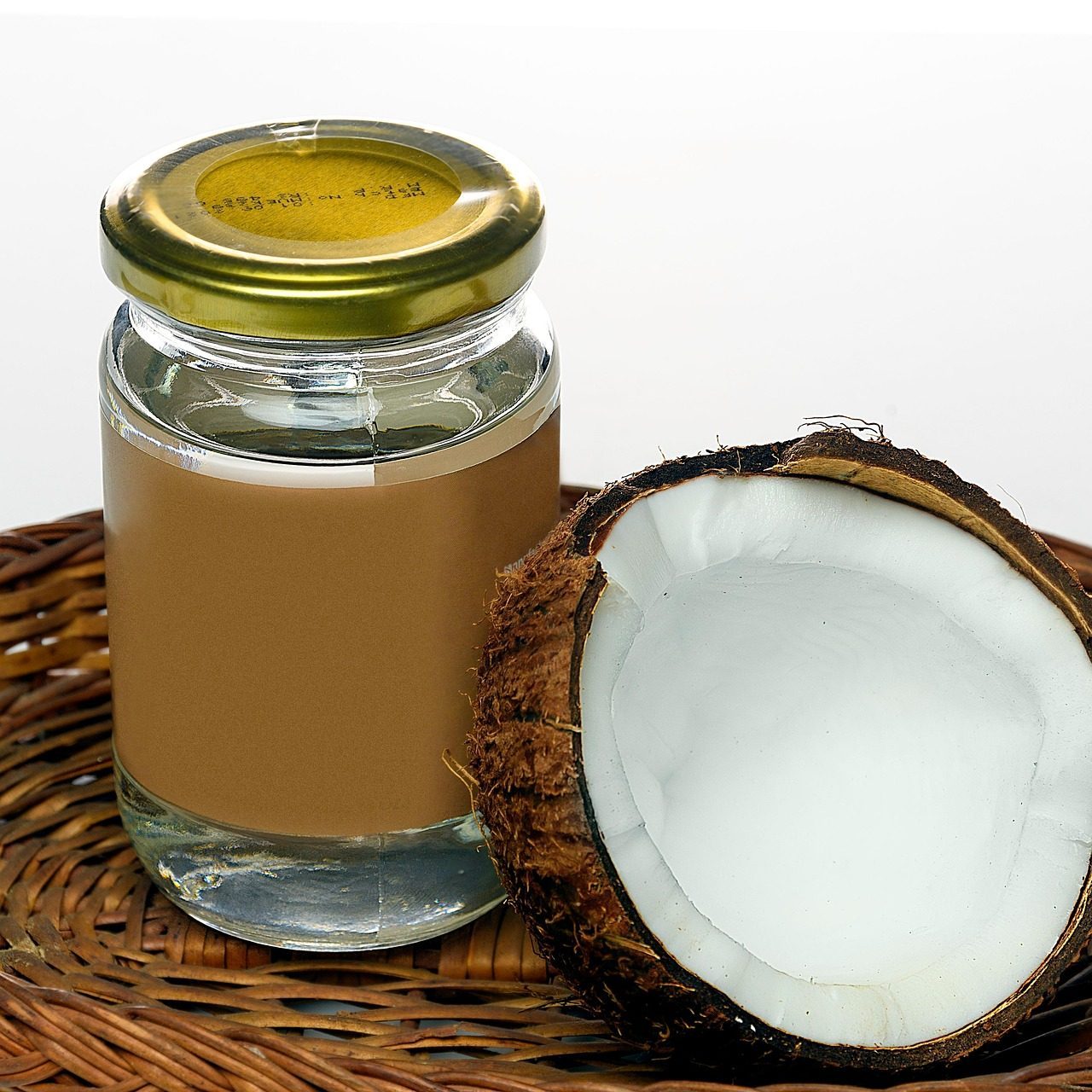
The 10.47 mg/dL increase in LDL-cholesterol resulting from the replacement of nontropical vegetable oils with coconut oil may translate to a 6% increase in risk of major vascular events, researchers found in a 2020 systematic review published in Circulation. Coconut oil contains over 80% saturated fat, predominantly lauric acid. Extensive research shows that coconut oil increases your low-density lipoprotein cholesterol. That’s the “bad” cholesterol that clogs arteries and creates all sorts of cardiac mayhem.
Some newer research from 2025 suggests the picture might be slightly more nuanced. CNO consumption gives variable total cholesterol and LDL-C values, but HDL-cholesterol values increase and triglycerides decrease. This holistic lipid assessment shows that CNO does not pose a health risk for heart disease when examining studies of coconut oil consumption itself rather than comparisons with other oils. Still, most cardiologists remain cautious. The consensus advice? Use coconut oil sparingly if you enjoy the flavor, but don’t consider it a health food. Plant-based unsaturated oils remain the safer bet for daily cooking and heart protection.
What surprised you most about these rankings? The evidence keeps evolving, yet one pattern stays consistent: swapping saturated fats for unsaturated plant oils protects your cardiovascular system in meaningful ways.