7 Spices That Lose Their Potency After Six Months (Even Though Most People Keep Them Longer)
You’ve probably got jars sitting in your cabinet right now that have been there for years. We all do. Here’s the thing though: that paprika you bought for deviled eggs last spring? The turmeric from when you went through that golden latte phase? They’re basically doing nothing for your food anymore, no matter how much you shake into the pan.
Ground spices typically last about two to three years when stored properly, losing flavor and aroma faster because they have more surface area exposed. Most of us keep them way longer than that. Let’s talk about the worst offenders.
Ground Paprika
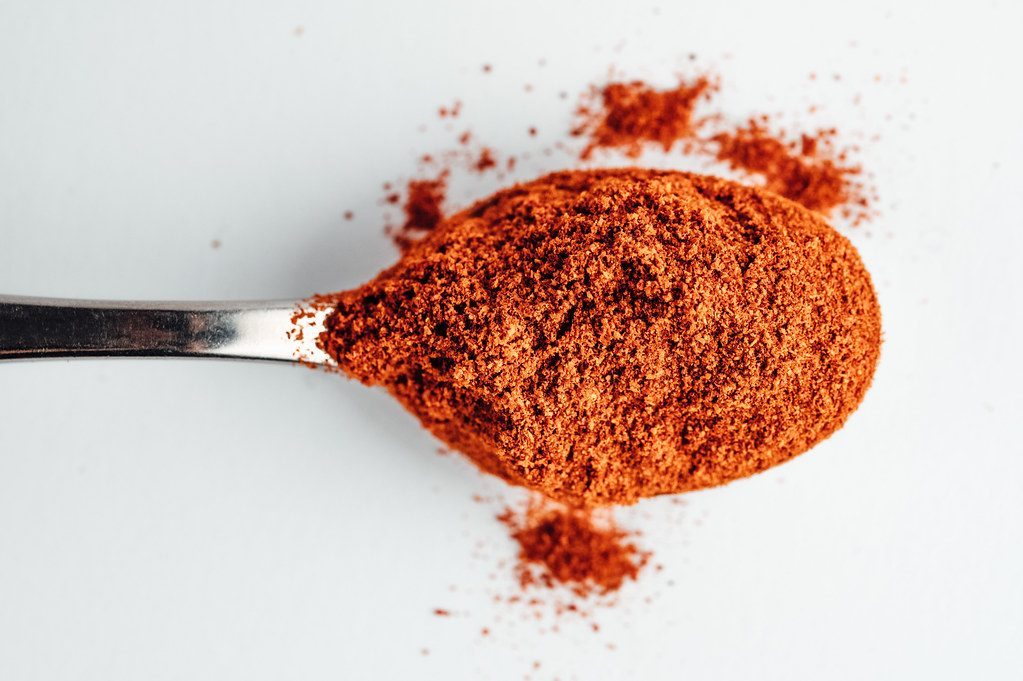
Paprika might look okay sitting on your shelf, keeping that pretty red color for what seems like forever. Don’t be fooled. The spice contains delicate compounds that oxidize quickly when exposed to air, light, and heat, with its rich, complex flavor profile diminishing dramatically after six months, leaving behind just the pretty red color. You’re basically sprinkling food coloring on your potatoes at that point.
Significant fading, like paprika turning from vibrant red to pale orange, indicates significant flavor loss, while fresh paprika creates intense red swirls in warm water within five seconds. Whether you’ve got the sweet Hungarian variety or smoked Spanish paprika, they all share this frustrating trait. Red pepper spices like paprika can be stored in the refrigerator to preserve flavor and color, which honestly most people never do.
Ground Turmeric
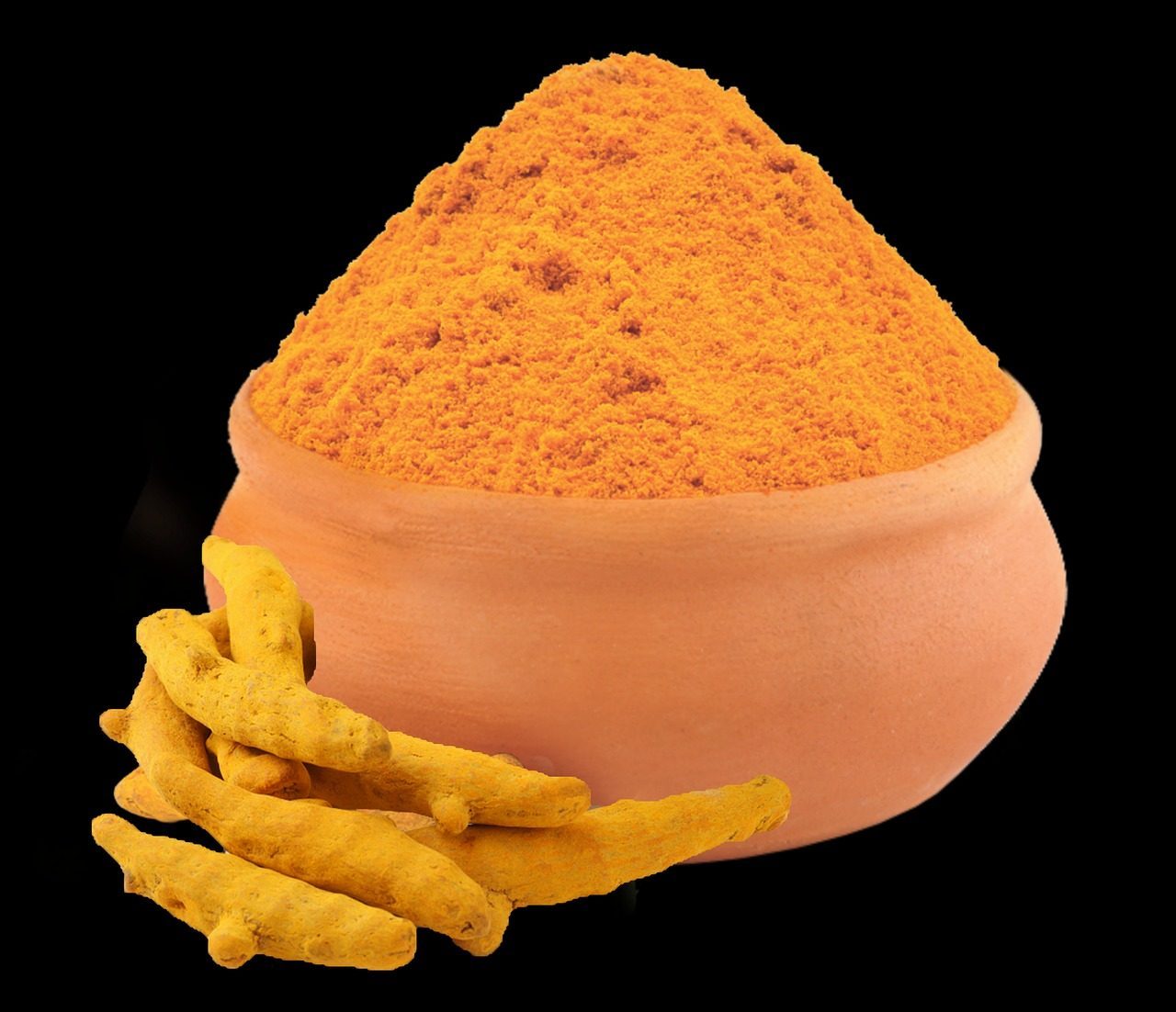
That golden yellow powder gives your curry its signature color, sure. Turmeric contains curcumin and essential oils that create its distinctive taste, but while the color remains stable for years, the flavor compounds deteriorate rapidly after grinding, with six months later essentially adding yellow food coloring to your dishes. I think we’ve all made a curry that looked perfect but tasted strangely flat.
The irony is that turmeric’s bright color makes it look totally fine even when it’s lost basically all its earthy, peppery punch. If you’re buying it for the supposed health benefits of curcumin, you’re getting way less than you think from that ancient jar. Fresh turmeric root stored in the freezer is honestly a game changer, but ground stuff needs replacing more often than anyone actually does it.
Ground Ginger
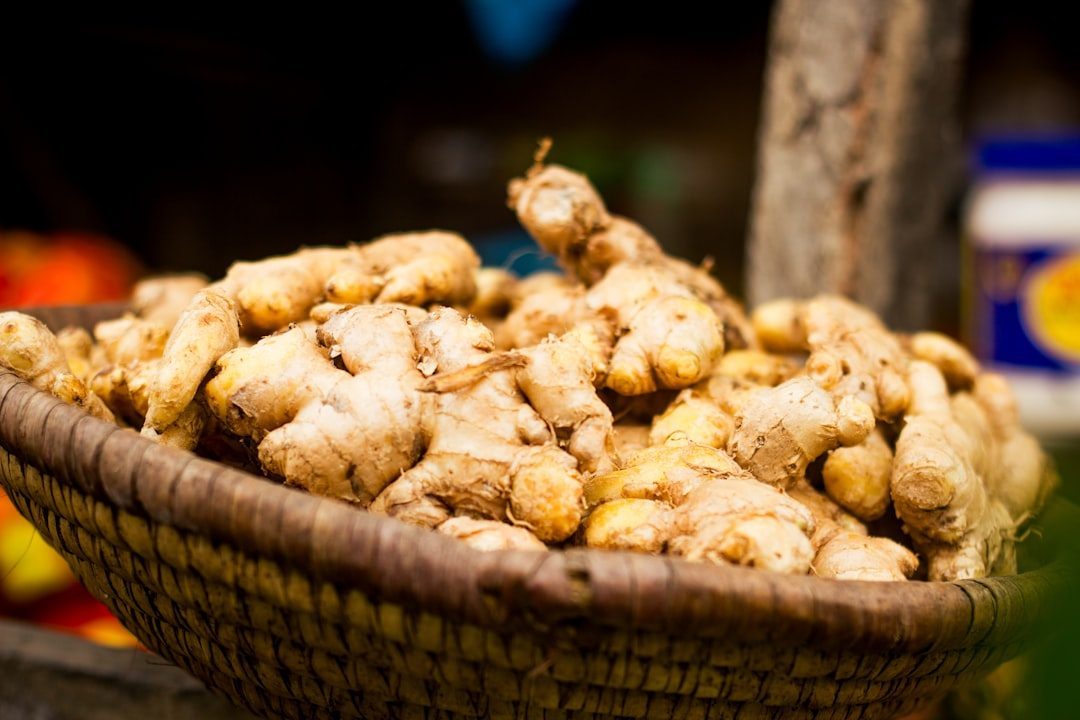
Ground ginger loses its characteristic zing so fast it’s almost comical. Gingerbread cookies can fall flat in flavor despite the ground ginger maintaining its perfect golden-brown appearance, becoming as bland as sawdust. That sharp, warming quality just evaporates into thin air over time, leaving you wondering why your stir-fry tastes like nothing.
The volatile oils that give ginger its bite are particularly fragile. Within half a year, you’ve lost most of what makes ginger actually taste like ginger. You can add twice as much to compensate, but you’re just using more of a weak ingredient instead of getting the real deal. Fresh ginger root lasts longer and packs way more punch, though it requires actual effort to peel and grate.
Ground Cumin
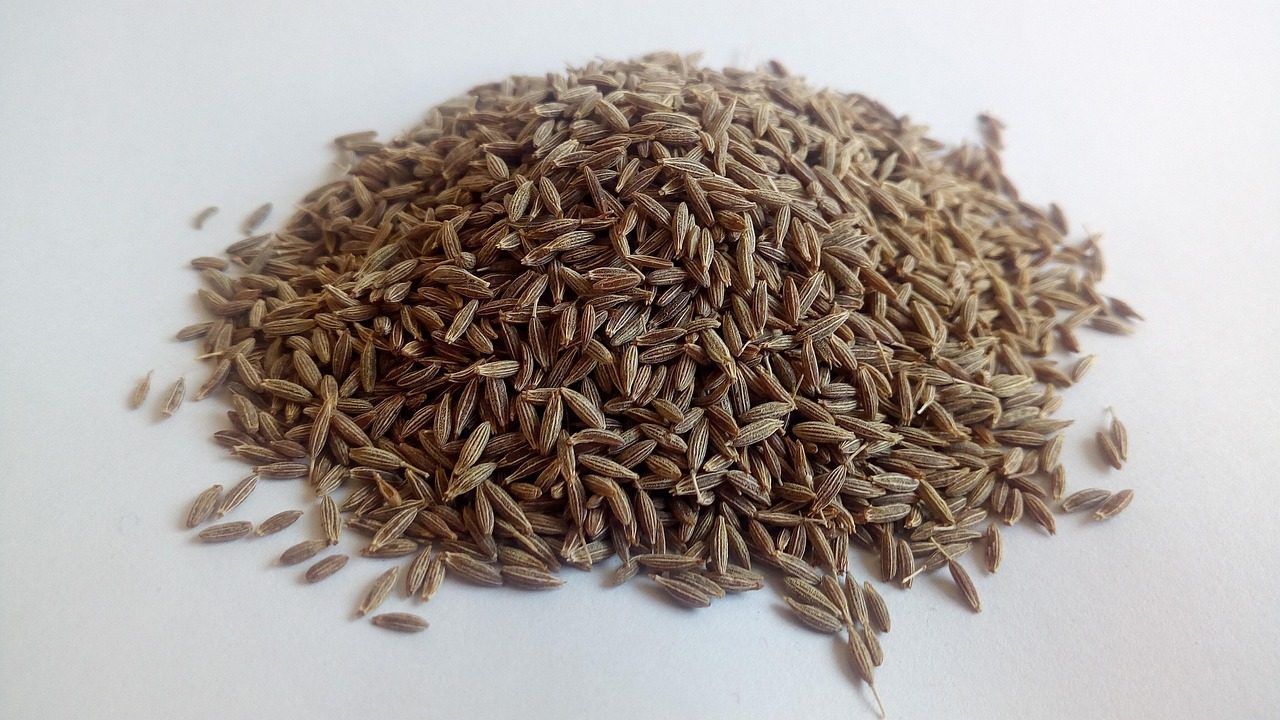
Cumin’s distinctive earthy, nutty flavor comes from volatile oils that begin evaporating the moment seeds are ground, with ground cumin losing much of its flavor compounds after six months on the shelf. That’s a massive drop. Your tacos deserve better than that.
This is one spice where buying whole seeds actually makes practical sense. Studies show that ground cumin loses key flavor compounds much faster than whole form under typical kitchen conditions. Toast the whole seeds in a dry pan for maybe a minute, then grind them fresh. The difference is honestly kind of shocking if you’ve been using old pre-ground stuff for years.
Ground Cardamom
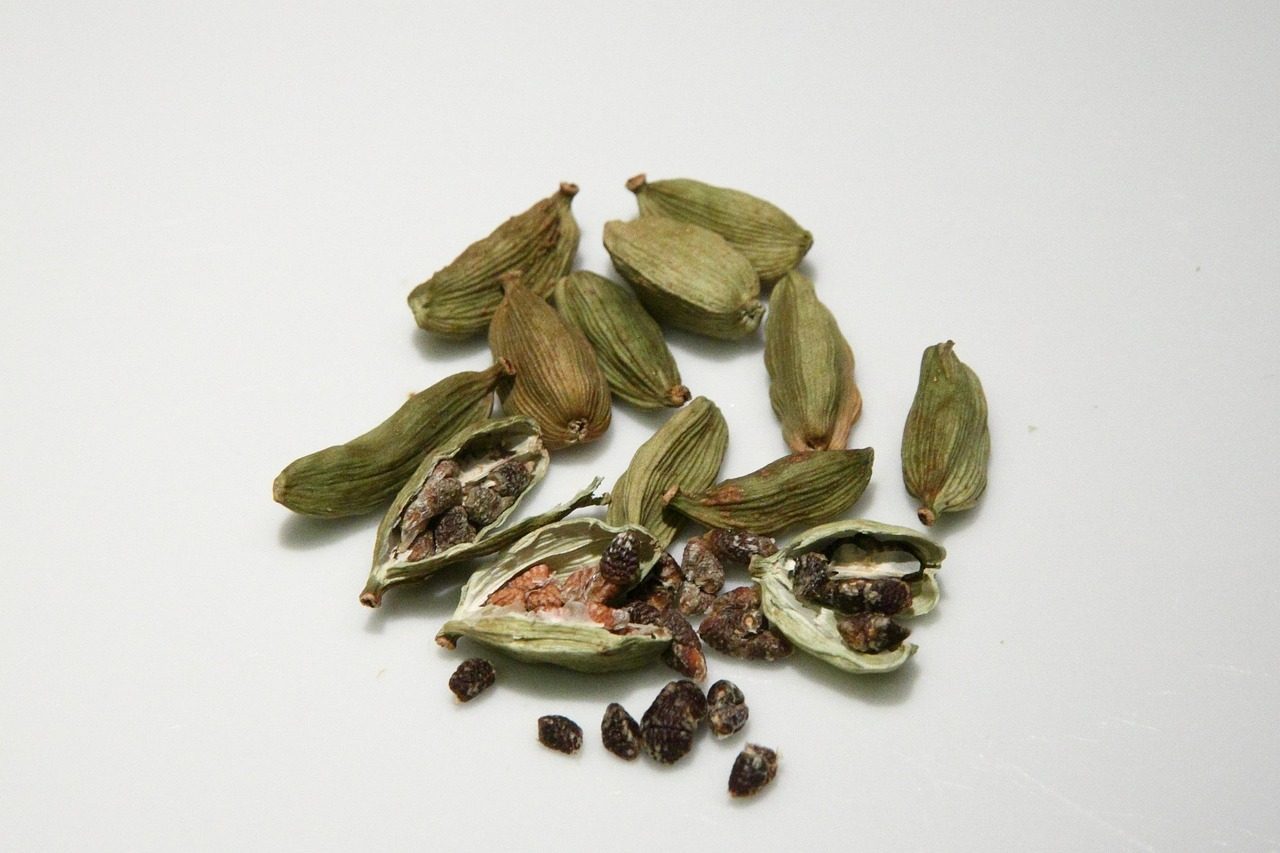
Cardamom is expensive, which makes it extra painful that it loses potency so quickly. Ground cardamom contains complex essential oils that create its signature floral, spicy, and slightly citrusy flavor profile, but these compounds are extremely volatile and begin dissipating immediately after grinding. Those little green pods aren’t cheap, and neither is the ground version.
Within months, that beautiful aromatic quality just fades away. Your Swedish cardamom buns or chai tea end up tasting vaguely of… something? Maybe? Whole cardamom pods last years longer, and you can crack them open and grind just what you need. Yeah, it’s more work. Still worth it for something this pricey and distinctive.
Ground Black Pepper
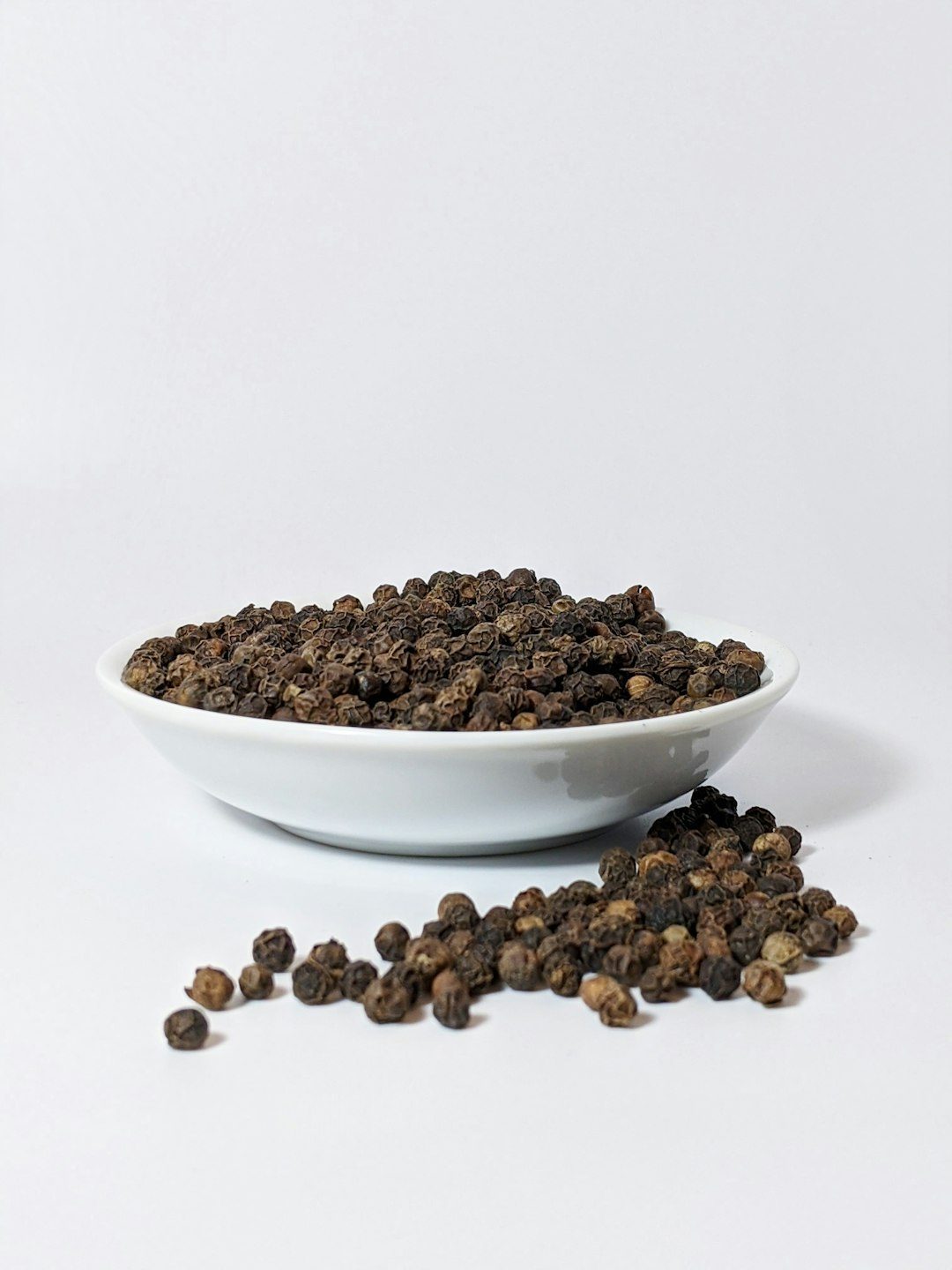
Let’s be real, nobody thinks about black pepper going bad. It’s pepper. It’s always been there. When stored in optimal conditions, ground black pepper typically maintains acceptable quality for two to three years, though noticeable flavor degradation often begins within the first 12 to 18 months, with white and red ground peppers following similar timelines. That pre-ground stuff in your shaker? Probably delivering way less than you think.
Peppercorns last so much longer than the ground version it’s not even close. The heat and aromatic quality of fresh-cracked pepper versus months-old pre-ground is night and day. Honestly, this is probably the easiest switch to make since pepper grinders are everywhere and whole peppercorns are sold basically anywhere spices are sold.
Ground Cinnamon
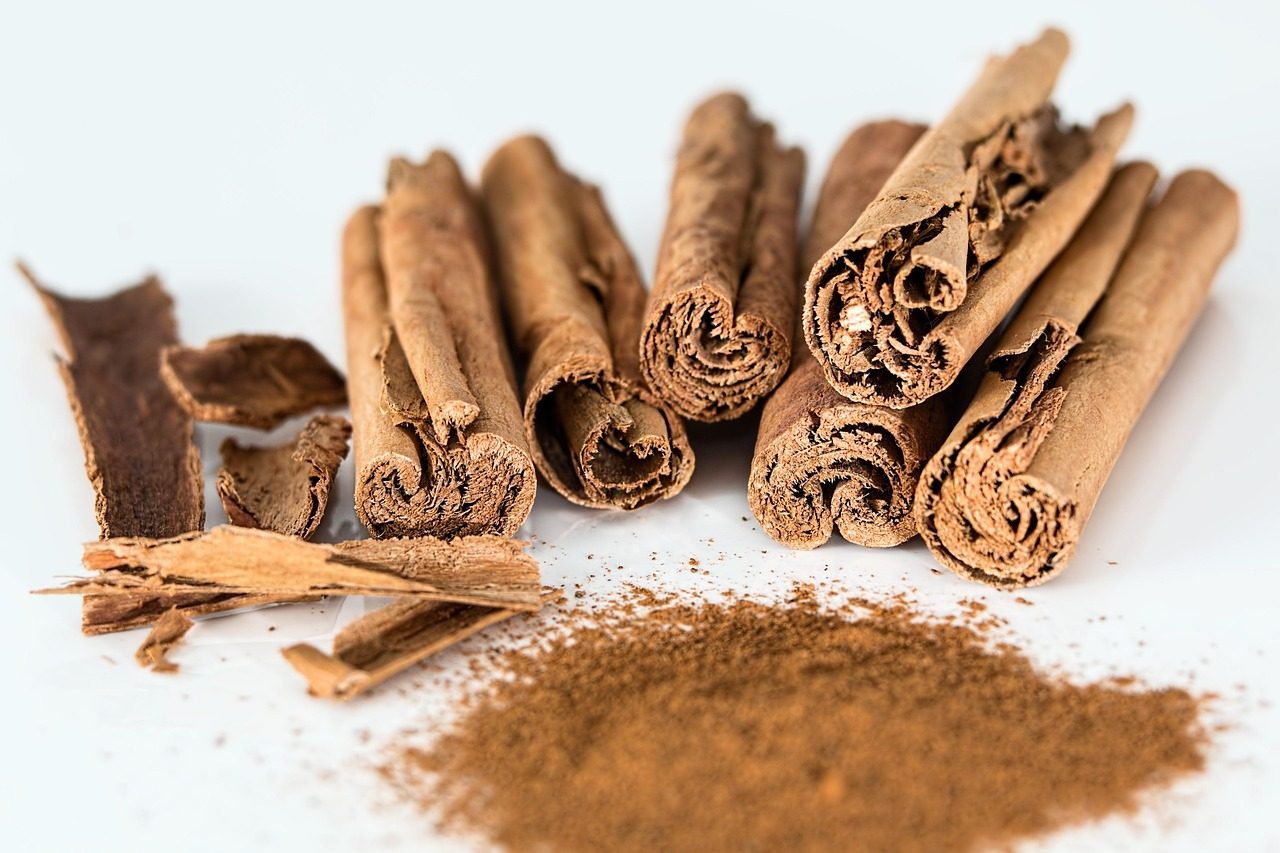
Cinnamon never actually goes bad, but it loses the spicy essence that makes it delicious in sweet and savory dishes, with cinnamon sticks lasting slightly longer than ground cinnamon, typically closer to four years versus two to three. That said, peak flavor is much shorter. Within six months, you’re getting a shadow of what cinnamon should taste like.
While different types of cinnamon have slightly unique flavors and aromas, the spice should generally have a warm, bright, sweet smell and taste, with one of the hallmarks of expired cinnamon being its virtually nonexistent aroma. Open that jar and take a big whiff. If you barely smell anything, it’s done. Your morning oatmeal and holiday cookies are suffering for it, even if you don’t realize it.
The truth is, most people hold onto spices until they move houses or do a massive spring cleaning. Ground spices are at their freshest within the first three months of being bottled and retain most of their flavor for two to three years. Still, that optimal window is way shorter than the actual lifespan, and there’s a huge difference between “safe to eat” and “actually flavoring your food properly.”
Check your cabinet. Smell your spices. If they don’t smell like much, they won’t taste like much either. It’s not the most exciting kitchen upgrade, but fresh spices genuinely transform cooking in a way that’s hard to believe until you experience it. Have you noticed the difference when you’ve actually replaced old spices?