12 Early 2000s Drinks You Completely Forgot About
Take a sip of nostalgia because we’re diving into the wild world of early 2000s beverages that disappeared faster than your flip phone battery. Remember those days when soda companies threw everything at the wall to see what would stick? Most didn’t, which is why you’ve probably erased these drinks from your memory banks. From clear colas that made no sense to energy drinks before energy drinks were cool, the early 2000s were truly a time of bold experimentation in the beverage world. So let’s get started.
Surge – The Extreme Sports Soda That Actually Made a Comeback
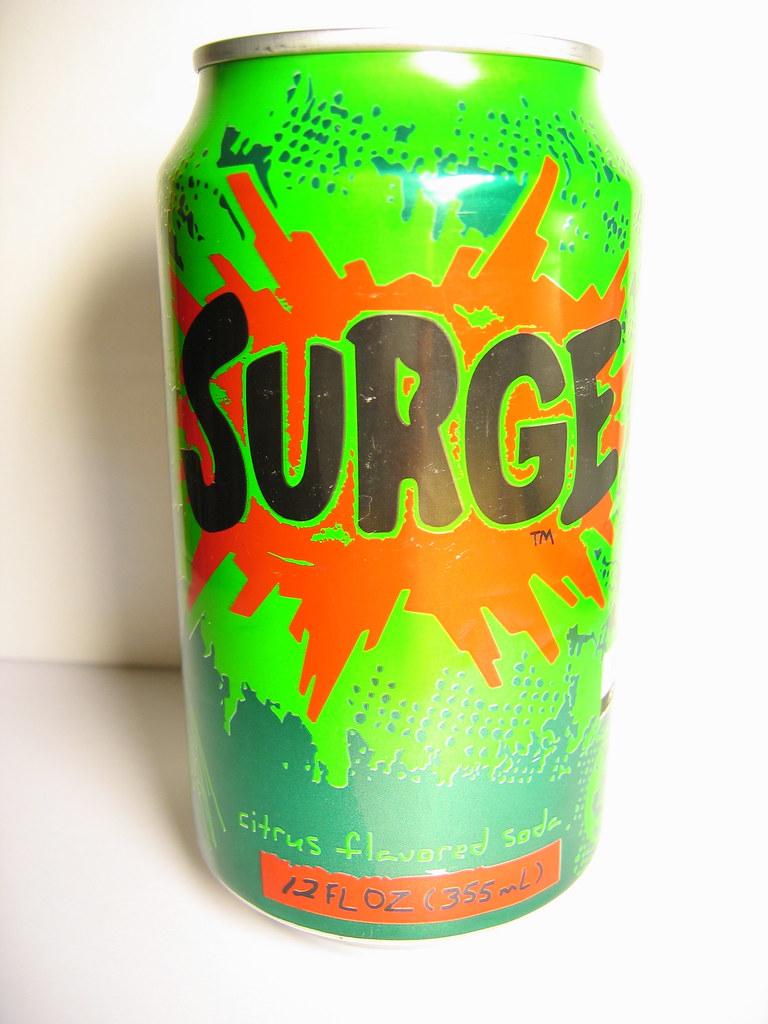
Surge was first launched on the Norwegian market as a test product on March 1, 1997, before being released in the United States later that year. The drink was widely associated with the extreme sports lifestyle, with television commercials similar to those used by Mountain Dew at the time. This citrus-based beverage produced by Coca-Cola was finally discontinued in 2003.
A 12-ounce bottle of Surge contained 51 milligrams of caffeine, while the same amount of Mountain Dew contained 55 milligrams. Surge also included maltodextrin, a food additive known for providing a speedy burst of energy thanks to how fast it’s digested. Unlike many forgotten sodas, Surge actually won the resurrection lottery when devoted fans launched successful campaigns to bring it back in limited quantities.
Josta – The Original Energy Soda Pioneer
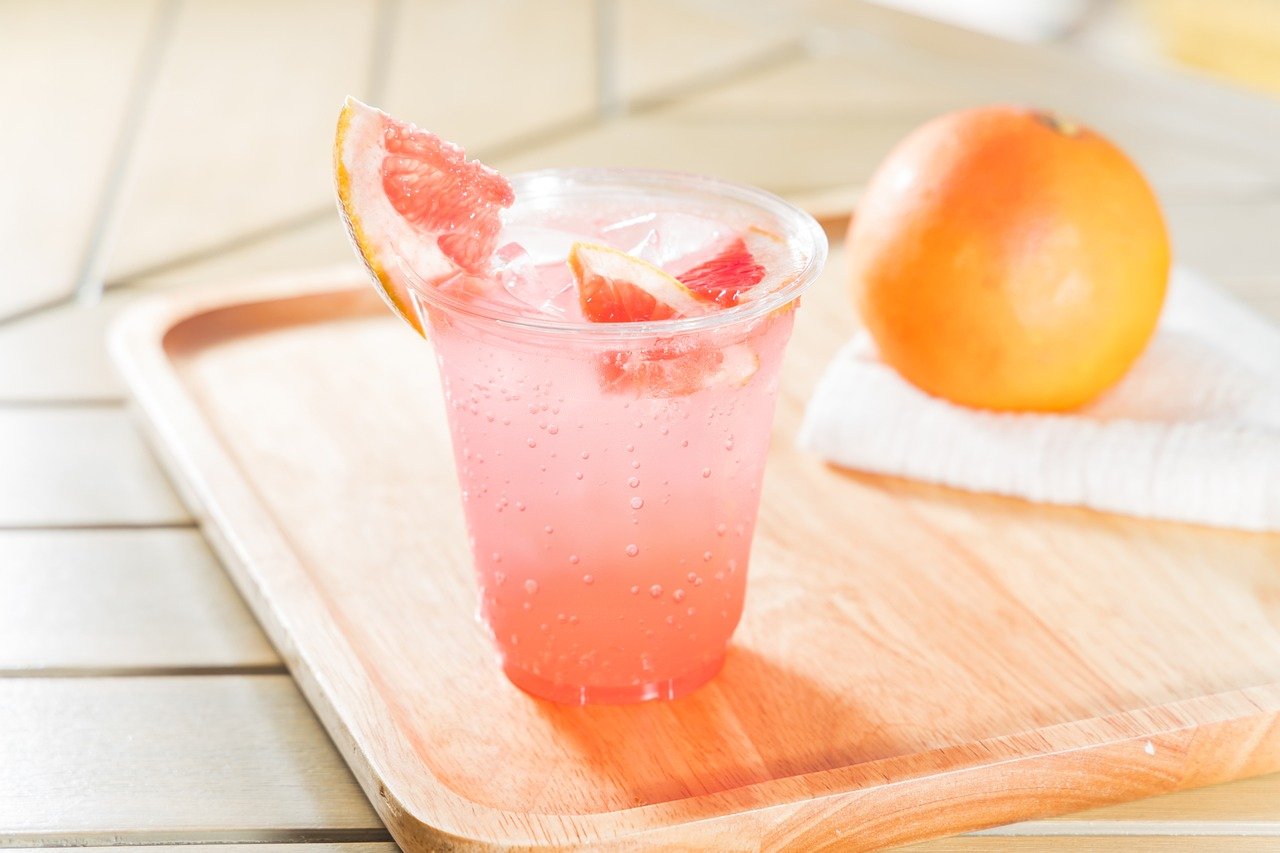
Josta was a drink that was ahead of its time. The beverage not only featured a higher caffeine content that was uncommon for sodas, but it also focused on a fruit flavor, rather than making it purely sweet. This guarana-based energy soda was ahead of its time! It was a pioneer in the energy drink space.
PepsiCo’s Josta may have been one of the first real “energy drinks” to hit American shores, and definitely the first to be made by a major soda manufacturer. Released in 1995, Josta included guarana, now an energy drink staple, and competed with the recently revived Jolt soda for caffeine-happy customers before it was dropped a year before the new millennium. Honestly, this drink was so far ahead of its time that it disappeared before most people even knew what an energy drink was supposed to be.
Orbitz – The Lava Lamp Drink That Nobody Understood
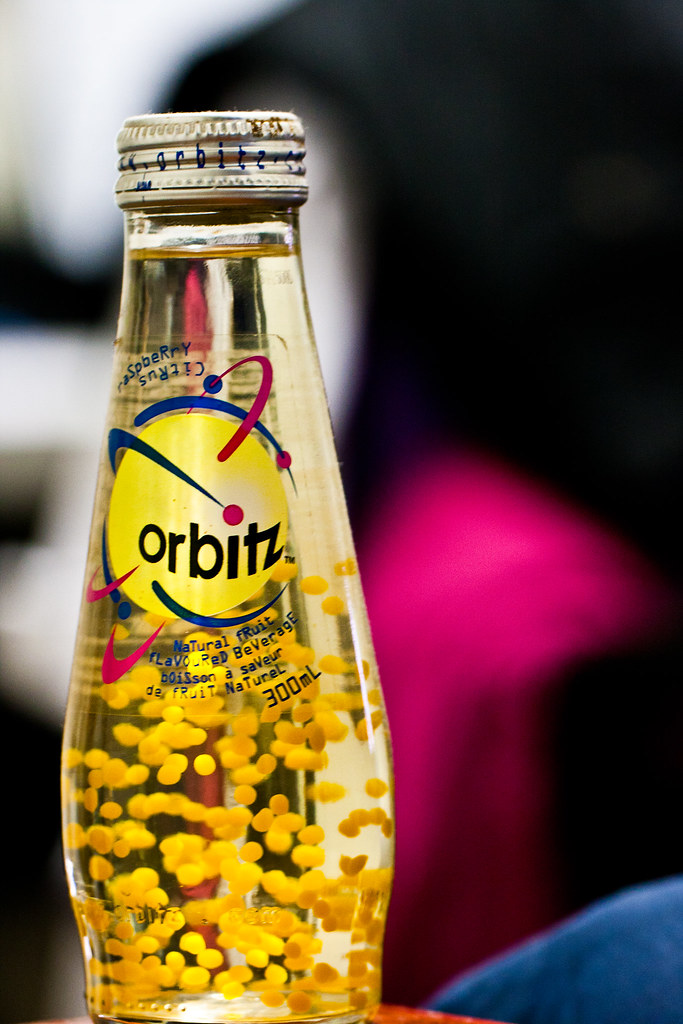
Launched in 1997, Orbitz stood out with its strikingly translucent liquid and floating gelatinous balls, resembling a drinkable lava lamp and marketing itself as a “texturally enhanced” beverage. Orbitz was a soft drink that was first introduced in the United States in 1997 by the Clearly Canadian Beverage Corporation. The drink was notable for its unusual appearance, featuring small, colorful balls suspended in a clear, gel-like liquid. These balls were made of edible jelly and contained fruit juice.
It was a short-lived non-carbonated drink that was available in five fruit flavors and featured edible balls that you could roll around in your mouth, not entirely unlike bubble tea. While the drink was a misfire, the bottles themselves instantly became collector’s items due to their similarity to lava lamps. The texture was so bizarre that people couldn’t decide if they were supposed to drink it or display it on their desk.
Jolt Cola – The Original High-Caffeine Crash Course
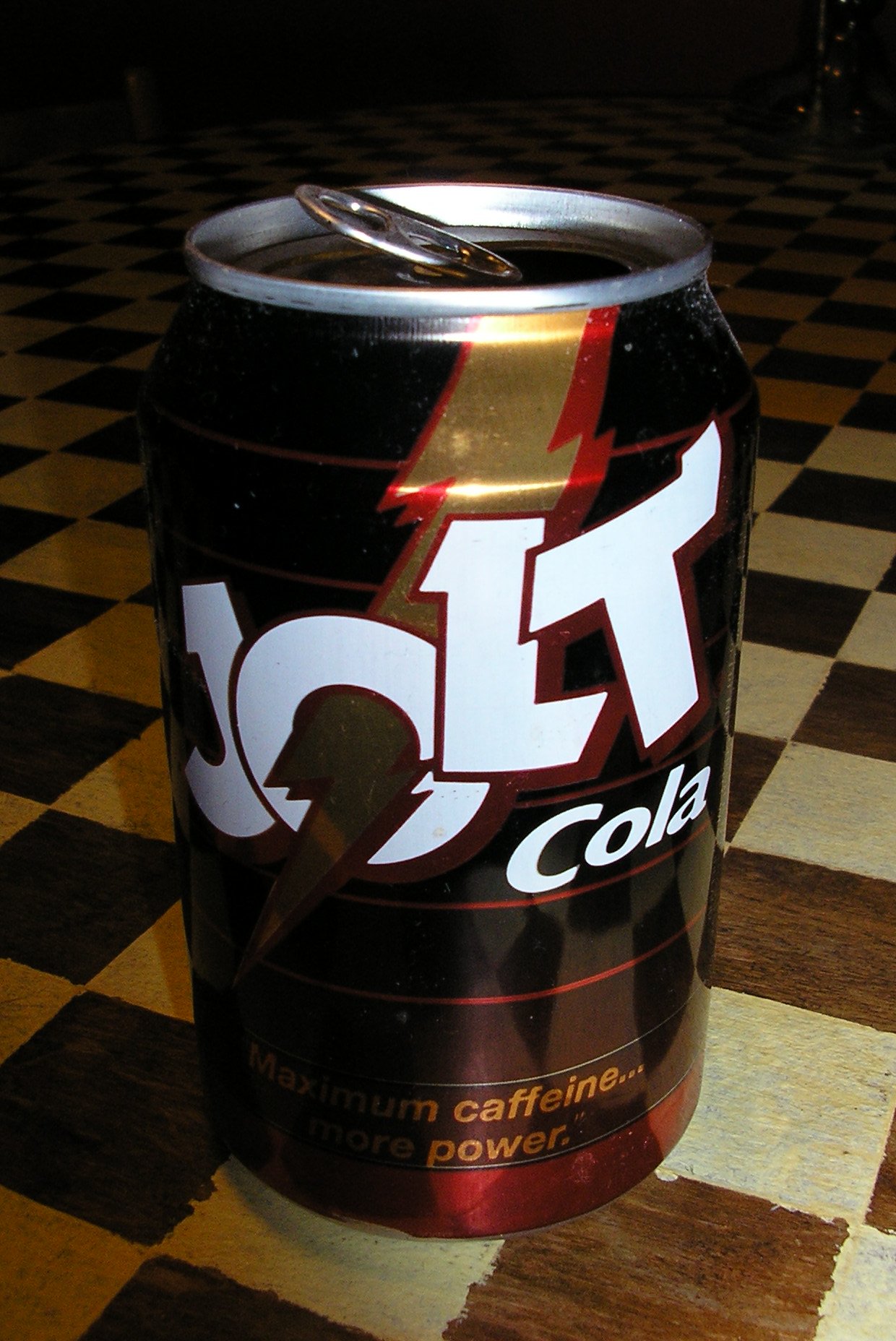
Launched in 1985, Jolt Cola was marketed as the ultimate energy drink before energy drinks were even a trend. Famous for its slogan “All the sugar and twice the caffeine,” Jolt was a favorite among students, gamers, and anyone needing a significant caffeine boost. Originally making its debut in 1985, Jolt Cola prided itself on being a soda that featured twice the caffeine of its competitors. As such, it quickly gained a reputation as being a powerful energy drink during a time when nobody knew what such a thing was.
As the energy drink market became more and more saturated as the 2000s went along, Jolt had to do something to keep up with the competition. Combined with the recession and poor sales, the high cost of the battery bottles doomed Jolt, which couldn’t fulfill its end of the deal, leading it to file for Chapter 11. The brand tried various comebacks over the years, but it could never recapture that original lightning in a bottle.
Pepsi Blue – The Berry Experiment That Made No Sense
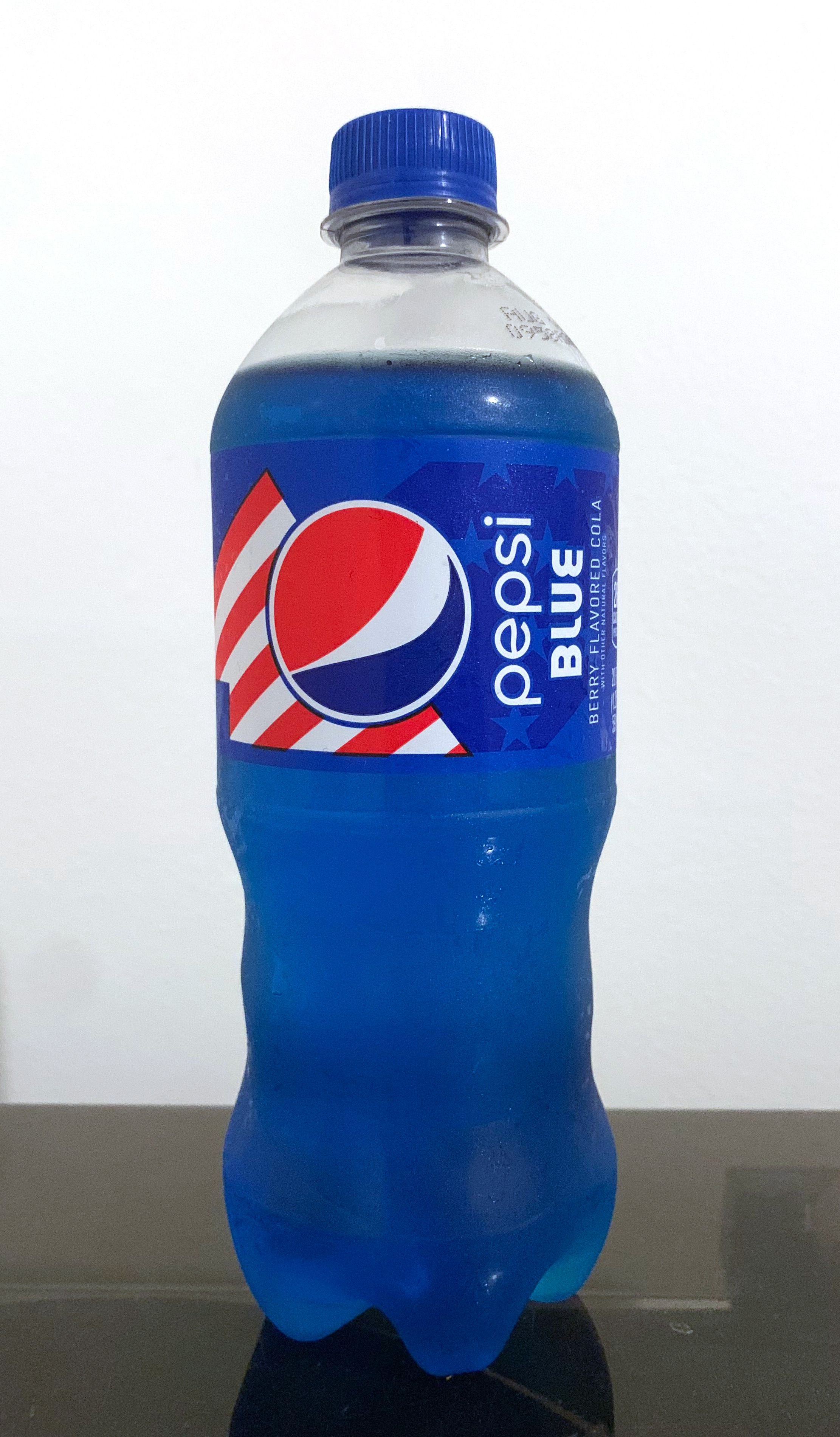
In the early 2000s, PepsiCo made a daring splash with Pepsi Blue. It was a neon-blue, berry-flavored soda looking to outshine Coca-Cola Vanilla. Despite celebrity endorsements and its integration into pop culture, its candy-like taste was not a big hit with consumers. By 2004, the Big Blue experiment was over and Pepsi discontinued the soda.
The whole concept felt like someone at Pepsi headquarters said, “What if we made Pepsi taste like candy and look like antifreeze?” The bright blue color was so artificial it practically glowed, making it look more like a cleaning product than something you’d want to drink. Still, it developed a cult following among people who apparently enjoyed their beverages looking like Windex.
Sprite Remix – The Tropical Twist That Came and Went
Sprite Remix featured three tropical remixes in the early 2000s: Tropical, Berryclear, and Aruba Jam! Sprite Remix, launched in 2003, brought a tropical twist to the classic Sprite formula. It was a hit with the 2000s remix culture. Despite its flashy campaigns and cultural connections to music and dance, the drink was gone by 2005 – too soon!
The drink perfectly captured that early 2000s obsession with remixing everything from music to soft drinks. It tasted like regular Sprite had gone on vacation to the Caribbean and came back with a fruity attitude. The marketing campaigns featured all the hip-hop and R&B stars of the era, making it feel like the official soundtrack to summer parties that never quite materialized.
Coca-Cola Blak – The Coffee-Cola Disaster
First introduced in 2006, Coca-Cola Bl̄āK was a coffee-flavored soft drink. Needless to say, this beverage only lasted until 2008 when it was discontinued. Coke Blak was introduced to the US as a coke/coffee combo in 2006. An eight-ounce bottle of Coca-Cola Blak contained 46 milligrams of caffeine. The drink was discontinued in 2008.
There are several likely reasons why Coca-Cola Blak fizzled out, including its off-brand packaging and niche marketing strategy. The experimental and energizing drink was rumored to have an unusual taste, as well, with a creamy coffee consistency that frothed when poured. The idea of mixing Coke with coffee sounds reasonable on paper, but the execution left most people wondering if they were drinking soda or having a caffeine overdose.
Vault – The Soda That Kicked Like an Energy Drink
Vault was a combination soda and energy drink (the marketing slogan even claimed it “drinks like a soda, and kicks like an energy drink”) created by the Coca-Cola braintrust. Vault had a solid run of about six years before it ceased production. This was a soda released by Coca-Cola that had a run from 2005 to 2011. Vault was essentially a sweetened energy drink.
It’s often compared to Mello Yello and Surge, and some consider it the spiritual successor to the latter. Vault tried to be everything to everyone but ended up being nothing to anybody. The bright yellow color was aggressive enough to blind you, and the taste was somewhere between Mountain Dew and liquid lightning bolts.
Tab – The Original Diet Soda with a Pink Twist
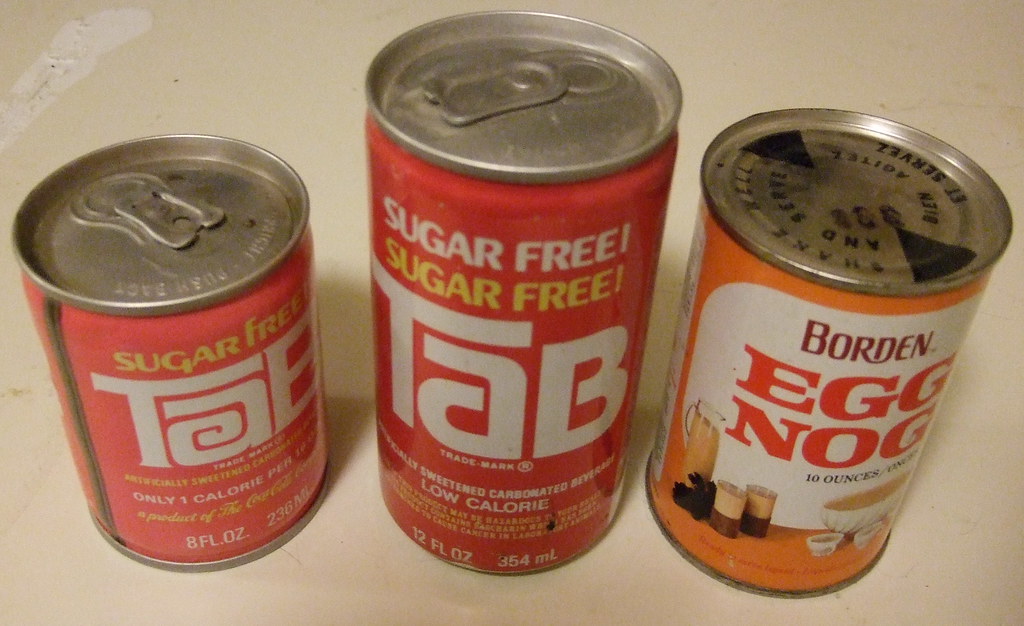
Tab was Coca-Cola’s first foray into the diet soda market, debuting in 1963. With its distinctive pink can and unique flavor, Tab was a hit among diet-conscious consumers. However, the introduction of Diet Coke in the 1980s led to a significant decline in Tab’s popularity. Despite a loyal fanbase, Coca-Cola discontinued Tab in 2020 as part of a product streamlining effort, marking the end of a soda that had endured for decades.
Tab pioneered calorie-free beverages and had a dedicated cult following for an impressive 57 years. The fake sugars were a big hit. Sadly, the rise of Diet Coke in the 1980s eclipsed Tab, leading to its discontinuation in 2020. The pink can became an icon of its era, and devoted fans treated Tab like a lifestyle choice rather than just a beverage.
Crystal Pepsi – The Clear Cola That Made Zero Sense
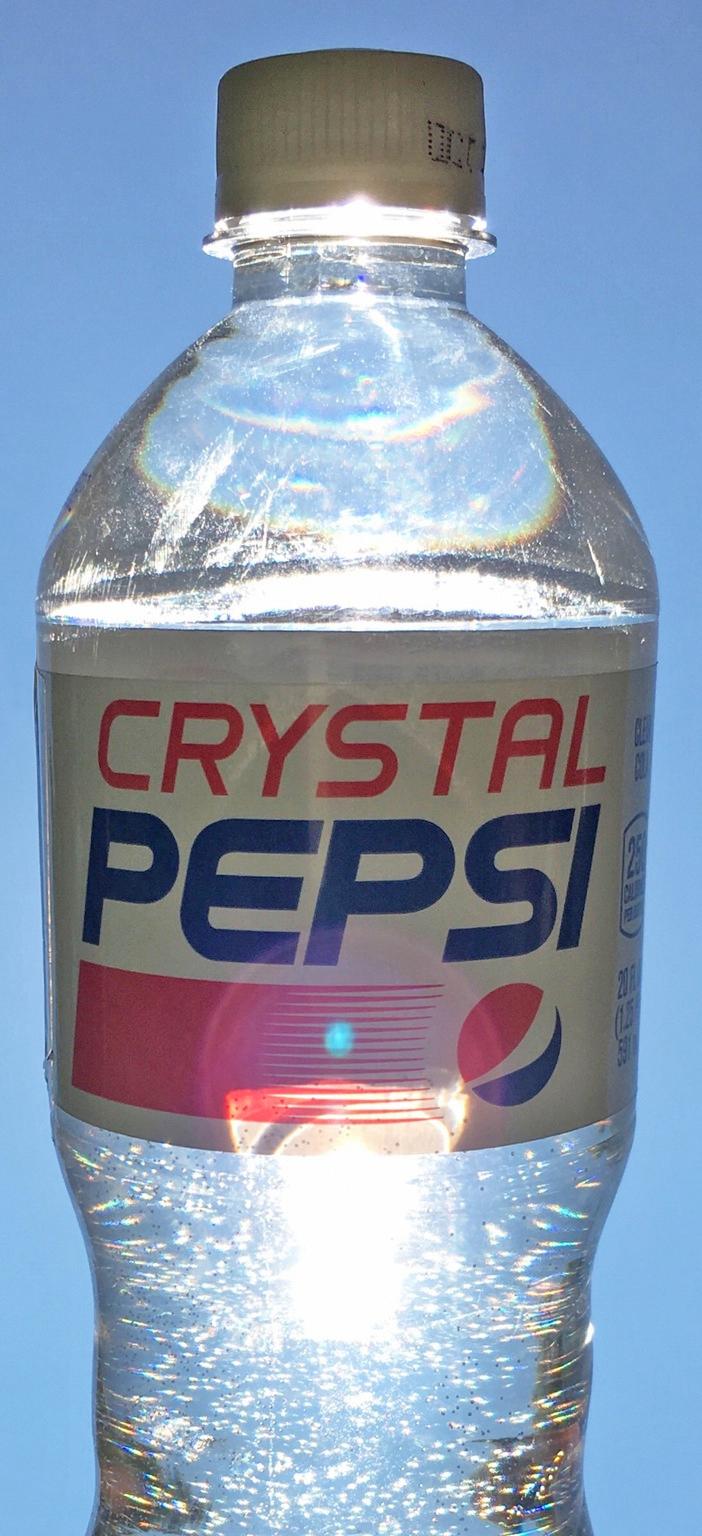
One of the most iconic beverage concepts ever created is Crystal Pepsi. Born in 1992, this soda was a clear-colored, caffeine-free version of the original that attempted to capitalize on the health trends of the early ’90s. Of course, while capturing the classic Pepsi taste may have been the goal, the resulting sip left a different impression altogether. Since more thought was put into marketing Crystal Pepsi than accurately mimicking the original, the flavor was more akin to a sugary seltzer.
The entire premise was bizarre from the start – who asked for clear cola? The marketing team seemed convinced that removing color would somehow make the drink healthier, which is like thinking invisible calories don’t count. Crystal Pepsi became the poster child for 1990s corporate weirdness, yet people still get nostalgic about it decades later.
Fruitopia – The Psychedelic Juice Box for Adults
In the late ’90s and early 2000s, there seemed to be a new soda coming out every single week. Surge, Fruitopia, Sprite Remix…and those are just the ones I can think up off the top of my head! Fruitopia launched with packaging that looked like it was designed by someone who spent way too much time at Woodstock. The flavors had names like “Strawberry Passion Awareness” and “Citrus Consciousness,” which sounded more like meditation practices than beverages.
The drink itself tasted like fruit juice that had been through some kind of spiritual awakening. Coca-Cola marketed it as a way to “feed your mind,” though most people just wanted something that would feed their thirst. The psychedelic branding was so over-the-top that drinking Fruitopia felt like a commitment to an entire lifestyle rather than just grabbing a quick refreshment.
Coca-Cola C2 – The Half-Calorie Confusion
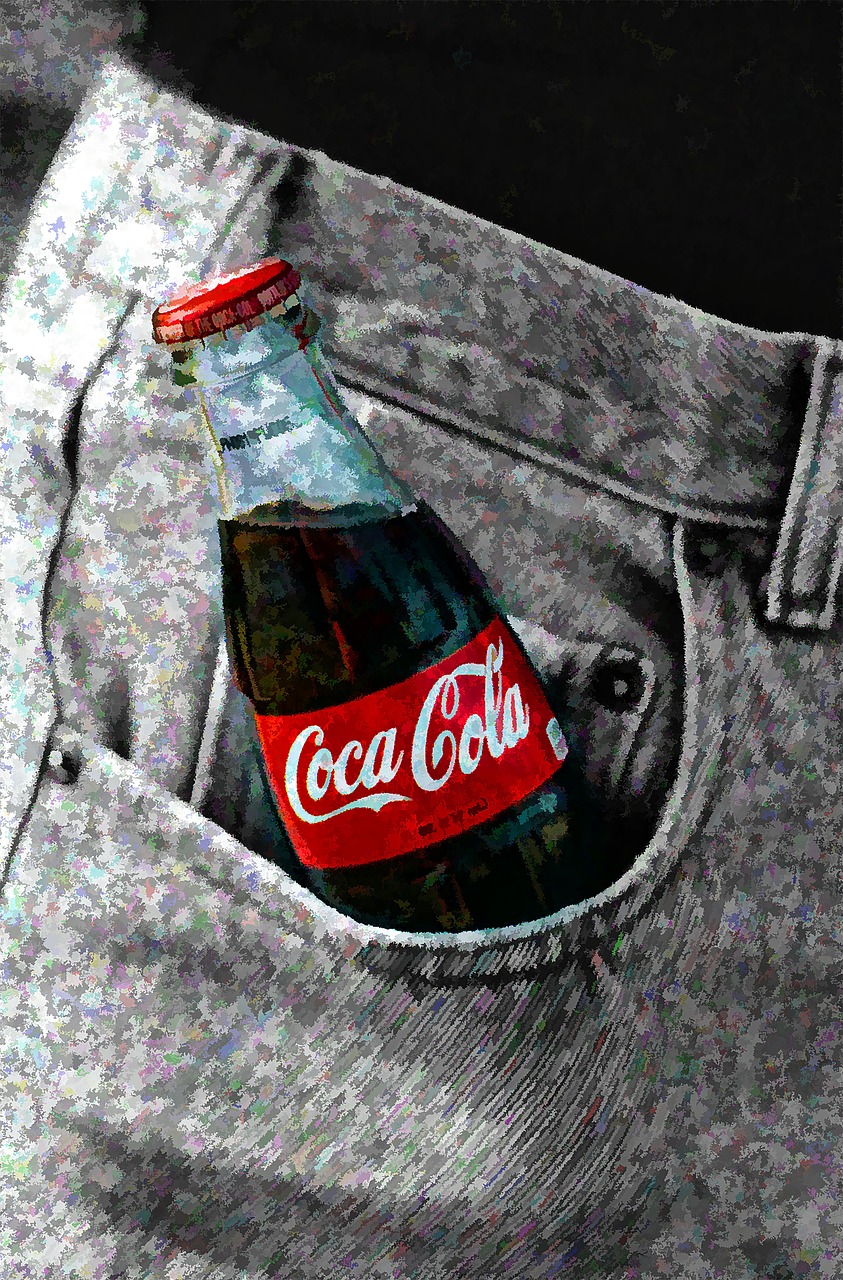
Launched in 2004, Coca-Cola C2 aimed to satisfy carb-conscious consumers during the height of the Atkins Diet craze. Launched in 2004, Coca-Cola C2 aimed to satisfy carb-conscious consumers during the height of the Atkins Diet craze. It offered half the calories, carbs, and sugars of regular Coke. Those cola marketers did their best, but this soda died out by 2007 as diet trends shifted and Coke Zero became the new hot chick in town.
C2 tried to split the difference between regular Coke and Diet Coke, which sounds reasonable until you realize that most people don’t want compromise in their cola consumption. You either want the full sugar rush or you want zero calories – there’s no middle ground in the soda world. The drink lasted about as long as the Atkins diet trend itself, proving that half-measures rarely succeed in the beverage business.
These forgotten drinks represent a fascinating chapter in beverage history when companies were willing to try absolutely anything to capture our attention. Most failed spectacularly, but they’ve left us with some pretty entertaining memories of a time when the soda aisle felt like a science experiment. What do you think about these blasts from the past? Tell us in the comments.