6 Outdated Manners Experts Say Are Best Left in the Past
Women Must Always Remain Seated During Introductions

A generation ago there were only a few exceptions to the rule that a lady never stood up to shake hands or while being introduced. Today, especially in a business setting, a woman should always rise to meet someone new. This shift reflects our modern understanding that professional respect should be gender-neutral.
The outdated practice of women remaining seated during introductions reinforced outdated power dynamics and suggested that women were somehow less equal participants in business and social interactions. Modern etiquette recognizes that standing to greet someone demonstrates respect and professionalism regardless of gender.
It wasn’t all that long ago that it was proper etiquette for a man to stand when greeting a woman entering the room. But nowadays, standing up is proper etiquette whenever anyone greets anyone. This evolution shows how manners adapt to promote genuine equality rather than maintaining artificial distinctions.
Making Assumptions About Gender and Relationships
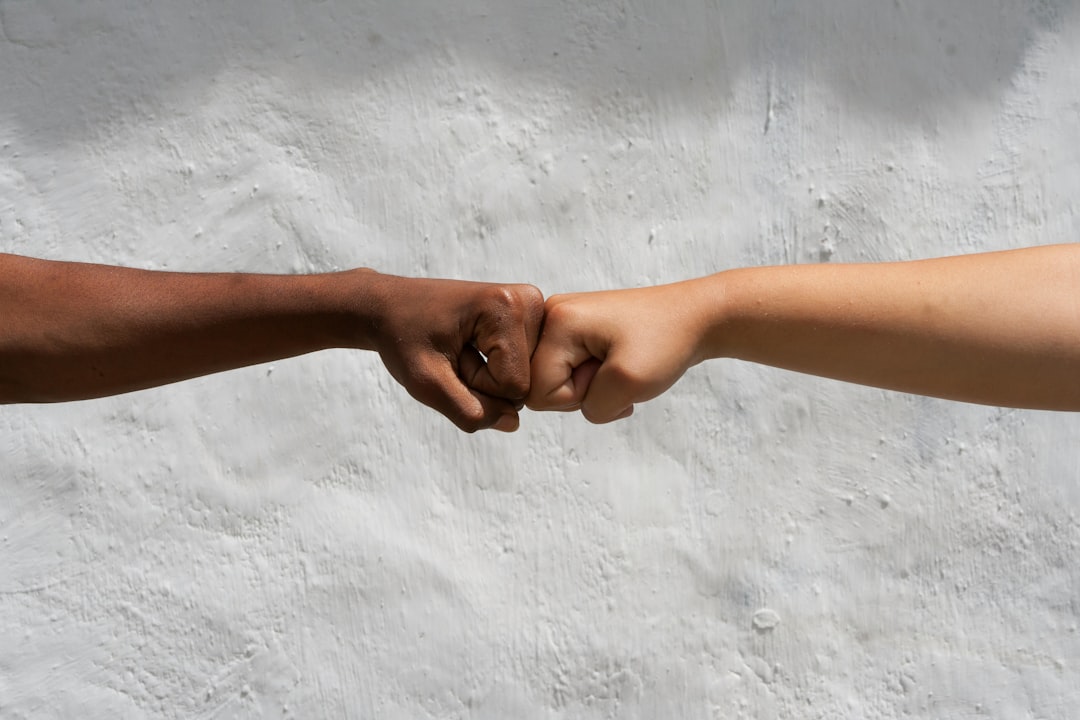
Even just a few years ago, most people would assume their female co-worker’s spouse was a man or their male friend’s partner was a woman. But now, not only should you not assume marital status – many people don’t like wearing rings or choose not to get married, even though they’re in a long-term relationship – but you shouldn’t assume gender either, according to etiquette expert Maryanne Parker.
This outdated manner of making automatic assumptions about people’s personal lives and relationships has given way to more inclusive language. Modern etiquette encourages using neutral terms like “partner” instead of assuming “husband” or “wife,” and asking about people’s preferences rather than making assumptions based on appearance.
This shift isn’t just about political correctness – it’s about genuine respect and creating inclusive environments where everyone feels comfortable. The modern approach acknowledges the diversity of human relationships and identities that have always existed but weren’t openly recognized in traditional etiquette.
Strict Gendered Dress Codes

Outdated, sexist dress codes that dictate attire based on gender don’t just hold cisgender women to unfair standards. (Recall, it wasn’t until 1993 that women were allowed to wear pants on the U.S. Senate floor, and the Senate continues to struggle with gendered, discriminatory dress code policies). These restrictive policies are increasingly seen as problematic and discriminatory.
He applauded codes that are “thoroughly communicated, graciously conveyed, consistently applied and non-gender-specific,” adding that there should be no loopholes for labels. Modern dress codes focus on appropriateness for the setting rather than enforcing different standards based on gender.
In today’s fast-paced world, many of these conventions have fallen by the wayside. Many people have more casual workplaces which don’t require men to wear suits and where women are free to wear trousers if they so wish. Many of these offices also encourage casual greetings and an atmosphere of equality where everyone is called by their first name.
Returning Food Containers When Someone Brings You a Meal

This manner never made sense. While it’s a nice thought, the fact that you had to return the dish full meant you had to work for your gift. In fact, now it’s kind to place the food in a container the recipient can keep as part of the gift, or at least a recyclable plastic container that you don’t expect the person to return. Nowadays, a thank you note is all you need to give to show your appreciation for the person’s kindness.
This outdated rule created an unnecessary burden for people already dealing with difficult circumstances like illness, new babies, or bereavement. The old expectation that you had to fill the dish with homemade food and return it essentially turned a kind gesture into an obligation.
Modern etiquette recognizes that the goal of bringing someone food is to help them, not create additional tasks. Simply writing a heartfelt thank you note shows appropriate gratitude without adding stress to someone’s life.
Offering Weak or “Princess-Like” Handshakes

Waiting to extend your hand, or extending it in a “princess-like” fashion, instead of offering a correct handshake. Our handshake is our olive branch and nonverbal invitation to “Come on over and join in!” The outdated notion that certain people, particularly women, should offer delicate, limp handshakes has thankfully disappeared.
A firm, confident handshake communicates equality and professionalism regardless of who’s offering it. The old-fashioned “lady-like” handshake actually undermined women’s credibility and suggested they weren’t serious participants in business or professional settings.
Today’s etiquette experts universally recommend that everyone – regardless of gender – offer a firm handshake that conveys confidence and respect. This simple change reflects broader shifts toward gender equality in professional environments.
Expecting Your Hostess Gift to Be Served at the Party

Bringing a bottle of wine as a hostess gift and then expecting it to be opened during the party because it’s your favorite vintage. It’s a gift – not a gift to yourself! The hostess gift, she maintains, is to be enjoyed by the hostess (or host, of course). This entitled behavior misses the entire point of bringing a hostess gift.
Many people still make this etiquette mistake without realizing it. The gift is meant to thank the host for their hospitality and effort, not to guarantee you’ll get to enjoy something you specifically chose. Expecting your wine to be opened or your dessert to be served shows a fundamental misunderstanding of gift-giving.
Modern hosts appreciate gifts they can enjoy later, especially since they’ve already planned their menu and beverages. A thoughtful hostess gift says “thank you for having me” rather than “here’s what I’d like to have tonight.” This shift represents a more genuine understanding of gratitude and hospitality.
These outdated manners reveal how etiquette continues evolving to reflect our values of equality, inclusivity, and authentic human connection. At their core, modern etiquette rules are about taking others’ feelings into consideration and showing empathy to your fellow human. The best manners aren’t about memorizing rigid rules – they’re about treating others with genuine respect and kindness.
What do you think about these changes? Have you noticed other outdated manners that deserve to be retired?