6 “Healthy” Leftovers You Should Never Reheat, Experts Caution
Most people view leftovers as convenient meal solutions and smart ways to reduce food waste. Yet food safety experts warn that certain seemingly healthy foods can become surprisingly dangerous when reheated. But experts urge a little more caution. While many leftovers reheat safely, specific foods can harbor bacteria, develop toxins, or convert beneficial compounds into harmful substances during the reheating process.
To kill dangerous bacteria, you need to heat food to 165 F. However, some foods present risks that go beyond typical bacterial concerns. Understanding which healthy leftovers pose the greatest threats can help you make safer choices in your kitchen.
Rice: The Hidden Danger of Bacillus Cereus
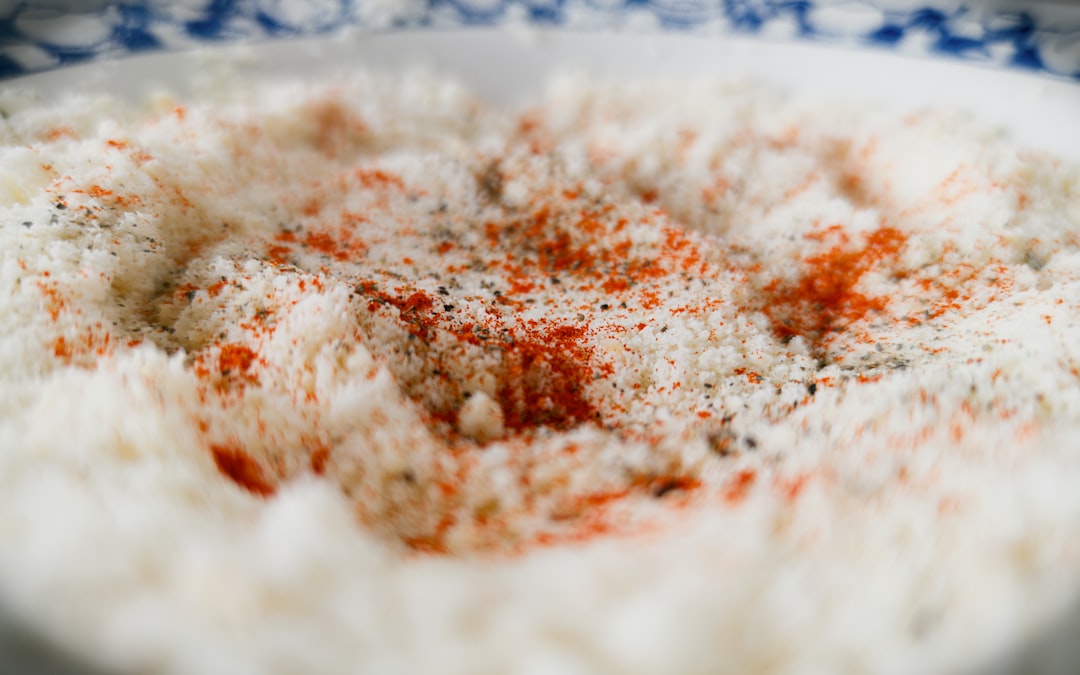
It’s all because rice is one of the handful of starchy foods that can harbor a bacteria known as Bacillus cereus. The bacteria is heat-resistant, so no amount of microwaving or time spent bubbling in a sauce in the oven will kill it, once it forms. This phenomenon has earned its own name in food safety circles. In fact, this leftover is so iffy that the nasty symptoms that can follow eating it have gained the name “reheated rice syndrome.”
The bacteria lives naturally in rice and becomes dangerous when cooked rice sits in what food safety experts call the danger zone. The bacteria lives in the rice and is relatively benign at first, but then, if the cooked rice sits in the “danger zone” of 40 to 140 F, the bacteria can begin to spread and multiply. The NHS says: “With rice, make sure it’s cooled within 1 hour and then goes straight in the fridge or freezer.”
When reheating becomes unavoidable, experts stress the importance of proper technique. Never reheat rice more than once. Reheat only once, ensuring it’s steaming hot throughout, and consume immediately.
Leafy Greens: When Nitrates Turn Dangerous
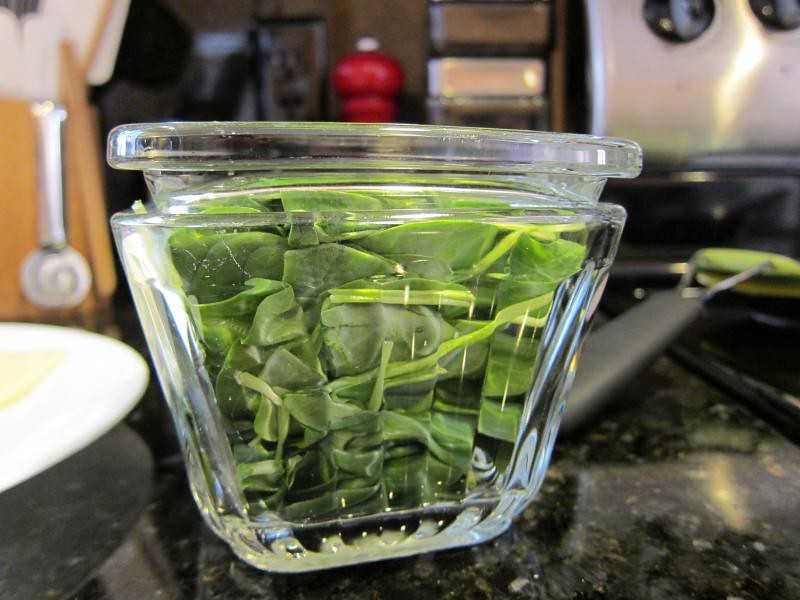
Spinach is a rich source of iron and nitrates which when reheated can turn into nitrites and other known carcinogens. These carcinogens can raise cancer risks. The problem extends beyond spinach to include other nutritious leafy vegetables. Kale, chard, and collard greens share spinach’s nitrate concerns when reheated. These leafy powerhouses convert healthy nitrates to potentially harmful nitrites during storage and subsequent reheating.
Research has shown that cooking method and temperature significantly affect nitrate levels. And a study from the University of Medical Sciences in Iran showed that cooking significantly increased nitrate levels in spinach, while research from Foods demonstrated that stir-frying increased nitrate content by 31%. To avoid exposing yourself to potentially dangerous amounts of these compounds, you may want to avoid reheating these leafy greens at high temps.
The microwave poses particular risks for these vegetables. Microwaving particularly accelerates this chemical conversion. When blasted in the microwave, naturally occurring nitrates (which are very good for you on their own) may convert to nitrosamines, which can be carcinogenic, studies show.
Potatoes: The Botulism Risk Factor
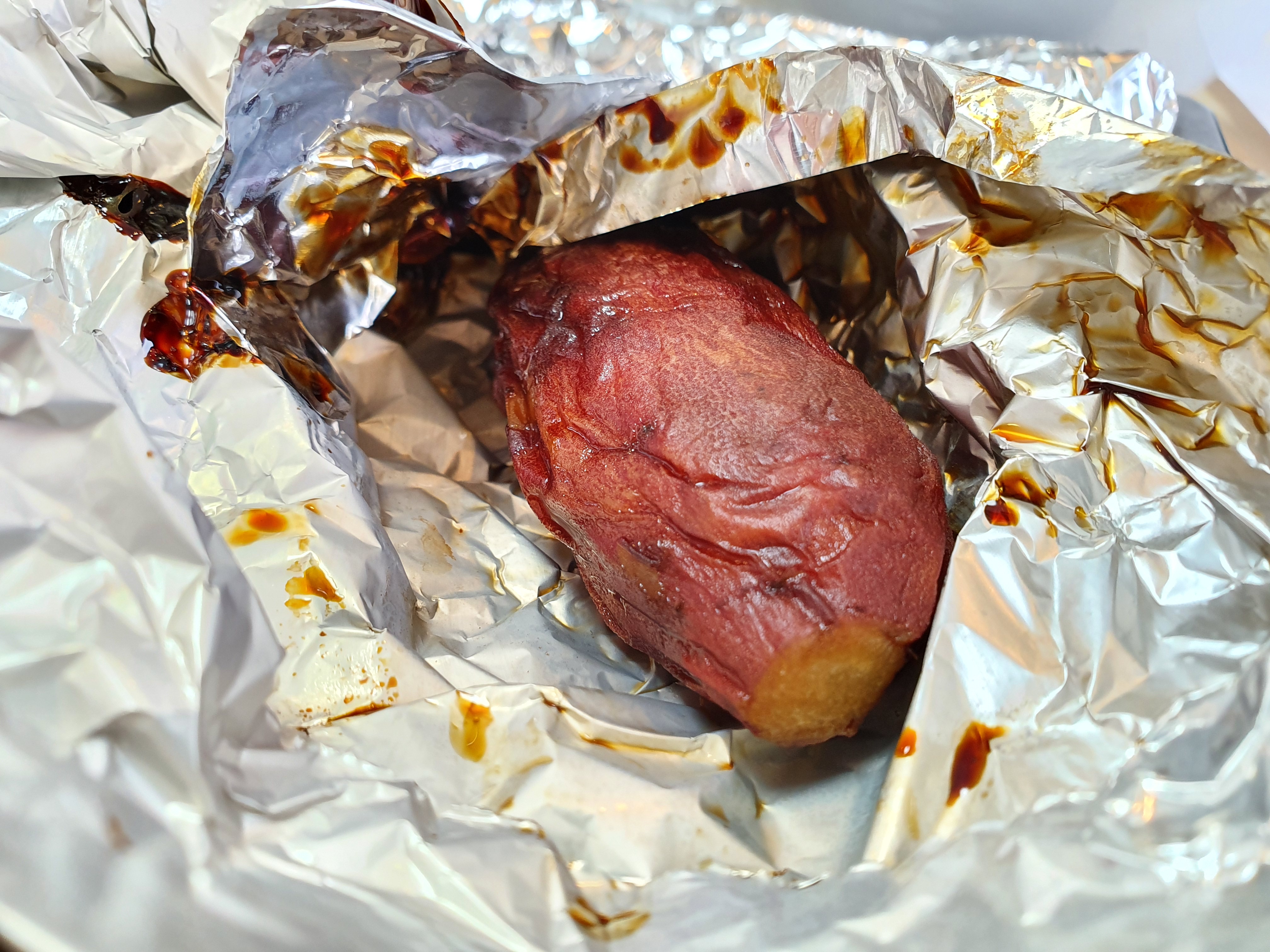
Why avoid reheating: Cooked potatoes, especially if wrapped in foil and left to cool slowly at room temperature, can become a breeding ground for Clostridium botulinum, the bacteria that causes botulism. When stored improperly, they can promote the growth of Clostridium botulinum, a bacterium that causes botulism, which can lead to paralysis or even death. The danger increases when potatoes are wrapped in aluminum foil during storage.
The aluminum foil wrapping many people use creates an oxygen-free environment where this dangerous bacteria thrives. Even a few bites of affected potato can cause botulism – a potentially fatal illness. The toxin attacks your nervous system, causing difficulty breathing, muscle paralysis, and in severe cases, the end of your life.
Safe handling requires immediate action after cooking. Best practice: Consume cooked potatoes soon after preparation. If storing, cool quickly and refrigerate promptly. It’s generally best to avoid reheating, especially if they weren’t cooled properly.
Seafood: Bacterial Growth and Texture Issues

Reheating seafood is generally not recommended due to the high risk. Seafood dishes pose significant risks when reheated due to the potential development of toxins. Shellfish and fish, when improperly stored, can cultivate harmful bacteria that can produce set toxins, which might not be neutralized by reheating. The delicate nature of seafood proteins makes them particularly vulnerable to bacterial contamination and toxin production.
Food safety experts emphasize the rapid deterioration of seafood quality. Seafood, particularly fish, contains delicate proteins and fats that break down quickly. It’s highly susceptible to rapid bacterial growth and histamine production (which can cause scombrotoxin poisoning) if not kept consistently cold. The high heat from a microwave can cause the moisture in fish to quickly evaporate, which can cause a very dry, rubbery texture.
When reheating becomes necessary, experts advise extreme caution. Seafood carries a higher risk of food poisoning, so whether you are reheating in the oven, microwave or on the hob, it must always be piping hot before serving and only reheated once. The best practice is to avoid reheating seafood multiple times and instead aim to enjoy it freshly prepared.
Chicken: Protein Structure Changes and Bacterial Risks
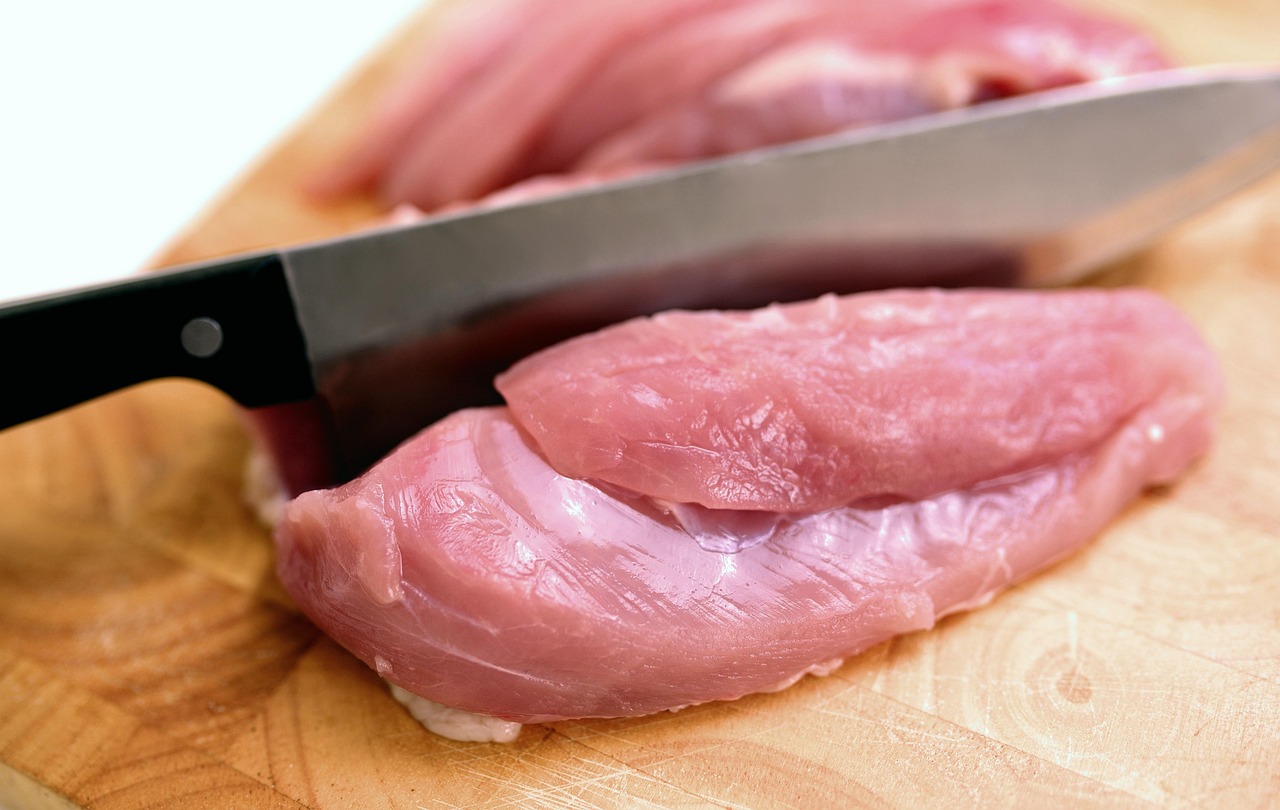
Why avoid reheating: Reheating chicken (and other poultry) can alter its protein structure, making it harder to digest and potentially causing stomach upset. Pathogenic bacteria such as Salmonella or Campylobacter can be harbored and become more concentrated during the cooling process. The uneven heating properties of microwaves make chicken particularly risky to reheat.
Since microwaves don’t fully or evenly cook all parts of the meat, you’re more likely to be left with surviving bacteria, such as salmonella. Studies have shown that microwaves can heat food unevenly, potentially leaving cold spots where harmful bacteria can survive. This research highlights the importance of heating method when dealing with poultry leftovers.
Temperature control becomes critical when reheating chicken. It is imperative always to reheat chicken to an internal temperature of 165°F (74°C) and to avoid reheating multiple times. Chicken, especially the breast, tends to become tough, dry, and chewy when reheated in the microwave.
Mushrooms: Protein Breakdown and Digestive Issues
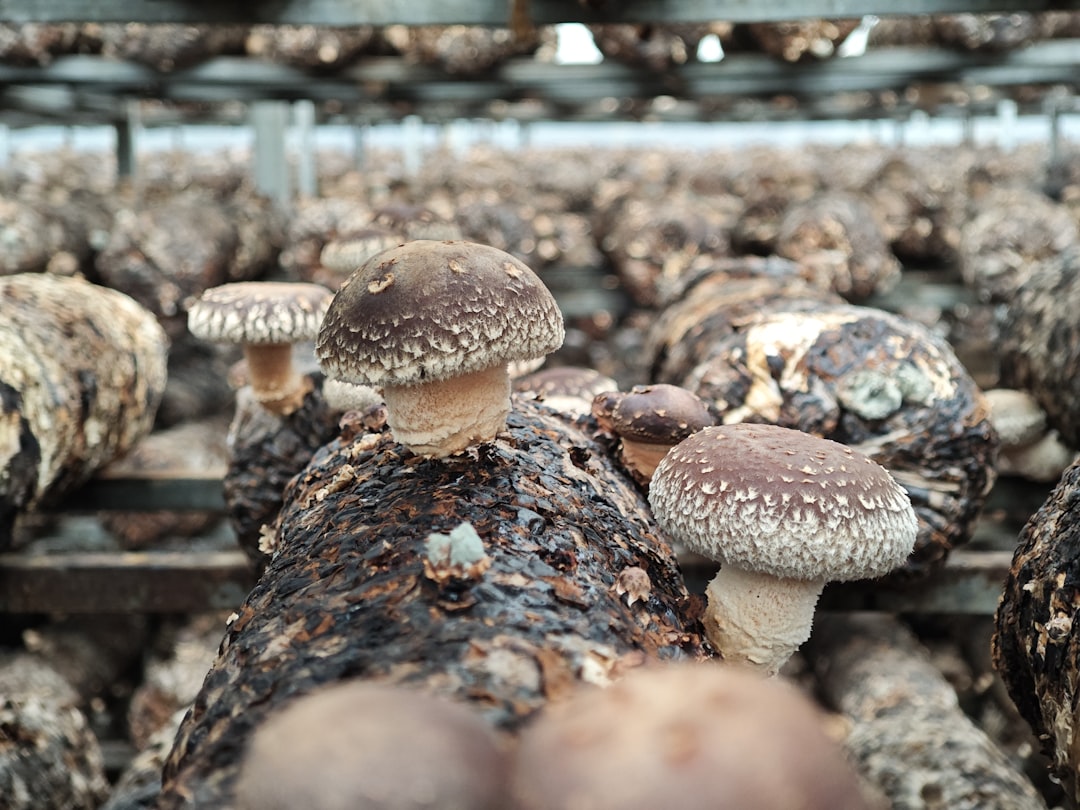
Mushrooms are another food item that can pose health risks when reheated. They contain proteins that can break down when cooked and then reheated, which could potentially lead to gastrointestinal discomfort. The delicate protein structure in mushrooms makes them particularly sensitive to temperature changes and multiple heating cycles.
Food safety experts note that mushrooms undergo significant chemical changes during reheating. Reheating mushrooms can cause stomach upset, while chicken may lead to digestive problems. Unlike bacterial contamination concerns with other foods, mushroom safety issues stem from protein degradation that occurs during the reheating process.
The best approach with mushrooms involves consuming them fresh or incorporating them into new dishes rather than reheating leftovers. Foods like mushrooms, chicken, spinach, eggs, rice, and oils can release harmful toxins or lose their nutritional value when reheated, potentially causing digestive discomfort and other health issues. Professional chefs often advise against storing cooked mushrooms for later consumption due to these concerns.
Food safety doesn’t have to be complicated, yet these six seemingly healthy leftovers demonstrate how important proper knowledge can be. The risks range from bacterial toxins that survive reheating to chemical conversions that create harmful compounds. While throwing away leftovers might feel wasteful, protecting your health should always take priority. What surprised you most about these hidden dangers lurking in your refrigerator?