6 Kitchen Habits That Secretly Ruin Great Meals
You’re passionate about cooking and take pride in your culinary creations, yet sometimes the final results don’t match your expectations. The reality is that many home cooks unknowingly sabotage their own meals through seemingly innocent kitchen habits. These subtle mistakes can turn what should be a masterpiece into something disappointingly bland, soggy, or unevenly cooked.
Understanding these hidden pitfalls isn’t just about avoiding frustration. It’s about unlocking your kitchen’s true potential and finally achieving those restaurant-quality results you’ve been striving for. So let’s get started with revealing these sneaky meal-ruining habits that might be standing between you and culinary success.
Cramming Too Much Into Your Pan
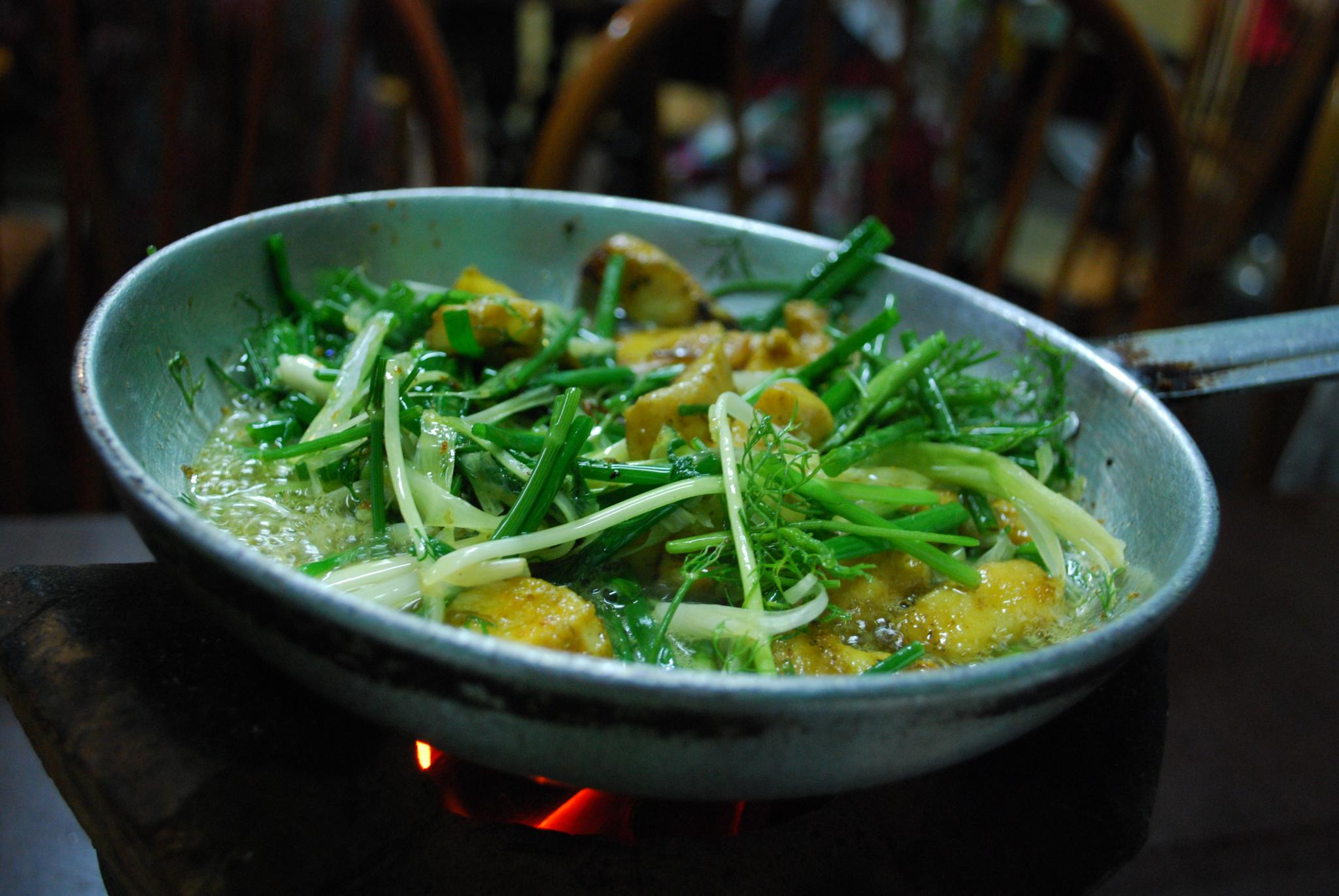
One of the most devastating habits happens when enthusiasm meets impatience in the kitchen. When you cram too many ingredients into a single pan, you disrupt heat circulation. Instead of achieving a golden-brown crust or crispy texture, your food ends up steaming in its own moisture. Ever pulled a tray of roasted vegetables out of the oven only to find them soft and pale instead of golden and crisp? The culprit might be simple: overcrowding.
Never ever will root vegetables, overloaded in a pan in the oven, caramelize and crisp the way you want them to. Instead, the vegetables will sweat, like old men in a steam room. Overcrowding prevents food from properly searing and undergoing the flavor-boosting Maillard reaction. Pieces steam and boil in their juices rather than caramelize, producing extremely bland, colorless food.
Constantly Opening the Oven Door
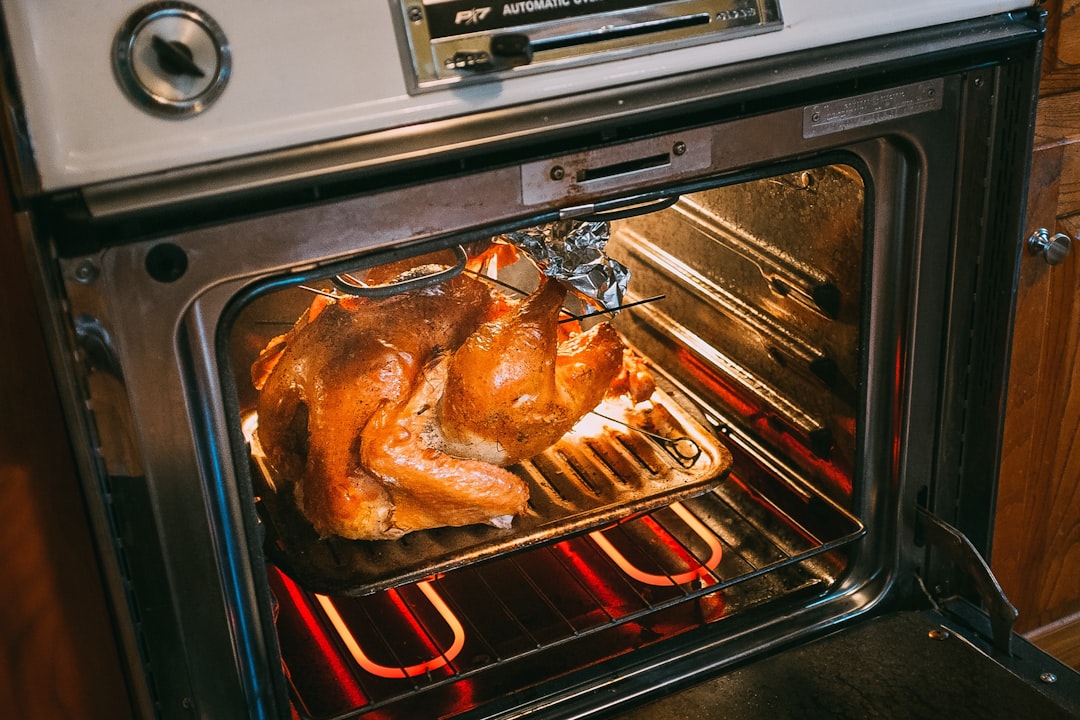
One of the most common turkey roasting mistakes cooks make is constantly opening the oven to check on the bird while it’s roasting. Every time you open the oven, you’re actually letting out the precious hot air your food needs to cook. When you close the oven again, it can take some time before the temperature gets back to where you want it. Allowing the temperature to fluctuate can mess with your cook times and give you an undercooked or unevenly cooked meal.
Think of your oven like a carefully controlled environment where temperature consistency is everything. Baking is a science. Temperature consistency is key for chemical reactions like leavening and browning. Each time you peek inside, you’re essentially hitting the reset button on your cooking process.
Rinsing Your Pasta After Cooking
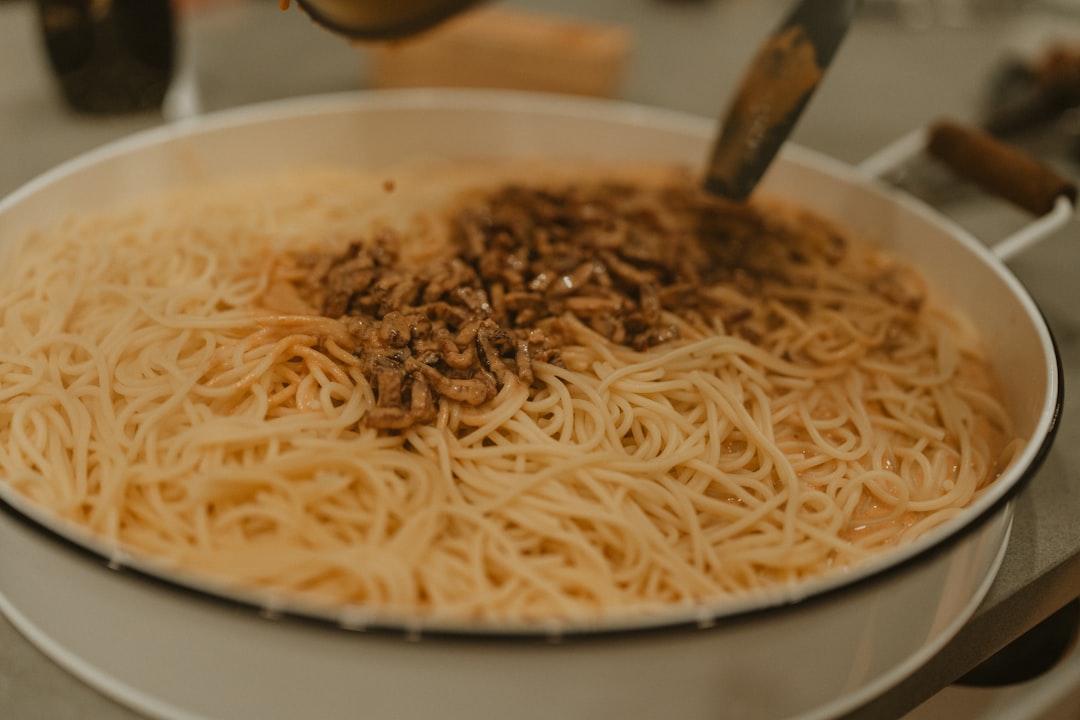
Pasta should never, ever be rinsed for a warm dish because the starch in the water is what helps the sauce adhere to the pasta. The only time you should ever rinse your pasta is when you are going to use it in a cold dish, like a pasta salad, or when you are not going to use it immediately. When you toss noodles into a colander and run water all over them after cooking, you might think you’re helping them become less sticky. But you also rinse away important starch from the surfaces. This can certainly help prevent the noodles from clumping to each other, but it also means that any sauce you add won’t cling to the noodles as well, either.
When pasta cooks, it releases starch into the water, creating a natural adhesive. If you rinse your pasta after cooking, you wash away this valuable starch. The starch is essential for helping the sauce cling to the noodles. Professional chefs understand this principle deeply, which is why they often use pasta cooking water as a secret ingredient in their sauces.
Storing Your Cookware in the Oven
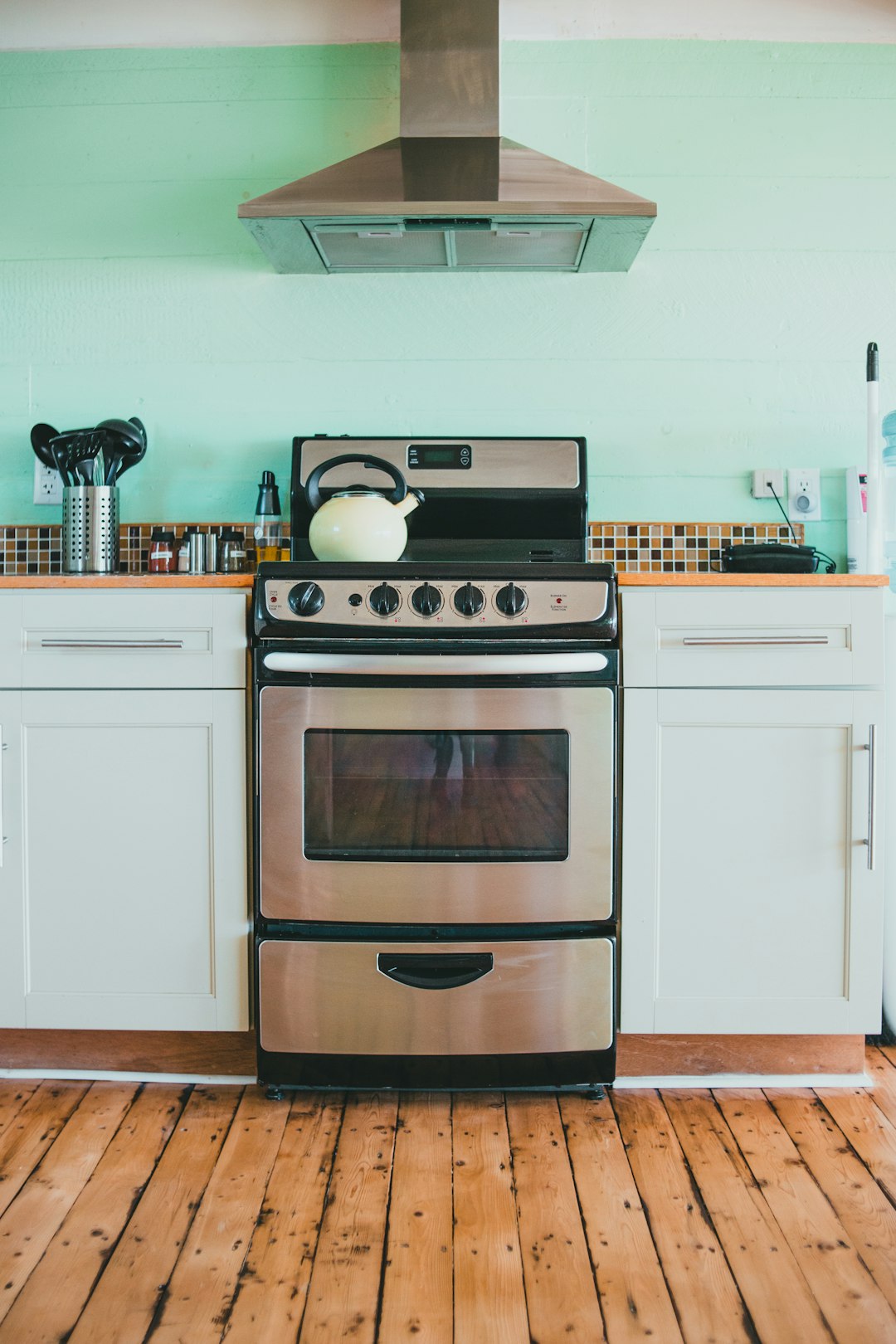
Many people keep pans and pots inside the oven to save space, but experts warn this habit can backfire. Each time the oven heats up, it exposes cookware to high temperatures that can destroy nonstick coatings, warp the base, and damage handles. The heat that radiates from below can still affect stored cookware, causing tiny cracks, deformation, and the release of harmful fumes from nonstick surfaces.
What seems like a clever storage solution becomes an expensive mistake over time. The repeated exposure to high heat gradually degrades your cookware, forcing you to replace perfectly good pans that could have lasted years with proper care. This habit is particularly devastating for nonstick cookware, where even moderate heat exposure can compromise the coating’s integrity.
Skipping the Preheating Step
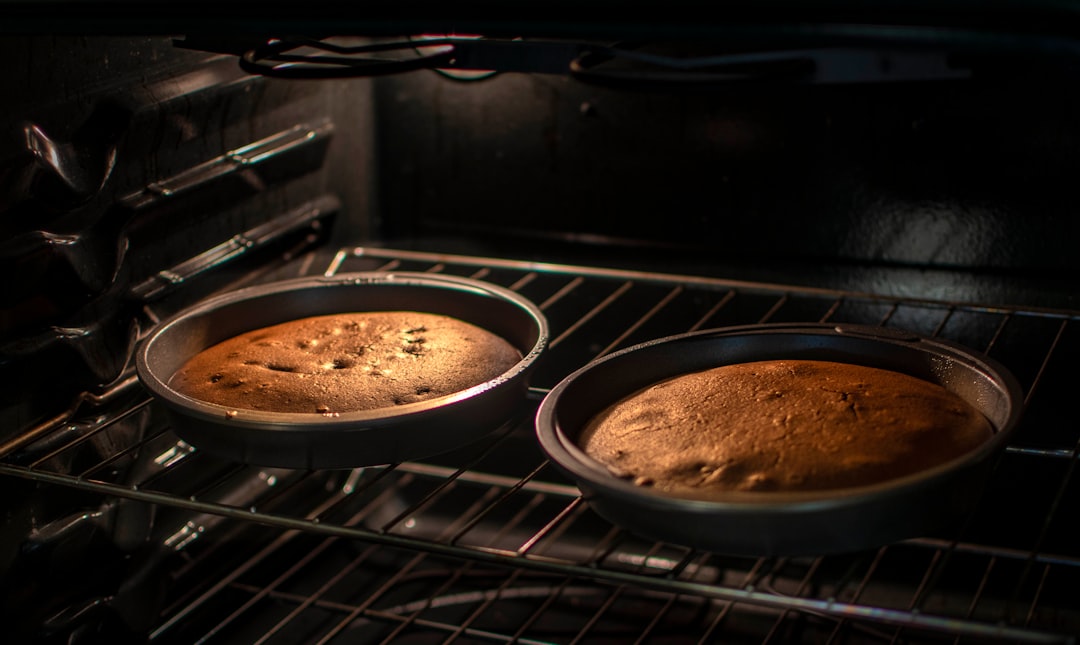
Skipping preheating is a common mistake that can ruin your cooking efforts. Preheating ensures that your oven reaches the correct temperature before you start cooking, which is crucial for consistent results. Without it, food cooks unevenly and may not develop its intended texture or flavor. Imagine baking cookies without preheating the oven. The dough spends several minutes in an environment that’s gradually heating up, leading to uneven baking, some cookies may burn while others remain undercooked.
Roasting vegetables or meats in a cold oven has similar consequences; they won’t achieve that perfect caramelization or crispiness. Most ovens take 10–15 minutes to reach the desired temperature. This waiting period might feel inconvenient, yet it’s the difference between professional results and amateur disappointment.
Overloading Your Refrigerator
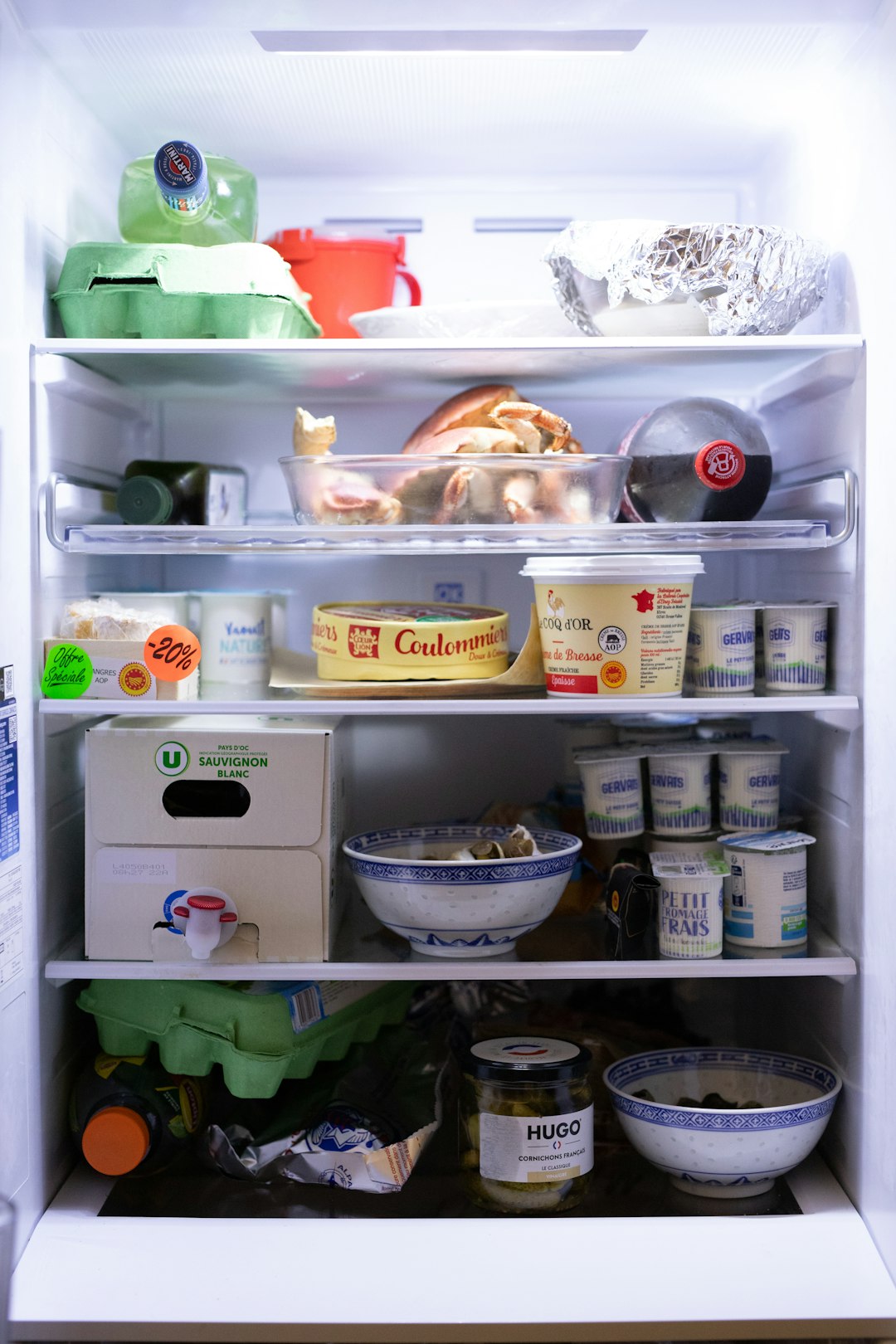
We’ve all been guilty of it – cramming leftovers into a fridge already bursting with mystery containers and wilting greens. Overloading your fridge blocks air circulation, which can cause uneven cooling and spoil food faster. Even if you’ve cooked a perfect meal, improper storage can ruin its quality and safety. Storing raw meat above ready-to-eat foods in the fridge can lead to cross-contamination, while failing to seal leftovers properly causes them to dry out or absorb unwanted odors.
Temperature control is another critical factor. A fridge set too warm allows bacteria to grow on perishable items, while one that’s too cold may freeze delicate produce like leafy greens. Your overcrowded refrigerator isn’t just affecting storage quality, it’s literally working against your meal preparation efforts by compromising ingredient freshness before you even start cooking.