10 Grocery Products That Quietly Got Smaller Over Time
Shoppers across America have been noticing something sneaky happening in the aisles. Your favorite products seem to run out faster than they used to, and that familiar box or bottle somehow feels lighter. Welcome to the world of shrinkflation, where manufacturers quietly reduce product sizes while keeping prices the same. 79% of U.S. consumers noticed grocery shrinkflation in 2023, making this one of the most widespread consumer issues of our time.
This practice has exploded since the 2020 pandemic, with about one-third of roughly 100 common consumer products tracked by LendingTree have shrunk in size or servings since the 2020 pandemic. Companies justify these changes by pointing to rising production costs, but the reality is clear: you’re paying more for less. Let’s explore the most common products that have quietly shrunk over the past few years.
Household Paper Products Lead the Pack
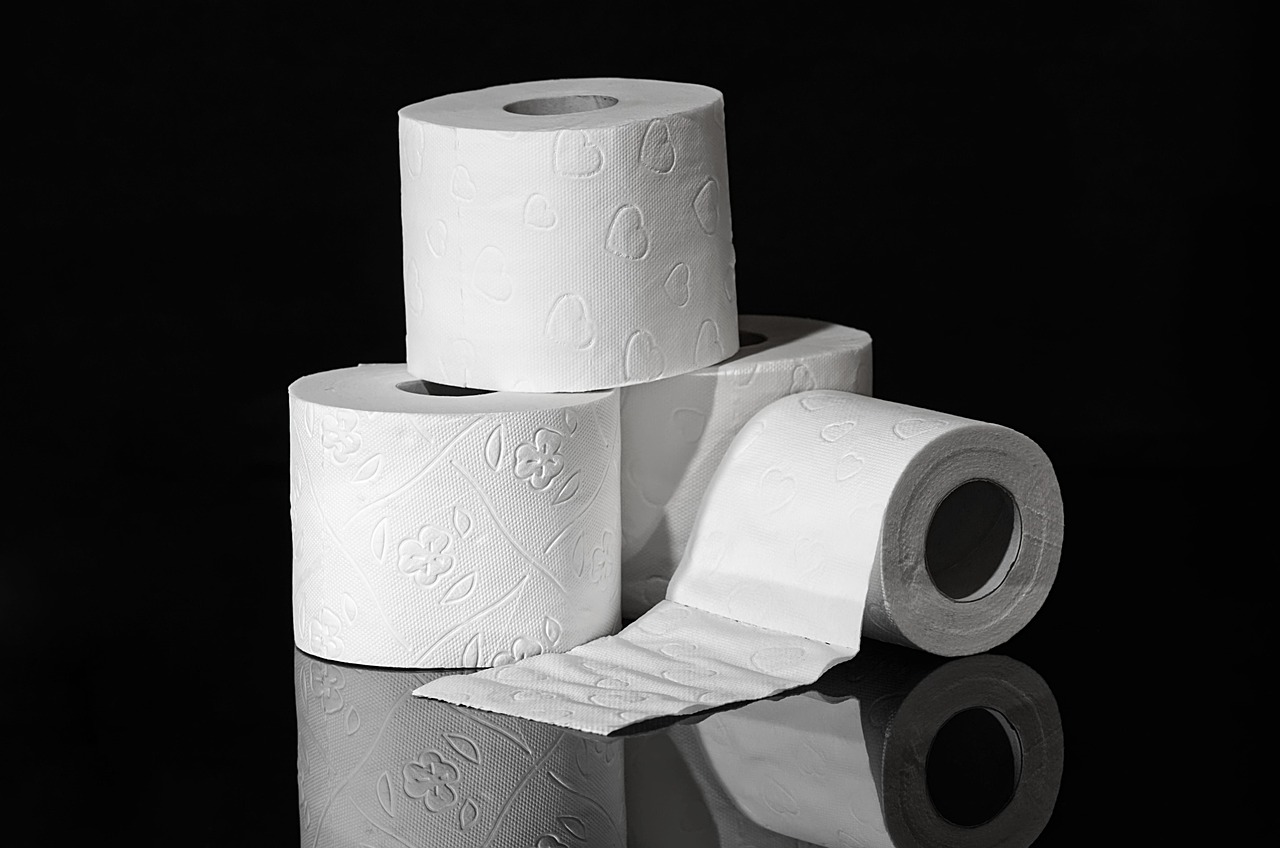
Paper products have become the poster child for shrinkflation, with household paper products, like toilet paper and paper towels, the personal finance firm’s analysis found being the worst offenders. Twelve mega rolls of Angel Soft toilet paper decreased significantly, shrinking from 429 sheets a roll in 2019 to 320 sheets in 2024.
That’s a 25.4% reduction in size – the highest across the household products analyzed. Meanwhile, Charmin hasn’t escaped the trend either. While 24 mega rolls of Charmin Ultra Strong shrank from 286 sheets a roll to 242, prices jumped 31.4.% per 100 count from 35 cents to 46 cents.
Paper towels have experienced similar downsizing, with Bounty’s super big mega rolls went from 180 sheets on a roll to 164. The changes are often subtle enough that consumers don’t immediately notice, but they add up to significantly less value over time.
Breakfast Cereals Shrink Portion by Portion
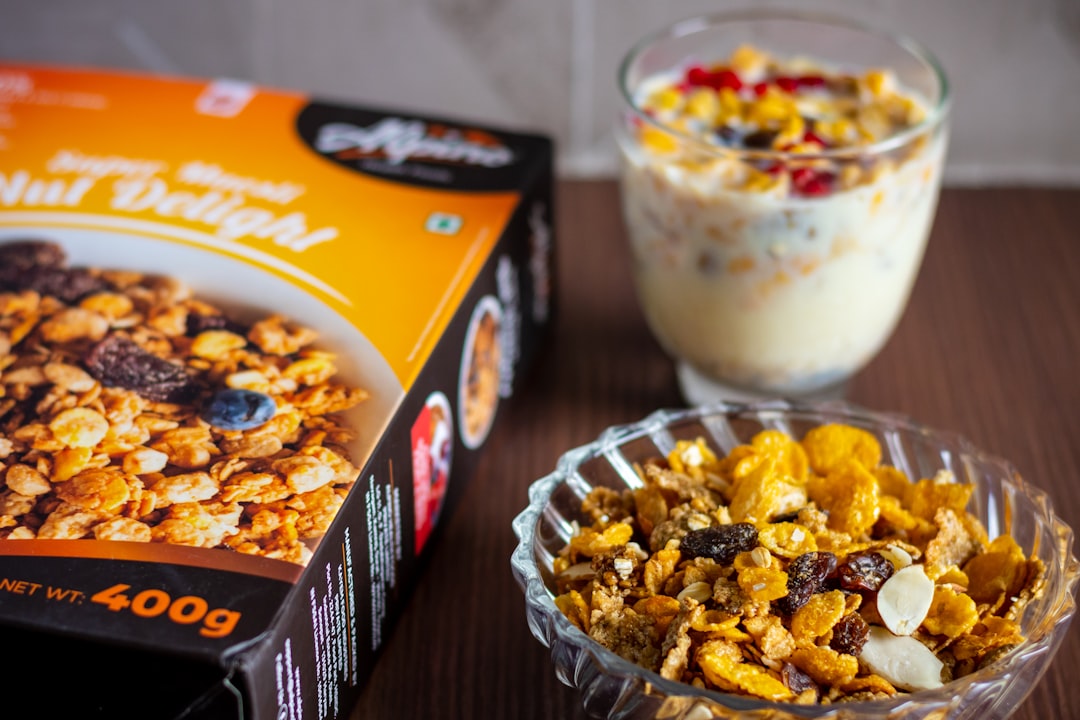
Breakfast foods had the second-highest rate of shrinkflation, with LendingTree finding that about 44% of the items they tracked were now sold in smaller portions. Kellogg’s Frosted Flakes provides a perfect example of this trend. Family-sized Frosted Flakes, made by Kellogg’s, has slimmed from 24 ounces to 21.7 ounces, resulting in a 40% increase in per-ounce pricing, the analysis found.
The shrinkage extends beyond just one brand. General Mills’ cereals: Boxes of Cheerios and Cinnamon Toast Crunch that once held 19.3 ounces now hold 18.1 ounces – a decrease of over 6%. Some cereals have experienced even more dramatic reductions, with one box of regular cereal shrank 35.1% from 13.1 OZ to 9.7.
These changes often come with redesigned boxes that maintain the same height but become noticeably skinnier, making the reduction less obvious at first glance but clearly apparent once consumers get the product home.
Snack Foods Get Quietly Smaller
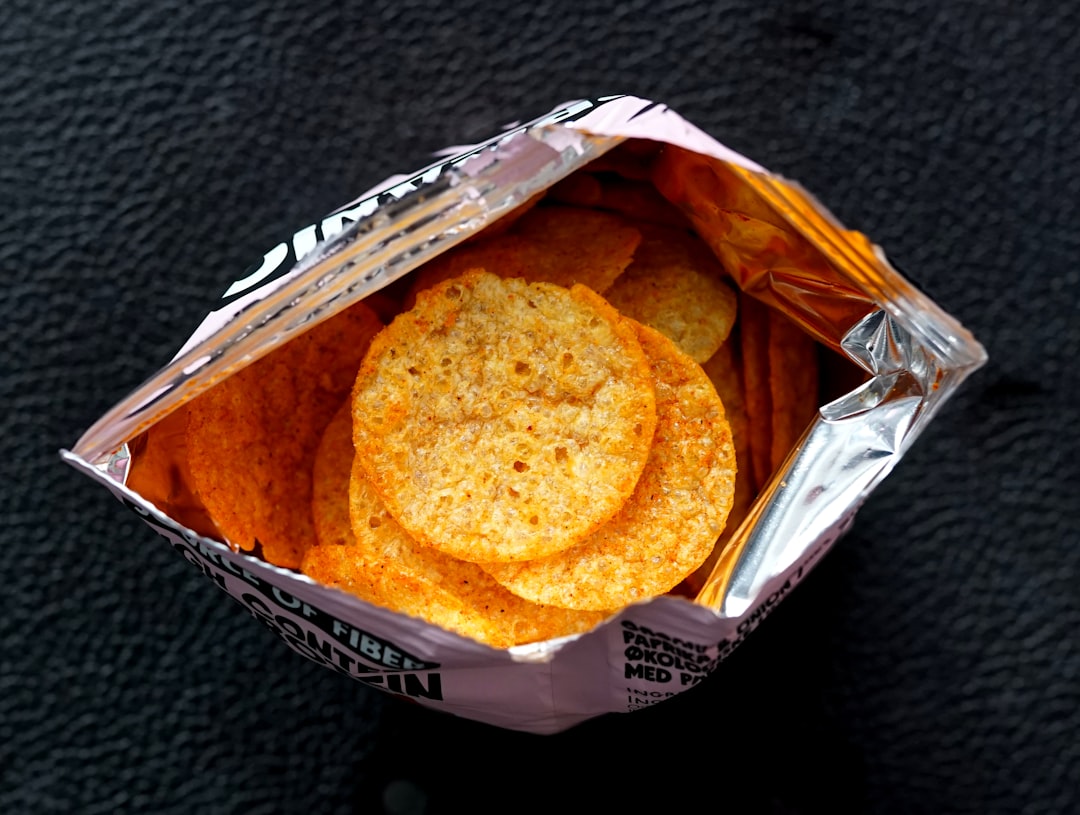
Your favorite chips and snacks haven’t escaped the shrinkflation trend. Party-size Cheetos, made by Frito-Lay, which shrank to 15 ounces from 17.5 ounces while its per-ounce price rose to 40 cents from 17 cents. The changes extend across multiple Frito-Lay products, affecting everything from Doritos to Lay’s potato chips.
Doritos: 9.5 ounces to 9.25 ounces in 2023, representing a small but meaningful reduction when multiplied across millions of bags sold. Party-size tortilla chips have also been affected, with party and family-sized bags of tortilla chips are not as full as they used to be. With bags shrinking like Tostitos in 2023, going from 18 ounces to 15.5 ounces, your nacho nights might feel a little less festive.
The psychology behind these changes is clear: of the consumers who noticed shrinkflation, 78% say they have observed it in snack foods and 53% in packaged desserts and sweets. Companies know that consumers are more price-sensitive than size-sensitive, making this an effective strategy for maintaining margins.
Candy and Chocolate Take a Hit
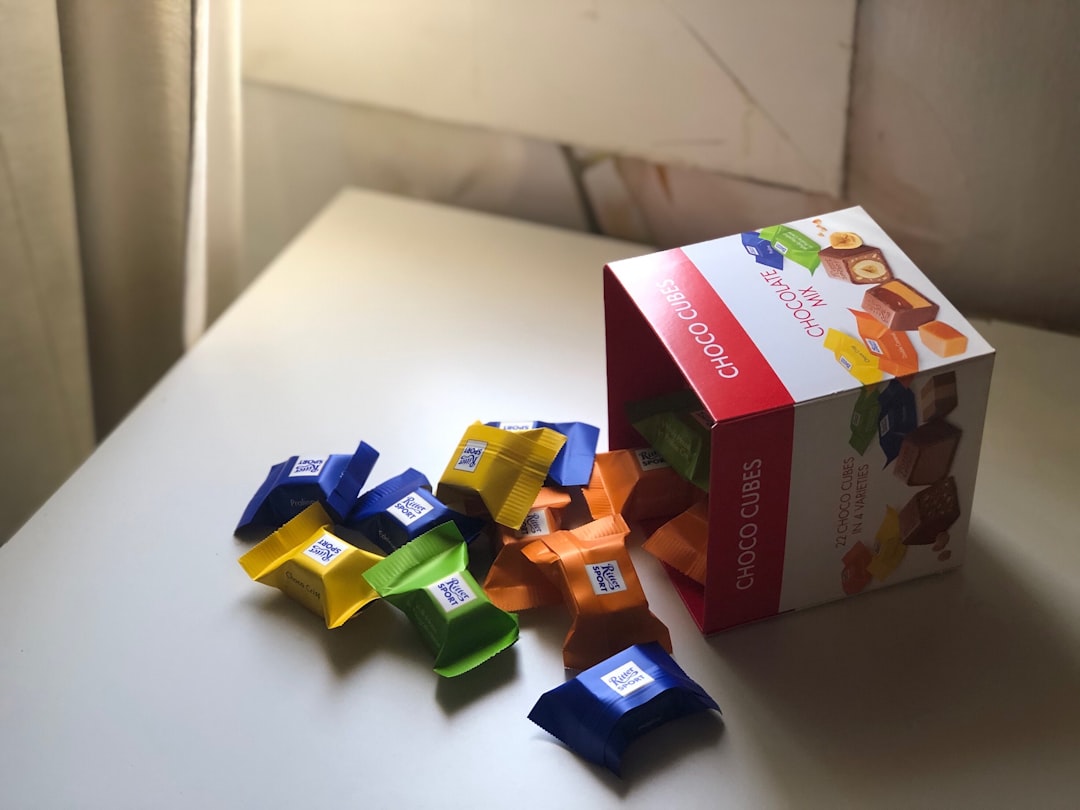
Sweet treats have become increasingly less sweet for consumers’ wallets. About 38% of candy items are now sold in smaller amounts, including party-size Reese’s miniatures (35.6 ounces now versus 40 ounces in 2019-2020) and party-size milk chocolate M&M’s (38 ounces now versus 42 ounces previously.). These changes represent substantial reductions in the amount of candy consumers receive for the same price.
Regular-sized candy bars haven’t escaped either. Reese’s Peanut Butter Cups (Hershey) That classic two-cup pack once weighed 1.6 oz. Today, it’s 1.5 oz – a 6.25% drop. Even premium chocolate brands have joined the trend, with once upon a time, these bags were over 10 ounces, now Dove dark chocolate bags are only 7.61 ounces.
M&Ms: Family size went from 10.07 ounces to 10 ounces in 2023. No change in price. While the reduction seems minimal, it represents millions in cost savings for manufacturers while consumers receive less product for their money.
Orange Juice Containers Keep Shrinking

Orange juice provides one of the most dramatic examples of long-term shrinkflation. Orange juice and ice cream, which, in the good old days, both came in 64-ounce (half-gallon) containers. However, those days are long gone for most brands.
Tropicana has gone from 64 ounces to 59 ounces to 52 ounces and now to 46 ounces, depending on which size the retailer wants to stock. The most recent change involved a complete redesign of the container. Today reported, Tropicana changed the design of its containers, narrowing the bottle and topping them with a cap that eliminates the need for an induction seal. Capacity was reduced from 52 ounces to 46 ounces.
The cumulative effect has been dramatic. At first, the amount of orange juice decreased by 7.8% to 59 ounces. Now it’s down to 52 ounces with some brands, another 11.9% reduction. This represents a total reduction of nearly 28% from the original half-gallon size, while prices have remained steady or increased.
Ice Cream Tubs No Longer Hold Half a Gallon
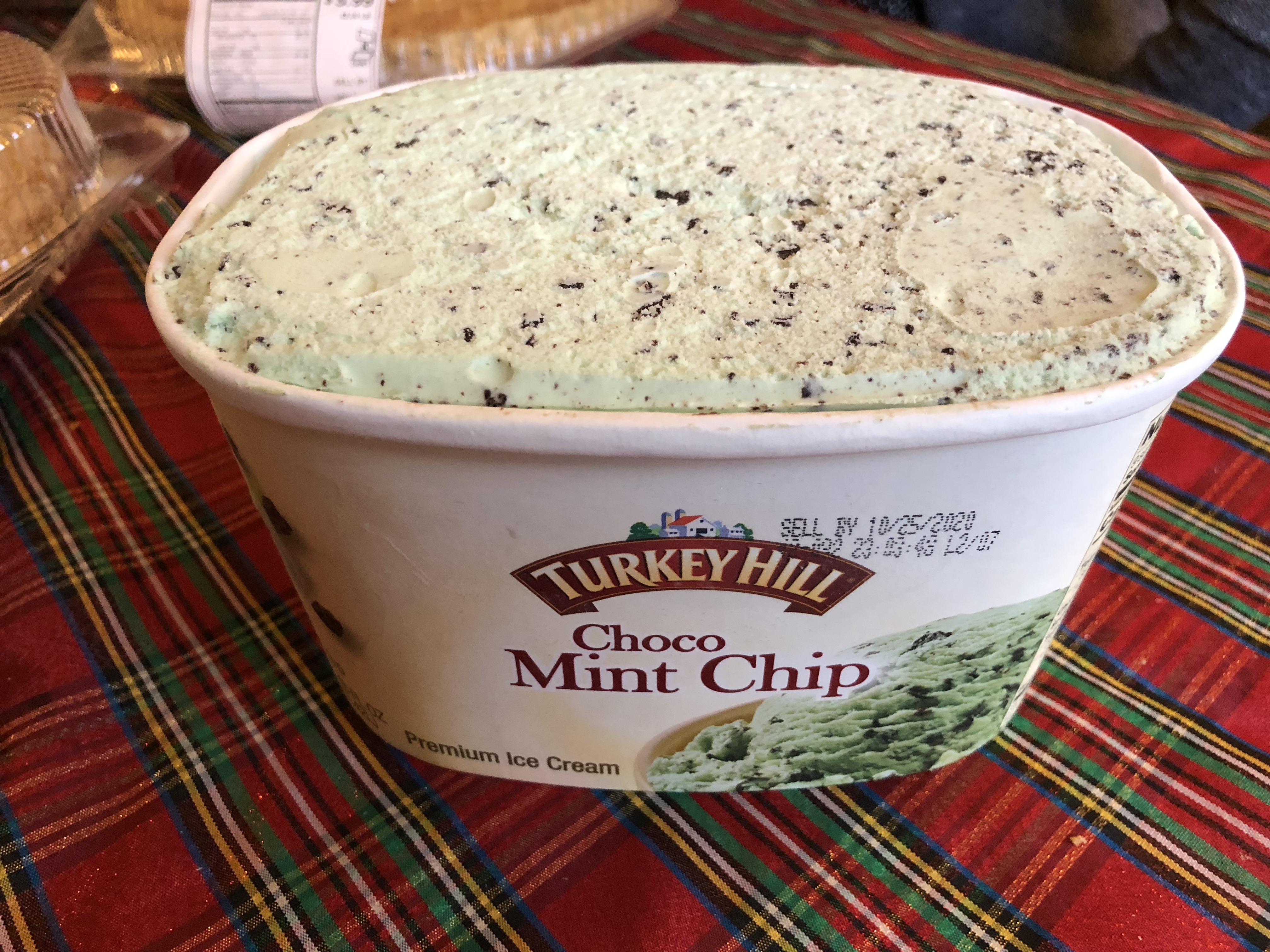
Ice cream represents another category where the traditional half-gallon container has become virtually extinct. When Tillamook ice cream was one of the last brands to downsize to a 48-ounce container (down from 56-ounce), the change was obvious. This change wasn’t just about quantity but also represented a significant price increase per ounce.
The price stayed the same, but now consumers are paying 15% more per ounce. Premium ice cream brands have led this trend, with most major manufacturers moving away from the traditional 64-ounce containers years ago. The packaging often remains similar in appearance, making the reduction less noticeable to casual shoppers.
Some brands have gone even further in their downsizing efforts, with containers now commonly found in 48-ounce or even smaller sizes. The impact extends beyond just the immediate purchase, as families find themselves buying ice cream more frequently to satisfy the same consumption patterns they had before.
Coffee Gets Less Caffeinated Per Package
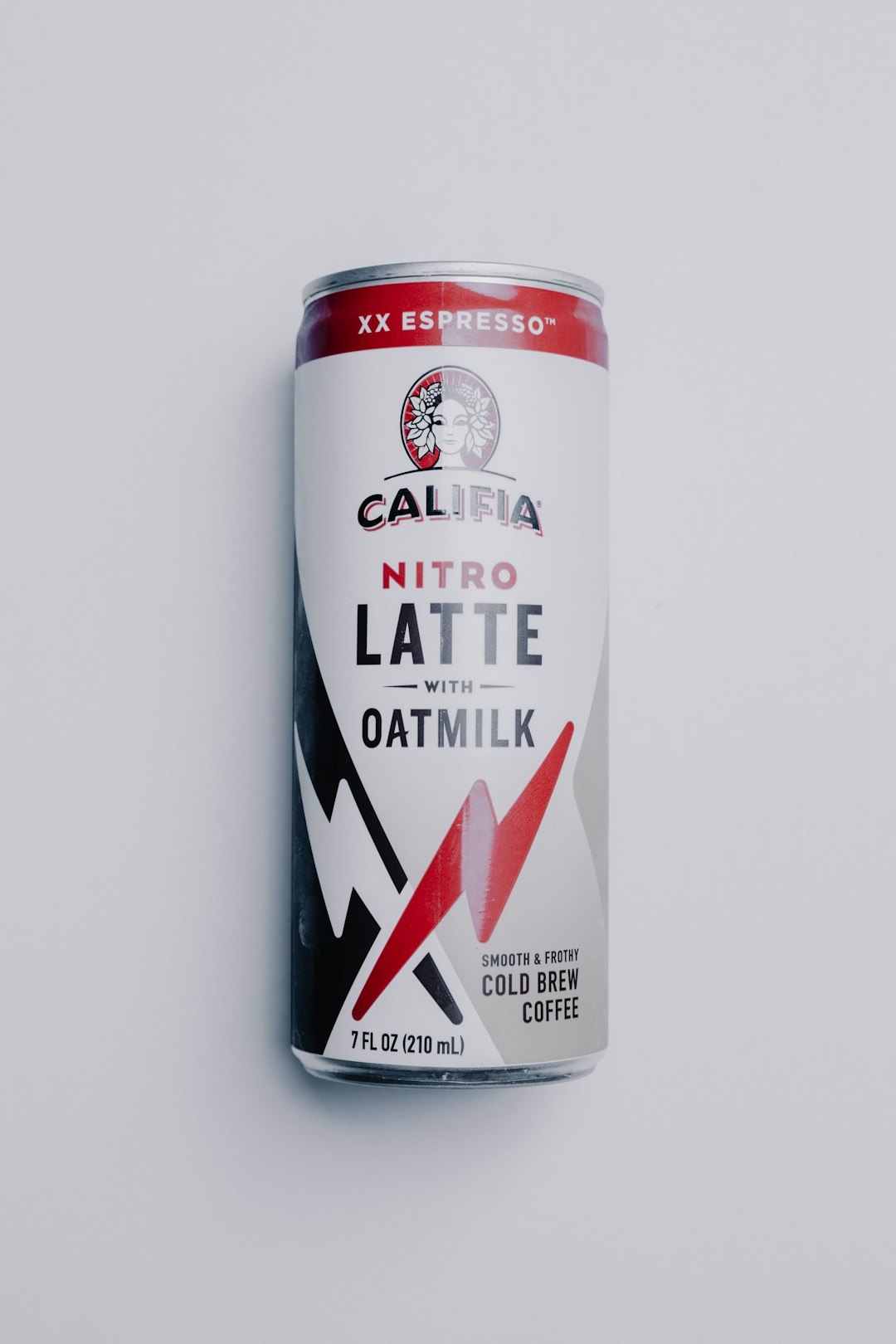
Coffee lovers have been particularly impacted by shrinkflation trends. Coffee lovers, take note: brands like Folgers have reduced the size of their coffee cans while keeping prices steady or even increasing them. What used to be a 51-ounce can now might be 43.5 ounces, offering fewer cups of coffee per purchase. This reduction represents roughly 15% less coffee per container.
The changes become even more significant when considering the per-unit price increases. On average, the per-unit price increase among downsized products ranged from 12% for paper towels to 32% for coffee. This makes coffee one of the most dramatically affected categories in terms of price-per-unit increases.
Green coffee prices have increased by over 30% since January 2024 alone, providing justification for manufacturers to implement these size reductions. However, consumers end up paying twice: once through the smaller container sizes and again through overall price increases in the category.
Personal Care Products Shrink Bottle by Bottle
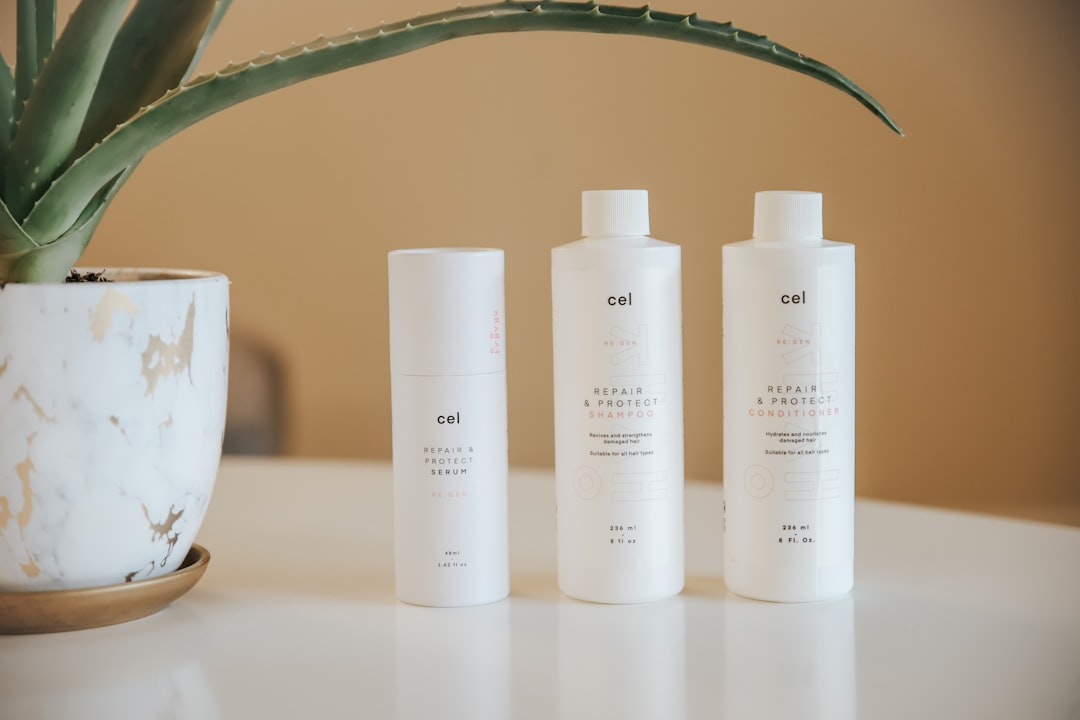
Personal care items have quietly joined the shrinkflation trend, often in ways that are particularly hard for consumers to notice. Sauve Shampoo: 30 fluid ounces to 22.5 fluid ounces in 2023. This represents a 25% reduction in product volume while maintaining the same price point.
Personal care products like shampoo and conditioner are also victims of shrinkflation, with bottles holding less product than they once did, forcing consumers to buy more frequently. The impact goes beyond just the immediate cost, as consumers find themselves making more frequent trips to replenish their supplies.
Toothpaste has experienced similar reductions, with multiple brands affected. The 3.8 oz. tubes of Crest 3D White recently went down half an ounce to 3.3 oz. These changes often come with packaging that remains visually similar, making the reductions particularly difficult for consumers to detect until they start running out of product more quickly than expected.
Frozen Meals Offer Less Food Per Package

The frozen food aisle has become a hotbed of shrinkflation activity, with manufacturers reducing portion sizes across numerous products. Lean Cuisine (Nestlé) Many entrees dropped from 10.5 oz to 9 oz. The trays and box size are nearly identical, giving the illusion of the same meal. This 14% reduction represents a substantial decrease in the actual meal size while maintaining the appearance of the same product.
Stouffer’s Family Size Lasagna Once 96 oz, this frozen staple is now 90 oz – a 6.25% reduction. Not dramatic, but it adds up. Even seemingly smaller reductions become significant when considered across the thousands of units consumed by families over time.
The trend extends to value brands as well. Banquet Frozen Meals (Conagra) Banquet classics used to weigh 10 oz. Now, many hover around 9 oz – a 10% cut. These reductions are particularly impactful for budget-conscious consumers who rely on frozen meals as an affordable dining option.
Beverages Pour Out Less Per Container

Sports drinks and other beverages have experienced notable size reductions in recent years. Gatorade bottles: Once a standard 32 ounces, many are now 28 ounces, while maintaining their $1.99–$2.49 price point. This 12.5% reduction means consumers are getting significantly less hydration for their money.
Even traditional soda containers have been affected by this trend. Coca-Cola is perhaps most well-known for their 8-ounce cans. They’ve been changed to a taller can that appears to be bigger but, in fact, now has only 7.5 fluid ounces! The visual deception makes this change particularly problematic for consumers who rely on familiar container shapes to gauge value.
Shoppers also noticed shrinkflation with personal care products (44%), household products (43%), and beverages (41%). The widespread nature of these changes in the beverage category demonstrates how pervasive shrinkflation has become across different types of drinks, from sports beverages to sodas to juices.
The evidence is clear: shrinkflation has become a dominant strategy for manufacturers dealing with rising costs while trying to maintain consumer loyalty. 75% of Americans have noticed shrinkflation at their grocery store; among them, 81% have taken some kind of action as a result. 48% of American shoppers have abandoned a brand due to shrinkflation. As consumers become more aware of these changes, the question becomes whether companies will continue this practice or find more transparent ways to address their cost pressures.
What surprises you most about these shrinkflation examples? Have you noticed your favorite products getting smaller over time?