8 Classic Holiday Dishes America Has Forgotten
The holidays were once filled with dishes that now seem as mysterious as ancient artifacts. Walk into any modern American kitchen during Christmas, and you’ll find the usual suspects: glazed ham, green bean casserole, and mashed potatoes. Yet hidden in the pages of old cookbooks are recipes that once graced America’s finest holiday tables. These forgotten treasures tell stories of a time when cooking was theater, when meals took days to prepare, and when flavors dared to be bold.
Let’s rediscover the holiday dishes that time forgot, each one a window into America’s culinary past.
Plum Pudding
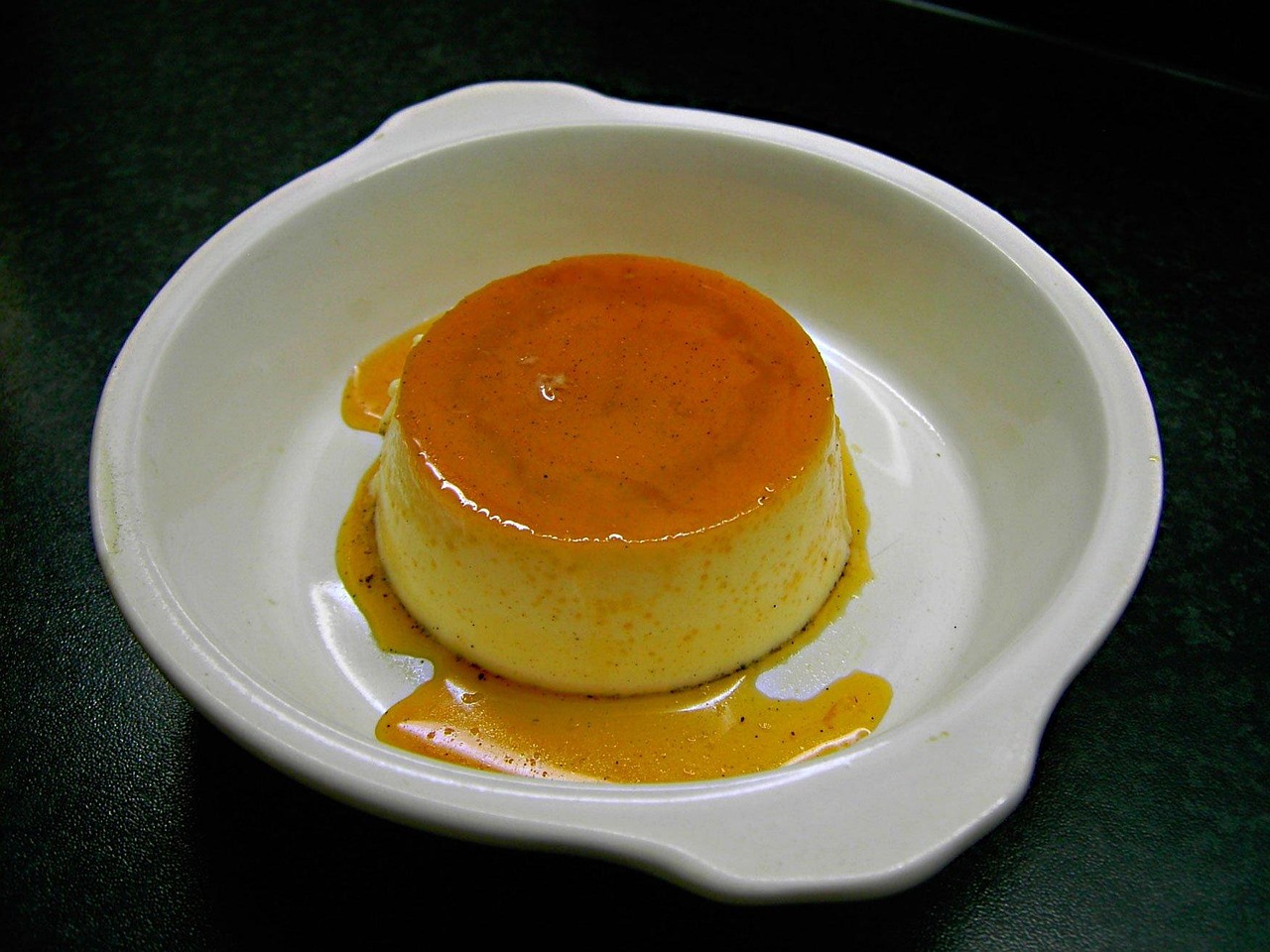
Plum pudding once commanded applause at Christmas tables across America, as Charles Dickens famously described in A Christmas Carol. This rich, dense dessert was considered such a showstopper that families made it their own cherished tradition. With its complex preparation requiring months of aging and dramatic flaming presentation, plum pudding represented the ultimate in holiday elegance.
The decline of plum pudding came in the twentieth century, primarily because of the extraordinary time involved in preparing it. A typical plum pudding required steaming in a pot on the stove for about eight hours. The heavy mixture of dried fruits, nuts, flour and suet demanded a cook with tremendous strength to prepare, while households required either extended family help or hired assistance for such labor-intensive dishes.
Today’s busy families simply cannot dedicate the time that Victorian-era cooks routinely invested in this spectacular dessert.
Wassail
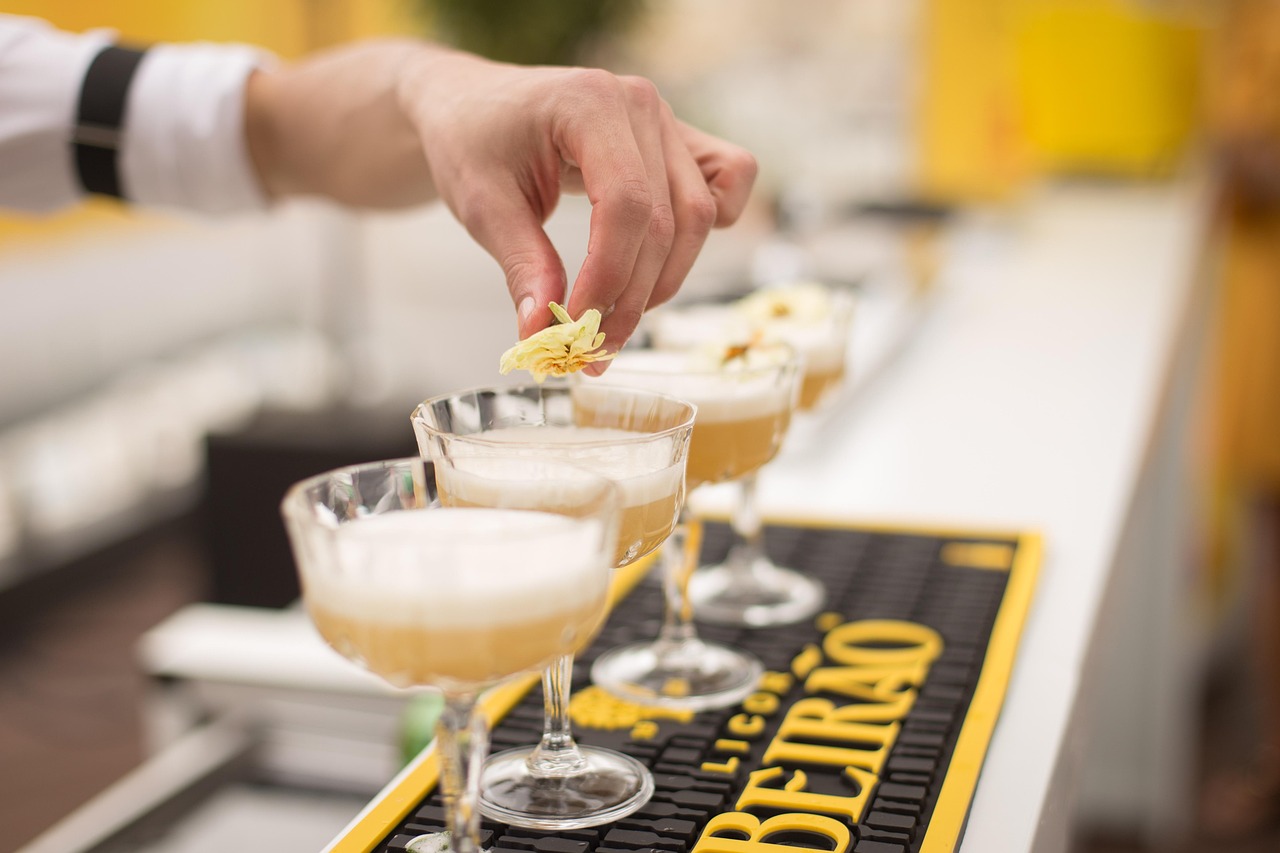
Wassail once held such importance in American holiday celebrations that an entire Christmas song celebrated its praises. This traditional heated ale or wine, sweetened with sugar and flavored with spices, was commonly served from elegant punch bowls with toast floating on top. Most modern Americans have abandoned wassailing for bottled beverages, either because making it requires more effort or simply because they no longer understand what it is.
The drink’s name derives from the Anglo-Saxon phrase “waes hael,” meaning “be whole” or “be in good health.” Originally, wassail was served in large drinking cups passed among assembled guests, while those who couldn’t afford their own carried wooden bowls through the streets singing Christmas carols in hopes of receiving some of the warming brew.
This spiced ale and roasted crab apple combination was also known as lamb’s wool and church ale, the latter referring to churches selling this drink around Christmas to raise money for the poor. The tradition of wassailing perfectly captured the communal spirit that modern holiday gatherings have largely lost.
Christmas Goose
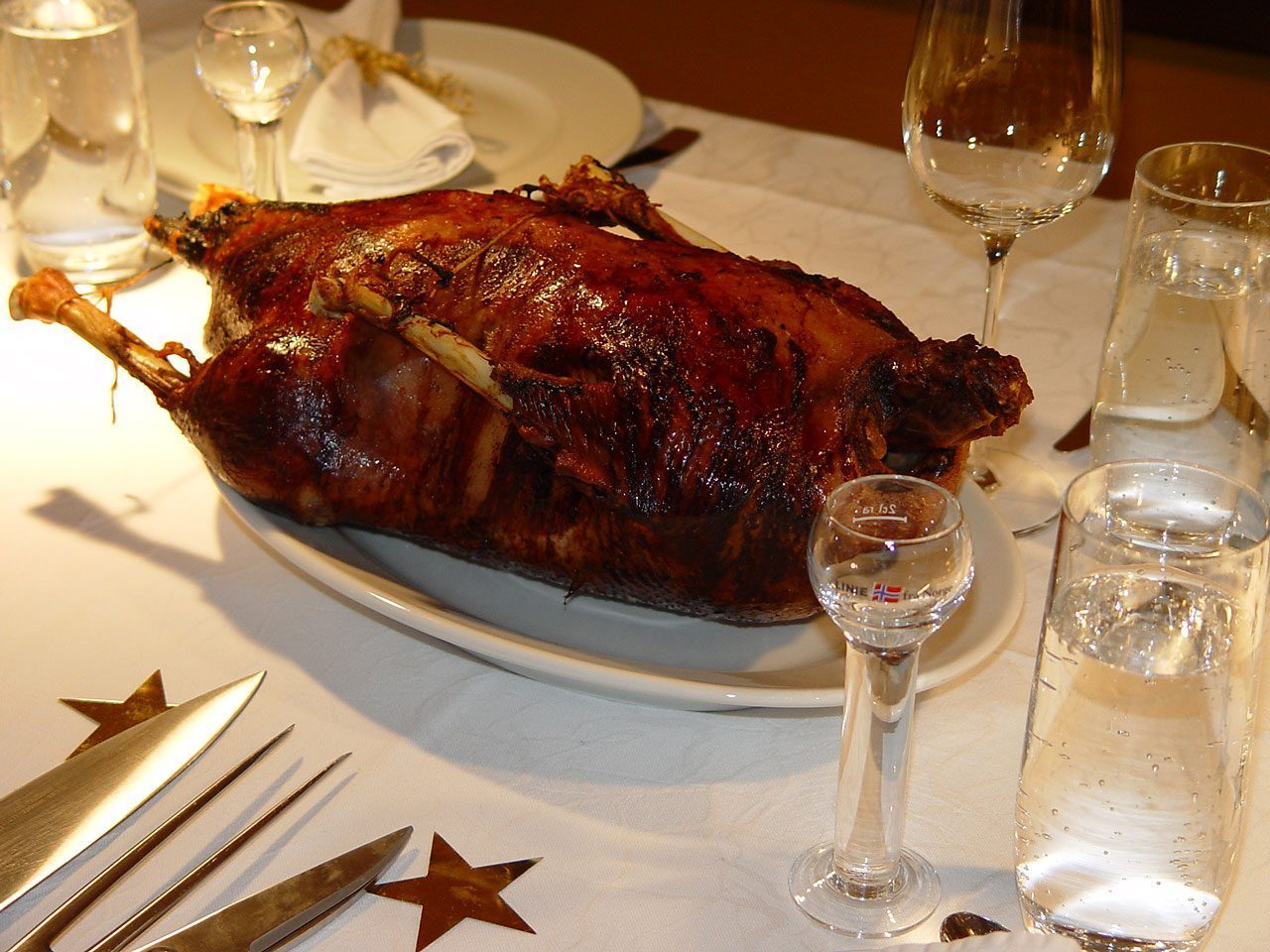
Christmas goose once held the place of honor on American holiday tables, creating fond childhood memories for many families. Traditional preparation involved stuffing the bird with peeled and quartered fruit that was discarded after baking to flavor the meat throughout. A properly prepared Christmas goose provided an impressive centerpiece that commanded respect and admiration.
Roast goose remains steeped in tradition and rich with flavor, creating an impressive centerpiece for Christmas dinner. The delicious aroma and tangy orange sauce make this a bird that would satisfy even the most demanding palate. When properly prepared, the result is tender, marbled meat with extraordinary flavor.
The shift toward turkey likely occurred because turkeys are more readily available and less expensive than geese. Additionally, many modern cooks find goose intimidating to prepare, lacking the generational knowledge that once made this dish a holiday staple.
Oyster Casserole
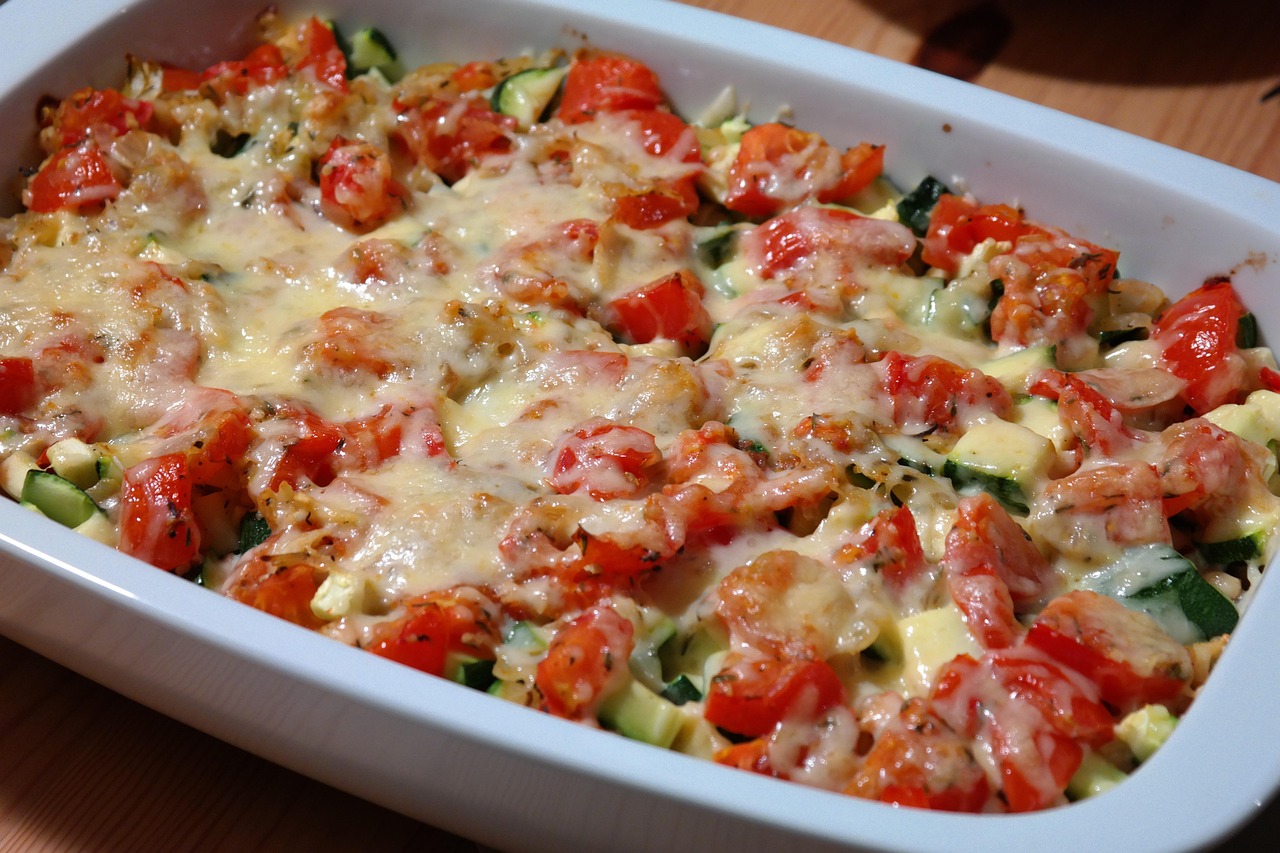
Historical records indicate that colonists had ready access to oysters from Chesapeake Bay, making this rich, creamy casserole a special dish from the area’s historical holiday recipe collection. This traditional preparation represents authentic regional American holiday cooking that connected families to their local food sources.
Oyster casseroles once appeared regularly on American Christmas tables, particularly in coastal regions where fresh oysters were abundant and affordable. These hearty dishes provided protein-rich comfort food during cold winter months while showcasing local seafood traditions.
The decline of oyster casseroles stems from several factors: oysters have become expensive luxury items rather than common ingredients, many Americans no longer live near oyster-producing waters, and modern food safety concerns make people wary of preparing shellfish at home. Additionally, younger generations often lack familiarity with oyster preparation techniques.
Sugarplums
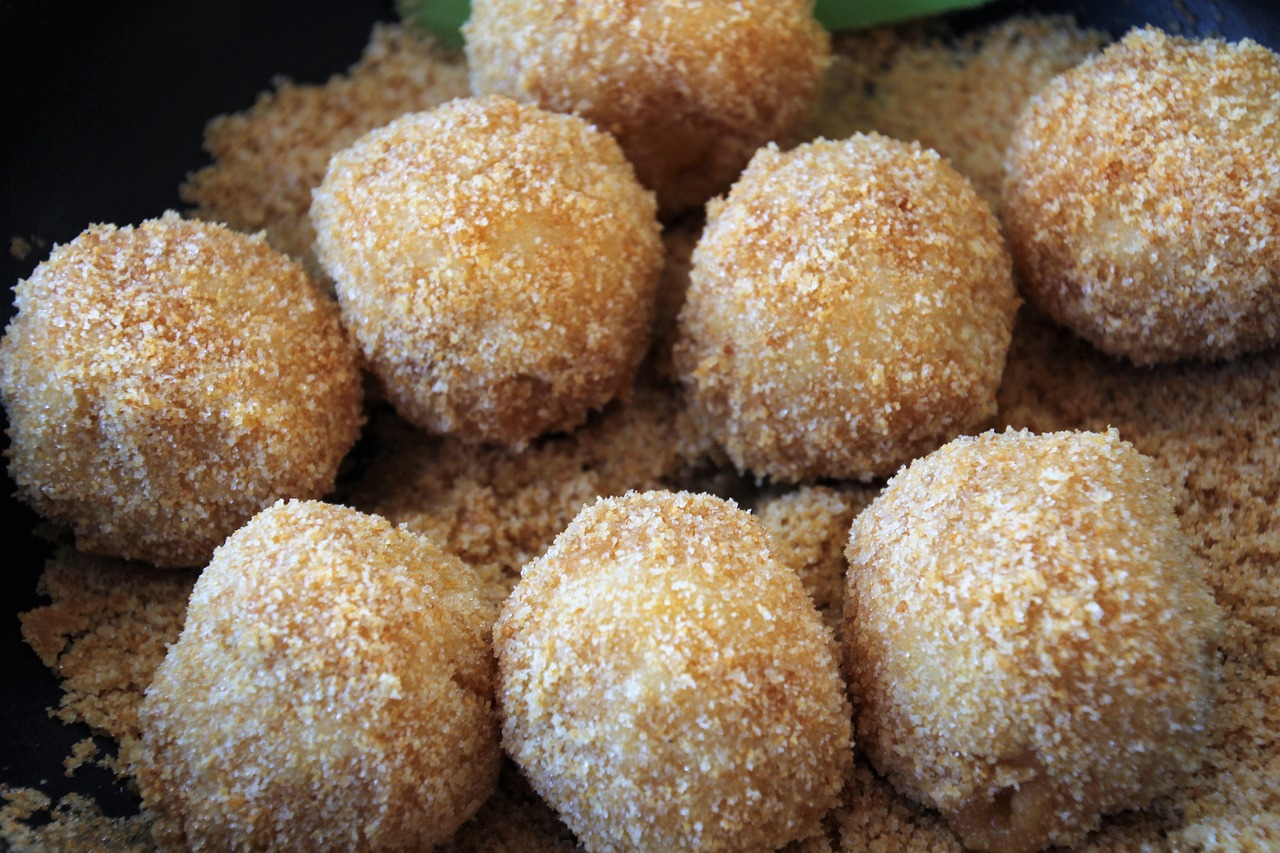
Food historians reveal that sugar plums eaten from the seventeenth to nineteenth centuries in Europe were essentially elaborate candies containing no actual plums. These confections were created by repeatedly pouring liquid sugar over cardamom, caraway seeds, or almonds, allowing each layer to harden before adding the next. The resulting treats were roughly the size and shape of plums, hence their name, but required intensive labor and were considered luxury items reserved for special occasions like Christmas.
Children once drifted off to sleep with visions of sugarplums dancing in their heads, as Clement C. Moore described in “Twas The Night Before Christmas,” yet today’s children never think about sugarplums.
The biggest reason for the decline of sugarplums was their replacement by more tantalizing manufactured sweets. Modern candy production offers infinite varieties of confections that are cheaper, more convenient, and more appealing to contemporary tastes than labor-intensive sugarplums.
Creamed Peas with Pearl Onions
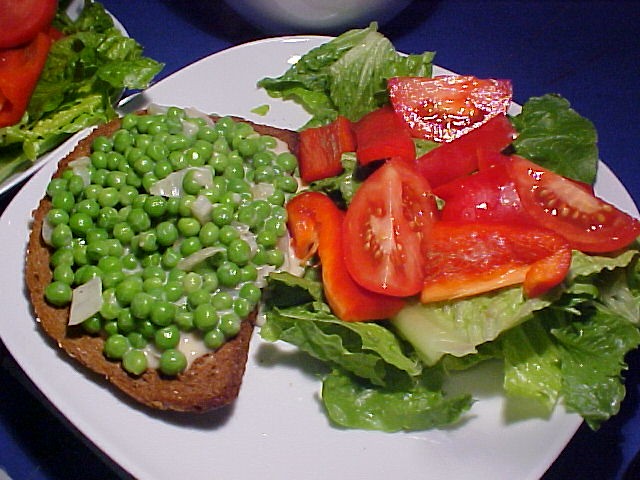
Creamed peas with pearl onions once served as an essential family tradition for both Thanksgiving and Christmas dinners in many American households. One Nevada woman recalls that her father became genuinely upset if this dish didn’t appear on the holiday table, considering it his absolute favorite. The tradition continued through multiple generations, with daughters carrying on the recipe for their own families.
This simple side dish represented comfort food at its finest, combining readily available vegetables in a rich, satisfying cream sauce. The dish provided color and nutrition during winter months when fresh vegetables were scarce.
The postwar era emphasized modern technology, efficiency, order, and cleanliness in domestic life. Gelatin molds and elaborate preparations seemed decidedly neat, tidy, economical, and efficient, perfectly matching the era’s aesthetic preferences. However, creamed vegetables eventually lost favor as American tastes shifted toward lighter, less rich preparations and as concerns about heavy cream consumption increased.
Mincemeat
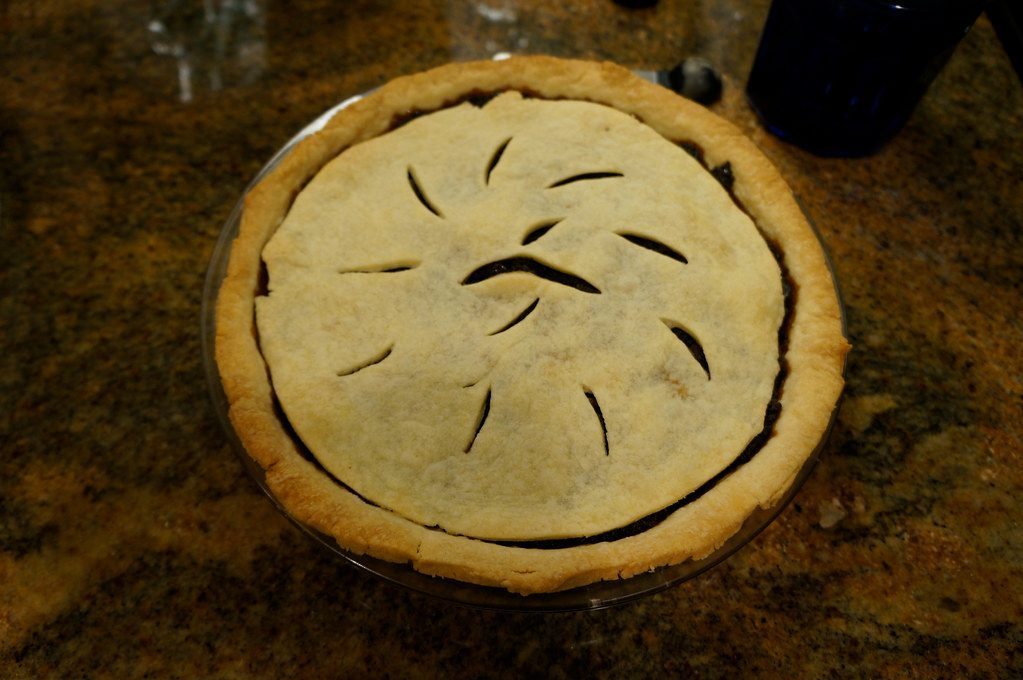
Christmas meat pie and mincemeat represented traditional American holiday dishes that emphasized meat and fruits combined on the same plate, differing significantly from today’s typical Christmas preparations. These hearty dishes reflected the era’s approach to combining savory and sweet elements in substantial, filling preparations.
Traditional mincemeat originally contained actual minced meat combined with fruits, spices, and often alcohol, creating complex flavors that developed over time. Families typically prepared mincemeat weeks in advance, allowing the ingredients to meld and mature.
Modern Americans largely abandoned true mincemeat because many find the combination of meat and sweet fruit unappealing. Additionally, food safety concerns about storing meat-based mixtures for extended periods, combined with the availability of convenient meatless versions, led to the decline of authentic mincemeat preparations.
Crown Roast with Fruit Stuffing
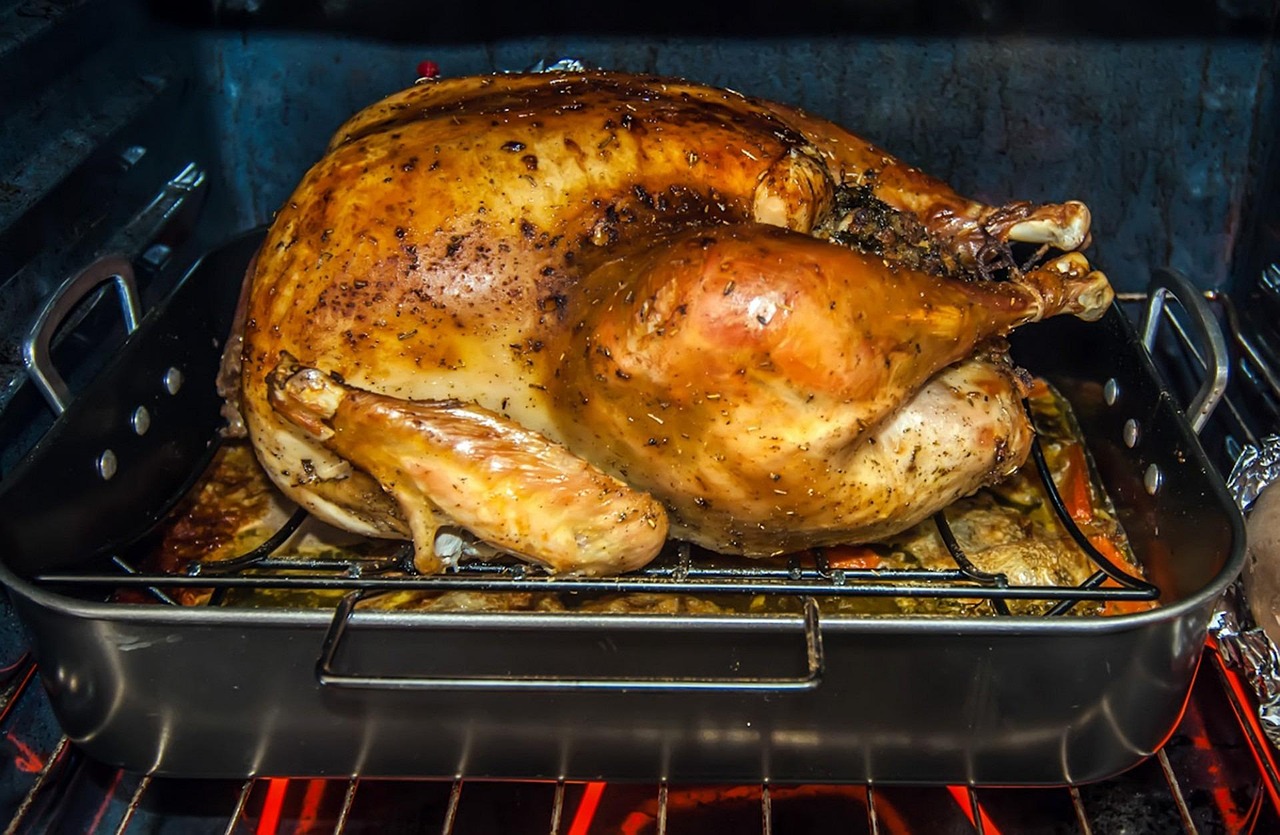
Crown roast once made a truly regal Christmas dinner centerpiece, elegantly flavored with rosemary, sage, and thyme while remaining simple enough to manage during hectic holidays. This impressive presentation provided both visual impact and exceptional flavor for special celebrations.
Crown roasts represented the pinnacle of holiday entertaining, requiring skilled butchering to create the distinctive circular presentation. The dramatic appearance made crown roasts perfect for formal dinner parties and special family gatherings.
The decline of crown roasts reflects several modern challenges: they require special ordering from butchers, cost significantly more than simpler cuts, demand advanced cooking skills, and serve relatively few people compared to their expense and effort. Most contemporary home cooks lack confidence in preparing such elaborate presentations, preferring more straightforward options for holiday meals.
These forgotten dishes remind us that American holiday traditions were once far more diverse and adventurous than today’s standardized menus suggest. While modern convenience has simplified our celebrations, we’ve also lost the artistry and community connection that these elaborate preparations once provided. What do you think about reviving any of these classic dishes? Tell us in the comments.