If You Had a Grandma Who Cooked in the ’60s, These 5 Dishes Will Ring a Bell
Jell-O Salads: The Jiggly Showstopper
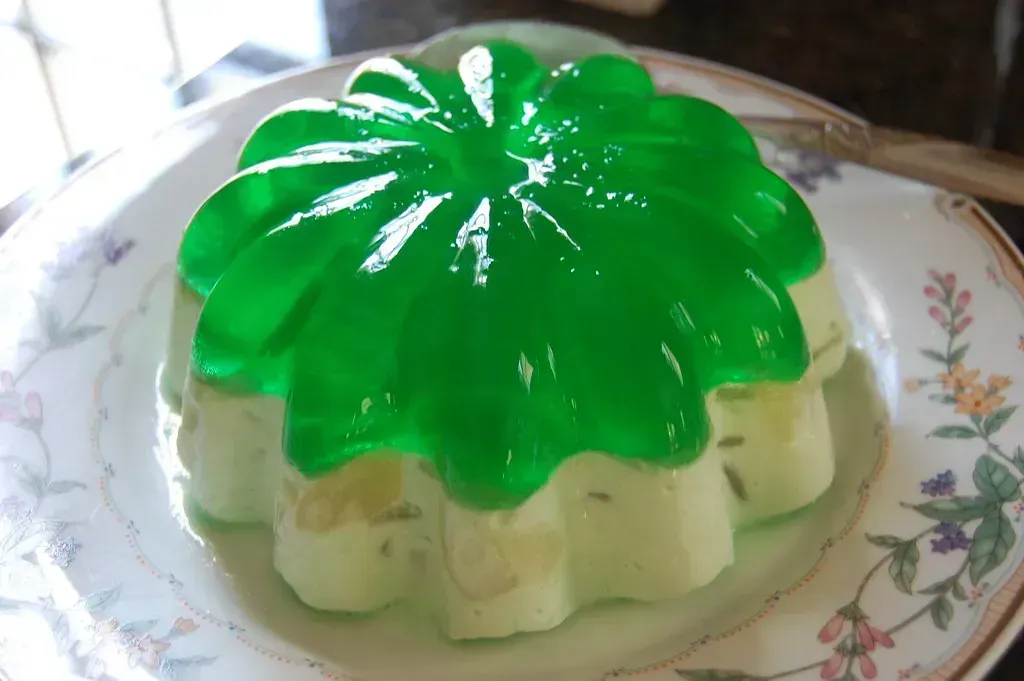
Let’s be real, if your grandma pulled out a shimmering, molded Jell-O salad at Sunday dinner, you knew you were in for something unforgettable. Jell-O continued its domination in the 1960s, and these colorful creations became centerpieces of every potluck and holiday table. In the 1960s, things got even crazier and these salads became so popular that Jell-O introduced various vegetable flavors including celery, Italian salad and seasoned tomato, which sounds completely bonkers now.
Authentic 1960s lime Jell-O salad with pears, whipped cream, cream cheese, and cottage cheese represents the sweet versions that survived the test of time better than their savory cousins. By the mid-1970s, Jell-O salads had fallen out of fashion, and the company pulled the savory varieties from stores to focus on marketing its product as a dessert. The jiggly, technicolor concoctions seemed elegant then, practical even. Now they spark intense nostalgia or pure bewilderment, depending on who you ask.
Tuna Noodle Casserole: The Ultimate Budget Hero
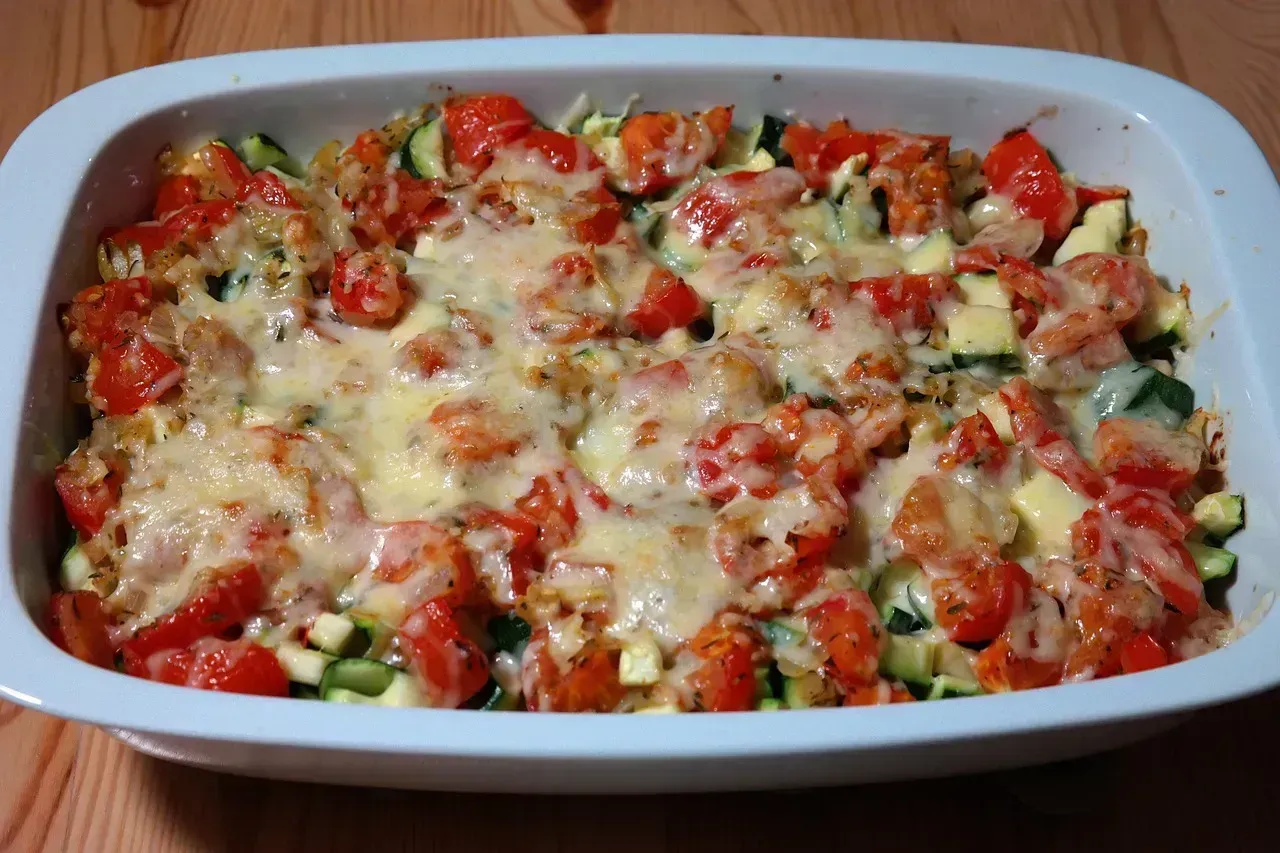
This one truly defined a generation. In a survey done by the U.S. Bureau of Commercial Fisheries in 1959, they found that 8 out of 10 households served canned tuna once a week with tuna fish casseroles in the top three. Think about that for a second. Nearly every household in America was dumping tuna, cream of mushroom soup, and noodles into a dish at least weekly.
While its recipe was first published in the 1930s, it was in the ’50s that tuna noodle casserole really gained popularity in mainstream America, but it absolutely exploded throughout the sixties. It was so popular that it was served in cafeterias, diners, and church suppers. Topped with crushed potato chips or breadcrumbs, this dish represented convenience, economy, and a whole lot of creamy comfort when families needed it most.
Casseroles Built on Cream of Mushroom Soup
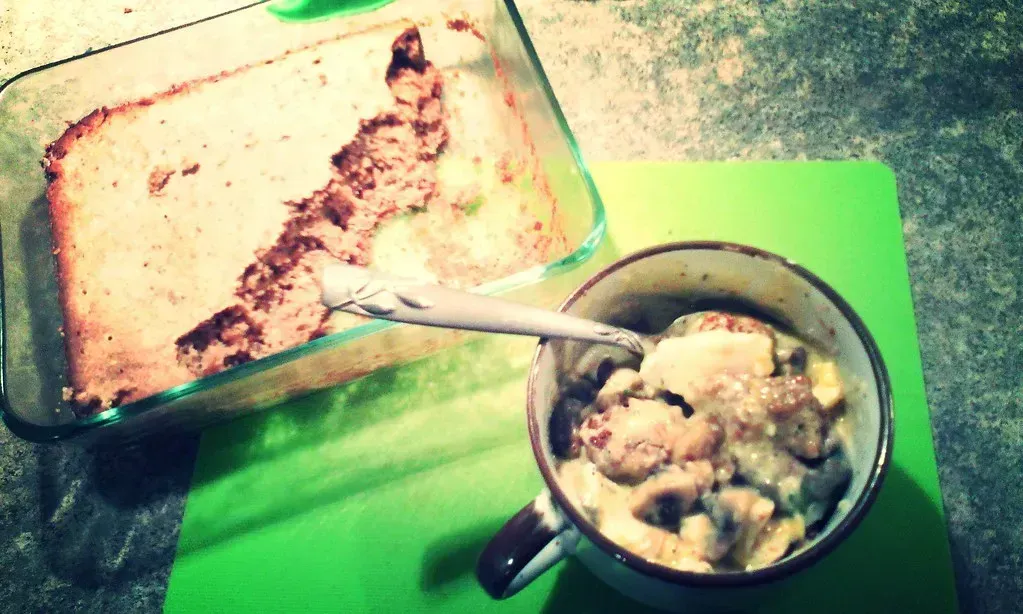
Casseroles built on cream of mushroom soup fed many families in the 1960s, when canned goods seemed ever so much more modern than cooking from scratch. Everything from green bean casseroles to chicken and rice bakes relied on that magical condensed soup as their base. Campbell’s basically owned the weeknight dinner rotation back then.
The introduction of Campbell’s cream of mushroom soup in 1934 was the game-changer that cemented tuna casserole’s place in the American housewife’s culinary arsenal, setting off a cascade of similar one-dish wonders. Whether it contained chicken, ground beef, or vegetables, if it had that signature cream of mushroom soup, it felt like home. The 1961 top seller, the Better Homes & Gardens Casserole Cook Book, put a lid on every imaginable medley of vegetables and meat, and called it dinner.
Chicken à la King: The Fancy Leftover
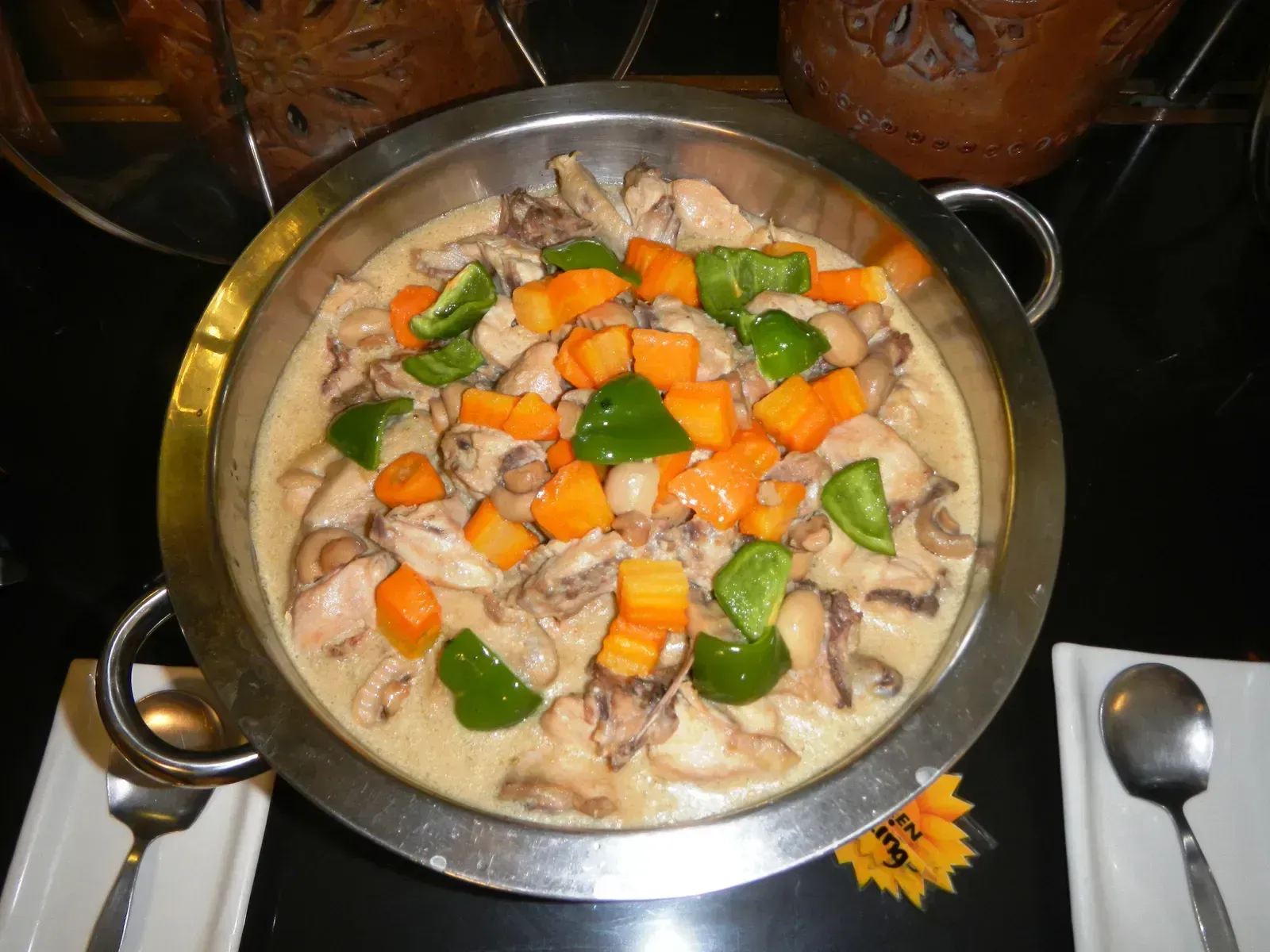
Here’s the thing about Chicken à la King – it sounded way fancier than it actually was. Rarely seen on modern tables, chicken à la King was once a ubiquitous dish in restaurants and at ladies’ luncheons – it appears on over 300 menus from the 1910s to the 1960s in the archives of the New York Public Library. Your grandma probably served this at her bridge club meetings and felt incredibly sophisticated doing so.
It’s basically diced, cooked chicken, mushrooms, and pimientos in a creamy sauce (often enlivened with a bit of sherry) served over toast. The beauty was its simplicity combined with that vague whiff of Continental elegance. It let homemakers use up leftover chicken while still impressing their guests, which honestly seems like the entire philosophy of sixties cooking summed up in one dish.
Beef Stroganoff: The Weeknight Imposter
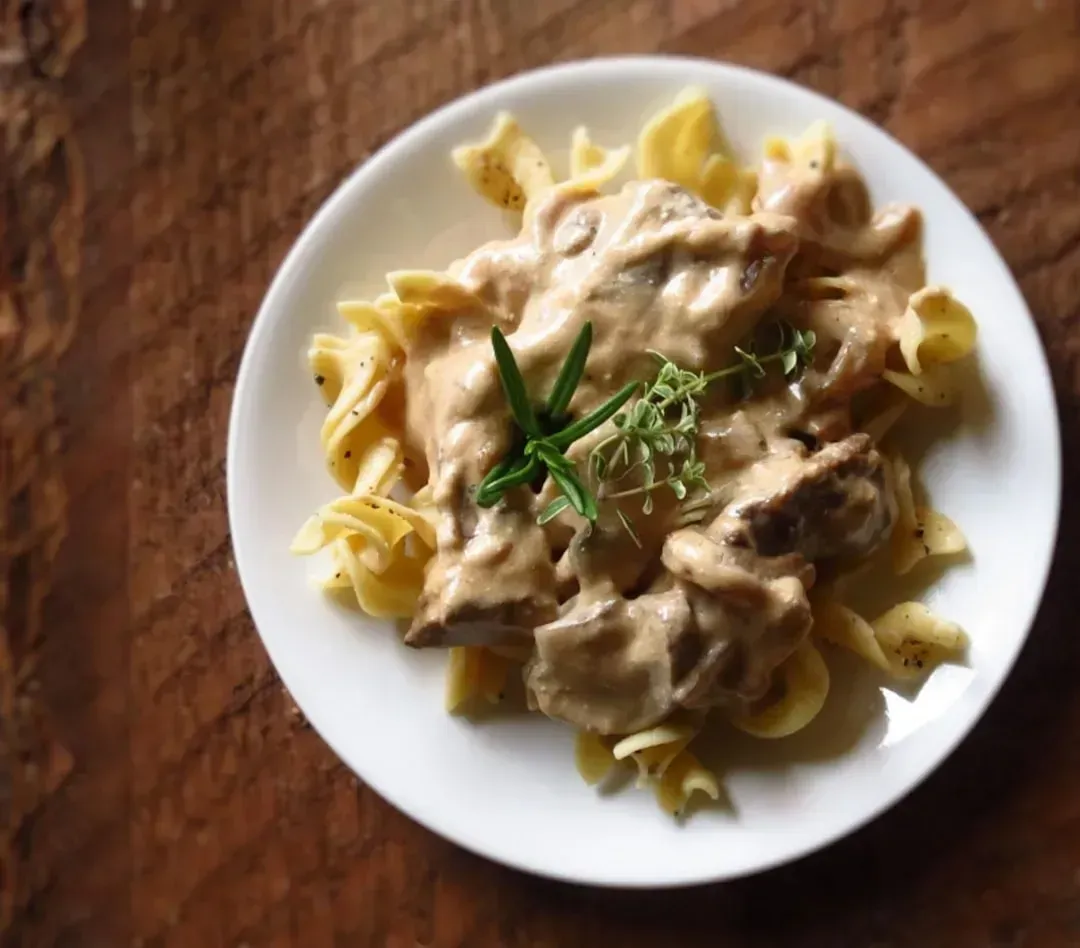
Beef Stroganoff swooped into American kitchens pretending to be something it wasn’t – a fancy European dish that regular families could somehow master. 1960s food reflects the influence of Julia Child, faux-international cuisine and lots of fondue, and stroganoff fit that mold perfectly. Ground beef replaced expensive cuts, making it accessible to everyone.
The creamy, slightly tangy sauce made with sour cream felt exotic without requiring any actual cooking skills. Served over egg noodles, it became a staple that dominated dinner parties throughout the decade. Throughout the 1950s and 1960s, steak Diane epitomised Continental glamour and was one of the most luxurious dishes you could order at restaurants. Dairy and meat had been rationed during World War II, so it was the height of luxury to enjoy butter and beef in the same dish. Stroganoff offered similar vibes at home without breaking the bank.