Why Millennials Are Moving to These 5 Eastern European Capitals, Studies Find
There’s something shifting across Europe’s landscape. Young professionals who once dreamed of London flats or Paris studios are now packing their bags for a different kind of adventure. Eastern European capitals are quietly becoming the new frontier for millennials seeking affordability, opportunity, and a lifestyle that doesn’t require choosing between career ambitions and financial stability.
Many Gen Z and Millennials are favoring Europe’s historic capitals over party destinations like Ibiza in 2025. This isn’t just wanderlust. It’s a calculated move driven by remote work possibilities, lower living costs, and cities that welcome newcomers with open arms. The data tells a compelling story about where this generation is putting down roots.
Prague: The Digital Nomad Capital
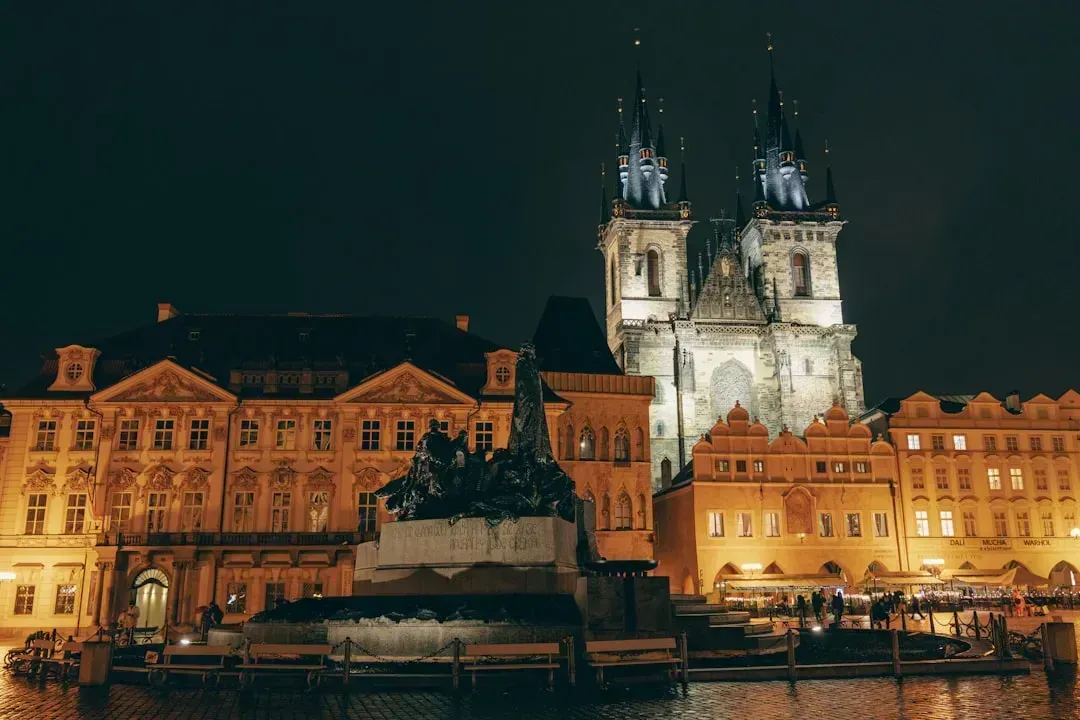
Prague emerged as a major digital nomad destination in 2024, offering both the fairy-tale charms of its Old Town and the practical infrastructure needed for digital nomad life. The Czech capital has become something of a magnet for millennials who want their paycheck to stretch further without sacrificing urban amenities. Walking through Vinohrady or Žižkov, you’ll overhear more English conversations at coworking spaces than you might expect.
With Czech Republic ranking 5th overall on the Global Digital Nomad Report, Prague boasts strong connectivity, safety, charm, and an international remote-work community, with its romantic architecture, reliable metro system, and café culture making it one of the most livable remote-work hubs in Central Europe. The city’s wifi is fast and plentiful, being available in practically every bar, restaurant, and cafe in the city, and even on the trams.
What really seals the deal is the financial math. On average, one person will need €1,500 to live in Budapest, which is less than half the amount required in Madrid, Lisbon, or Vienna. Though this statistic refers to Budapest, Prague offers similar affordability. You can rent a decent one-bedroom apartment, enjoy weekend trips to nearby cities, and still save money at the end of the month.
Budapest: Affordable Charm Meets Safety
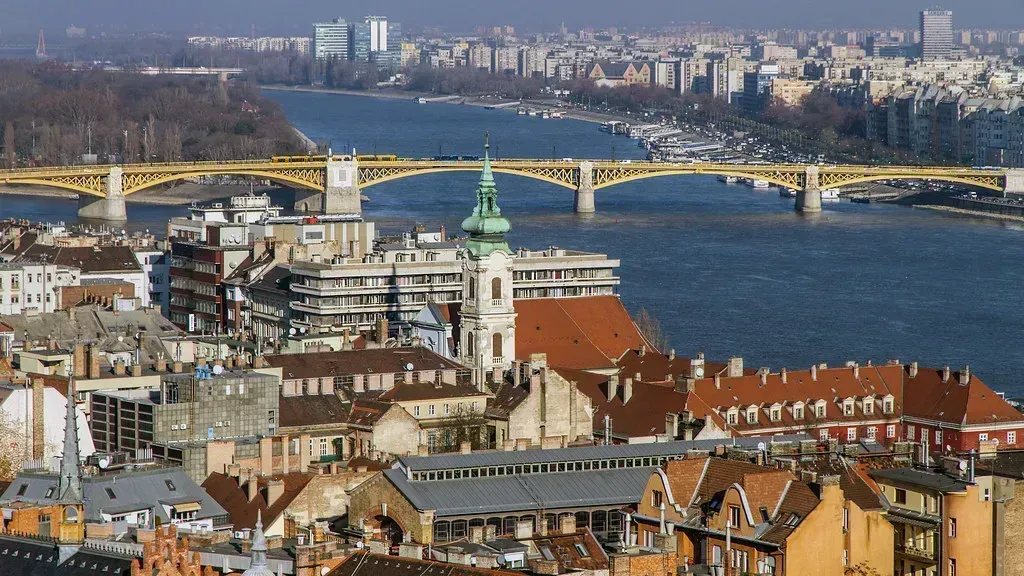
Hungary’s capital has quietly positioned itself as one of the most attractive destinations for millennials on a budget. Budapest is one of the cheapest places to live in Europe, offering stunning architecture, a safe and clean environment, with an endless supply of coffee shops in which to work and cheap coworking spaces. The thermal baths don’t hurt either, honestly.
According to the Global Peace Index, Hungary is among the world’s top 20 most peaceful countries, and on immigration forums, people mention that walking late at night in Budapest is safe, with the likelihood of encountering a pickpocket much lower than in Paris or Berlin. For millennials tired of constantly watching their belongings in crowded metro stations, this peace of mind matters more than you might think.
The city center pulses with energy while maintaining that Eastern European accessibility. Budapest is a fantastic choice for nomads and expatriates, combining rich history with modern comforts, with the city center serving as a magnetic hub for those seeking a dynamic urban lifestyle, and expats are drawn not only for its affordable cost of living but also for the thriving expat community that fosters a sense of belonging.
Warsaw: The Rising Tech Hub
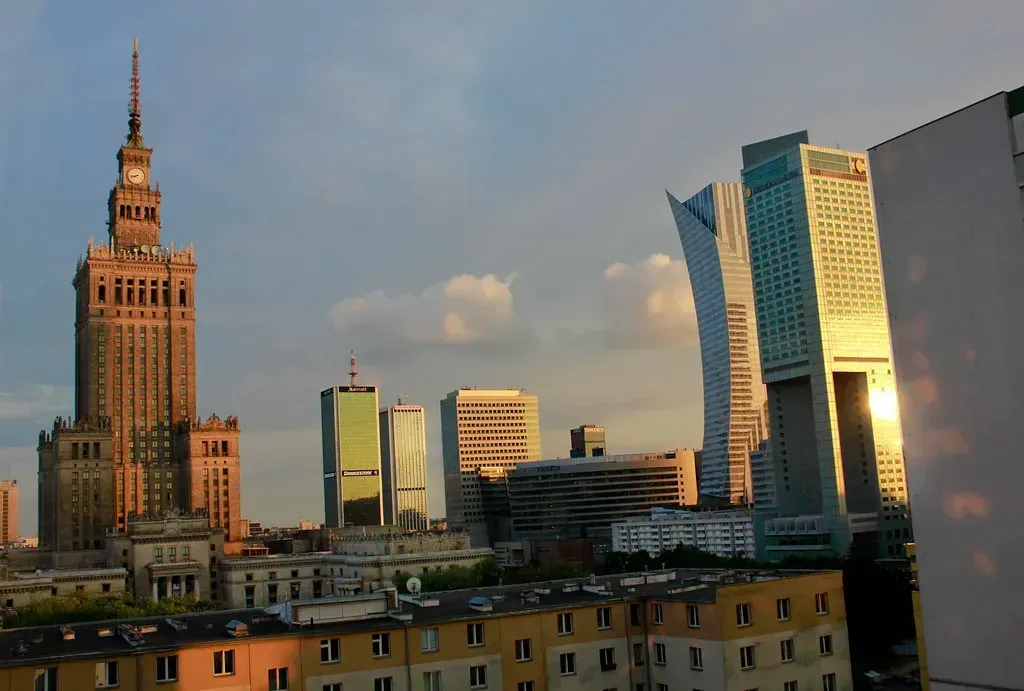
Poland’s capital doesn’t always grab headlines like Prague or Budapest, yet it’s emerging as a powerhouse for millennials in the tech sector. Warsaw boasts a growing digital nomad community, and having been destroyed by multiple wars, it has risen from the ashes to become the thriving city it is today, now home to a wide range of charming cultural attractions like the UNESCO World Heritage site of Old Town and the Royal Castle.
The cost equation here is compelling. The average monthly rent for a one-bedroom apartment in Warsaw, Poland, is approximately €500-€700, while in cities like London or Paris, expats may pay upwards of €1,500-€2,000 for similar accommodation. That’s substantial savings that millennials can redirect toward travel, student loan payments, or building emergency funds.
Transportation expenses in Eastern European cities such as Prague, Budapest, and Sofia are efficient and budget-friendly, with a monthly public transit pass costing around €20-€40, significantly less than in Western European cities where costs can range from €70-€100. Warsaw fits squarely into this affordable category. The city’s metro system is modern, reliable, and won’t drain your bank account.
Bucharest: The Underrated Bargain
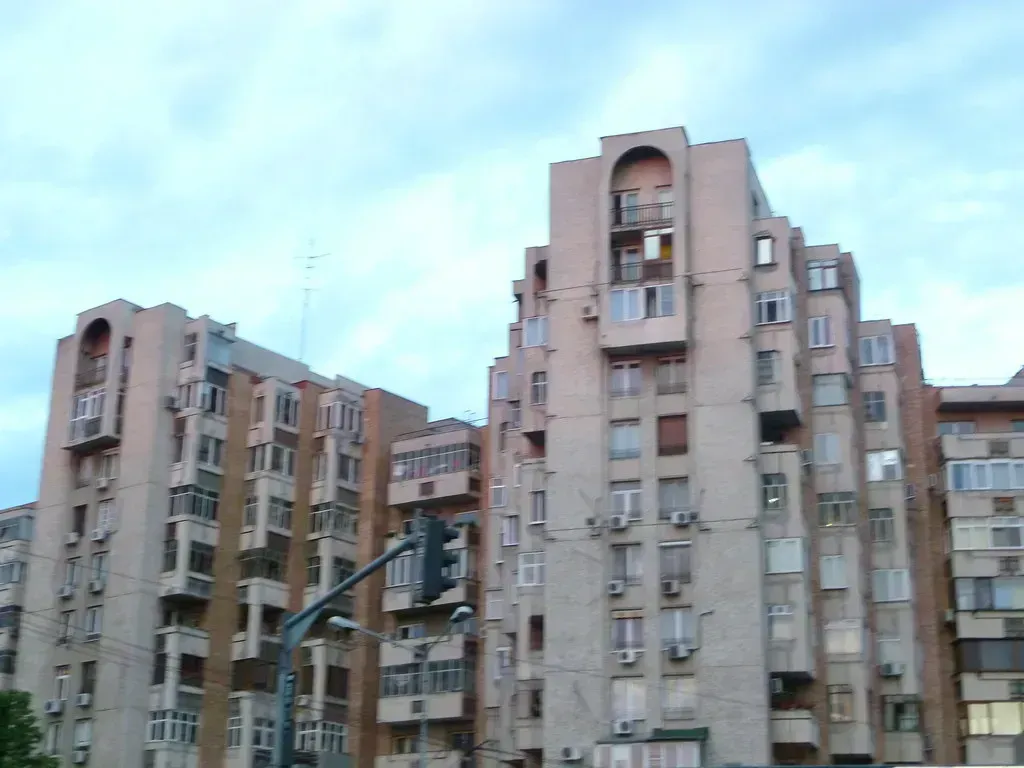
Romania’s capital might not win beauty contests against Prague, yet it offers something perhaps more valuable for cash-strapped millennials: incredible value. If the cost of living is your top priority, then Bucharest is perfect for you, with excellent infrastructure for the work and life of digital nomads, and the cost of living, including renting a good apartment, is around 1800 euros per month, with renting a place costing 400–600 euros per month.
Bucharest ranks highly on the Nomad List, a recognized authority in the field. This isn’t some hidden gem anymore. Word has gotten out among millennials who prioritize affordability without completely sacrificing urban infrastructure. The city has metro, supermarkets, international restaurants, and a surprisingly vibrant nightlife scene.
Healthcare costs also favor Eastern Europe. In Eastern Europe, healthcare expenses tend to be more affordable compared to Western Europe, with the average cost of a doctor’s visit ranging from €20-€50, and private health insurance premiums often lower. For millennials navigating the complexities of expat life, accessible and affordable healthcare removes one major source of anxiety.
Tallinn: The Digital-First City
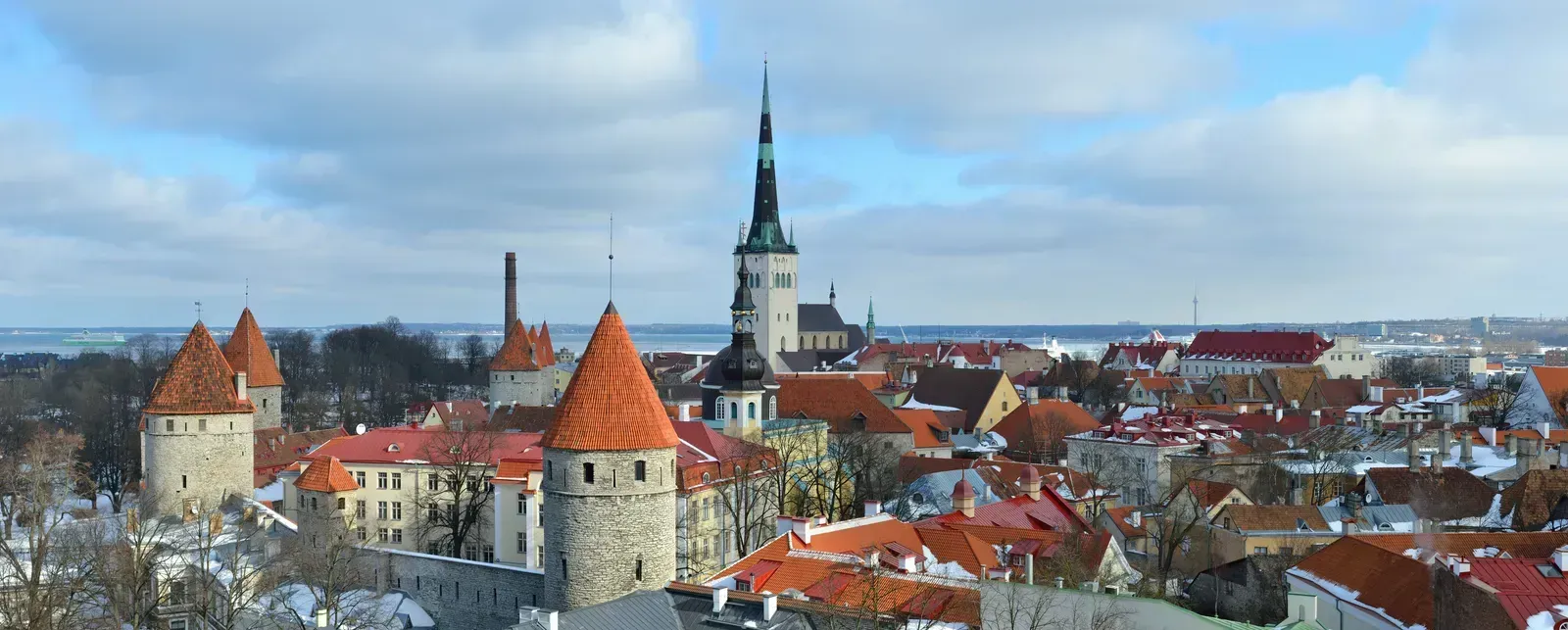
Estonia’s capital might be the smallest on this list, yet it punches far above its weight in digital infrastructure. Tallinn offers some of the fastest internet speeds in Europe, with widespread fiber optic coverage and strong 5G availability. For millennials whose careers depend on reliable internet, this matters immensely.
Eastern Europe is rapidly developing, and with this growth comes increasing job opportunities, especially in tech and outsourcing industries, with countries like Estonia and the Czech Republic becoming tech hubs, attracting skilled professionals from around the world. Tallinn has positioned itself at the forefront of this transformation, offering e-Residency programs and digital nomad visas that make relocation remarkably straightforward.
Living in Tallinn comes with significantly lower expenses than in Helsinki or Paris, with significantly higher rents, and while the average salary for software developers in Estonia is around €30,000-€40,000, the cost of living remains low, with estimated monthly costs for a single person around €900-€1,000 without rent. For remote workers earning Western salaries, the arbitrage opportunity is substantial.
The city also offers something intangible yet valuable: a sense of being at the cutting edge of European digital innovation. Walking through the medieval Old Town while managing your Estonian digital identity feels like living in two time periods simultaneously.