6 Nations Where Tourist Prices Spiked Sharply, Data Shows
Tourism costs have reached unprecedented levels in several destinations worldwide, with recent data revealing alarming price increases that are fundamentally reshaping travel budgets. Tourism inflation is expected to ease from 8.0% in 2024 to 6.8% in 2025 (projections using tourism inflation proxy) but would remain well above the pre-pandemic value of 3.1% and significantly above overall inflation (4.3%). While global tourism recovery continues, certain countries have experienced particularly sharp spikes that caught travelers off guard. Let’s dive into the nations where your next vacation could cost significantly more than expected.
Switzerland: Where Luxury Prices Reach Astronomical Levels

Switzerland has solidified its position as one of the world’s most expensive travel destinations, with costs continuing to climb throughout 2025. For starters, Switzerland is one of the most expensive countries in the world and costs are high across the board from onward travel to food. Hotels in major Swiss cities now command premium rates, with luxury accommodations reaching astronomical levels during peak seasons. Even inexpensive options like pizza will ring in at around $20 a meal per person. The country’s high living standards translate directly into visitor expenses, making even budget travel surprisingly costly for most international tourists.
Netherlands: Tourist Tax Reaches European Heights
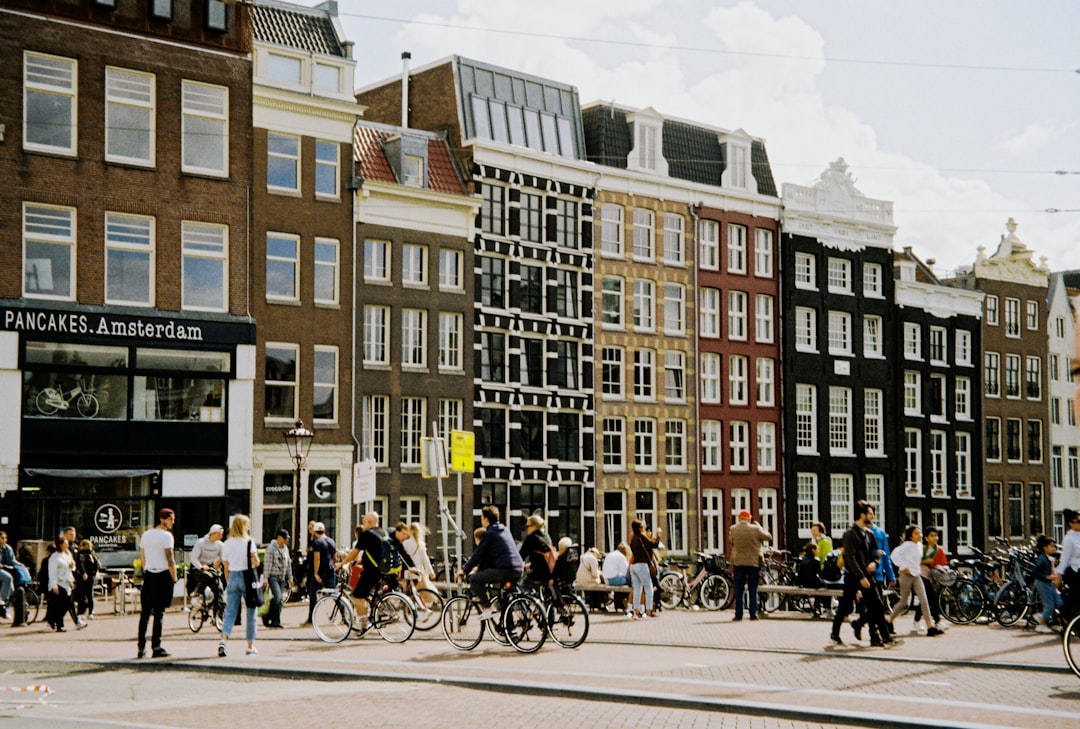
Now in a bid to limit wild tourists, it’s increasing the tourist tax to €12.50 per night from 2024, making it among the highest tourist taxes in Europe. For travelers, this translates to approximately $23 per night, representing a significant increase from previous rates. Amsterdam’s dramatic tax increase represents the sharpest spike in tourist-related costs among European destinations, directly impacting visitor budgets. The Netherlands has implemented these measures specifically to address overtourism concerns while generating revenue for infrastructure maintenance. Cruisers will also pay more for their trips to the city, from $8.50 to $11.60. Beyond tourist taxes, the country faces high commodity costs that affect visitors, with petrol prices reaching particularly painful levels for those planning road trips.
Argentina: Economic Crisis Drives Hotel Rate Surge

Argentina is currently facing a major financial crisis. Inflation has reportedly reached very high levels and a recession is looming. The high cost of living has impacted residents and according to the Hotel Monitor 2025 report by American Express, the city of Buenos Aires will see a 17% jump in hotel rates. This represents one of the steepest accommodation price increases globally, making Argentina an unexpectedly expensive destination despite favorable exchange rates for foreign currencies. The economic instability has created a paradoxical situation where favorable currency exchange rates are completely offset by dramatically rising accommodation costs.
Iceland: Environmental Taxes Meet Record Tourism Growth

The Icelandic government has reinstated an accommodation tax for visitors starting January 1st, 2024. The tax, which had been suspended during the 2020 pandemic, applies to hotel rooms, campsites, mobile homes, and cruise ships. Hotels and guesthouses now charge ISK 600 ($4.36) per room, campsites and mobile homes ISK 300 ($2.18), and cruise ships calling at Icelandic ports ISK 1,000 ($7.26) per passenger. He adds that the current government is planning to propose a “considerably” higher tourism tax in the coming weeks. “The sector is a success story and the authorities want to have a bigger share of the value added,” says Ívarsson. Despite these increasing costs, Iceland continues to attract record numbers of visitors drawn to its natural wonders.
Japan: Double Pricing for International Tourists

Japan’s popularity as a travel destination has soared in recent years. In 2024 alone, it welcomed a record-breaking 36.8 million tourists, drawn by its iconic landscapes, ancient temples, cherry blossoms, and tech-savvy urban experiences. The influx was largely encouraged by a favorable exchange rate and relaxed visa policies. Tiered pricing is the latest measure to be introduced from July 2025, which will charge different prices for Japanese residents and foreign nationals at major attractions. One of the first steps will be a significant fee increase for hikers of Mount Fuji, which begins in May 2025. The new fee of 4,000 yen (approximately $27) is double the previous amount and applies only to international travelers. Japanese nationals are exempt, underscoring the policy’s focus on international tourist management.
Thailand: New Tourist Tax Implementation
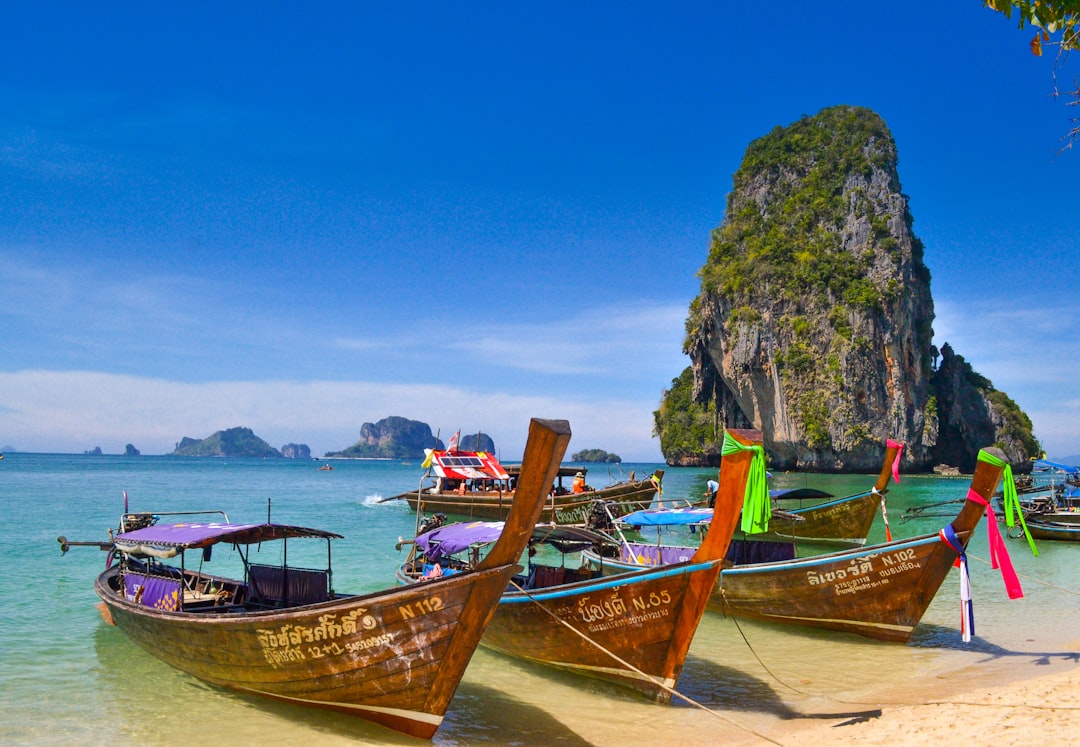
Thailand’s government has confirmed plans to implement a nationwide tourist tax by mid-2025. Air travelers will be charged 300 baht (approximately $8–$9 USD), while those arriving by land or sea will pay 150 baht (~$4–$5 USD). Last summer, Thailand introduced a small, one-off charge for visitors. Those who arrive by air get taxed 300 baht (roughly $9), and those who come by land or water get charged 150 baht ($4). The year-round tax only applies to those staying in the country overnight. The new fees represent Thailand’s effort to balance tourism revenue with infrastructure development needs as the country continues to attract millions of international visitors annually.