7 Secrets River Cruise Lines Don’t Highlight in Their Marketing
River cruising sounds dreamy, doesn’t it? Picture gliding past medieval castles and charming villages while sipping wine on your private balcony. Marketing brochures paint an idyllic picture of effortless European elegance.
Yet there are things these glossy advertisements prefer to keep in the shadows. Details that might make you think twice before booking that Danube dream trip. I’m not saying river cruises aren’t worth it, but knowing what you’re really getting into matters.
Water Levels Can Derail Your Entire Itinerary
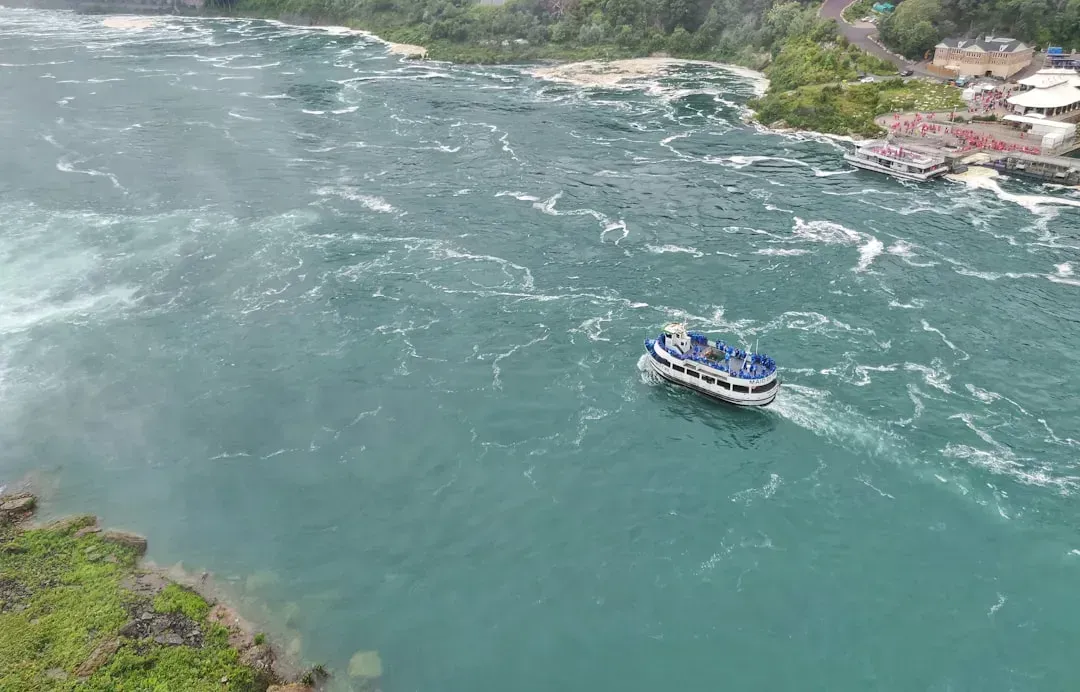
Here’s something cruise lines mention in the fine print but rarely emphasize upfront: water levels are unpredictable, and cruise lines might only discover a few days before departure if a sailing will be impacted. Drought can significantly impact river cruises, particularly during warmer months of August and September when water levels tend to drop. In normal years, most European river cruises operate as planned, though disruptions from water levels can occur, sometimes affecting more sailings in challenging years. Still, that’s not zero. Low or high water levels can lead to altered itineraries and, in worst case scenarios, canceled sailings. Sometimes you end up on extended bus tours instead of sailing peacefully down the river. One traveler reported their ship never left the dock for an entire week, spending the cruise bused to excursions.
Your Cabin Is Likely Smaller Than a Hotel Bathroom
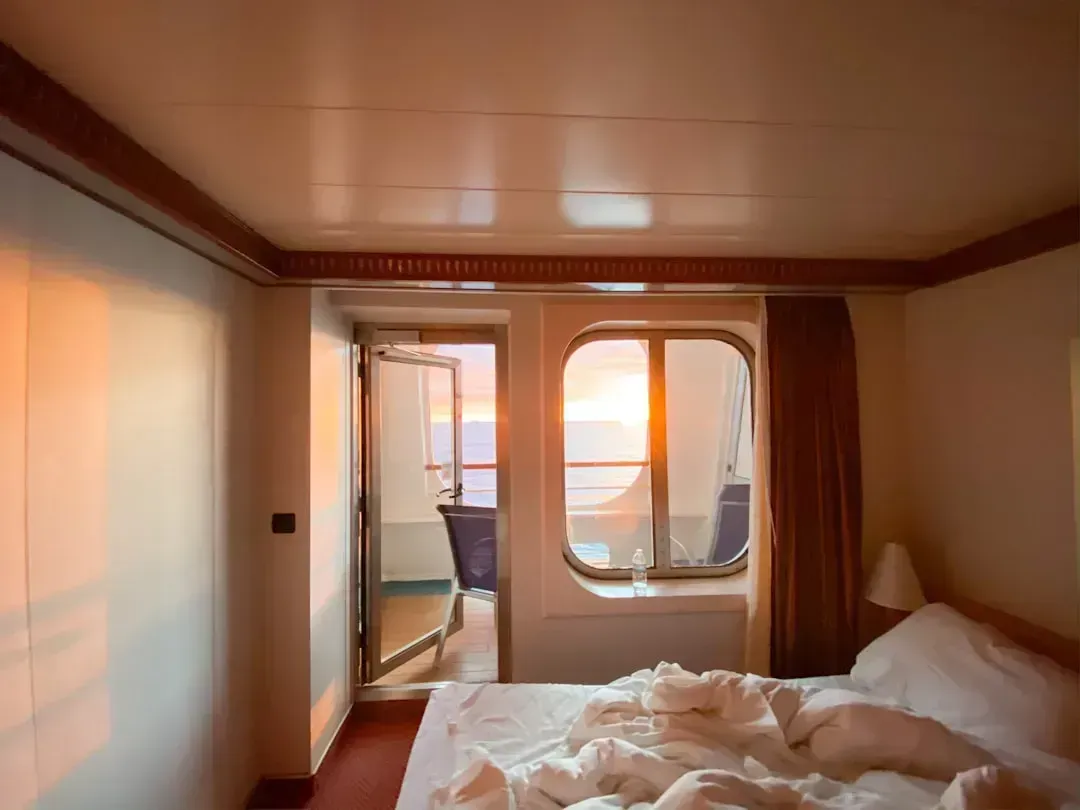
Standard river cruise cabins in Europe typically range from about 130 to 200 square feet, with suites larger. Let me put that in perspective for you. That’s roughly the size of a small walk-in closet. Cabins on typical river cruise ships range from about 130 to 200 square feet, significantly smaller than ocean vessels. Compare that to ocean cruise staterooms, which often average around 180 to 250 square feet. The reason? River boats are limited in size to ensure they fit into various locks on European rivers. You’ll need to master the art of living out of a suitcase in tight quarters. Balconies on river ships actually cut into the room’s square footage, so you sacrifice precious interior space to sit outdoors.
Hidden Costs Add Up Fast
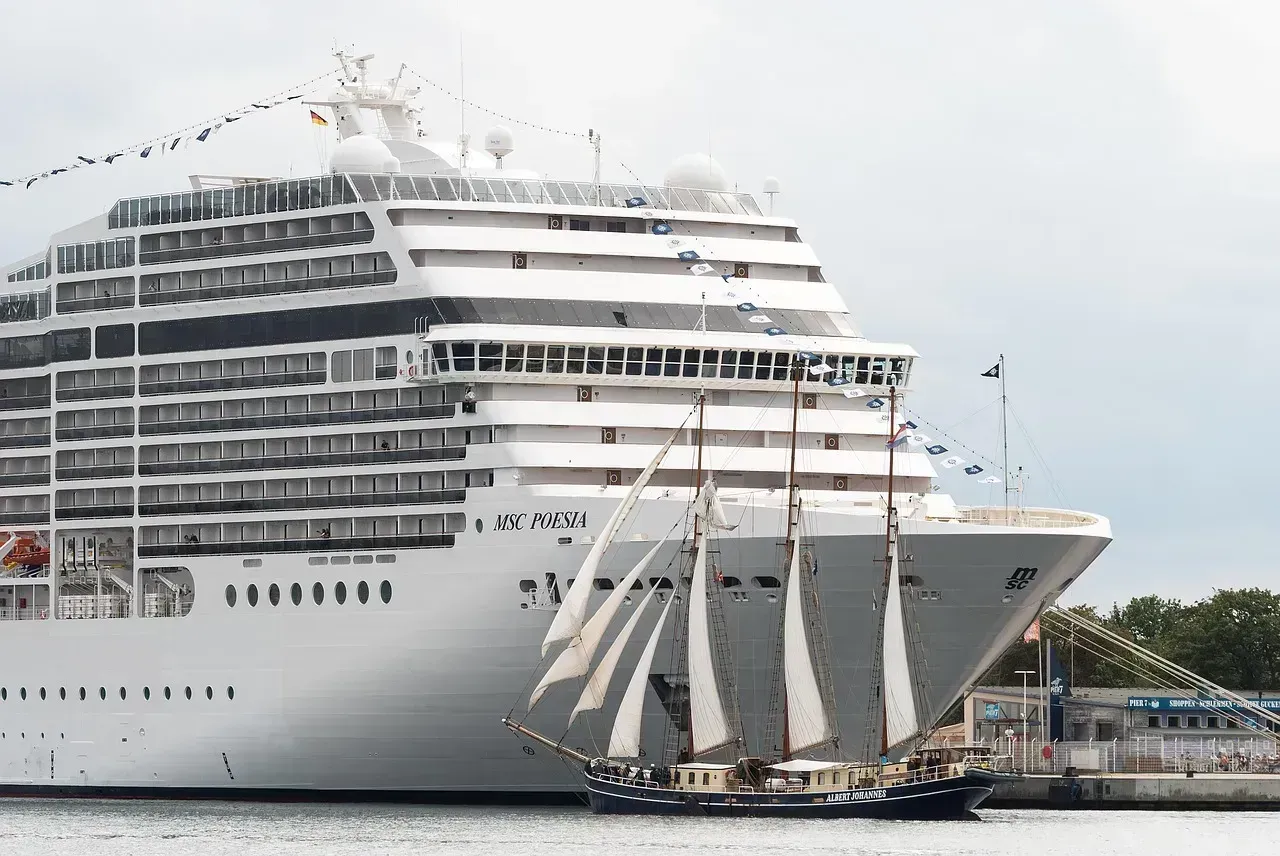
Cost remains a major barrier, as price is often cited as a major barrier for selling river cruises. The advertised fare? That’s just the beginning. Many major lines including AmaWaterways, Avalon, and Viking do not include gratuities in the base price. Gratuities typically run about €15-18 per person per day total for staff, crew, and cruise manager. Then there are tour guides and bus drivers on shore excursions, who expect tips. You’ll need to keep a handful of euros or local currencies in your pocket, as guides and drivers stand at motor coach exits with their hands out. Beverages beyond wine and beer at dinner often cost extra on many lines. These little additions can easily tack on hundreds of dollars per person to your final bill.
You’re Physically Locked Into Certain Rivers
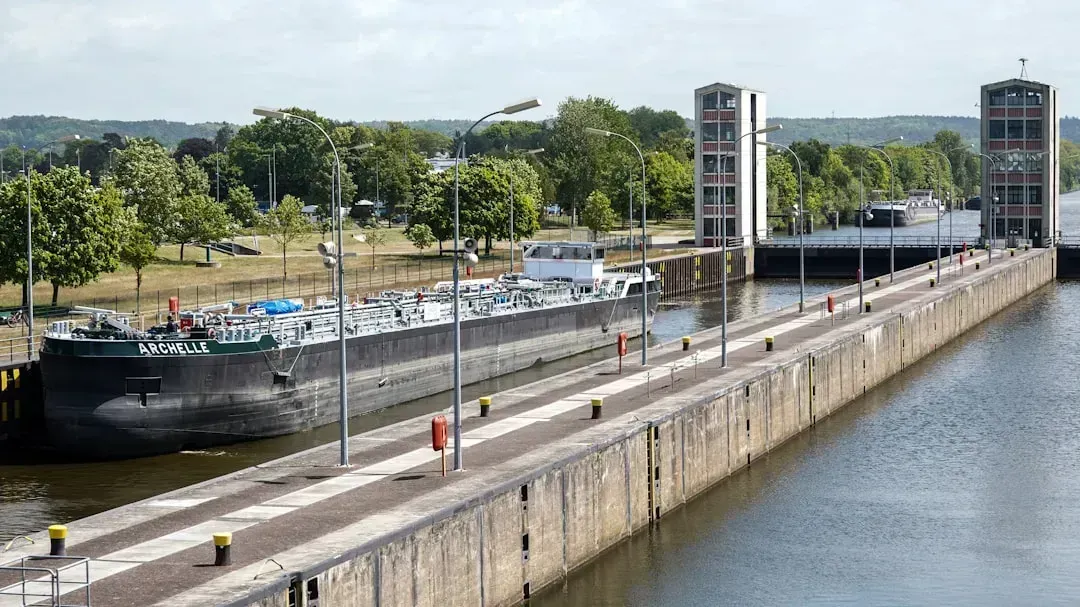
Ships sailing the Danube, Main, and Rhine must adhere to strict regulations governing length, width, and height so they can pass under bridges, over shallow water, and through narrow locks. The maximum length is 443 feet with a width of 37 feet. This sounds technical, right? Here’s what it means for you. Narrow locks prevent double-wide ships from sailing most European rivers, particularly the Main-Rhine-Danube canal. Even the fanciest new vessels can’t physically reach certain stretches of rivers. Double-wide luxury ships like AmaMagna are confined to the lower Danube and too wide to transit from Amsterdam to Budapest. Your itinerary options are limited by century-old infrastructure that nobody can change.
Ships Dock Side By Side Like Floating Parking Lots
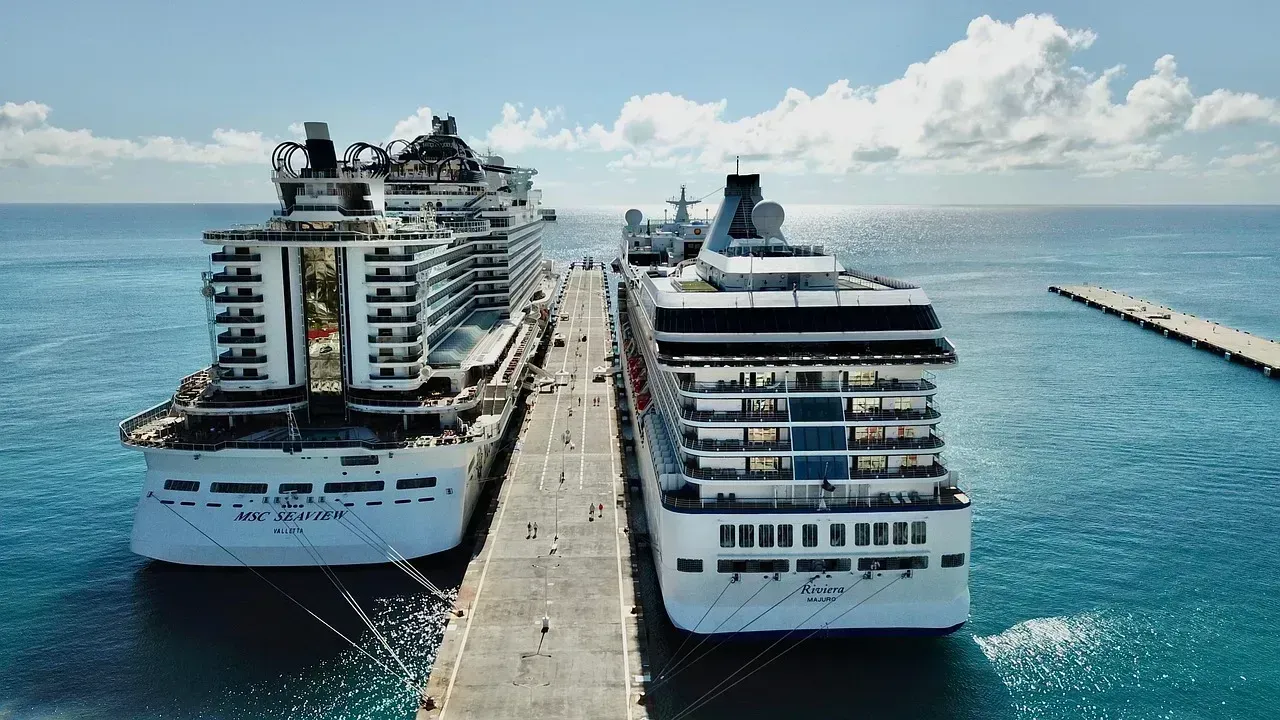
Nobody warns you about this little surprise. Boats often dock side by side, creating viewing obstructions. Imagine waking up to your romantic river view, only to find another cruise ship parked directly outside your window. You might have to walk through two or three other vessels just to reach the dock. Even if you splashed out for a balcony, you’ll often find yourself moored adjacent to another vessel, giving you a view straight into someone else’s bedroom. Privacy? Forget it. That premium cabin with French doors you paid extra for now overlooks the smoking section of the ship next door. River cruise operators rarely mention this inconvenient reality in their promotional materials. It’s become such common practice that seasoned river cruisers don’t even blink anymore.
Engine Noise and Vibrations Can Be Intrusive
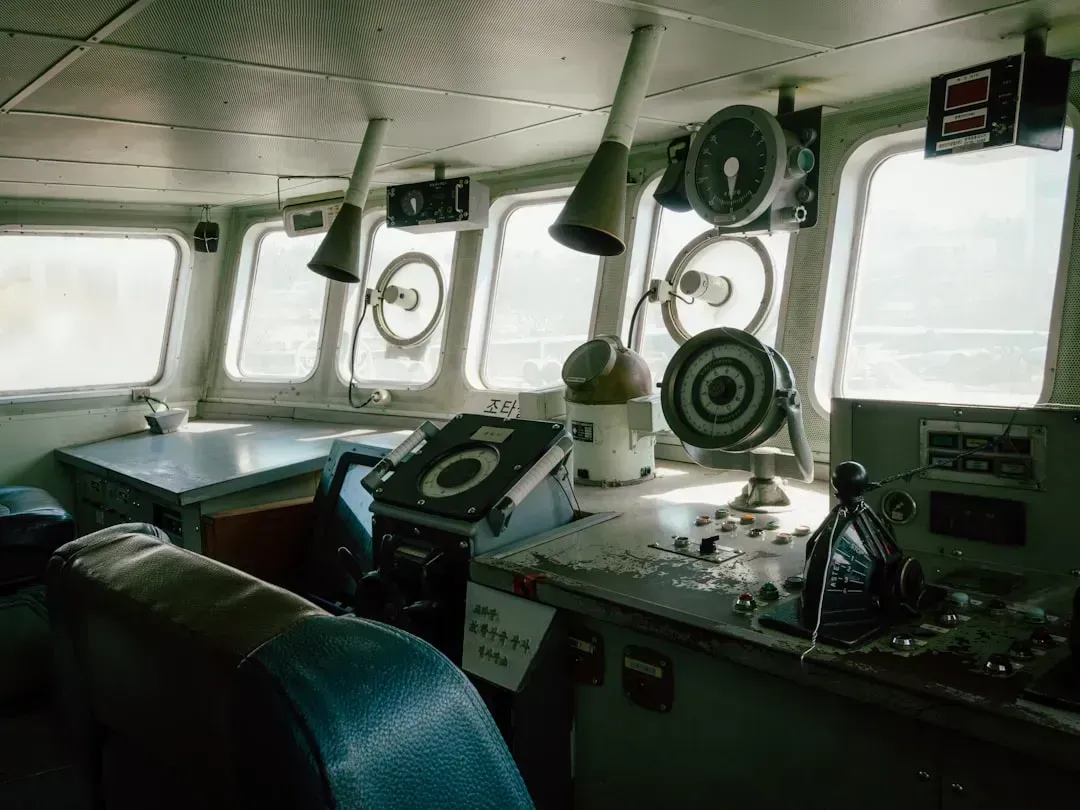
Cabin location matters, as engine noise could be a problem for some passengers. Standard cabins on lower decks experience slightly more engine noise and noise when passing through locks. Those cheapest cabins near the waterline? They’re positioned closest to the mechanical heart of the vessel. You’ll hear everything. The constant hum, the vibrations through the walls, the grinding sounds as the ship navigates locks throughout the night. Lower deck cabins with small windows can feel cramped with limited light. Sleep becomes challenging when your bed rattles each time the engines rev up. Cruise lines design these cabins knowing full well the noise levels, yet they’re marketed simply as budget-friendly options without mentioning the acoustic experience.
Itinerary Changes Happen More Often Than Advertised
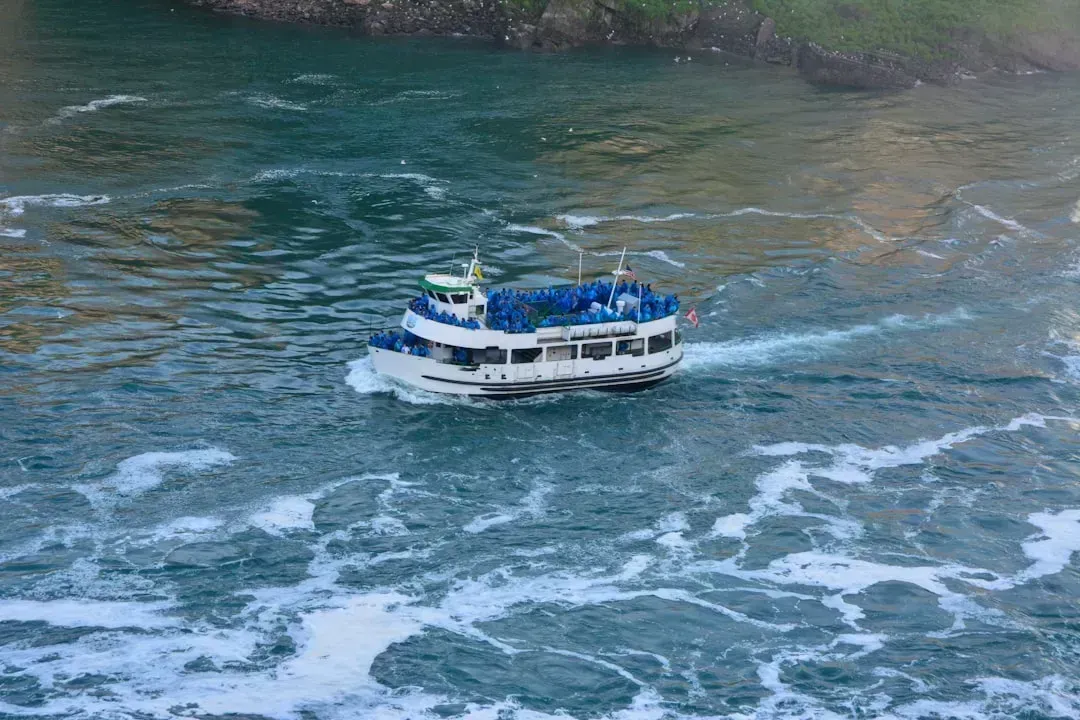
Cruise lines outline the possibility of changes or cancellation in contract fine print, and if water levels become an issue, most lines alert passengers via email. Nature can throw curve balls, forcing cruise lines to make last-minute adjustments. If cruise lines change an itinerary, they might give passengers an option to rebook, though passengers are not always given refunds as river cruise lines aren’t required to refund money if itineraries change. Sometimes you’ll swap ships mid-cruise. Other times entire port stops get substituted. You might do a ship swap mid-cruise or have port stops changed out for new ones, spending more time in buses or hotels with shorter visits to destinations requiring longer bus rides. That picturesque village you specifically wanted to see? It might get replaced with a completely different town you’ve never heard of. Unless you booked an air or hotel package through the cruise line, you probably won’t be reimbursed for flight cancellations, change fees, or pre-booked hotels.
What would you choose knowing all this? River cruises offer unique experiences that ocean voyages simply can’t match, sailing right into the heart of European cities and towns. Just go in with your eyes wide open. The glossy brochures tell half the story, but now you know the rest.