8 Hidden Islands Around The World Where Tourism Hasn’t Taken Over
While popular destinations like Bali and the Maldives buckle under tourist pressure, some extraordinary islands remain blissfully undiscovered by mass tourism. These remote paradises offer authentic experiences far from Instagram crowds and resort chains. Each promises untouched landscapes, genuine cultural encounters, and the rare luxury of solitude.
Socotra Island, Yemen
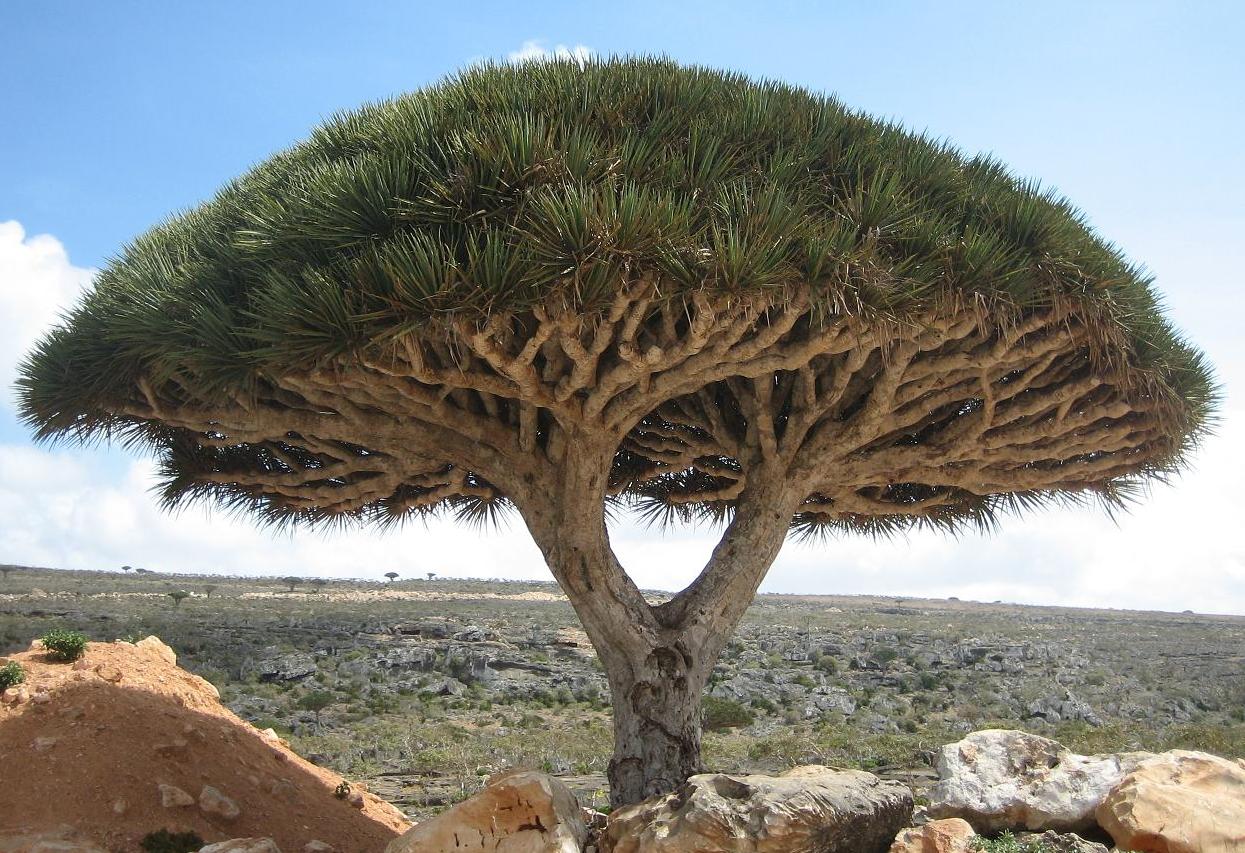
Before the civil war in 2011 in Yemen, Socotra had been experiencing a small amount of tourism, about 4,000 tourists per year. Once the civil war in Yemen started, Socotra was closed off from the world for over five years. Over one-third of its plant species are found nowhere else on Earth, making every hike an adventure through an open-air natural museum. This UNESCO World Heritage site resembles an alien planet with its iconic dragon’s blood trees and bottle trees dotting surreal landscapes.
The island remains remarkably safe despite Yemen’s mainland conflicts. The civil war on mainland Yemen has never come close to the island. Access requires joining organized tours through licensed operators, with flights from Abu Dhabi being the primary route. Wild camping is standard practice here, adding to the authentic adventure experience without luxury resort interference.
Seram Island, Indonesia
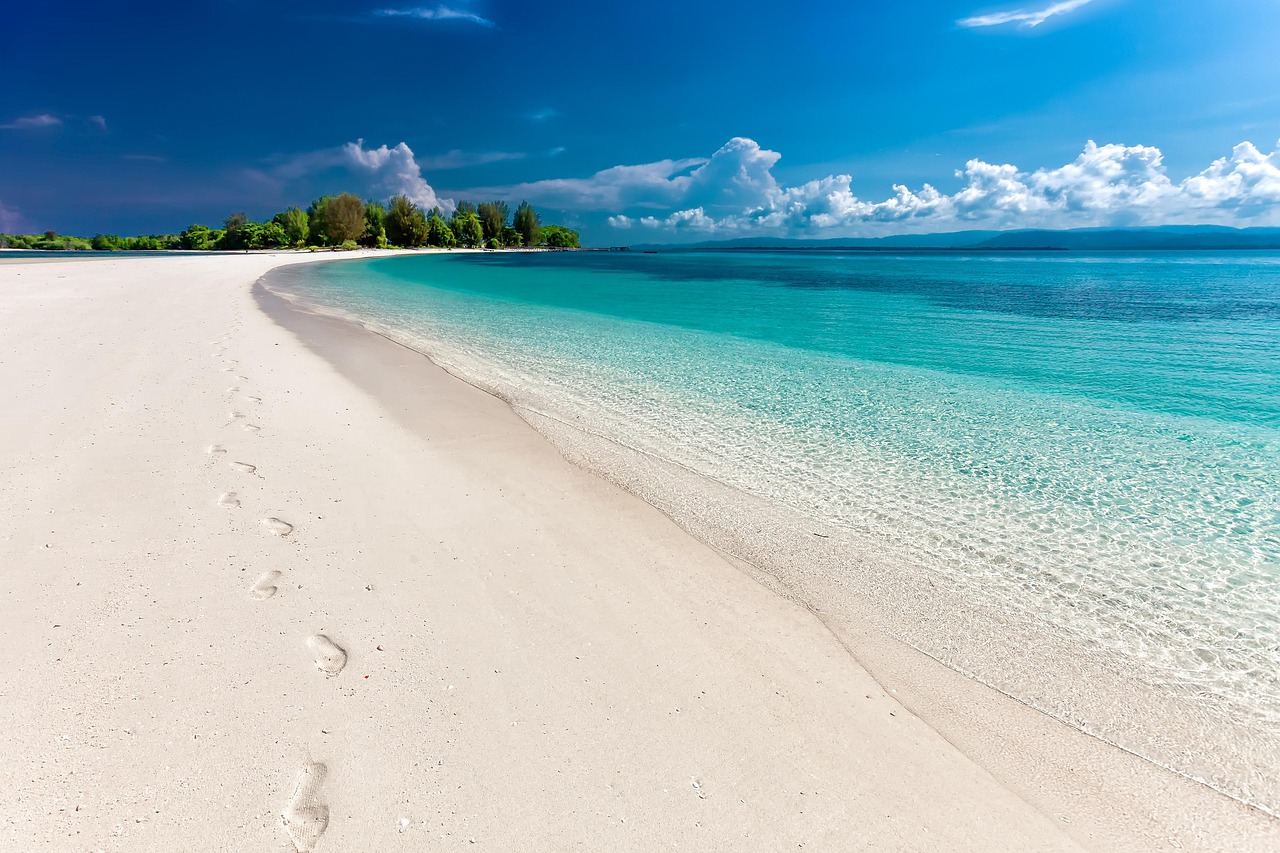
At Ora Beach on Indonesia’s Seram Island, pristine turquoise waters glisten beneath towering limestone cliffs, while dense tropical greenery surrounds the shoreline, creating a scene of untouched natural beauty. There are no crowds, no selfies, no signs of mass tourism – just nature in its purest form. Part of the Maluku archipelago, Seram benefits from Indonesia’s tourism focus on Bali, leaving this paradise virtually untouched.
The island offers incredible biodiversity without the infrastructure development found elsewhere in Indonesia. Local communities remain genuine in their interactions with the few visitors who discover this hidden gem. Crystal-clear waters provide perfect conditions for snorkeling among unspoiled coral reefs that haven’t suffered from overtourism’s environmental impact.
Kiribati
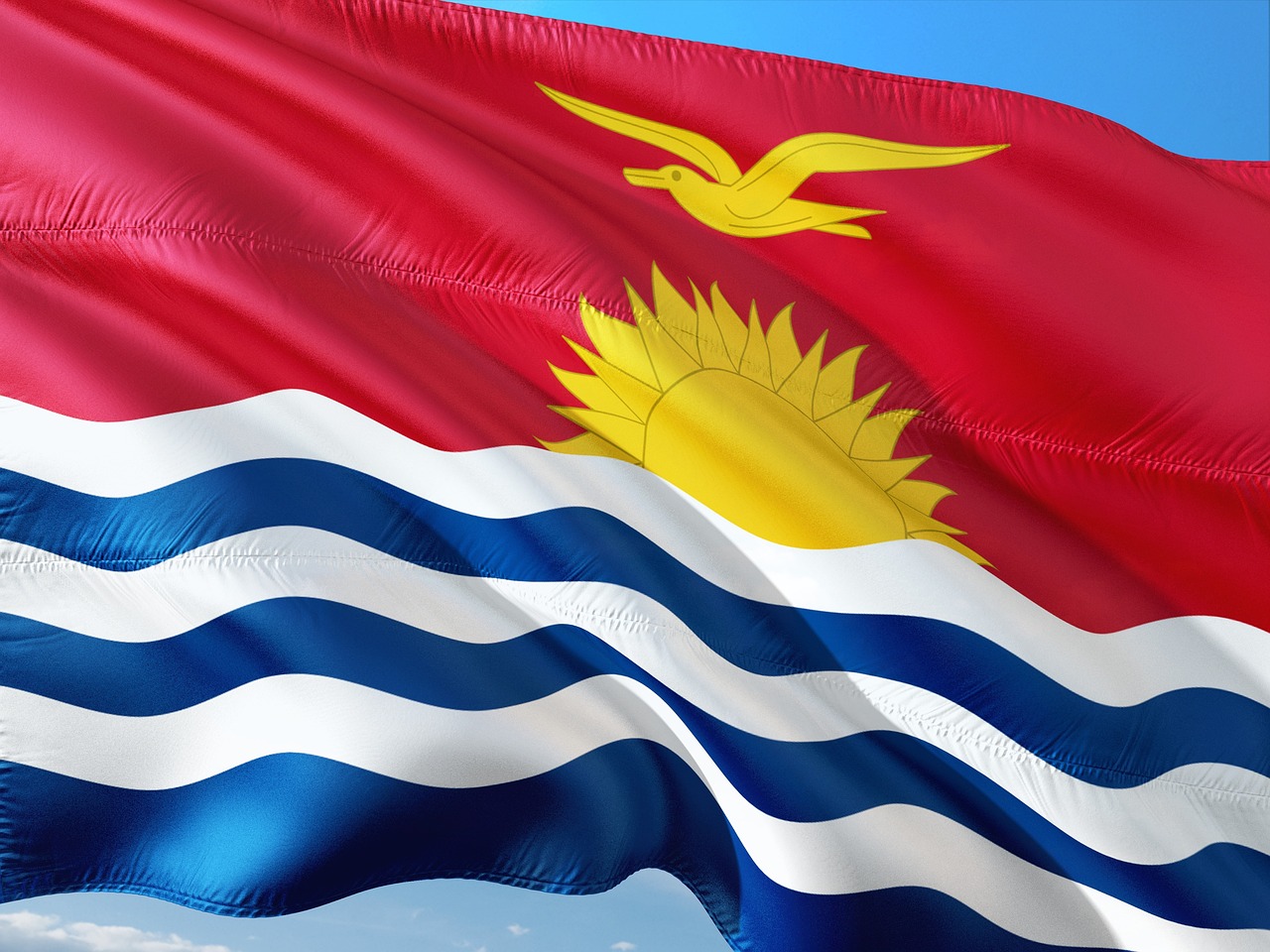
This small island nation of 131,000 people welcomed only about 2,000 visitors in 2022. It is worth noting that this number has declined significantly since 2019 when this nation welcomed about 12,000 visitors. Kiribati is the only country in the world to touch all four hemispheres. The 33 atolls and reef islands scattered across the Pacific offer some of the world’s most pristine marine environments.
The Phoenix Islands Protected Area (PIPA), part of Kiribati, is one of the largest marine protected areas on Earth (UNESCO World Heritage). While extremely remote (multi-day boat trip), it’s an untouched wilderness – home to rare seabird colonies, giant clam gardens, and healthy coral ecosystems. Traditional Micronesian culture thrives here, with visitors experiencing genuine outrigger canoe building and folk dances in meeting houses largely unchanged by Western influence.
Tuvalu
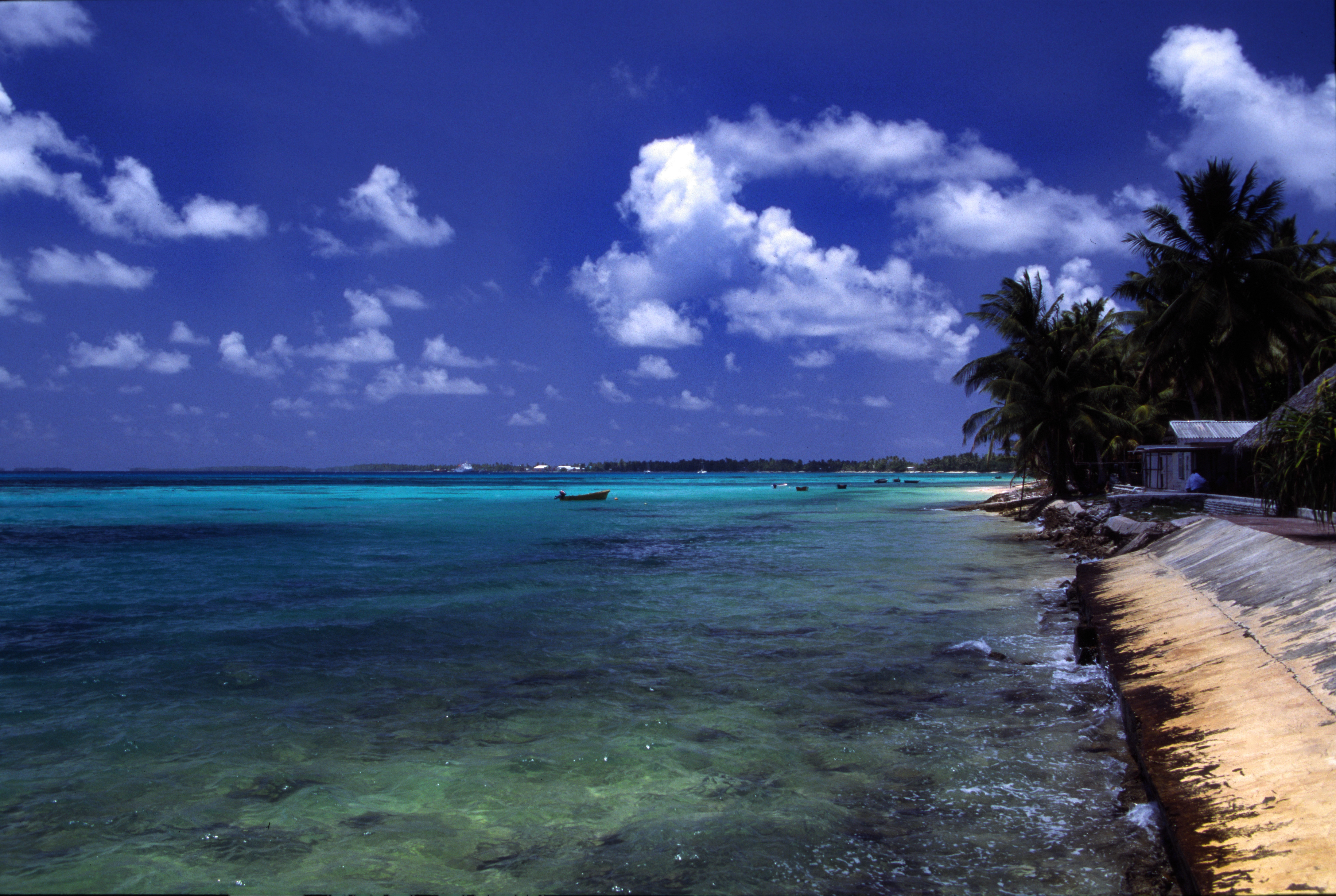
Tuvalu, a tranquil Pacific island nation with just 12,000 inhabitants, ranked as one of the least-visited countries globally, drawing approximately 3,700 travelers in recent years. This small archipelago between Hawaii and Australia consists of nine coral atolls offering white sandy beaches and turquoise lagoons without a single resort chain in sight.
Known for its breathtaking natural beauty and relaxed island lifestyle, its white sandy beaches contrast beautifully with clear turquoise waters. Funafuti, the capital, features a stunning lagoon ideal for swimming, snorkelling, and diving among vibrant coral reefs. The Polynesian culture remains authentic, with traditional customs and music unchanged by tourist demands. Limited air connectivity keeps visitor numbers minimal, preserving the island’s serene atmosphere.
São Tomé and Príncipe
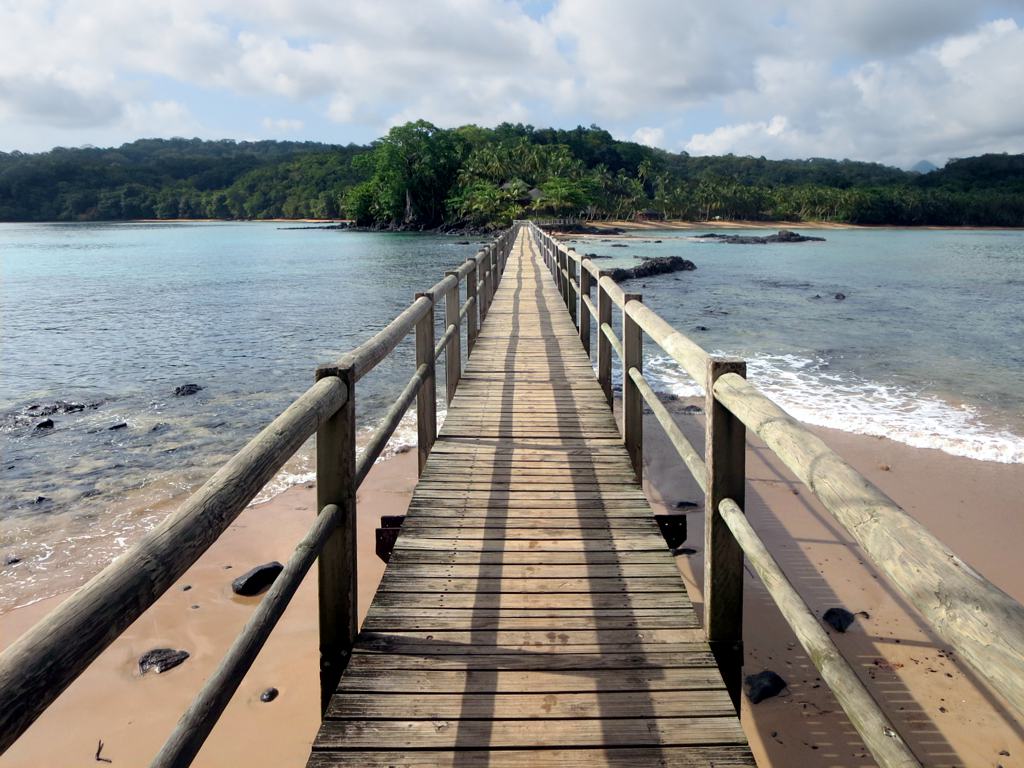
Tucked away in the Gulf of Guinea, São Tomé and Príncipe is gaining recognition for its eco-tourism and adventure travel appeal. While not the typical budget destination, this hidden gems offers travellers a unique blend of the unfamiliar and unforgettable. Despite infrastructure challenges, São Tomé and Príncipe has recorded growth in its tourism sector. Annual visitors numbers rose from 8,000 to 34,900 between 2010 and 2019, according to the International trade administration.
The Central African islands feature volcanic peaks, biodiverse rainforests, and pristine beaches with minimal tourist infrastructure. As one of the least-visited country on Earth, its ‘underrated’ status attracts global travellers seeking raw nature. Cocoa plantations and Portuguese colonial architecture provide cultural depth without commercial exploitation typical of popular island destinations.
Koh Phayam, Thailand
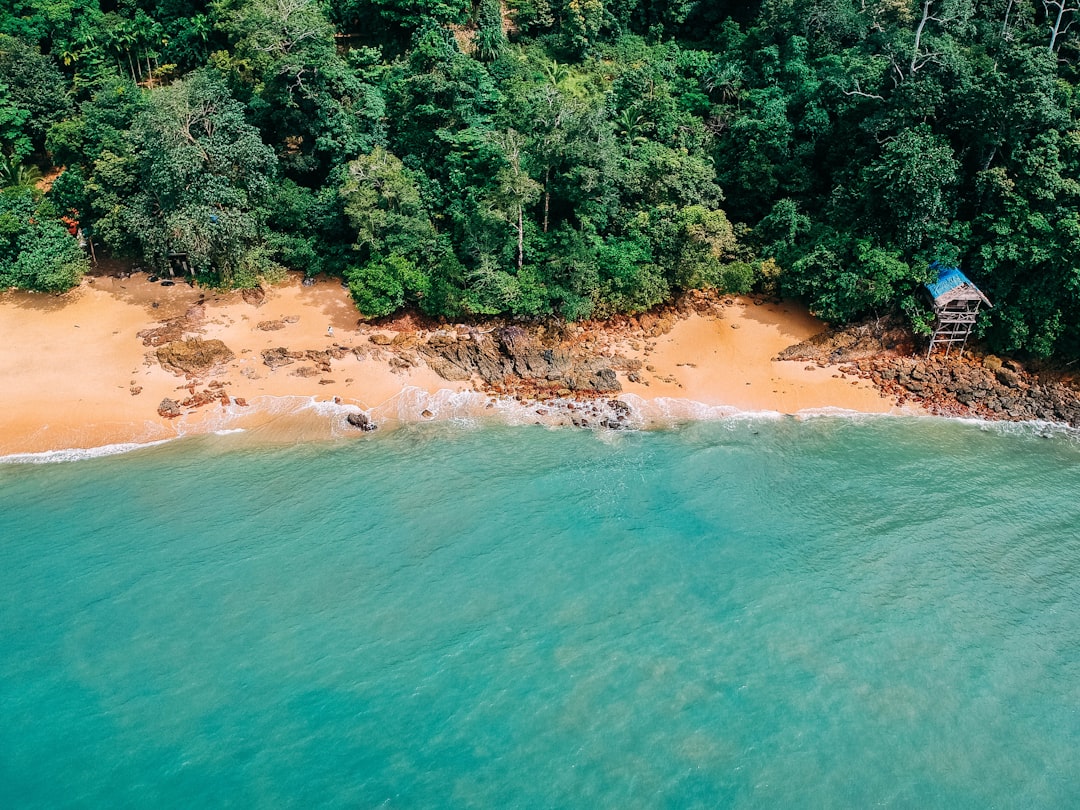
Close to the Myanmar border, Koh Phayam is a rustic haven without cars. Think scooter rides, hammock naps, and reggae bars on the beach. Long stretches of sand meet cashew orchards and gentle waves. Still untouched by high-rise hotels; power grid improvements have made long-term stays easier. This island represents authentic Thai island life without the party atmosphere of Phuket or Koh Phi Phi.
The absence of cars forces a slower pace of life that many overcrowded Thai islands have lost. Local fishing villages maintain traditional lifestyles while offering simple accommodations that respect the natural environment. Recent infrastructure improvements enhance comfort without destroying the island’s rustic charm that keeps mass tourism at bay.
Faroe Islands
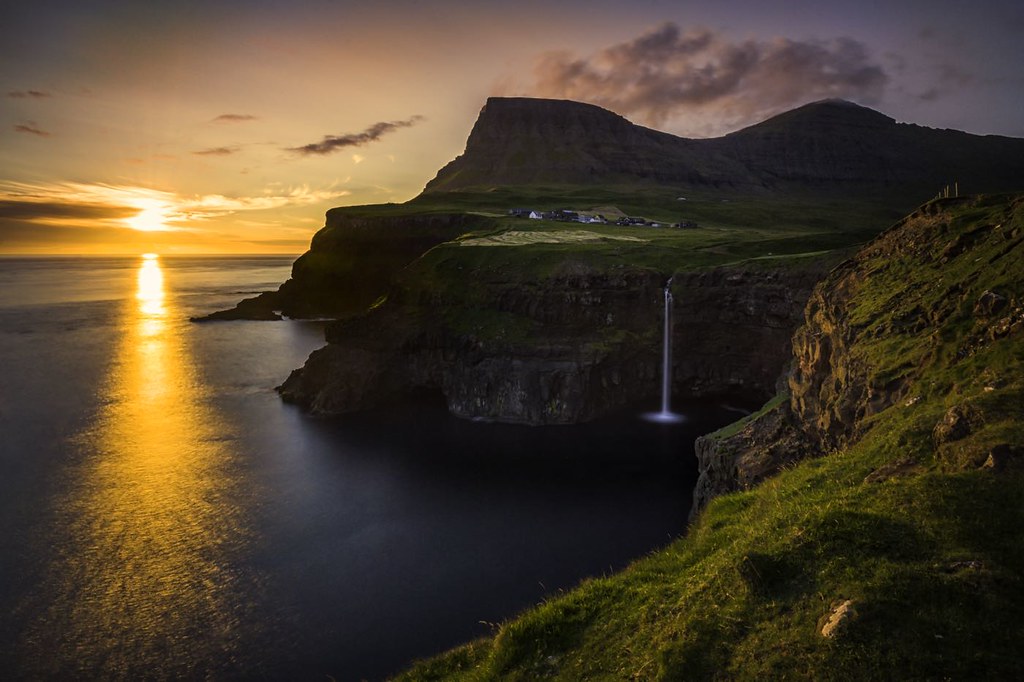
Covering an area of approximately 1,396 km², the 18 islands have a population of around 53,270 as of 2024. The population density is relatively low, with about 39 inhabitants per km². The aim of the annual “Closed of Maintenance” project is to maintain all the untouched qualities that the Faroe Islands are now known for. The initiative is led by Visit Faroe Islands and is part of a greater effort to preserve the Faroe Islands as one of the most unspoiled and unpolluted places on the planet.
These North Atlantic islands actively manage tourism to prevent overtourism through innovative approaches. The government introduced sustainability fees and access restrictions during sensitive periods like lambing season. Dramatic cliffs, grass-roof houses, and Nordic culture remain authentic despite growing international interest. The islands demonstrate how destinations can grow tourism responsibly while maintaining their essential character.
Azores (São Miguel), Portugal
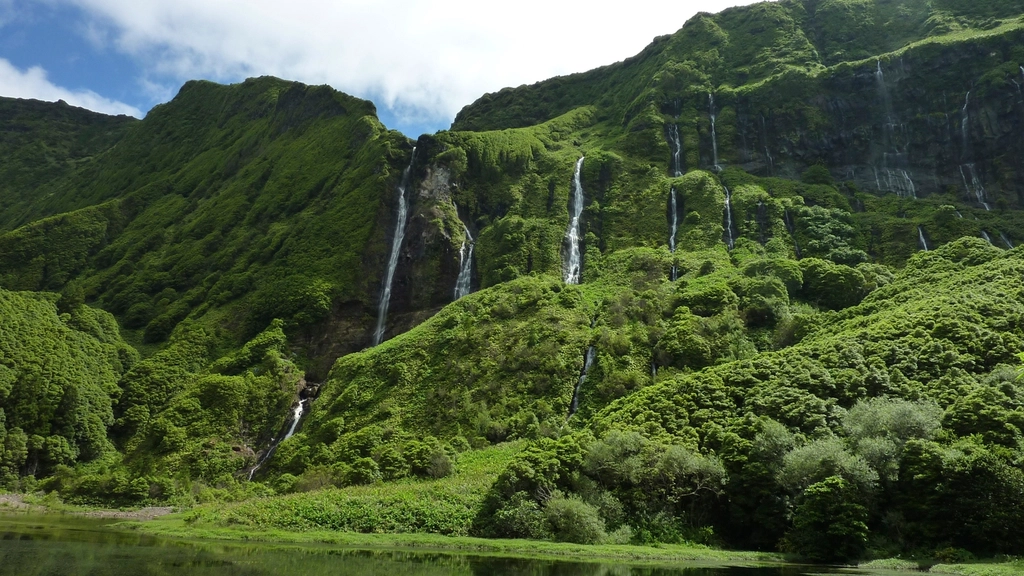
The Azores, an archipelago of 9 Portuguese islands in the Atlantic, remain relatively untouched by mass tourism. The Azores, an archipelago of 9 Portuguese islands in the Atlantic, remain relatively untouched by mass tourism. We had the chance to visit the largest island, São Miguel, also known as ‘the green island.’ There are still relatively few tourists – Some countries and cities are already in high demand, with tourists traveling from all around the world leaving little room to walk peacefully without being surrounded by an intrusive crowd. Nothing like this will be found in the Azores, or at least not yet. São Miguel is worth visiting for several reasons.
Volcanic lakes, hot springs, and lush landscapes create a European paradise without Mediterranean crowds. The islands offer sustainable tourism focused on nature experiences rather than beach resorts. Local culture remains authentically Portuguese with Azorean influences intact. Regardless of which unique island you pick, you’ll find a relatively untouched setting that exudes authenticity and promotes sustainability.
These hidden islands prove that paradise still exists beyond the reach of mass tourism. From Yemen’s alien landscapes to Pacific atolls touched by few human footsteps, each destination offers genuine experiences impossible to find in crowded hotspots. The key lies in their remoteness, limited infrastructure, or active preservation efforts that maintain authenticity. What would you choose – crowded beaches with perfect wifi or untouched shores where your footprints might be the only ones in the sand?