9 Chef Secrets That Instantly Make Restaurant Food Taste Better
Professional chefs have spent years perfecting techniques that make restaurant food taste distinctly better than home cooking. These secrets aren’t complicated, yet they transform ordinary dishes into extraordinary ones. The difference between a home meal and restaurant-quality food often comes down to mastering just a few fundamental principles that any cook can learn.
Season with Precision and Perfect Timing
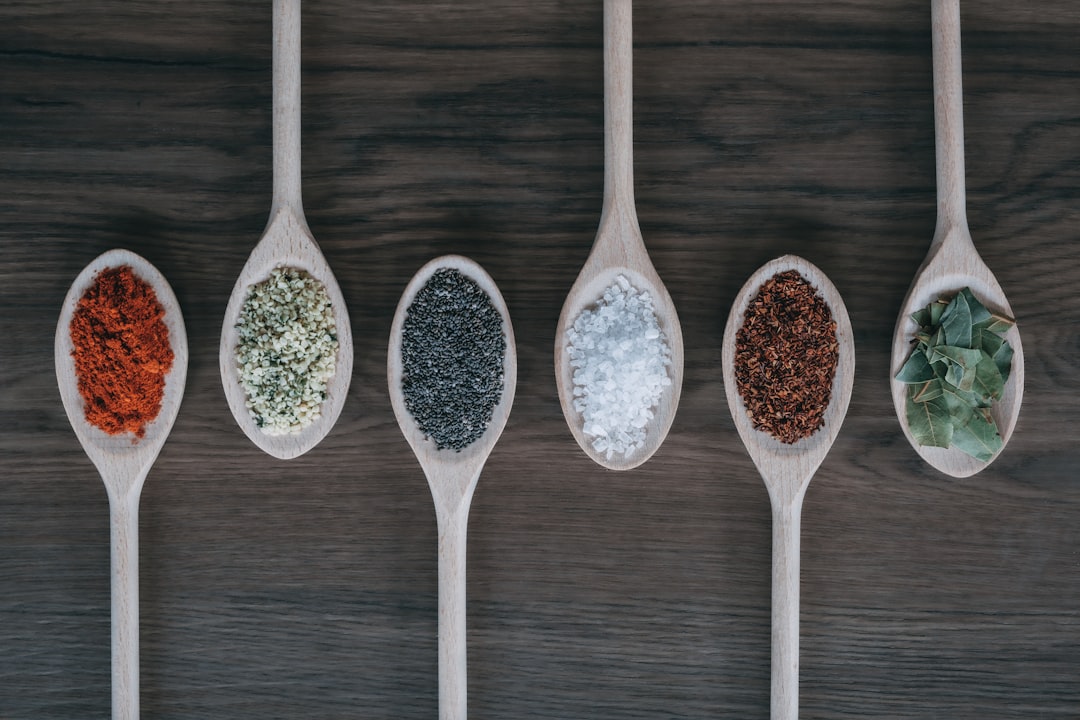
Salt is a key component to balancing flavors, and its purpose isn’t to make food taste salty but to enhance the flavors of the ingredients, making food taste more like itself. Professional chefs time the addition of seasonings quite purposefully, especially when making reduction sauces where they salt at the end because it’s very difficult to season something that will be reduced heavily, and it’s better to wait until the end and then just add a few pinches.
The default answer to when to season is early and often, so that you can layer flavors and seasonings, but this varies according to what you’re cooking and what you want the water in the food to do. For optimal results, apply salt 30-40 minutes before cooking for most cuts, thin cuts under one inch need 20-30 minutes, while thick cuts over two inches require 60+ minutes, allowing time for osmosis to occur without drying the surface.
Use the Maillard Reaction to Create Deep Flavors
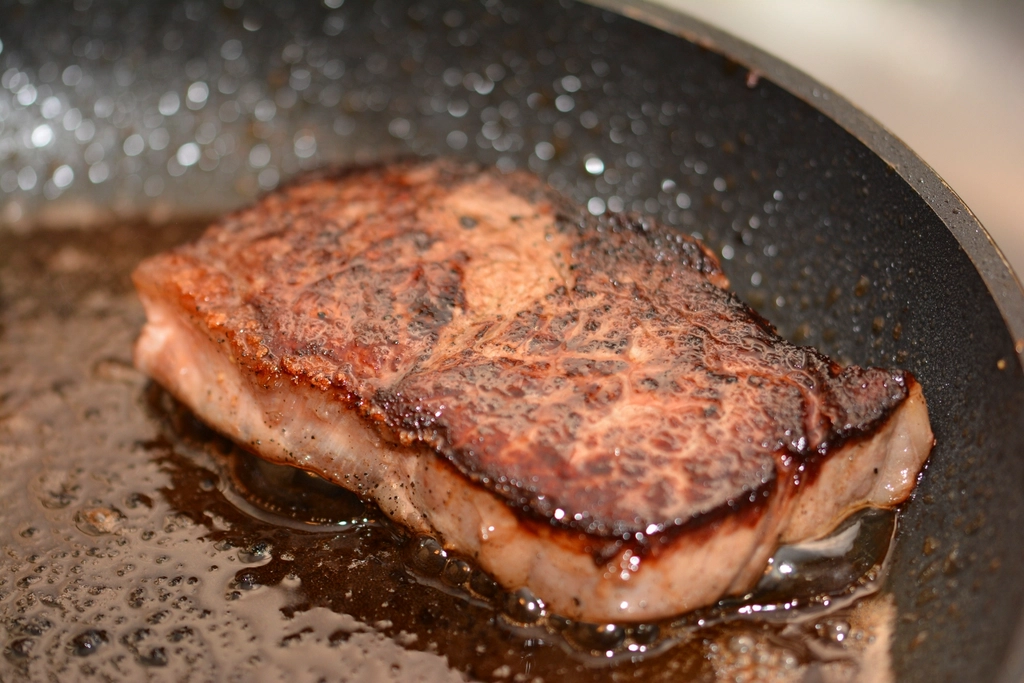
Restaurant cooks use screaming-hot pans because it’s the best way to get beautiful sear on a steak or caramelize vegetables before finishing them in the oven. The sweet spot for the Maillard reaction is around 300 degrees Fahrenheit, but you can slide down to a lower temperature for longer time or slide up to a higher temperature for a shorter period.
The Maillard Reaction requires the surface temperature to reach at least 284 degrees Fahrenheit, and moisture on the surface lowers the temperature as it evaporates, preventing browning, so simply use a paper towel to thoroughly dry the surface of the meat before marinating or grilling. It’s believed that in one piece of cooked steak there are over 600 different individual flavor compounds created through this reaction.
Master the Art of Mise En Place
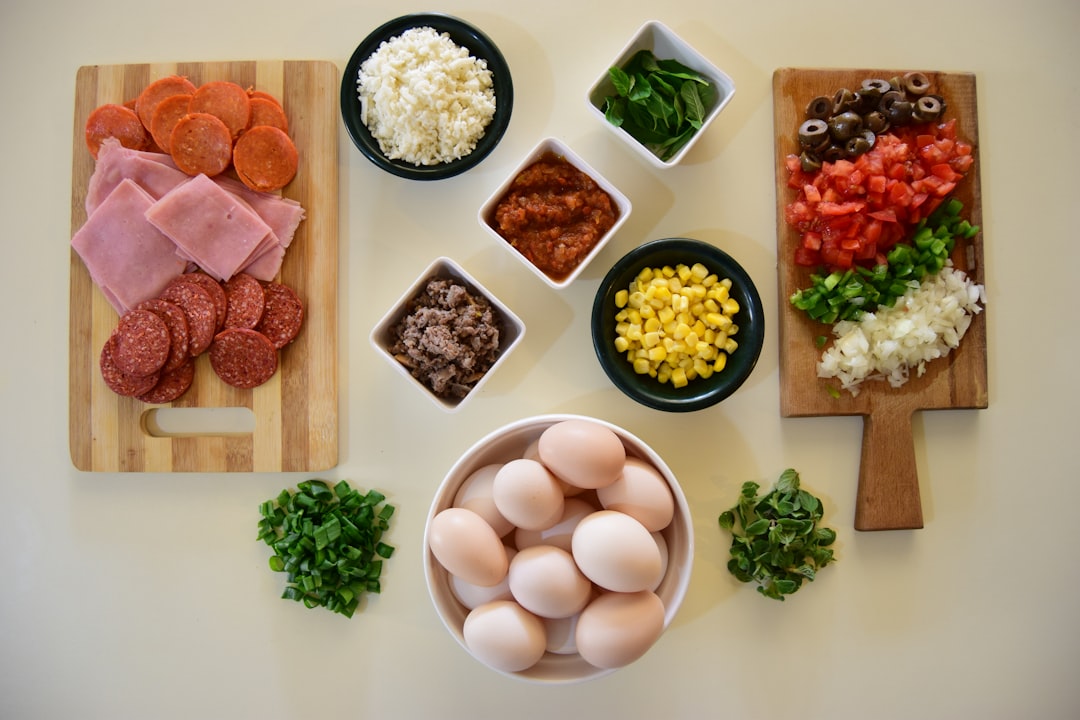
Perhaps the best thing you learn in culinary school is having your mise en place – everything in its place, which is the best way to stay calm in a professional kitchen, as professional cooks spend hours chopping up meats, vegetables and herbs so they’re ready to add to the pan when they need them. Mise en place is a French term that translates to “put everything in place,” meaning having all your ingredients prepped and ready to go before you start cooking, including chopping, dicing, measuring, and having all your utensils and pans at the ready, which can make the cooking process stress-free and fun.
The concept of mise en place goes beyond just prepping ingredients – it’s about mental preparation as well, and by having everything ready, you can focus on the cooking process, experiment with flavors, and enjoy the experience without the stress of scrambling for ingredients.
Deglaze for Complex, Rich Sauces
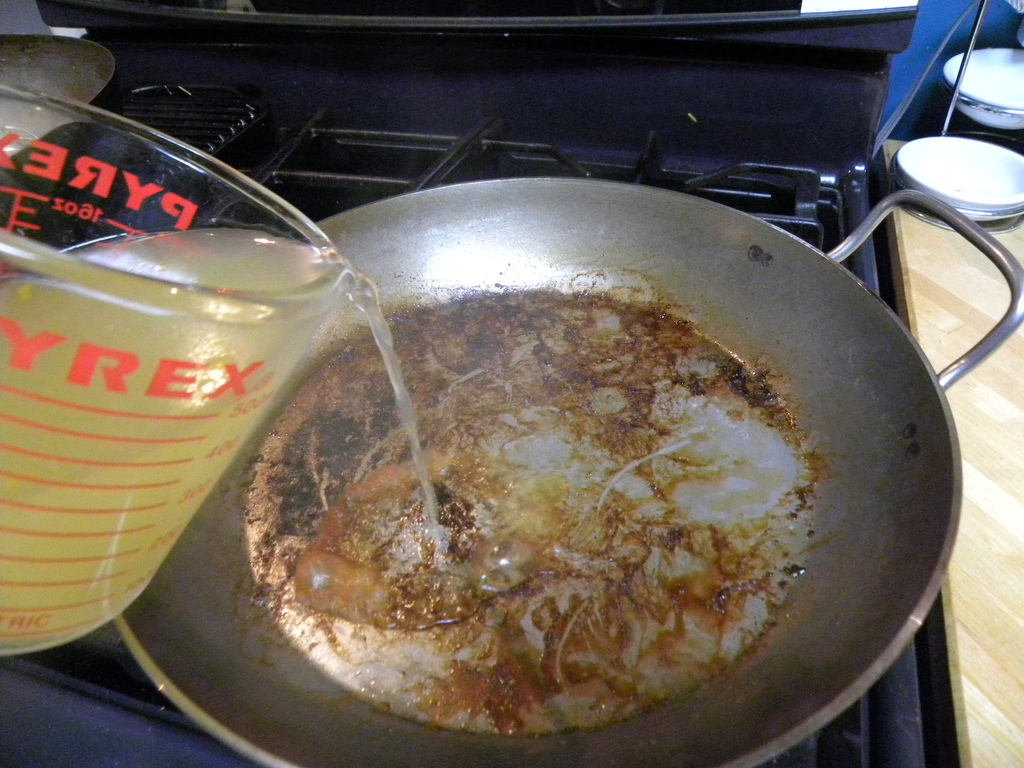
Professional chefs harness the flavors left on the pan by deglazing with liquid such as wine or broth, creating rich, nuanced sauces that elevate dishes to gourmet status. This technique captures all those caramelized bits stuck to the bottom of the pan, transforming them into a foundation for restaurant-quality sauces.
The science behind deglazing works because those browned bits contain concentrated flavor compounds from the Maillard reaction. When you add liquid and scrape them up, you’re literally incorporating hundreds of flavor molecules that would otherwise be lost. This single technique can turn a simple pan sauce into something that rivals expensive restaurant preparations.
Choose the Right Salt and Apply It Correctly
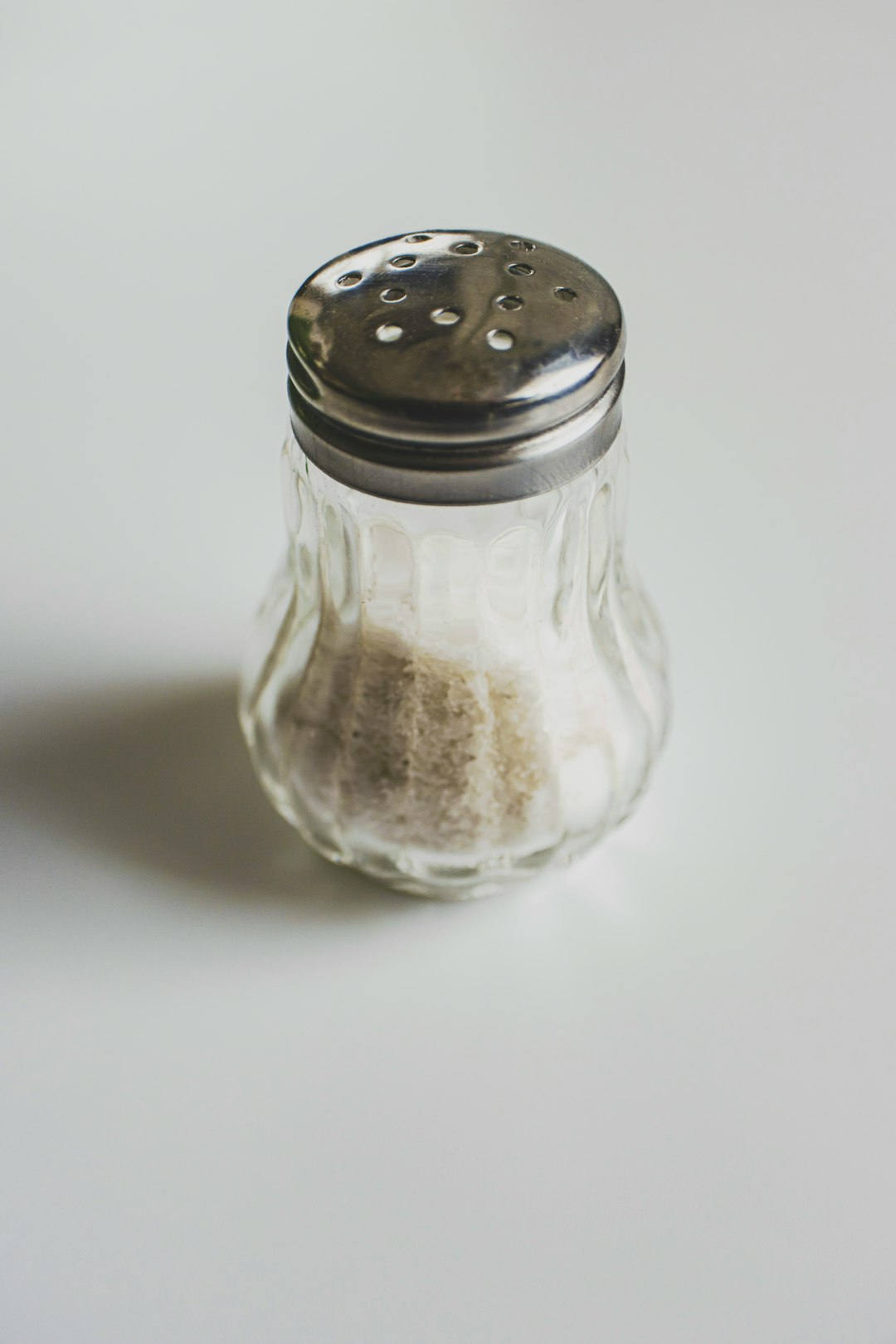
For everyday cooking, chefs and home cooks alike lean on kosher salt because it’s inexpensive, dissolves easily, and is less intense than table salt, making it more forgiving if you get a little heavy-handed, with Diamond Crystal and Morton Kosher Salt commonly found in professional and home kitchens. Chefs sprinkle salt from way up high because salting from about 12 inches above your food helps distribute it evenly, so you don’t end up with salty clumps or bland patches.
Professional chefs prefer a three-finger pinch for consistency and control, finding a pinch that gives you consistency and control, and they recommend finding a salt you like and sticking with it, so that every time you grab a pinch of salt you know how it’s going to season a dish.
Perfect Your Knife Skills for Even Cooking
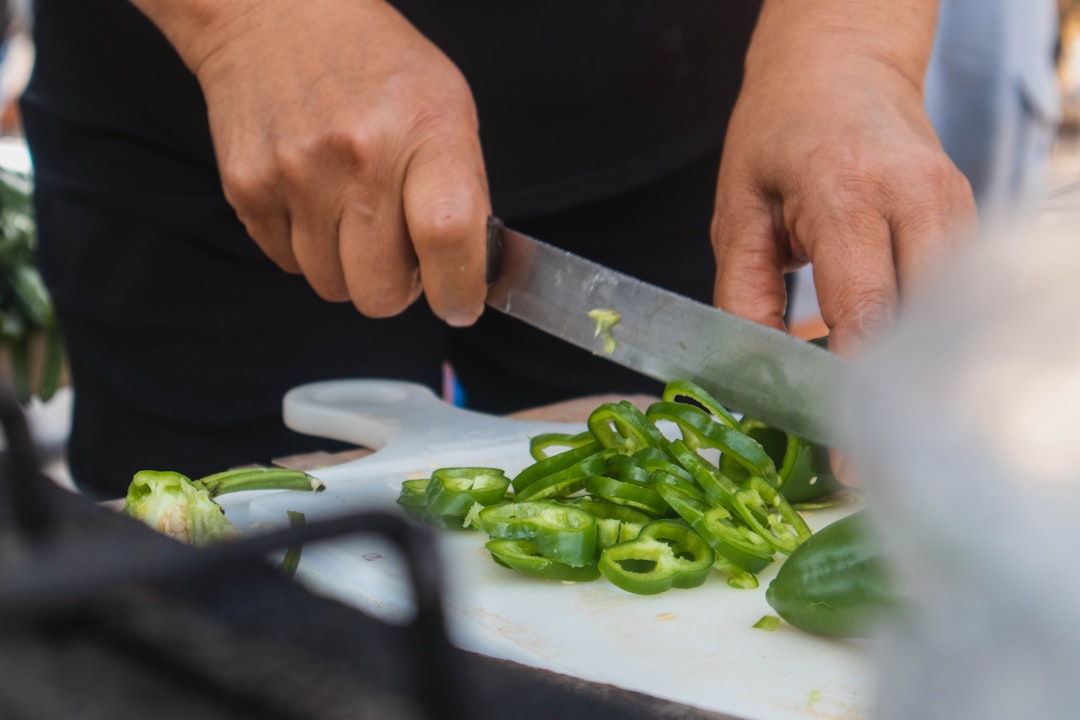
Professional chefs spend a lot of time chopping, mincing, slicing and dicing, partly to make everything look nice on the plate, but really it’s all about how the food cooks, because getting good with a knife ensures all the ingredients will cook evenly and at the same rate. You can mimic the efficient rocking motion of professional chefs by mastering the push cut technique, choking up on your knife using the pinch grip, pushing into the food from the tip of your knife all the way to the heel, rolling it back and repeating, making sure to tuck your fingers in and glide the side of the knife against your knuckles.
Professional chefs invest in a quality chef’s knife and keep it razor-sharp for precision and ease of use, regularly honing their knife with a ceramic rod and practicing their skills to slice through ingredients like a seasoned pro. This isn’t just about speed – uniform cuts mean uniform cooking, which is why restaurant vegetables always seem perfectly tender throughout.
Use High Heat and Control Moisture
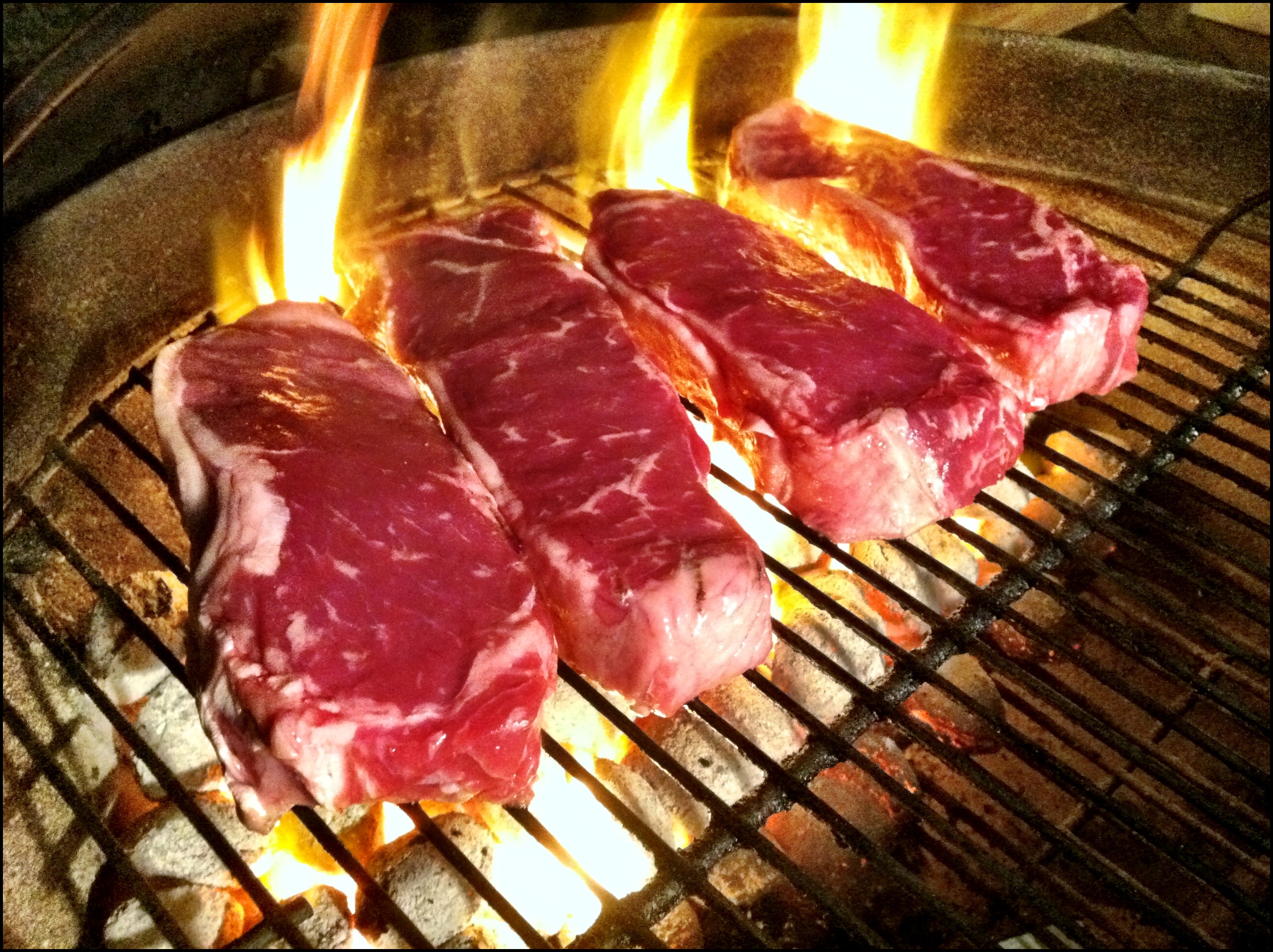
Professional chefs achieve restaurant-quality sear on meats before finishing them in the oven by getting their pan ripping hot to lock in the maillard reaction, and if your smoke alarms aren’t going off, your pan likely wasn’t hot enough, elevating the texture and taste of dishes with this professional-grade technique. An important technique is to preheat your grill properly, as preheating not only helps burn off any remaining dust or bacteria inside the grill but also ensures it reaches a high temperature, and a properly heated grill grate will instantly sear the surface of the meat, locking in juices and creating a crispy, browned crust.
Professional cooks avoid overcrowding the grill because packing meat too closely traps steam, effectively steaming it instead of grilling, so they allow space for hot air to circulate evenly so the surface stays dry and reaches the temperature needed for the Maillard Reaction.
Understand Fat and Its Applications
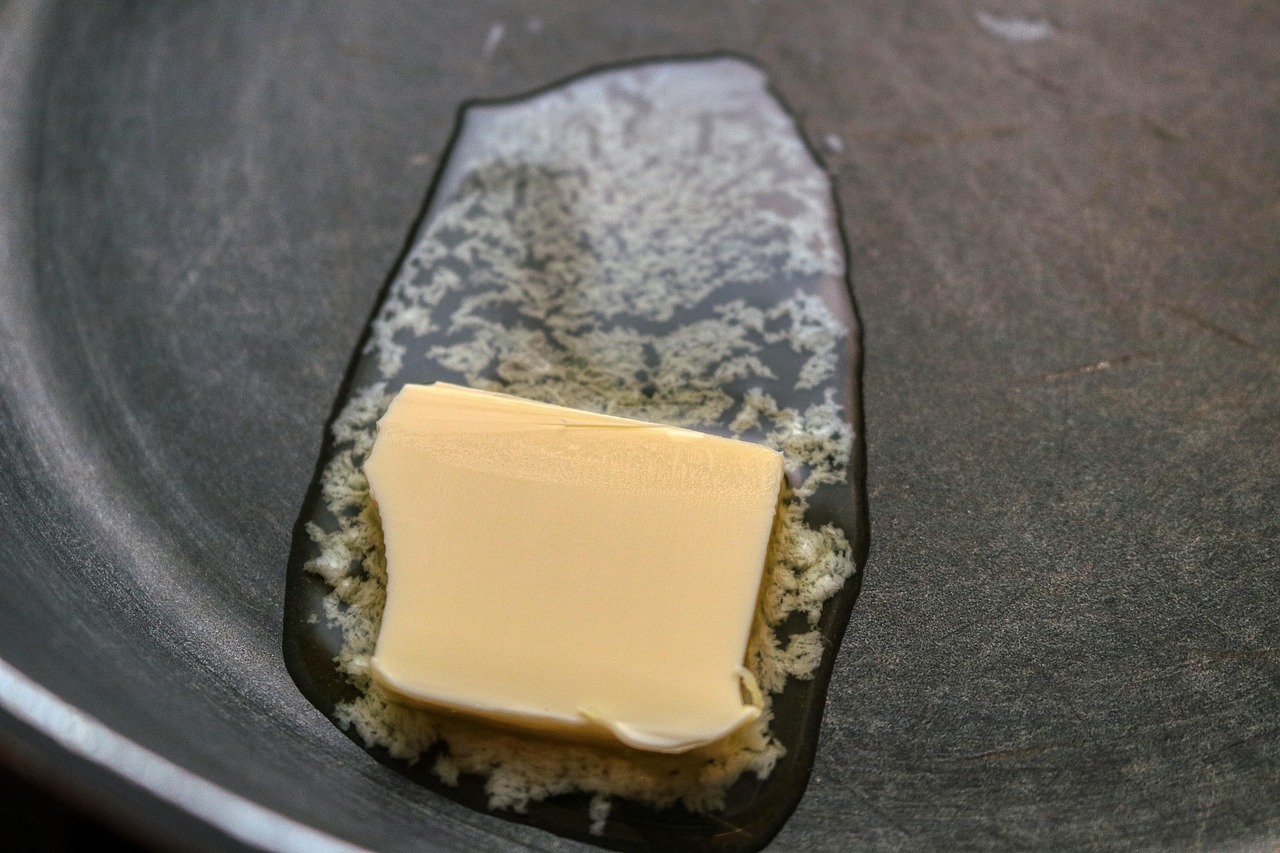
Clarified butter, with the milk solids removed, is a marvel in the kitchen, especially at high temperatures, and it’s the go-to for frying and sautéing, giving that golden, crispy texture without the risk of burning those pesky milk solids. Professional chefs use herbs stems, bones, butts, and skins to infuse dishes with a ton of flavor for not a ton of money, which is why restaurant food tastes so damn good.
Professional chefs understand that fat is a flavor carrier and heat conductor. They know when to use different types of fat for specific applications. Neutral oils with high smoke points for searing, butter for finishing sauces, and animal fats for rendering and flavor development. This knowledge transforms how home cooks approach fat in their cooking.
Master Emulsification and Sauce Techniques
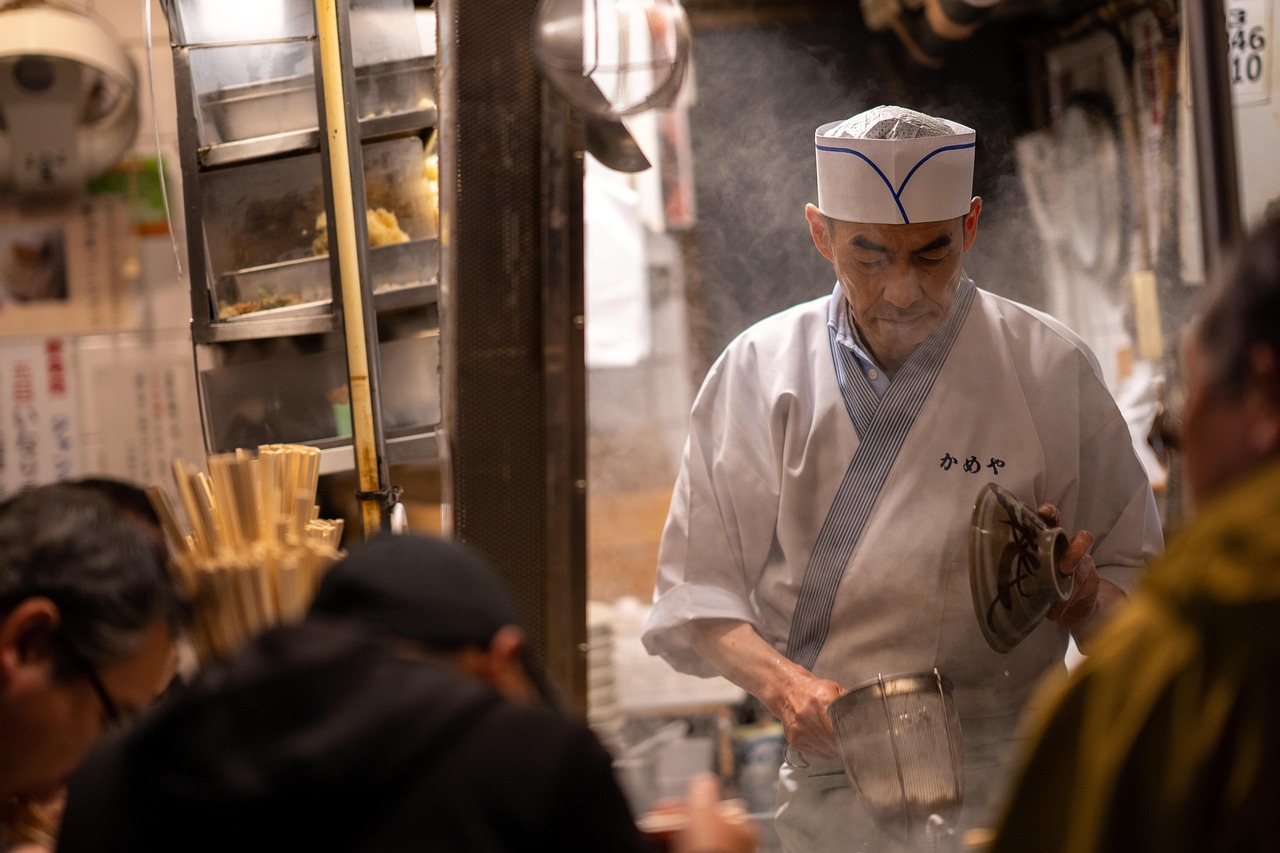
Professional chefs master emulsification to create velvety sauces and dressings, learning the art of slowly incorporating oil into egg yolks or mustard for a sublime texture. This technique separates amateur cooking from professional results, creating sauces that coat food perfectly rather than breaking or separating.
Food safety is fundamental to all areas of professional culinary arts, and from a philosophical perspective, chefs are asking guests to trust them with something very personal, asking them to place their faith that the food they are about to consume is safe and healthful. Understanding proper emulsification ensures not only better texture but food safety when working with raw eggs and dairy products in sauces.
What separates restaurant food from home cooking often comes down to these fundamental techniques that professional chefs use instinctively. The magic isn’t in expensive ingredients or complicated recipes – it’s in understanding how heat, salt, fat, and technique work together to create extraordinary flavors. Once you master these secrets, your home cooking will rival any restaurant dish. What surprised you most about these professional techniques?