9 Historical Figures Who Struggled With Unusual Phobias, Historians Reveal
Benjamin Harrison: The President Terrified of Electricity
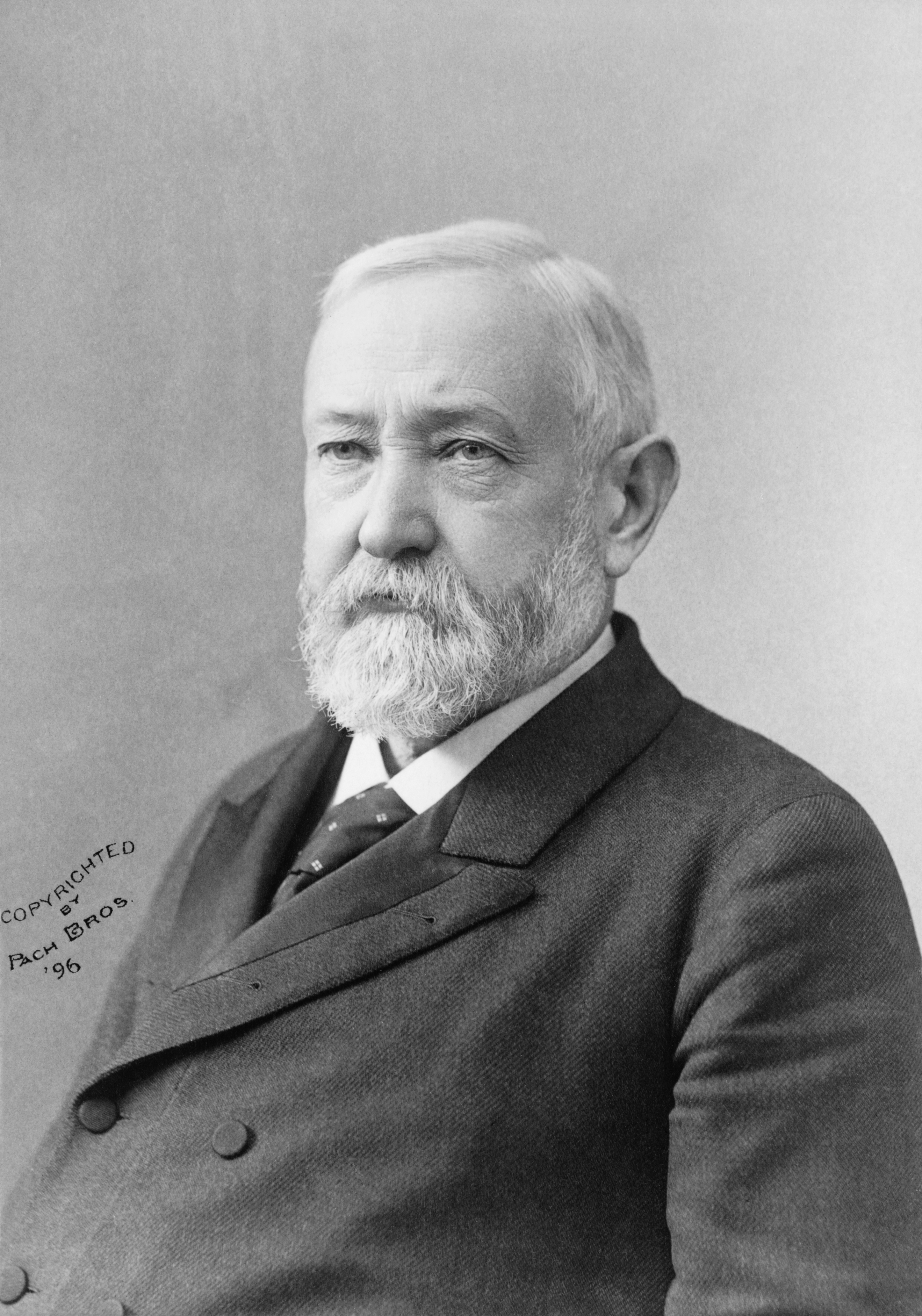
In 1891 President Benjamin Harrison was the first President to enjoy electricity in the White House. But he was so scared of being shocked, he had the staff turn on and off the lights. This wasn’t just a minor inconvenience. Harrison straight up refused to touch the switches, and only White House staff and domestic servants took the duty upon themselves. It was even rumored that this fear drove Harrison and his wife, Caroline, to sometime sleep with the lights on.
This was a reasonable fear, given how crude household electric wiring could be at the time. The White House’s wires, in fact, were strung across the lawn from the Edison Company’s generators, as Gizmodo recounts, then buried in plaster before making their way to round switches. They were only ever meant to supplement traditional gas lights. Still, Harrison’s caution seems extreme considering he actively chose to install this newfangled technology.
Franklin D. Roosevelt: When Fire Became the Enemy
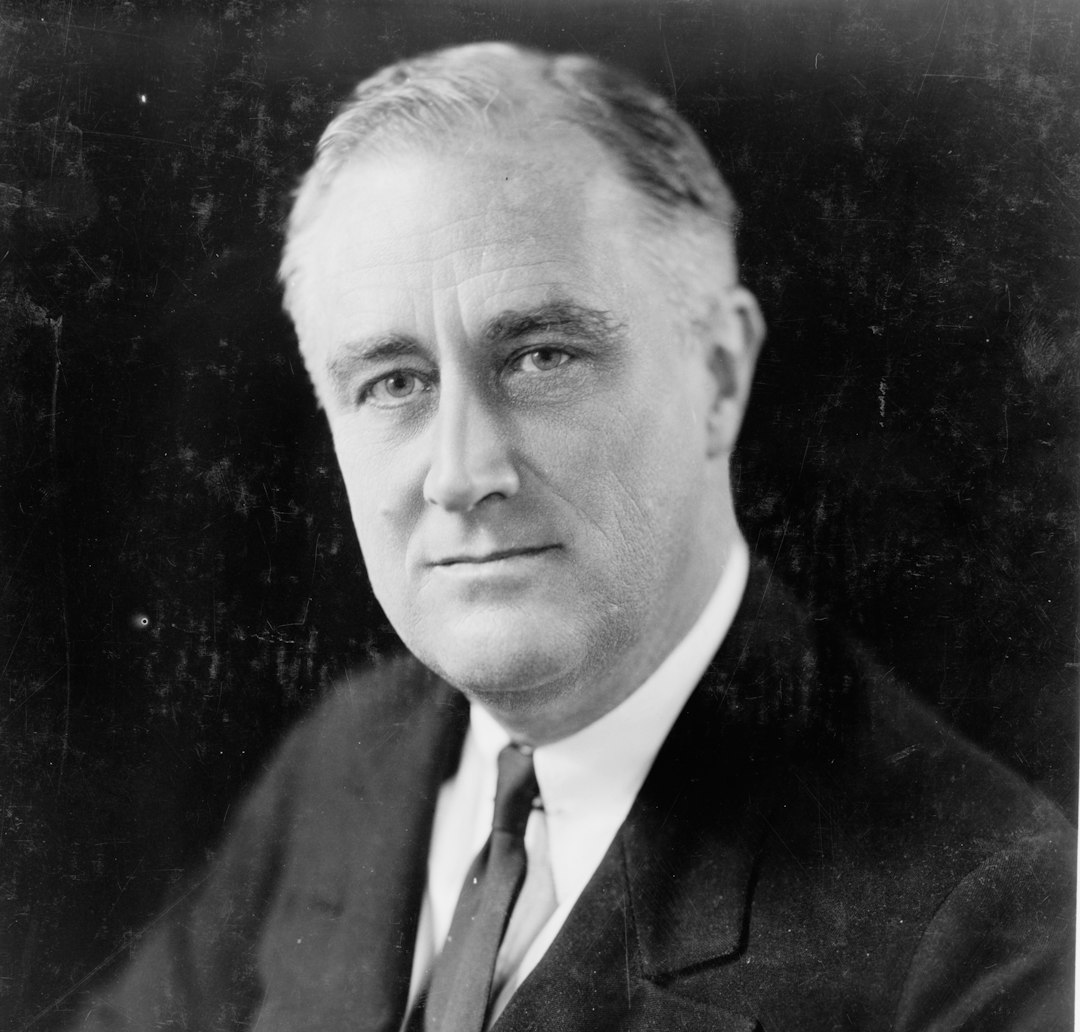
Though he said that “the only thing we have to fear is fear itself,” Franklin D. Roosevelt had an intense personal fear of fire. His fear was likely to stem from his childhood, when he had several frightening experiences. As a young child, he witnessed his young, screaming aunt Laura running down the stairs with her dress ablaze from a spilled alcohol lamp. In 1899, he helped to tear up part of a parlor floor to put out a cellar blaze and participated in a bucket brigade to put out a stable fire at the nearby Groton School.
His phobia increased after he lost the use of his legs in the 1920s; he feared being immobilized in a burning building, unable to escape. During his presidency, his fear of fire even outweighed his fear of assassination. He refused to lock the door to the presidential bedroom at night in case of fire, forcing the Secret Service to maintain regular patrols in the hallway each night. The president who led America through its darkest hours couldn’t bear the thought of flames.
Hans Christian Andersen: Living in Terror of Premature Burial
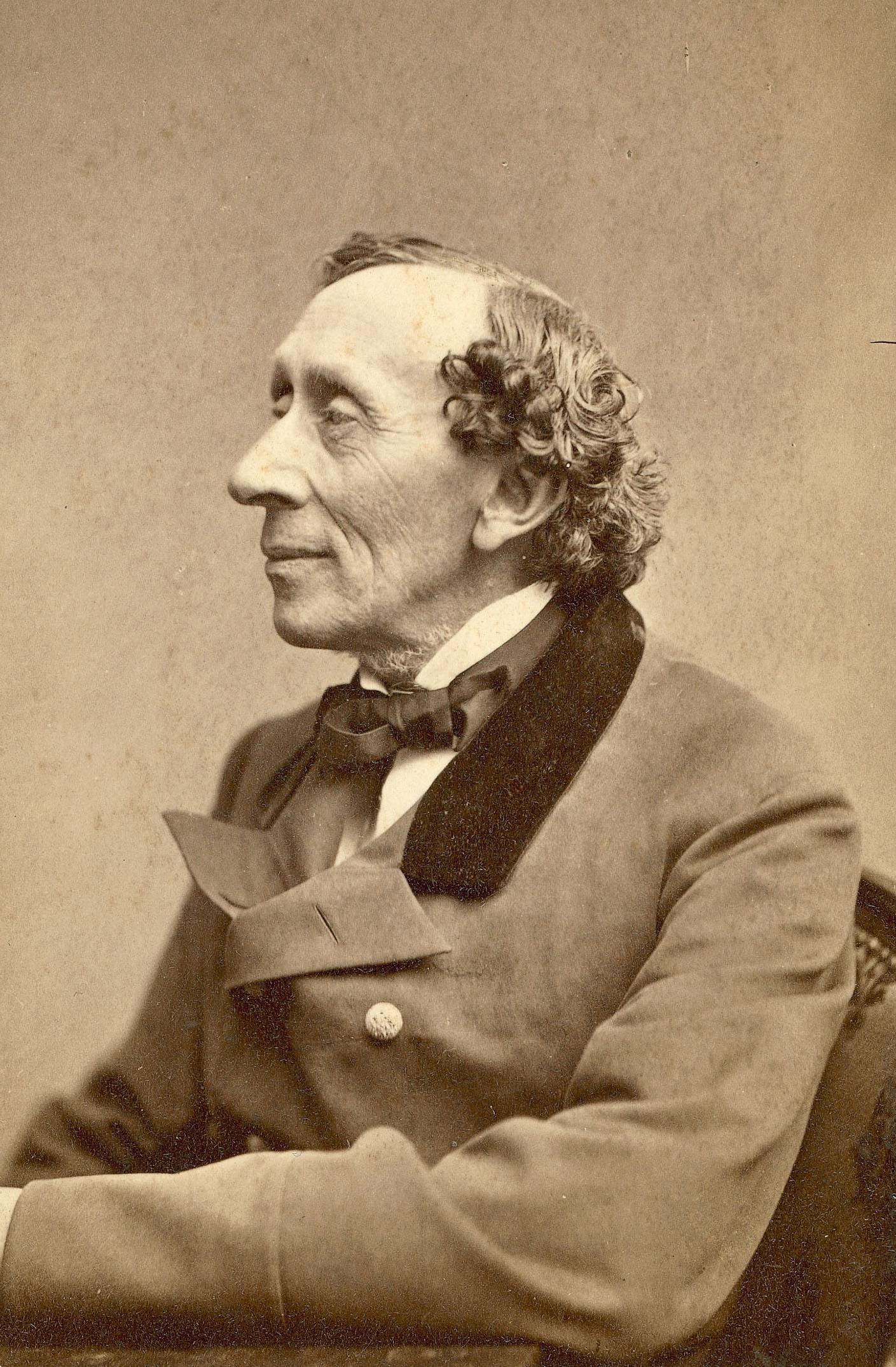
According to his biographer Jackie Wullschlager, Danish writer Hans Christian Andersen was deathly afraid of being buried alive. He spent his final days at the home of his friends Dorothea and Moritz Melchior in Copenhagen, and as the end neared, begged Dorothea to cut his veins after he’d breathed what appeared to be his last breath. According to his biographer, the author kept a note on or near him at all times which read, “I only appear to be dead.” In his last days, he even begged his friends to cut his veins and bleed him out after his passing… all the better to ensure that he’d really bitten the dust.
The Victorian era was undoubtedly the golden age of taphephobia (literally meaning ‘fear of the grave’ in Greek). The popular press regularly printed sensational – and, almost certainly inaccurate – tales of people waking up in a coffin six feet under the ground. This context helps explain Andersen’s extreme precautions. Several notable historical figures are thought to have been afraid of live burial, including Frédéric Chopin (who requested that his heart be cut out to ensure his death), George Washington (who requested that his body be laid out for three days), and Hans Christian Andersen and Alfred Nobel (who both asked to have their arteries cut open).
Salvador Dalí: Artist Haunted by Insects
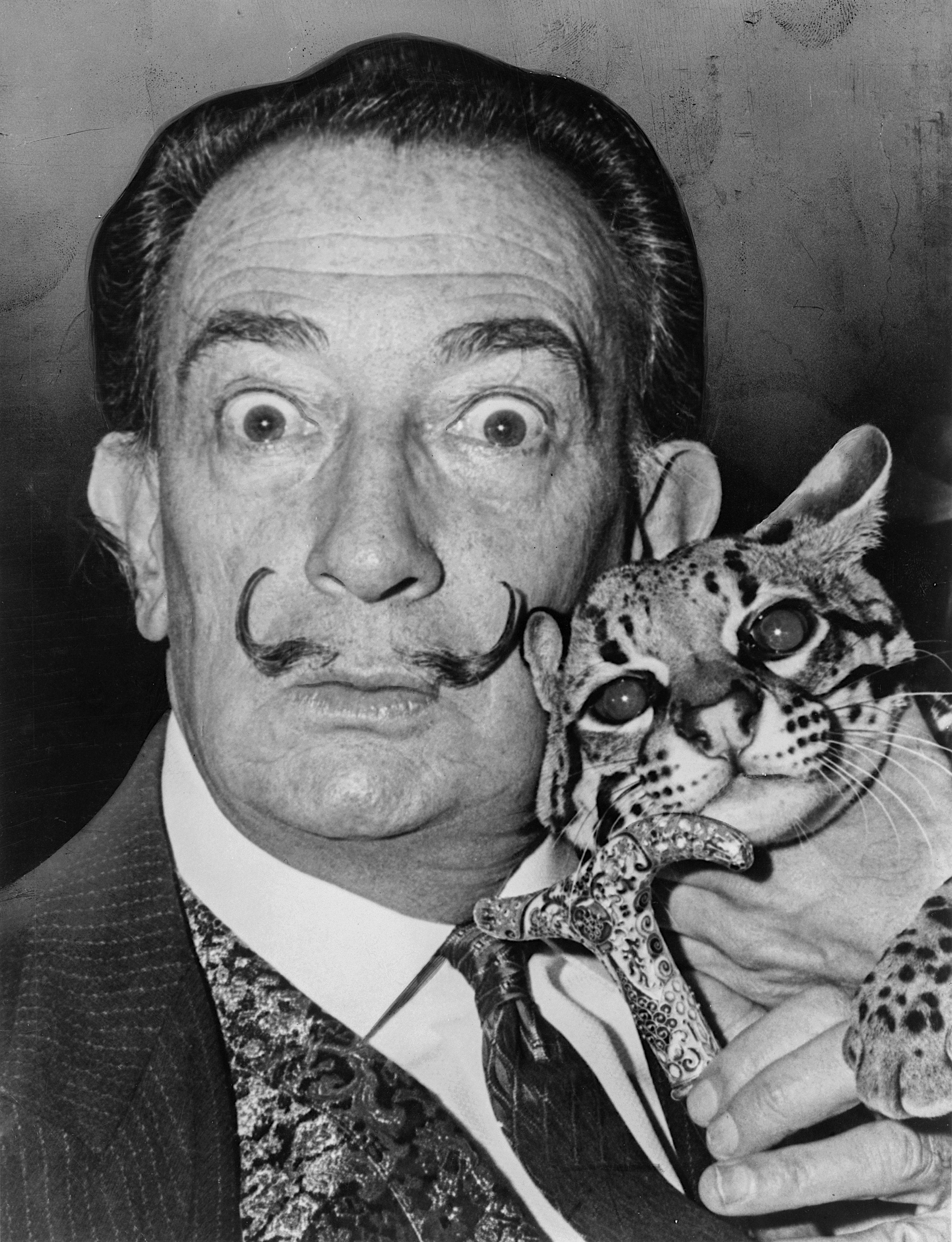
As a child growing up in Catalonia, he was bullied by boys his own age. As well as calling him names, they would throw grasshoppers at him. This had a profound and long-lasting effect. From an early age, Dali suffered from an acute phobia of grasshoppers. Even as an older man, just the sound of the insects was enough to make him tremble, as several of his contemporaries observed.
According to the Smithsonian, the disorder induces “tactile hallucinations,” meaning that the victim “feels” imaginary insects crawling along his skin. The piece goes on to describe the artist’s hellish experience with the neurosis, which apparently debuted when he was alone in a hotel room and woke to the sight of what looked like a bug burrowing into his flesh. The fear even led him to attempt to remove what he believed to be a tick from his body using a razor blade. “In a frenzy I cut and cut and cut, blinded by the blood which was already streaming,” he wrote in his autobiography. “The tick finally yielded, and half-fainting, I fell to the floor in my own blood.” (The tick wasn’t actually a tick at all, but a mole.)
Alfred Hitchcock: The Master of Suspense Who Feared Eggs
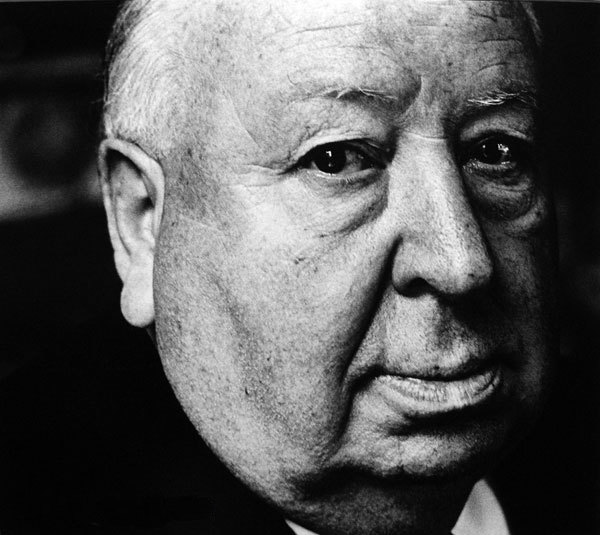
Renowned film director Alfred Hitchcock had an assortment of fears (he was profoundly disturbed by cops, in particular), but not many people know of his deep loathing of eggs. His description of this particular phobia gets deeply visceral: That white round thing without any holes… have you ever seen anything more revolting than an egg yolk breaking and spilling its contents of yellow liquid? Blood is jolly, red, by comparison. But egg yolk is yellow, revolting. I’ve never tasted it.
The director’s fear extended beyond just consuming eggs. And then I’m frightened of my own movies. I never go to see them. I don’t know how people can bear to watch my movies. This admission from the master of cinematic terror reveals the profound irony of his career: the man who frightened millions was himself constantly afraid.
Howard Hughes: Germaphobia Taken to Extremes
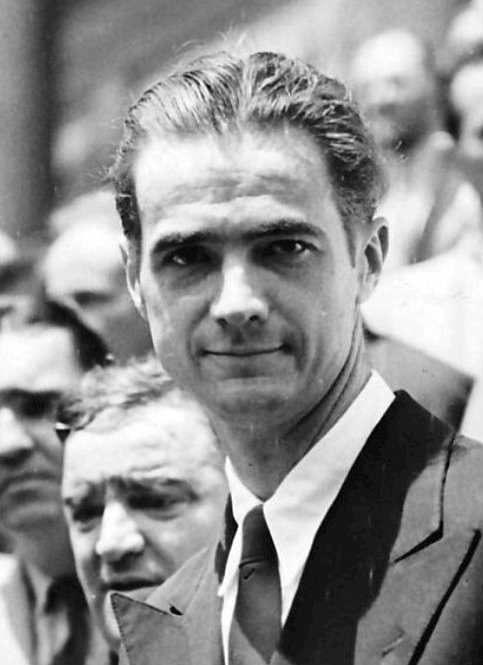
Though Hughes was mostly sane in earlier years, some reports suggest that his profound phobia of germs may have originated in childhood. His mother constantly fretted over his health… a habit that became more obsessive after he contracted polio. At one point, the young Hughes was even said to have suffered paralysis for several months.
Hughes’s paranoia affected everyone around him; he tapped his wife Ava Gardner’s phone, suspecting infidelity, and apparently “wrote a staff manual on how to open a can of peaches… including directions for removing the label, scrubbing the can down until it was bare metal, washing it again, and pouring the contents into a bowl without touching the can to the bowl.” His fear of contamination eventually consumed his entire life, transforming a brilliant aviator and filmmaker into a recluse.
Augustus Caesar: The Emperor Who Feared the Dark
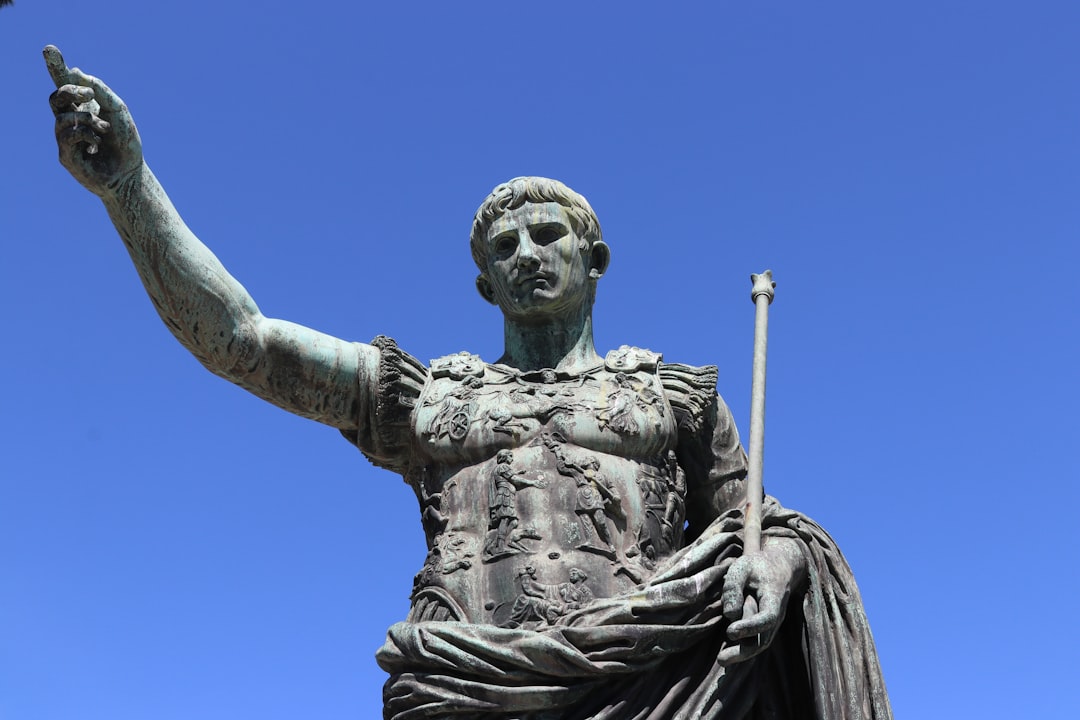
In Ancient Rome, the Emperor was all-powerful. And Augustus Caesar, the first Emperor of the Roman Empire, was only too ready to wield his power. Indeed, from 27 BC up until his death in 14 AD, Augustus ruled his vast empire with an iron fist. Yet this supreme leader harbored a secret terror.
When threatening storms approached, he would take refuge in an underground vault. He probably had a supply of candles down there, too, as some say Augustus also had a fear of sitting alone in the dark. Suetonius it isn’t clear whether Augustus Caesar had another true phobia or just a propensity for insomnia and boredom while lying awake at night. But his fear of would-be assassins was nothing compared to his fear of the dark, not to mention his fear of thunder and lightening. The emperor who conquered much of the known world couldn’t face the simple absence of light.
Genghis Khan: The Conqueror’s Three Fears
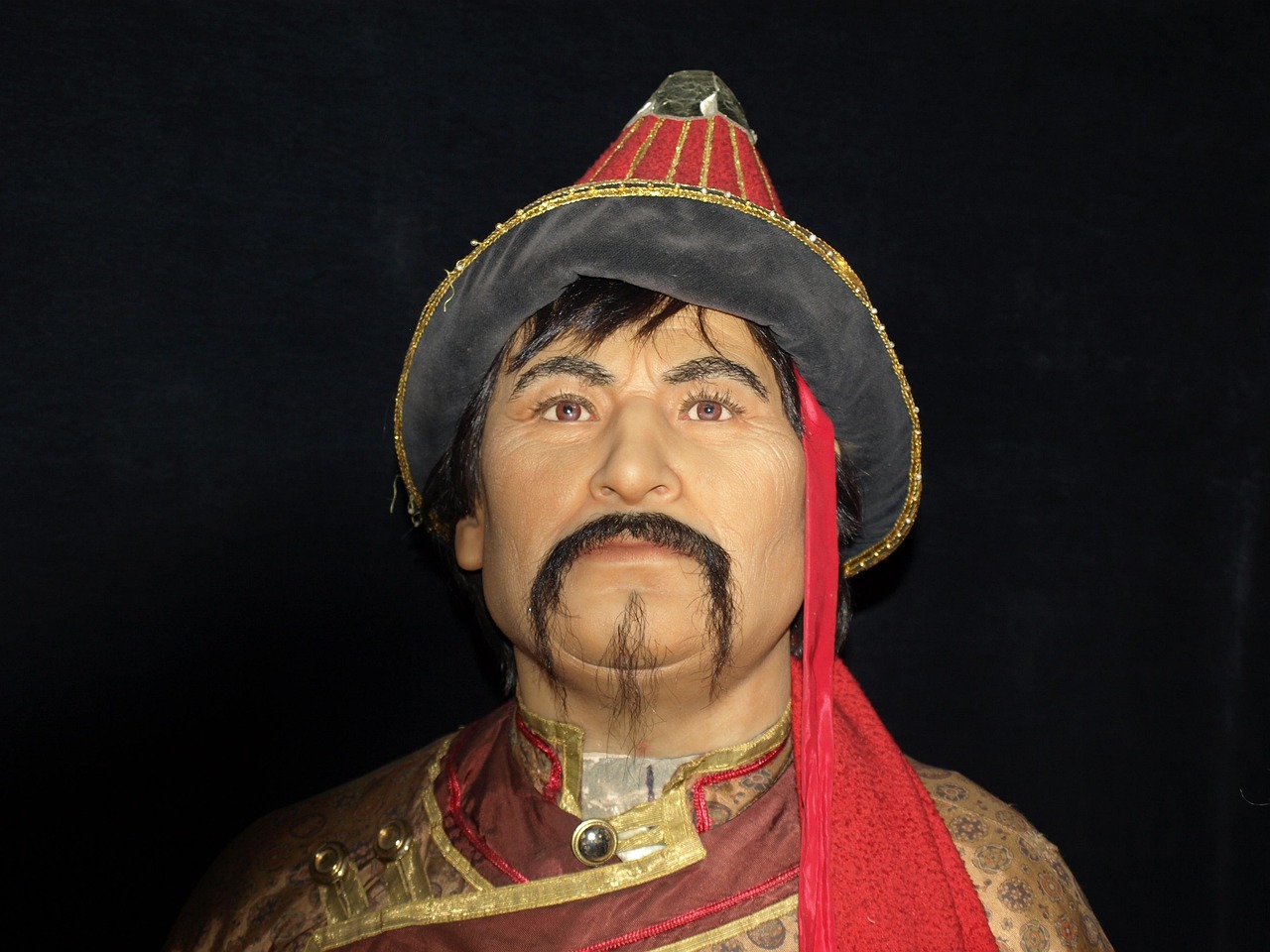
According to legend and some passages of the biographical Secret History of the Mongols, Genghis Khan feared only three things: his mother, his wife, and dogs. This revelation about the Mongol emperor who created one of history’s largest empires seems almost impossible to believe. The man who struck terror into entire civilizations was apparently afraid of domestic animals.
While historians debate the accuracy of these accounts, the fact that such stories survived suggests something genuine about Khan’s character. Even the mightiest conqueror had vulnerabilities that shaped his behavior. These fears may have influenced his military strategies and personal relationships in ways we’re only beginning to understand.
Muammar Gaddafi: Heights and Open Water
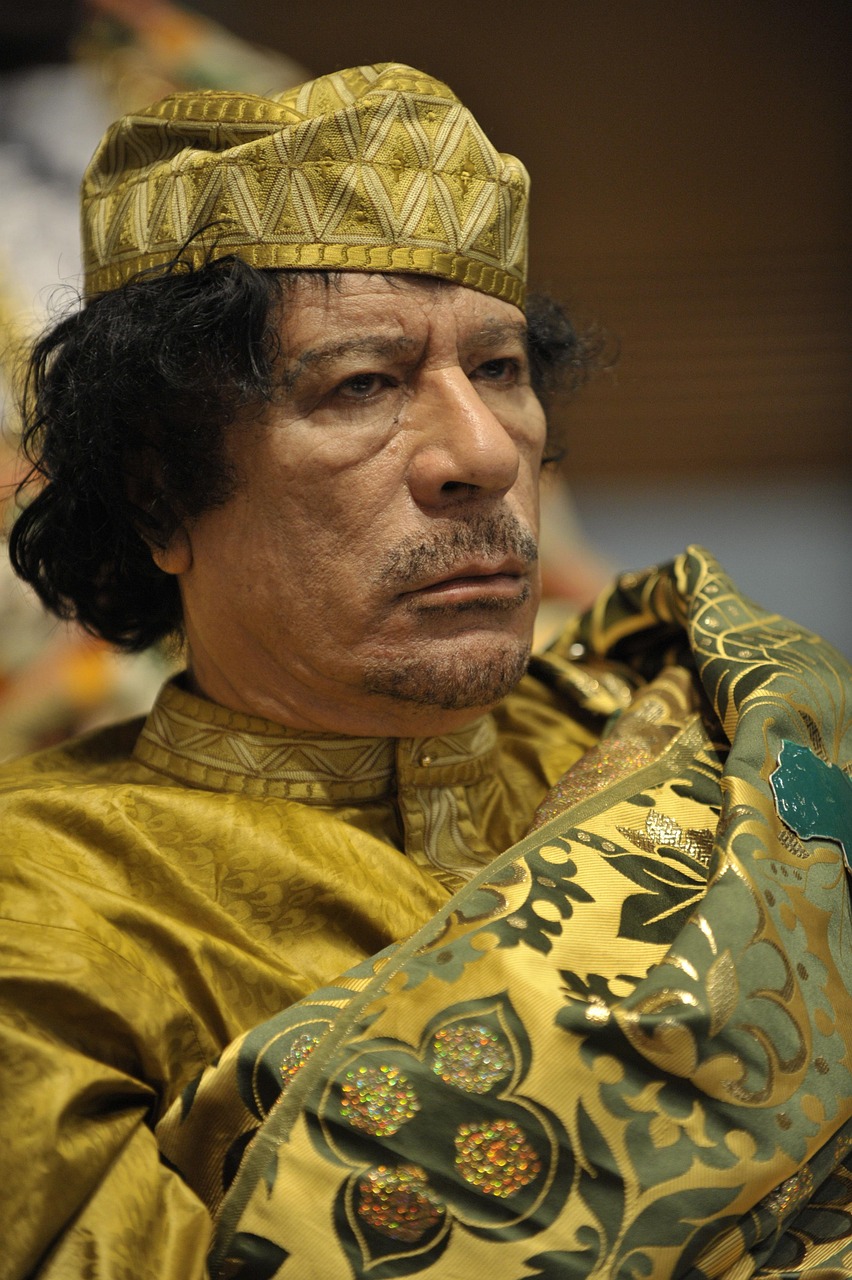
Former Libyan dictator Muammar Gadhafi was by all accounts a difficult man to work for, made worse by eccentric phobias of heights and long flights over open water. According to a cache of secret diplomatic cables released through Wikileaks, the dictator could not fly over open water for more than eight hours, causing logistical headaches for his staff. They organized alternative routes and frequent layovers to calm his nerves, stopping in Portugal during a trip to the United States and planning a layover in Newfoundland when returning to Libya from a trip to Venezuela.
United States Ambassador to Libya Gene A. Cretz claimed the leader could not climb more than 35 steps and had to stay on the first floor of any building rented for him. His dislike for staying in the upper floors of hotels drove him to prefer a New Jersey mansion strangely dubbed “Thunder Rock,” or opt to simply pitch his Bedouin tent, which showed off his cultural heritage while accommodating his limitations.
Understanding Historical Phobias in Context
Some fears are more common than others – a recent poll of American adults showed that almost one in three have a fear of snakes, with heights, spiders, and public speaking not far behind – while others might even be considered phobias. Before the era of modern medicine, the fear was not entirely irrational. Throughout history, there have been numerous cases of people being buried alive by accident.
These historical cases remind us that fear doesn’t discriminate based on status or achievement. Fear is a basic human emotion we all experience, and the great leaders of the past were no exception. These historical figures had strange and specific fears in their lifetimes that often conflict with the air of fearlessness with which they’re portrayed in history books. Their phobias humanize these larger-than-life figures and show that even the most powerful people in history struggled with very human anxieties.
These documented fears reveal something profound about human nature. Power, talent, and historical significance cannot shield us from our deepest anxieties. The next time you feel embarrassed about an irrational fear, remember that presidents, emperors, and artistic geniuses have walked the same path. What unusual phobia do you think might be hiding in plain sight among today’s famous figures?
Why Powerful Leaders Develop Unexpected Fears
There’s actually a fascinating psychological explanation for why so many influential figures developed these seemingly random phobias. Psychologists now understand that people in positions of extreme power often experience what’s called ‘control anxiety’ – when you’re used to controlling everything around you, the things you can’t control become absolutely terrifying. Think about it: if you’re ruling an empire or creating groundbreaking art, you’ve mastered your domain, but suddenly a harmless egg or a flickering light represents something beyond your influence. The brain doesn’t like that disconnect. What’s even more interesting is that trauma plays a huge role in shaping these fears. FDR’s fire phobia didn’t come from nowhere – it developed after a specific traumatic incident that burned itself into his memory. Modern neuroscience shows that our brains are actually wired to remember threatening experiences with incredible detail, which is why a single bad experience can create a lifelong fear. The amygdala, our brain’s fear center, doesn’t care if you’re a president or a peasant – it responds the same way to perceived threats. These historical phobias weren’t signs of weakness but rather proof that even the most accomplished minds couldn’t override their brain’s most primitive survival mechanisms.