9 Nostalgic School Lunches That Defined A Generation
Nothing hits quite like the smell of cafeteria mystery meat wafting through fluorescent-lit hallways. Those institutional lunches weren’t just food – they were cultural touchstones that shaped an entire generation’s relationship with cafeteria trays, chocolate milk, and the eternal question: “Is this chicken or fish?”
These meals might not have been gourmet, but they were universal experiences that bonded kids across America. From coast to coast, students shared the same anticipation for pizza day and the same dread when they spotted fish sticks on the menu.
The Legendary Rectangular Pizza
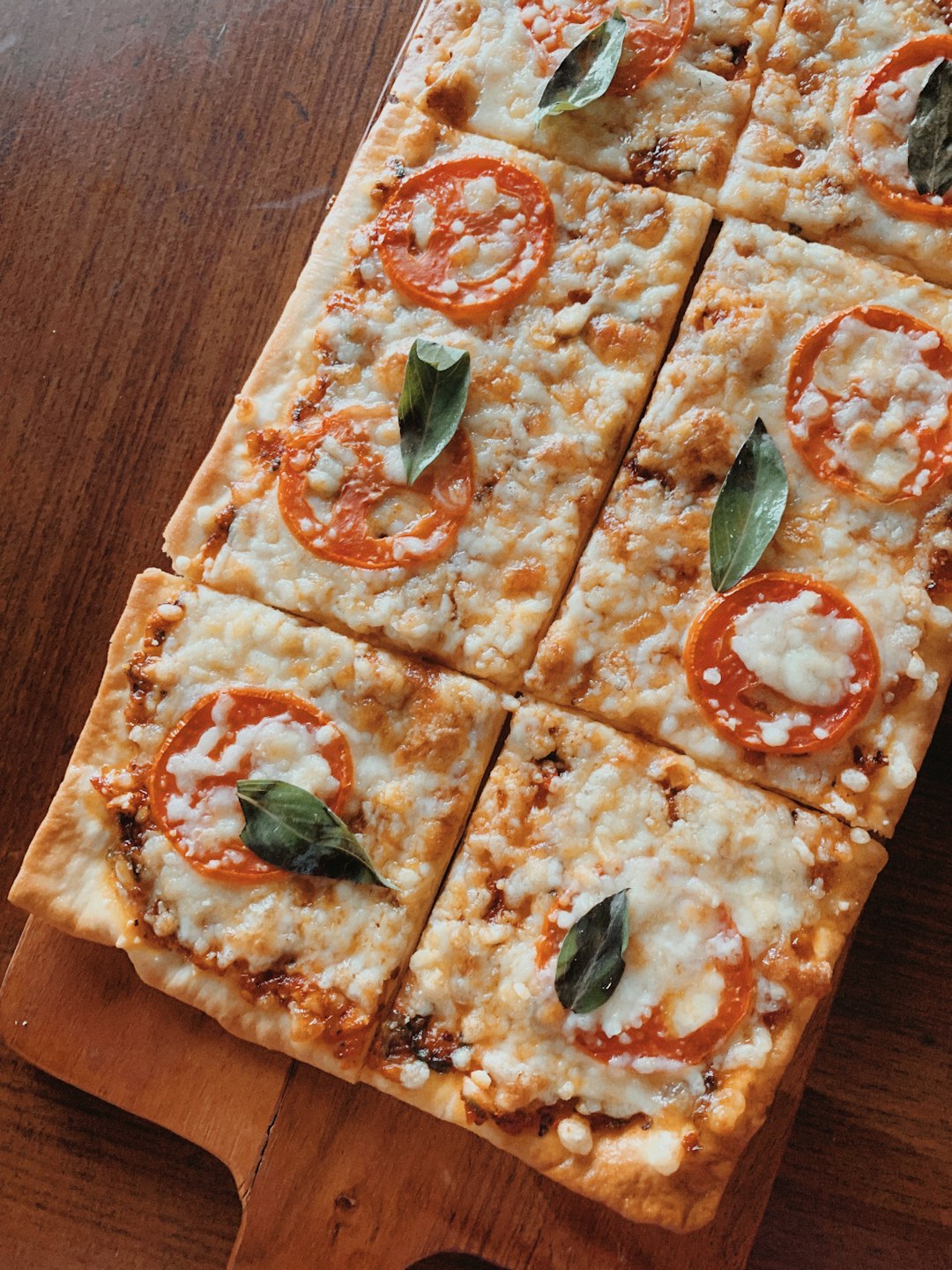
This wasn’t Neapolitan-style pizza – it was a cafeteria staple that mimicked fast food favorites. One bite of this pizza brought back a flood of memories, and it’s almost exactly how students remember it from middle school. The rectangular shape wasn’t just quirky – it was practical for serving hundreds of students at once in large sheet pans. A single serving could offer 700-1000mg of sodium, nearly half of a child’s daily limit, with the Healthy, Hunger-Free Kids Act of 2010 eventually requiring whole-grain crusts.
Tater Tots: The Golden Cylinders of Joy
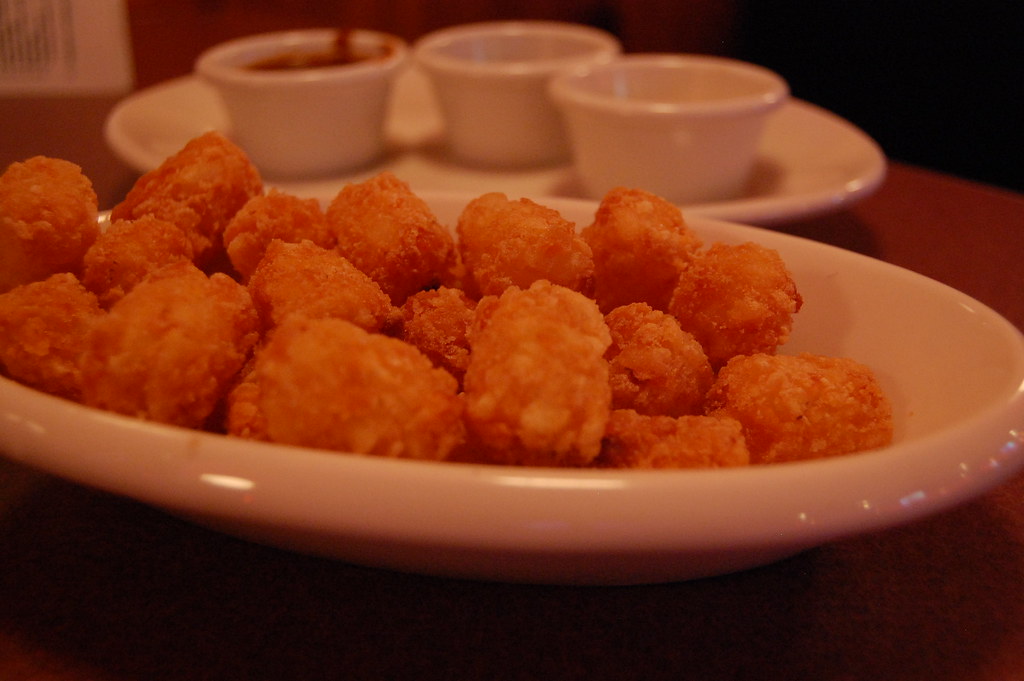
Introduced by Ore-Ida in the 1950s as an affordable side dish, their low cost and easy preparation made them popular in school cafeterias nationwide, becoming a common feature in American school lunches by the 1960s. These crispy nuggets were invented in 1953 when Ore-Ida founders were trying to figure out what to do with leftover potato slivers from french fry production. The genius was turning waste into one of America’s most beloved school lunch staples. Today, Americans consume millions of pounds of Tater Tots annually.
Chicken Nuggets: The Processed Protein Revolution

Before they became “whole-grain breaded” or “white meat,” chicken nuggets were a blend of mechanically deboned chicken bits, extenders, and thick oily breading – a creation of the 1980s fast-food universe. These weren’t the premium nuggets you’d find at upscale restaurants today. They were cafeteria workhorses, designed to feed masses of hungry kids efficiently and affordably. Federal guidelines now require them to be composed of whole muscle meat with whole grain-enriched breading, but the nostalgic memory remains unchanged for those who grew up with the original versions.
Chocolate Milk: Liquid Dessert in Disguise
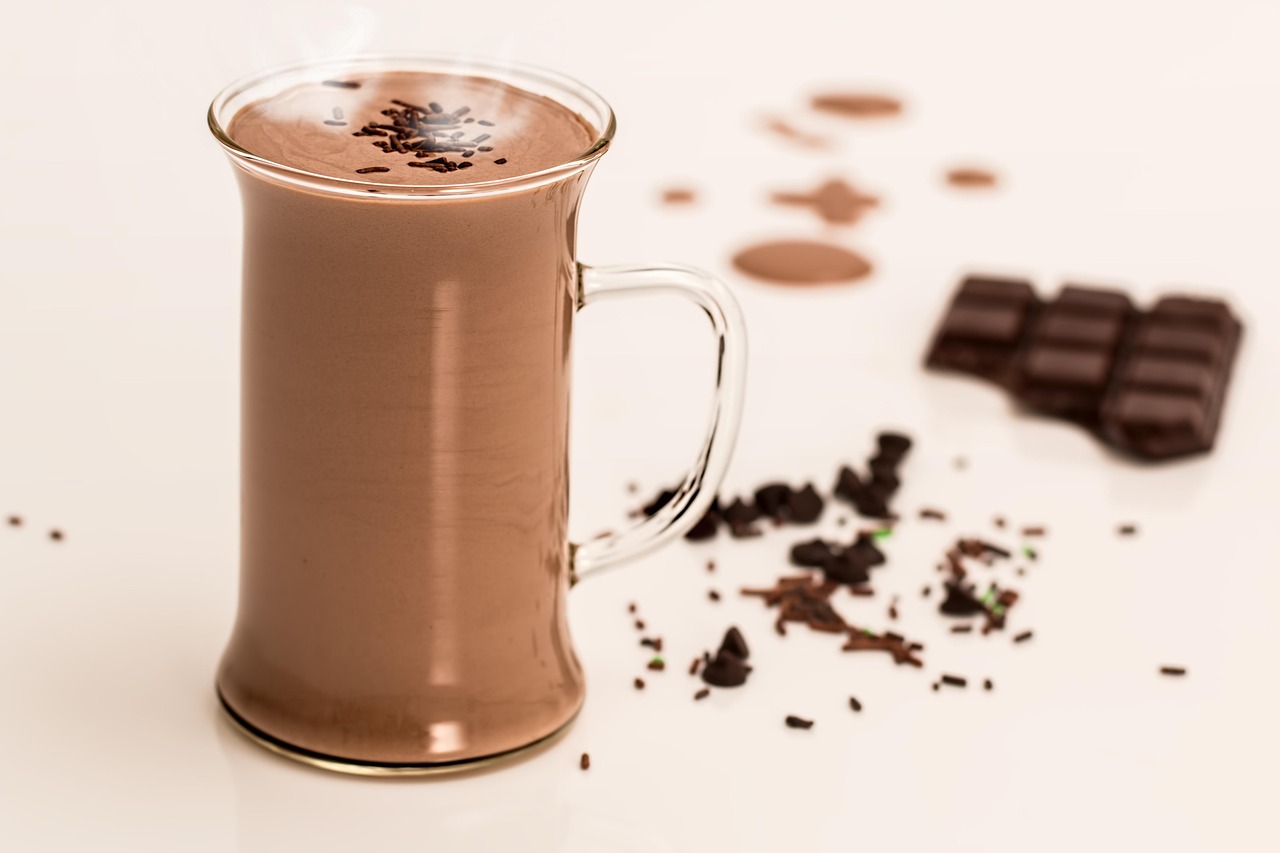
Chocolate milk was essentially a liquid dessert before the nutritional crackdown, often containing as much sugar as a can of soda – with some varieties reaching up to 28 grams of sugar per 8-ounce serving. The USDA had identified flavored milk as the most significant source of added sugars in school lunches. For many students, it was the highlight of lunch – that thick, sweet reward that made even the most questionable entrées palatable. While the final rule issued in 2024 allowed flavored milk to remain in cafeterias, beginning in the 2025–2026 school year, an 8-ounce serving cannot contain more than 10 grams of added sugar.
Sloppy Joes: The Messy Midwest Marvel
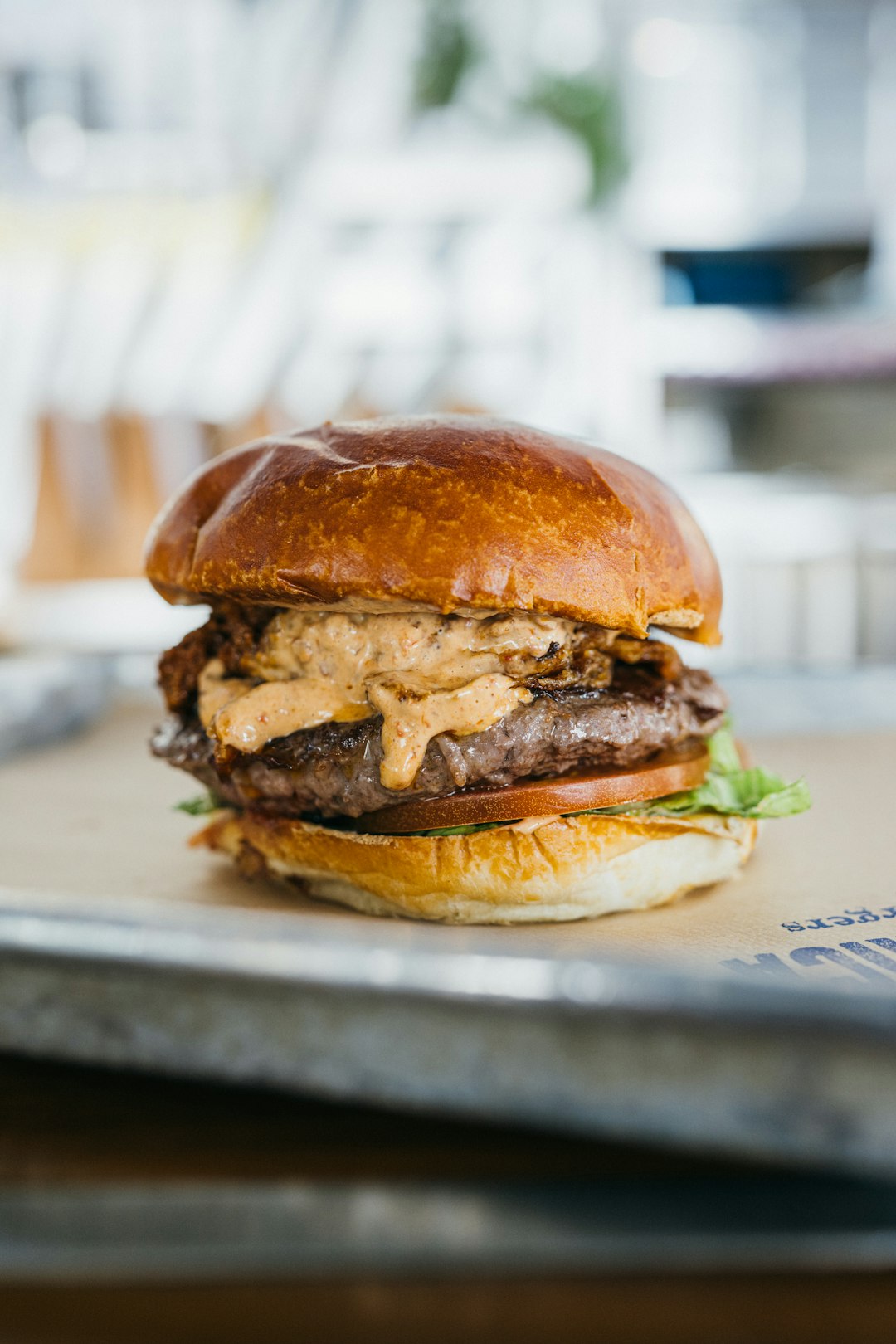
From the beloved sloppy joes in the Midwest to iconic dishes that became staples of school lunchrooms across America, these sauce-laden sandwiches were pure chaos on a bun. The sweet tomato-based sauce would inevitably drip everywhere, turning lunch into both a meal and a cleanup challenge. They represented everything wonderful and terrible about cafeteria food – messy, unpredictable, but somehow satisfying in their complete lack of sophistication. Every bite was a gamble between perfectly sauced meat and a shirt-staining disaster.
Fish Sticks: The Friday Mystery

Whether they were actually fish remained one of cafeteria life’s greatest mysteries. These breaded rectangles arrived frozen and emerged from industrial ovens with the texture of cardboard and the flavor of… well, that was debatable. Fish stick day was either a blessing or a curse, depending on your tolerance for processed seafood of questionable origin. They came with a side of tartar sauce that was usually more mayo than anything else, and somehow that combination became comfort food for an entire generation of students.
Corn Dogs: State Fair Meets School Lunch

The corn dog brought carnival vibes to institutional dining, transforming the humble hot dog into something that felt almost festive. That thick cornmeal coating provided textural contrast to the mystery meat within, while the stick made it feel like a special occasion. These weren’t your state fair corn dogs – they were cafeteria versions that prioritized efficiency over flavor. Yet something about eating lunch food on a stick made even the most mundane Tuesday feel a little more exciting, especially when paired with mustard packets that never seemed to open properly.
Green Bean Casserole: The Vegetable Compromise
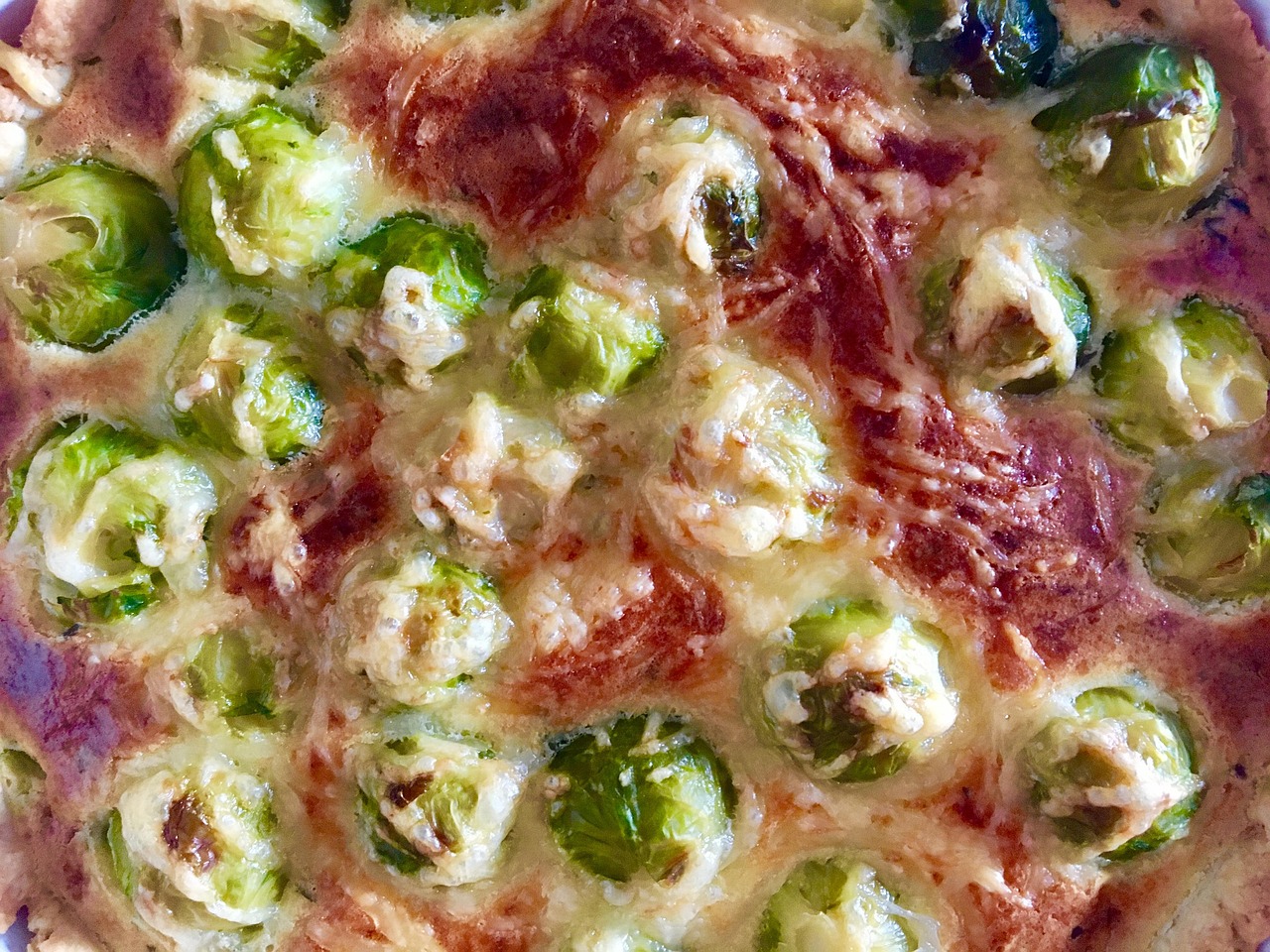
Traditional fruit cocktail in heavy syrup could add 15-20 grams of sugar to a meal, while 2012 regulations required schools to serve fruit in water or light syrup. Green bean casserole represented the cafeteria’s attempt to sneak vegetables into lunch trays through creative camouflage. Those limp green beans swimming in cream-of-mushroom soup and topped with crispy onions were barely recognizable as vegetables anymore. The dish achieved the impossible – making vegetables somehow less healthy while technically still counting as a vegetable serving. It was nutritional theater at its finest, satisfying requirements while delivering maximum comfort food appeal.
Fruit Cocktail: The Syrupy Sweet Finale
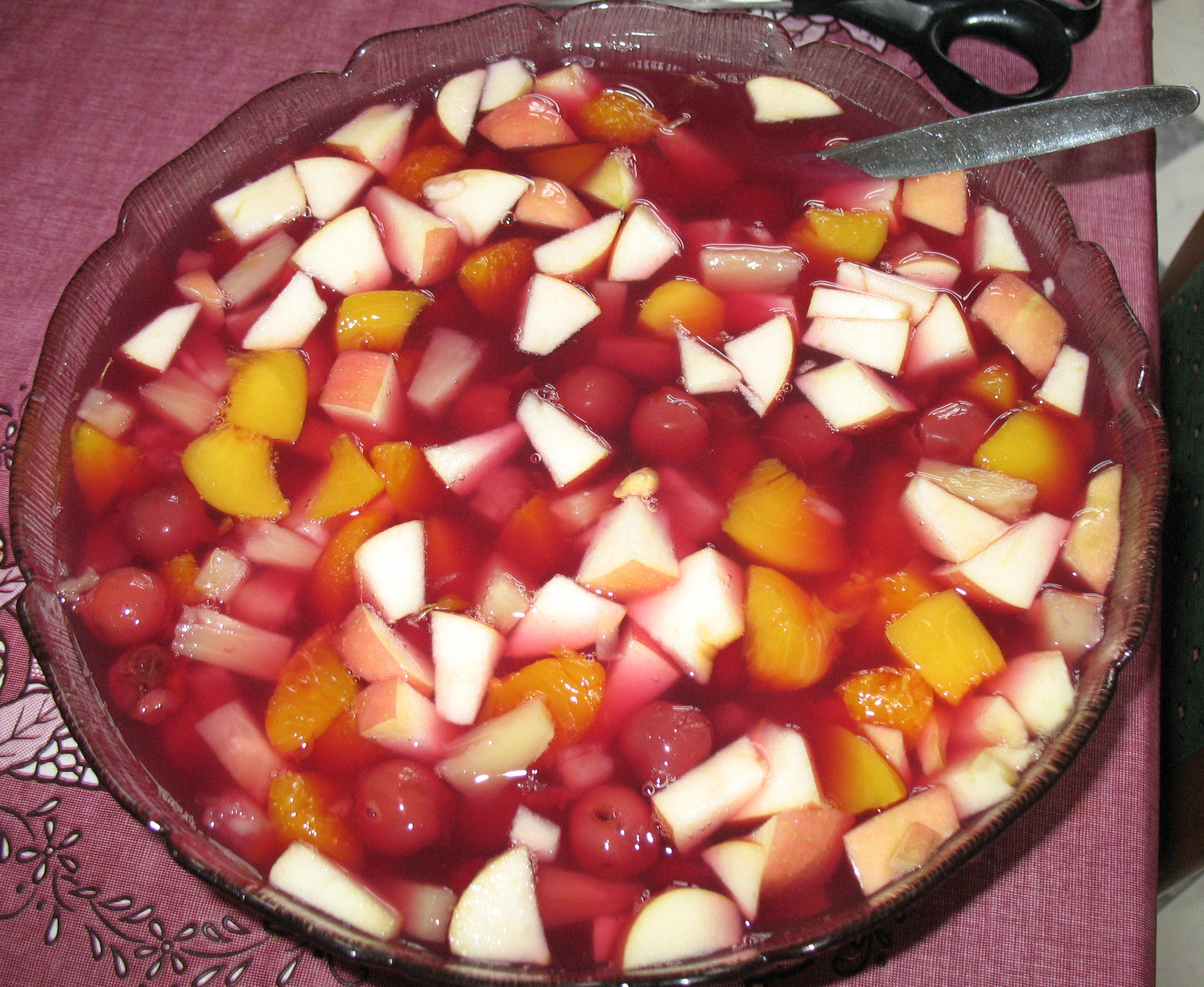
Once considered a wholesome dessert alternative, fruit cocktail in heavy syrup could add 15-20 grams of sugar to a meal, but has been replaced almost entirely with fresh fruit or fruit packed in its own juice. Those perfectly uniform cubes of pears, peaches, and mysterious red things (cherries?) floated in sugary syrup that was sweeter than most desserts. The heavy syrup transformed what should have been healthy fruit into candy disguised as nutrition. The new 2024 sugar limits make fruit cocktail in heavy syrup an impossibility on modern school menus, but for those who experienced it, that artificial sweetness remains a defining taste of childhood lunch periods.
These cafeteria classics weren’t just food – they were shared cultural experiences that bonded students across decades and geography. While modern school lunch programs focus on healthier options, the memories of these nostalgic meals continue to define what comfort food means for an entire generation. What do you think about these lunch memories? Tell us in the comments.