9 Well-Known Historical Figures Who Had Unusual Phobias, Biographers Say
You might think the most powerful rulers, brilliant artists, and influential minds of history were fearless. Yet behind their achievements and commanding presence often lurked strange, sometimes debilitating fears. These anxieties shaped their daily routines, influenced their decisions, and revealed a deeply human side that history books rarely capture.
Franklin D. Roosevelt’s Intense Fear of Fire
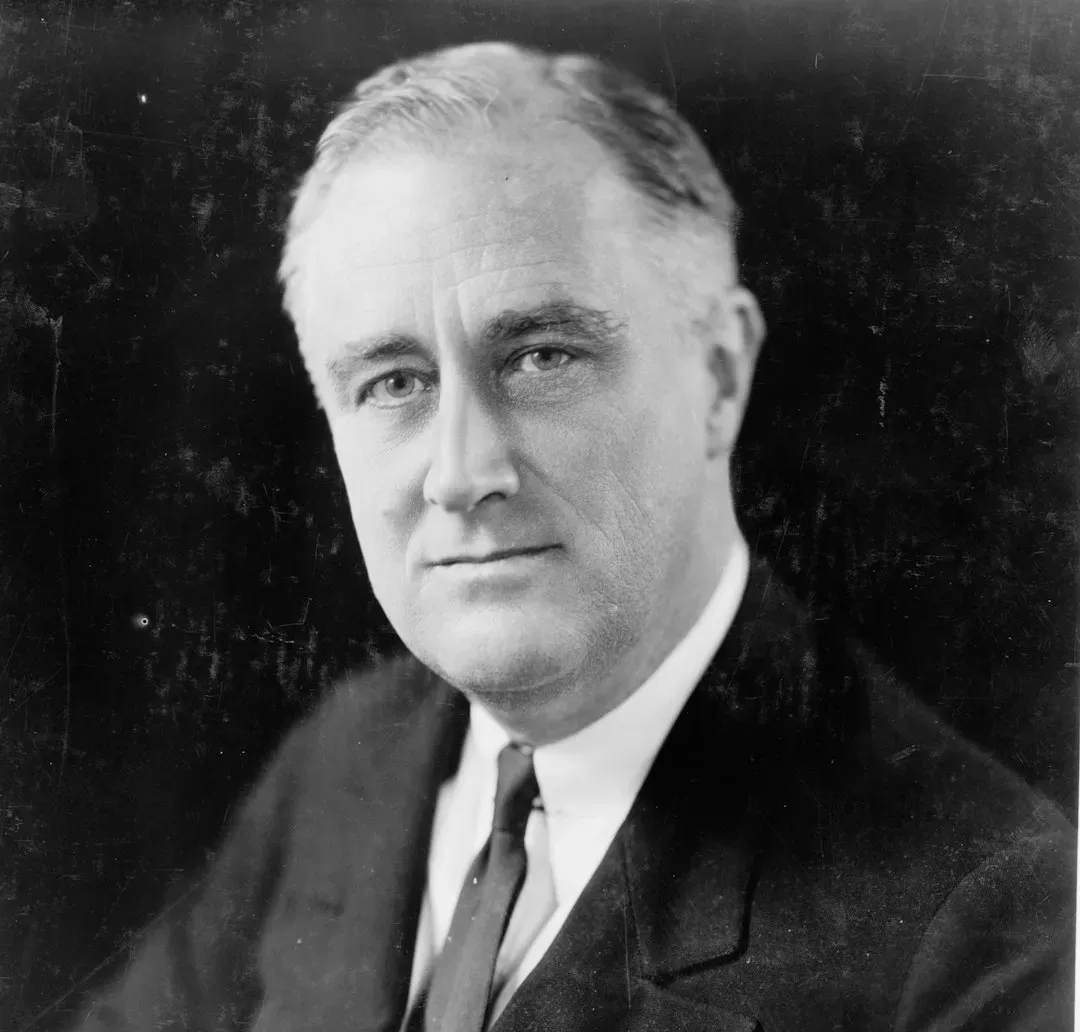
Roosevelt was afraid of fire and the number 13, so much so that he sometimes refused to travel on Friday the 13th. His fear likely stemmed from his childhood, when he witnessed his young, screaming aunt Laura running down the stairs with her dress ablaze from a spilled alcohol lamp. The trauma never left him. The President’s Secret Service agents revealed that he refused to lock his doors at night, fearful that a locked door would prevent him from getting out if there was a fire. Even when confined to a wheelchair as his polio worsened, he routinely practiced crawling to escape routes.
Hans Christian Andersen’s Fear of Being Buried Alive
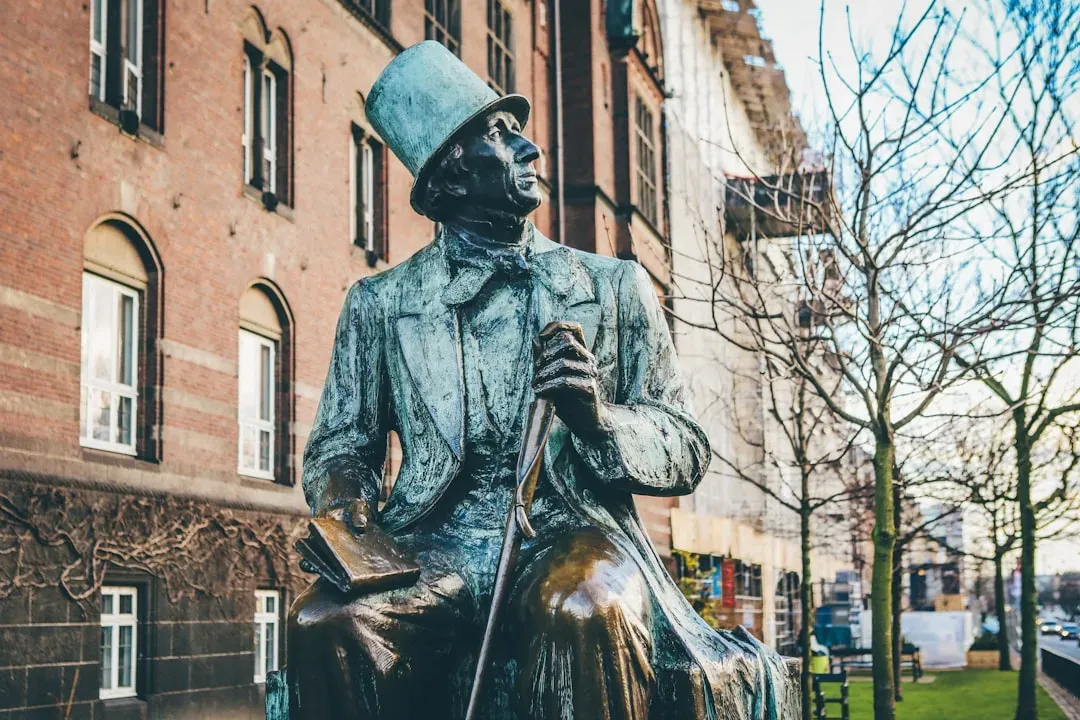
The author of The Little Mermaid was apparently afraid of fire and dogs and also suffered from taphephobia, otherwise known as the fear of being buried alive. This particular terror consumed him throughout his life. According to his biographer, the author kept a note on or near him at all times which read, “I only appear to be dead.” In his last days, he even begged his friends to cut his veins and bleed him out after his passing to ensure that he’d really bitten the dust. The fairy tale master had anxieties that rivaled the darkness of his own stories.
Salvador Dalí’s Dread of Grasshoppers

As a child growing up in Catalonia, he was bullied by boys his own age who would throw grasshoppers at him, which had a profound and long-lasting effect. The art of Salvador Dalí explored a wide range of strange imagery, influenced by his fears including a dread of insects. Rather than hiding from this fear, he used it to fuel his art. According to scholars, Dali used grasshoppers to signify decay and destruction, often painting the insects larger-than-life, exaggerating their legs and mouths.
Genghis Khan’s Surprising Fear of Dogs
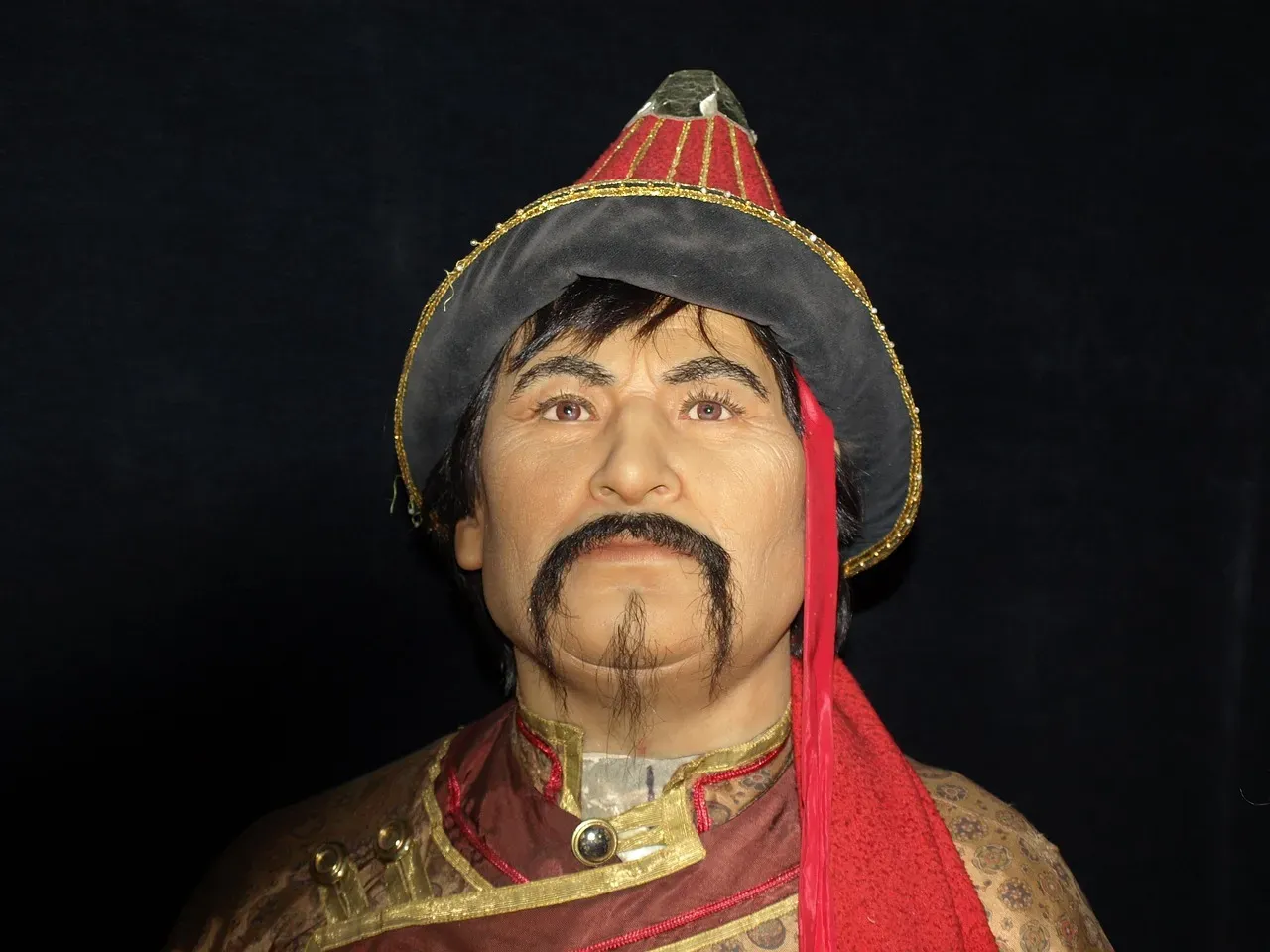
Here’s something unexpected. The most feared conqueror in history, the man who built an empire stretching across continents, was afraid of dogs. According to the 2004 biography Genghis Khan: Life, Death, and Resurrection, the detail appeared in the 13th-century book The Secret History of the Mongols; when the future warlord’s father left him with the family he hoped Genghis would marry into, he asked them to make sure they had control of their dogs because his son was afraid of them. Mongolian dogs were bred to be large and vicious, notorious for attacking and ripping apart unwary travelers. So perhaps his caution made sense after all.
Napoleon Bonaparte’s Obsession with Open Doors
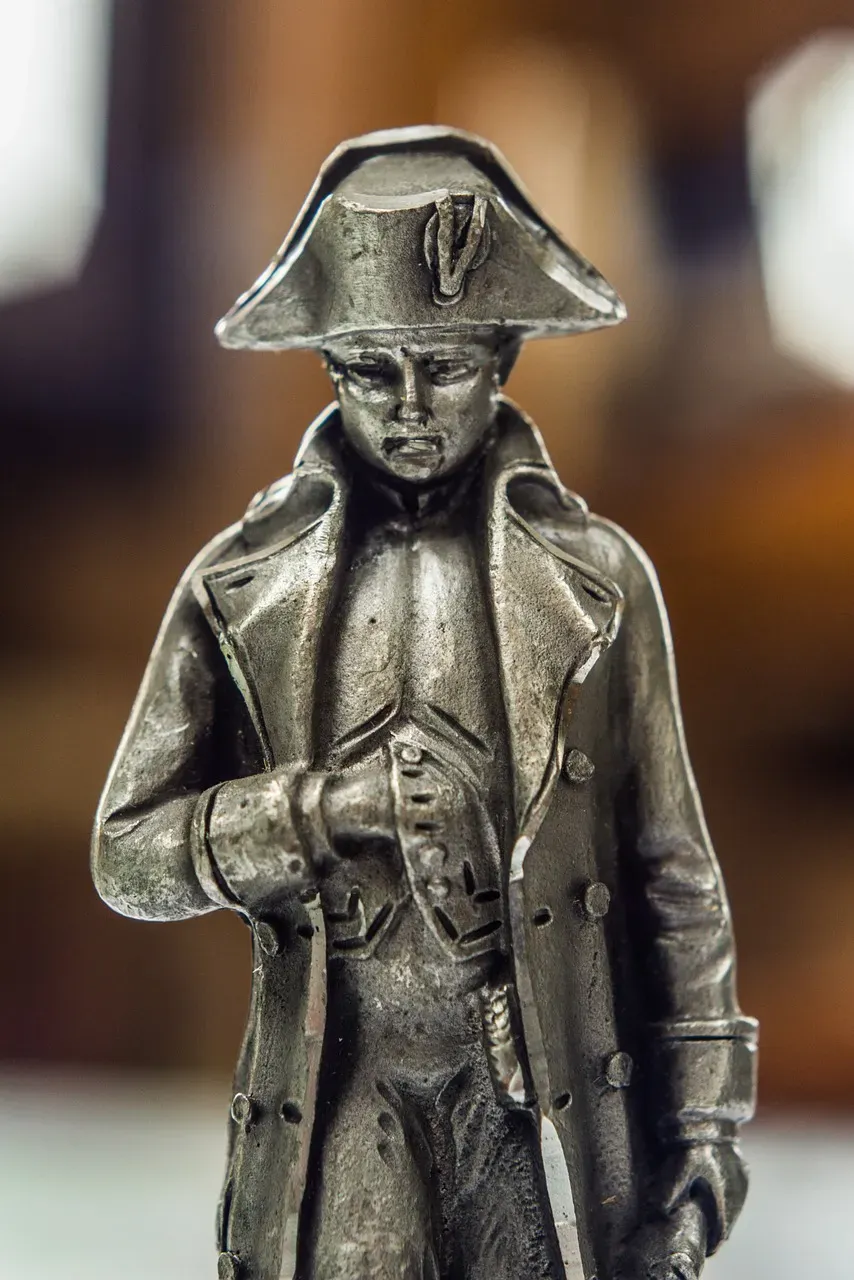
Napoleon Bonaparte established a fearless image as a military leader, but in private he suffered from his own anxieties including a fear of open doors, according to the National Gallery of Victoria exhibit “Napoleon: Revolution to Empire.” Anyone who would come to see Napoleon had to make sure they shut the door behind them, as Napoleon was absolutely terrified of open doors and could not concentrate if one was open. This fear is believed to have developed from his experiences during the French Revolution, where he faced assassination attempts and plots against him, and he often preferred doors to be closed and guarded.
Alfred Hitchcock’s Loathing of Eggs
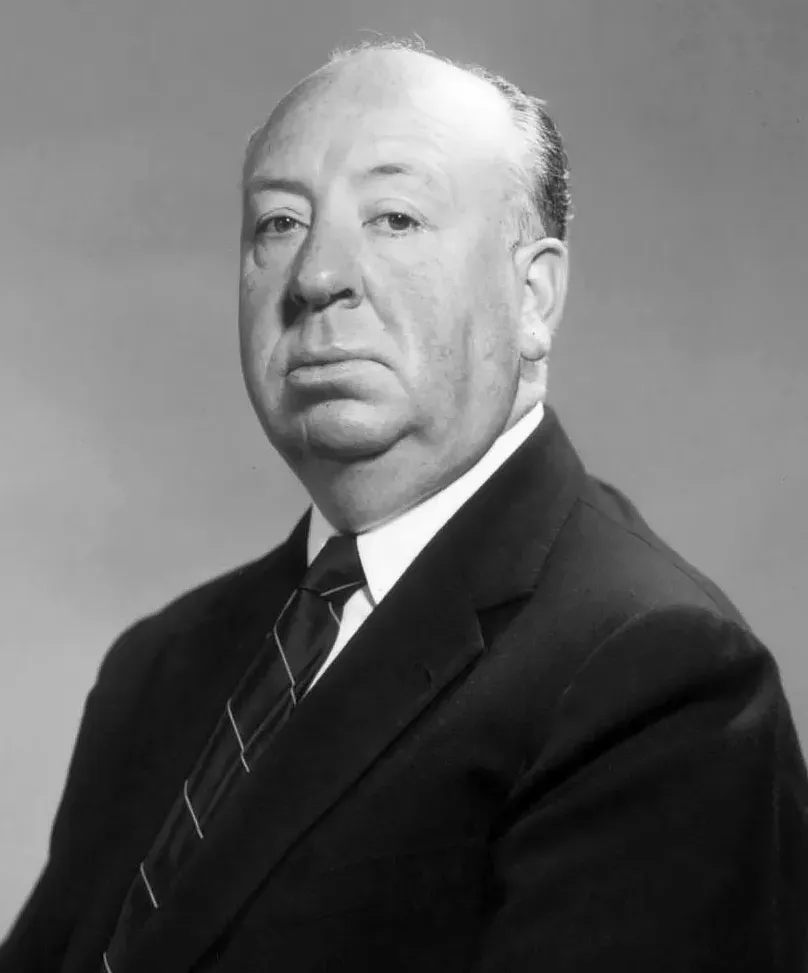
Renowned film director Alfred Hitchcock had an assortment of fears, but not many people know of his deep loathing of eggs. This phobia wasn’t just discomfort. It bordered on visceral disgust. Hitchcock openly said he hated eggs, and told interviewers in the 1960s that a broken yolk looked “revolting.” The man who crafted some of cinema’s most chilling scenes couldn’t handle breakfast. He reportedly never tasted egg yolk and became deeply uncomfortable around eggs of any kind.
Adolf Hitler’s Fear of Dentists
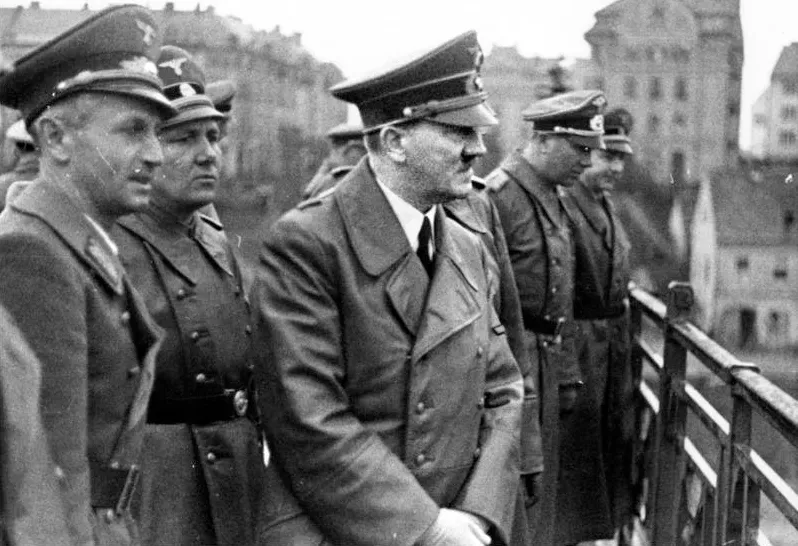
In 2009, a book called Dentist of the Devil detailed the career of Dr. Hugo Blaschke, who worked as Hitler’s dentist for nearly 20 years, and Hitler allegedly suffered from a range of oral health problems due to his fear of the dentist. Despite his poor oral health, the Fuhrer would only agree to see his dentist if he was in acute pain such was his fear. Hitler needed eight separate trips to the dentist for one root canal treatment alone. This phobia left him in constant discomfort and likely contributed to the dictator’s notoriously foul moods.
Augustus Caesar’s Terror of Thunder and Lightning
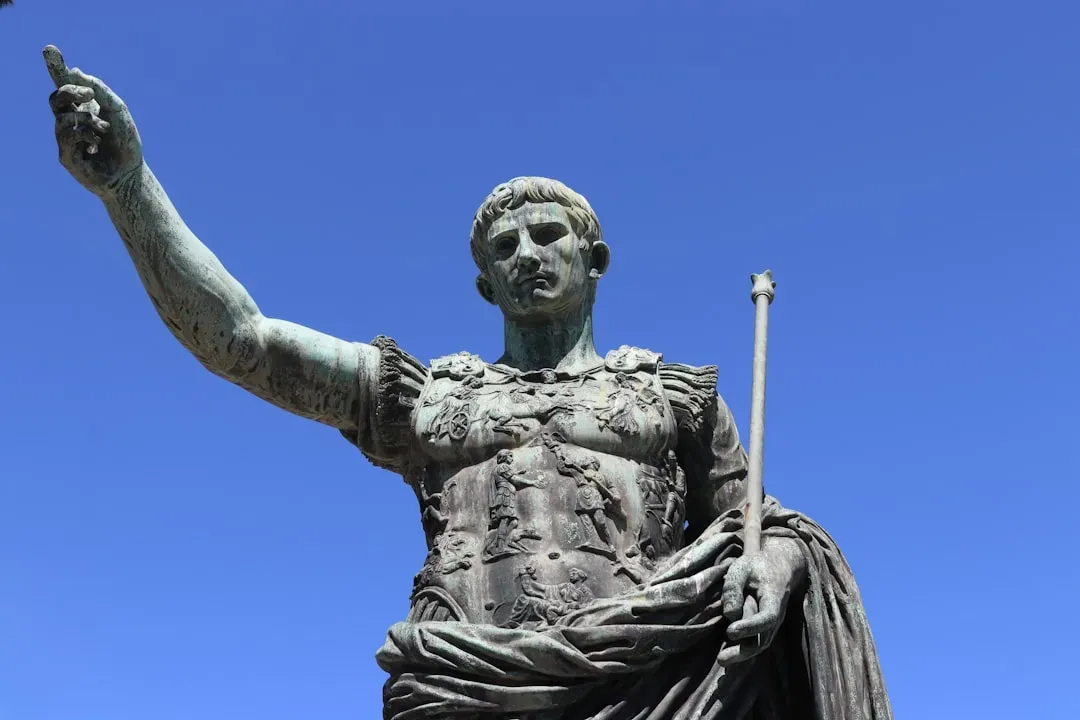
According to Roman historian Suetonius, the founder of the Roman Empire was afraid of thunder and lightning after narrowly escaping a bolt of lightning that struck nearby during the Cantabrian campaign, scorching his litter and killing a slave. Suetonius claims Augustus always carried a piece of seal skin as an amulet for protection, and when threatening storms approached, he would take refuge in an underground vault. The most powerful man in the Roman Empire, cowering from storms.
Sigmund Freud’s Anxiety About Train Travel
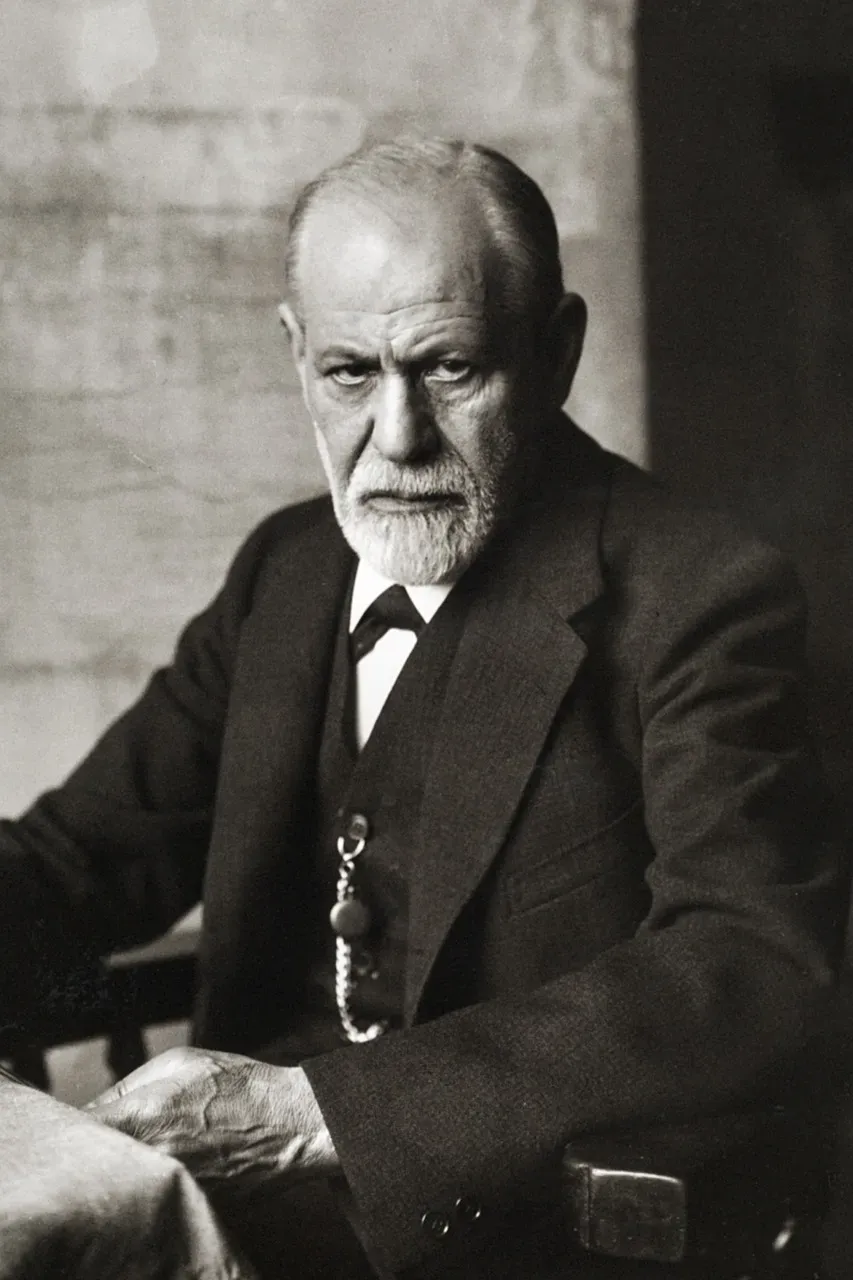
Ironically, the father of psychoanalysis who studied phobias extensively had his own transportation fear. Freud himself was suffering a kind of train anxiety, as he confessed in a number of letters. Freud himself never managed to cure his train phobia. The man who built an entire field around understanding the unconscious mind couldn’t quite conquer his own irrational dread of railway travel. It’s a reminder that even those who study the mind aren’t immune to its peculiarities.
These historical giants remind us that courage doesn’t mean the absence of fear. Their phobias didn’t stop them from changing the world, leading nations, or creating masterpieces. Sometimes the most powerful thing we can do is keep moving forward despite what terrifies us. What do you think about these surprising vulnerabilities? Did any of them catch you off guard?