12 U.S. Destinations We Wouldn’t Recommend – Even to Someone We Disliked
There are places across America that draw millions of visitors each year with promises of culture, history, and adventure. Then there are others that might leave you wondering why you bothered. From crime-ridden streets to air that’s hard to breathe, these destinations come with warnings you shouldn’t ignore. Some cities have been declining for decades, while others battle environmental disasters or safety concerns that make even locals uneasy. Let’s be real, traveling should be exciting, not stressful or dangerous. So before you book your next trip, take a look at these twelve spots that might be better left off your itinerary entirely.
Memphis, Tennessee
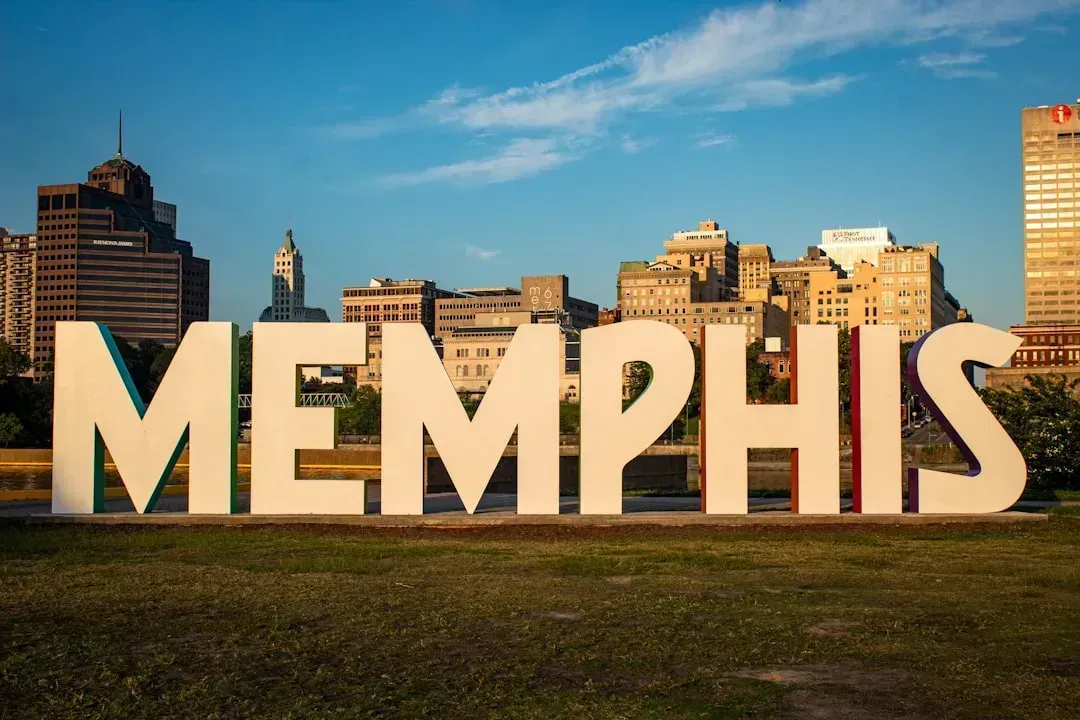
Memphis once again tops the list, with a violent crime rate nearly six times the national figure. In 2024, Memphis recorded nearly 400 homicides, surpassing much larger cities like New York City. Walking around certain neighborhoods here can feel like rolling the dice with your safety. Aggravated assaults, armed robberies, and carjackings plague the city, straining law enforcement resources, with experts attributing Memphis’ crime surge to socioeconomic disparities, rampant gang violence, and a shortage of police officers.
Sure, Memphis has its cultural appeal with Beale Street and Elvis lore. Yet the risk factor here is impossible to dismiss, particularly after dark when violent incidents spike dramatically.
St. Louis, Missouri

St. Louis, Missouri, holds the dubious distinction of being one of the most dangerous cities in the United States, with a violent crime rate of 14.70 per 1,000 residents. This isn’t just a minor safety issue; it’s a persistent crisis that colors daily life for residents and visitors alike. Recent data shows that juvenile crime accounts for a disproportionate share of violent incidents, with relaxed firearm regulations contributing to the 85% firearm-related homicide rate.
The Gateway Arch may draw tourists, but the surrounding areas tell a different story. Property crime and violent assaults happen with alarming regularity, and many neighborhoods feel genuinely unsafe.
Detroit, Michigan
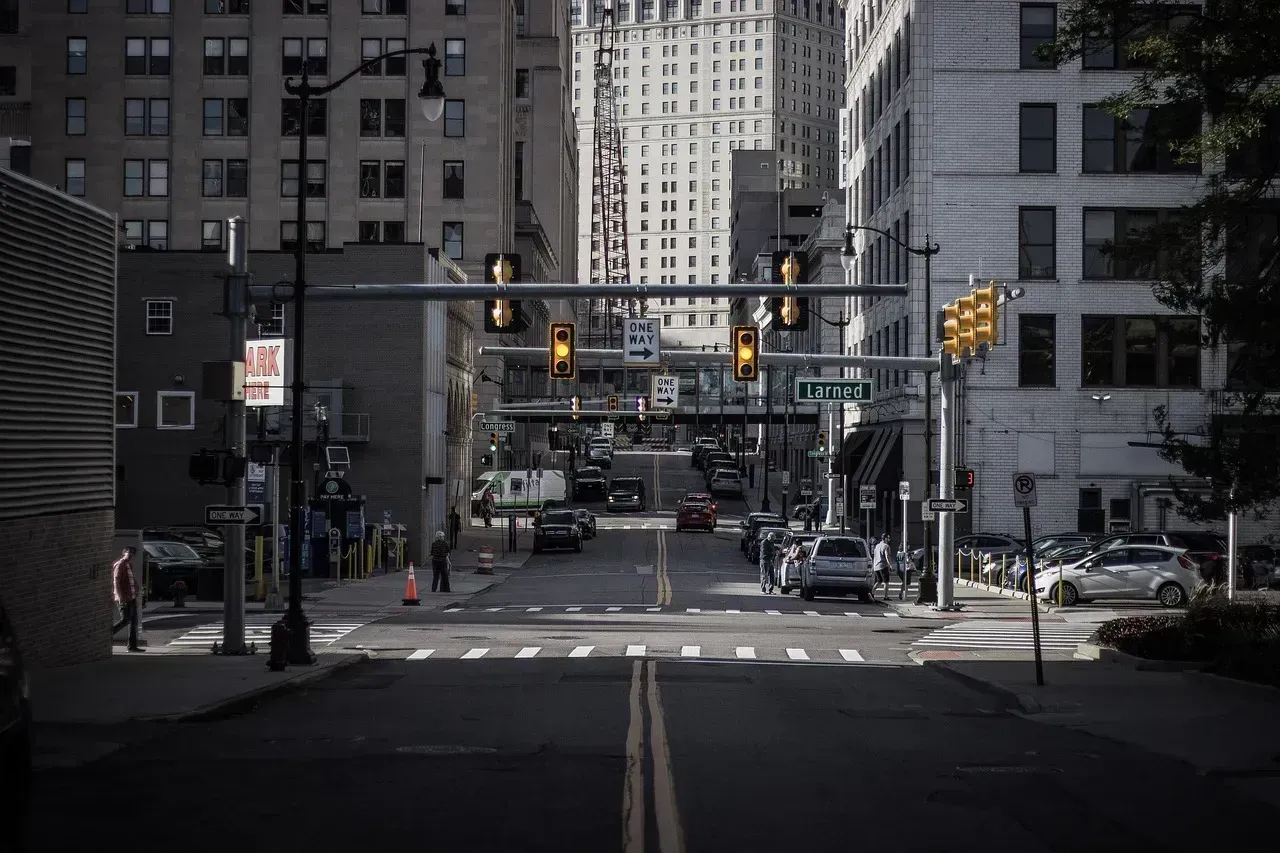
Detroit’s reputation precedes it. With one of the highest violent crime rates in the nation, Detroit consistently ranks as the most dangerous city, with high rates of violent crimes per capita, including assaults and robberies, making it a particularly risky place for residents and visitors and ultimately resulting in urban decay and rapid population decline. Out of a population of 632,464, Detroit has 6,389 crimes per 100,000, with the crime rate in Detroit 170% higher than the national average.
Honestly, certain areas of Detroit look post-apocalyptic with abandoned buildings lining entire blocks. In 2024, Detroit had its lowest number of homicides in over 50 years, which is progress, but you’re still taking a substantial risk when visiting many parts of the city.
Bakersfield, California
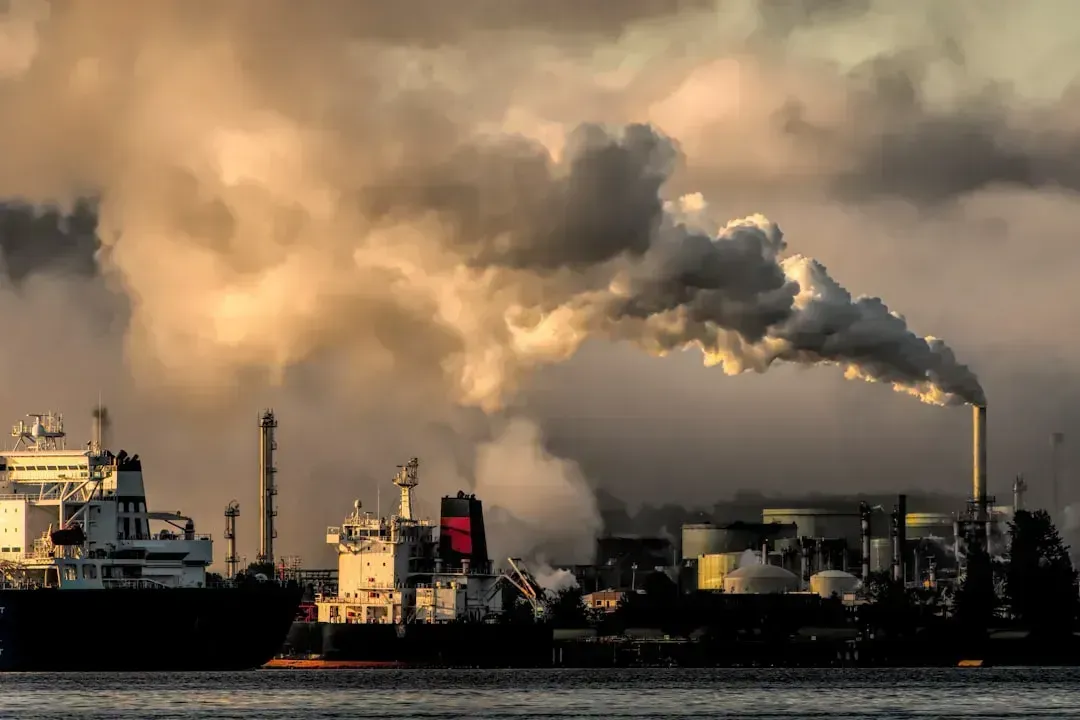
Bakersfield is located at the drier and hotter southern end of the valley, which is worse for air quality. An agricultural town in California’s Central Valley, the area around Bakersfield reported the most unhealthful air in America, surrounded by mountains that trap toxic farming chemicals, truck and train fumes, and oil-drilling exhaust. Simply breathing here can be hazardous to your health on certain days.
Environmentalists and reports have highlighted that the local air regulators have worsened the situation in Bakersfield with lax enforcement against industrial polluters. Think twice before planning a weekend here unless you enjoy headaches and respiratory problems. Air quality matters more than most people realize until they’re coughing through their vacation.
Gary, Indiana
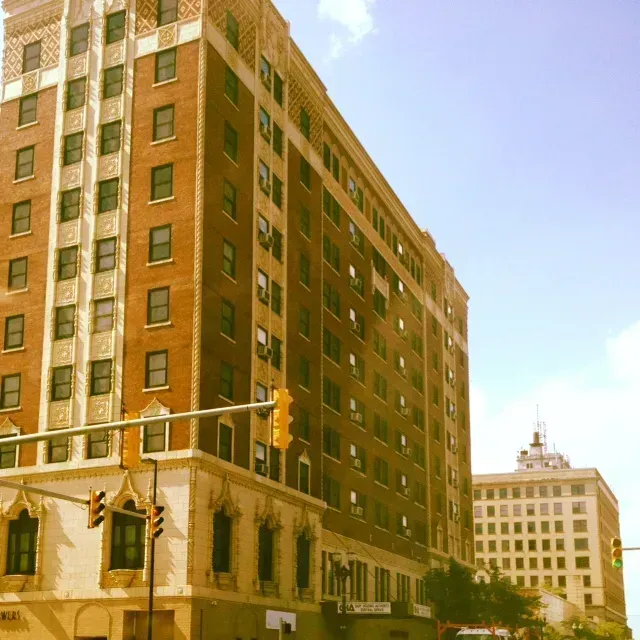
Gary is what happens when an entire city’s economy collapses and never recovers. Gary’s decline was brought on by reduced employment in the steel industry overall, which caused U.S. Steel to lay off many workers from the Gary area, with the U.S. Steel Gary Works employing over 30,000 in 1970; the workforce declined to 6,000 by 1990, and to 5,100 by August 2015. In 2016 its population was 76,424, a 57% decline that continues to increase, with an estimated one third of all homes in the city either unoccupied or abandoned.
Back in 1994-1995, Gary was ranked as the most dangerous place in the United States, with 129 murders in 1995, giving Gary the highest number of murders per capita in the country. The city resembles a ghost town with derelict structures everywhere. There’s simply nothing compelling enough here to justify the risk or the depressing scenery.
Little Rock, Arkansas

The Little Rock crime rate is 209% higher than the rest of the country, with 7,182 crimes per 100,000 residents, with the violent crime rate especially high at 1,833 crimes per 100,000 residents, which is almost 400% higher than the national average. These aren’t small differences; they’re staggering statistics that should give any traveler pause. There were 79 murders reported in 2022, which makes the murder rate 144% higher than the country overall.
The city has historical significance, particularly around civil rights history. Still, the safety concerns overshadow the cultural offerings for many visitors who feel uncomfortable walking around after sunset.
Baltimore, Maryland
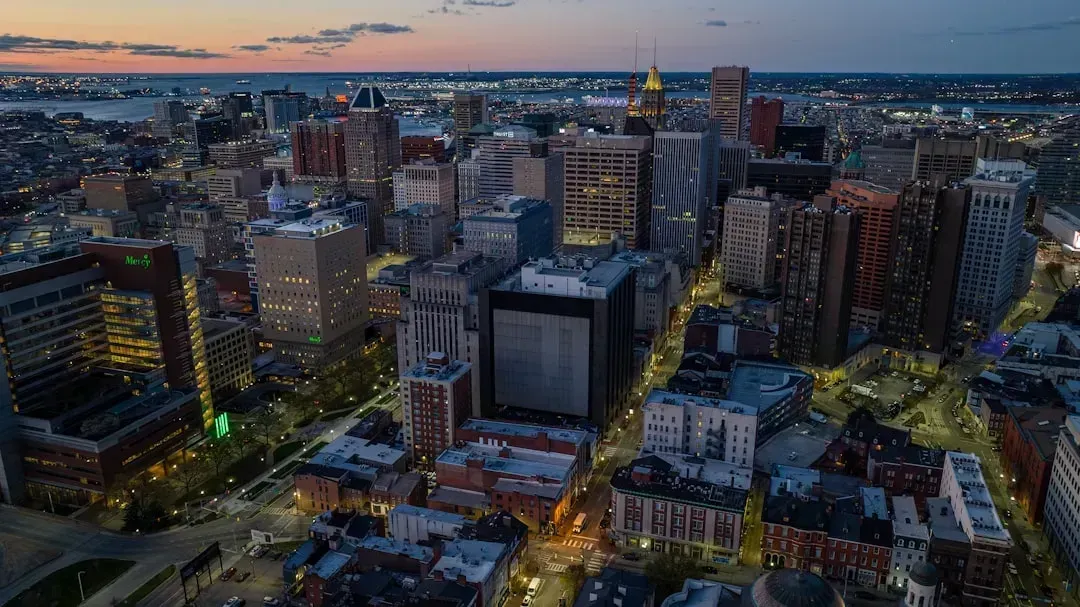
Baltimore’s reputation for violence remains unchanged as the city grapples with one of the highest per capita homicide rates in America, with over 200 homicides recorded in 2024. Drug addiction, systemic corruption, and a history of strained police-community relations contribute to the city’s ongoing struggles, with Baltimore experimenting with violence interruption programs and police reform initiatives, but success has been slow to materialize.
Baltimore has charming neighborhoods and a beautiful harbor, but the stark contrast between safe areas and dangerous ones is jarring. Like many post-industrial cities in the Rust Belt, Baltimore struggles with poverty, with the population declining and property values following suit.
Oakland, California
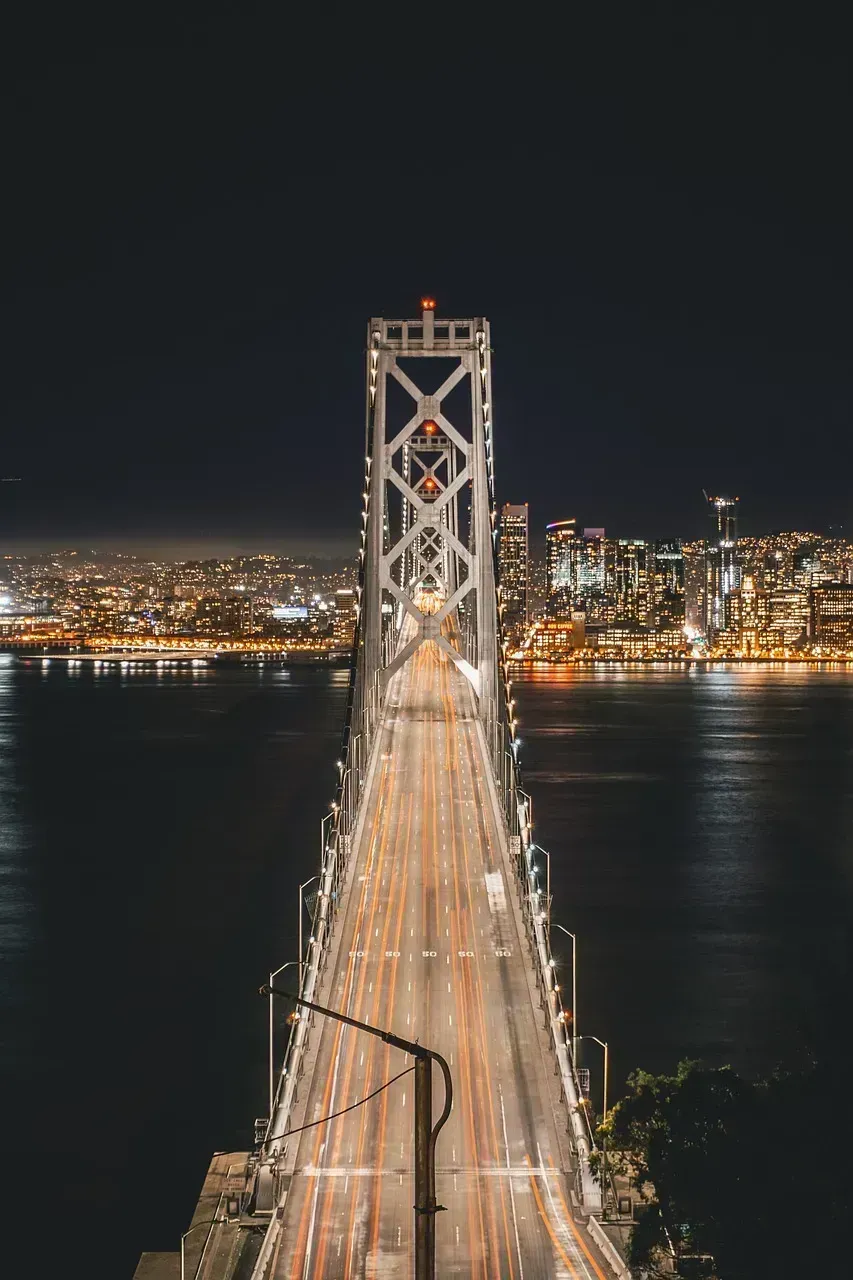
Oakland’s diverse culture and proximity to San Francisco make it an attractive destination, however, it struggles with property crimes and burglaries. The city has a reputation for car break-ins that’s almost legendary among Bay Area residents. Leave anything visible in your vehicle and you’re practically inviting someone to smash your window.
Beyond property crime, certain neighborhoods experience regular violent incidents that keep residents on edge. Oakland has wonderful food and cultural diversity, but the constant worry about safety dampens the experience significantly.
Los Angeles, California
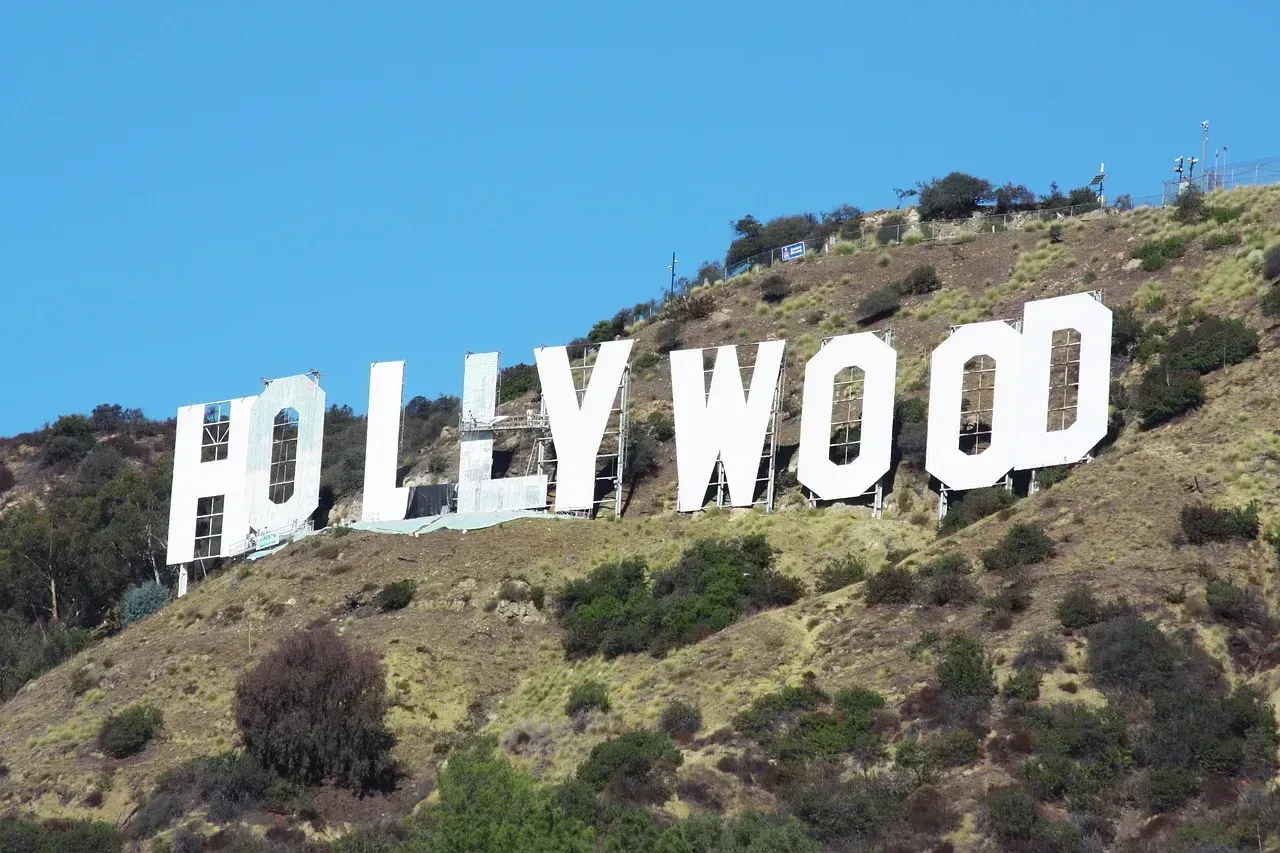
Los Angeles has the most contaminated air in the country, with a population of roughly over 10 million, the Los Angeles area is a large basin with the Pacific Ocean to the west and bounded prominently on the north and east by the San Gabriel and San Bernardino mountains. In 2024, the Los Angeles-Long Beach-Riverside area ranked the 1st most ozone-polluted city, the 6th most polluted city by annual particle pollution, and the 11th most polluted city by 24-hour particle pollution.
Traffic is nightmarish, homelessness is rampant, and crime remains a serious concern in many areas. Los Angeles, at 10.1 µg/m³, had the highest PM2.5 annual average of the 25 most populated U.S. cities. The city may be famous, but it’s also exhausting and unhealthy.
Cleveland, Ohio
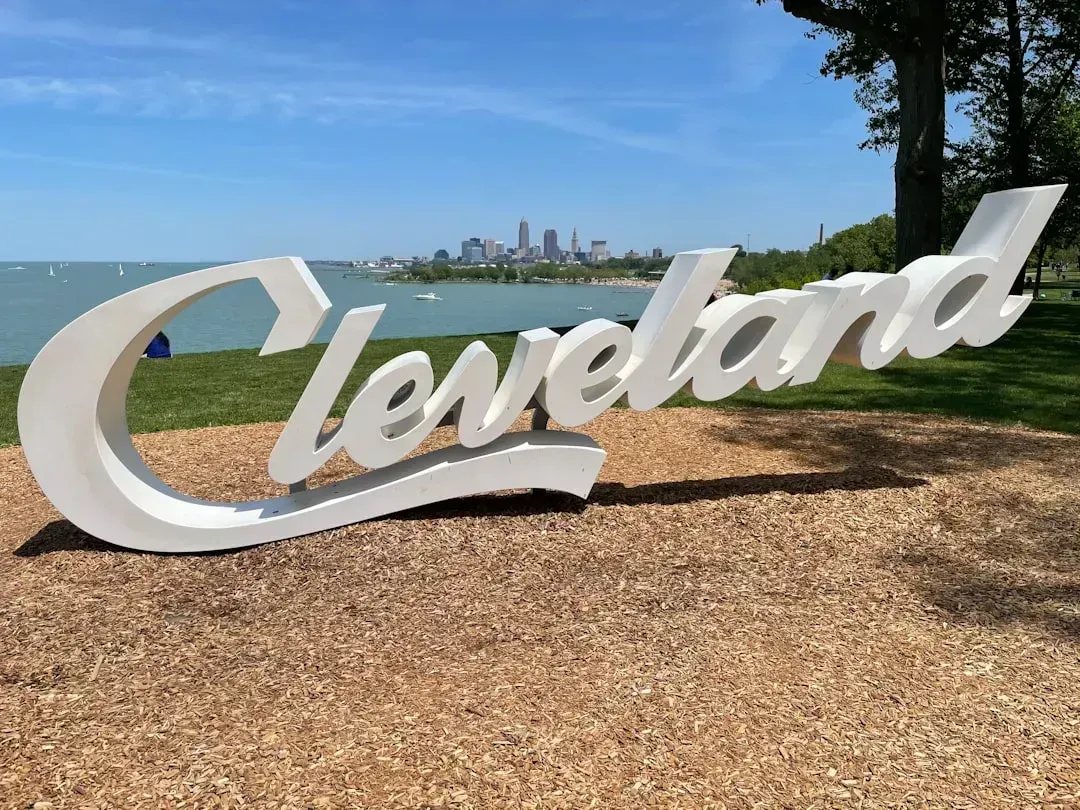
Cleveland had 7,292 violent crime incidents last year, making it one of the most dangerous cities in America, with property crime 201% higher than the national average. Cleveland has struggled with poverty and high unemployment for years, which contributes to its crime problem, with the city declining in population which leads to abandoned properties and weakened communities where crime flourishes.
The Rock and Roll Hall of Fame can only do so much to offset the grim reality of neighborhood decay. Visiting Cleveland requires constant vigilance about where you go and when, which isn’t exactly relaxing vacation material.
Stockton, California

Stockton has seen high levels of violent crime with a violent crime rate of 1,352.7 per 100,000 residents. Stockton has economic problems, including high poverty and unemployment rates, which contribute to its crime issues, with the city also having drug-related crime and gang activity, which drives up the violent crime numbers. The city went bankrupt in 2012, mainly due to the 2008 world financial crisis seeing a massive drop in property value and high unemployment rates.
Stockton lacks the cultural draws that might offset its challenges. You won’t find compelling museums or attractions that justify dealing with the elevated risk levels and economic depression visible throughout the city.
Jackson, Mississippi

In 2024, Jackson held the grim title of having the highest per capita homicide rate in America, with 118 homicides in a city of under 150,000 residents, with violence in Jackson reaching crisis levels. Factors include severe economic decline, political instability, and weakened law enforcement capabilities, with leaders seeking federal assistance and private investment to help turn the tide, but residents remain deeply concerned about their safety and the city’s future.
Jackson’s infrastructure is crumbling, with water system failures making national headlines. The combination of violent crime and failing basic services creates an environment where even short visits feel precarious.
These twelve destinations share common threads of elevated crime, environmental hazards, or severe economic decline that make them genuinely difficult to recommend. While every city has redeeming qualities and people working hard to improve conditions, the reality is that these places present challenges that outweigh their attractions for most travelers. Safety, air quality, and basic infrastructure matter when you’re planning a trip. So, would you still take the risk, or are there places on this list you’d avoid no matter what?
The Reality Check: Why We’re Being Honest About These Places

Look, we’re not trying to be mean or pile on struggling cities just for clicks. These places have real people, rich histories, and communities fighting every day to make things better. But here’s the thing – travel guides that sugarcoat dangerous situations or gloss over genuine quality-of-life issues aren’t doing anyone favors. When you’re planning a vacation or considering a move, you deserve honest information about what you’re walking into. We’ve focused on measurable data like FBI crime statistics, EPA air quality reports, and infrastructure assessments because feelings don’t trump facts when your safety’s on the line. Some travel bloggers will tell you every destination is magical if you just ‘keep an open mind,’ but that’s irresponsible advice when we’re talking about cities with homicide rates that rival war zones or air that could literally shorten your lifespan. The truth is, your time and money are precious – why waste either in places where you’ll spend more energy watching your back than actually enjoying yourself?