6 Details Chefs Say Restaurant Guests Rarely Notice
Walking into a restaurant feels simple from the guest’s perspective. You sit down, order from a menu, and food appears. Yet behind that seamless experience lies an intricate world of timing, technique, and coordination that most diners never witness. Professional chefs spend years mastering details that escape even the most observant guests.
These hidden elements determine whether your meal arrives hot, perfectly seasoned, and beautifully plated. Every single component has been orchestrated hours or even days in advance.
The Invisible Orchestra of Mise en Place
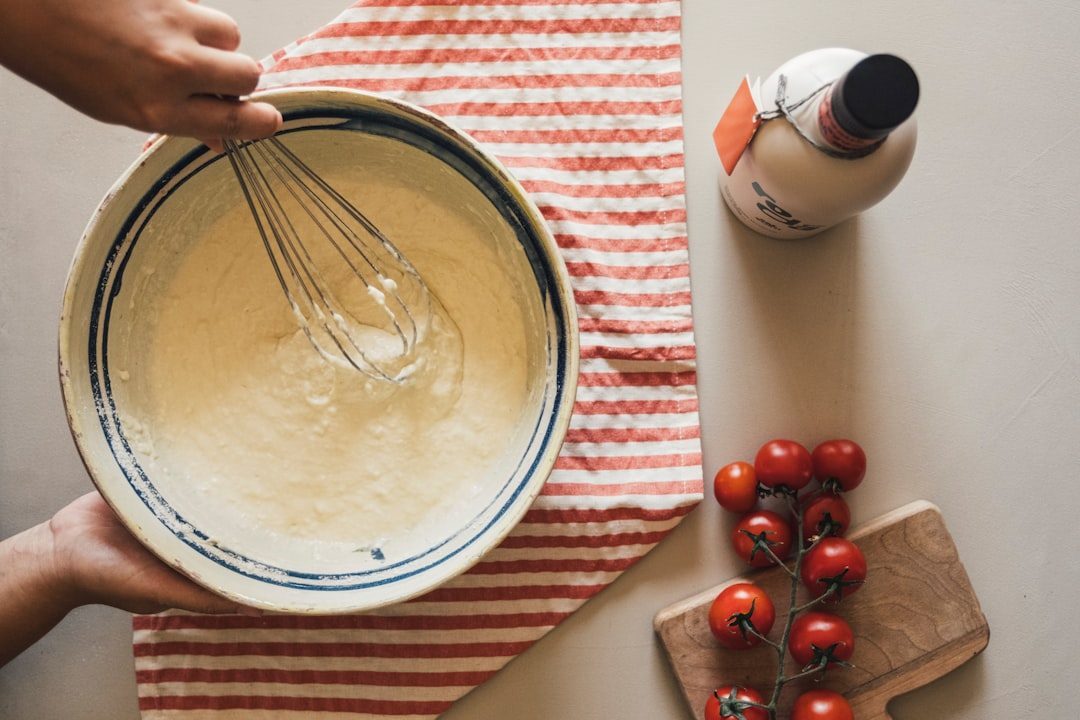
Mise en place, meaning “everything in its place,” refers to the setup required prior to cooking, involving taking out all ingredients and tools, arranging them in a convenient way, and preparing anything necessary for cooking. In a professional kitchen, it would be incredibly difficult for a chef to prepare a meal quickly while prepping ingredients and finding materials and utensils all at the same time, so much of the mise process is usually done by prep cooks.
This series of steps and stages can be pretty complex and require many hours, often longer than the actual service time, encompassing food preparation, including cutting vegetables, butchering meats, fish, and poultry. The steps involved can often be more time-intensive than cooking the food itself.
When you order that perfectly seared salmon with risotto, the chef isn’t frantically searching for ingredients. By having all ingredients prepped, measured, and within arm’s reach, professional chefs can cook with lightning speed and precision.
Menu Psychology and Strategic Placement
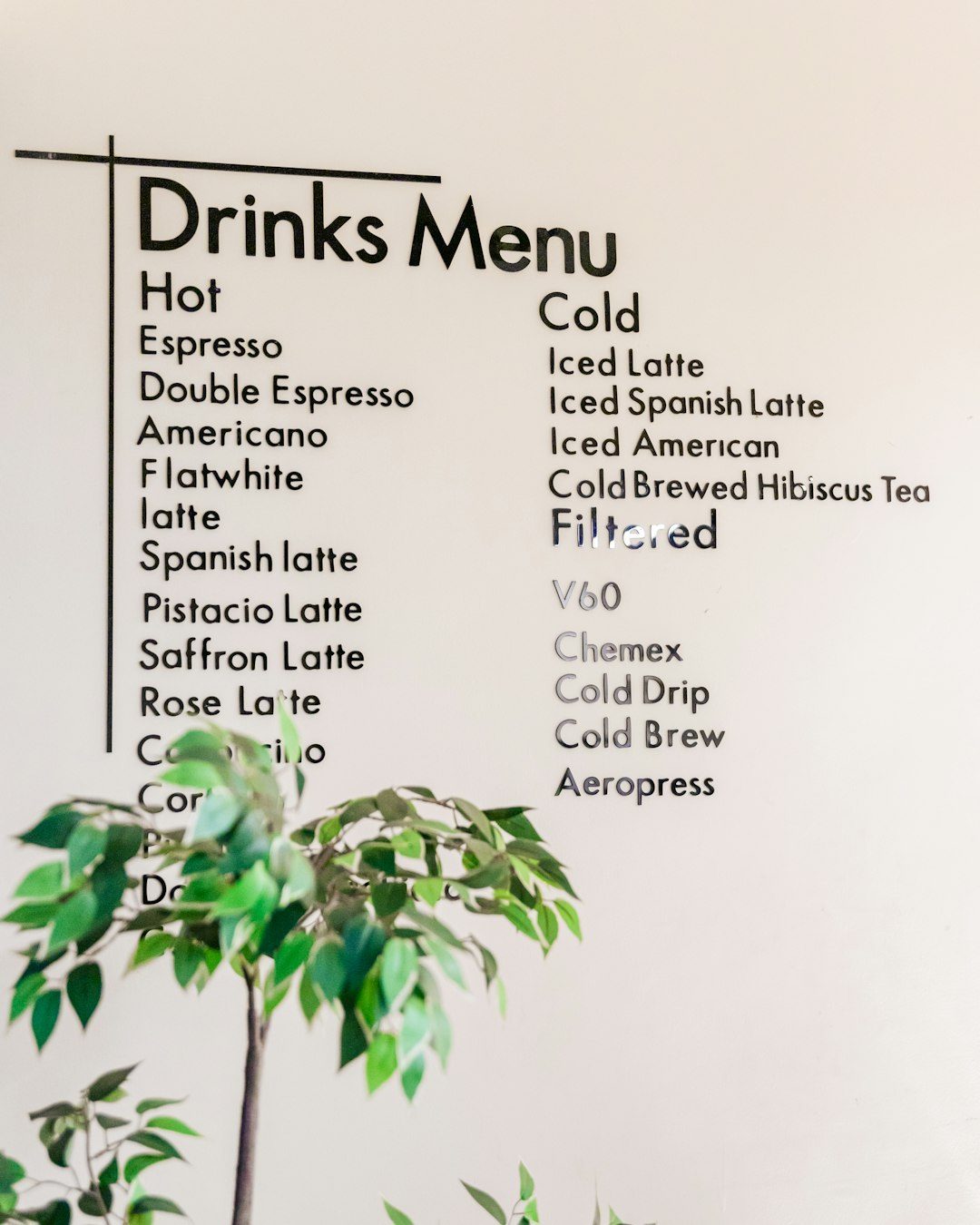
Diners don’t just read menus, they analyze them, with every placement, every price point, every highlight mattering, using smart layout strategies to anchor high-margin menu items, downplay low-profit items, and highlight profitable bundles. The right layout steers behavior and makes your menu work harder for your margins without shouting about it.
That signature dish positioned prominently on the menu? It wasn’t placed there by accident. Guests don’t want to scroll through lengthy descriptions, so the strongest menus today lead with bold fonts, tight sections, and zero fluff, since too many options slow decision-making and bury your best dishes.
Restaurants carefully craft their menus to guide your choices toward their most profitable items. Menu selection is among the key factors that influence customers to try a new restaurant, with people looking at menus and asking themselves if dishes are worth the price.
The Coordinated Dance of Kitchen Communication
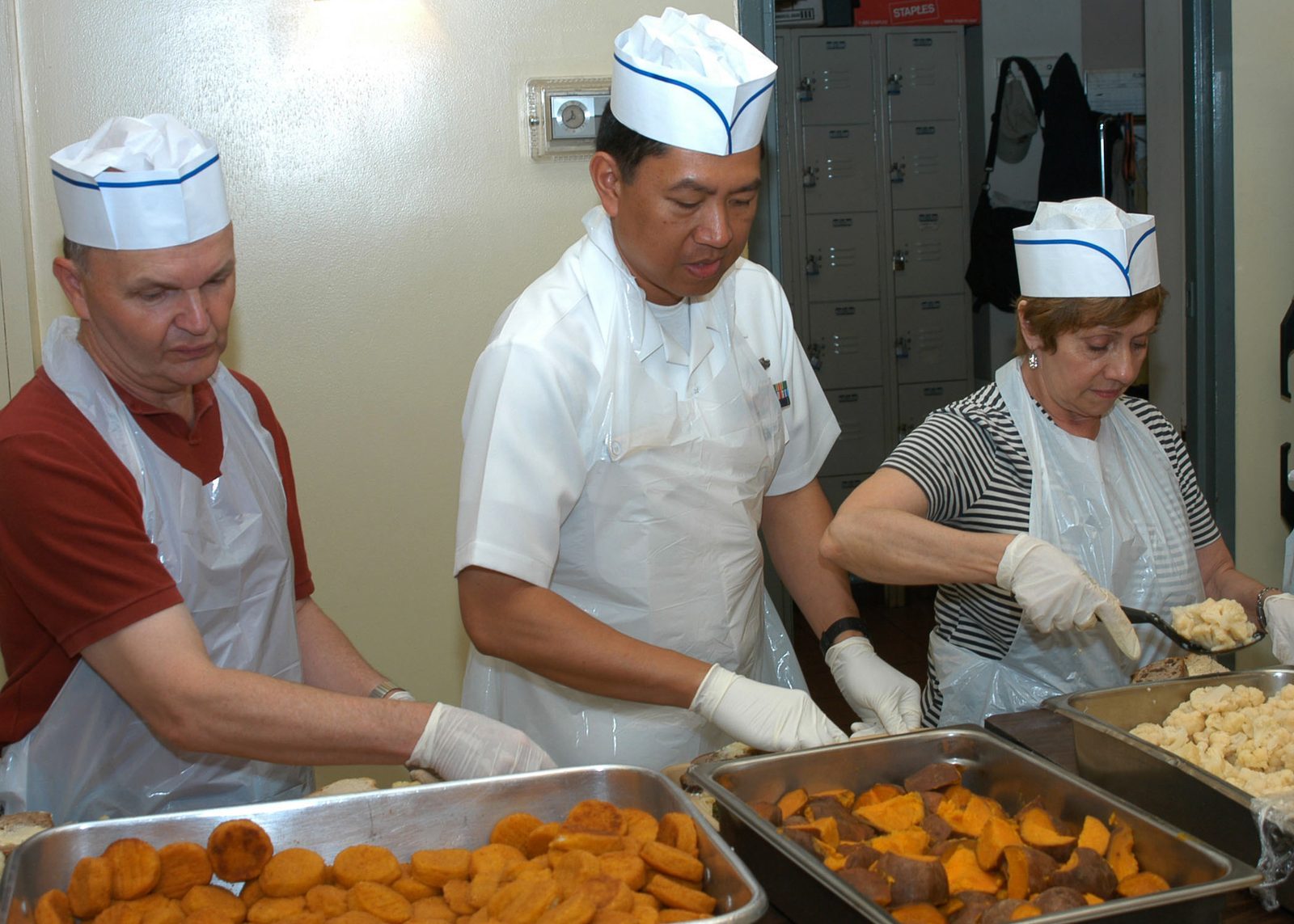
Peak dining hours require ensuring communication between the kitchen and front of house doesn’t break down, with something as simple as a two-way radio helping ensure easy communication even when a restaurant feels packed. Given the chaotic nature of restaurant work, one kitchen regulation for staff is to announce their presence around other staff members to avoid collisions, saying “heads up,” “behind you,” or “incoming” when approaching busy employees.
Professional kitchens operate like military units with precise protocols. Staff coordination during peak dining hours requires clear protocols that begin with choreography, having communication channels like walkie talkies that staff can use at a moment’s notice to maintain communication and reduce the chance of kitchen overload.
Effective communication in the hospitality industry hinges on small but deliberate choices, enabling teams to adapt instantly to shifting demands without sacrificing service quality, allowing staff to quickly alert each other if guests are running late or a dish is delayed.
The Science of Ingredient Turnover
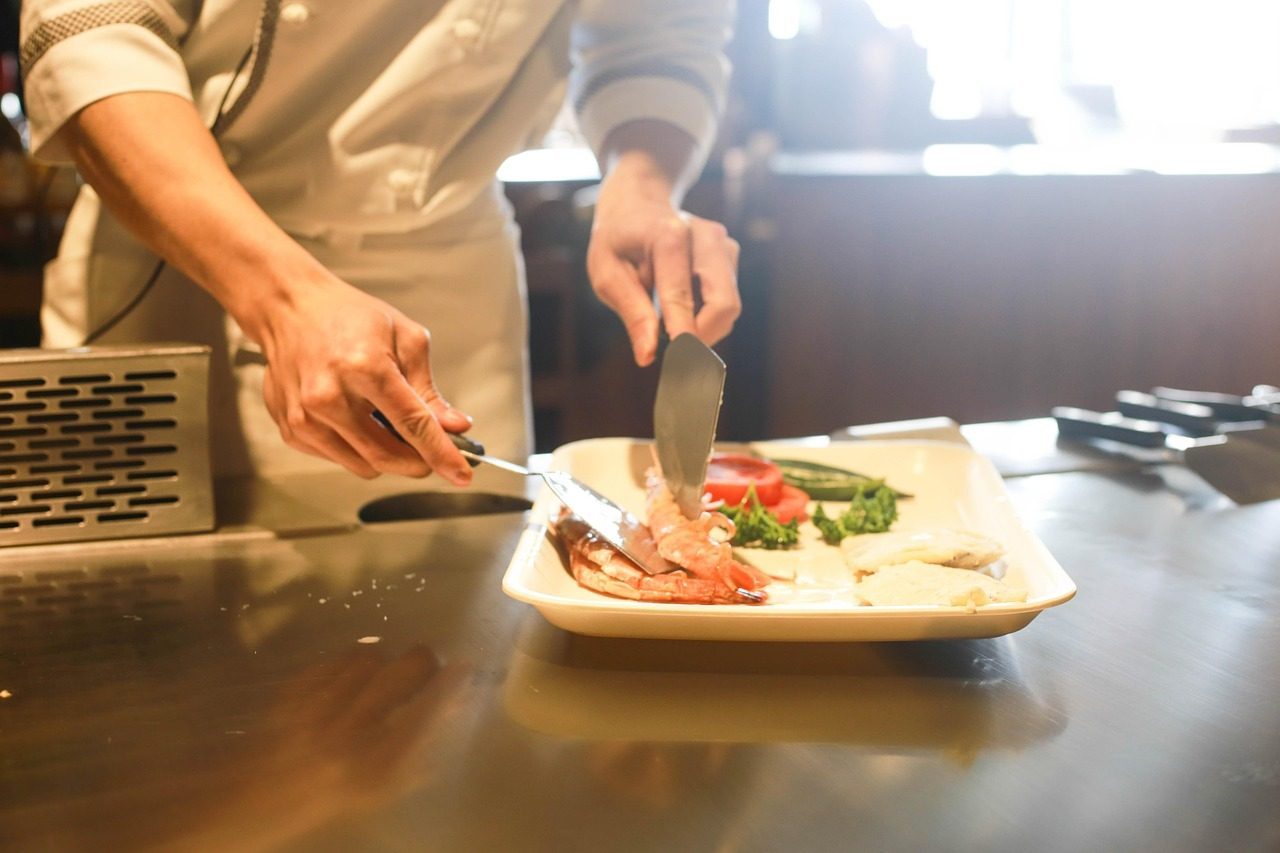
At many steakhouses, seafood dishes are typically ordered less frequently than meat options, so most of the time, the fish just sits in the kitchen waiting to be ordered, with bacteria growing the longer it sits, while at popular seafood restaurants with high turnover, fish isn’t sitting around long between delivery and cooking.
Guests assume freshness is universal, yet ingredient rotation varies dramatically by restaurant type and popularity. Some restaurants use “house-made” items that come from vacuum-sealed bags with someone else’s label as a means of cutting costs while maintaining the illusion that diners are getting a truly special, hand-crafted experience.
Nothing is worse than running out of food during a rush and having to prep on the fly while firing orders, though over-prepping wastes time and food, so many restaurants use inventory planning methods to have enough coverage if they get a run on particular items.
Timing Orchestration Between Kitchen and Service
Guests will have to wait either to get a table or to get their food, with restaurants finding it better to tell customers it will take 30-60 minutes to be seated rather than seat them quickly and have them wait a long time for food. Strategic seating management can result in the same number of covers but much smoother nights with better service and happier guests.
The apparent chaos of a busy restaurant actually follows precise choreography. The kitchen’s perspective is to seat as many people as they can execute in a timely, professional manner with quality food and successful service, though what often happens is guests show up all at once and waitstaff turn in all orders simultaneously.
It creates better guest perception to wait for a table and then have a quality experience rather than be quickly seated and wait wondering what’s happening, with proper seating defined by how many happy customers you had and how few guest relations issues required resolution due to timing.
The Invisible Network of Kitchen Organization
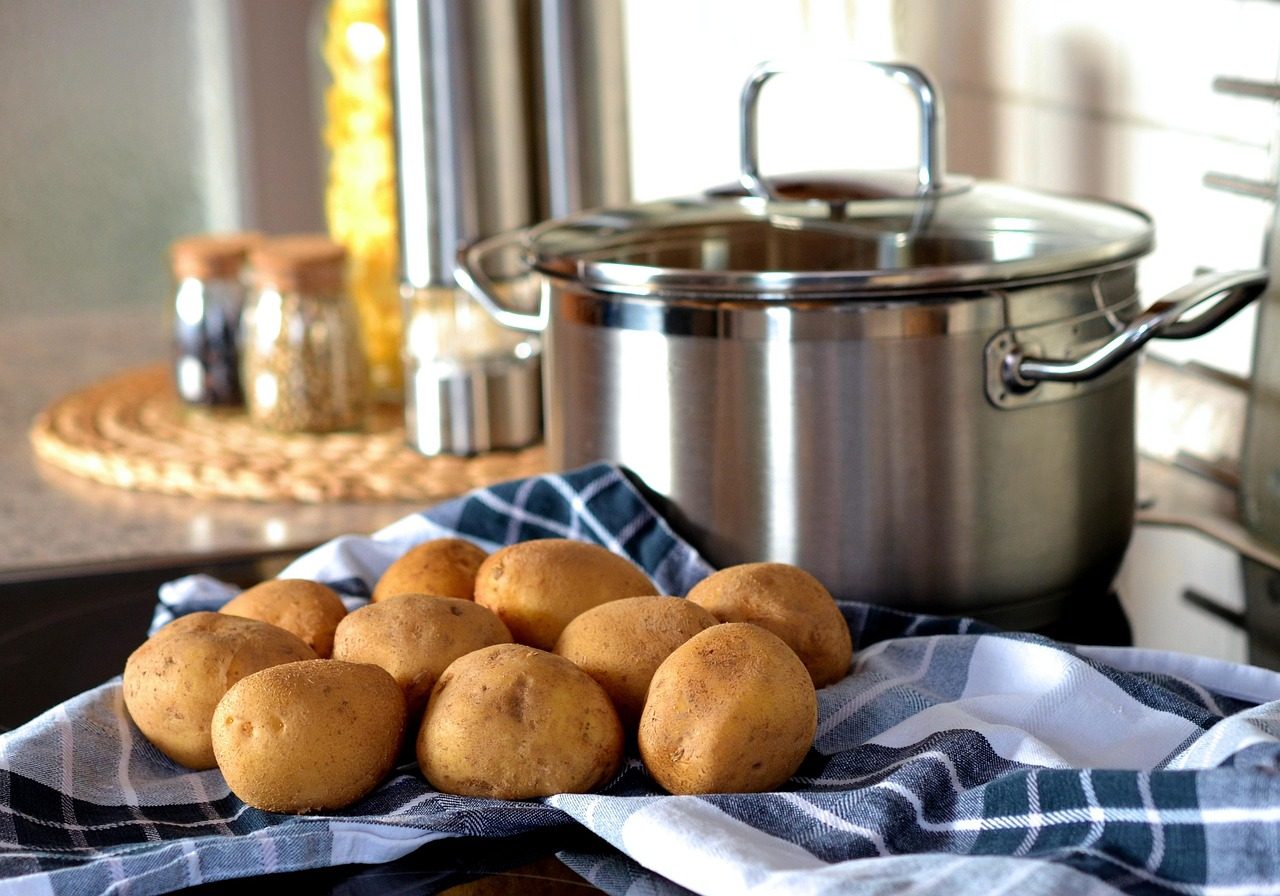
There needs to be a place for everything with labels to match, and if there isn’t a spot for something, chefs must find one, periodically stopping to wipe down and reorganize their station since working in a cluttered environment displays sloppiness and lack of professionalism.
A key aspect of mise en place involves organizing prepped items in a way that aligns with their logical usage during cooking, placing the most-used ingredients and frequently-used tools within easy reach to enhance efficiency and reduce unnecessary movement. All operations should have checklists so nothing is forgotten in the prep stage, with analysis of every menu item and recipe to determine what can be prepped ahead without losing quality.
Every successful restaurant operates on systems invisible to guests. Mise en place transforms chaos into calm and pressure into performance, serving as the backbone of efficiency, quality, and consistency in food and beverage operations. What appears effortless to diners represents hours of meticulous preparation and coordination that most guests never imagine exists behind their dining experience.
What details surprised you the most about restaurant operations? Share your thoughts in the comments.